
Last updated October 10, 2026
Free roof inspection with deck photos before we talk money - GAF and Owens Corning certified installation
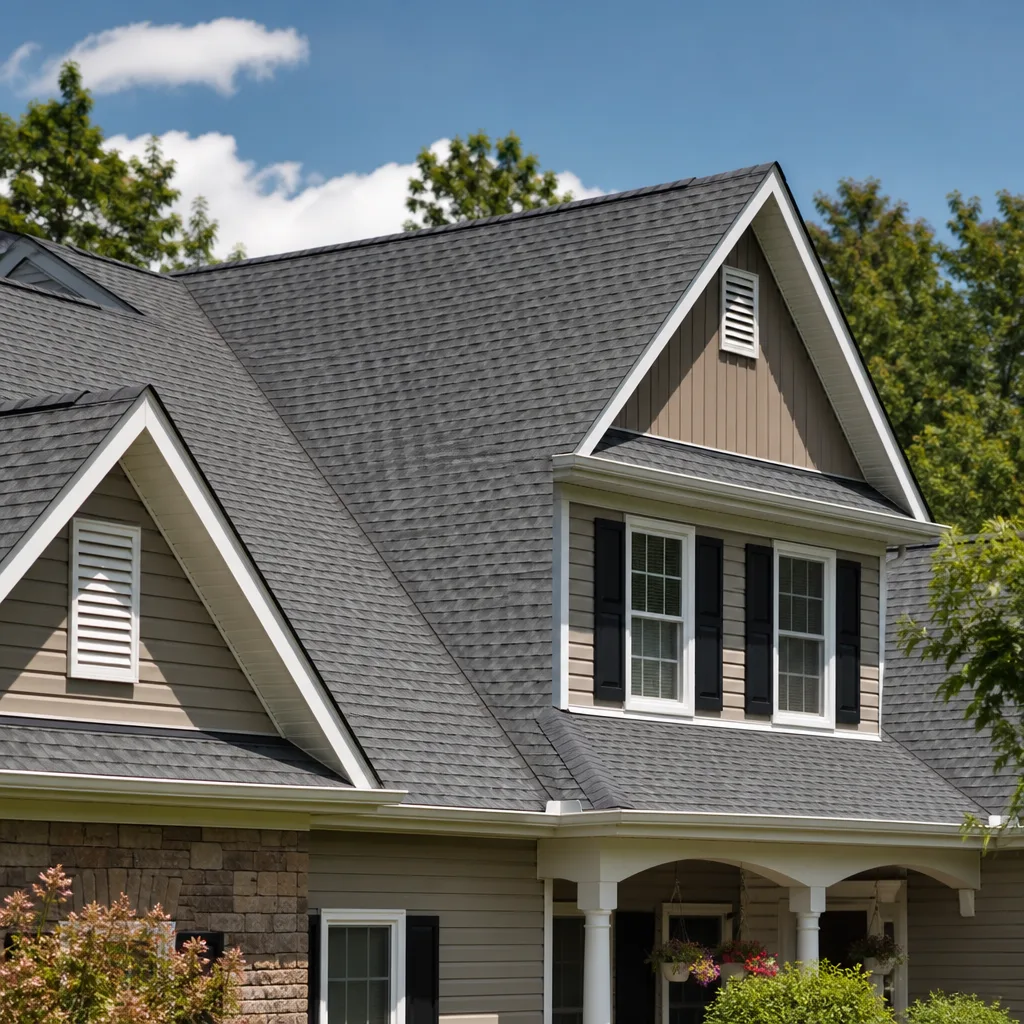
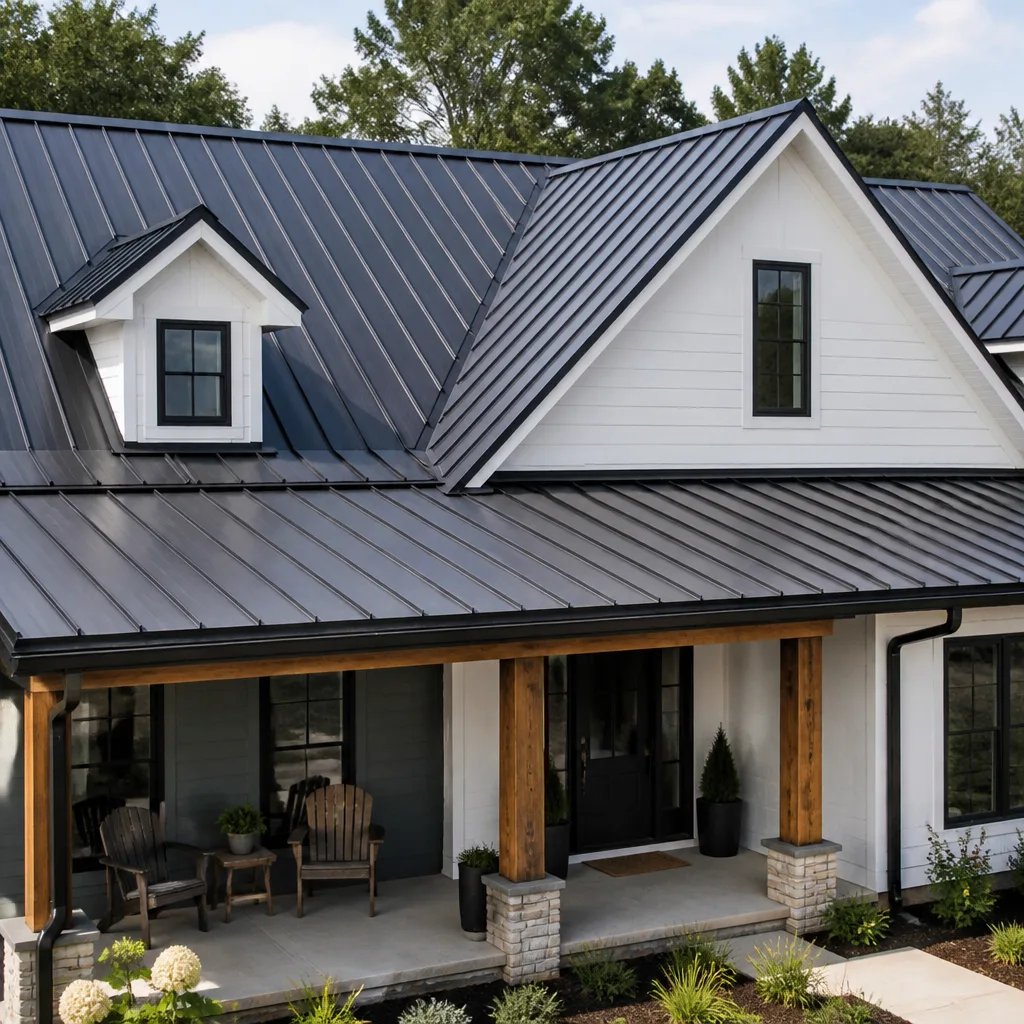
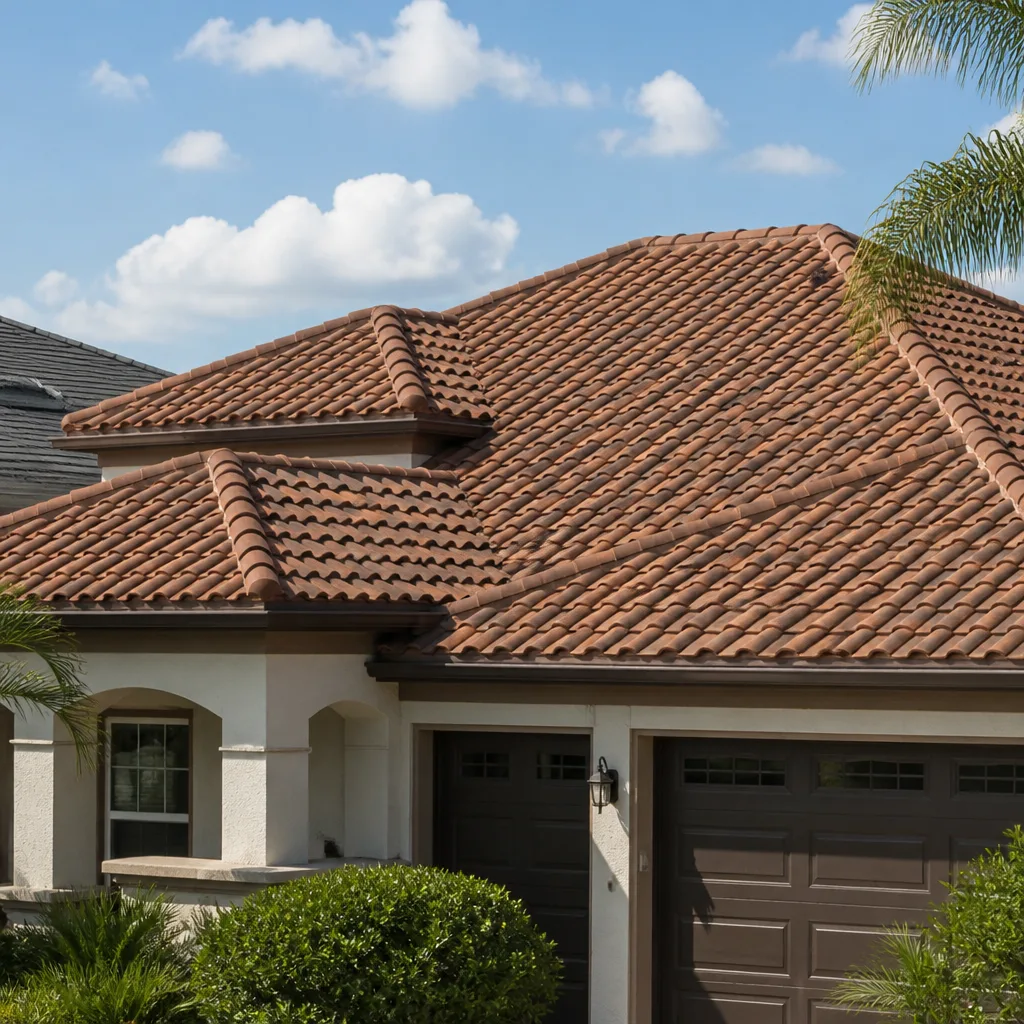
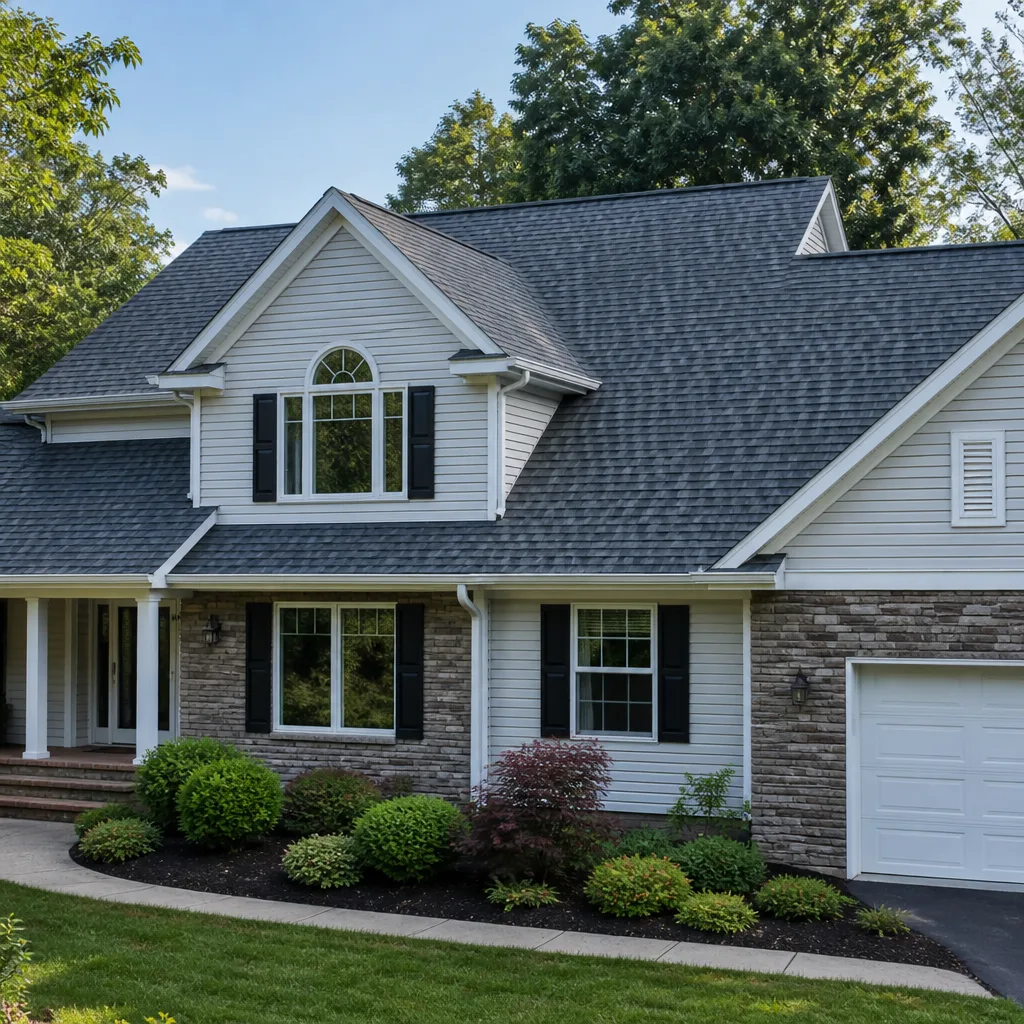
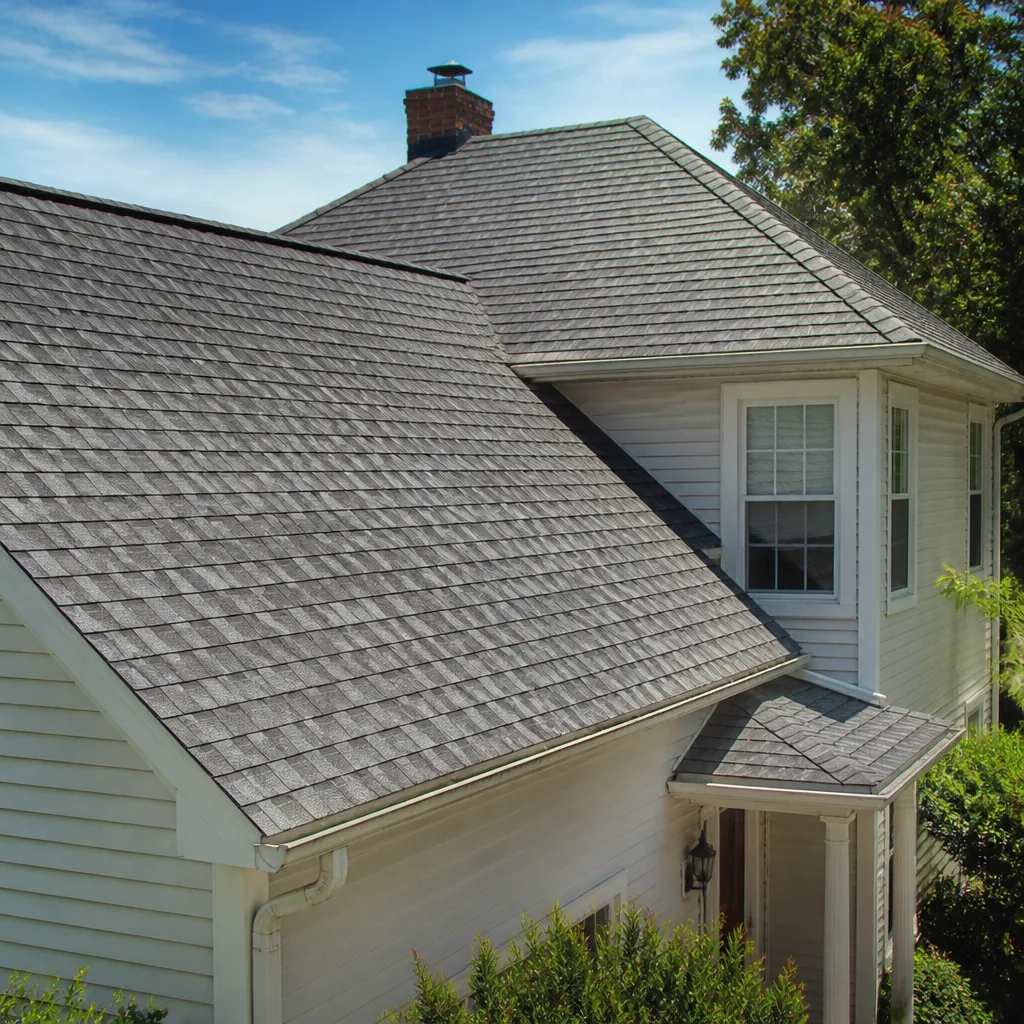
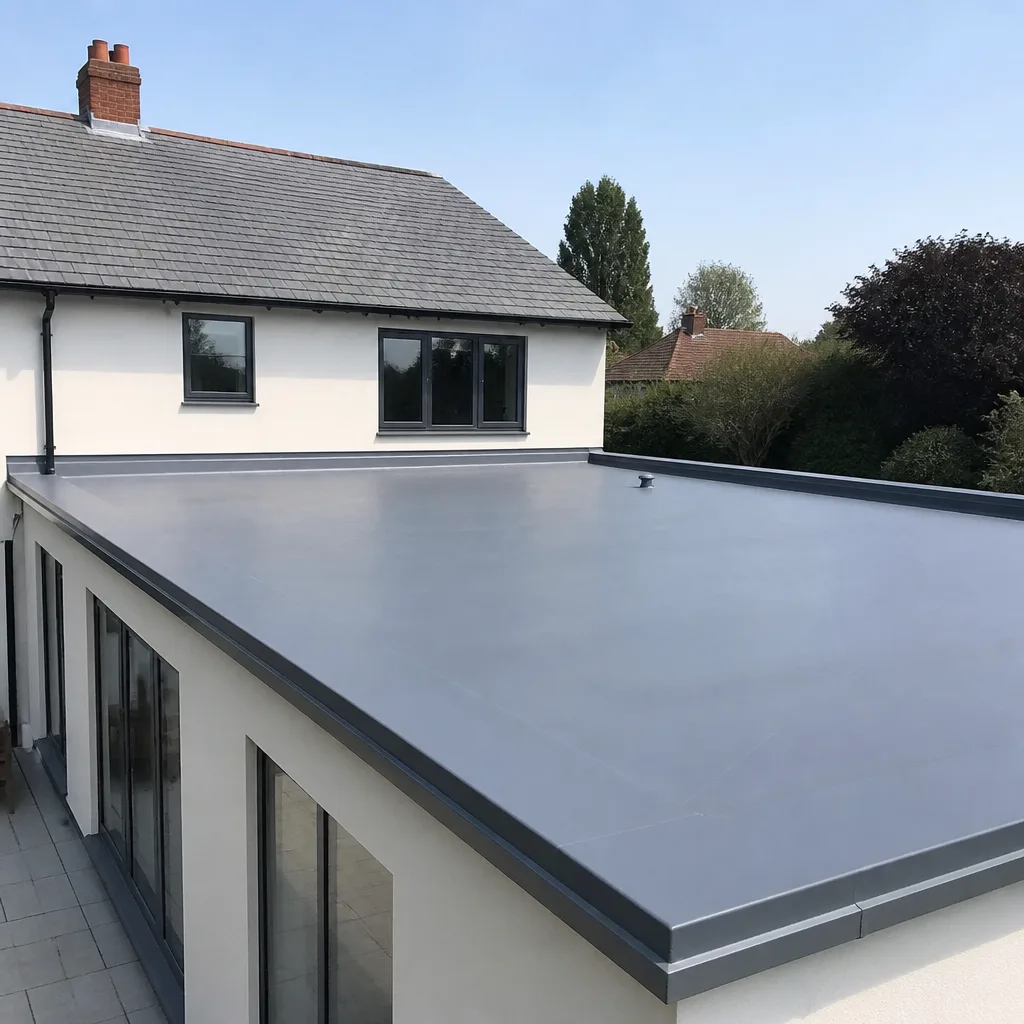
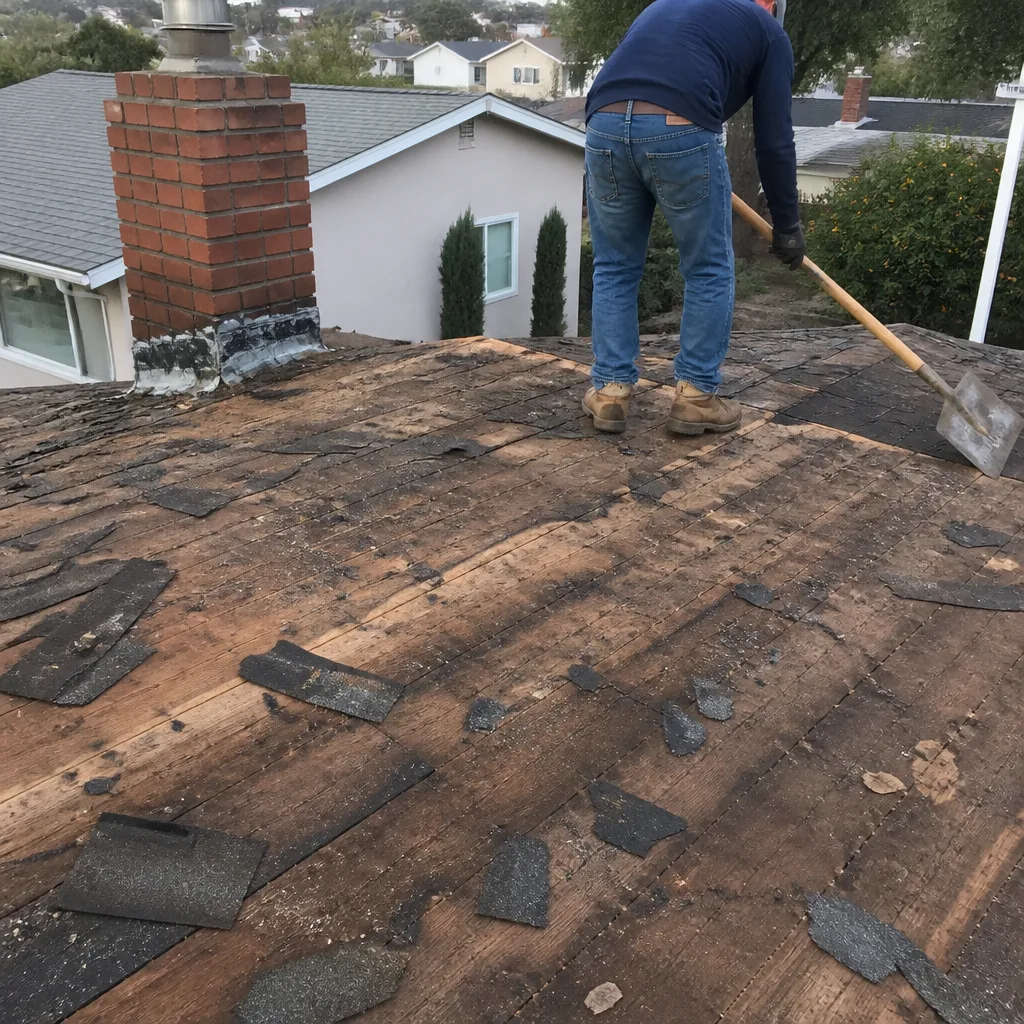 Before
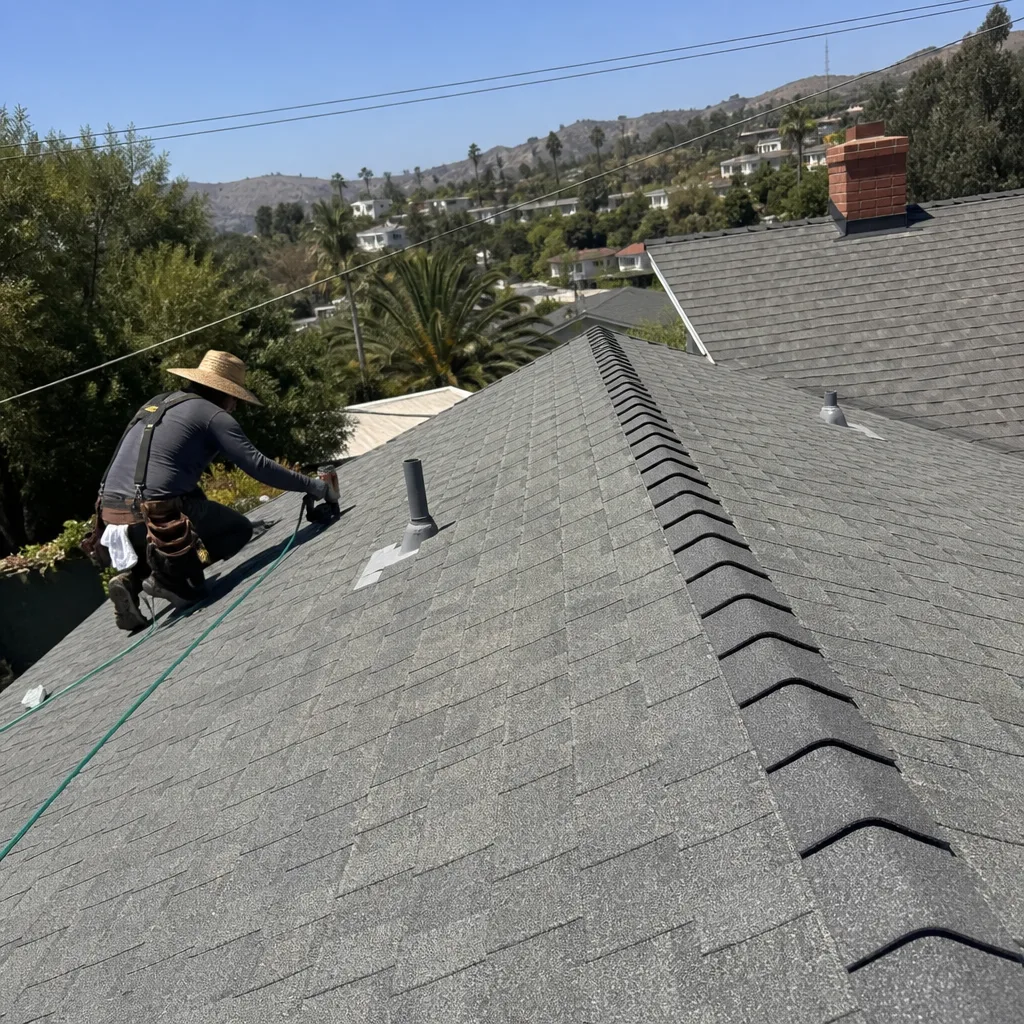 After
After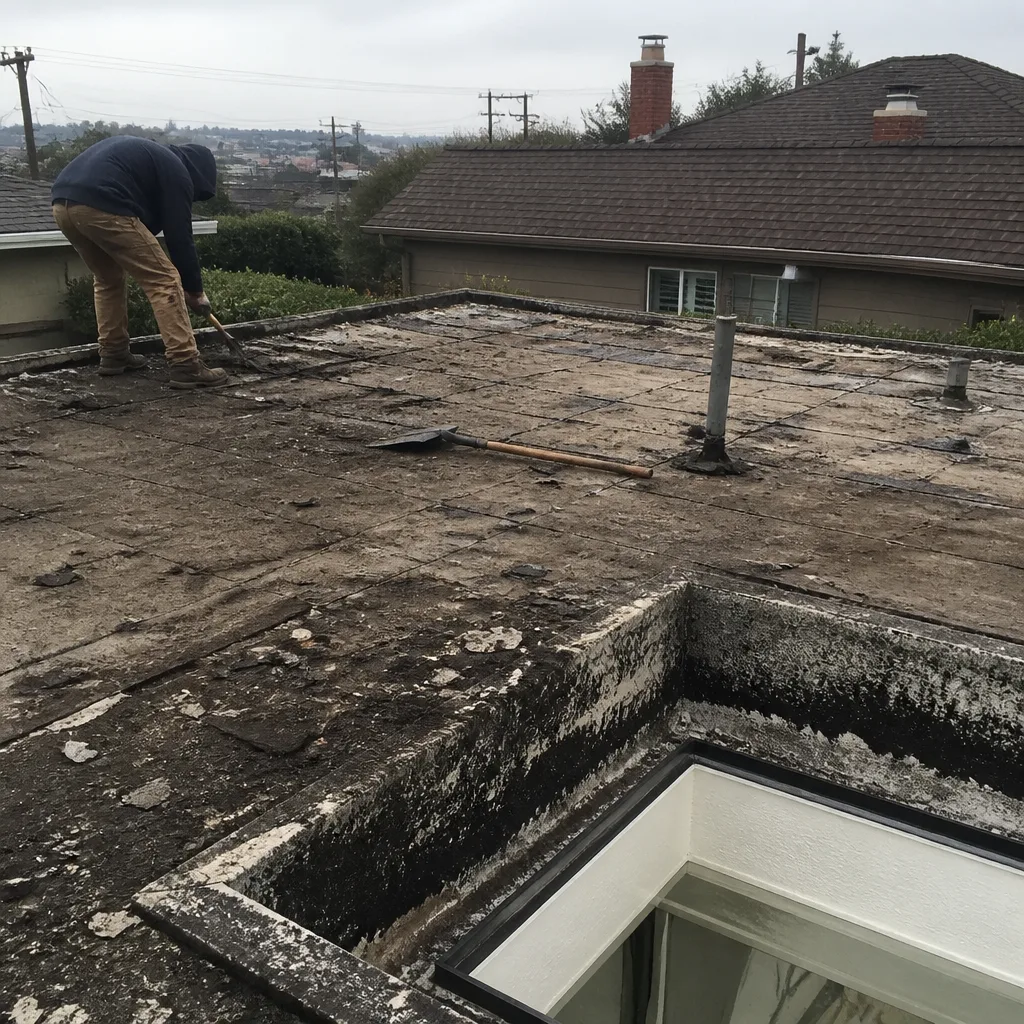 Before
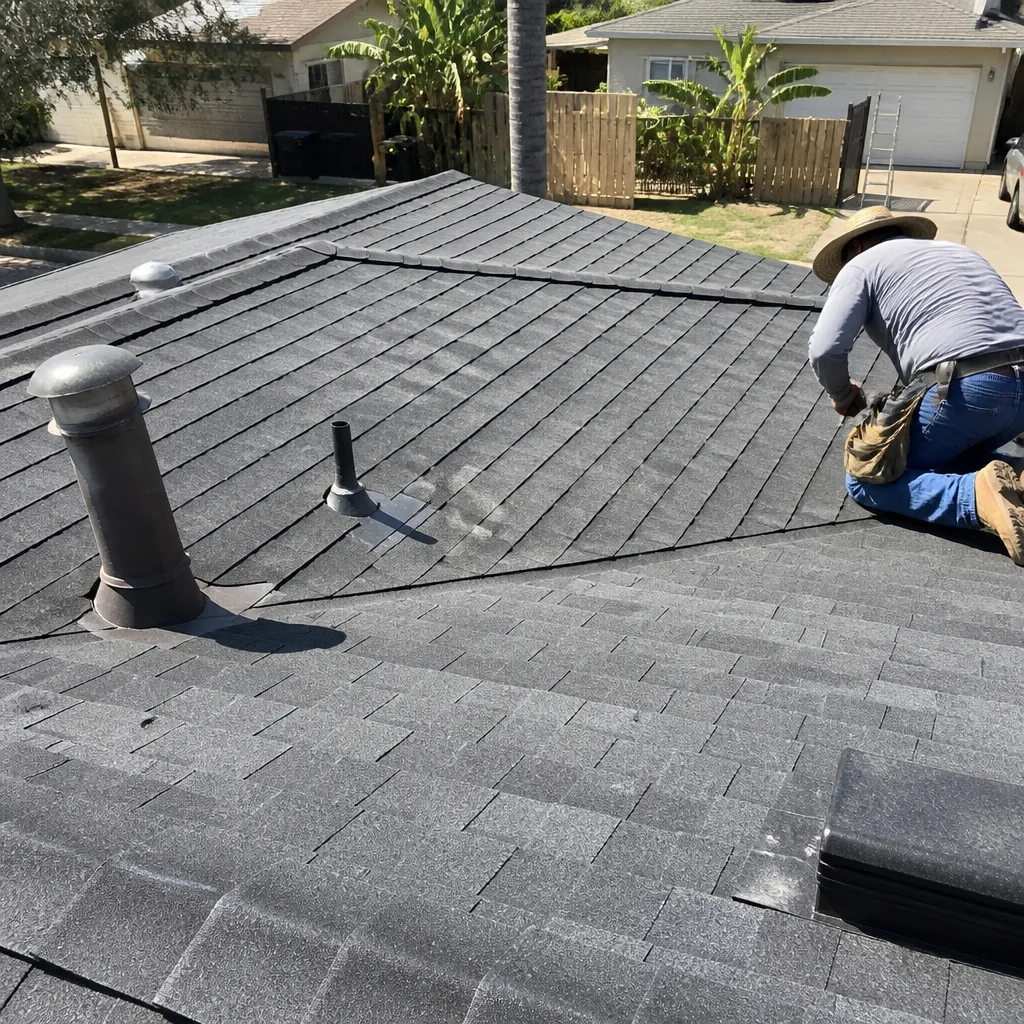 After
After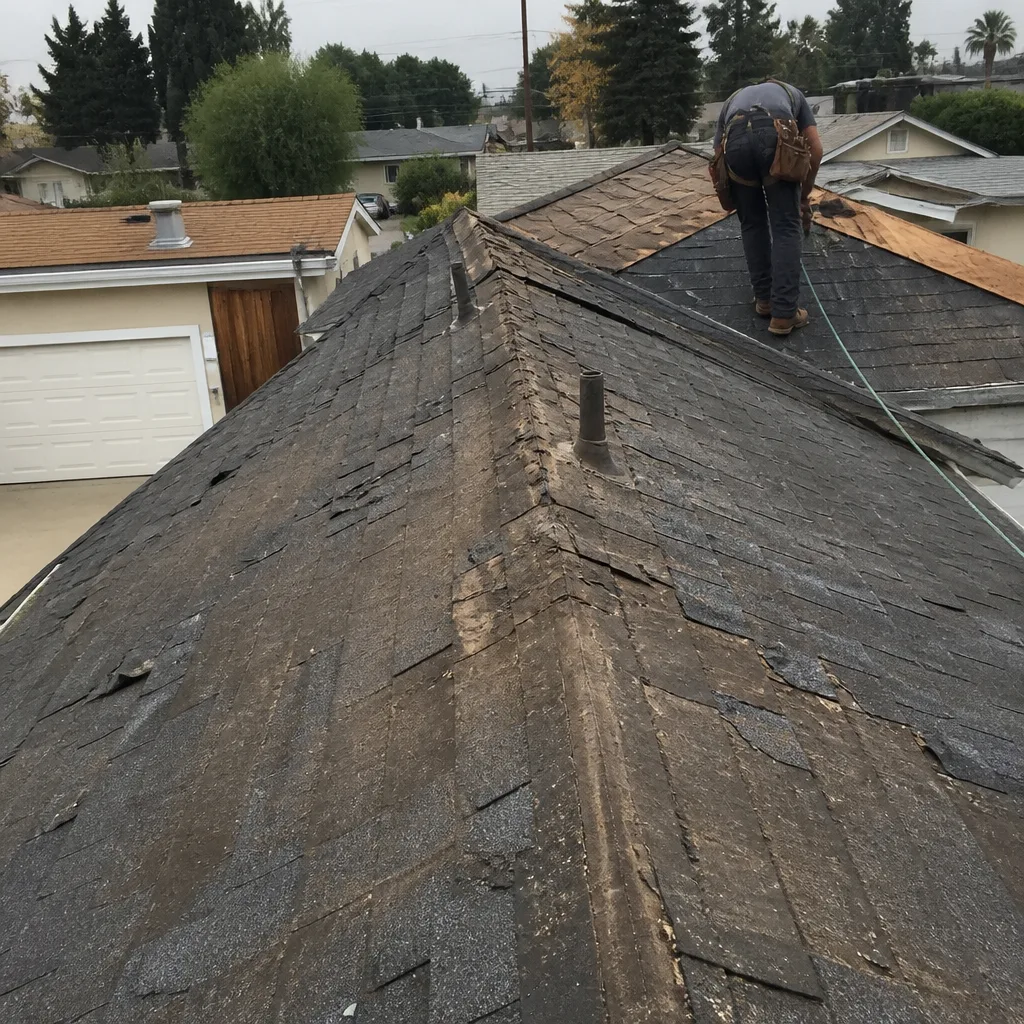 Before
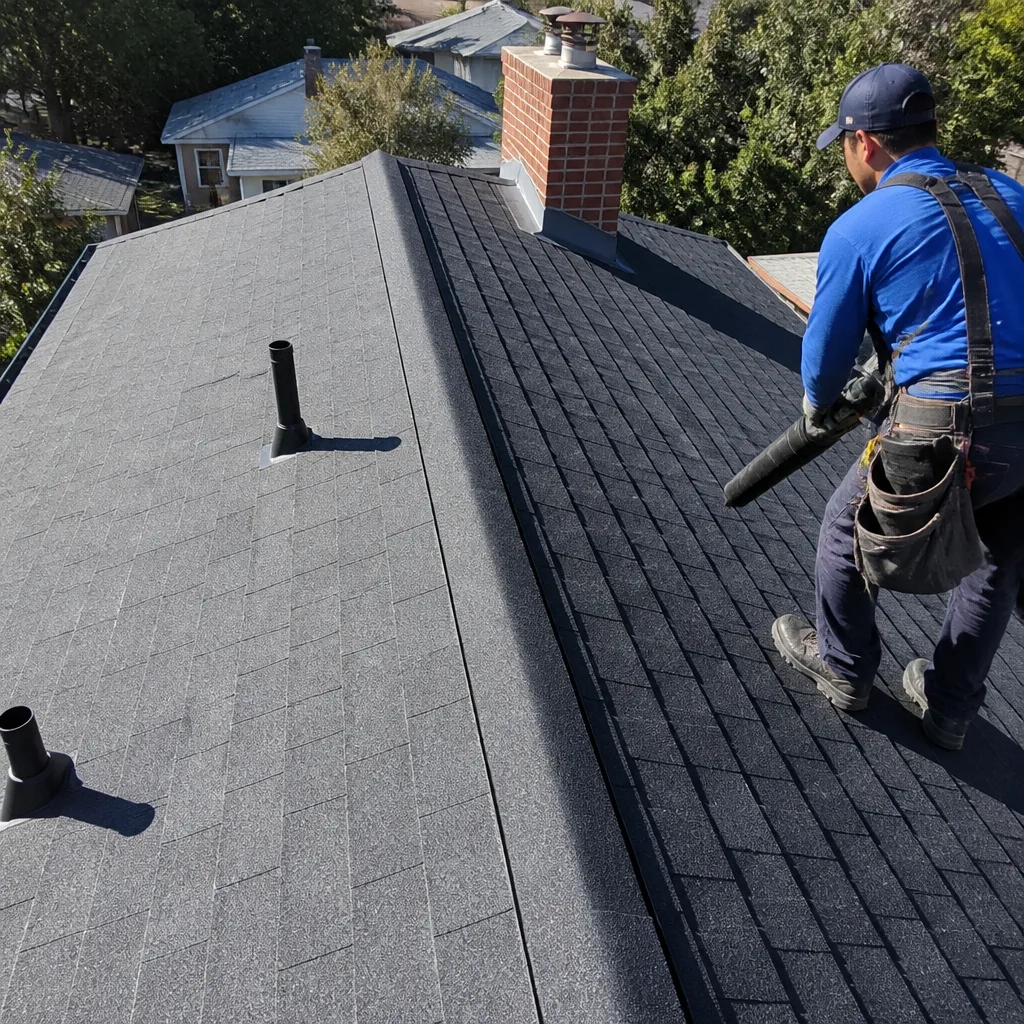 After
AfterRoof Repair Maintenance Schedule: What to Do and When
Here’s a counterintuitive truth about Los Angeles roof maintenance: the most expensive repair call we get every year comes in November, after the first real rain. Not because the damage is catastrophic, but because the homeowner skipped the September inspection that would have caught it for under $400. If you’re already seeing issues, explore our Roof Repair services before they escalate. In LA’s climate, timing isn’t everything – it’s the only thing. This guide gives you a month-by-month maintenance calendar built around three distinct stress seasons that hit 90001 through 93599: post-Santa Ana winds, pre-rainy season, and peak UV summer. You’ll learn exactly what to check, when to check it, and what documentation to demand so you’re never surprised by a leak or a ballooning repair bill.
Quick Answer
A proper roof maintenance schedule for Los Angeles homes means inspecting in September before rains arrive, checking wind damage after Santa Ana events from November through February, and auditing UV damage in July and August before sealants harden and crack. Most asphalt shingle roofs in LA need professional attention three times yearly, with gutter cleaning twice a year and attic ventilation checks once. For deeper reading, see Roof Repair Warning Signs Every Homeowner Should Know. A written photo log from each visit protects your warranty and insurance claims far better than any verbal “all clear.”
Table of Contents
- Why LA Has Three Roof Stress Seasons, Not Four
- Month-by-Month Roof Maintenance Calendar for Los Angeles
- The September Pre-Rain Inspection: Six Critical Checks
- Post-Santa Ana Wind Damage Protocol (November – February)
- Summer UV Audit: July – August Sealant and Shingle Check
- What to Demand in Writing After Every Maintenance Visit
- Common Mistakes to Avoid
- When to Call a Professional
- Frequently Asked Questions
Why LA Has Three Roof Stress Seasons, Not Four
Most national roof maintenance guides divide the year into spring, summer, fall, winter. That template works for Cleveland or Charlotte. It fails in Los Angeles because our weather doesn’t follow that rhythm.
LA roofs face three distinct threat windows:
- Post-Santa Ana wind season: November through February brings sustained 40+ mph winds, with gusts hitting 80 in canyon neighborhoods like Laurel Canyon, Topanga, and parts of the San Fernando Valley. These winds lift shingles, tear flashing, and drive debris under ridge caps.
- Pre-rainy season: October through April brings actual precipitation, but the critical window is September. That’s when you catch summer damage before water finds it.
- Peak UV summer: July and August deliver 280+ days of annual sunshine concentrated into eight weeks of intense thermal cycling. Asphalt shingles on west- and south-facing slopes can hit 160°F surface temperatures, baking sealant and accelerating granule loss.
The gaps between these seasons matter too. March through June is LA’s most benign roof period – mild temperatures, minimal wind, no rain. This is when you schedule major repairs or full replacements, not emergency patches. Contractors have cleaner schedules, materials cure properly, and you’re not racing weather.
We’ve seen this pattern hold across every neighborhood from Venice to Eagle Rock, from 1920s clay tile in Hancock Park to composite shingles in newer Porter Ranch builds. The specific damage varies – clay tiles crack from thermal shock, composites lose granules, flat roofs pond water – but the seasonal timing stays consistent.
Month-by-Month Roof Maintenance Calendar for Los Angeles
Here’s the calendar we use when advising Los Angeles homeowners. Adjust slightly based on your specific microclimate – coastal zones like Playa del Rey run cooler and saltier, inland valleys like Encino and Northridge run hotter and windier.
January – February: Post-Storm Recovery
After Santa Ana events, check for wind-lifted shingles, displaced tiles, and debris accumulation in valleys and behind chimneys. Document everything with photos before clearing debris – insurance adjusters want to see cause and effect. If you had multiple wind events, prioritize a professional inspection; cumulative damage often hides until the next storm finishes the job. Our Roof Repair Troubleshooting: Common Problems and How to Fix Them explains what inspectors look for.
March – April: Gutter and Drainage Deep Clean
Rain season is tapering off. Clear gutters, downspouts, and scuppers on flat roofs. Check for granule accumulation in gutters – heavy deposits signal shingle degradation. This is also ideal timing for any repairs identified in winter: dry weather ahead, contractor availability improving, materials curing reliably.
May – June: Attic Ventilation and Insulation Check
Before summer heat builds, verify your attic ventilation is working. In Los Angeles, code requires 1 square foot of net free vent area per 150 square feet of attic floor space (or 1:300 with balanced intake/exhaust). Blocked soffit vents, failed ridge vents, or insufficient exhaust create heat traps that cook shingles from below. We’ve replaced 12-year shingles that should have lasted 25 because the attic hit 180°F regularly.
July – August: UV and Sealant Audit
The critical summer window. See the dedicated section below for the full protocol.
September: The Pre-Rain Inspection
The most important maintenance window of the year. See the dedicated section below.
October: Final Gutter Clean and Downspout Test
Last chance before rain. Run water through downspouts to verify flow. Check splash blocks and drainage slopes – ponding near foundations in LA’s clay soils causes structural issues that dwarf roof repair costs.
November – December: Wind Watch and Rapid Response
Santa Ana season peaks. After each event, do a ground-level scan for obvious damage. Don’t climb the roof in high winds – that’s when we get the emergency calls, and not just for roof damage.
The September Pre-Rain Inspection: Six Critical Checks
The worst time to schedule a roof inspection in Los Angeles is after the first October rain. By then, any cracks that opened over summer have already let water into your decking. The inspection needs to happen in September, before the rain arrives.
Here’s what a thorough September inspection covers:
- Flashing integrity around all penetrations. Flashing – the metal strips that seal joints around chimneys, vents, and skylights – expands and contracts all summer. Check for lifted corners, separated seams, and cracked sealant. In Los Angeles, we see more leaks from failed flashing than from failed shingles.
- Shingle sealant strip adhesion. Asphalt shingles have a tar-based sealant strip that activates with heat and bonds overlapping shingles together. After peak summer, check that these bonds are intact, especially on north-facing slopes that didn’t get enough heat to fully activate. Lifted shingles without broken bonds can often be resealed; broken bonds mean replacement.
- Granule loss assessment. Rub your hand across a shingle surface. Heavy granule loss exposes the asphalt mat to UV degradation. In LA’s intensity, unprotected asphalt can fail in 18 months. Compare slopes: south- and west-facing typically show more loss. If you can see the black asphalt substrate, you’re past the warning stage.
- Valley condition. Valleys channel the most water. Check for debris accumulation, lifted or cracked valley metal, and worn shingles at the centerline. Open valleys with exposed metal last longer than closed valleys in heavy debris areas like neighborhoods near the Angeles National Forest.
- Ridge and hip cap security. These are wind’s first target. Verify all caps are present, properly nailed, and sealed. Missing caps create entry points that direct water straight to the decking.
- Flat roof membrane and penetration seals. For low-slope sections common in Mid-Century Modern homes in the Hollywood Hills or Silver Lake, check TPO, modified bitumen, or built-up roofing for blisters, splits, and failed pitch pockets around pipe penetrations.
A professional September inspection in Los Angeles typically runs $200 – $400 for a standard residential roof. Most standard repairs identified at this stage – flashing reseal, shingle replacement, minor sealant work – run $350 – $850. Compare that to $2,500 – $6,000 for decking replacement after a winter of undetected leaks.
Post-Santa Ana Wind Damage Protocol (November – February)
Santa Ana winds don’t just blow things around. They create pressure differentials that lift shingles from below, drive debris under laps, and exploit any existing weakness. After a significant event – sustained winds over 40 mph or gusts over 60 – here’s what to do before calling a roofer.
Step 1: Ground-level documentation. Walk your property and photograph anything unusual: shingles in the yard, displaced tiles, lifted edges visible from the ground, new debris on the roof. Date-stamp everything. Insurance claims require proof the damage occurred during a specific event, not gradual wear.
Step 2: Attic inspection. Check for new water stains on the underside of decking, especially near valleys, chimneys, and vent penetrations. Daylight visible through the roof boards is an emergency – water follows the same path.
Step 3: Interior check. Look at ceiling corners, around light fixtures, and at wall-ceiling joints. Slow leaks often manifest as discolored drywall or bubbling paint before they drip.
Step 4: Temporary protection if needed. If you find active leaks, tarp the affected area from the eave to the ridge, extending 4 feet past the damage on all sides. Secure with 1×3 furring strips, not nails through the shingles. This is temporary – three days max in dry weather, immediate professional follow-up if rain is forecast.
Step 5: Professional assessment with documentation request. When you call for inspection, specify that you need wind damage documentation for potential insurance claim. A proper report includes: wind speed data for your date and location, photos with measurement references, specific damage locations mapped to roof plan, and repair versus replacement recommendations with written pricing.
In Los Angeles, we’ve seen insurance adjusters deny claims because the homeowner cleared debris before documenting, or because the roofer’s report lacked wind speed correlation. The documentation protocol matters as much as the repair itself.
Summer UV Audit: July – August Sealant and Shingle Check
Los Angeles UV exposure is quantifiably harsher than most US markets. The South Coast Air Quality Management District tracks solar radiation data showing LA Basin roofs receive 15 – 20% more annual UVB exposure than San Francisco and 30% more than Seattle. This matters for material selection and maintenance timing.
The July – August audit focuses on thermal degradation before it becomes cracking and failure:
- Sealant flexibility test. On a cool morning, gently press roof sealant at flashing joints and penetration seals. Good sealant rebounds; hardened, cracked sealant stays depressed or crumbles. In LA’s heat, quality polyurethane or silicone sealants last 5 – 7 years; cheap asphalt-based products fail in 2 – 3.
- Shingle pliability check. Bend a corner shingle tab slightly (on a cool day, in early morning). Flexible shingles snap back; brittle ones crack or stay bent. Brittleness signals advanced UV degradation. This is especially relevant for older Owens Corning or CertainTeed shingles in the 15 – 20 year range – quality materials, but nothing lasts forever in this sun.
- Fastener pop inspection. Thermal expansion cycles push nails upward over time. Look for raised nail heads, especially on south-facing slopes. Each popped nail is a future leak path.
- Chimney cricket and saddle condition. The peaked structure behind chimneys on wider roofs diverts water. Check for cracked sealant at the cricket-to-chimney joint and deteriorated flashing. This joint fails repeatedly in LA because it catches full sun and pooled water simultaneously.
- Skylight seal and gasket review. Skylight manufacturers specify gasket replacement intervals, but LA homeowners often ignore them. UV degrades rubber gaskets from the outside while attic heat attacks from inside. A failed skylight seal dumps water directly onto drywall with no decking protection.
If your audit reveals multiple issues, schedule repairs for September or March – the optimal windows for material curing. Emergency summer repairs work, but asphalt sealants and adhesives cure unpredictably above 90°F ambient.
What to Demand in Writing After Every Maintenance Visit
A verbal “you’re good” from a roofer is worthless for warranty claims, insurance disputes, or home sale disclosures. Here’s what Crestview Roofing provides under The Relay Visibility Guarantee, and what you should require from any roofer working on your Los Angeles home:
- Written line-item pricing before work starts. Not an estimate range – a fixed price for each identified item. The number on the page is the number on the invoice. No change orders without written homeowner approval.
- Date-stamped before-and-after photos. Every area inspected, every repair made, documented with location references. These photos belong to you, not the contractor.
- Specific material identification. If shingles were replaced, note the manufacturer (GAF, CertainTeed, Owens Corning, IKO, Atlas, Tamko, or Boral) and product line. Warranties require this specificity.
- Work description with location mapping. “Replaced three shingles on west slope, 8 feet from ridge, 12 feet from north valley” – not “repaired some shingles.”
- Condition assessment of remaining roof areas. What’s good, what’s marginal, what needs monitoring. This creates baseline documentation for future comparisons.
- Written guarantee terms. For repairs, this should specify duration, coverage scope, and response protocol. Our 365-Day Done Right Promise covers any covered repair that fails within 365 days, corrected at no charge with a free second visit if needed.
- Digital invoice delivered by text or email. Paper invoices get lost. Digital records with cloud backup protect you for the life of your homeownership.
This documentation standard isn’t about distrusting your roofer. It’s about creating a defendable record. When a Los Angeles home sells, disclosure requirements ask about roof age, repairs, and condition. A five-year photo log answers every question definitively and often increases sale price by eliminating buyer uncertainty.
Common Mistakes to Avoid
- Waiting for a leak to schedule maintenance. By the time water shows on your ceiling, decking is often saturated and insulation contaminated. In LA’s mild climate, slow leaks can rot structure for two years before becoming visible. The $300 September inspection prevents the $5,000 interior repair.
- Pressure-washing asphalt shingles. We’ve seen this in Santa Monica and Pacific Palisades, where homeowners want “clean” roofs. Pressure washing strips granules, voids manufacturer warranties, and forces water under shingles. If moss or algae grows (rare in LA’s dry climate, more common in shaded canyon homes), use manufacturer-approved treatments only.
- Ignoring microclimate differences within Los Angeles. A roof in Malibu faces salt air corrosion that a Pasadena roof never sees. A roof in Shadow Hills deals with more wind exposure than one in Koreatown. Generic maintenance advice misses these factors. Tailor your schedule to your specific conditions.
- Accepting phone estimates without inspection. No ethical roofer can price a repair accurately from a phone description. Photos help, but flashing details, decking condition, and underlying issues require hands-on assessment. Anyone quoting a firm price sight unseen is either guessing or planning to escalate at the door.
- Skipping attic ventilation checks. Los Angeles homeowners focus on the roof surface and ignore what’s underneath. Poor ventilation destroys shingles from below while the top looks fine. Check soffit vents for paint overspray, insulation blockage, or pest intrusion at least annually.
- Using non-roofing contractors for “simple” repairs. Handymen can replace a shingle, but they rarely understand valley drainage, flashing integration, or warranty requirements. A repair that violates manufacturer installation guidelines voids your material warranty. For anything beyond single-shingle replacement, use a licensed roofing contractor.
When to Call a Professional
Some situations demand immediate professional assessment: active leaks during rain, visible sagging in roof lines, multiple missing shingles after wind events, or daylight visible through roof boards from the attic. Safety matters too – steep pitches, tile roofs (especially clay or concrete), and any work near power lines require proper equipment and training.
For routine maintenance, call when your own inspection reveals issues beyond your comfort level, or when your roof exceeds 15 years age and you haven’t had professional documentation in the past two years.
Crestview Roofing offers free estimates in Los Angeles – call (325) 246-5075. Every estimate includes written pricing before any work begins, background-checked uniformed technicians with live trackable arrival times, and complete photo documentation. The 365-Day Done Right Promise covers every repair, in writing, at no extra cost.
Frequently Asked Questions
Most professional roof inspections in Los Angeles range from $200 – $400 for standard residential homes, with comprehensive inspections including attic and interior checks running $350 – $500. Some contractors, including Crestview Roofing, apply the inspection fee toward repairs if work is needed. Call (325) 246-5075 to schedule – estimates are free.
Twice yearly: once in late spring after the last rain and pollen drop, and once in early October before rainy season begins. Homes near the Angeles National Forest or with heavy tree coverage may need quarterly cleaning. Clogged gutters in LA’s occasional heavy rains cause overflow that damages fascia, soffits, and foundations.
It shouldn’t, if you received proper written pricing. At Crestview Roofing, the written price delivered before work begins is the price on the invoice – no exceptions, no change orders without your written approval. If a contractor discovers “unexpected” damage that doubles the price, they failed to inspect properly or they’re escalating. Get multiple written quotes for large repairs.
Pure maintenance – cleaning, inspections, minor sealant work – typically doesn’t require permits. Repairs exceeding 25% of roof area, structural modifications, or full replacement require permits through the Los Angeles Department of Building and Safety. A legitimate contractor pulls permits as part of the job, not as an add-on surprise. Ask for permit numbers and verify them online.
Most standard repairs – flashing reseal, shingle replacement, minor leak fixes – complete in 2 – 4 hours. Larger repairs involving decking replacement or multiple slope areas may take 1 – 2 days. Material availability affects timing; specialty tiles or colors may need ordering. We provide specific timeframes in every written quote, and our live arrival tracking lets you follow the technician’s approach.
No. Manufacturer warranties (from GAF, CertainTeed, Owens Corning, IKO, Atlas, Tamko, or Boral) cover material defects and installation errors, not maintenance. However, most warranties require proof of proper maintenance for full coverage. Neglecting maintenance can void your warranty entirely. Keep all maintenance documentation – invoices, photos, reports – for warranty claim support.
The Bottom Line
Los Angeles roof maintenance isn’t about following a generic national calendar. It’s about timing three critical inspections to three local stress seasons: September before rain, November through February after Santa Ana winds, and July through August at peak UV exposure. Document everything in writing with photos. Demand fixed pricing before work starts. And understand that a $300 inspection in September routinely prevents $3,000 in water damage by March. The homeowners who spend least on roofs over time are the ones who spend strategically on prevention. Browse more guides & resources to keep your roof in top condition year-round.
Written by Dylan Pace, Owner at Crestview Roofing, serving Los Angeles since 2000.