
Last updated October 10, 2026
Free roof inspection with deck photos before we talk money - GAF and Owens Corning certified installation
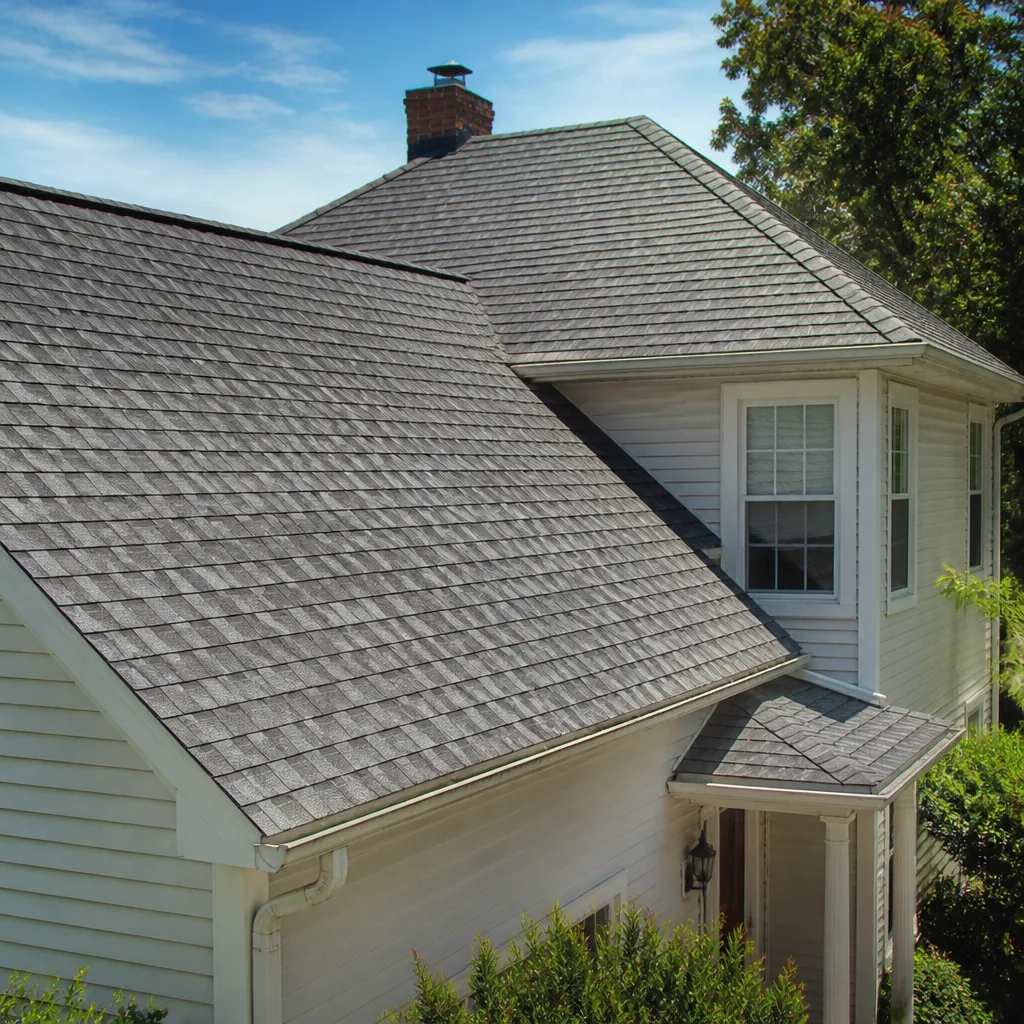
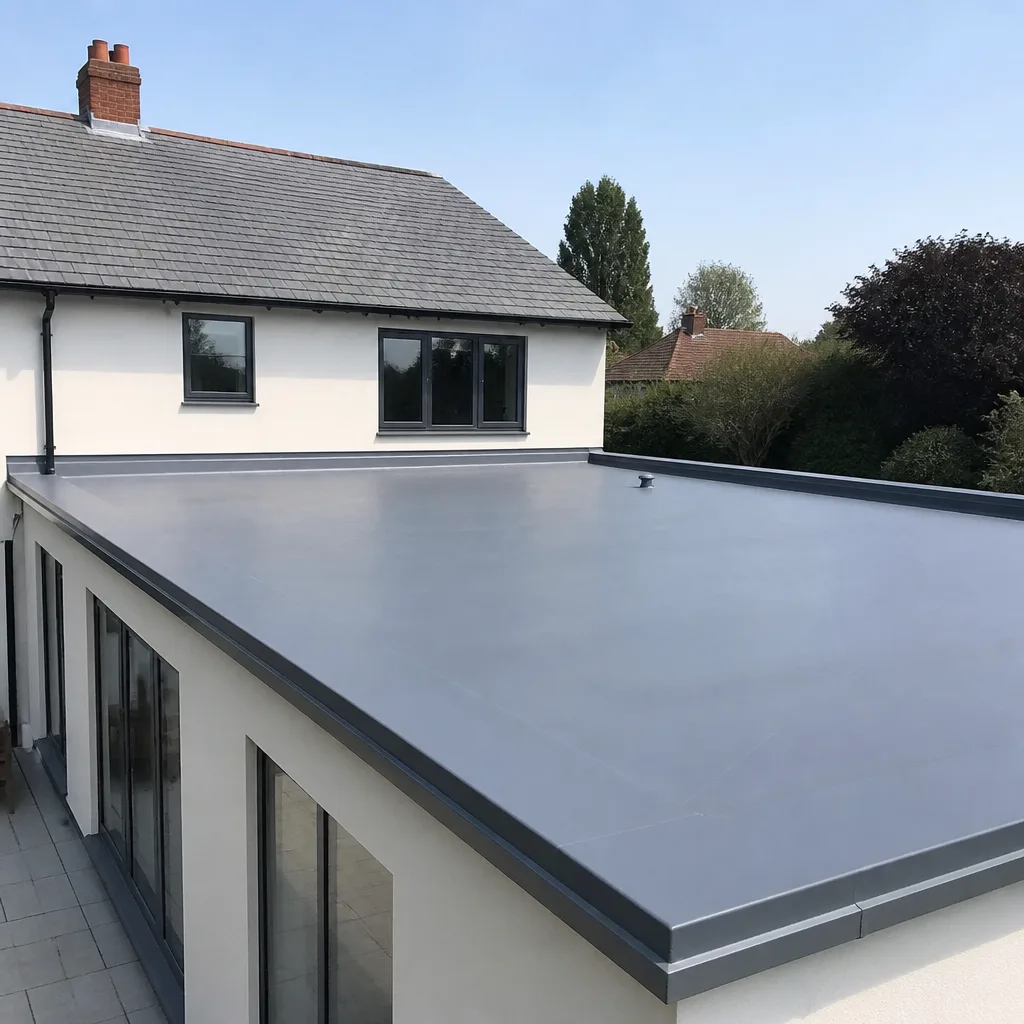
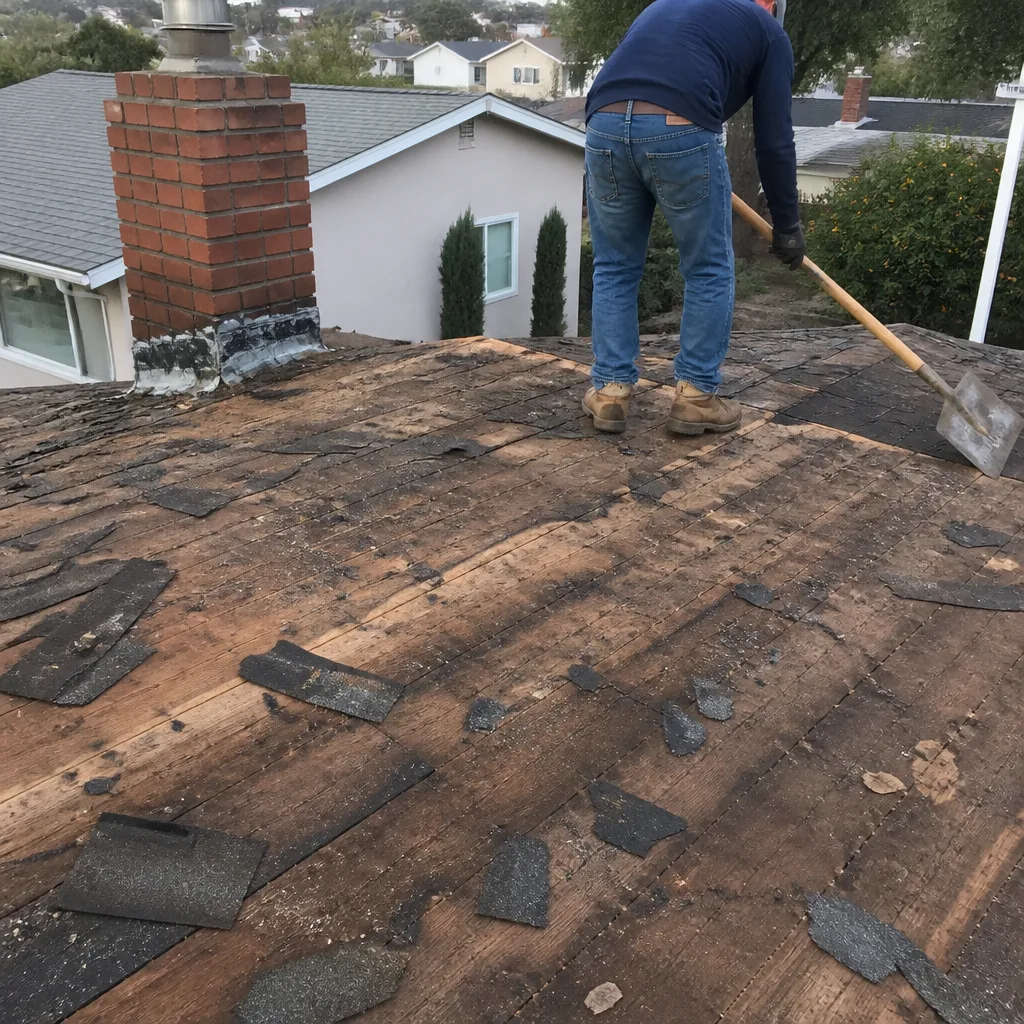 Before
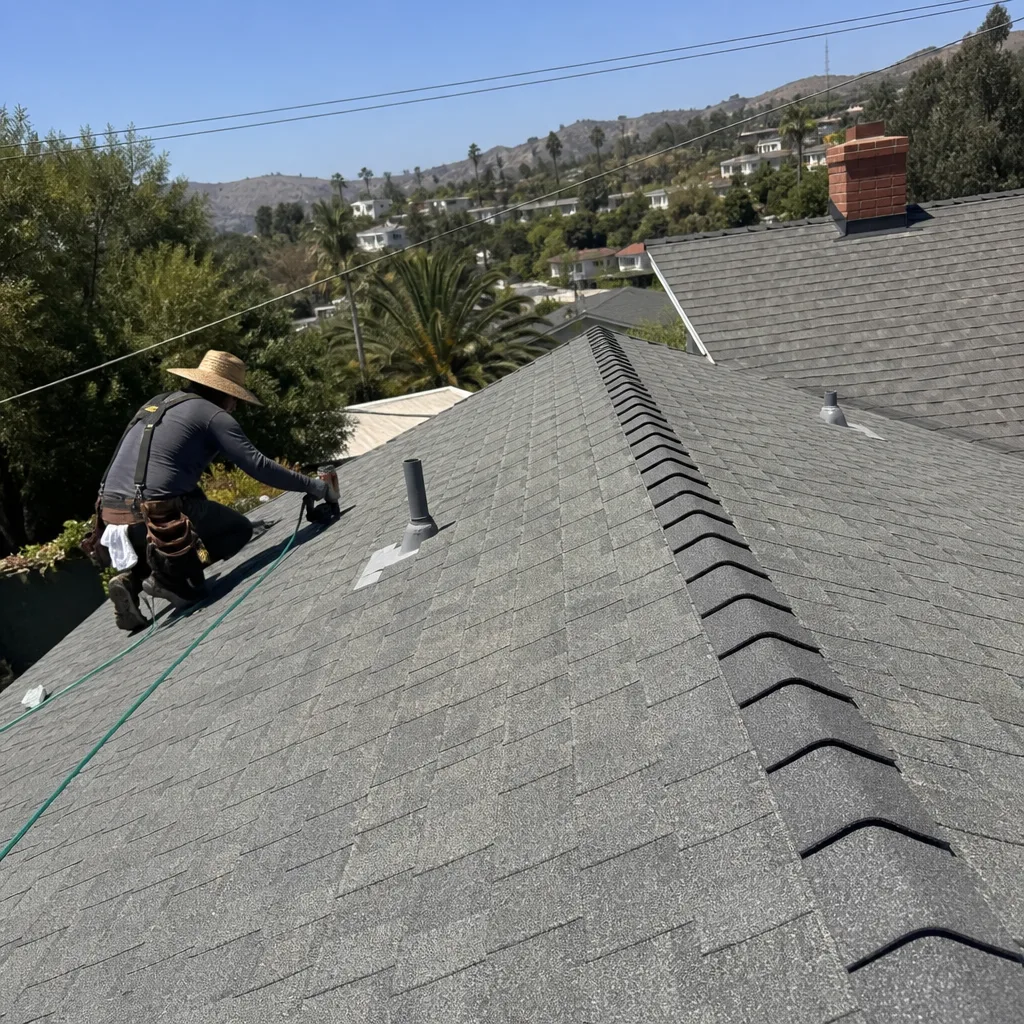 After
After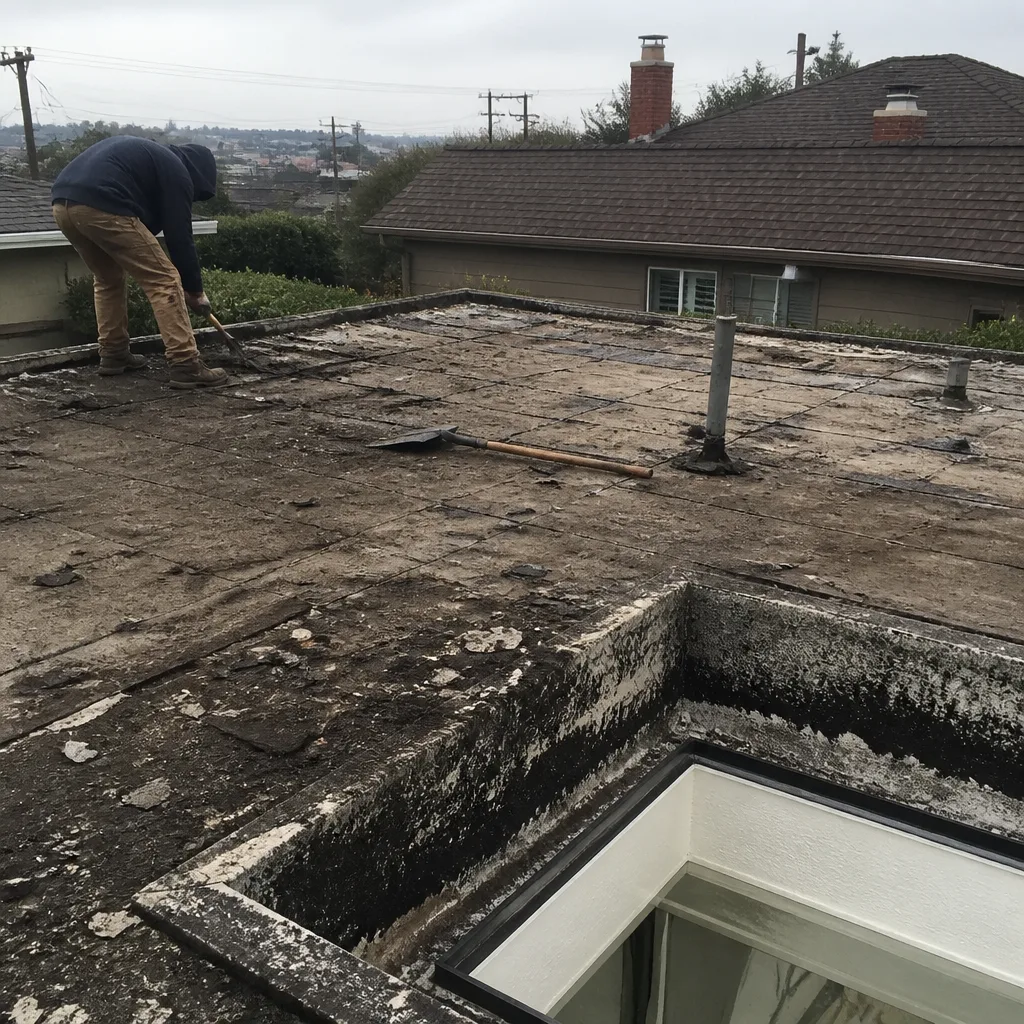 Before
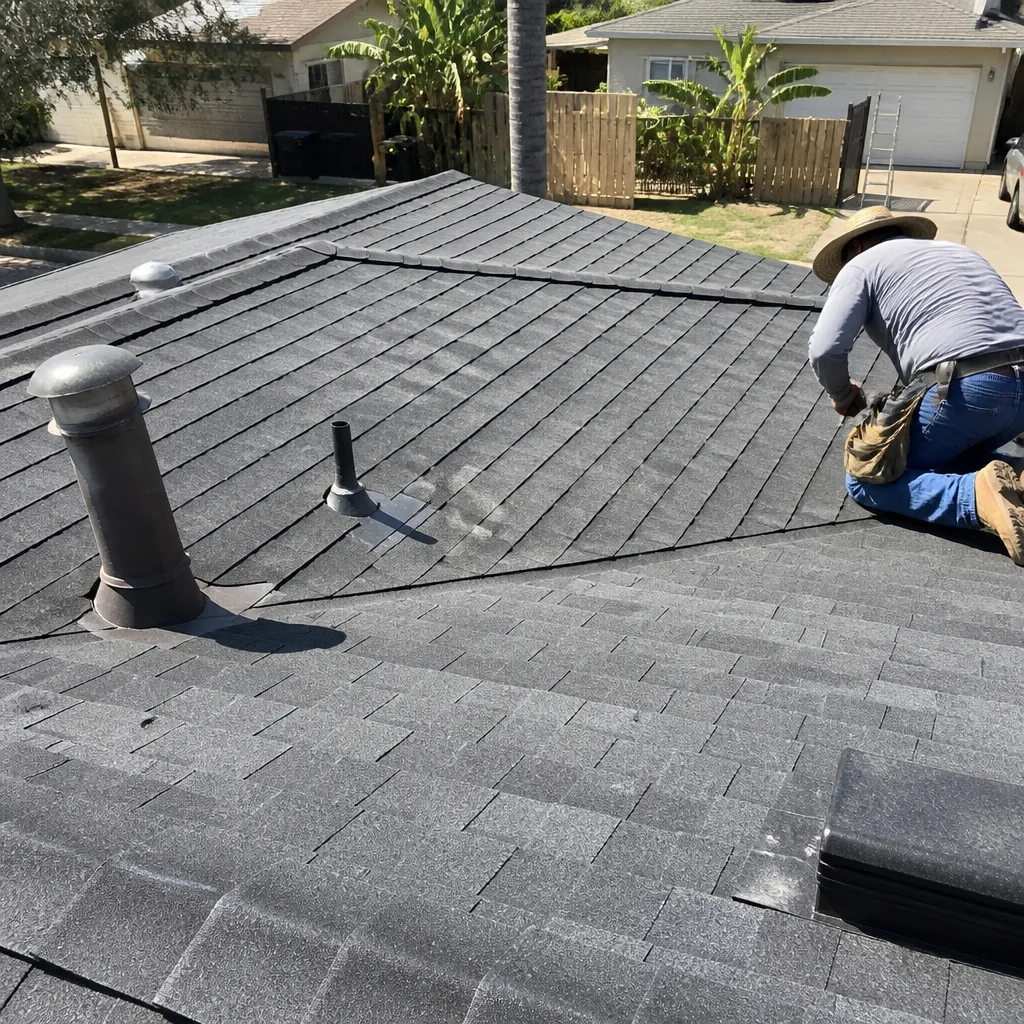 After
After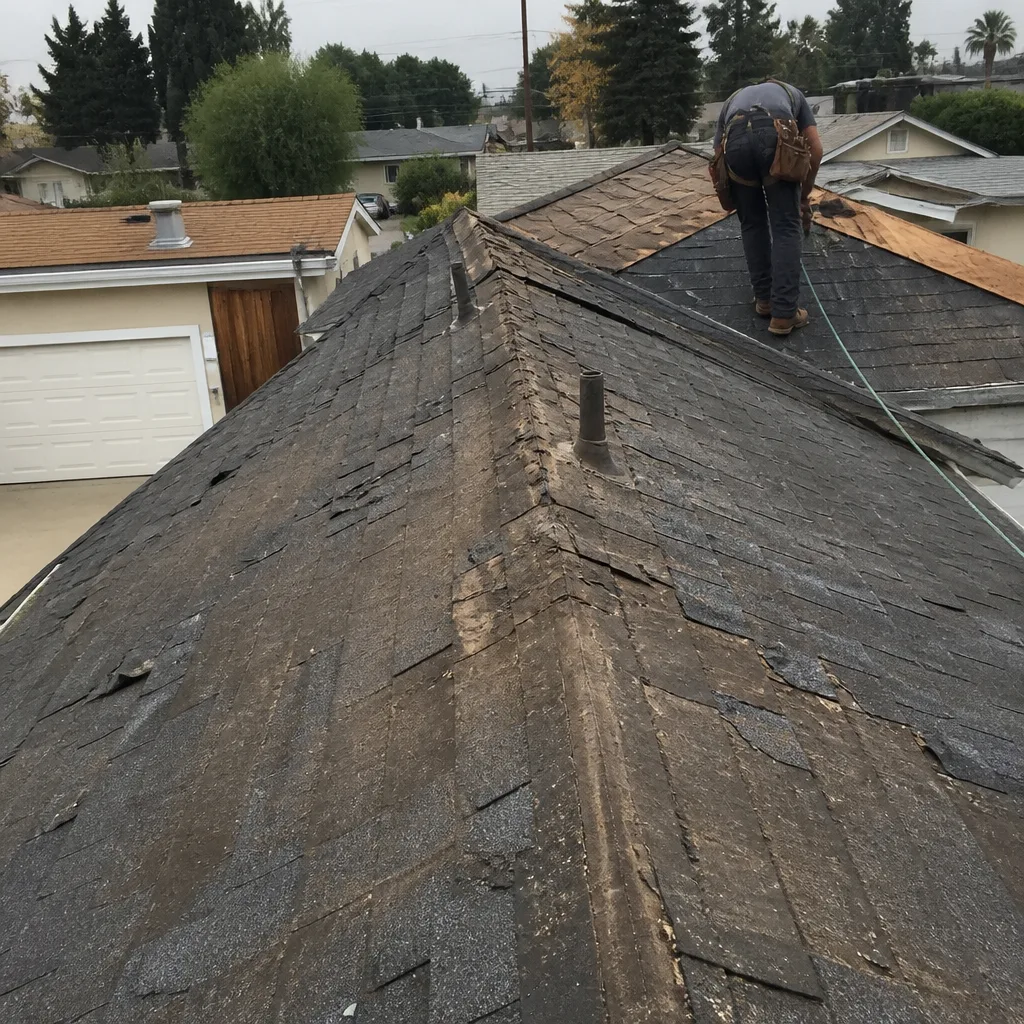 Before
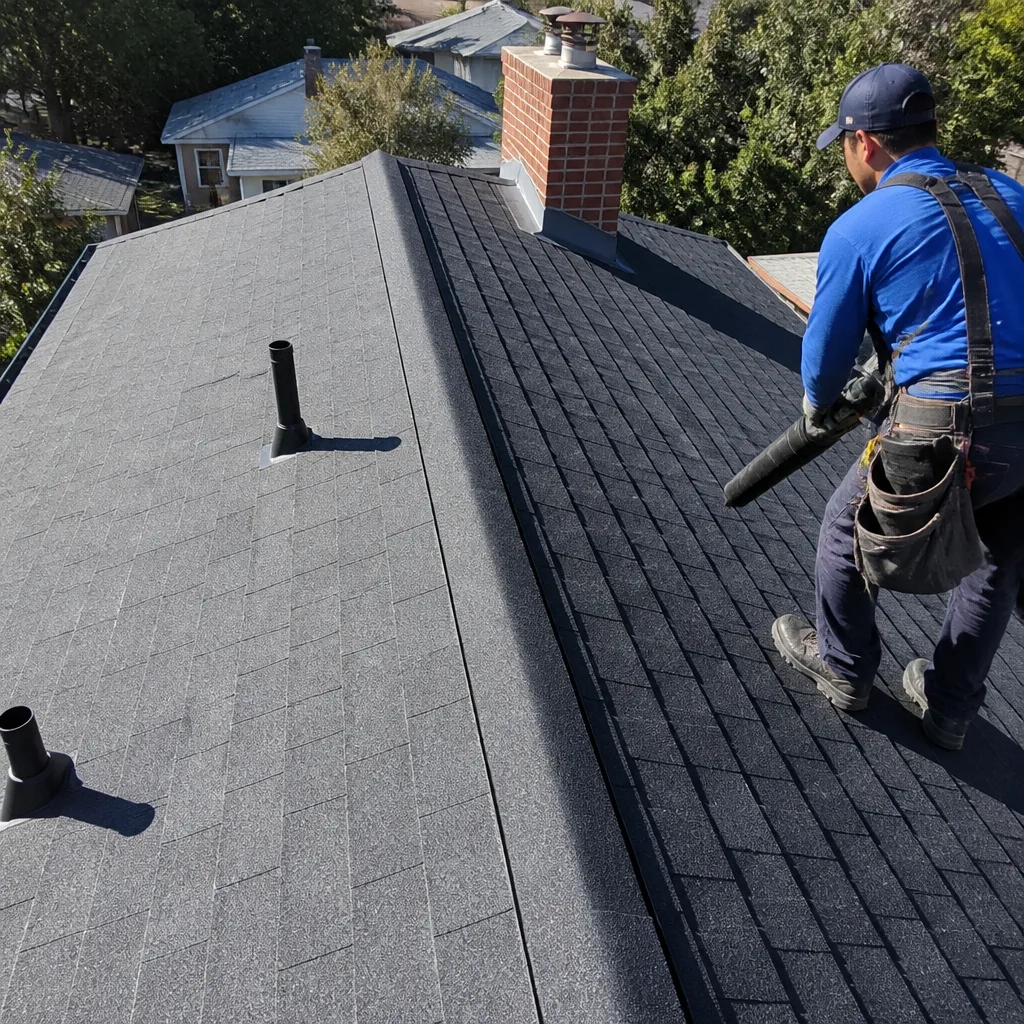 After
AfterRoof Repair Warning Signs Every Homeowner Should Know
The granules collecting in your gutter downspout are not normal wear. They’re asphalt shingles telling you they’ve lost the UV protection layer that gives them another decade of life. By the time you notice them, you have roughly two to four years before leaks begin. In Los Angeles, where intense sun exposure accelerates this breakdown and winter rains arrive with little warning, that timeline can compress fast. Most homeowners in neighborhoods from Silver Lake to the San Fernando Valley walk past the real warning signs every week without recognizing them. This guide shows you what to look for, how to measure it, and when to act before a cheap fix becomes a five-figure replacement.
Quick Answer
The most important roof repair warning signs are early, subtle indicators that appear six to eighteen months before failure: excessive granule loss in gutters (testable with a simple jar measurement), attic humidity above 60% measured with a $12 hygrometer, three distinct types of shingle blistering visible with binoculars, and interior paint bubbling patterns that follow ceiling joists rather than random water stains. These signals precede visible leaks and can be caught during routine homeowner checks in Los Angeles’s dry-season window from April through October.
Table of Contents
- The Granule-Loss Test: Measuring What’s in Your Downspout
- Attic Humidity Readings: The $12 Early Warning System
- Three Types of Roof Blistering and How to Spot Them
- Interior Warning Signs That Aren’t Obviously Roof-Related
- How to Build a Running Photo Record of Your Roof
- How Los Angeles Climate Accelerates Specific Roof Problems
- What Roof Repairs Cost in Los Angeles
- Common Mistakes to Avoid
- When to Call a Professional
- Frequently Asked Questions
The Granule-Loss Test: Measuring What’s in Your Downspout
Asphalt shingles are built like a sandwich. The fiberglass mat in the middle provides structure, the asphalt layer waterproofs, and the ceramic granules on top block UV rays and provide fire resistance. Those granules are not decorative. Once they’re gone, the asphalt underneath bakes, cracks, and fails.
Here’s what most homeowners miss: shingles shed granules throughout their life, but there’s a measurable difference between normal shedding and accelerated loss that signals end-of-life. We see this constantly on Los Angeles homes with original roofs from the 1990s building boom, especially in neighborhoods like Studio City and Woodland Hills where direct sun exposure is relentless.
The jar test: Place a clean, dry jar under your downspout outlet during a rainstorm or after you rinse your roof with a hose. Collect everything that washes out. After the water drains, let the contents dry completely.
- Normal: A thin dusting at the bottom, less than 1/8 inch. This is ongoing surface weathering.
- Watch closely: 1/4 to 1/2 inch of granules, with visible individual particles rather than dust. You’re in the active degradation window.
- Urgent: More than 1/2 inch, or granules that are mostly loose rather than embedded in asphalt fragments. The UV barrier is compromised. In Los Angeles sun, you have 18 to 36 months before leaks, sometimes less on south-facing slopes.
Run this test twice yearly, in April and October. The April test catches winter rain damage; the October test catches summer UV damage before the rainy season. If you’re hitting the “watch closely” threshold, start budgeting. If you’re at “urgent,” get a professional inspection before the next rain cycle.
The granule color matters too. Dark, uniform granules from a newer roof suggest a manufacturing defect or installation issue. Mixed colors with asphalt chunks suggest natural end-of-life. We’ve replaced Owens Corning and Atlas shingles in Los Angeles that failed at 12 years due to defective granule adhesion, and others that lasted 25 years with normal wear. The jar test helps distinguish these scenarios.
Attic Humidity Readings: The $12 Early Warning System
Your attic should feel dry and smell neutral, not musty. A $12 digital hygrometer from any hardware store will tell you what your nose might miss. In Los Angeles, where coastal moisture meets inland heat, attic ventilation failures are more common than most homeowners realize.
Target readings: Relative humidity below 55% year-round. Between 55% and 60%, you’re in the risk zone where mold can establish and decking can begin to delaminate. Above 60%, you have an active problem that will rot structural components even without a roof leak.
Here’s why this matters for roof repair timing. High attic humidity warps the plywood or OSB decking that your shingles sit on. Warped decking creates gaps, gaps create lift points for wind, and lifted shingles channel water directly into your home. By the time you see a ceiling stain, the decking damage has been progressing for months.
How to measure properly:
- Place the hygrometer on a rafter or hanging string in the attic center, not near the hatch where house air mixes in.
- Record readings at 6 AM and 6 PM for three consecutive days. Morning readings capture overnight moisture accumulation; evening readings capture peak daily heat load.
- Average the six readings. If your average is above 58%, investigate ventilation before you investigate leaks.
In Los Angeles, we see this pattern repeatedly in homes with original gable vents that were adequate in 1970 but insufficient after energy-efficient upgrades sealed the house tighter. Adding ridge vents or powered attic fans often drops humidity 15 to 20 points without touching the roof surface. But if your decking is already warped, you’ll need repair before ventilation improvements alone will suffice.
One specific Los Angeles factor: Santa Ana wind events can drive humidity to extreme lows, masking a ventilation problem for days. Don’t trust a single reading taken during a wind event. Track across normal weather patterns.
Three Types of Roof Blistering and How to Spot Them
Shingle blisters look like pimples or bubbles on the surface. They’re not all the same, and the type determines whether you’re looking at a cosmetic issue or a failure that will leak within two years.
You can distinguish them from ground level with binoculars. Don’t climb on the roof for this check. In Los Angeles, where steep hillside lots in neighborhoods like Mount Washington and Echo Park make roof access dangerous, binocular inspection is the safer standard.
Moisture blisters: These form when moisture trapped in the shingle during manufacturing expands in heat. They’re typically 1/4 to 1/2 inch, round or oval, and appear randomly across the roof. The surface is intact, not broken. In our experience across Los Angeles, moisture blisters are common on three-tab shingles installed during humid weather, and they rarely break open before year 10. Monitor annually, but don’t rush to replace.
Manufacturing defect blisters: These cluster in patterns that follow production runs. You’ll see rows or patches of similar-sized blisters, often breaking open prematurely to expose black asphalt. If your roof has IKO or Tamko shingles from specific production lots installed in the 2005 to 2015 window, check for these patterns. We’ve documented defect-related blistering on Los Angeles homes that led to manufacturer warranty claims. Photo documentation is essential.
UV degradation blisters: These are the urgent ones. They appear on older shingles, typically 15+ years, and are accompanied by surface cracking and granule loss. The blisters are irregular, often merging into larger failed areas. When broken open, you see gray fiberglass mat rather than black asphalt. This is end-of-life failure. In Los Angeles sun exposure, we’ve seen UV blisters progress from first appearance to active leaking in 18 months on south faces.
Binocular check protocol: From the ground or a secure ladder position, scan each roof face systematically. Note blister type, density (count per 100 square feet), and whether any have broken open. Take photos with date stamps. Compare year-over-year. A blister that was intact in April and broken in October has accelerated. That’s your repair timeline.
Interior Warning Signs That Aren’t Obviously Roof-Related
Not every roof problem announces itself with a brown stain on the ceiling. Some of the most reliable early indicators look like something else entirely.
Paint bubbling that follows joist lines: When drywall tape bubbles or paint cracks in straight lines that align with ceiling joists, you’re seeing thermal expansion stress from attic temperature swings. This happens when attic ventilation fails and the ceiling surface reaches 100+ degrees daily. The pattern is diagnostic: random bubbling suggests plumbing or humidity issues; joist-line bubbling suggests roof-related heat buildup. We’ve found this in Los Angeles homes where blocked soffit vents created 40-degree attic temperature spikes.
Attic condensation on rafter bottoms: On cool mornings, check your attic for beads of water on the underside of rafters. This is not a leak. It’s warm, moist interior air hitting cold roof sheathing, and it means your attic is acting as a condenser. Over time, this wets the decking from below, causing the same rot as a leak from above. In Los Angeles, this pattern peaks in December and January when 40-degree nights follow 70-degree days.
Second-floor room temperature spikes: A bedroom that runs 8 to 12 degrees hotter than downstairs in summer often has inadequate attic insulation or ventilation, but it can also signal decking delamination. As plywood layers separate, they create air gaps that conduct heat downward. If you’ve added insulation and the room still spikes, inspect the roof side.
Musty smell that intensifies after rain: Not during rain, after. This timing matters. A leak during rain is obvious. A smell that appears 12 to 48 hours later suggests water is entering, pooling in insulation or decking, and then evaporating. The delay is your diagnostic clue. Track it.
Ceiling nail pops in clusters: Drywall nails backing out in groups, especially near exterior walls, often indicate seasonal moisture cycling in the attic. The wood expands and contracts, pushing nails. Single pops happen. Clusters near the roof perimeter suggest systemic moisture management failure.
How to Build a Running Photo Record of Your Roof
Memory is unreliable. “It looked about the same” is useless to a roofer trying to diagnose progression. A dated photo record transforms vague concern into actionable information and often saves hundreds in diagnostic time.
Minimum viable record:
- Establish baseline: Take photos of each roof face from the same ground positions, with the same zoom level, in clear light. Include a dated newspaper or phone screenshot in one frame for verification. Do this in April and October.
- Document specific concerns: When you spot blistering, granule accumulation, or lifted edges, take a close-up and a context shot showing location on the roof. GPS-tag if your phone allows it.
- Track interior correlates: Photo any paint changes, nail pops, or humidity readings. Note the outdoor weather conditions.
- Store with cloud backup: A dedicated album, not scattered in your camera roll. Share access with your partner or household manager.
When you call for an estimate, email the progression series in advance. A roofer who sees April 2023, October 2023, and April 2024 can distinguish stable conditions from accelerating failure without setting a ladder. In Los Angeles, where our inspection calendars compress before winter rains, this preparation often moves you to priority scheduling.
We’ve had homeowners in Los Angeles present three-year photo sequences that clearly showed manufacturing defect progression, enabling warranty claims that pure verbal description would have missed. One homeowner in Mar Vista documented UV blistering acceleration across 18 months that justified full replacement under her Atlas shingle warranty. The photos made the case.
How Los Angeles Climate Accelerates Specific Roof Problems
Los Angeles roofing exists at an extreme intersection: more annual sunny days than almost any major U.S. city, combined with concentrated winter rainfall that can deliver a third of annual precipitation in six weeks. This pattern creates unique failure modes.
Thermal shock cycling: Summer days in the San Fernando Valley regularly push roof surface temperatures above 160 degrees. Winter nights can drop to 40. That 120-degree daily swing causes expansion and contraction stress that cracks shingles and separates seams. Materials rated for Midwest temperature ranges often underperform here. We specify Owens Corning and Tamko products with California-specific thermal ratings for this reason.
UV intensity at elevation: Homes in the Hollywood Hills, Laurel Canyon, or above 1,000 feet elevation receive measurably more UV radiation than coastal Los Angeles. Granule loss accelerates 20 to 30% faster at these elevations. If you’re in the hills, start the jar test earlier in your roof’s life.
Marine layer corrosion: Within three miles of the coast, morning fog deposits salt on metal components. Flashing, vents, and fasteners corrode faster than inland equivalents. We see this in Santa Monica, Venice, and San Pedro. Stainless or coated fasteners are essential; standard galvanized will fail prematurely.
Santa Ana wind damage: These hot, dry winds don’t just fan wildfires. They lift shingles that were already marginal, drive debris that fractures brittle materials, and create negative pressure that pulls at ridge caps. Post-Santa Ana inspection is prudent annually, typically November through January.
Code context: Los Angeles building code requires Class A fire ratings in high fire hazard severity zones, which covers most hillside areas. If your roof needs repair in these zones, material selection is constrained. We handle permit verification as part of our standard process, pulling permits and passing inspections so homeowners don’t navigate LADBS complexity alone.
What Roof Repairs Cost in Los Angeles
Most homeowners want numbers before they call. Here are the ranges we see in the Los Angeles market for common repair scenarios, based on our work across the metro area:
- Minor shingle repair (localized wind damage, 1 – 3 shingles): $275 – $450
- Flashing repair around chimney or vent: $350 – $650
- Partial shingle replacement (one slope or valley, up to 100 sq ft): $850 – $1,800
- Decking repair (localized plywood replacement, 1 – 2 sheets): $600 – $1,200 plus shingle replacement
- Ridge vent replacement: $500 – $950
- Skylight reflash and seal: $450 – $800
- Full valley replacement with ice-and-water shield: $1,200 – $2,400
These are repair ranges, not replacement. A full roof replacement in Los Angeles typically runs $8,500 – $18,000 for standard asphalt shingle on a 2,000-square-foot home, varying with pitch, access, and material selection from our available brands.
At Crestview Roofing, we provide a written, line-item price before any work begins. The number on the page is the number on the invoice. No change orders, no surprises. Our 365-Day Done Right Promise covers every repair: if it fails within a year, we correct it at no charge, including a free second visit.
Common Mistakes to Avoid
- Waiting for a visible leak: By the time water hits your ceiling, decking damage, insulation saturation, and mold risk are already established. The repair cost typically doubles.
- Trusting a single annual ground glance: Most Los Angeles homeowners inspect their roof once a year from the driveway. The real indicators require systematic checks of gutters, attic, and specific shingle conditions.
- Assuming new construction means problem-free: We’ve repaired roofs on Los Angeles homes less than five years old where improper valley installation or missing drip edge created premature failure. Age and condition are not identical.
- DIY patching with incompatible materials: Tar over shingles, mismatched sealants, or hardware store “roof cement” often trap moisture and accelerate damage. Temporary fixes become permanent problems.
- Ignoring north-face moss or algae: In shaded Los Angeles canyons, organic growth holds moisture against shingles. It’s not just cosmetic. It accelerates granule loss and creates capillary water paths.
- Neglecting to document for insurance: If Santa Ana winds or winter storms damage your roof, insurers require proof of pre-existing condition versus storm damage. Your photo record is your claim support.
- Accepting verbal estimates: A roofer who won’t put price, scope, and warranty in writing before starting is a roofer who will find “unforeseen issues” at invoice time. This is why The Relay Visibility Guarantee specifies written price before any work begins.
When to Call a Professional
Call for inspection when: your jar test hits the urgent threshold, attic humidity averages above 60% across multiple readings, any blistering type shows broken-open surfaces, or interior signs progress between your biannual checks. Don’t wait for the leak that confirms your suspicion.
Call urgently when: you see daylight through the roof deck from inside the attic, find soft or spongy decking when pressing from the attic side, or observe multiple interior signs simultaneously. These indicate active failure, not approaching failure.
Crestview Roofing offers free estimates in Los Angeles. We’ll arrive at a live-trackable time, document conditions with before-and-after photos, and provide a written price before any work begins. Every repair carries our 365-Day Done Right Promise. Call (325) 246-5075 to schedule.
Frequently Asked Questions
Most standard repairs in Los Angeles run $275 to $1,800 depending on scope, with minor shingle replacement at the low end and valley or decking work at the higher end. For more guides & resources, visit our blog. We provide a written, line-item quote before any work begins, and that number does not change. Call (325) 246-5075 for an exact quote on your specific situation – estimates are free.
No. Crestview Roofing operates under The Relay Visibility Guarantee, which means the written price delivered before work begins is the price on your final invoice. If we encounter concealed damage that was impossible to assess during inspection, we document it with photos and pause for your approval before proceeding. No change orders after work starts.
Perform the jar test and binocular blistering check twice yearly, in April and October. Take attic humidity readings over three days each season. A professional inspection is warranted every three to five years for roofs under 15 years, annually for older roofs, and after every significant Santa Ana wind event or winter storm.
Yes, when required by LADBS or local jurisdiction. We handle permit application, inspection scheduling, and sign-off as part of our standard process. You don’t navigate the building department; we do. This is included in our scope, not added as a surprise fee.
Most repairs we complete in Los Angeles take four to eight hours on site, with scheduling typically within one to two weeks of estimate approval. Larger decking or valley replacements may extend to two days. We provide a live trackable arrival time and photo updates throughout the work.
Every repair is covered for 365 days from completion date, in writing, included with every job at no extra cost. If a covered repair fails within that year – leaks, material defects in our workmanship, or installation issues – we correct it at no charge, including a free second visit with no negotiation or runaround. The guarantee transfers if you sell the home during the coverage period.
The Bottom Line
The roof problems that cost five figures start as subtle signals you can catch for hundreds. The granules in your downspout, the humidity in your attic, the pattern of paint bubbles on your ceiling – these are not mysteries. They’re measurable, trackable, and actionable with simple tools and consistent attention. In Los Angeles, where climate extremes compress timelines and winter rains arrive with little warning, the homeowners who win are the ones who inspect systematically and act before failure forces their hand. Start your photo record this season. Run the jar test. Check that hygrometer reading. And when the numbers tell you it’s time, call a roofer who puts every promise in writing.
For homeowners ready to understand their roof’s actual condition, Crestview Roofing provides free estimates across Los Angeles with written pricing, live-trackable arrival, and photo documentation on every job. Call (325) 246-5075 to schedule yours.
Written by Dylan Pace, Owner at Crestview Roofing, serving Los Angeles since 2000.