
Last updated October 10, 2026
Free roof inspection with deck photos before we talk money - GAF and Owens Corning certified installation
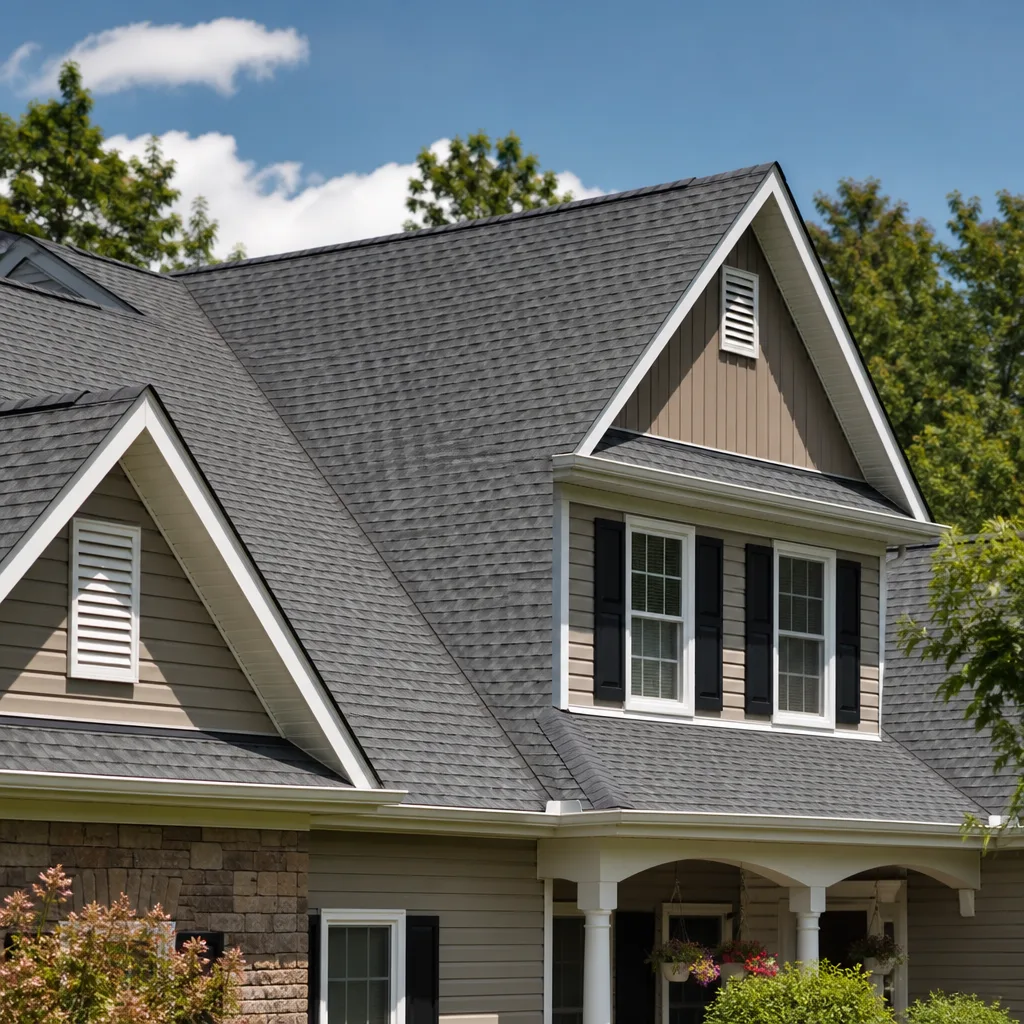
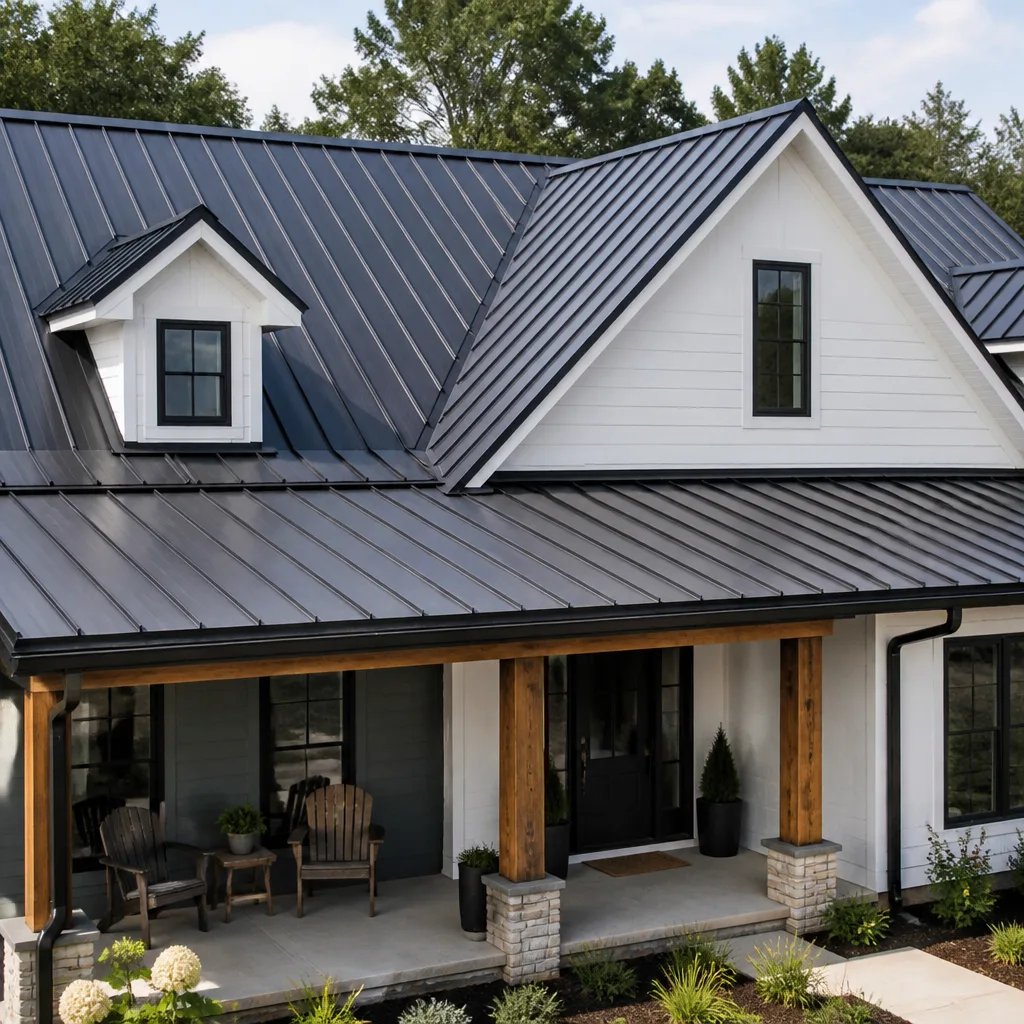
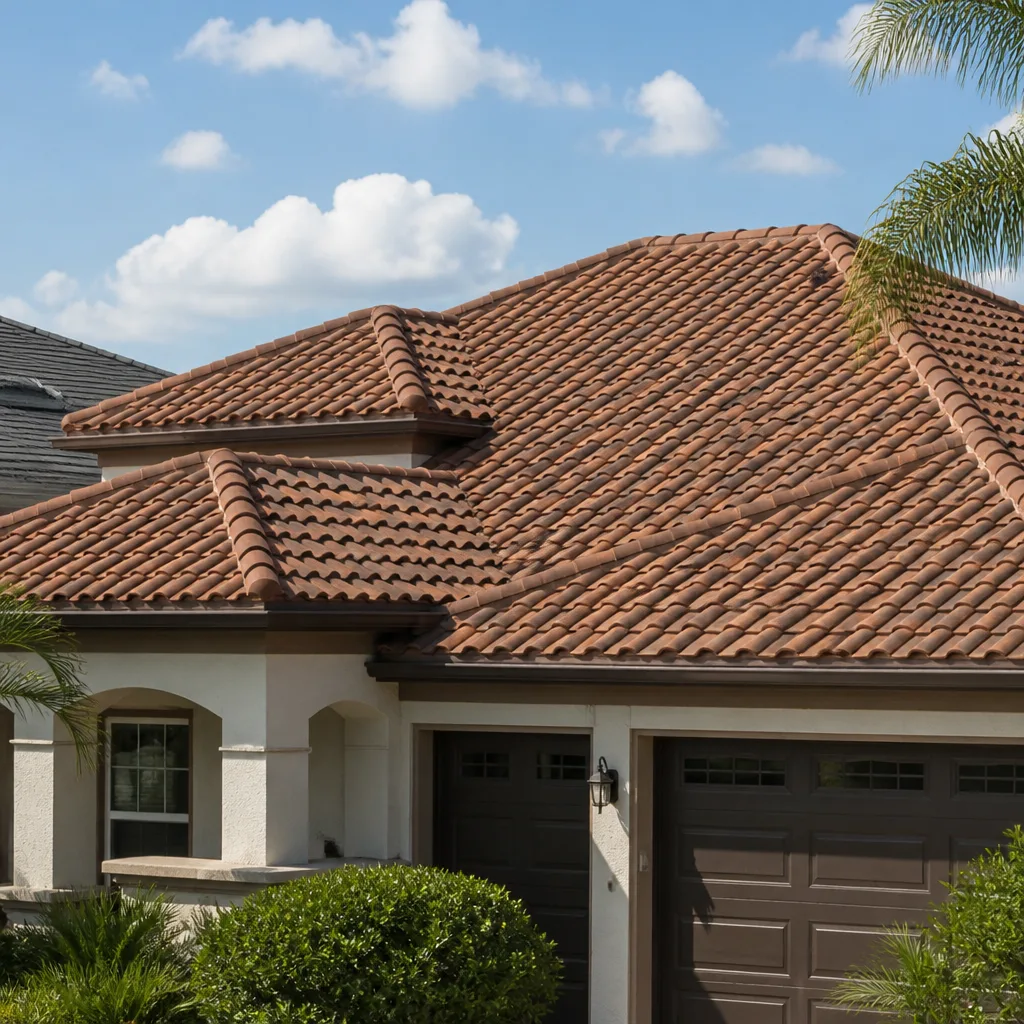
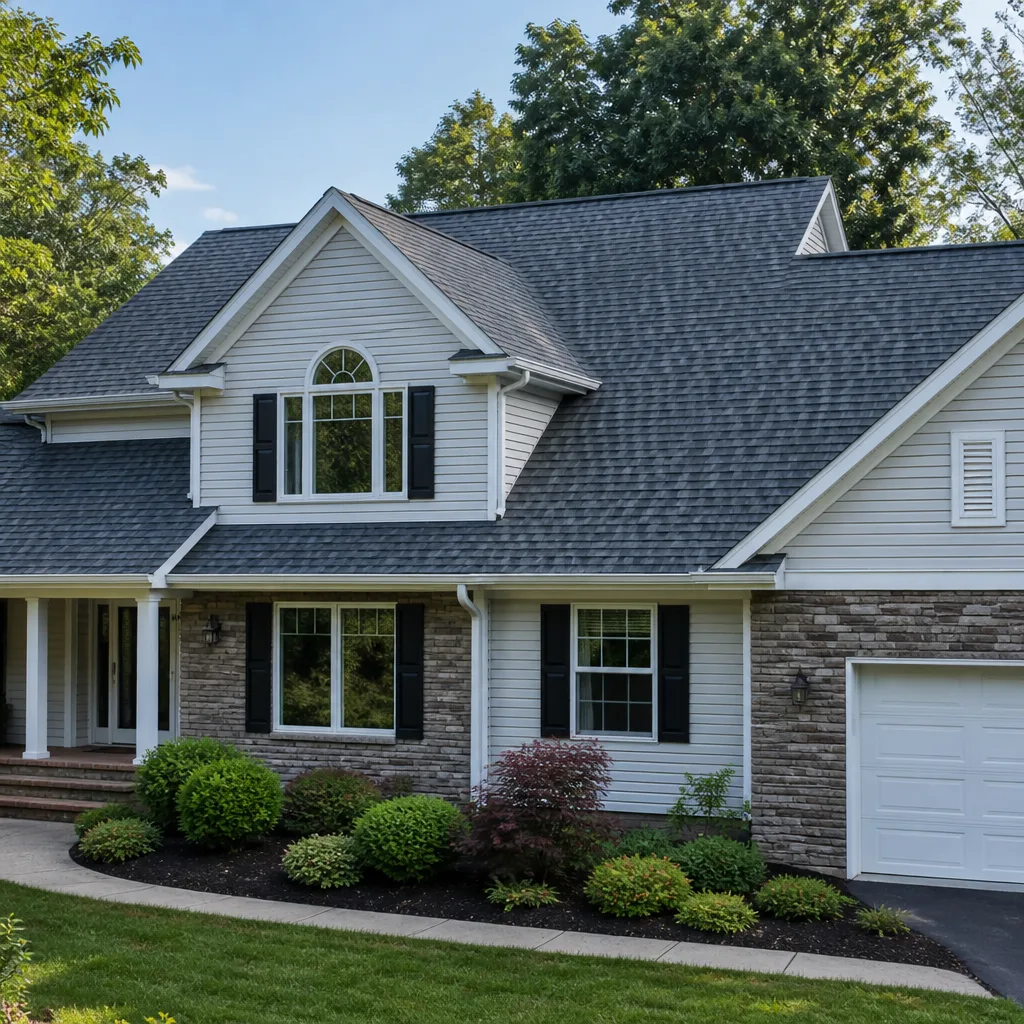
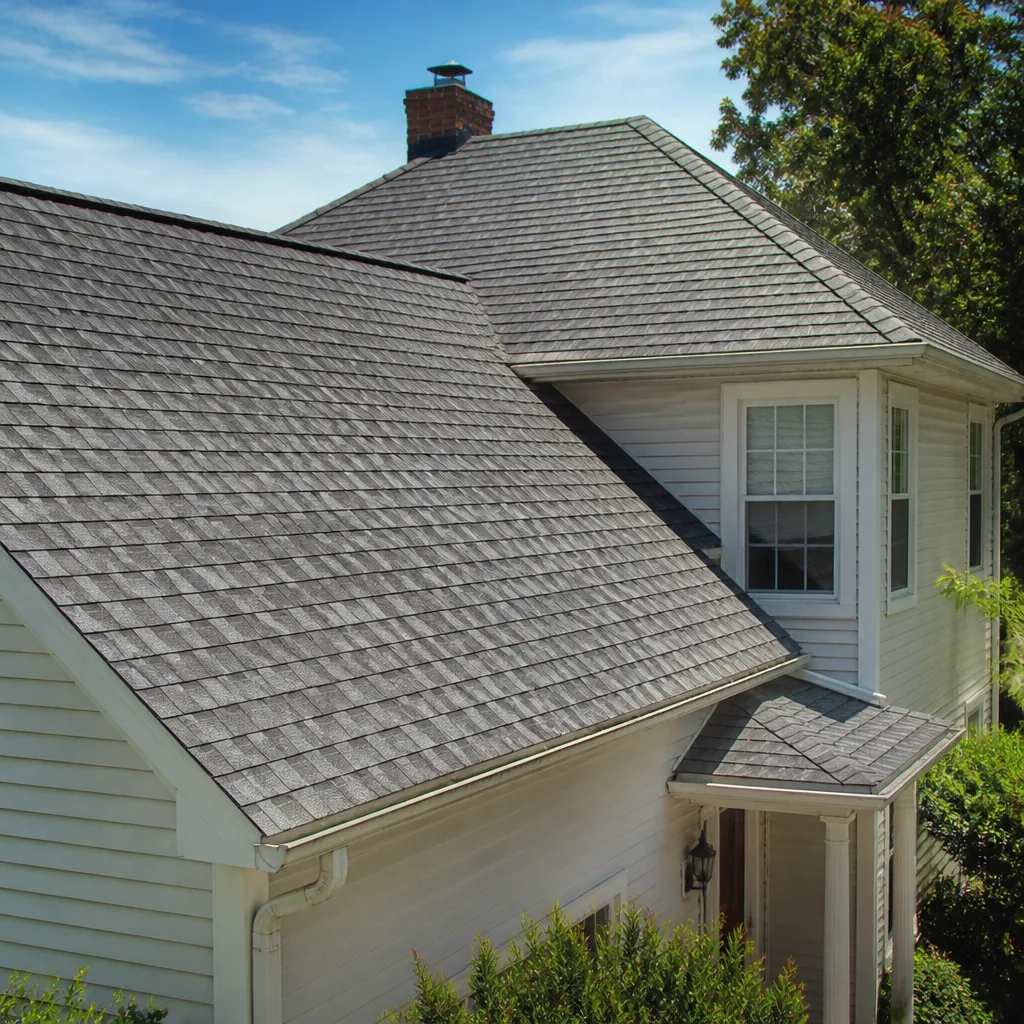
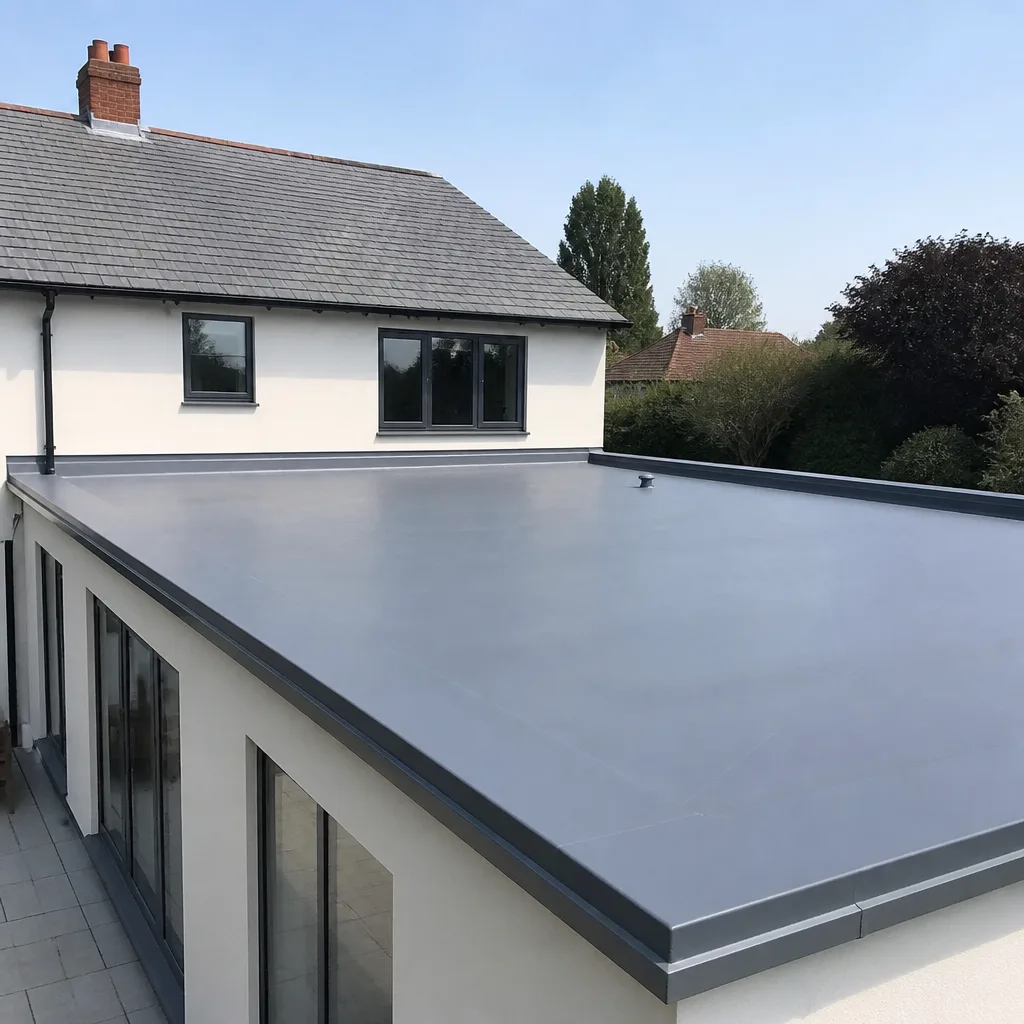
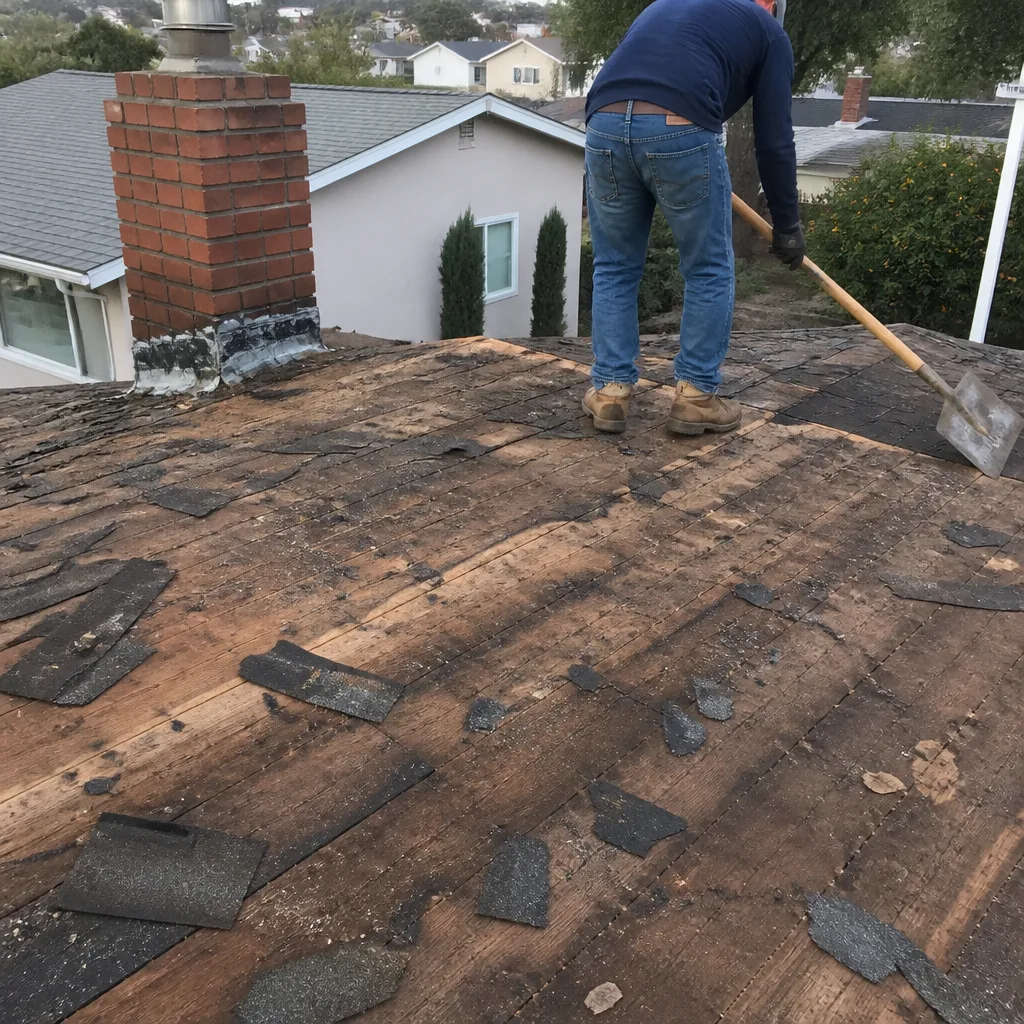 Before
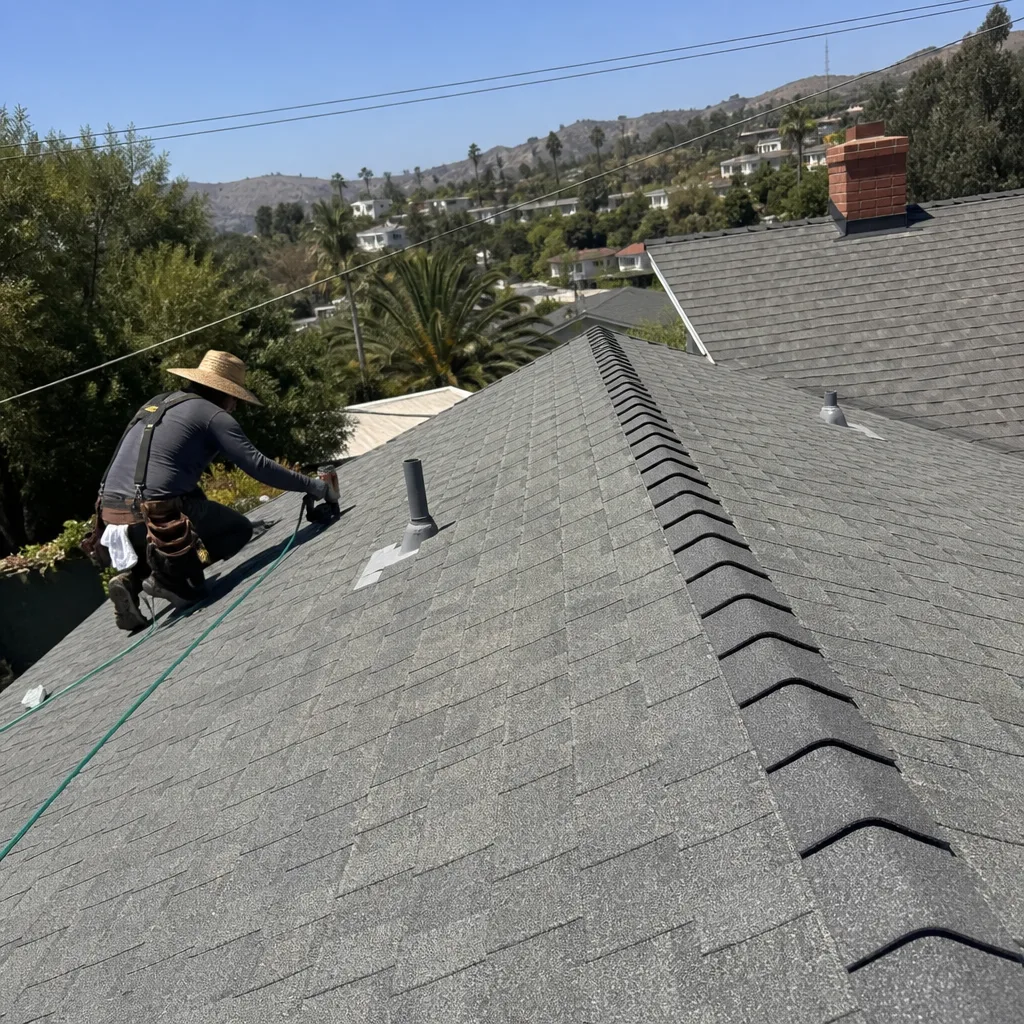 After
After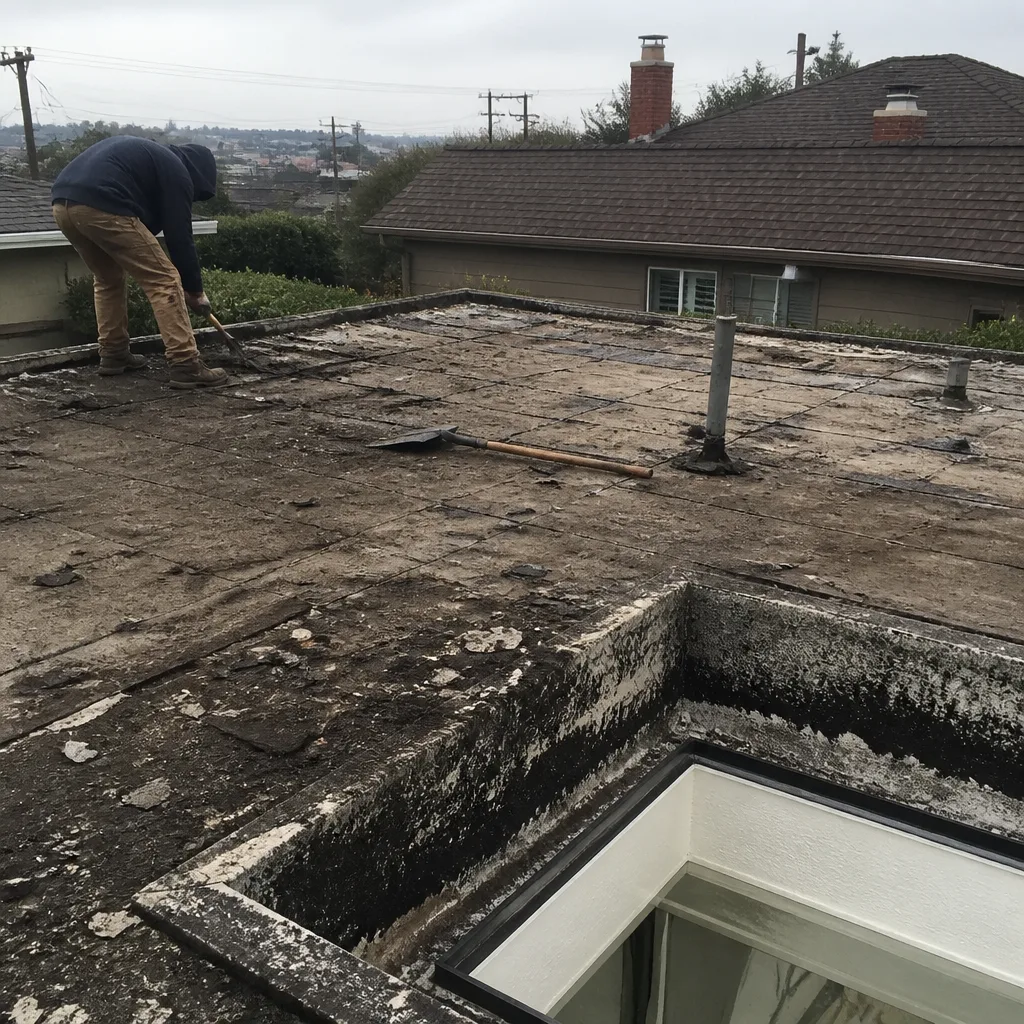 Before
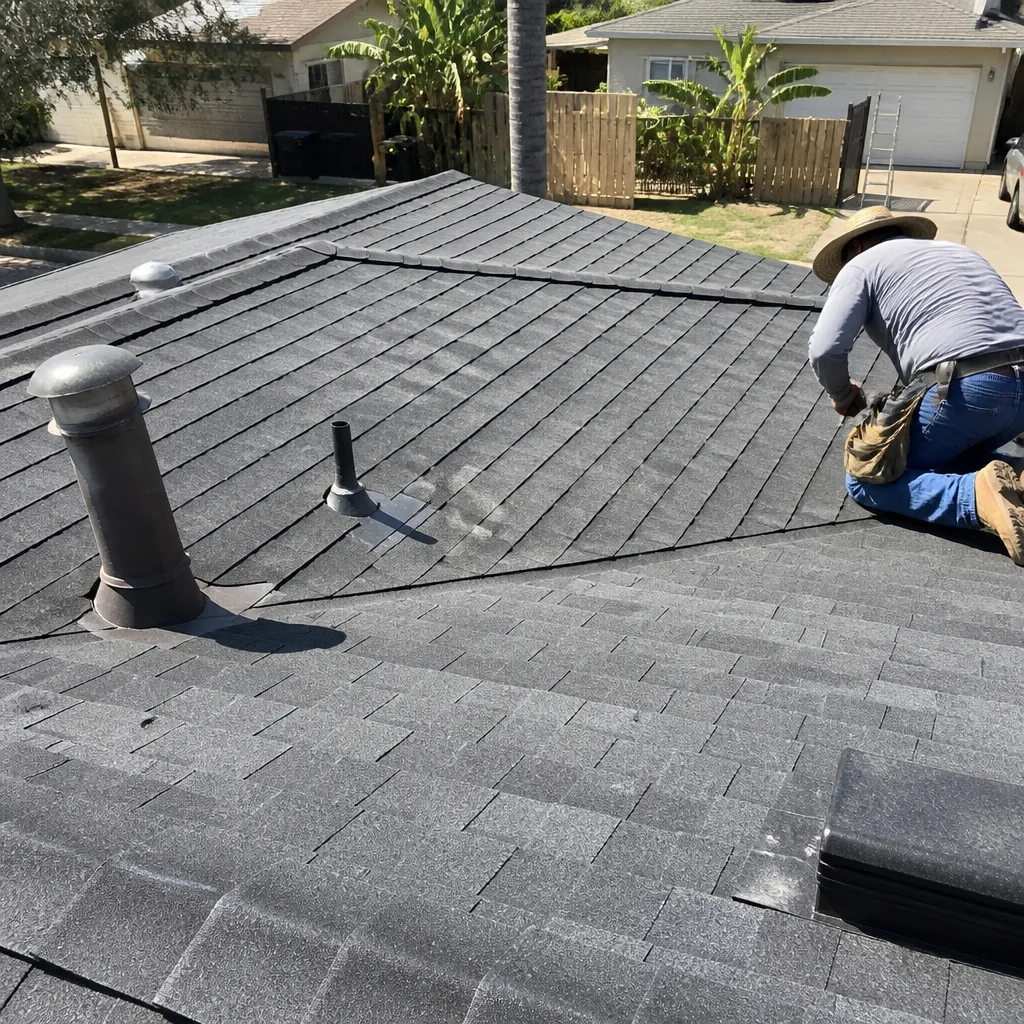 After
After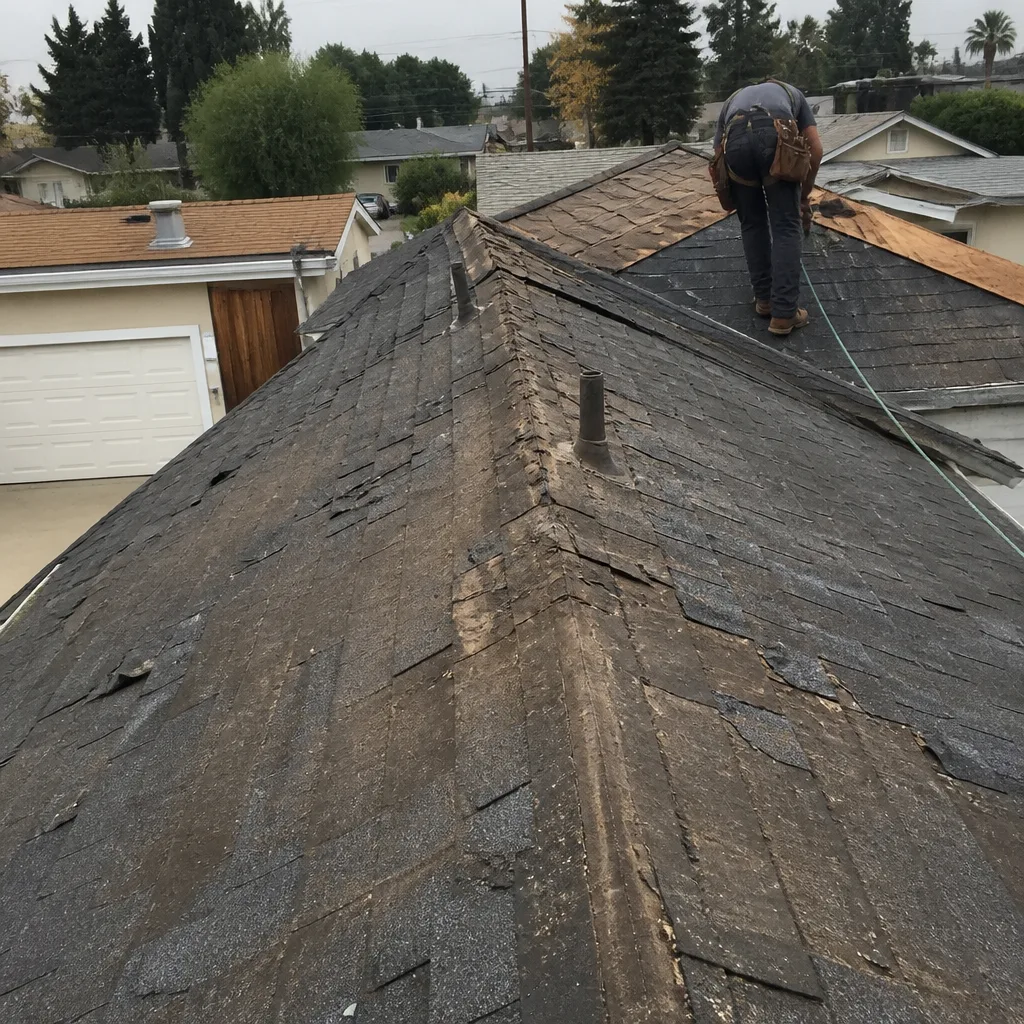 Before
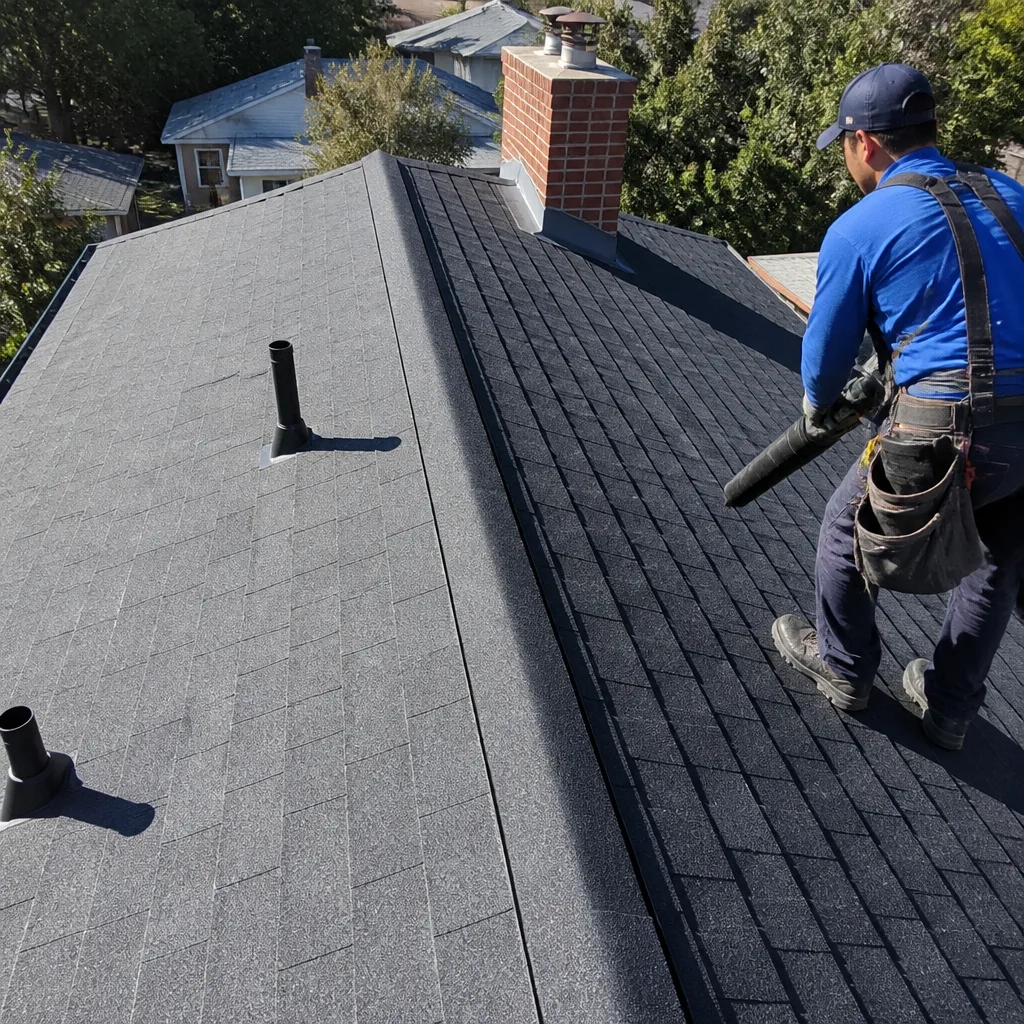 After
AfterRoofing Warning Signs: A Los Angeles Homeowner’s Reference Guide
Most Los Angeles homeowners don’t notice their roof is failing until water drips through the ceiling. But by then, a $300 repair has become a $3,000 emergency. In our 24 years working across LA, we’ve found the real money isn’t saved by choosing the cheapest bid – it’s saved by catching problems two seasons before they become obvious. Our Complete Guide to Roofing in Los Angeles covers the early, specific warning signs that show up on LA homes: granule loss after Santa Ana wind cycles, tile cracks from thermal shock, flat membrane failures on mid-century builds, and the attic signals most homeowners never think to check.
Quick Answer
The most important roofing warning signs for Los Angeles homeowners are early, gradual changes: excessive granules in gutters after rain, hairline cracks in flashing sealant, lifted or slipped tiles, and daylight or staining visible in the attic. These signals typically appear 18 to 36 months before interior leaks begin, when repairs still cost $200 – $800 rather than $2,000 – $8,000 for water-damaged framing and interior finishes.
Table of Contents
- Granule Loss on Asphalt Shingles
- Flashing Failures Around Penetrations
- Interior Attic Warning Signs
- Tile-Specific Warning Signs in Spanish-Tile Homes
- Flat Roof Warning Signs on Mid-Century LA Homes
- Structural Deformation and Sagging
- Common Mistakes to Avoid
- When to Call a Professional
- Frequently Asked Questions
Granule Loss on Asphalt Shingles
After the first real rain of the season, Los Angeles homeowners often find their gutters filled with what looks like coarse black sand. Those are granules – the ceramic-coated mineral layer that protects the asphalt core of your shingles from UV degradation. Some loss is normal on newer roofs, but the volume and timing tell you whether you’re seeing standard shedding or accelerated failure.
Here’s what different volumes mean:
- Light coating in downspout outlets: Normal for shingles under 8 years old. Owens Corning and Atlas shingles typically shed excess manufacturing granules in the first two years.
- Quarter-inch accumulation across gutter bottom: Indicates active surface erosion. On LA homes with south- or west-facing exposures, this often appears after age 12 – 15 due to cumulative UV exposure.
- Bare asphalt patches visible from the street: Critical. The shingle has lost its protective armor and will crack within 1 – 2 seasons. In Los Angeles, where thermal shock from 55°F mornings to 85°F afternoons is common in spring and fall, bare asphalt degrades faster than in milder climates.
The Santa Ana winds compound this problem. Sustained 40+ mph winds lift shingle tabs and vibrate granules loose. We’ve inspected homes in the Hollywood Hills and Pacific Palisades where a single Santa Ana event stripped 3 – 4 years of normal granule loss in 48 hours.
To check severity, look at your shingles from a ladder (never walk the roof without proper fall protection). Healthy granules feel rough, like sandpaper. Bare spots feel smooth and look shiny-black or gray. If you can see the fiberglass mat beneath, water is already finding paths through the shingle layers.
Most granule-related repairs in Los Angeles run $350 – $900 for localized shingle replacement, assuming the underlayment is intact. Full replacement becomes necessary when bare patches exceed 15 – 20% of field area or when multiple slopes show concurrent failure.
Flashing Failures Around Penetrations
Flashing – the metal strips that seal joints around chimneys, vents, skylights, and HVAC curbs – is where most Los Angeles roofs eventually leak. The failure rarely starts as a gap you can see from the ground. It starts as a hairline crack in the sealant bead, or slight lifting at the metal’s edge, or corrosion where two dissimilar metals contact.
Warning signs visible from a ladder:
- Cracked or missing caulk at the top edge of chimney flashing (the “head flashing”). This is the most common failure point because water pools there during LA’s brief but intense winter storms.
- Gaps between step flashing and shingles on sloped roofs. Each piece should lie flat; any lifted corner is a direct water path.
- Rust streaks running down from metal joints. On coastal LA homes in Venice or San Pedro, salt air accelerates galvanic corrosion where aluminum flashing contacts galvanized steel fasteners.
- Lifted or separated “counter-flashing” – the L-shaped metal piece embedded in chimney mortar that overlaps the base flashing below.
Warning signs visible from the ground:
- Water stains on exterior walls below chimney or vent locations, especially after rain.
- Discolored mortar between chimney bricks, indicating moisture wicking from failed head flashing.
- Skylight frames that appear foggy or have visible water between panes – this often traces to failed perimeter flashing rather than glass seal failure.
Flashing repairs in Los Angeles typically cost $400 – $1,200 depending on penetration complexity. Chimney flashing on older homes with degraded mortar requires more extensive work, often including tuckpointing before new flashing can be properly seated. We document all flashing conditions with before-and-after photos as part of Roof Repair in Los Angeles, so homeowners see exactly what was sealed or replaced.
Interior Attic Warning Signs
The attic tells the truth about your roof’s condition before any interior ceiling shows damage. In Los Angeles, where many homes have minimal attic ventilation and insulation installed to older code standards, moisture signals develop slowly and are easy to miss during casual storage trips.
What to look for during a systematic attic inspection:
- Staining on rafters or sheathing: Brown or black discoloration indicates past or active moisture. Fresh leaks show as wet-looking wood with sharp stain edges. Old leaks show as faded, diffuse stains with possible mold spotting.
- Daylight visible through the roof deck: Any pinhole of light means a direct opening to weather. On tile roofs, this often traces to cracked field tiles or slipped underlayment. On shingle roofs, it indicates missing shingles or penetrations through the deck itself.
- Thermal bridging patterns: In winter mornings, look for condensation lines along rafters where warm interior air meets cold roof sheathing. Persistent condensation degrades underlayment from the inside and mimics leak damage.
- Compressed or stained insulation: Insulation directly below roof penetrations that appears flattened or discolored has absorbed water. Even if currently dry, the compression reduces R-value and marks a chronic leak path.
Attic inspections are safest in Los Angeles during October through April, when attic temperatures stay below 90°F. Bring a bright flashlight and check systematically from the hatch outward, photographing anything suspicious. If you find active moisture during our dry season (May through September), that indicates a significant breach – seasonal rains would have dried by then.
Attic-related repairs range widely: $250 for sealing a small penetration to $2,500+ for replacing water-damaged sheathing and insulation. The critical factor is whether framing members have been compromised. We always inspect attic conditions during our Roof Repair in Los Angeles assessments, with photo documentation shared by text before we leave the property.
Tile-Specific Warning Signs in Spanish-Tile Homes
Spanish and Mission-style clay tiles dominate Los Angeles neighborhoods from Silver Lake to San Marino, and their failure modes differ significantly from asphalt shingles. Two cracks that look identical can mean completely different things.
Cracked field tiles (the main roof surface):
Individual cracked tiles rarely leak immediately because the underlayment beneath provides primary waterproofing. But cracked tiles expose underlayment to UV and thermal cycling, accelerating its degradation. In Los Angeles, where summer roof surface temperatures reach 160°F on dark tiles, this exposure is severe. A single cracked tile becomes a problem when:
- The crack runs full-length and allows the tile to shift or lift in wind
- Multiple cracked tiles cluster in one area, indicating impact damage (tree limb, foot traffic) or manufacturing defect in a batch
- The underlayment beneath shows cracking or embrittlement when viewed from the attic
Field tile replacement runs $25 – $75 per tile in Los Angeles, with minimum trip charges of $350 – $500. Matching aged tile color is often the bigger challenge than the repair itself.
Cracked mortar ridge caps (the “top” of the roof):
This is the more serious and commonly overlooked problem. Ridge caps sit at the roof’s peak and are set in mortar beds that bond them to each other and seal the ridge line. Mortar cracks from thermal expansion, seismic movement, or original poor mixing. Once cracked, the ridge cap loses anchorage and becomes a wind-lift hazard. More critically, cracked mortar allows direct water intrusion at the roof’s highest stress point.
Unlike field tile cracks, mortar ridge failure is an active leak source, not a future risk. We’ve responded to emergency calls in Los Angeles after winter storms where multiple gallons of water entered through failed ridge mortar that the homeowner had noticed six months earlier but dismissed as “just a crack.”
Ridge cap rebedding in mortar costs $800 – $2,500 depending on linear footage and access difficulty. Some homeowners opt for foam closure systems or dry ridge systems using IKO or Tamko components, which eliminate mortar maintenance but change the traditional appearance. See our Choosing the Right Roofing Brand: A Buyer’s Guide for Los Angeles for help selecting materials.
Flat Roof Warning Signs on Mid-Century LA Homes
Los Angeles has thousands of flat or low-slope roofs from the 1950s – 1970s building boom – carports, additions, and entire modernist homes in the hills. These roofs use membrane systems (modified bitumen, TPO, PVC, or aging built-up roofing) rather than shingles or tiles, and their failure signals are distinct.
Membrane bubbling (blistering):
Bubbles form when trapped moisture or air expands beneath the membrane surface. Small, firm blisters under 2 inches that don’t break when pressed are generally stable. Soft, large blisters over 4 inches, especially with cracking at the apex, indicate active moisture migration and imminent failure. In Los Angeles, bubbling accelerates where black membrane absorbs heat and where irrigation systems spray roof edges – a common issue on flat-roofed carports in the Valley.
Standing water:
Code requires flat roofs to drain within 48 hours of rainfall. Persistent ponding, especially with debris staining or algae growth, indicates inadequate slope or blocked drains. The water itself isn’t immediately destructive, but the weight stresses structural members and the constant moisture accelerates seam degradation. On mid-century LA homes with original wood structural decks, ponding has caused deck rot that required full replacement.
Failing seams around penetrations:
Flat roof membranes are seamed at joints and around pipes, vents, and HVAC equipment. Warning signs include:
- Lifted seam edges that catch a fingernail
- Cracking in pourable sealant at pipe penetrations
- Discolored “halos” around vents indicating chronic moisture
- Membrane pulling away from metal edge flashing
Urgency varies: lifted seam edges need attention within one season; active leaks at penetrations need immediate repair. Flat roof repairs in Los Angeles range from $500 for localized patching to $4,000 – $8,000 for partial membrane replacement on larger areas. Full replacement with modern TPO or PVC systems, properly sloped, runs $8 – $14 per square foot in the LA market.
For homes considering full flat roof replacement, Roof Installation in Los Angeles through Crestview includes digital slope mapping and drain placement planning as part of our standard process – no change orders after work starts.
Structural Deformation and Sagging
Roof lines should be straight or uniformly curved per design. Any visible sag between rafters, dip at the ridge, or wave in the plane indicates structural stress. In Los Angeles, these deformations often trace to specific, addressable causes rather than generalized “old age.”
Common LA-specific causes:
- Overloaded original framing: Many 1920s – 1950s homes were built with 2×4 rafters at 24-inch spacing, adequate for wood shake but marginal for modern composite shingles or tile overlays. Adding layers without structural verification creates gradual sag.
- Termite damage in fascia and rafter tails: Subterranean termites are active year-round in Los Angeles. Damaged rafter tails lose their ability to support gutter loads, creating visible dips at eaves.
- Seismic movement: The 1994 Northridge earthquake damaged thousands of roof-to-wall connections that were never inspected. Cumulative settling from minor seismic events shows as ridge misalignment over decades.
- Inadequate ventilation causing moisture accumulation: Warm, moist air trapped in poorly ventilated attics degrades rafter strength over time. This is particularly common in LA’s smaller vintage homes where original gable vents were later blocked during insulation upgrades.
Structural repairs require engineering evaluation and permit pulling in Los Angeles. Costs start around $2,500 for localized sistering of damaged rafters and can exceed $15,000 for comprehensive reframing. We coordinate structural assessments and permit submissions as part of Roof Replacement in Los Angeles when deformation is identified during our initial inspection.
Common Mistakes to Avoid
- Waiting for an interior leak before acting. By the time water reaches your ceiling, it’s traveled through insulation, sheathing, and often framing. The visible stain is the tip of a much larger problem. In Los Angeles’s dry climate, water can migrate for months through attic spaces without interior signs.
- Assuming a new roof means no maintenance. Even premium systems from GAF or CertainTeed require annual inspection of flashings, penetrations, and drainage. Manufacturer warranties explicitly exclude damage from neglected maintenance.
- Walking on tile roofs without proper technique. Clay tiles crack under concentrated weight. We’ve replaced dozens of tiles that were intact before a homeowner or handyman stepped wrong. Use a ladder and binoculars, or hire a technician with walk boards and proper fall protection.
- Ignoring “minor” granule loss as cosmetic. Granules aren’t decorative; they’re functional UV armor. Once gone, asphalt degrades exponentially, not linearly. A roof that looks “a little bald” in spring can be actively leaking by the following winter.
- Hiring based on lowest bid without written scope. Los Angeles has no shortage of roofers who quote “repair flashing” and bill for full replacement after work starts. Every Crestview estimate specifies materials, quantities, and labor line items before any work begins.
- Pressure-washing shingles or tiles. High-pressure water strips granules, forces moisture under tiles, and can void manufacturer warranties. If cleaning is needed, use low-pressure chemical treatment designed for roofing materials.
When to Call a Professional
Call for inspection when you notice any of the following: granule accumulation exceeding normal seasonal shedding, any crack or gap in flashing sealant, daylight in the attic, lifted or slipped tiles, membrane bubbles or standing water on flat roofs, or any visible sag in roof lines. These conditions don’t always require immediate repair, but they always require professional evaluation to determine urgency and scope.
Crestview Roofing offers free estimates in Los Angeles. Our process follows The Relay Standard: you’ll receive a written price before any work starts, before-and-after photo documentation, a live trackable arrival time, and a digital invoice sent by text. The 365-Day Done Right Promise covers every repair for a full year, including a free second visit if the repair fails. Call (325) 246-5075 to schedule your inspection.
Frequently Asked Questions
Most standard repairs in Los Angeles run $350 – $1,200, with flashing repairs and localized shingle replacement at the lower end and structural sheathing replacement at the higher end. Full tile ridge rebedding typically costs $800 – $2,500. Call (325) 246-5075 for an exact quote – estimates are free.
No. Crestview Roofing delivers a written, line-item price before any work begins, and that number appears on your invoice. If we discover concealed damage during work, we document it with photos and obtain your written approval before any additional scope or cost is added. This is part of The Relay Visibility Guarantee.
We recommend professional inspection every 2 – 3 years for roofs under 10 years, annually for roofs over 15 years, and after any major weather event – Santa Ana wind cycles, hail, or seismic activity. Homeowners should do visual checks from the ground or a ladder each fall before rain season begins, as outlined in our Seasonal Roofing Care for Los Angeles: Year-Round Homeowner’s Guide.
Yes, for all work requiring permit by LA Department of Building and Safety code. This includes full replacements, structural repairs, and most re-roofing projects. We handle permit submission, inspection scheduling, and final sign-off as part of our standard process. Permit costs are listed as a line item in your written estimate.
Most repairs are completed in 2 – 6 hours. Flashing repairs and localized shingle replacement usually take half a day. Tile ridge rebedding requires 1 – 2 days depending on linear footage and mortar curing conditions. We provide a specific time estimate in your written quote and update you by text if conditions change.
A cracked field tile exposes underlayment to gradual UV damage but rarely leaks immediately – it’s a future risk. Cracked ridge mortar is an active leak path at the roof’s highest stress point and needs prompt repair. Field tiles are individually replaced; ridge mortar requires removing and rebedding multiple caps in fresh mortar or converting to a dry ridge system.
The Bottom Line
The roof problems that cost Los Angeles homeowners the most money are rarely the dramatic ones. They’re the slow, invisible degradations – granule loss, hairline flashing cracks, mortar separation, membrane bubbling – that progress quietly while life gets busy. Catching these signs early, when repairs are straightforward and priced predictably, is the difference between a $500 maintenance call and a $15,000 emergency replacement. Inspect systematically, document what you find, and get professional eyes on anything that doesn’t look right. Browse our more guides & resources for additional maintenance tips. The cost of an inspection is always lower than the cost of waiting.
Written by Dylan Pace, Owner at Crestview Roofing, serving Los Angeles since 2000.