
Last updated October 10, 2026
Free roof inspection with deck photos before we talk money - GAF and Owens Corning certified installation
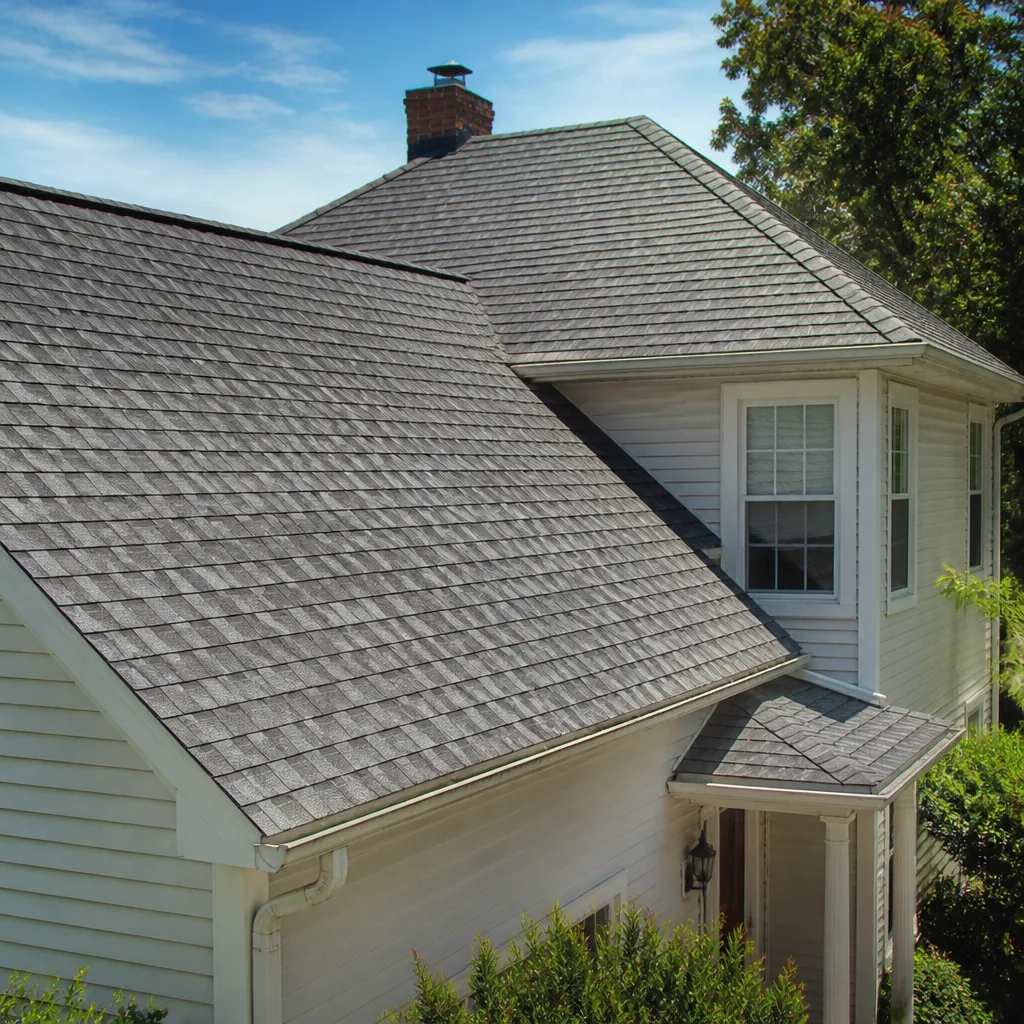
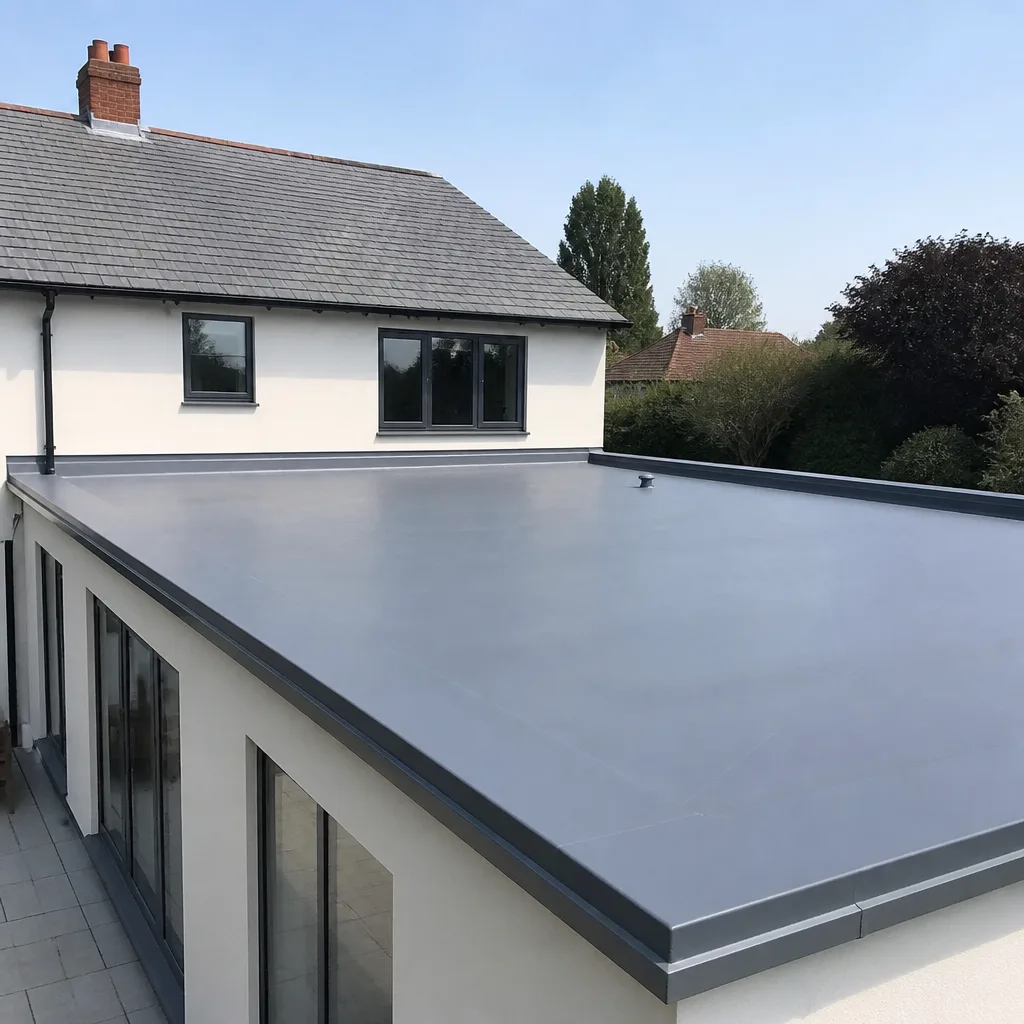
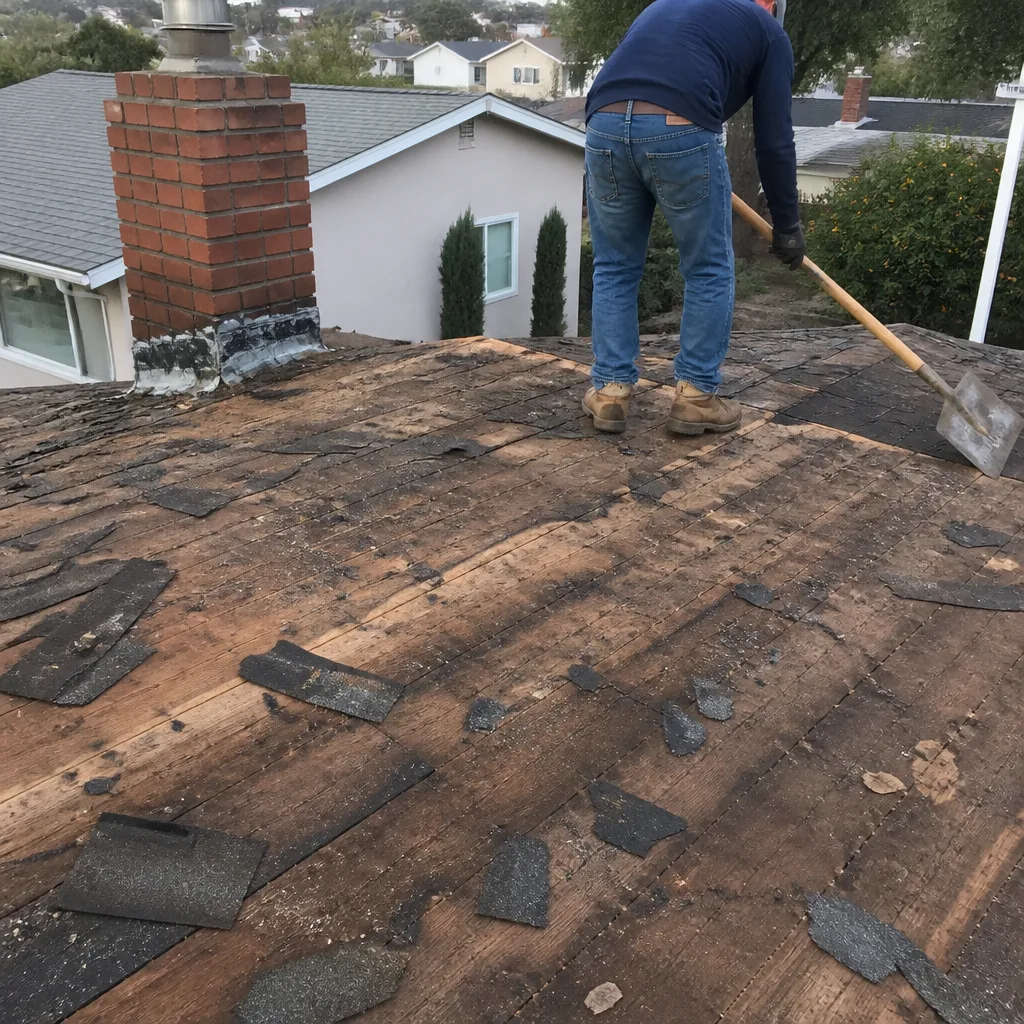 Before
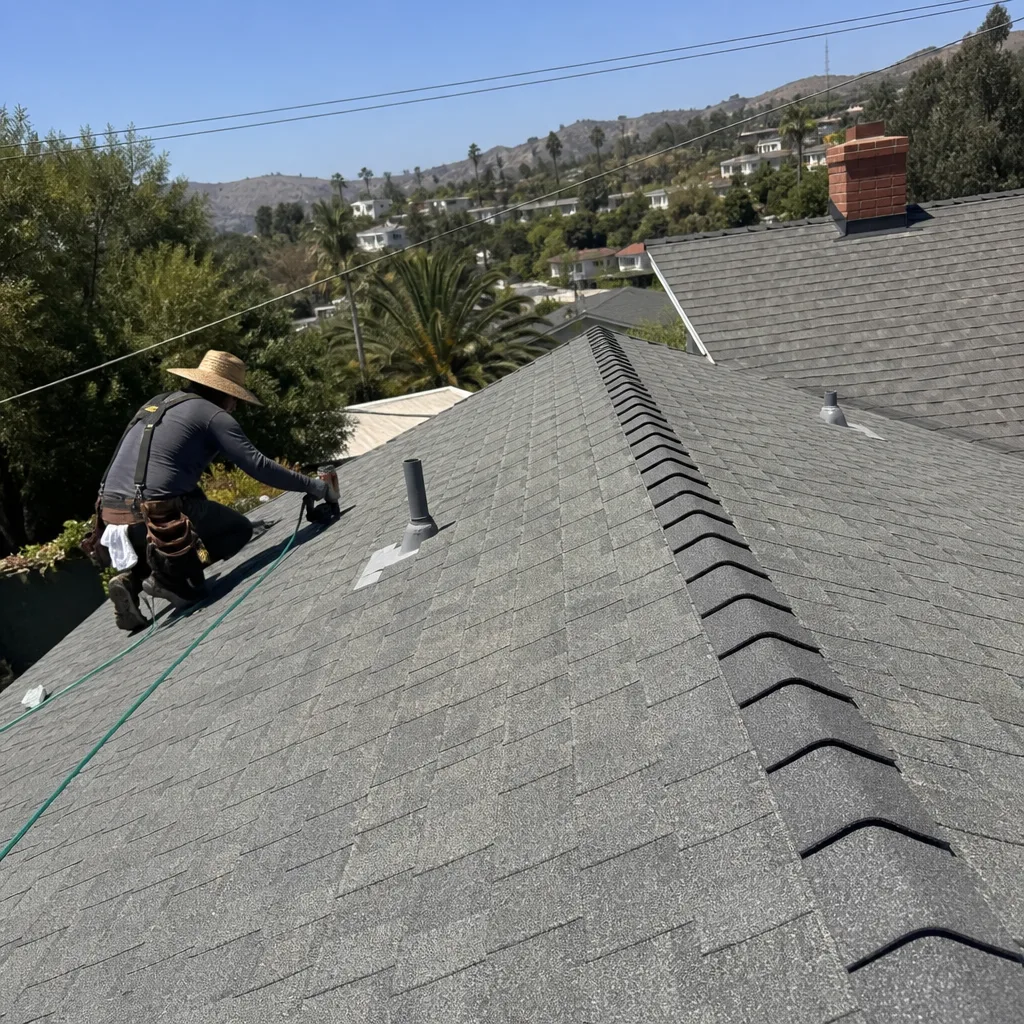 After
After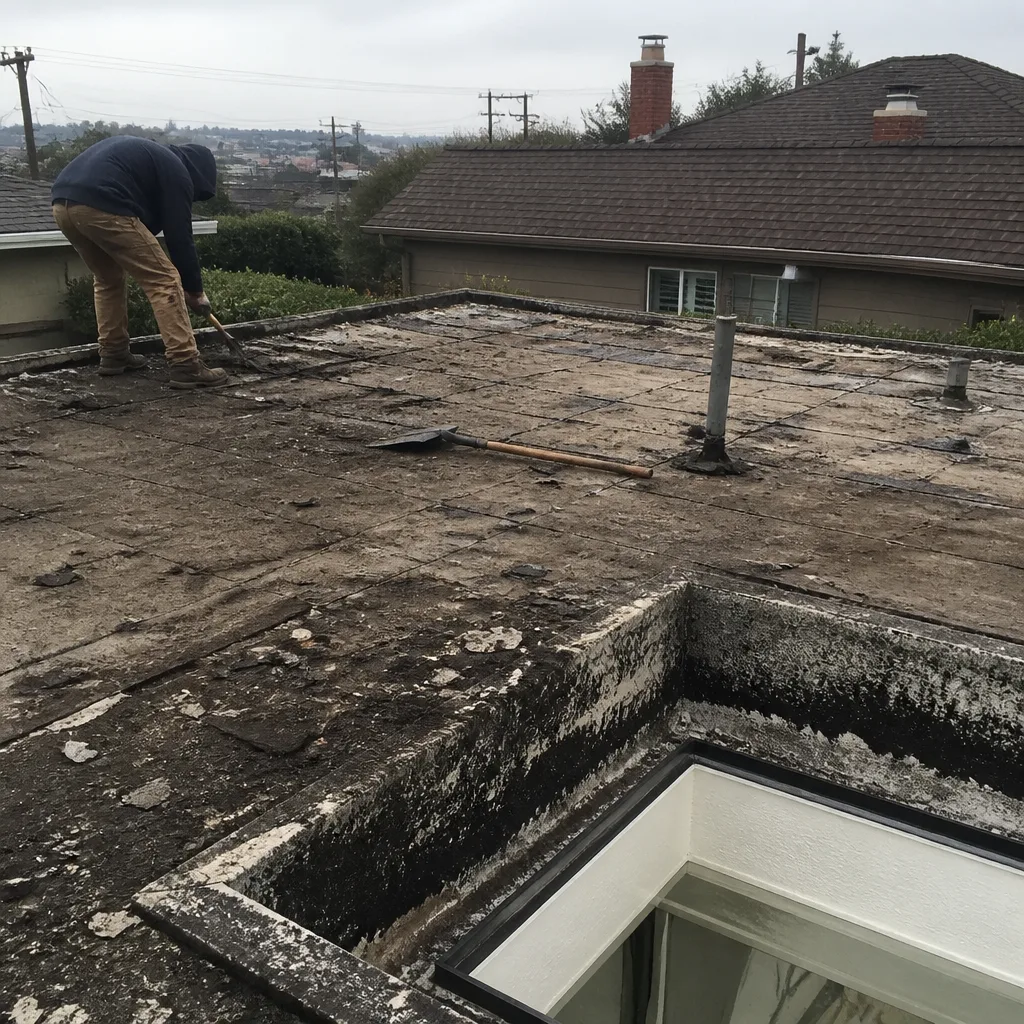 Before
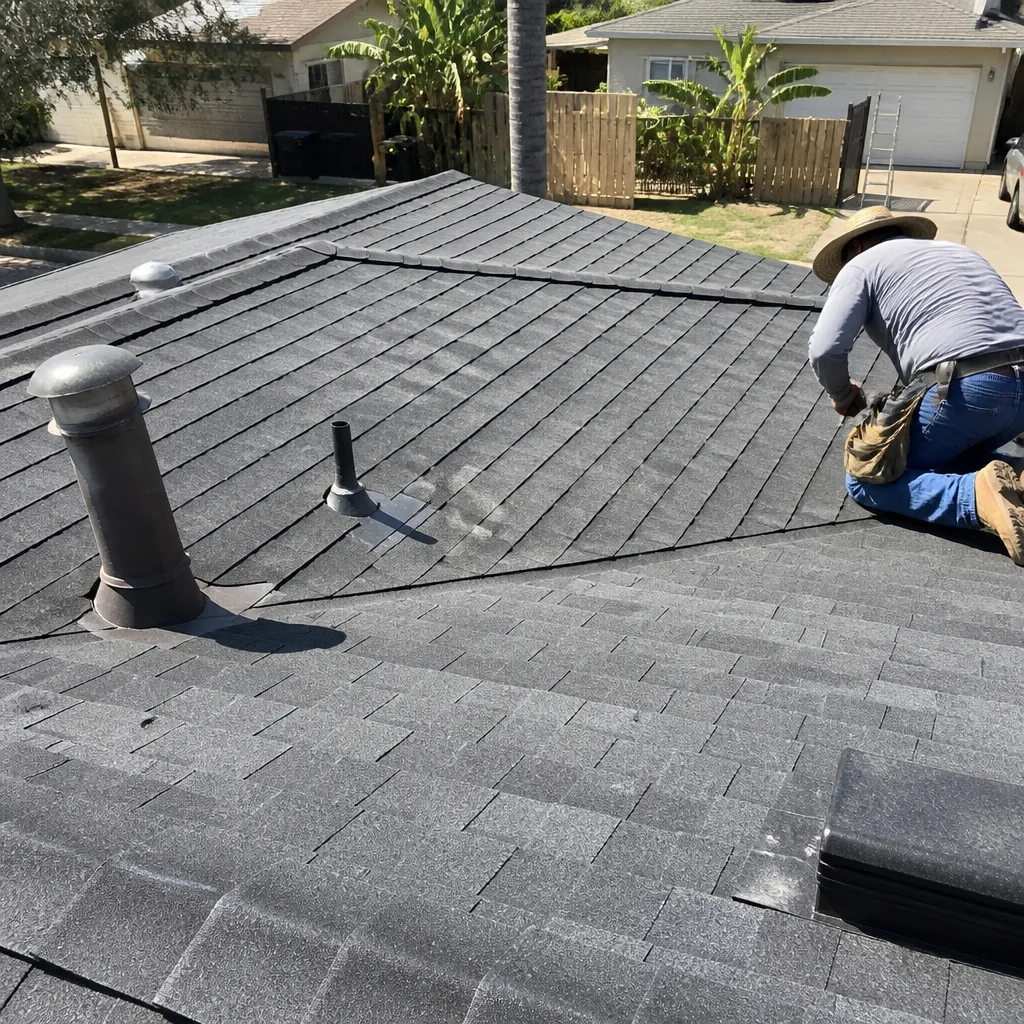 After
After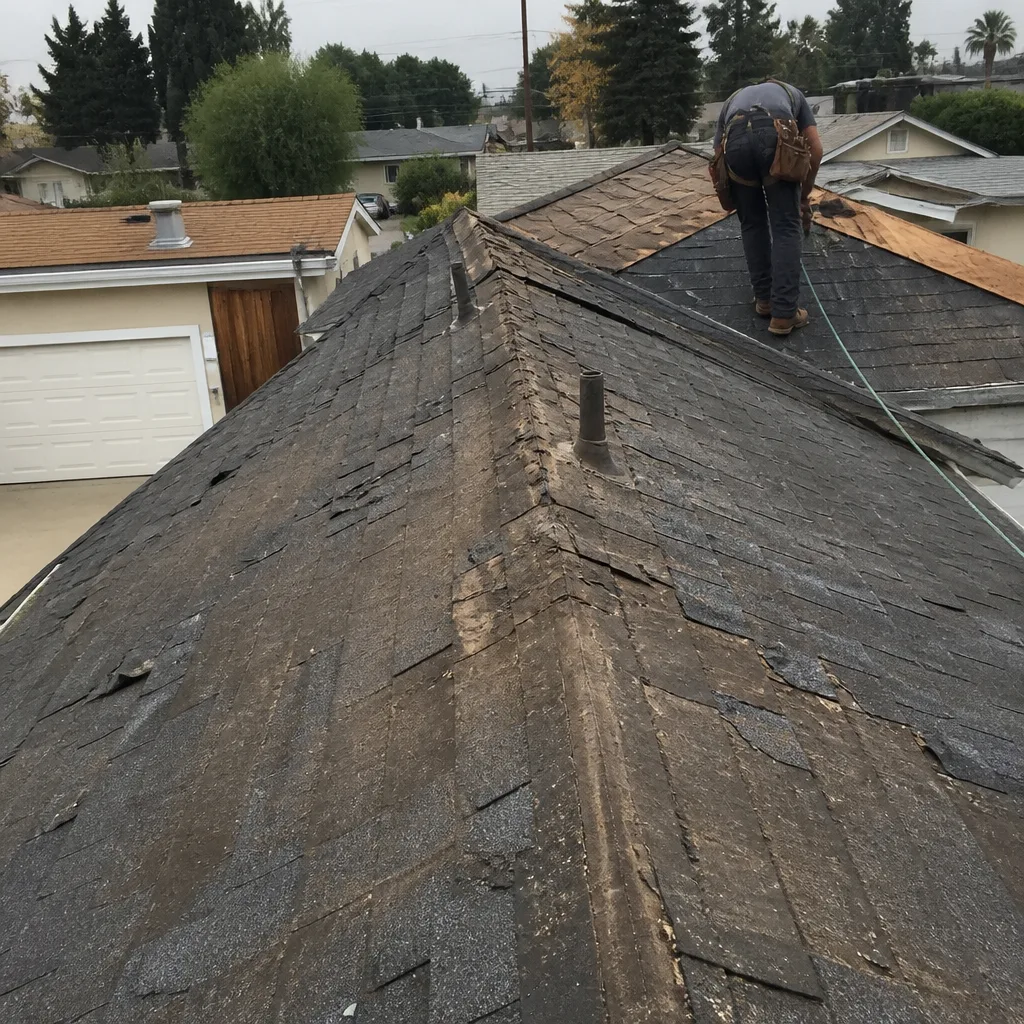 Before
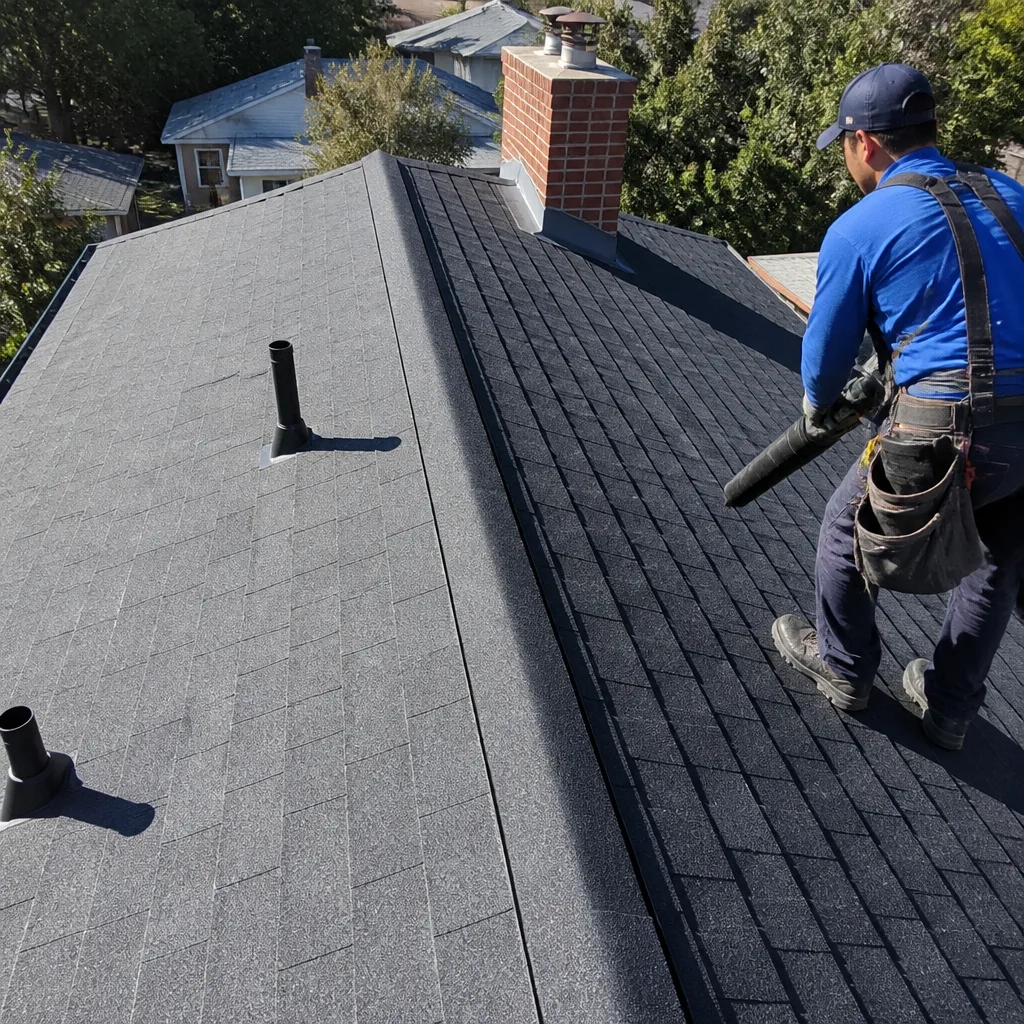 After
AfterChoosing the Right Roofing Brand: A Buyer’s Guide for Los Angeles
Most homeowners in Los Angeles choose their roofing brand exactly backward. They call three contractors, collect three shingle samples, and pick the one that looks nicest or costs least – never asking why each contractor pushes that particular brand. Here’s what most won’t tell you: manufacturer rebate tiers can pay contractors thousands annually to prioritize one brand over another, regardless of whether that shingle performs best on a roof that hits 170°F surface temperature in Woodland Hills or faces Santa Ana gusts tearing through the Pasadena corridor. This guide-along with our The Complete Guide to Roofing in Los Angeles-shows you how to read a brand recommendation for what it actually is, what performance specs matter in LA’s specific climate, and the warranty fine print that determines whether you’re protected or exposed.
Quick Answer
The best roofing brand for your Los Angeles home depends on your roof type, neighborhood microclimate, and whether your contractor’s recommendation is independent or rebate-driven. For asphalt architectural shingles in LA’s inland heat zones, look for Solar Reflectance Index (SRI) above 29 for Title 24 compliance, Class A fire rating, and wind ratings that exceed Santa Ana peak gusts (which regularly hit 60-80 mph). For flat roofs common in Mid-Century Modern homes from the Valley to the Hills, TPO membrane from established manufacturers outperforms budget alternatives within five years of UV exposure.
Table of Contents
- How to Decode a Contractor’s Brand Recommendation
- Performance Criteria That Actually Matter in Los Angeles
- Warranty Fine Print: What ‘Lifetime’ Really Means
- Brand Comparison by Roof Type
- Using Brand Knowledge as a Contractor Trust Signal
- What Different Brands Cost in the Los Angeles Market
- Common Mistakes to Avoid
- When to Call a Professional
- Frequently Asked Questions
How to Decode a Contractor’s Brand Recommendation
The first question to ask any Los Angeles roofer who recommends a specific brand: “Do you participate in a preferred contractor program with this manufacturer, and does that program include volume rebates or marketing funds?” This isn’t rude. It’s due diligence. A contractor who answers clearly and explains the relationship is demonstrating transparency. One who deflects or acts offended is telling you something important.
Manufacturer programs like GAF Master Elite, Owens Corning Platinum Preferred, and CertainTeed SELECT ShingleMaster offer contractors significant benefits: co-op advertising dollars, lead referrals, enhanced warranty options they can sell to homeowners, and sometimes direct rebates tied to annual volume. These programs aren’t inherently corrupt – they require training, insurance verification, and workmanship standards. But they create a structural incentive to recommend one brand consistently, even when another product better fits your specific roof.
We’ve seen this play out across Los Angeles neighborhoods. A contractor with GAF Master Elite status may push Timberline HDZ shingles for a Santa Monica home where coastal salt air and morning fog make Atlas StormMaster Slate’s modified asphalt formulation a technically superior choice for moisture resistance. The GAF shingle isn’t bad. It may not be optimal.
Three questions reveal whether a recommendation is independent:
- “What specific performance advantage does this brand offer for my roof’s exposure?” A contractor should mention solar reflectance, wind rating, or algae resistance – not just “it’s what we use.”
- “Have you installed competing brands on similar homes in this neighborhood in the past two years?” If they haven’t, they’re not comparing; they’re defaulting.
- “If this brand weren’t available, what would your second choice be and why?” The answer reveals whether they’ve actually evaluated alternatives or are running on autopilot.
At Crestview Roofing home, we maintain active relationships with multiple manufacturers precisely so we can match material to condition rather than condition to material. Our written estimates specify the exact product line, not just the brand name, and we explain the selection in terms of your roof’s pitch, orientation, and neighborhood wind exposure.
Performance Criteria That Actually Matter in Los Angeles
Los Angeles roofing exists in a unique intersection of regulatory, climatic, and seismic demands that make generic “best shingle” lists from national publications nearly useless here. These are the specifications that determine whether your roof performs or fails in LA conditions.
Solar Reflectance Index (SRI) for Title 24 Compliance
California’s Title 24 energy code requires cool roof standards for most residential re-roofing projects in Los Angeles County. For low-slope roofs (less than 2:12 pitch), the minimum SRI is 75 for new construction and 50 for replacements. For steep-slope roofs, the threshold is SRI 16 – but that’s a floor, not a target. In the San Fernando Valley, where roof surface temperatures regularly exceed 160°F in August, an SRI of 29 or higher measurably reduces cooling load and extends shingle life by reducing thermal cycling fatigue.
Not all “cool roof” products qualify. The CRRC (Cool Roof Rating Council) maintains the only accepted database. Demand your contractor specify the exact CRRC-rated product number, not just “it’s a cool roof shingle.” Owens Corning’s Duration Premium COOL series and CertainTeed’s Landmark Solaris both carry valid CRRC ratings, but specific color variations within each line vary significantly.
Class A Fire Rating
Wildfire-urban interface zones now extend into previously unclassified LA neighborhoods after recent fire seasons. Even outside WUI boundaries, Los Angeles County has adopted enhanced fire-resistant roofing requirements in multiple unincorporated areas. Class A is the highest ASTM E108 rating, indicating resistance to severe fire test exposure. Most quality architectural shingles carry this rating, but verify – some economy lines from major brands are Class B or C.
Wind Resistance vs. Actual Santa Ana Conditions
Shingle wind ratings are tested per ASTM D7158, with Class D rated to 90 mph, Class G to 120 mph, and Class H to 150 mph. Santa Ana winds in Los Angeles regularly gust to 60-80 mph at roof level, with documented peaks above 100 mph in canyon-exposed areas like Laurel Canyon and Malibu. A Class D rating (90 mph) is technically adequate per building code but leaves no safety margin for actual peak conditions. We specify Class G minimum for any LA installation, and Class H for wind-corridor exposures.
Algae Resistance in Coastal and Shaded Zones
Los Angeles’s coastal strip from Pacific Palisades to San Pedro experiences marine layer conditions that promote algae and moss growth on north-facing and shaded roof sections. Copper-containing granules (specified as AR, or algae-resistant) aren’t cosmetic – they prevent the black streaking that accelerates granule loss and reduces reflectance. In our experience, standard algae warranties of 10 years are optimistic for deeply shaded homes in Santa Monica Canyon; we recommend proactive maintenance schedules for these exposures.
Warranty Fine Print: What ‘Lifetime’ Really Means
“Lifetime limited warranty” is the most misleading phrase in roofing marketing, as we detail in The Complete Roof Repair Guide for Los Angeles Homeowners. Here’s what it actually covers, what voids it, and where Los Angeles conditions create specific vulnerabilities.
The Proration Trap
Most manufacturer “lifetime” warranties are prorated after a short non-prorated period – typically 10 years for standard architectural shingles, occasionally 15-20 for premium lines. After that point, the manufacturer pays only a declining percentage of replacement material cost, and labor is almost never included. A 25-year-old shingle with a “lifetime” warranty might yield 20% of material cost, leaving you with thousands in out-of-pocket expense.
What Voids the Warranty
Manufacturer warranties contain specific exclusion clauses that hit Los Angeles homeowners harder than national averages:
- Improper ventilation: Most warranties require attic ventilation meeting specific NFA (net free area) calculations. LA’s combination of intense solar gain and frequently inadequate original ventilation in mid-century homes creates conditions that manufacturers can cite to deny claims. We document existing ventilation with photos before any Roof Replacement in Los Angeles and specify upgrades when needed.
- Layer-over installations: Installing new shingles over existing layers voids most manufacturer warranties and is prohibited by Los Angeles building code for third-layer applications. Yet we still encounter homeowners who accepted this “savings” from unpermitted work.
- Pressure washing: The warranty explicitly excludes damage from high-pressure cleaning, a common “service” offered by unqualified operators in LA’s roof maintenance market.
- Non-manufacturer accessories: Using generic ridge cap, underlayment, or starter strips can void coverage even when the field shingles are genuine.
The Enhanced Warranty Gap
Manufacturers offer “system warranties” or “enhanced warranties” that extend non-prorated coverage to 50 years and include workmanship – but only when installed by a contractor holding their highest certification level. These warranties cost the contractor in program fees and stringent installation requirements, which is why many LA roofers don’t offer them; see The Complete Roof Installation Guide for Los Angeles Homeowners for what those requirements entail. Ask specifically: “Is this estimate eligible for the manufacturer’s enhanced system warranty, and what certification level do you hold?” If the answer is no, you’re buying a standard warranty with standard gaps.
Our 365-Day Done Right Promise operates independently of manufacturer coverage. If a repair fails within a year, we correct it at no charge – including a free second visit. This covers the period when most installation-related failures occur, regardless of whether the manufacturer accepts or disputes a claim.
Brand Comparison by Roof Type
Los Angeles housing stock spans Spanish Colonial Revival tile in Hancock Park, Mid-Century Modern flat roofs in the Hollywood Hills, and endless variations of ranch and Mediterranean styles across the Valley. The right brand varies dramatically by roof type.
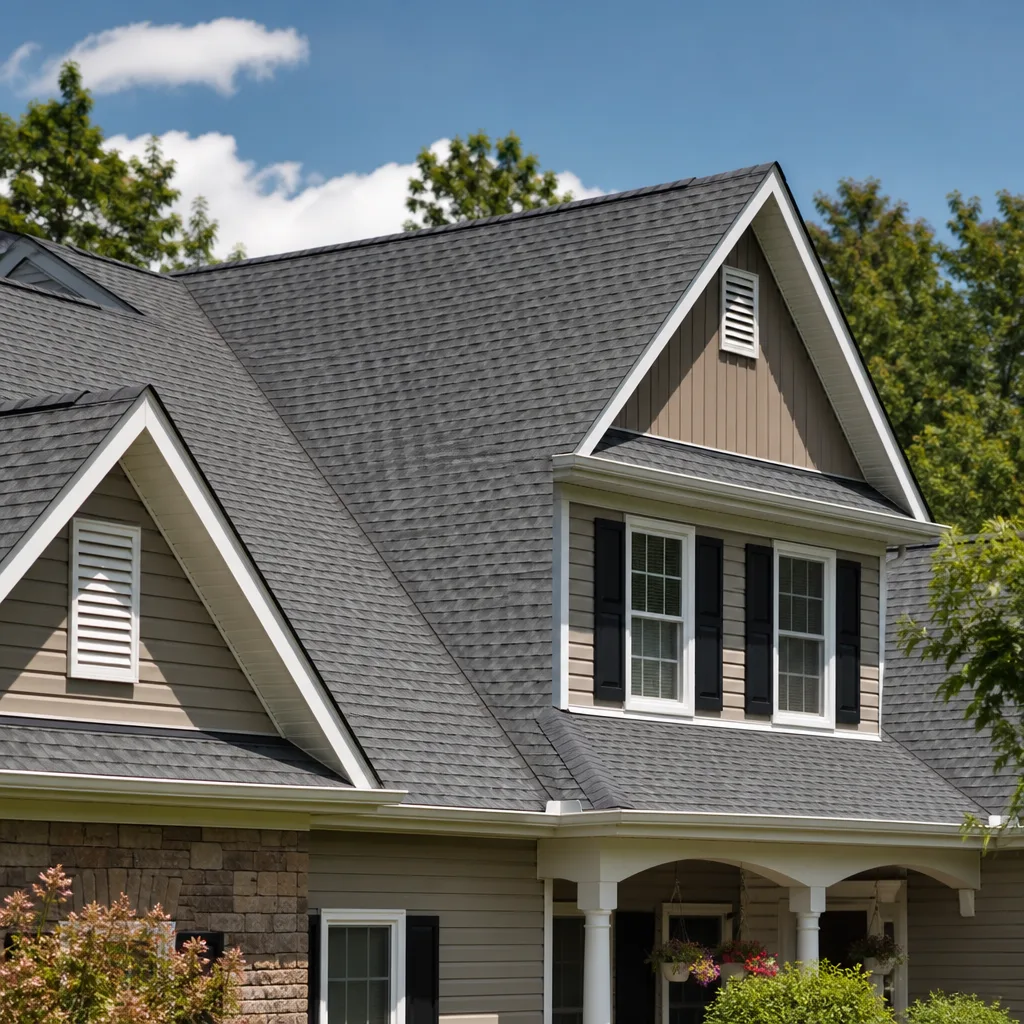
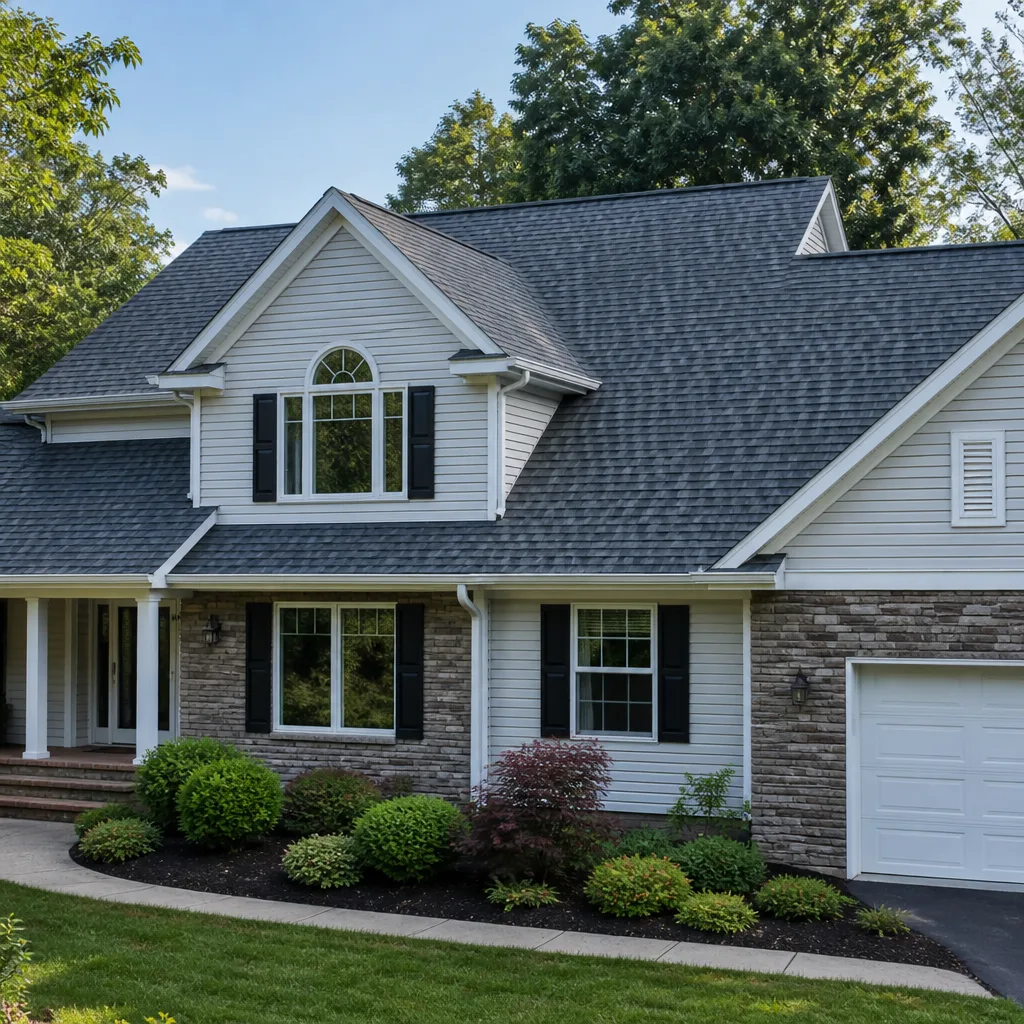
Asphalt Architectural Shingles: Owens Corning, CertainTeed, IKO
For the majority of LA’s pitched residential roofs, architectural (dimensional) shingles dominate. Within this category, specific product lines matter more than brand loyalty.
Owens Corning Duration series uses SureNail technology – a reinforced nailing zone that’s genuinely harder to blow through in high winds. In our wind-exposed installations from Chatsworth to the Hollywood Hills, we’ve seen fewer edge-lift callbacks with this strip compared to standard nailing zones. The Duration Premium COOL line carries SRI ratings up to 33 in specific colors, making Title 24 compliance straightforward.
CertainTeed Landmark shingles offer heavier granule coverage (typically 240-260 lbs per square vs. industry standard 200-220) which translates to longer color retention in LA’s UV intensity. Their Landmark Solaris line specifically targets cool roof compliance. The downside: the heavier shingle requires confirmation that your roof structure can support it, particularly on older homes with original 2×4 rafter construction common in pre-1960 Los Angeles neighborhoods.
IKO Cambridge architectural shingles represent a value alternative that performs adequately in moderate LA exposures. Their Dynasty line with ArmourZone nailing strip competes technically with premium brands but at lower price point. We specify IKO for budget-conscious clients in less demanding microclimates – inland Valley areas without extreme wind exposure, for instance – where the performance differential doesn’t justify the premium.
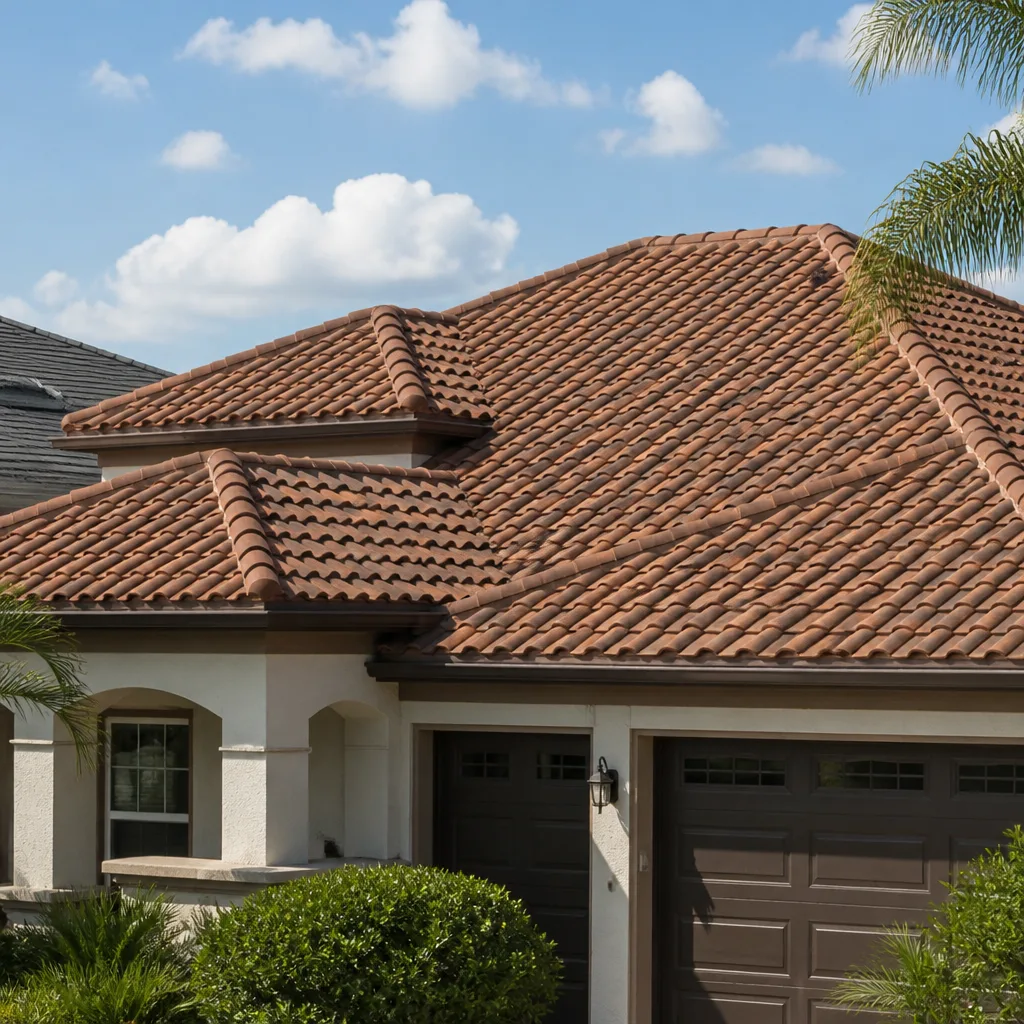
Concrete and Clay Tile: Boral, Eagle
Spanish and Mediterranean architecture throughout Los Angeles demands tile roofing. Boral Roofing (now owned by Westlake Royal Roofing Solutions) manufactures concrete tile with specific formulations for coastal and inland Southern California. Their Saxony Slate profile appears on numerous Pasadena and San Marino homes where historic commission approval requires specific aesthetic matching.
Eagle Roofing Products, with manufacturing in Rialto, offers shorter supply chains for Los Angeles projects and specific “Cool Roof” rated colors that meet Title 24 without the added cost of aftermarket coatings. Their Bel Air and Capistrano profiles match common LA historic styles.
Critical for tile: the brand matters less than the underlayment system. Quality tile outlasts its waterproofing layer by decades. We specify minimum two-layer underlayment (typically self-adhered ice and water shield plus high-temp synthetic) for any tile installation, with brand selection secondary to this system design.
TPO Membrane for Flat and Low-Slope Roofs
LA’s Modernist and Post-and-Beam homes, along with numerous additions and ADUs, rely on single-ply membrane roofing. TPO (thermoplastic polyolefin) dominates this market but quality varies enormously between manufacturers.
Look for membrane thickness of 60 mil minimum – 45 mil TPO degrades measurably faster in LA’s UV environment. Weld seam quality, verified by probe testing during installation, determines whether your flat roof leaks in year three or year twenty. Brand names matter less here than contractor installation protocol, but established manufacturers (Carlisle, GAF, Johns Manville) provide more consistent formulation quality than import alternatives increasingly seen in the LA market.
Using Brand Knowledge as a Contractor Trust Signal
The way a contractor discusses brand selection reveals their operational model more reliably than any reference or review. Here’s what to listen for.
- Technical specificity vs. brand repetition. A contractor who explains that “Tamko Heritage series uses a different asphalt formulation than their Heritage Vintage line, which matters for your south-facing exposure” is demonstrating product knowledge. One who simply repeats “we use GAF, it’s the best” is demonstrating marketing absorption.
- Willingness to source outside their default. If you request a specific brand for aesthetic or compatibility reasons – matching existing Boral tile on a partial re-roof, for instance – a confident contractor explains lead time and any cost differential. A rigid contractor insists their brand is “the only one we work with,” which typically indicates rebate lock-in or limited supplier relationships.
- Documentation of what was actually installed. Post-installation, you should receive specific product documentation: manufacturer, product line, color name and number, lot numbers for traceability. This is standard for Roof Installation in Los Angeles under our process. Contractors who provide only a generic “architectural shingle” invoice are creating ambiguity that protects them, not you.
At Crestview Roofing, our estimates specify manufacturer, product line, and color with lot number documentation on completion. If we recommend Atlas StormMaster Slate for a coastal Malibu installation, we explain the polymer-modified asphalt’s advantage in salt-air exposure. If we specify Owens Corning Duration for a Valley ranch home, we reference the SureNail strip’s wind performance and the specific SRI rating of the selected color. The brand serves the roof, not the other way around.
What Different Brands Cost in the Los Angeles Market
Material costs in Los Angeles carry significant regional premiums compared to national averages due to transportation, warehousing, and Title 24 compliance requirements. These ranges reflect our 2024-2025 market experience for typical residential projects; your specific Roof Repair in Los Angeles or replacement will vary with roof complexity, access, and current material availability.
| Category | Product Tier | Material Cost per Square (100 sq ft) | Typical Total Project Range (2,000 sq ft roof) |
|---|---|---|---|
| Architectural Shingle | Entry (IKO Cambridge, Tamko Heritage) | $95 – $125 | $12,000 – $16,500 |
| Mid (Owens Corning Duration, CertainTeed Landmark) | $130 – $170 | $16,000 – $22,000 | |
| Premium (Owens Corning Duration Designer, CertainTeed Grand Manor) | $180 – $250 | $22,000 – $32,000 | |
| Concrete Tile | Standard (Eagle, Boral standard profiles) | $200 – $280 | $25,000 – $38,000 |
| Custom/High Profile | $300 – $450 | $38,000 – $55,000 | |
| TPO Membrane | 60 mil, mechanically attached | $180 – $240 | $18,000 – $28,000 |
These figures include material, labor, permit, and standard underlayment. They exclude structural repairs, deck replacement, or ventilation upgrades that inspection may reveal. Our written estimates itemize each component before work begins – the number on the page is the number on the invoice, with no change orders for conditions visible at estimate time.
The cost difference between entry and mid-tier architectural shingles – roughly $4,000 – $5,500 on a typical home – is often recovered through extended service life in LA’s climate. Premium granule retention and enhanced wind resistance reduce the probability of premature replacement, which is why we rarely specify entry-tier products for primary residences in Los Angeles.
Common Mistakes to Avoid
- Choosing by shingle sample alone. A 4-inch sample in a contractor’s binder bears no resemblance to 2,000 square feet on your roof. Visit completed installations in your neighborhood, in natural light, on overcast days – LA’s bright sun washes out subtle color variation that becomes apparent in diffuse light.
- Ignoring the underlayment brand. Homeowners obsess over visible shingles while contractors may specify generic underlayment that fails in 8-12 years. The underlayment is your actual waterproofing; demand a named product with published service life.
- Assuming all contractors access the same pricing. Volume relationships, program tiers, and regional distribution agreements create 15-25% material cost differences between contractors for identical products. This doesn’t mean the higher quote is unfair – but it means you can’t compare quotes without confirming the exact product specification.
- Neglecting Title 24 compliance verification. Non-compliant roofing can trigger resale inspection failures in Los Angeles and may invalidate your permit. Verify CRRC rating numbers independently; don’t trust contractor assertions.
- Accepting “or equal” substitutions without review. Contracts with open-ended substitution clauses allow contractors to swap specified brands for alternatives that meet minimum code but underperform in specific applications. Our estimates specify “no substitution without written approval.”
- Overlooking ridge vent and accessory compatibility. Mixing manufacturer accessories voids system warranties. If your contractor specifies Owens Corning shingles with generic ridge vent, you’ve lost enhanced warranty eligibility.
When to Call a Professional
Brand selection matters most when you’re facing significant investment – full replacement, major repairs involving multiple roof planes, or matching existing materials on partial re-roofs. The cost of expert guidance is negligible compared to the cost of premature failure from mismatched specification.
Call for professional evaluation when: your roof is 20+ years old and you’re comparing repair vs. replacement; you’re selling within three years and need transferrable warranty documentation; your home is in a high-wind corridor or WUI zone with specific code requirements; or you’re matching historic materials for commission approval.
Crestview Roofing offers free estimates in Los Angeles – call (325) 246-5075 to schedule. You’ll receive a written price before any work begins, photo documentation of your roof’s condition, and specific brand recommendations with technical justification for your exposure, plus links to more guides & resources for ongoing roof care. Every repair carries our 365-Day Done Right Promise in writing, included at no extra cost.
Frequently Asked Questions
A complete architectural shingle roof replacement on a typical 2,000 square foot Los Angeles home runs $16,000 – $22,000 for mid-tier materials, with concrete tile ranging $25,000 – $38,000 and TPO membrane $18,000 – $28,000. Complex roof geometry, steep pitch, or deck replacement adds to these base ranges. Call (325) 246-5075 for a written estimate specific to your home – estimates are free and include itemized material specification.
Our written price is fixed for conditions visible at estimate time. If concealed damage is discovered during tear-off, we document with photos and obtain written approval before proceeding – no surprise additions. This is part of The Relay Visibility Guarantee that governs every Crestview Roofing project.
Yes. We handle Los Angeles building permit application, scheduling, and inspection coordination as part of every replacement project. Permits are itemized in your written estimate so you see exactly what the city charges versus our service.
Most residential asphalt shingle replacements in Los Angeles complete in 2 – 4 working days, weather permitting. Tile roofs require 5 – 10 days due to weight handling and more complex installation. TPO membrane installations on accessible flat roofs typically finish in 2 – 3 days. We provide a specific timeline in your written estimate and send photo updates at key completion milestones.
For Valley installations with sustained high roof temperatures, we typically specify Owens Corning Duration Premium COOL or CertainTeed Landmark Solaris for their verified SRI ratings above 29 and granule formulations designed for thermal cycling resistance. The specific choice depends on your roof pitch, color preference, and whether enhanced warranty coverage is a priority. Both brands have proven performance in our Valley installations over multiple summer seasons.
Ask the three questions outlined in this guide: what specific performance advantage for your exposure, whether they’ve installed competing brands recently in your neighborhood, and what their second choice would be. A contractor who can’t answer technically or becomes defensive is likely operating from rebate-driven default rather than independent evaluation. At Crestview Roofing, we explain our recommendations in writing with reference to your specific roof conditions.
The Bottom Line
The right roofing brand for your Los Angeles home isn’t determined by a contractor’s preferred program or a national “top ten” list. It’s determined by your roof’s specific exposure to sun, wind, and salt air; your neighborhood’s code requirements; and whether the product’s published specifications match its marketing claims. Learn to read warranty proration schedules, verify CRRC ratings independently, and ask the questions that reveal whether a recommendation serves your roof or your contractor’s rebate tier. The homeowners who get 25-30 years from a roof in LA’s demanding climate aren’t lucky – they’re informed.
Written by Dylan Pace, Owner at Crestview Roofing, serving Los Angeles since 2000.