
Last updated October 10, 2026
Free roof inspection with deck photos before we talk money - GAF and Owens Corning certified installation
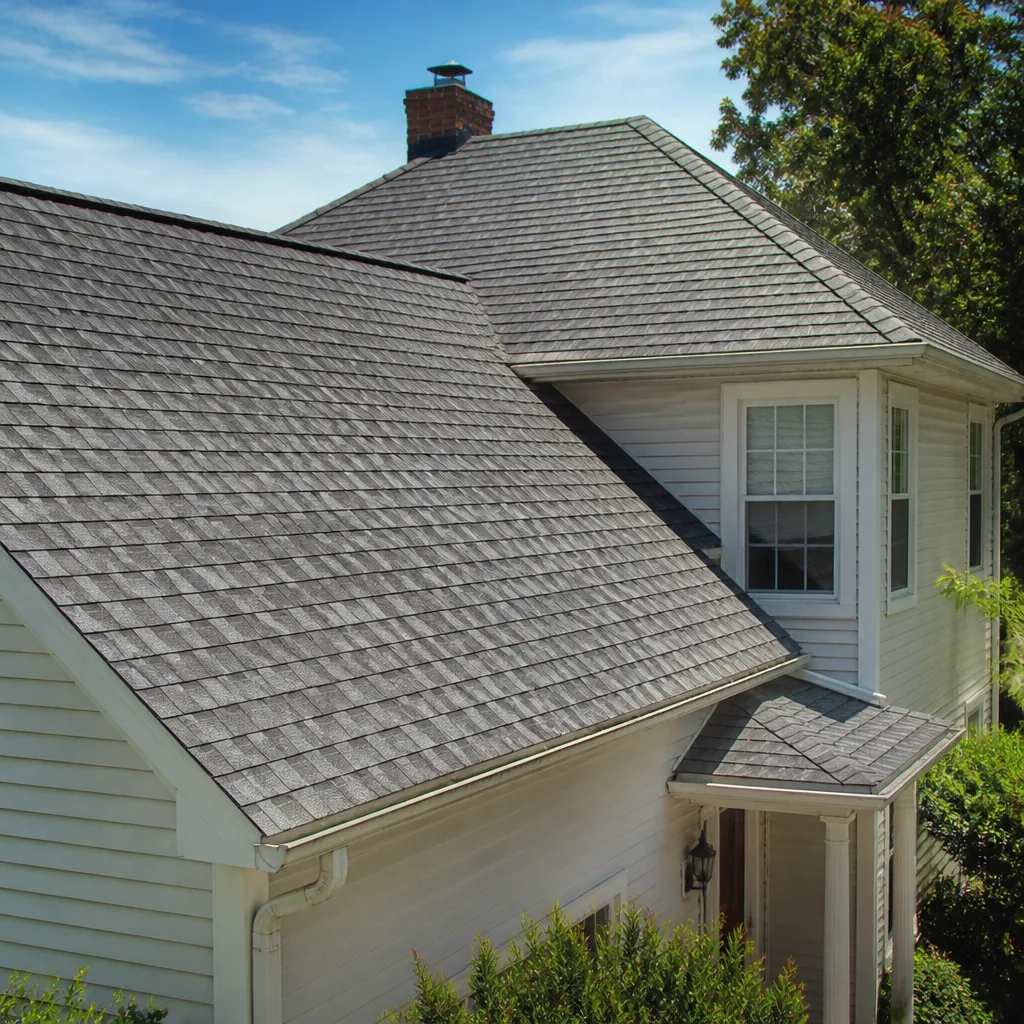
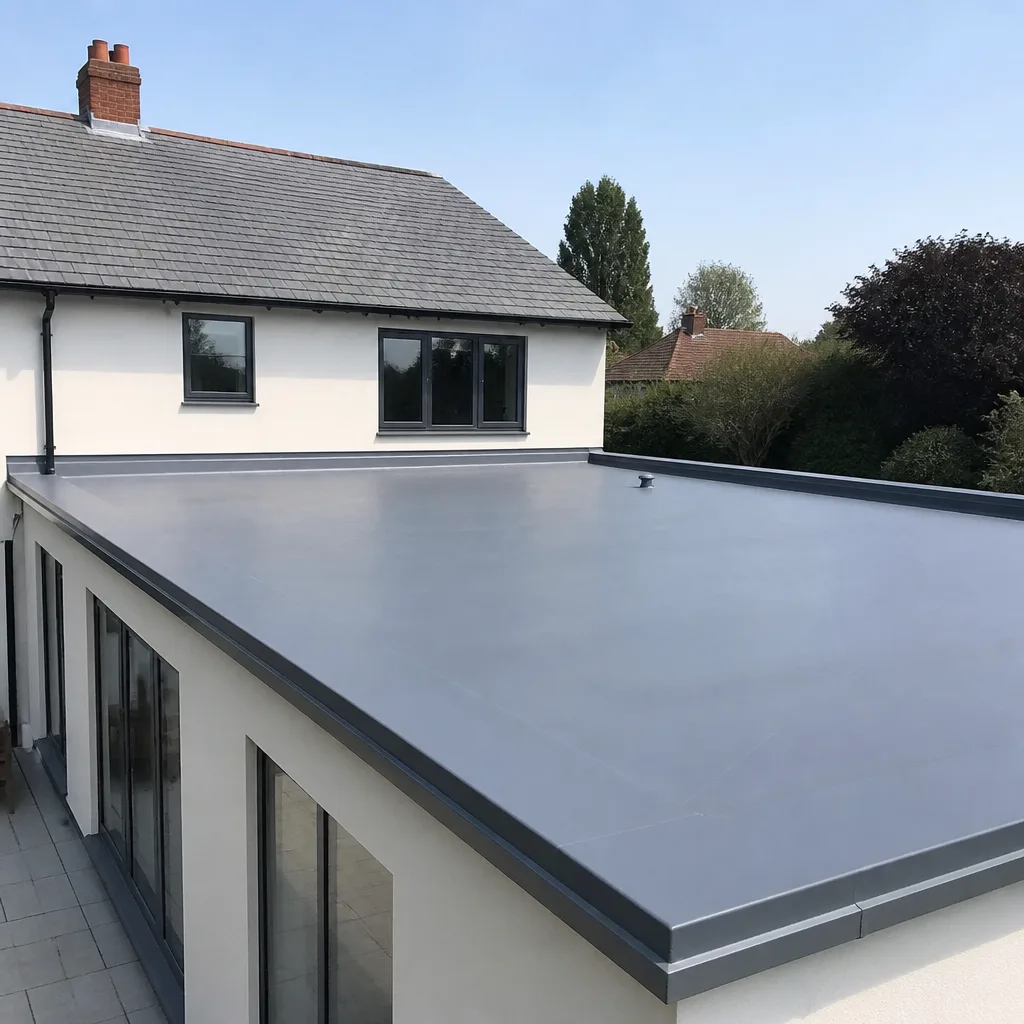
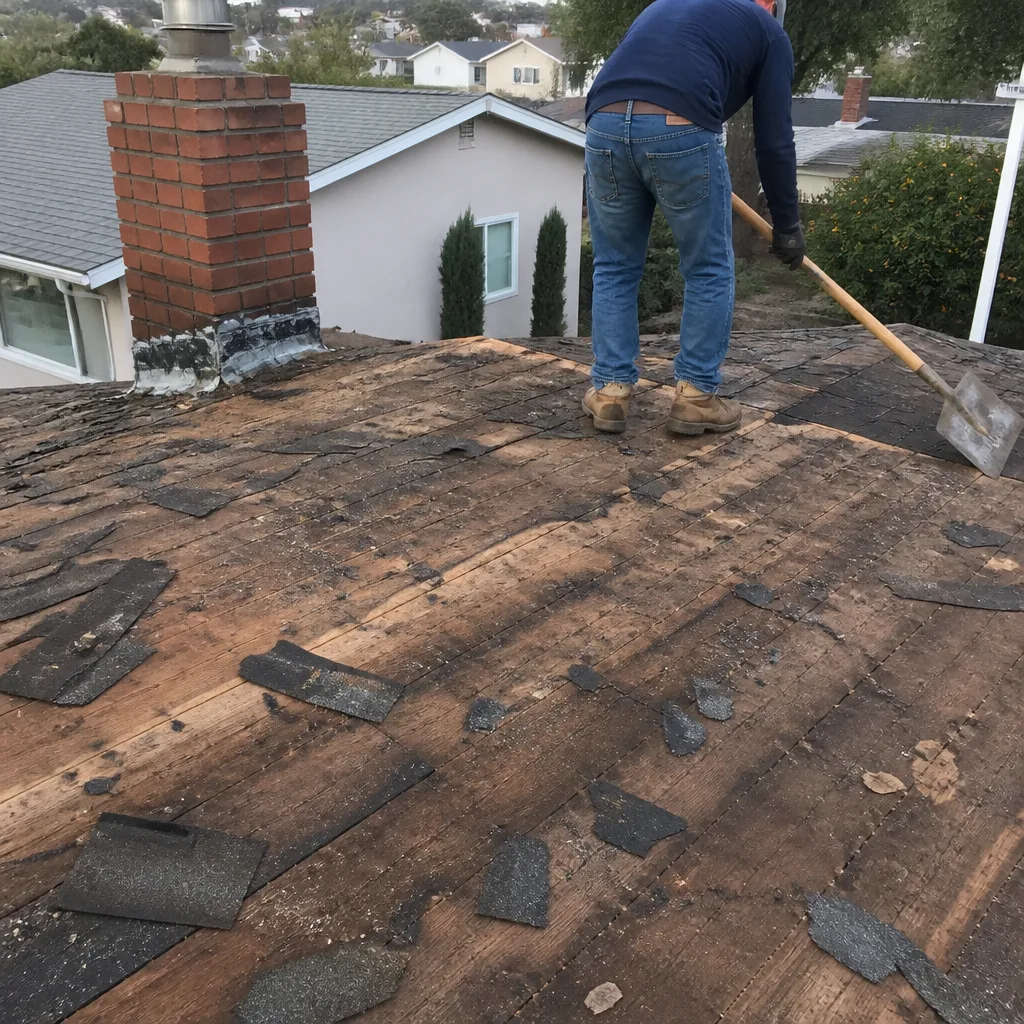 Before
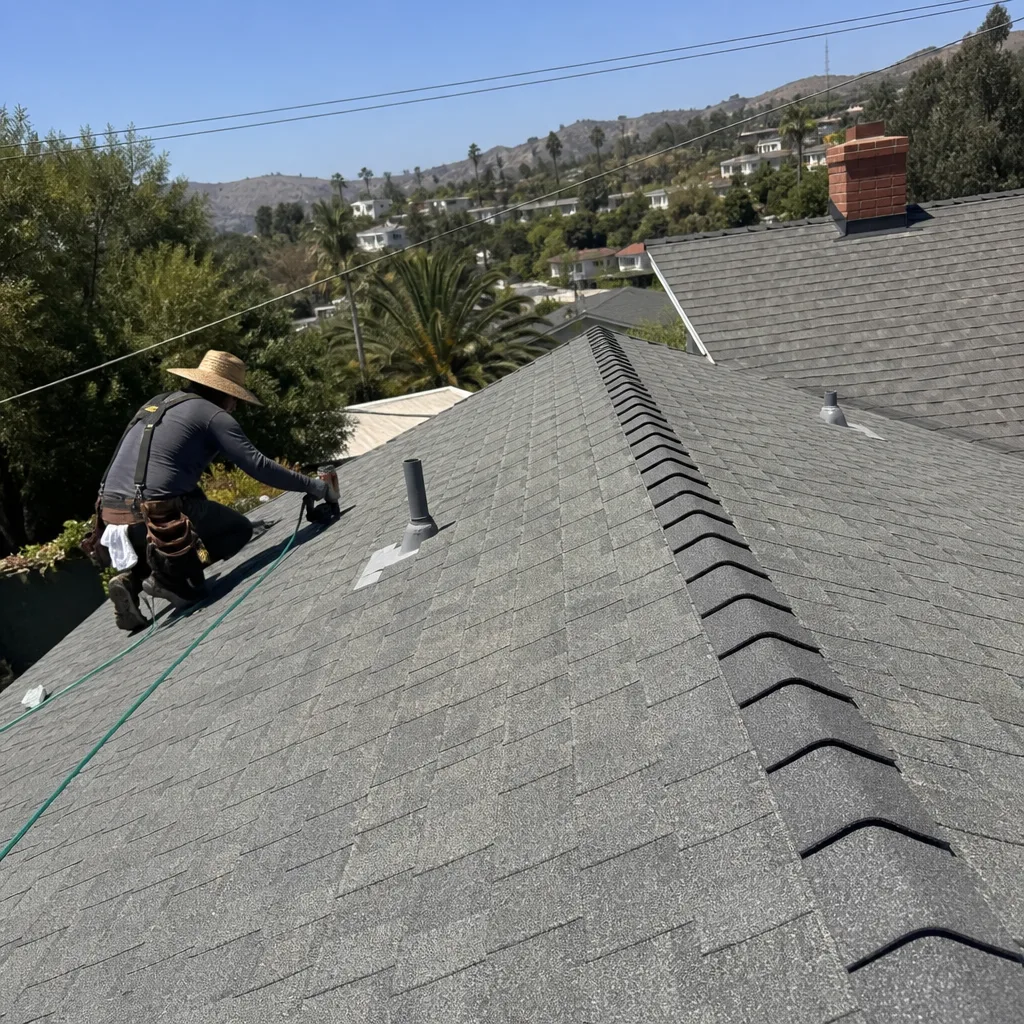 After
After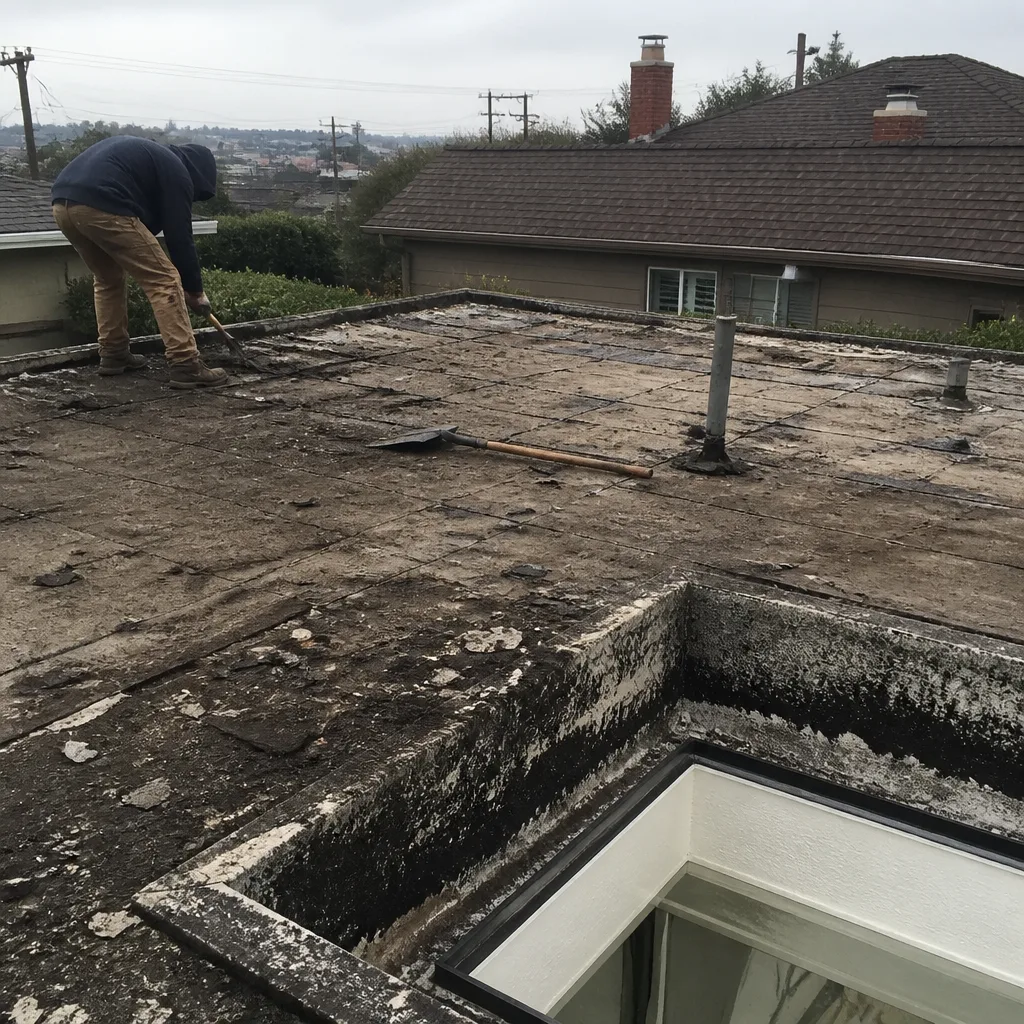 Before
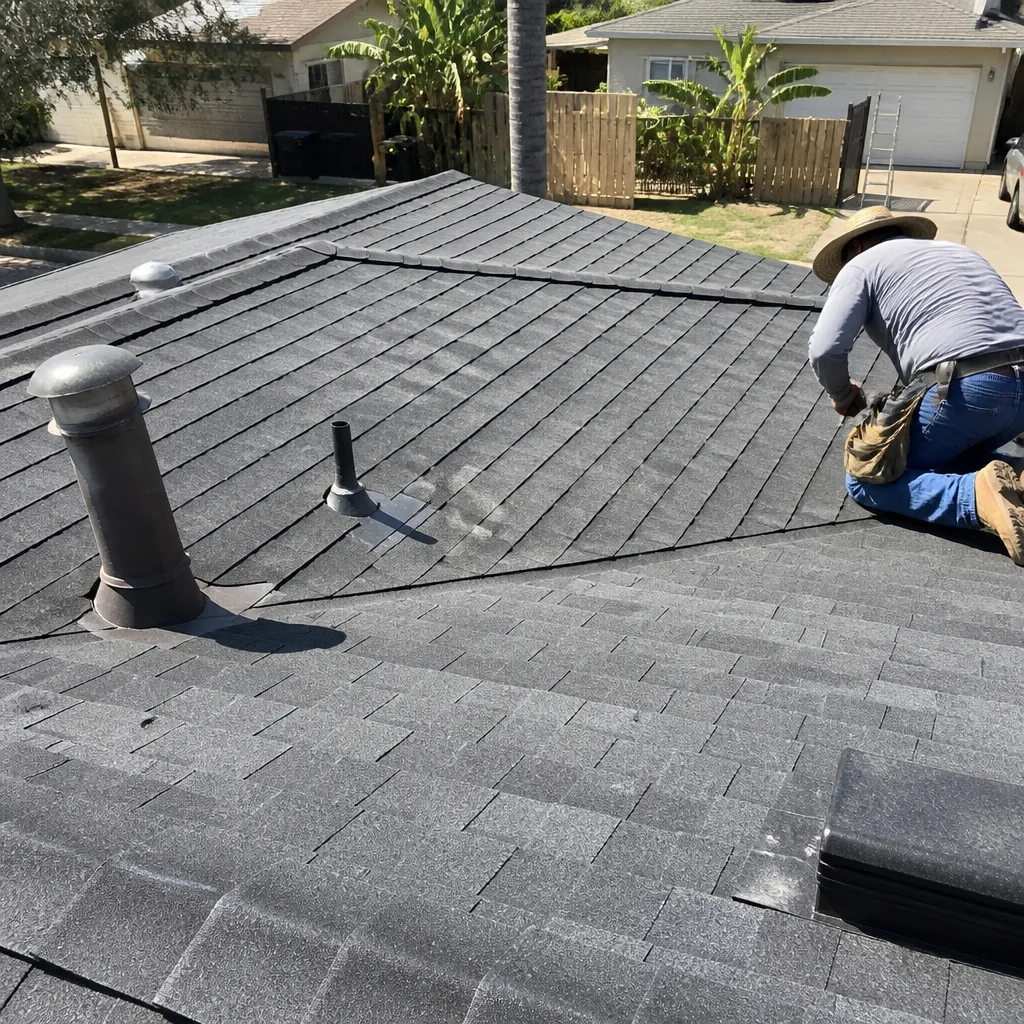 After
After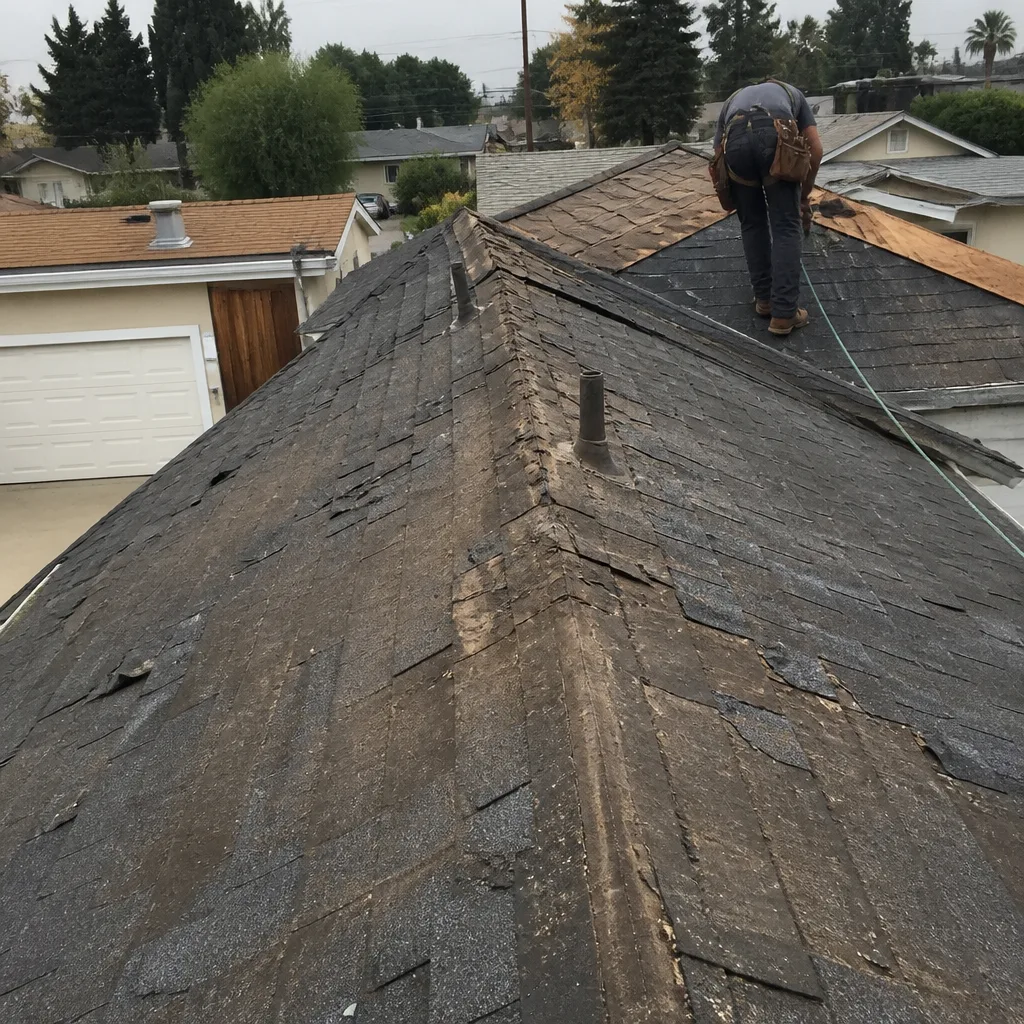 Before
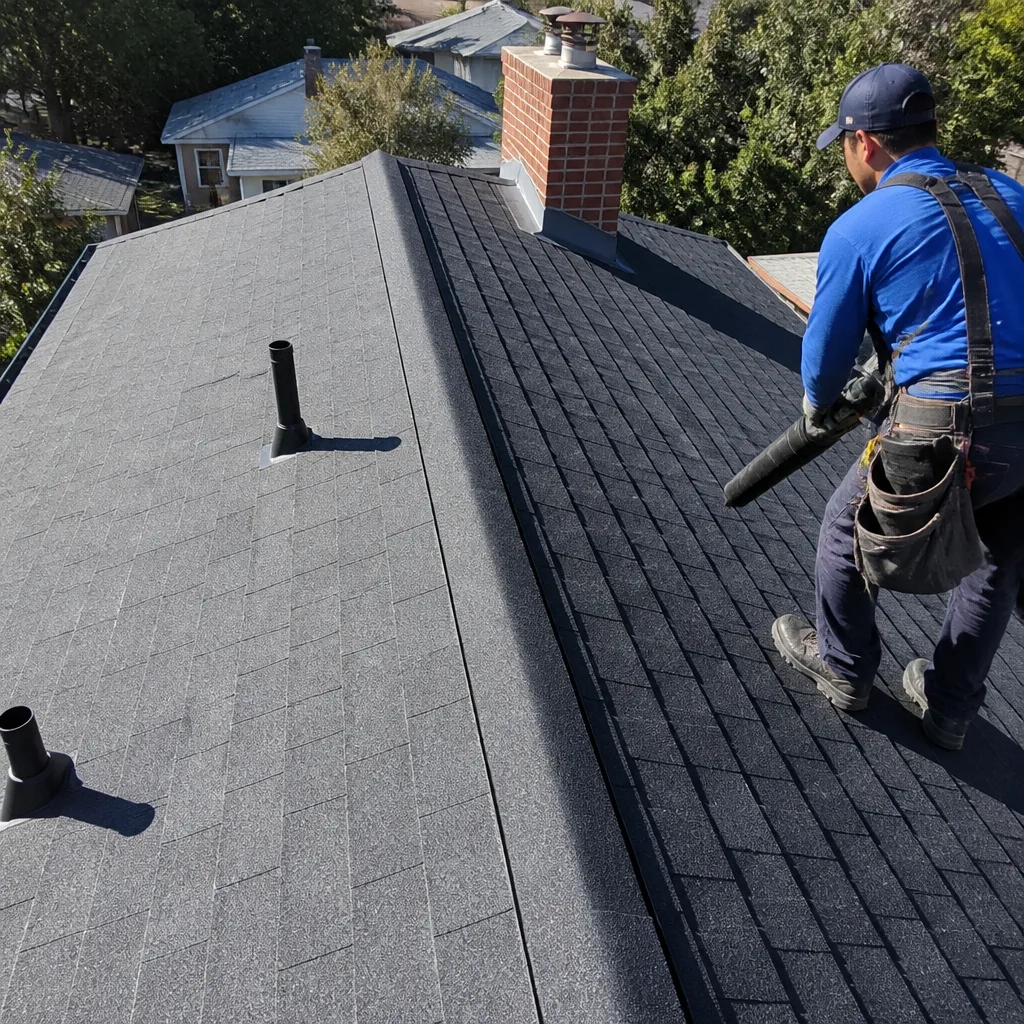 After
AfterThe Complete Guide to Roofing in Los Angeles
Los Angeles has at least six distinct microclimates – a roof that performs perfectly in Woodland Hills can fail years earlier on the Westside. Most roofing guides treat the whole city as one climate, which is exactly why so many homeowners get the wrong material recommendation. In The Complete Roof Installation Guide for Los Angeles Homeowners, we map how LA’s patchwork of inland heat, coastal salt air, hillside fire zones, and aging housing stock creates roofing pressures you won’t find in Phoenix, Seattle, or even San Diego. You’ll learn which materials survive where, why your 1940s bungalow needs structural assessment before any new roof goes on, and how to read a California contractor license to avoid the storm chasers who descend after every Santa Ana wind event.
Quick Answer
The Complete Roof Repair Guide for Los Angeles Homeowners shows how matching materials to microclimate is essential – cool-roof shingles for inland Valley heat, corrosion-resistant fasteners for coastal salt air, and Class A fire-rated assemblies for hillside zones. Most LA County homes also need Title 24 cool-roof compliance on re-roofs, and any home built before 1970 should have its roof deck and rafters assessed for structural load before new materials go on. Expect to pay $8,500 – $18,000 for a standard asphalt shingle replacement on a typical 1,800-square-foot home, with clay tile, metal, and composite alternatives running higher.
Table of Contents
- How LA’s Microclimates Change What Roof You Need
- Roofing Materials That Survive in Los Angeles
- Aging Housing Stock: Hidden Structural Issues
- Title 24 Cool-Roof Requirements in LA County
- California Contractor Licensing: Reading the C-39
- Why Written Scope-of-Work Documents Protect You
- What Roofing Costs in Los Angeles
- Year-Round Maintenance for LA Roofs
How LA’s Microclimates Change What Roof You Need
The National Weather Service recognizes at least six distinct climate zones within Los Angeles city limits. A roofer who treats Encino the same as Venice is setting someone up for premature failure.
Inland Valley zones – Woodland Hills, Chatsworth, Northridge, Van Nuys – see 100°F-plus days for weeks each summer. Thermal cycling is brutal: shingles expand in afternoon heat, contract after sundown, and the adhesive strips that bond them fatigue faster than the manufacturer specs assume. In these neighborhoods, we regularly see asphalt shingles rated for 25 years lose granules and curl at year 12. Cool-roof shingles with higher Solar Reflectance Index (SRI) values, typically 29 or above, aren’t optional here – they’re survival gear. The asphalt itself stays cooler, the adhesive cycles less, and the attic load on your AC drops measurably.
Coastal zones – Venice, Santa Monica, Palos Verdes, San Pedro – trade heat for salt. Ocean air carries chloride ions that corrode standard galvanized fasteners and flashings. We’ve opened up roofs in Marina del Rey where the nails looked like they’d been underwater for years. Marine-grade stainless or hot-dip galvanized fasteners with heavier zinc coating are necessary. Some metal roofs, particularly uncoated aluminum, pit visibly within five years of coastal exposure. Boral’s concrete tile products hold up well here because the material itself is inert to salt – the failure point becomes the fasteners, which are easier to spec correctly than replacing an entire corroded panel system.
Hillside fire zones – Topanga, Malibu, the Hollywood Hills, Pacific Palisades canyons – operate under Chapter 7A of the California Building Code. Class A fire-rated roof assemblies are mandatory in very high fire hazard severity zones, which LA County maps explicitly. This isn’t just “fire-resistant shingles.” It’s the entire assembly: underlayment, decking, and sometimes ignition-resistant eave detailing. Standard three-tab asphalt doesn’t qualify without specific cap-sheet underlayment systems. Clay and concrete tile achieve Class A by mass – they don’t ignite – but the gaps between tiles require bird-stop blocking and ember-resistant underlayment to pass inspection.
Basin and downtown zones – Koreatown, Echo Park, Highland Park – get a mix of heat and smog. Acidic particulate from freeway proximity accelerates granule loss on cheaper shingles. We’ve noticed GAF’s Timberline HDZ and CertainTeed’s Landmark PRO lines hold up better here than economy grades because the ceramic granule layer is thicker and the asphalt mat is heavier.
Roofing Materials That Survive in Los Angeles
Material selection in Los Angeles isn’t about what’s trending on HGTV. It’s about what survives your specific block’s combination of sun, salt, wind, and fire risk.
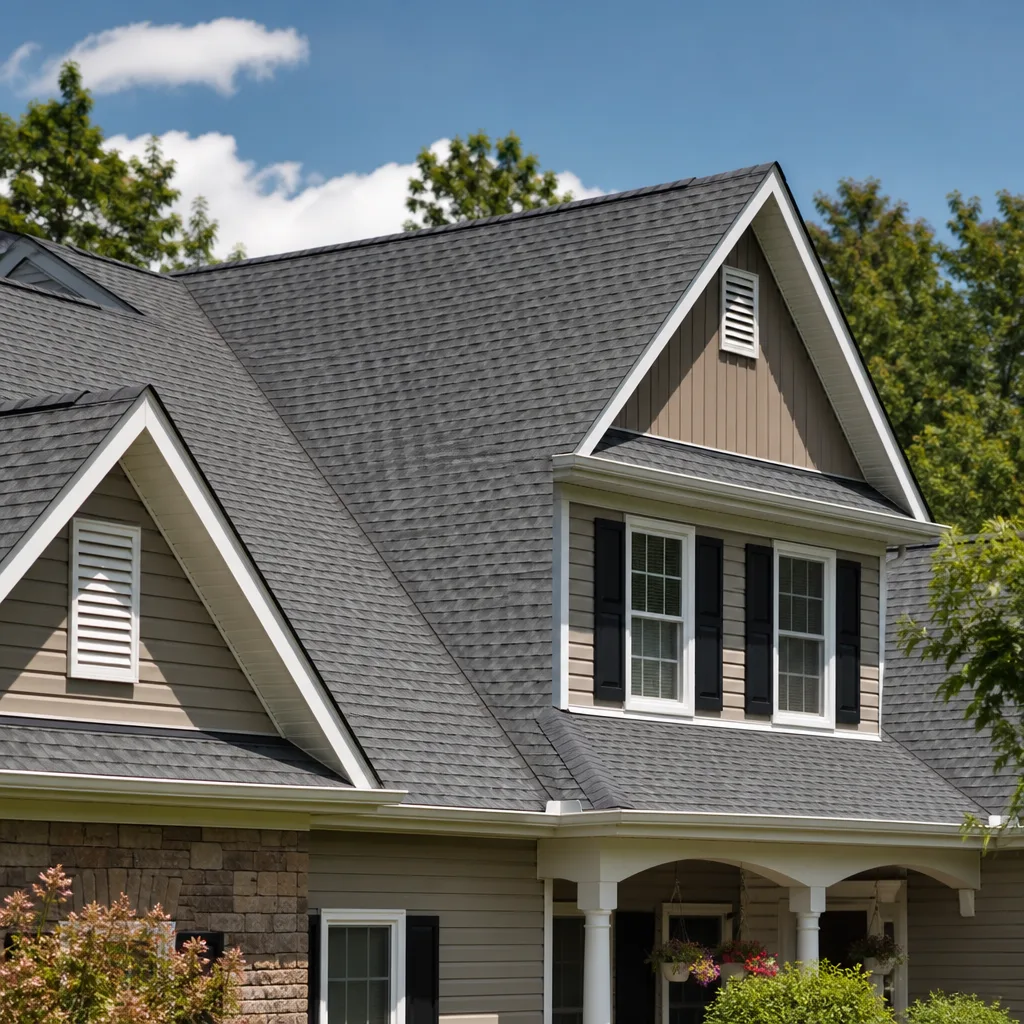
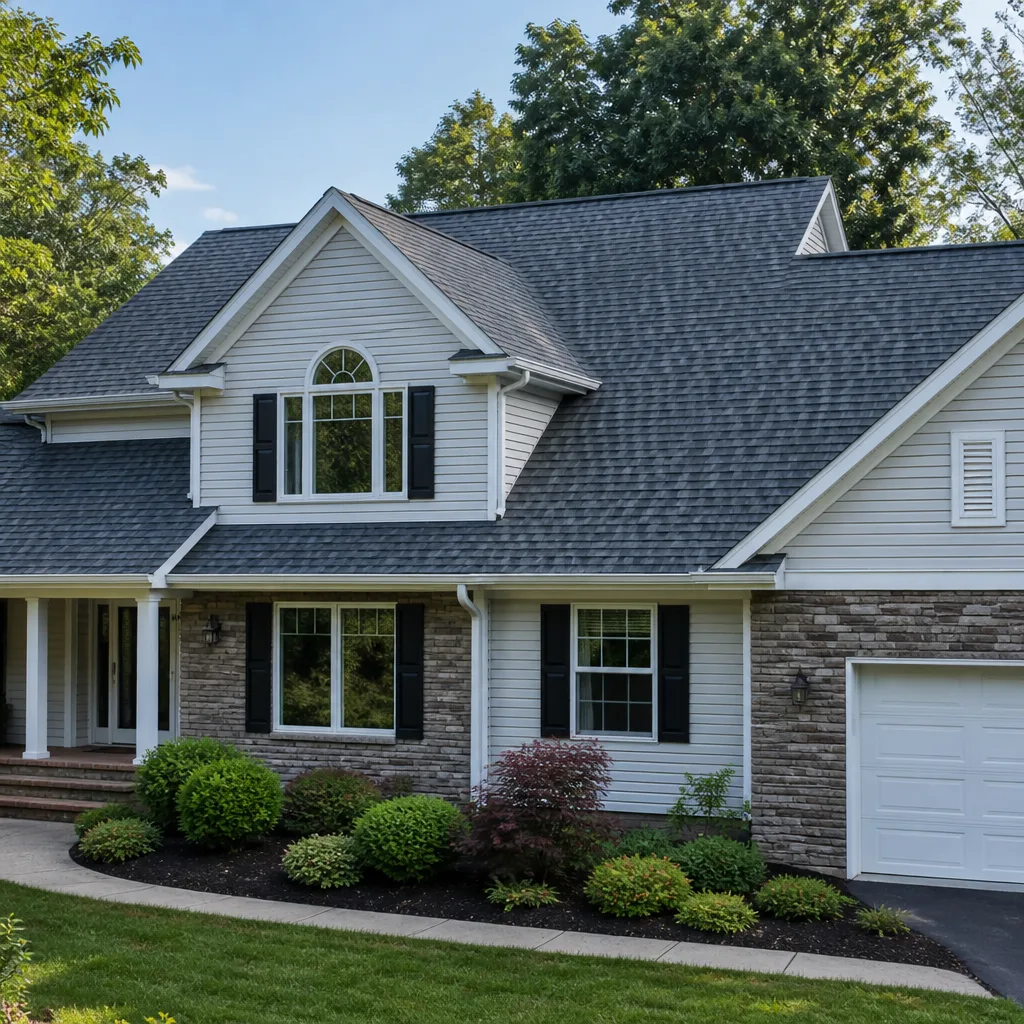
Asphalt composite shingles remain the default for good reason: cost per square is lowest, installation labor is straightforward, and every major manufacturer – GAF, CertainTeed, Owens Corning, Atlas, Tamko – has California-specific product lines. For LA, we specify architectural (dimensional) shingles over three-tab for two reasons. First, the laminated construction handles thermal cycling better. Second, the thicker profile hides minor deck irregularities common in older homes. In Woodland Hills or the San Fernando Valley, we default to cool-roof rated architectural shingles with SRI above 29 to meet Title 24 and reduce attic heat gain.
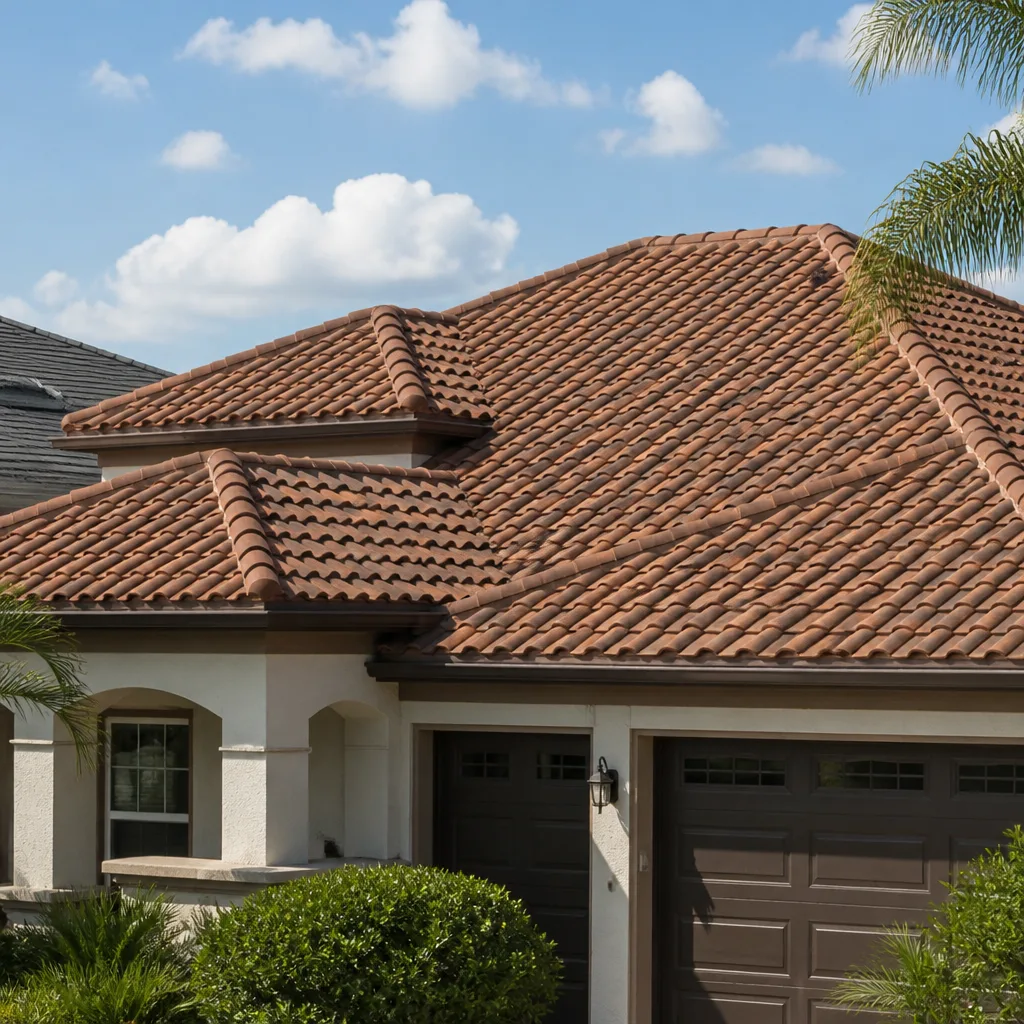
Clay and concrete tile dominates in Spanish Colonial and Mediterranean neighborhoods from Pasadena to Pacific Palisades. The weight is the issue: 900 – 1,200 pounds per square for clay, 800 – 1,000 for concrete. A 1920s bungalow in Silver Lake might have rafters sized for wood shake at 250 pounds per square. Before any tile goes on, a structural engineer needs to verify the roof framing can handle the load, or the tile needs to switch to lightweight concrete formulations. We’ve seen unpermitted tile-over jobs where the ceiling joists visibly sagged within two years. Boral’s lightweight concrete tile line was developed specifically for this California retrofit market.
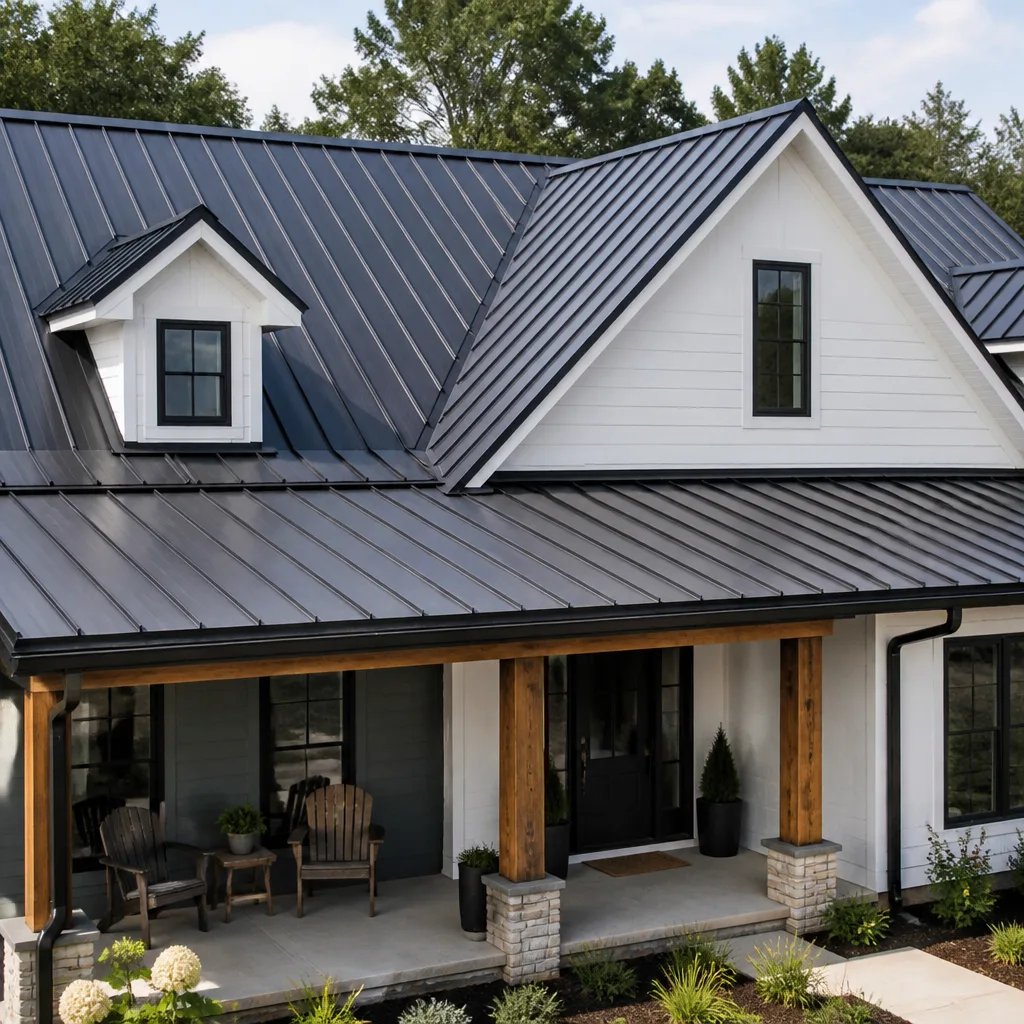
Metal roofing – standing seam, corrugated, or stone-coated steel – performs well in fire zones and coastal areas where corrosion is managed. The upfront cost runs 2 – 3x asphalt, but lifespan pushes 50 years with proper maintenance. In Malibu and Topanga, we specify metal with Kynar 500 fluoropolymer finishes specifically for UV and salt resistance. Standard painted steel fails faster than homeowners expect.
Synthetic composite products (polymer-based shake or slate mimics) are gaining traction in historic districts with strict design review boards. They’re lighter than natural slate, Class A rated, and some brands carry 50-year warranties. The cost sits between asphalt and metal.
Here’s how we think about it for Los Angeles homeowners:
- Start with your microclimate – not your preferred aesthetic.
- Check LA County’s fire hazard severity zone map before falling in love with any material.
- Weigh the roof you have against the roof you want: structural load limits, existing ventilation, and deck condition all filter the realistic options.
- Match the warranty to your planned hold period – a 50-year shingle makes little sense if you’re selling in five years.
Aging Housing Stock: Hidden Structural Issues
The Complete Roof Replacement Guide for Los Angeles Homeowners explains why Los Angeles has one of the oldest housing stocks in the Western United States. Roughly 60% of LA County’s single-family homes were built before 1970, and significant clusters date to the 1920s – 1940s boom eras. These aren’t charming quirks. They’re structural conditions that change every roofing decision.
Undersized rafters and ceiling joists are endemic in pre-WWII construction. A 1925 Spanish bungalow in Los Feliz might have 2×4 rafters on 24-inch centers with no ridge beam – just a ridge board. That system was designed for wood shake or early asphalt at light loads. Modern architectural shingles add weight. Clay or concrete tile adds catastrophic weight. Before we quote any replacement on a pre-1970 home in Los Angeles, we inspect the attic framing, note rafter size and spacing, and flag anything that needs engineering review. The Relay Visibility Guarantee means we document this with photos and put the structural assessment in writing – not as a surprise change order, but as a line item in the original scope.
Plank decking vs. plywood creates installation problems most homeowners never see. Homes built before 1950 often have 1×6 or 1×8 tongue-and-groove redwood or Douglas fir plank decking. It’s beautiful, historically appropriate, and a nightmare for modern shingle installation. Plank decking expands and contracts with humidity, and the gaps between boards can telegraph through shingles, causing “pothole” depressions. The correct approach is either overlay with minimum 3/8-inch plywood (adding weight) or careful prep with approved underlayment systems. Some unlicensed crews in Los Angeles skip this entirely, driving nails into gaps and calling it done. We’ve been called to repair these jobs when shingles blow off in the first Santa Ana wind event.
Knob-and-tube wiring and obsolete venting surface regularly in older attics. Active knob-and-tube requires fire-stop barriers where it penetrates the roof deck, and many insurers now demand full replacement before renewing policies. Bathroom and kitchen vents in 1940s – 1960s homes often terminate inside attics rather than through the roof, dumping moisture onto decking and accelerating rot. A roof replacement is the right time to fix both, but only if the scope of work explicitly includes them.
In our experience across Los Angeles neighborhoods from Eagle Rock to Cheviot Hills, the homes that have problems five years after a roof replacement almost always had pre-existing structural or ventilation issues that were never addressed. The new shingles didn’t fail. The system underneath them did.
Title 24 Cool-Roof Requirements in LA County
California’s Title 24 Building Energy Efficiency Standards apply to all re-roofing projects in Los Angeles County where more than 50% of the roof area is being replaced or where a new roof is added. This isn’t a Los Angeles city ordinance – it’s state code, enforced through LA County’s building departments and city jurisdictions.
The core requirement: re-roofed surfaces must meet minimum Solar Reflectance Index values. For low-slope roofs (2:12 pitch or less), that’s SRI 75 minimum. For steep-slope roofs (above 2:12), SRI 16 minimum. In practice, this means most asphalt shingle replacements in Los Angeles need “cool roof” rated products, identifiable by the Cool Roof Rating Council (CRRC) label.
What this actually changes for homeowners:
- Material selection narrows. Not every color in every product line meets SRI minimums. Dark charcoal and forest green often don’t qualify. We typically steer Los Angeles homeowners toward medium tones – weathered wood, slate gray, desert tan – that hit the numbers without looking like a commercial white membrane roof.
- Cost increment is modest. Cool-roof rated shingles run roughly 10 – 15% above standard lines from the same manufacturer. On a typical 25-square job, that’s $800 – $1,500. The energy savings in a Valley summer can recover that in 3 – 5 years.
- Permit compliance is mandatory. LA County building departments flag non-compliant materials at plan check. An unpermitted job with non-compliant shingles becomes a disclosure issue on sale and can trigger redo requirements.
- Exemptions exist but are narrow. Historic preservation projects, certain steep-slope architectural styles, and buildings with continuous shaded overhangs may qualify. The exemption process requires documentation, not just a contractor’s say-so.
We specify CRRC-rated products from GAF, CertainTeed, and Atlas as our standard in Los Angeles – not as upgrades. The written scope of work we deliver before any job starts includes the specific product name, CRRC rating, and SRI value so there’s no ambiguity about compliance.
California Contractor Licensing: Reading the C-39
California requires a C-39 Roofing Contractor license for any roofing work exceeding $500 in labor and materials. This isn’t a business license or a city permit – it’s a state-issued classification with specific examination, bonding, and insurance requirements. And in Los Angeles, the gap between legal and actual compliance is wide enough to drive a dump truck through.
Here’s what the C-39 means and why it matters:
- Trade-specific examination. The C-39 holder passed a state exam on roofing materials, installation methods, safety, and California codes. A B-General contractor can legally subcontract roofing, but cannot self-perform it without the C-39. Many “roofing companies” in Los Angeles operate under a B license, using unclassified labor, and hope nobody checks.
- $25,000 bond and workers’ compensation. The bond protects homeowners against incomplete or defective work. Workers’ comp covers crew injuries on your property. Unlicensed operators often carry neither. We’ve been called to finish jobs where the original contractor disappeared mid-project, and the homeowner had no bond to claim against.
- CSLB verification. The Contractors State License Board maintains a public database at cslb.ca.gov. Any Los Angeles homeowner can search a license number, verify it’s active, check for disciplinary actions, and confirm the name matches the person signing the contract. Storm chasers – the crews that appear after every wind event, fire, or heavy rain – often use borrowed, expired, or outright fake numbers.
The pattern is predictable: Santa Ana winds blow through the San Fernando Valley, a dozen flyers appear on mailboxes promising “fast emergency repairs,” and homeowners desperate to stop a leak hire without checking. Six months later, the “repair” needs redoing, the phone number is disconnected, and the license number belongs to a deceased contractor from Fresno.
We verify our own license status publicly and encourage every Los Angeles homeowner to do the same with any bidder. It’s a thirty-second check that eliminates most fraud.
Why Written Scope-of-Work Documents Protect You
Verbal estimates are the single biggest source of roofing disputes in Los Angeles. “He said he’d include the skylight” becomes “that wasn’t in the quote” the moment something goes wrong. California law requires a written contract for home improvement work over $500, but the quality of that document varies from a one-page handwritten note to a detailed specification that protects both parties.
At Crestview Roofing, The Relay Visibility Guarantee means every Los Angeles homeowner receives a written scope of work before any work begins. Not an estimate – a scope. The difference matters. An estimate guesses at cost. A scope defines exactly what will be done, with what materials, to what standard, and for what fixed price.
A protective scope of work for Los Angeles roofing should include:
- Specific product names and manufacturer part numbers, not generic descriptions like “30-year shingles”
- Underlayment type and installation pattern (ice and water shield at valleys and penetrations is standard in our scopes, not an upgrade)
- Flashing details – step flashing, counterflashing, cricket/saddle construction behind chimneys
- Deck repair assumptions (e.g., “includes replacement of up to 3 sheets of damaged plywood; additional at $X per sheet”)
- Ventilation specification – intake and exhaust balance, CFM ratings if changing fans
- Permit responsibility and inspection scheduling
- Warranty terms in writing – workmanship and manufacturer, with duration and transferability
- Payment schedule tied to verifiable milestones, not calendar dates
The number on the page is the number on the invoice. That’s not a slogan – it’s a clause. Our scopes include fixed pricing with no change orders except for homeowner-requested additions or concealed structural damage that couldn’t be identified during inspection. Even then, the change order is written and signed before work proceeds.
In a market like Los Angeles, where re-roofing costs rival a used car purchase, this documentation is your only enforceable protection. Photos help. Reviews help. But a signed scope of work is what a judge, arbitrator, or contractor’s bond company will ask to see.
What Roofing Costs in Los Angeles
Los Angeles roofing costs run higher than national averages for three structural reasons: labor rates, permitting complexity, and the prevalence of older homes requiring deck repair or structural modification. Below are realistic ranges for 2024 – 2025 based on our project history across the metro area.
| Project Type | Typical Range | What Drives Variance |
|---|---|---|
| Asphalt shingle replacement, 1,500 – 2,000 sq ft | $8,500 – $16,000 | Deck condition, access difficulty, steepness, cool-roof rating required |
| Asphalt shingle replacement, 2,000 – 3,000 sq ft | $12,000 – $22,000 | Same factors, plus valley/penetration complexity |
| Clay or concrete tile (new or replacement) | $18,000 – $35,000 | Structural reinforcement needs, tile weight class, scaffolding for multi-story |
| Metal roofing (standing seam) | $22,000 – $40,000 | Material gauge, finish type, custom flashing complexity |
| Flat/low-slope membrane (TPO/PVC) | $10,000 – $18,000 | Insulation requirements, tapered crickets for drainage, warranty length |
| Targeted repair (localized leak, wind damage) | $450 – $2,500 | Accessibility, extent of damaged decking, matching existing material age |
These ranges assume standard access (not hillside with crane requirements), permit-ready documentation, and no active leaks causing interior damage that must be mitigated first. The low end of each range typically applies to simpler roof geometries – gable or hip with few penetrations – in neighborhoods with straightforward street access.
What we see inflate costs unexpectedly in Los Angeles:
- Deck replacement. Opening a 1940s roof often reveals planks too deteriorated to support new shingles. We budget exploratory contingencies and photograph everything.
- Hillside access. Homes on stilts or with limited staging area require specialized equipment. Pacific Palisades and Hollywood Hills jobs regularly add $2,000 – $5,000 for access alone.
- Historic review. HPOZ (Historic Preservation Overlay Zone) neighborhoods like Angelino Heights or West Adams require materials and methods approved by a design review board, often limiting options and extending timeline.
- HOA color and material restrictions. Common in planned communities from Calabasas to Playa Vista; can mandate specific product lines at premium pricing.
Our written prices include all of these factors when identifiable during inspection. We don’t discover access problems on installation day – we note them during the initial visit and build them into the fixed scope.
Year-Round Maintenance for LA Roofs
Los Angeles’s mild winters tempt homeowners into neglect. A roof that never sees snow or sustained freeze-thaw still degrades from UV, thermal cycling, Santa Ana wind events, and the occasional atmospheric river that dumps months of rain in 48 hours.
We recommend a twice-yearly inspection rhythm: late fall before the rainy season, and late spring after the peak heat months. Here’s what that looks like in practice:
- Gutter and drainage clearing. Even “dry” Los Angeles gets enough debris from jacaranda blooms, palm fronds, and eucalyptus to clog gutters. Standing water accelerates fascia rot and provides mosquito breeding habitat. In fire zones, accumulated dry debris is ignition fuel.
- Penetration seal inspection. Pipe boots, vent flashings, and chimney counterflashings are the most common leak sources we repair in Los Angeles. UV cracks rubber boots at 7 – 10 years regardless of shingle condition. Catching this early is a $200 repair; missing it becomes a $2,000 ceiling redo.
- Granule loss and shingle condition. Valley collectors show accelerated wear. In Woodland Hills and Northridge, we see south-facing slopes degrade 20 – 30% faster than north-facing from UV exposure. Asymmetric wear patterns signal ventilation problems or installation defects.
- Fastener check on tile and metal. Earthquake cycling loosens fasteners over time. Post-1994 Northridge construction improved seismic straps, but older homes need periodic inspection.
- Attic ventilation verification. Blocked soffit vents, failed exhaust fans, or improperly installed insulation baffles create heat and moisture traps. We use moisture meters and thermal imaging during inspections to catch what eyeball checks miss.
The 365-Day Done Right Promise covers any repair we perform that fails within a full year – including a free second visit with no negotiation. Maintenance visits don’t automatically trigger this; they’re preventive. But if we note a condition during maintenance that needs repair, that repair carries the full written guarantee.
Common Mistakes to Avoid
- Choosing a material for looks without checking fire zone requirements. That gorgeous cedar shake might be illegal in your Topanga canyon neighborhood, and installing it can void insurance coverage after a fire.
- Accepting a verbal estimate or phone quote without site inspection. No competent roofer can assess deck condition, access difficulty, or structural load from a satellite photo. Anyone who tries is cutting corners you’ll pay for later.
- Ignoring permit requirements for “like-for-like” replacements. Even when dimensions and materials don’t change, LA County jurisdictions require permits for full re-roofs to verify Title 24 compliance and structural adequacy. Unpermitted work must be disclosed on sale and can trigger mandatory correction.
- Overlaying new shingles over old without deck inspection. California allows one overlay in most jurisdictions, but it’s rarely the right choice in Los Angeles. Old shingles add weight, hide deck damage, and reduce new shingle lifespan by 15 – 25% from trapped heat.
- Hiring based on lowest bid without license verification. The CSLB database is free and public. Thirty seconds of checking eliminates most fraud. The lowest bid is often unlicensed, uninsured, or planning to substitute unspecified materials.
- Neglecting ventilation during replacement. A new roof with poor ventilation cooks from underneath. Attic temperatures in Valley homes can exceed 150°F. Shingle warranties are void where ventilation is inadequate, and your AC bill will punish you monthly.
- Waiting for active leaks to call. By the time water shows on your ceiling, decking and possibly rafters are compromised. Annual inspections catch conditions before they become emergencies.
When to Call a Professional
Some roofing conditions in Los Angeles are genuinely dangerous to inspect or attempt yourself. Steep pitches, fragile tile, and the structural uncertainty of aging decking create fall and collapse risks that aren’t worth the savings.
Call a licensed C-39 roofing contractor when you notice interior ceiling stains, visible shingle loss or curling after wind events, sagging rooflines, daylight visible through attic decking, or granule accumulation in gutters that suggests accelerated wear. After any Santa Ana wind event with gusts above 50 mph, a professional inspection is prudent even if no interior damage is apparent – lifted shingles often reseal partially and fail months later.
For homeowners who want certainty before committing, Roof Repair in Los Angeles and Roof Replacement in Los Angeles both start with a free, no-obligation inspection and written scope. Crestview Roofing offers free estimates in Los Angeles – call (325) 246-5075 to schedule.
Frequently Asked Questions
Most asphalt shingle replacements on 1,500 – 2,500 square foot homes in Los Angeles run $8,500 – $18,000, with clay tile, metal, and synthetic alternatives at $18,000 – $40,000 depending on structural needs and material grade. Hillside access, historic review requirements, and concealed deck damage can push costs above these ranges. Call (325) 246-5075 for a written estimate specific to your home – estimates are free.
Yes. LA County and all incorporated cities require building permits for roof replacements exceeding 50% of the roof area or any change in materials. The permit process verifies Title 24 cool-roof compliance, structural load adequacy, and proper installation. Unpermitted work must be disclosed on property sale and may require corrective permitting. A licensed C-39 contractor handles permit submission and inspection scheduling as part of the project.
Cool-roof rated architectural asphalt shingles with SRI 29 or above are the practical standard for Valley neighborhoods like Woodland Hills, Northridge, and Van Nuys. They reflect enough solar energy to reduce thermal cycling stress and attic heat gain without the cost premium of tile or metal. In our experience, GAF and Atlas cool-roof lines perform well here with proper ventilation.
Standard asphalt shingle replacements on accessible single-story homes typically complete in 1 – 3 days. Clay or concrete tile, metal, and projects requiring structural reinforcement extend to 5 – 10 days. Hillside access, historic preservation review, and weather delays (atmospheric river events, excessive heat) can add time. Your written scope includes a projected timeline with milestone definitions.
At Crestview Roofing, the written price in your scope of work is the price on your invoice – no exceptions for conditions we could reasonably identify during inspection. Change orders occur only for homeowner-requested additions or concealed structural damage (like rotted rafters hidden under intact decking) that no visual inspection could reveal. Even then, the change order is written, priced, and signed before work proceeds.
Search cslb.ca.gov using the contractor’s license number. Verify the status is “Active,” the classification includes C-39 (Roofing), the business name matches your contract, and there are no pending disciplinary actions. For Los Angeles homeowners, this thirty-second check is the most effective fraud prevention available.
The Bottom Line
Roofing in Los Angeles demands more than picking a shingle color. The city’s microclimates, aging housing stock, fire codes, and Title 24 requirements create a decision environment where generic advice fails and specific expertise matters. Match your material to your neighborhood’s actual conditions, verify your contractor’s C-39 license, insist on written scope-of-work documentation with fixed pricing, and treat your roof as a system – ventilation, decking, and structure included – not just a surface.
We’ve been working on Los Angeles roofs since 2000. The patterns are consistent: homeowners who invest in proper assessment and documentation upfront avoid the emergency repairs, dispute battles, and premature replacements that plague the market. Those who chase lowest bid or skip permits usually call us a few years later to fix what should have been done right the first time.
Ready to understand your specific roof’s condition and options? Call (325) 246-5075 to schedule your free estimate. You’ll receive a written scope, a live trackable arrival time, and before-and-after photo documentation – every promise in writing, every step visible.
Written by Dylan Pace, Owner at Crestview Roofing, serving Los Angeles since 2000.