
Last updated October 10, 2026
Free roof inspection with deck photos before we talk money - GAF and Owens Corning certified installation
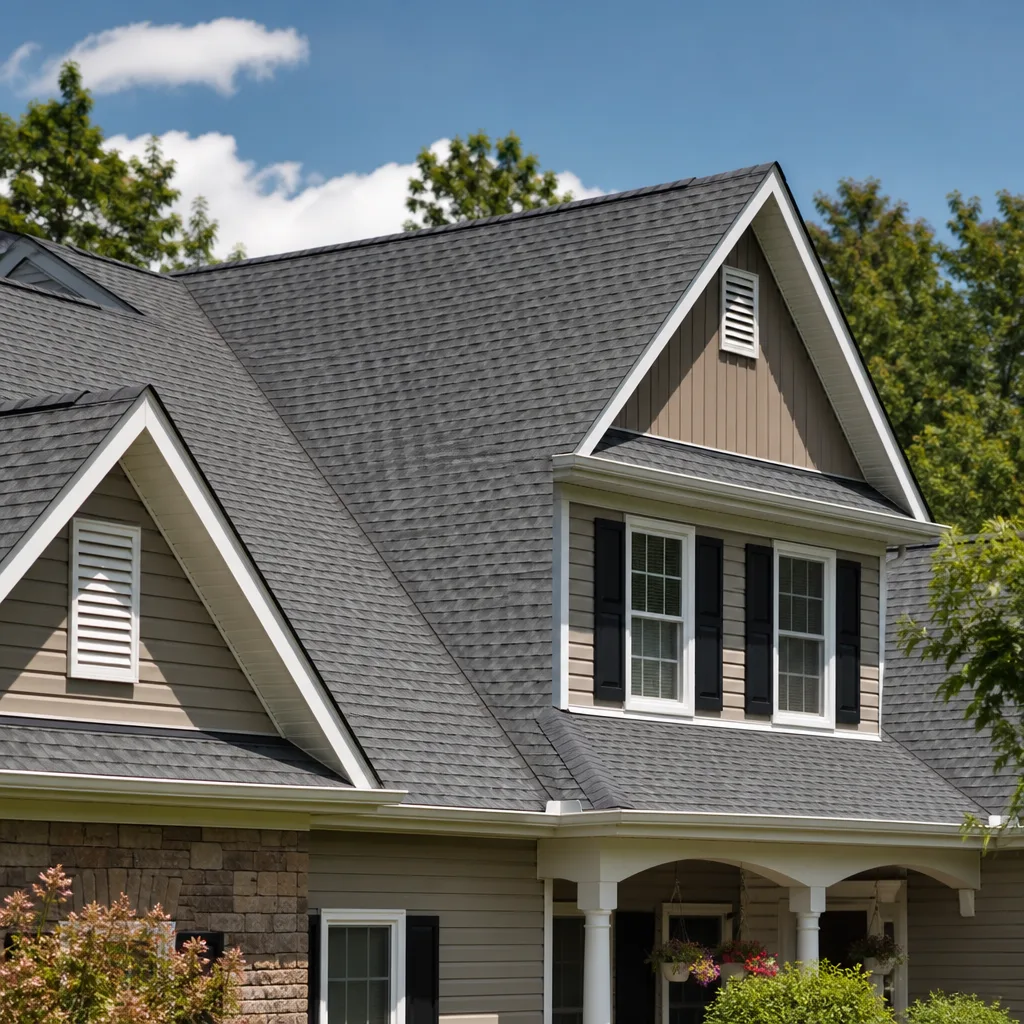
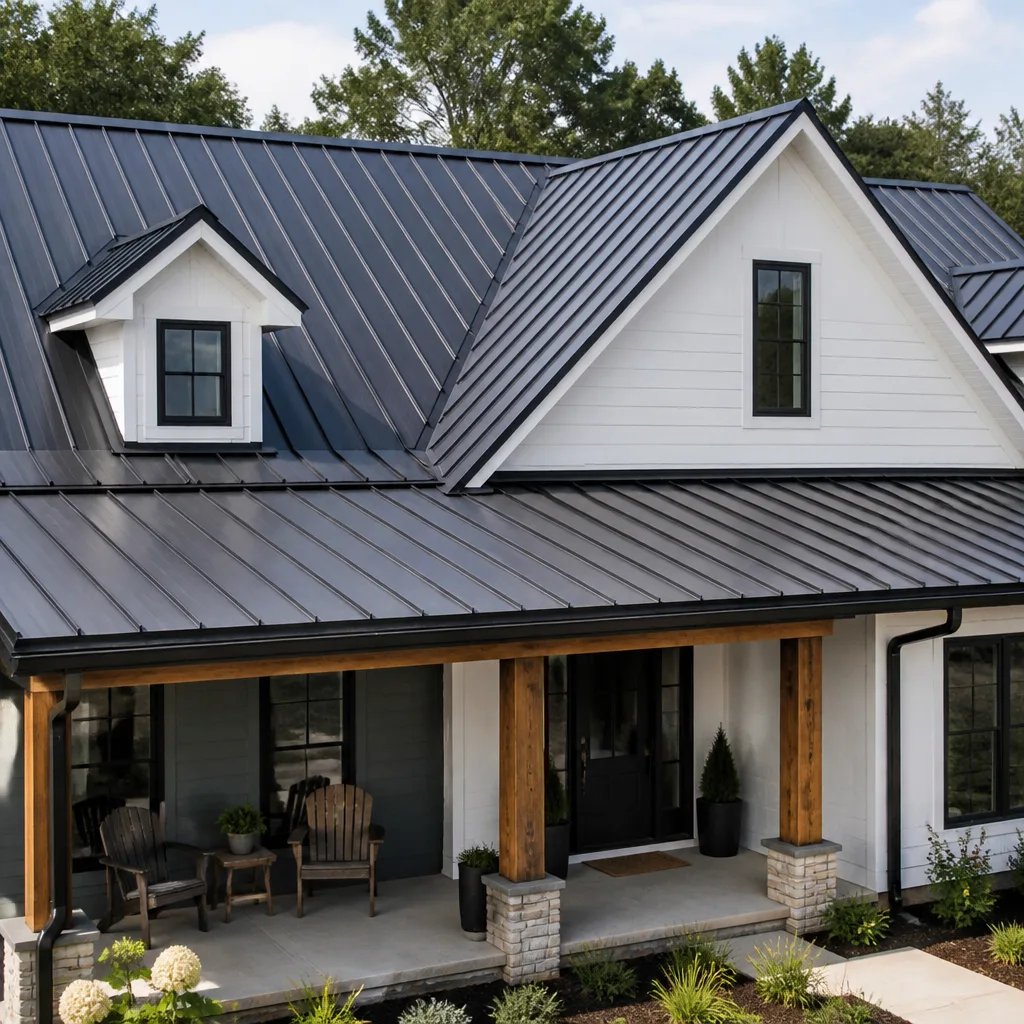
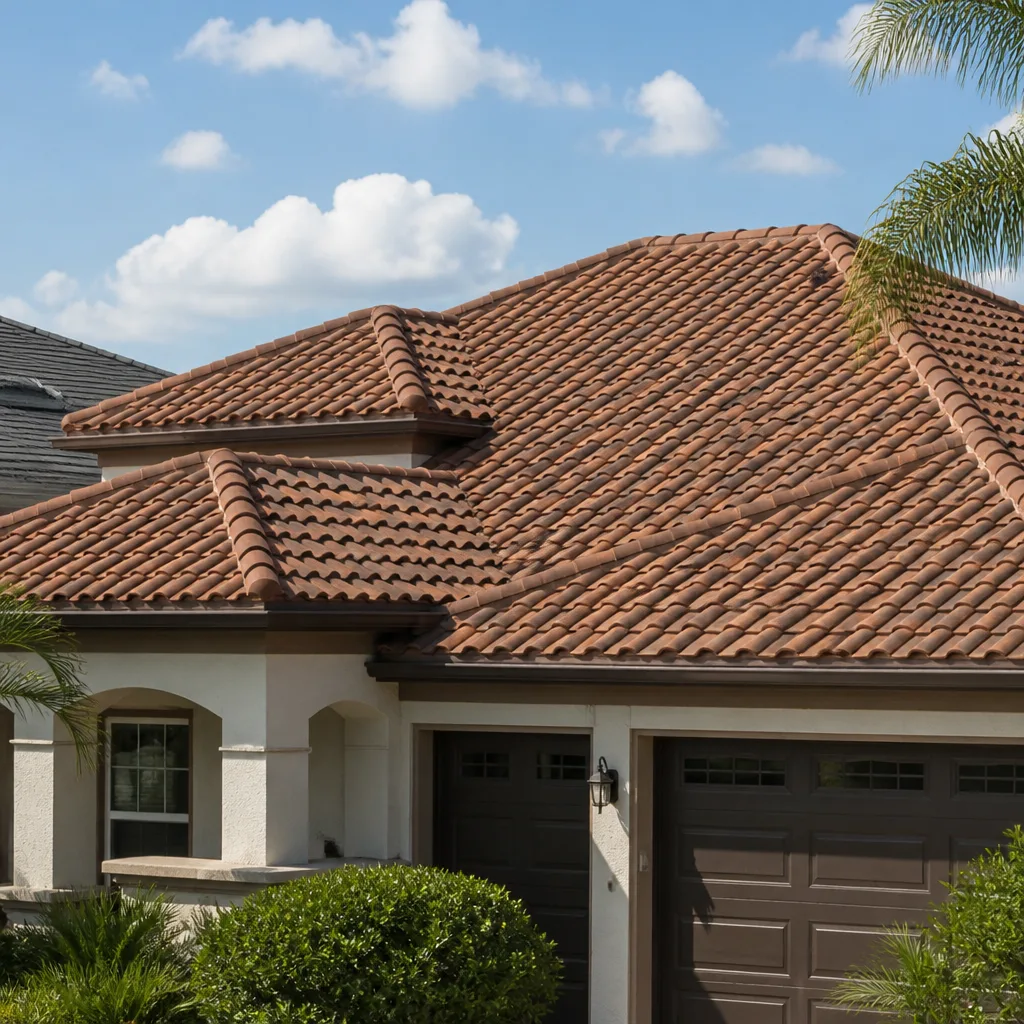
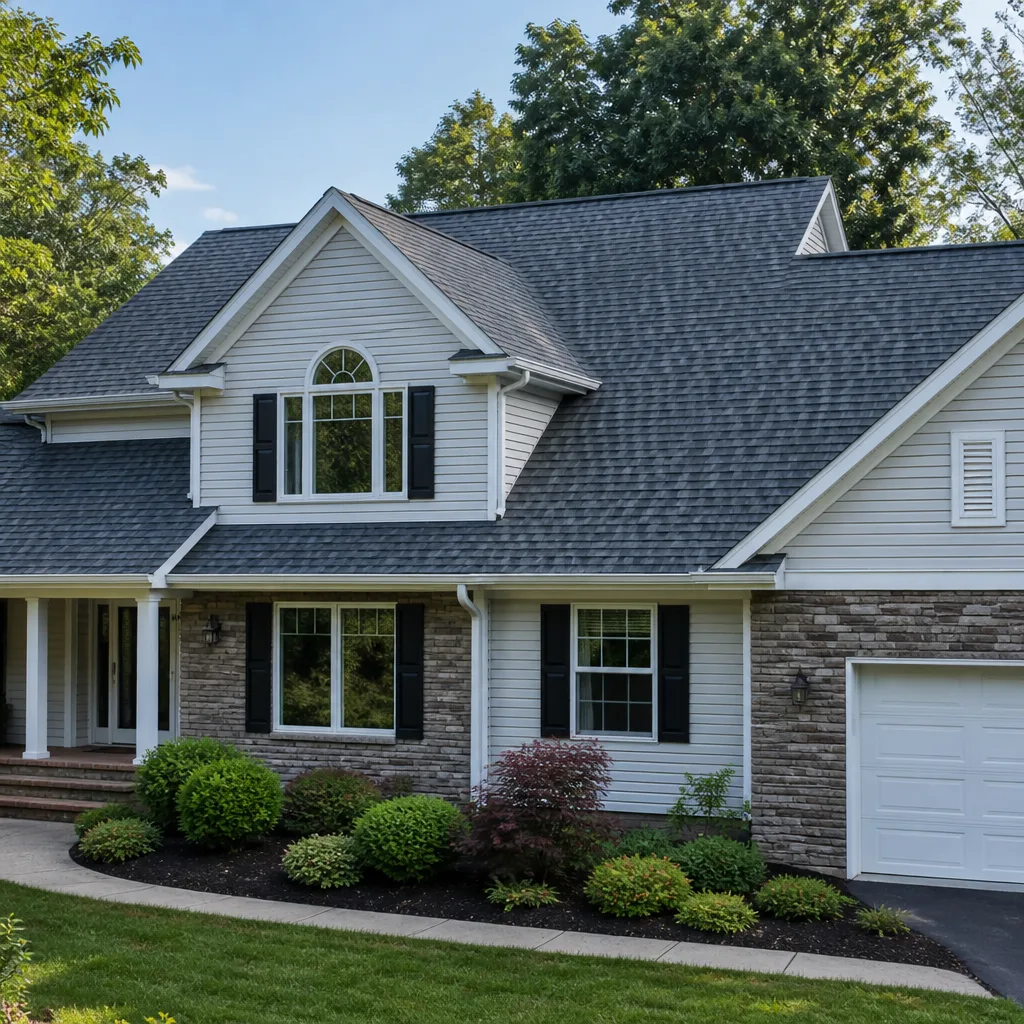
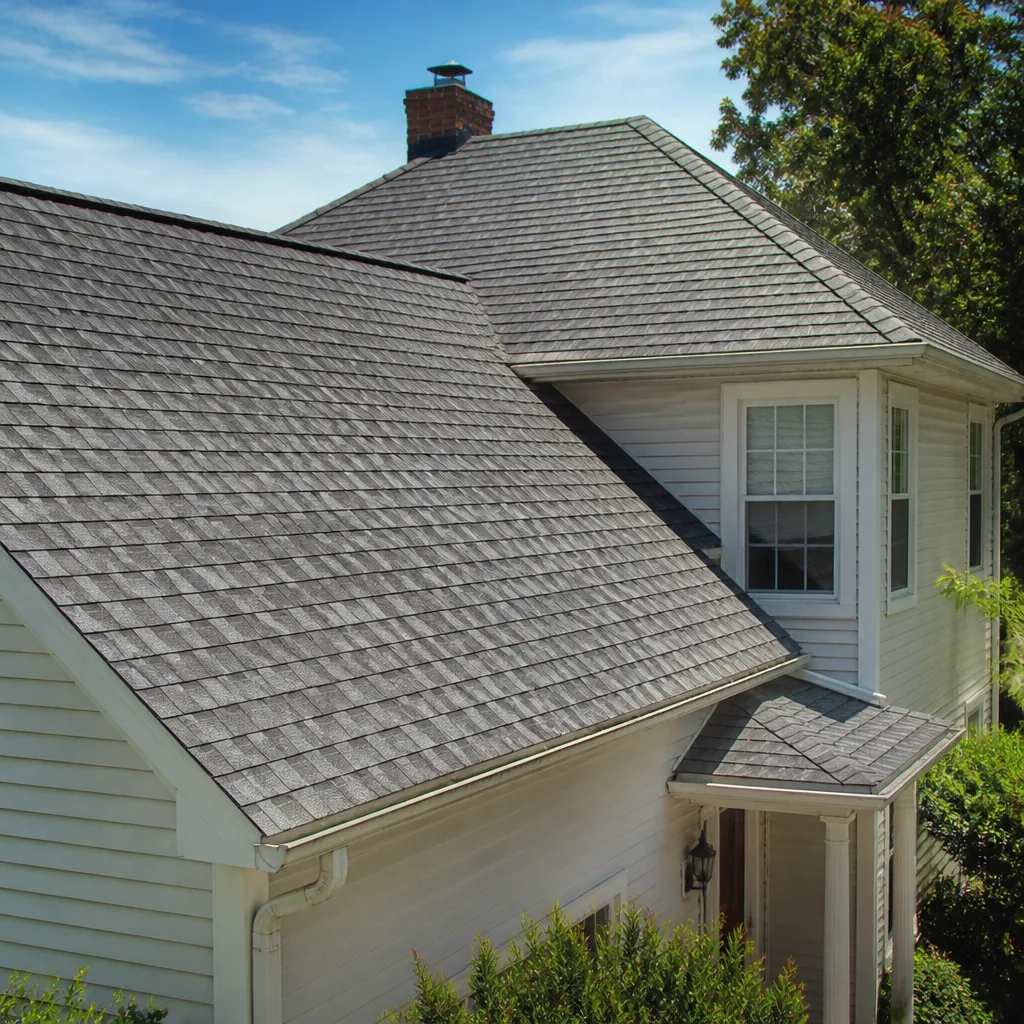
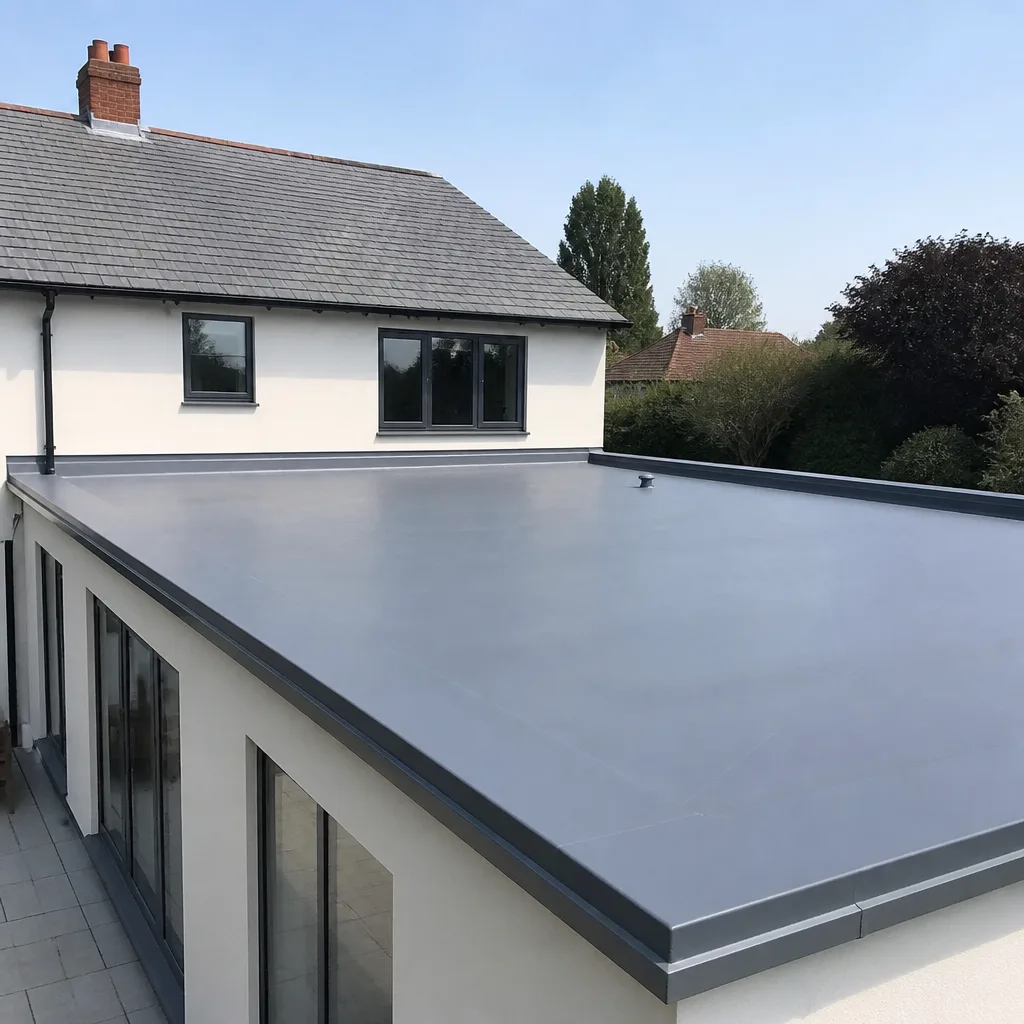
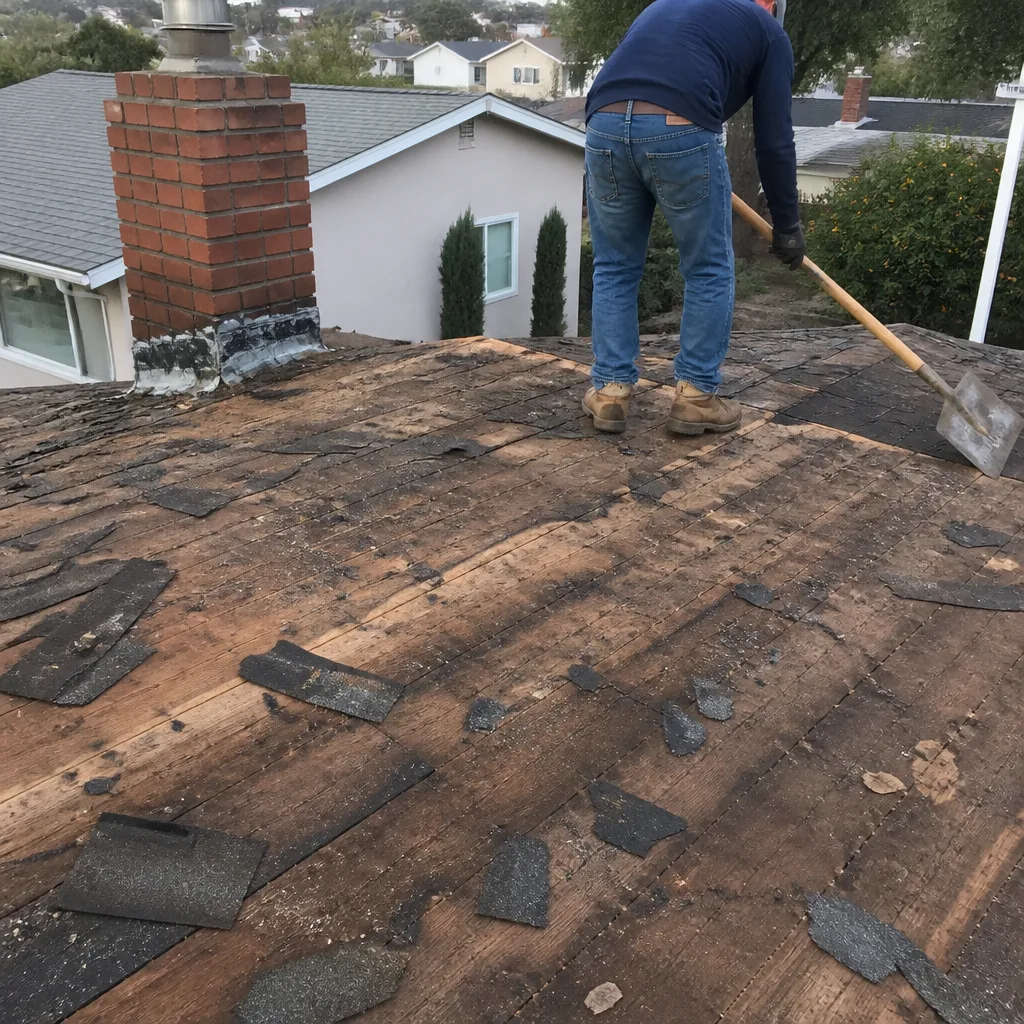 Before
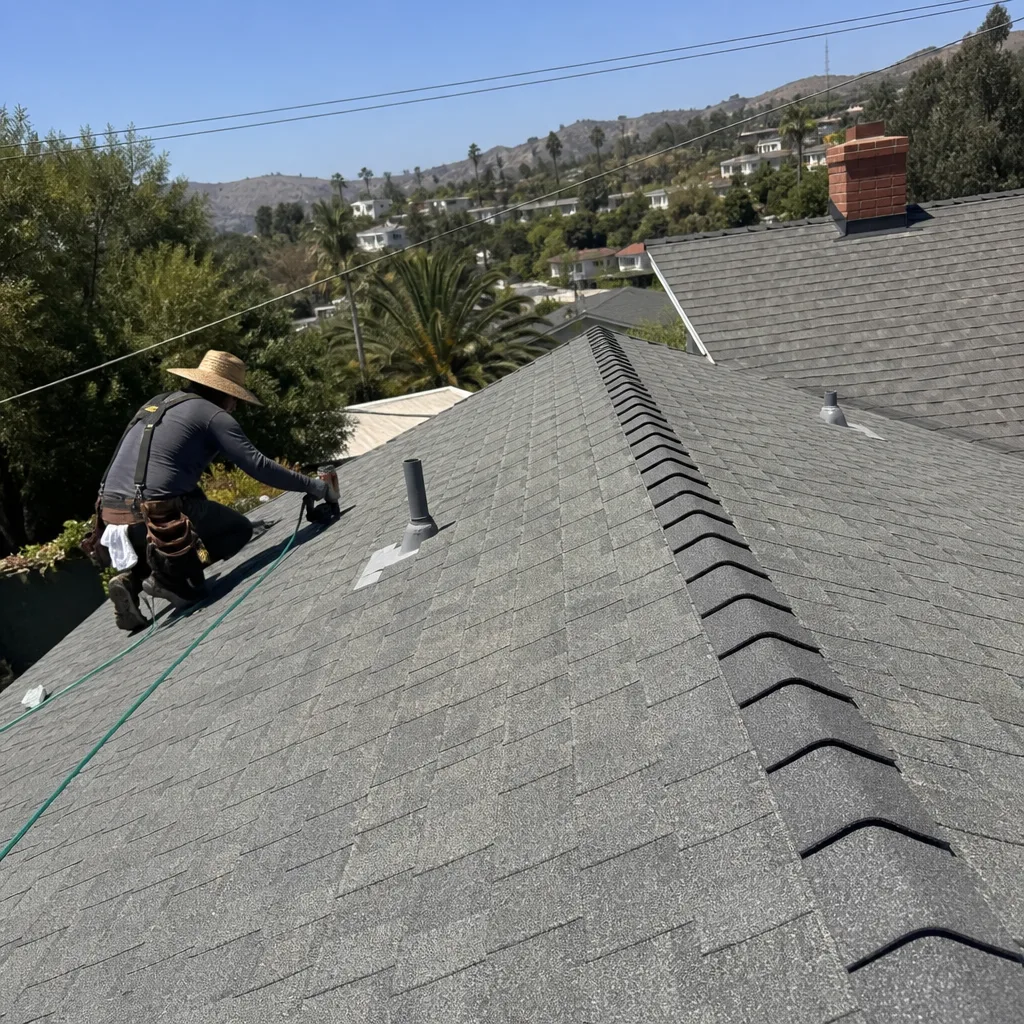 After
After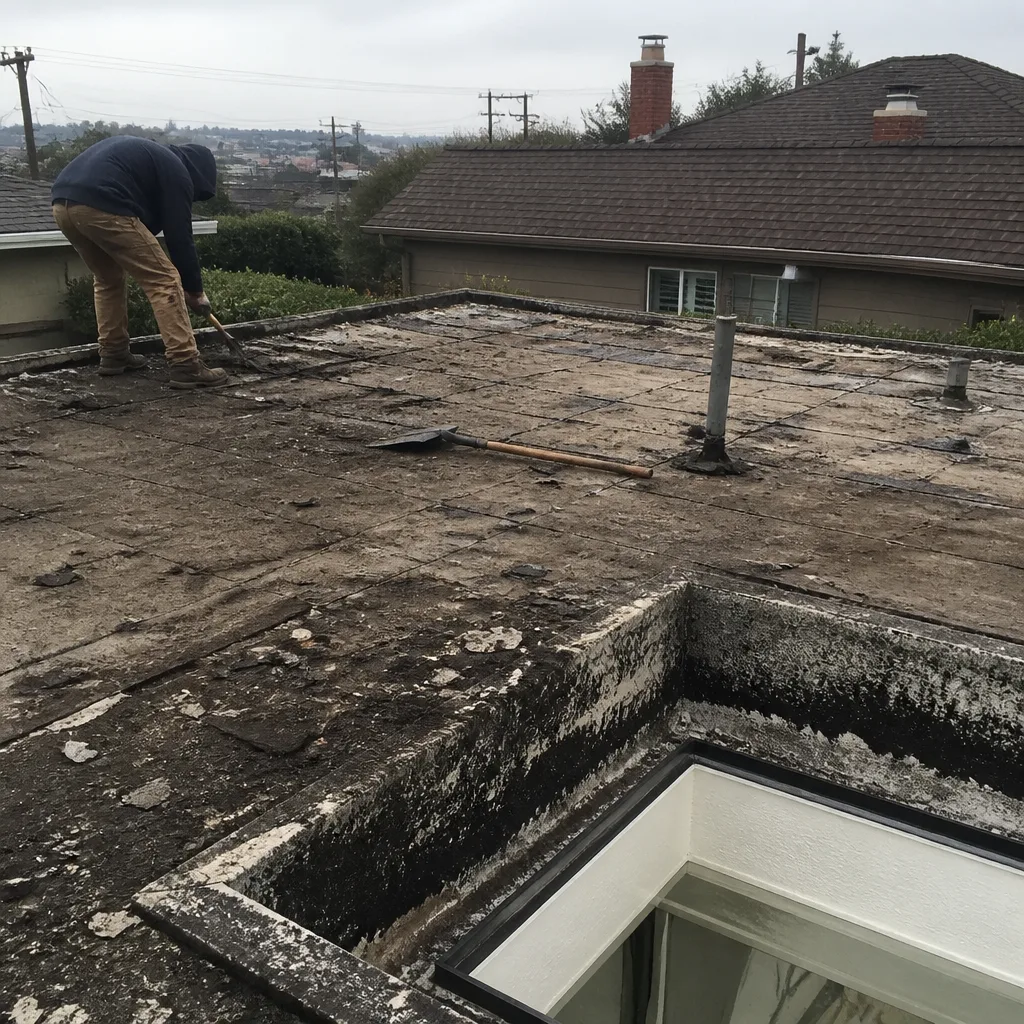 Before
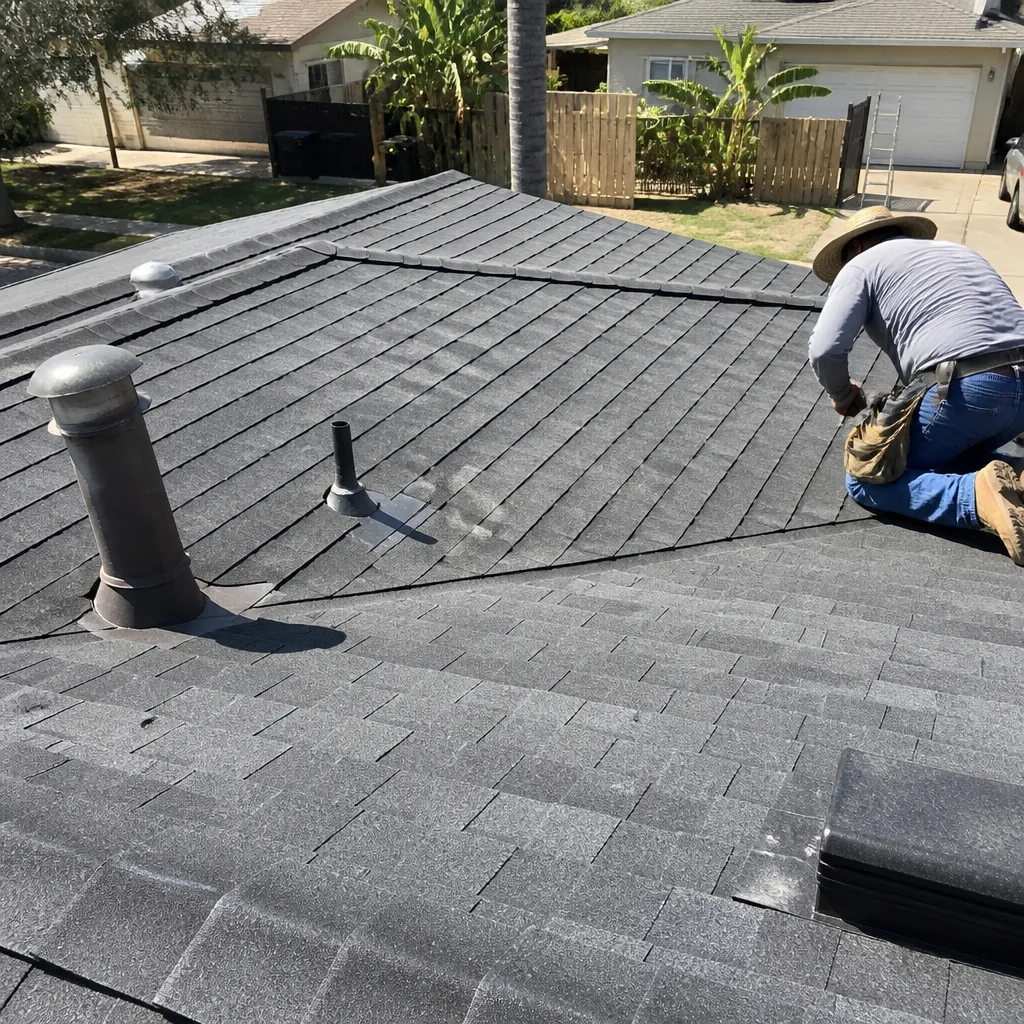 After
After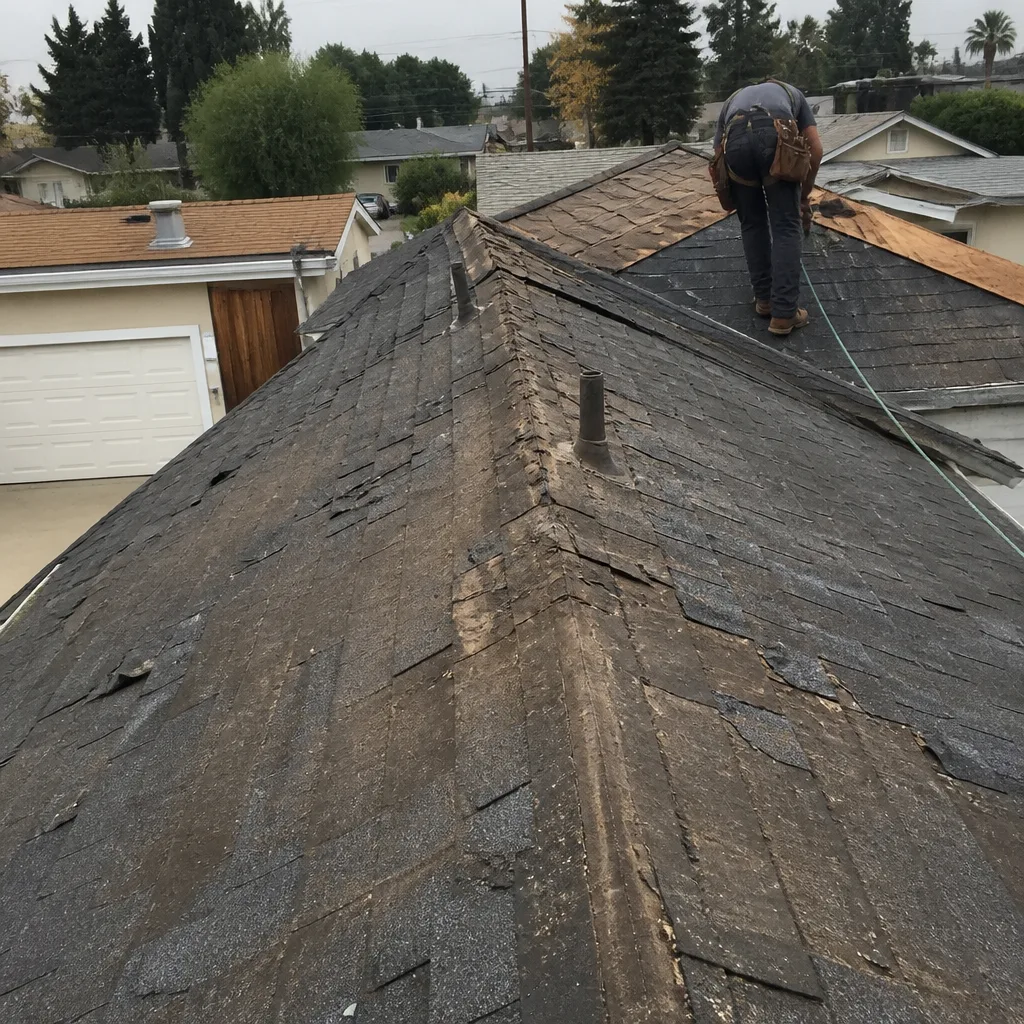 Before
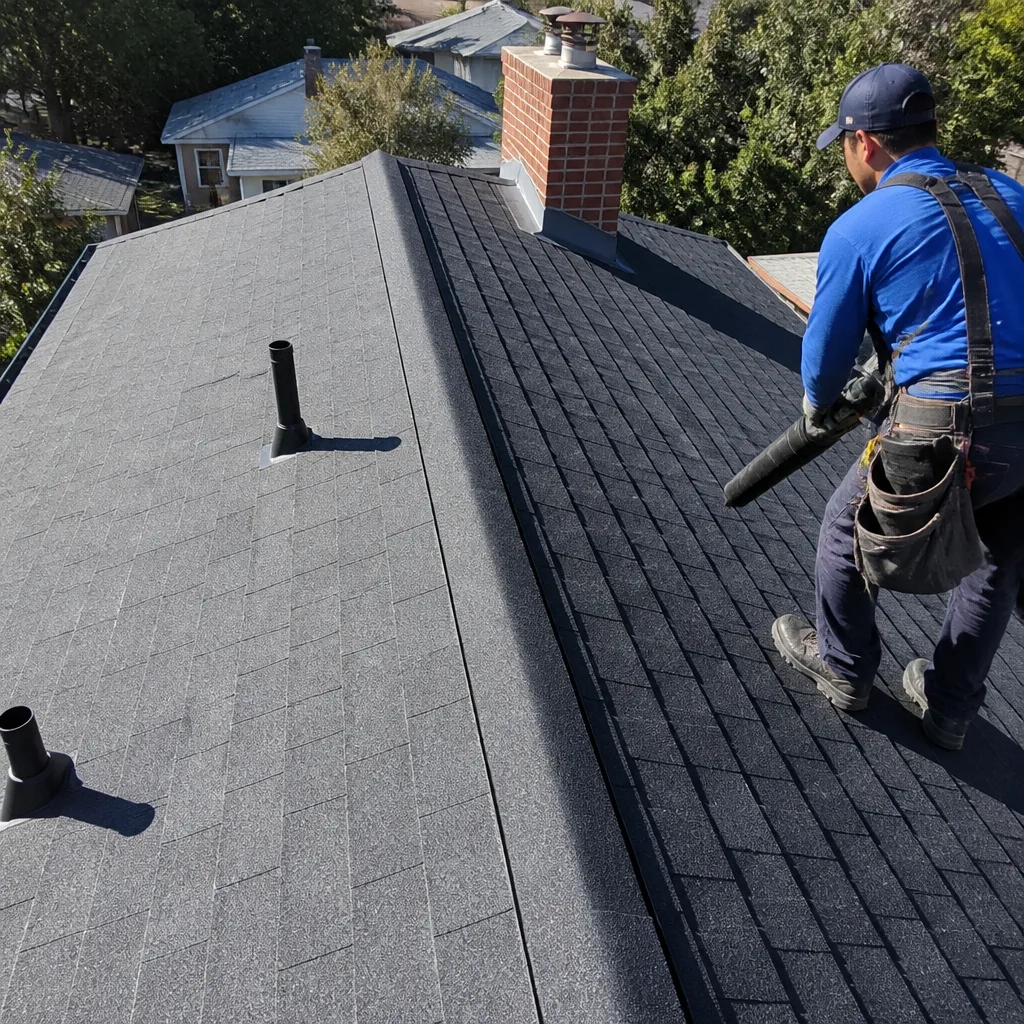 After
AfterRoofing Permits, Codes & Inspections in CA: What You Need to Know
Here’s a stat that stops homeowners cold: in Los Angeles County, roughly 40% of roofing projects completed without proper permits fail to meet current fire-resistance standards, and when those homes later sell or suffer fire damage, the unpermitted work becomes the seller’s financial burden, not the contractor’s. California’s roofing code system is layered, expensive to get wrong, and surprisingly uneven from one ZIP code to the next. In this guide, we’ll break down exactly when you need a permit, what Title 24 and fire-zone rules actually mean for your material choices, how inspections protect you, and why the cheapest bid often skips the paperwork that saves you later. For more guides & resources on protecting your home, visit our blog.
Quick Answer
Most roofing work in California requires a permit, but the exact rules depend on whether you’re repairing, recovering, or fully replacing your roof, plus your local fire hazard zone and whether your home falls under Title 24 cool-roof requirements. In Los Angeles, unpermitted work can void your insurance coverage, trigger mandatory disclosure during sale, and leave you with no recourse if the contractor disappears.
Table of Contents
- When California Law Actually Requires a Roofing Permit
- Fire Hazard Severity Zones and Class A Assembly Rules
- Title 24 Cool-Roof Requirements: Slopes, Materials, and Costs
- What Final Inspection Actually Checks
- How Unpermitted Work Surfaces During Home Sales
- How to Pull a Permit: The Step-by-Step Process
- Permit Costs and Inspection Timelines in Los Angeles
- Common Mistakes to Avoid
- When to Call a Professional
- Frequently Asked Questions
When California Law Actually Requires a Roofing Permit
California Building Code Section 105.1 requires a permit for “the installation, alteration, or repair of any roof covering.” But that broad language hides important exceptions that contractors often exploit or misunderstand.
The critical distinction is repair versus recover versus replacement. Here’s how Los Angeles County and most California jurisdictions interpret the three categories:
- Repair: Fixing less than 100 square feet (one “square” in roofing terms) of damaged area on an existing roof that already has a valid permit history. No new deck, no structural change. Many cities allow this without a permit, though documentation is still wise.
- Recover: Installing a new layer of shingles or other covering over one existing layer. This does require a permit in California, and you’re limited to one recover over one existing layer. Two layers already on the roof? Full removal and replacement is mandatory.
- Replacement: Removing all existing roofing down to the deck and installing new materials. Always requires a permit. Always requires inspection.
We’ve seen Los Angeles homeowners burned by the “it’s just a repair” line when the crew was clearly recovering or replacing. The test isn’t what the contractor calls it. It’s the scope of work. If they’re stripping old material, touching the deck, or covering more than 100 square feet, you need paperwork.
Here’s where it gets locally specific. In the City of Los Angeles, the Department of Building and Safety (LADBS) requires permits for all recover and replacement work, plus any repair involving structural elements like sheathing or rafters. Some smaller incorporated cities within LA County, like Culver City or Burbank, follow similar rules but with different fee schedules and inspection lead times. Unincorporated county areas fall under the LA County Department of Public Works, which has its own permit portal and inspector assignments.
The “no permit needed” claim is sometimes technically correct for minor repairs. But in our experience, the contractors who lead with that phrase are often planning to skip permits on work that clearly requires them, or they’re uninsured crews who can’t pull permits anyway because they lack the required license classification.
Fire Hazard Severity Zones and Class A Assembly Rules
Los Angeles County contains some of the most stringently regulated wildfire territory in the United States. The California Department of Forestry and Fire Protection (CAL FIRE) maps every parcel into Very High, High, or Moderate Fire Hazard Severity Zones (FHSZ). If your property sits in a Very High or High FHSZ, state law overrides your preferences, your HOA’s rules, and sometimes even your aesthetic goals.
Class A fire-rated roof assemblies are mandatory in Very High FHSZ areas. This isn’t a suggestion or a “nice to have.” It’s California Building Code Chapter 7A, enacted after devastating fire seasons demonstrated how ember ignition of roofing materials destroys neighborhoods even when flames never directly reach the structure.
What does Class A actually mean? It’s an ASTM E108 or UL 790 test rating measuring a roof covering’s ability to resist fire exposure, burning brand contact, and ember penetration. The rating applies to the complete assembly, not just the top-layer shingle. That means your underlayment, deck preparation, and installation method all matter.
Most fiberglass asphalt shingles from major manufacturers, including CertainTeed and Owens Corning, offer Class A-rated products. But here’s the catch: the Class A rating is assembly-dependent. Install a Class A shingle with an incompatible underlayment or skip required edge metal, and you’ve lost the rating. The inspector will flag it. Your insurance company may later dispute coverage.
We’ve worked in FHSZ areas from Topanga Canyon to the foothills of Altadena and La Cañada Flintridge. In these neighborhoods, we regularly see homeowners who wanted wood shake or synthetic products that mimic shake for appearance, only to learn that state law prohibits them regardless of HOA architectural guidelines. For a deeper look at spotting trouble early, see our Roofing Warning Signs: A Los Angeles Homeowner’s Reference Guide. The HOA can’t grant a variance from state fire code. We’ve had to explain this to disappointed homeowners more than once, and we always recommend verifying FHSZ status before selecting any material.
To check your property’s FHSZ status, use CAL FIRE’s online mapping tool or request a Fire Hazard Severity Zone letter from your local building department. In Los Angeles, this step should happen before you receive any material quote, because FHSZ compliance can add $2 – $4 per square foot to your project depending on underlayment upgrades and edge-metal requirements.
Title 24 Cool-Roof Requirements: Slopes, Materials, and Costs
California’s Title 24, Part 6 energy code adds another layer that roofing contractors from other states often miss entirely. The cool-roof requirement isn’t about comfort or preference. It’s about reducing urban heat island effect and cutting statewide energy demand for air conditioning.
Here’s the rule: if your roof slope is less than 2:12 (nearly flat to low-slope), and you’re replacing or recovering 50% or more of the roof area, you must install a cool roof that meets the California Energy Commission’s Solar Reflectance Index (SRI) minimums. For steep-slope roofs (above 2:12), the requirement applies in specific climate zones, including most of the Los Angeles Basin.
SRI measures combined solar reflectance and thermal emittance on a 0 – 100 scale. Title 24 requires minimum SRI values that vary by product type and climate zone. In Los Angeles’s climate zone, typical minimums are:
| Roof Type | Minimum SRI | Typical Product Example |
|---|---|---|
| Low-slope (under 2:12) | 75 | White TPO, reflective modified bitumen |
| Steep-slope (2:12 and above) | 16 | Cool-colored asphalt shingles, some concrete tile |
What this means practically: your color and material choices are constrained. That dark charcoal architectural shingle you liked? It probably won’t meet SRI 16 without a special cool-roof granule formulation. Manufacturers including Owens Corning and Atlas produce “cool roof” labeled asphalt shingles in darker colors using reflective granule technology, but the palette is narrower than standard lines. Concrete and clay tile from Boral and others often meet requirements more easily due to inherent thermal properties, but at higher installed cost. For help weighing these options, see our Choosing the Right Roofing Brand: A Buyer’s Guide for Los Angeles.
The cost impact in Los Angeles runs roughly $0.50 – $1.50 per square foot for compliant versus non-compliant materials on steep-slope residential work. On a 3,000-square-foot roof, that’s $1,500 – $4,500 in material difference alone. Contractors who don’t mention this upfront are either uninformed or planning to substitute compliant materials without your knowledge, which creates problems at inspection.
Title 24 compliance is verified through documentation, not field testing. Your contractor must provide product data sheets showing SRI values, and the inspector checks this paperwork against the installed materials. We keep digital copies of all manufacturer certifications and provide them to homeowners as part of our standard documentation package.
What Final Inspection Actually Checks
A passed final inspection is the single most valuable document a homeowner can hold after a roofing project. It proves code compliance at a specific point in time, creates a public record that transfers with the property, and provides your strongest defense if warranty disputes or insurance claims arise later.
In Los Angeles, roofing inspections typically involve two stages: an in-progress inspection (often called “dry-in” or “mid-roof”) and a final inspection after completion. Not every project triggers both, but full replacements in FHSZ areas or with structural modifications usually do.
Here’s what inspectors actually examine at each stage:
- Dry-in inspection: Verifies proper underlayment installation, including required self-adhered ice and water shield at valleys and penetrations; checks deck condition and replacement of damaged sheathing; confirms proper nailing patterns and fastener penetration into structural members; inspects flashing installation at chimneys, vents, and wall intersections.
- Final inspection: Confirms installed roofing materials match permitted specifications and manufacturer certifications; verifies Class A assembly compliance in FHSZ areas; checks Title 24 cool-roof documentation; examines valley construction, ridge venting, and penetration seals; confirms proper overhangs and edge metal; validates that no more than one layer exists beneath new roofing (for recover projects).
The inspection isn’t cosmetic. An inspector won’t comment on your color choice or whether the crew left nails in your driveway. They’re checking life-safety and code compliance items that affect fire spread, water intrusion, and structural integrity.
We’ve seen homeowners in neighborhoods like Silver Lake and Echo Park assume that a “passed” sticker means perfection. It doesn’t. It means minimum code compliance was met at inspection time. A passed inspection doesn’t guarantee workmanship quality, contractor honesty, or that your specific product will perform for its rated lifespan. That’s why our 365-Day Done Right Promise exists separately from code compliance, covering the workmanship and material performance that codes don’t address.
If your contractor discourages inspection, resists scheduling it, or suggests you “don’t need to be there,” that’s a significant red flag. In Los Angeles, homeowners have the right to attend inspections, and we encourage it. The inspector works for the jurisdiction, not the contractor, and their presence protects you.
How Unpermitted Work Surfaces During Home Sales
This is where the permit conversation shifts from technical to financial. Unpermitted roofing work doesn’t stay hidden. It surfaces predictably, expensively, and always at the seller’s expense.
California law requires sellers to disclose material facts affecting property value, including unpermitted work. The Natural Hazard Disclosure Statement, Transfer Disclosure Statement, and local supplemental forms all create legal exposure. But even honest disclosure doesn’t prevent the downstream costs.
Here’s the typical sequence we see in Los Angeles transactions:
- The buyer’s lender orders an appraisal, and the appraiser notes permit discrepancies or visible work without matching permit history.
- The buyer’s insurance company requests a 4-point inspection or roof certification, which reveals unpermitted replacement or non-compliant materials.
- The title company flags open permit status or missing final inspection sign-offs.
- The buyer demands either a price reduction, escrow holdback, or retroactive permitting with correction of any code deficiencies, at seller expense.
Retroactive permitting is often more expensive than original permitting. In Los Angeles, LADBS charges investigation fees for work done without permits, typically 2 – 3 times the original permit fee. If the work doesn’t meet current code, you may need partial removal, structural modification, or complete redo. We’ve been called into transactions where a $15,000 unpermitted roof replacement from five years earlier now requires $8,000 – $12,000 in corrections to satisfy the buyer’s lender.
The original contractor is rarely liable. Most carry no errors-and-omissions coverage for permit failures, and California’s four-year statute of limitations on construction defects may have expired. The written contract, if one existed, probably didn’t specify permit responsibility. The homeowner, now seller, absorbs the cost.
This is why we provide permit documentation with every qualifying project, upload final inspection approvals to homeowner portals, and maintain records indefinitely. When you sell, you’ll have a complete paper trail.
How to Pull a Permit: The Step-by-Step Process
Permit processes vary by jurisdiction, but the Los Angeles sequence is representative of most California urban areas. Understanding the steps helps you evaluate whether a contractor is handling this properly or cutting corners.
- Determine jurisdiction: City of Los Angeles (LADBS), incorporated city with its own department, or unincorporated LA County. Your property tax bill or address lookup on the jurisdiction’s website confirms this.
- Prepare construction documents: For most residential roofing, this means a site plan showing roof dimensions, slope, and material specifications; manufacturer data sheets for proposed materials; structural calculations if changing roof weight or adding equipment; Title 24 compliance documentation for applicable projects.
- Submit application: Most LA-area jurisdictions now accept online submission through portals like LADBS’s EPIC-LA. In-person submission remains available but rarely necessary. Fees are calculated based on project valuation.
- Plan check: Staff reviewers verify compliance with building code, fire code, and energy code. Simple reroofs may qualify for “over-the-counter” same-day review. Complex projects or those in hillside areas may require weeks.
- Permit issuance: Once approved, the permit must be posted at the job site before work begins. The permit card lists required inspections and inspector contact information.
- Schedule inspections: Call or use online scheduling when each phase is ready. Missed inspections or work covered before inspection require uncovering, at contractor expense.
- Final approval: Passed final inspection generates a certificate of completion or final sign-off. Request a copy for your records and verify it’s recorded in the jurisdiction’s database.
Reputable contractors handle steps 2 – 7 as part of their service. At Crestview Roofing home, we manage the entire permit process, include all fees in our written pricing, and provide homeowners with permit numbers and inspection results through our digital documentation system. You shouldn’t be chasing building departments or wondering if your contractor actually pulled the permit they claimed to.
Permit Costs and Inspection Timelines in Los Angeles
Permit costs in Los Angeles scale with project valuation, which the jurisdiction calculates based on square footage and material type. For typical residential roofing, here’s what we’ve observed across recent projects:
- Simple repair permit (where required): $150 – $300
- Recover permit, standard asphalt shingle: $350 – $600
- Full replacement, standard asphalt shingle: $500 – $900
- Full replacement with structural modification or tile/concrete: $800 – $1,500+
- Fire zone surcharge or hillside overlay: Additional $100 – $300
These are permit fees only, not contractor markup. Some contractors add administrative fees for permit handling, which is reasonable if disclosed. We include permit costs in our upfront written pricing with no separate markup.
Timeline expectations in Los Angeles:
- Plan check (if required): 2 – 10 business days for standard residential roofing; longer for complex projects or during peak season (March – June)
- Inspection scheduling: 1 – 3 business days out for most jurisdictions; same-day sometimes available for early morning calls
- Re-inspection (if corrections needed): Additional 1 – 3 business days, plus correction time
Total permit-to-completion time for a straightforward replacement typically runs 2 – 4 weeks in Los Angeles, with actual roofing work occupying 2 – 5 days depending on size and complexity. Projects in hillside areas, historic districts, or with HOA architectural review add time.
We coordinate our crew scheduling around inspection availability to avoid downtime, and we use our live arrival tracking to ensure inspectors aren’t waiting on us. Delays happen, but they shouldn’t happen because your contractor forgot to call for inspection.
Common Mistakes to Avoid
- Accepting verbal assurance that permits “aren’t needed.” Get the exemption in writing, citing the specific code section, or insist on a permit. In Los Angeles, we’ve seen contractors claim exemption for full replacements that clearly required permits.
- Paying in full before final inspection passes. California law limits down payments to 10% or $1,000, whichever is less, for home improvement contracts. More importantly, final payment should be contingent on passed inspection and your receipt of completion documentation.
- Ignoring FHSZ status until material selection. Homeowners in areas like Pacific Palisades or the Hollywood Hills sometimes fall in love with non-compliant materials before discovering their fire zone mandates Class A assembly. Check first, shop second.
- Assuming HOA approval equals code compliance. Architectural committees review aesthetics, not fire ratings or Title 24 values. Your HOA can approve a non-compliant material, but the building department won’t permit it, and your insurance won’t cover it.
- Not verifying permit status independently. Ask for the permit number and confirm it exists in the jurisdiction’s online database before work starts. Fake permit numbers are surprisingly common in Los Angeles’s competitive roofing market.
- Skipping the dry-in inspection for speed. Contractors who pressure you to cover the roof before inspection may be hiding deck damage, improper underlayment, or missing flashing. The week you “save” costs months if leaks develop.
- Failing to request cool-roof documentation. For Title 24 compliance, you need manufacturer data sheets with SRI values, not just the contractor’s word. Request these for your files; you’ll need them at sale or for insurance.
When to Call a Professional
Call a licensed roofing contractor when your project involves anything beyond minor spot repairs, when you’re in a Fire Hazard Severity Zone, when your home was built before Title 24 cool-roof requirements took effect (generally pre-2005 in most California jurisdictions), or when you’re preparing to sell and need to verify permit history. The cost of professional guidance is minor compared to retroactive permitting, failed inspections, or insurance disputes.
Crestview Roofing offers free estimates in Los Angeles – call (325) 246-5075. Every estimate includes a written price before any work starts, permit cost breakdown if applicable, and clear explanation of which code requirements affect your specific property. We handle permit submission, inspection scheduling, and documentation delivery as standard practice, not upsells.
Frequently Asked Questions
Most residential roofing permits in Los Angeles run $350 – $900 for recover or replacement work, with simple repairs sometimes falling below that range and complex projects exceeding it. The exact fee depends on your jurisdiction (City of LA, incorporated city, or unincorporated county), project square footage, and material type. Call (325) 246-5075 for an exact quote on your specific project – estimates are free.
Only for genuine minor repairs under 100 square feet with no structural involvement; anything else requires permitting, and contractors who routinely skip permits are typically uninsured, unlicensed, or planning to disappear before problems surface. In Los Angeles, unpermitted work triggers penalties, mandatory disclosure at sale, and potential insurance coverage denial.
Probably not, especially in Fire Hazard Severity Zones where Class A assembly is mandated; insurers increasingly request permit verification after major losses, and unpermitted status gives them grounds to deny claims or limit payouts to the value of the original, non-compliant roof. The permit isn’t red tape – it’s coverage documentation.
Simple projects with over-the-counter plan review can be issued same-day; standard residential replacements typically require 2 – 10 business days for plan check plus 1 – 3 days to schedule each inspection. Total timeline from application to final approval usually runs 2 – 4 weeks for straightforward work in the City of Los Angeles.
Yes, owner-builders must pull the same permits as contractors and are subject to identical code requirements, inspections, and liability exposure; you’ll also need to demonstrate workers’ compensation coverage or self-certification exemption, and your permit application will be flagged for additional scrutiny. Most homeowners find the complexity justifies hiring a licensed contractor who handles permits routinely.
You inherit the compliance burden; the work must be disclosed, your insurer may require correction or charge higher premiums, your lender may condition funding on retroactive permitting, and any future sale will require you to make the same disclosure. In Los Angeles, we’ve seen buyers negotiate $10,000 – $25,000 price reductions for unpermitted roof replacements that appeared visually fine.
The Bottom Line
California’s roofing permit system is complex by design, layering statewide energy codes, fire-zone mandates, and local jurisdiction requirements into a framework that protects homeowners but punishes ignorance. The permit isn’t the enemy; it’s your documentation of compliance, your shield at sale, and your leverage if something goes wrong. In Los Angeles specifically, FHSZ status and Title 24 requirements constrain material choices in ways that affect real dollars and real coverage. The contractors who treat permits as optional are transferring risk to you, the homeowner, who will pay when that risk matures. Demand written pricing that includes permit costs, verify permit status independently, and keep final inspection documentation with your permanent records.
Written by Dylan Pace, Owner at Crestview Roofing, serving Los Angeles since 2000.