
Last updated October 10, 2026
Free roof inspection with deck photos before we talk money - GAF and Owens Corning certified installation
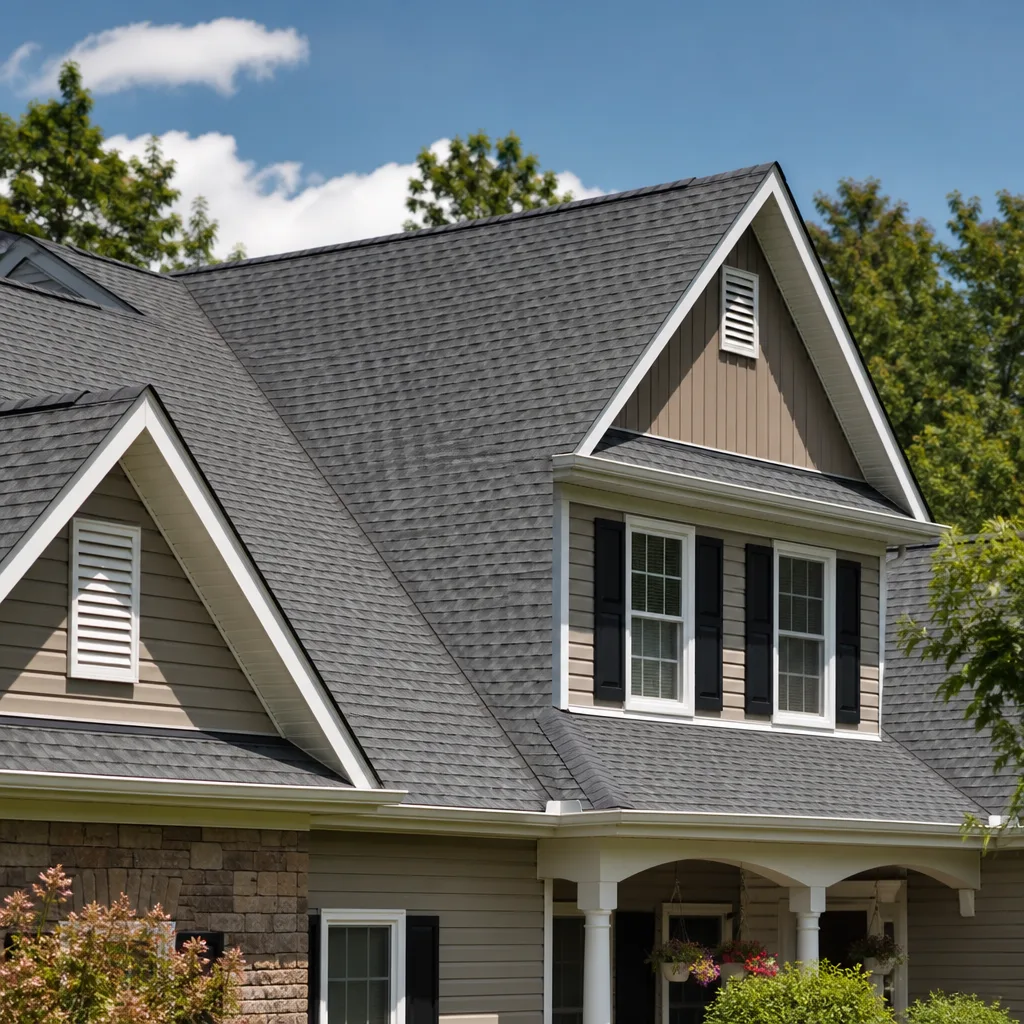
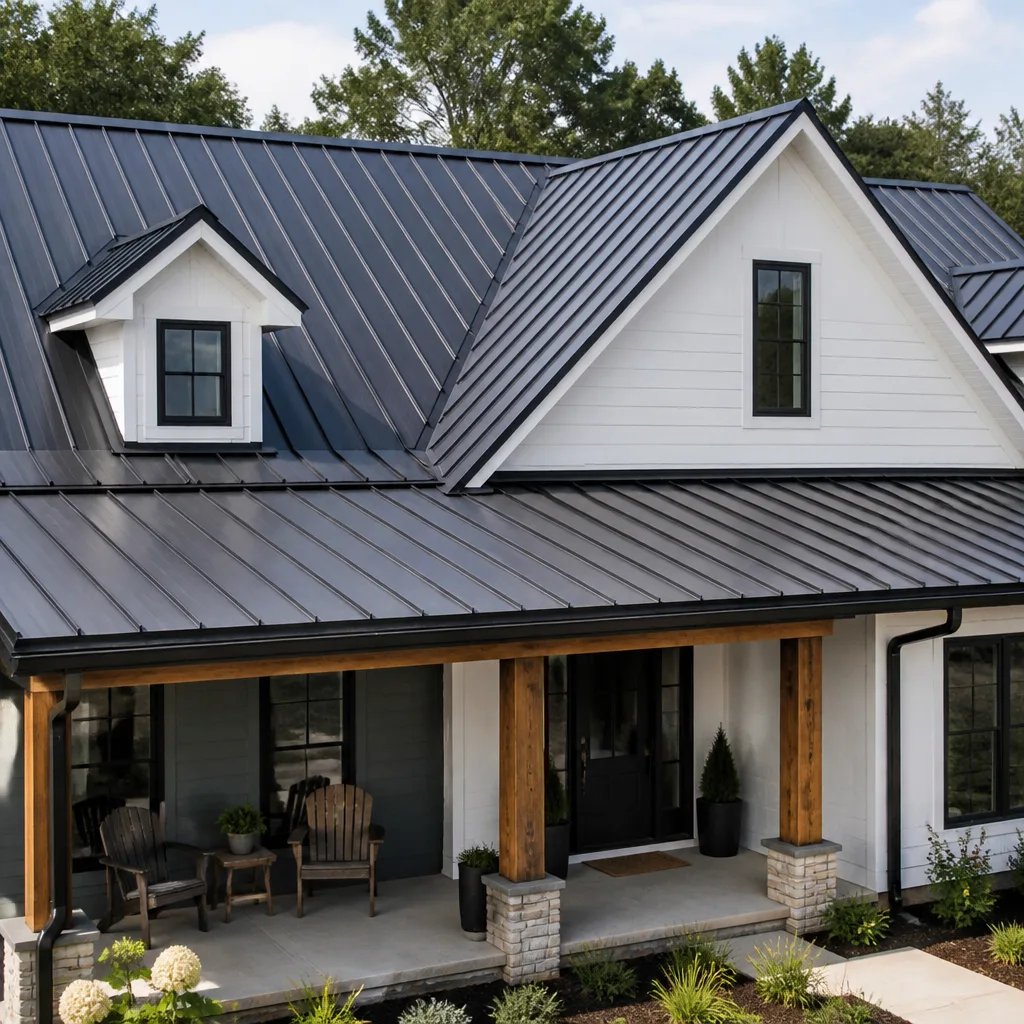
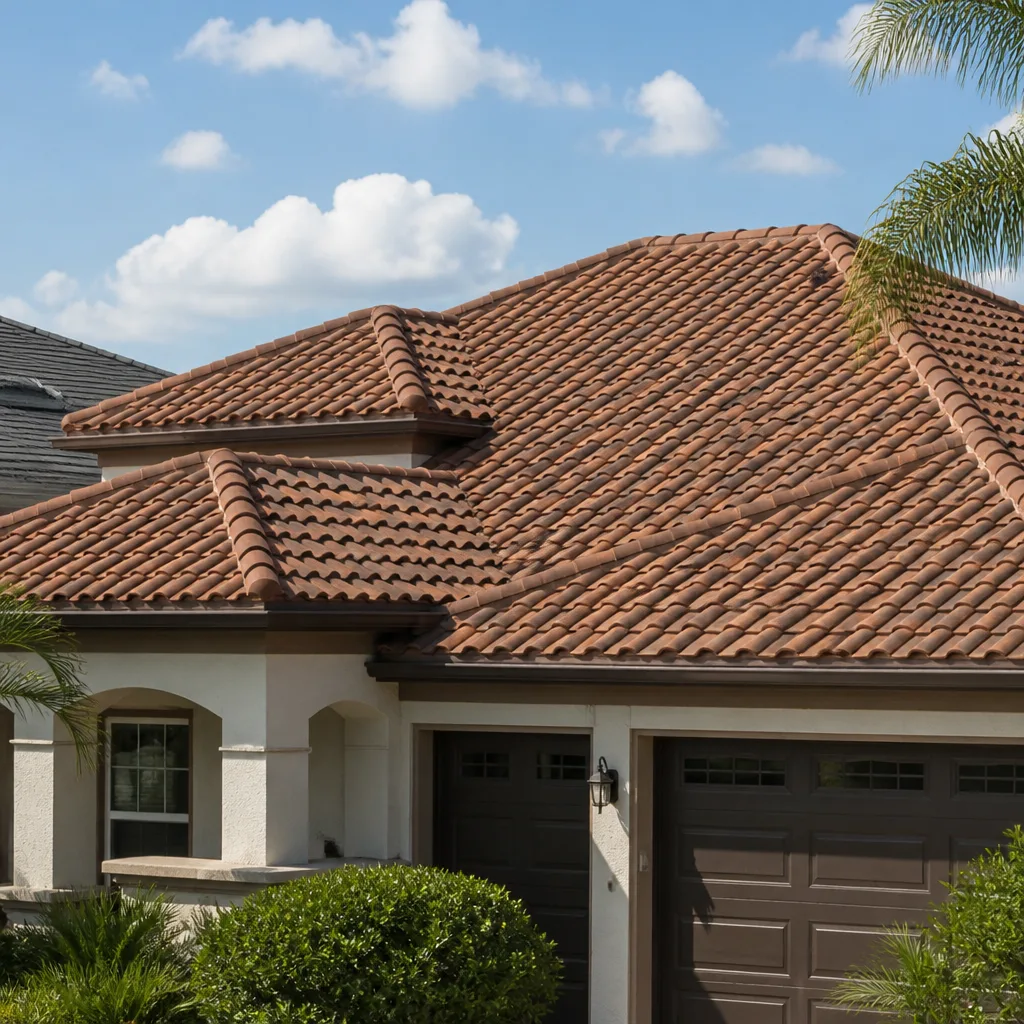
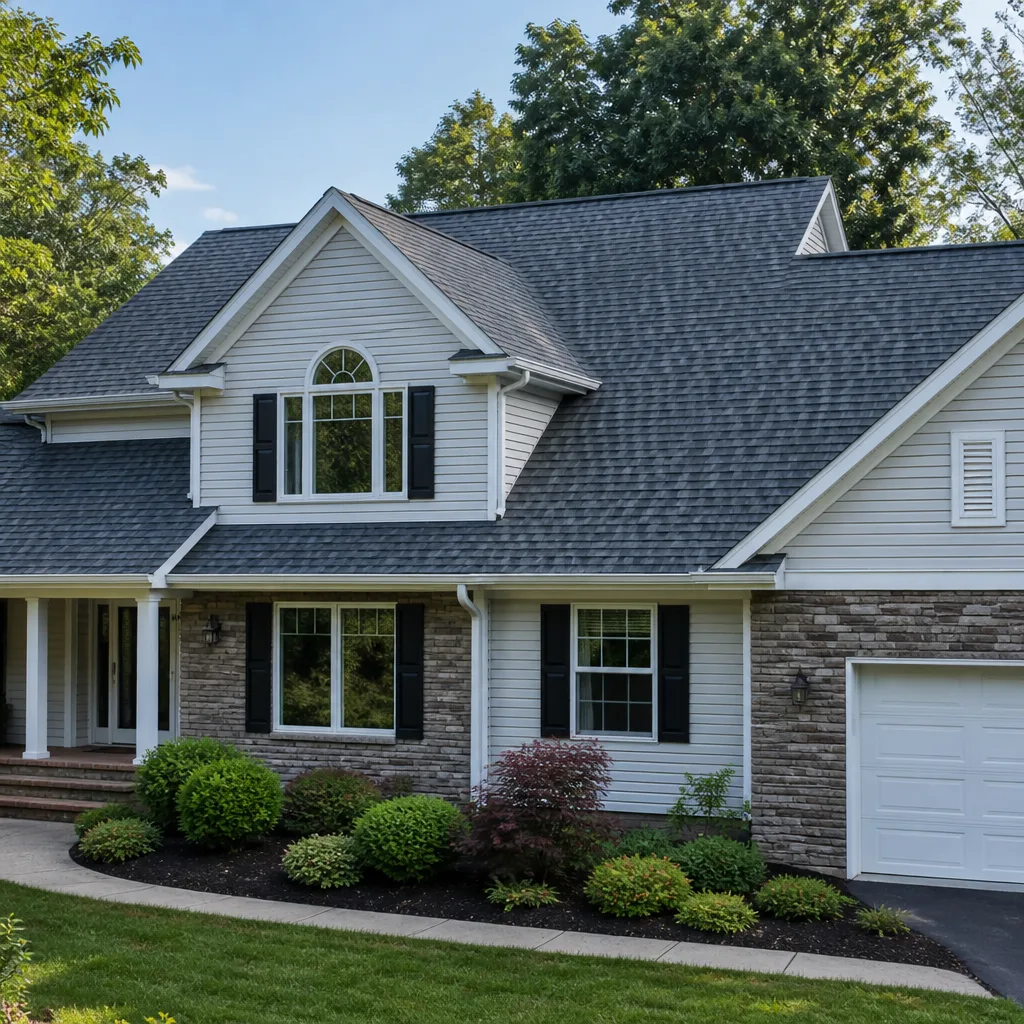
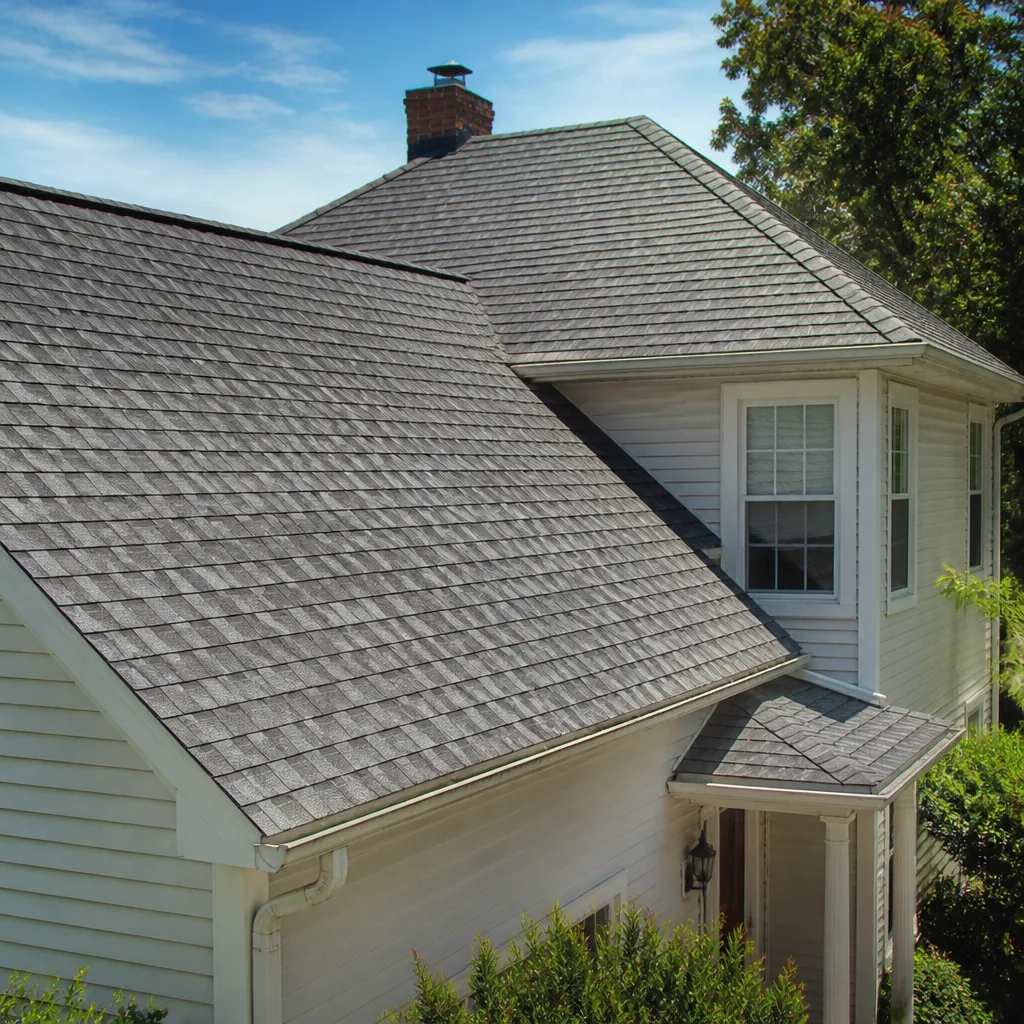
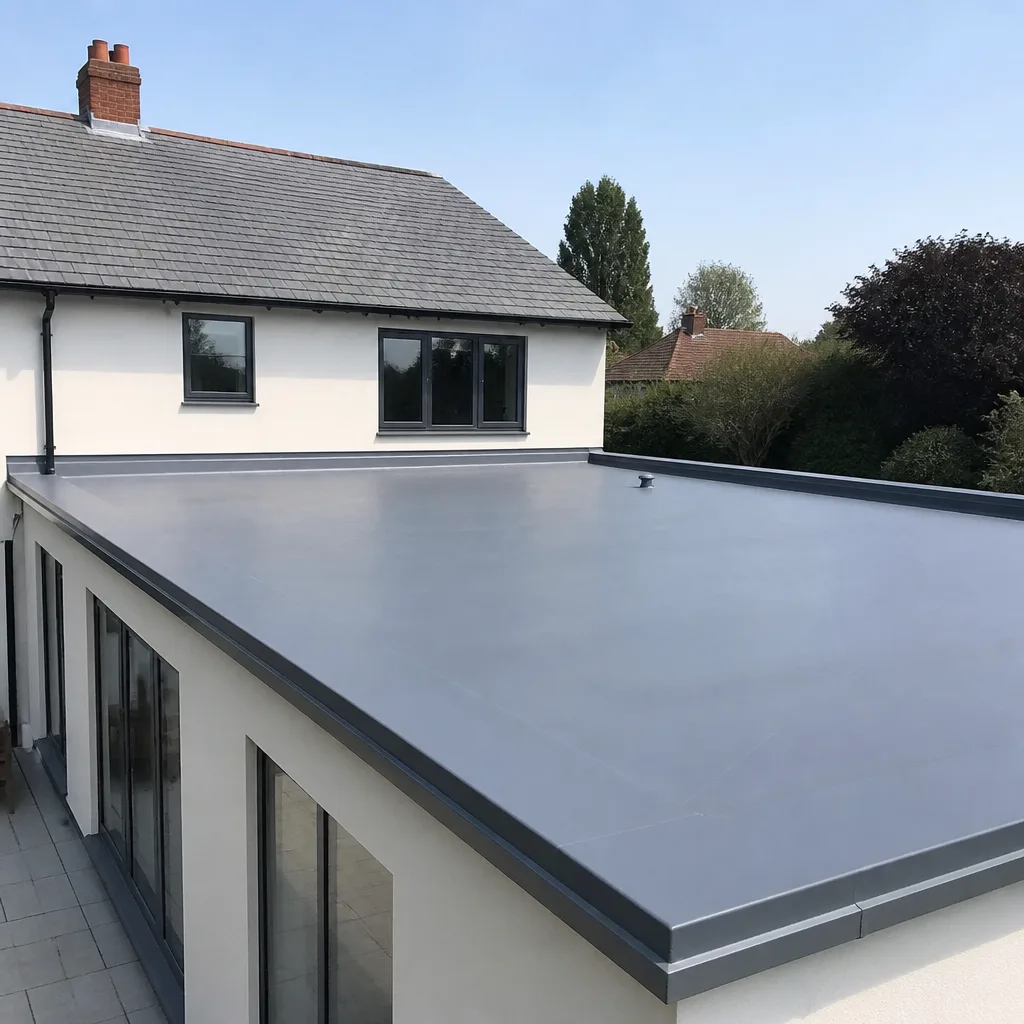
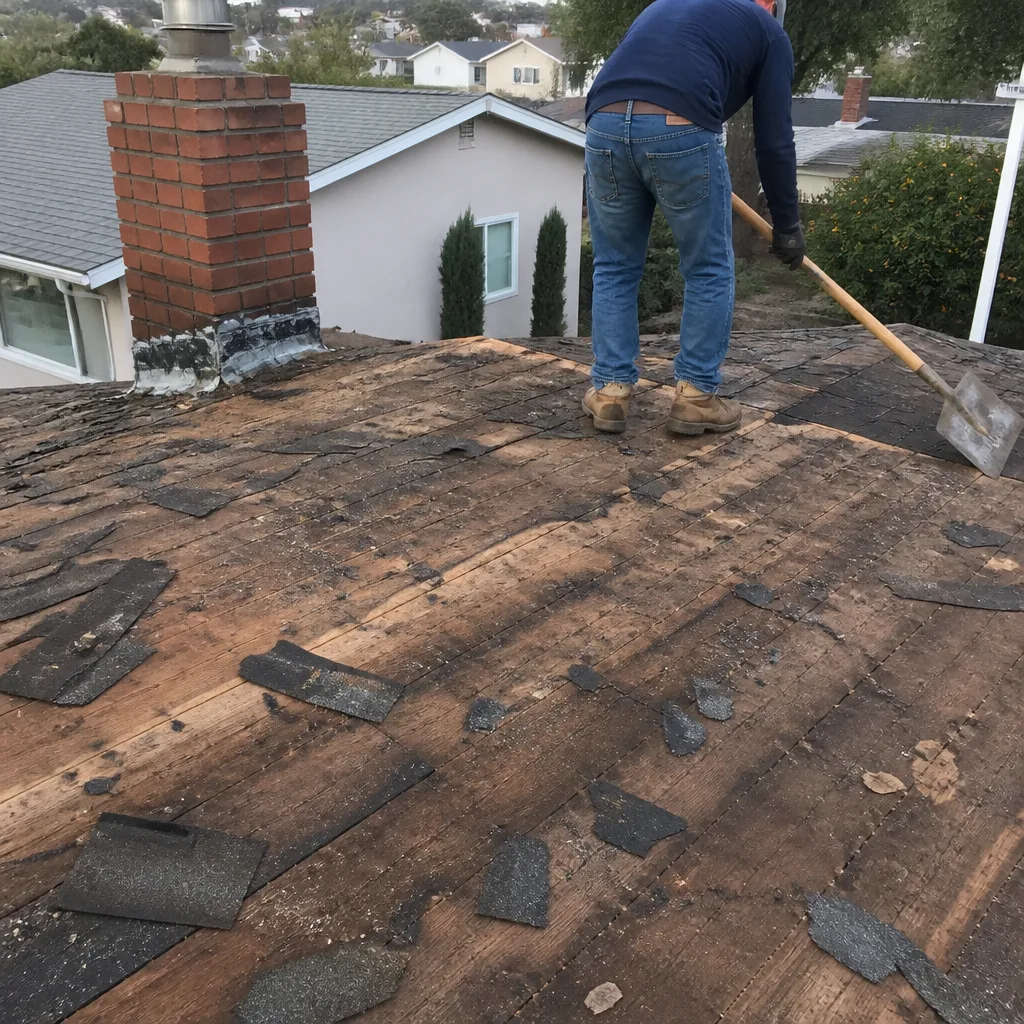 Before
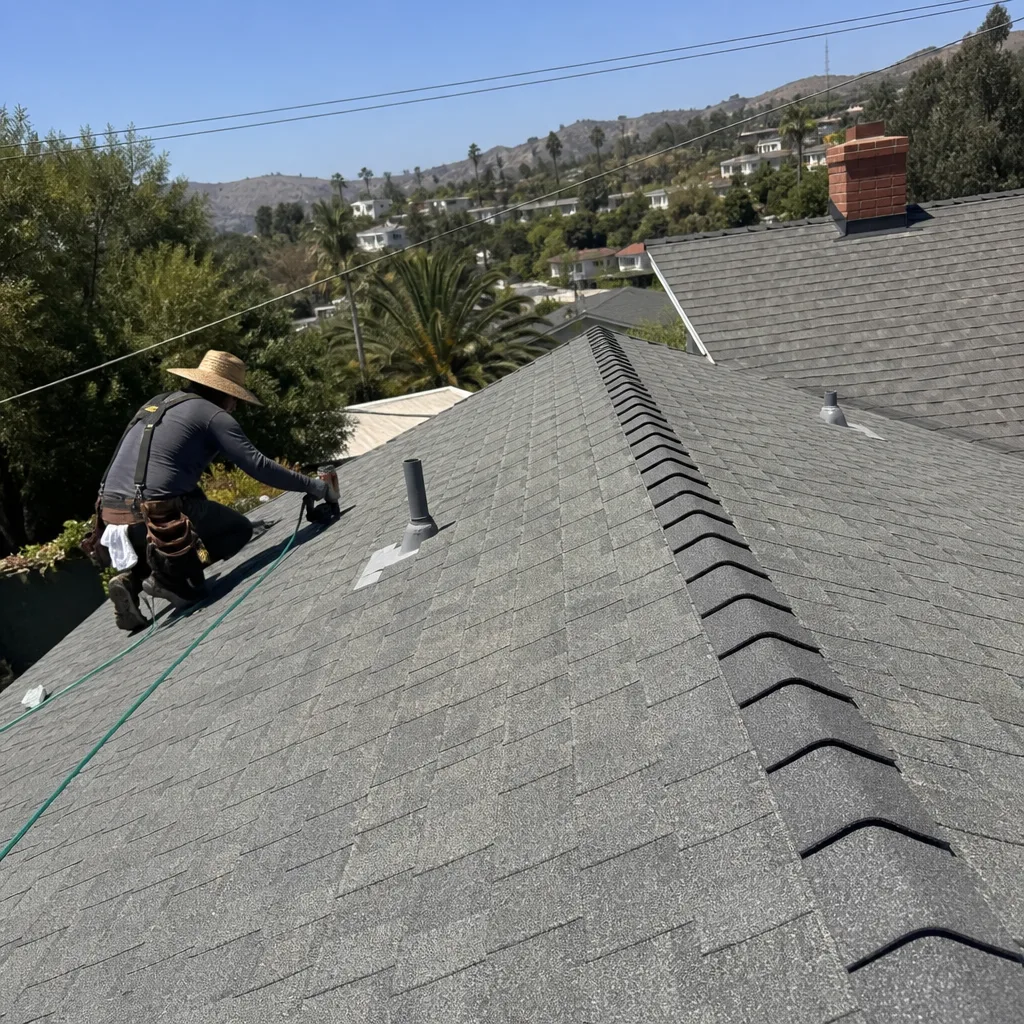 After
After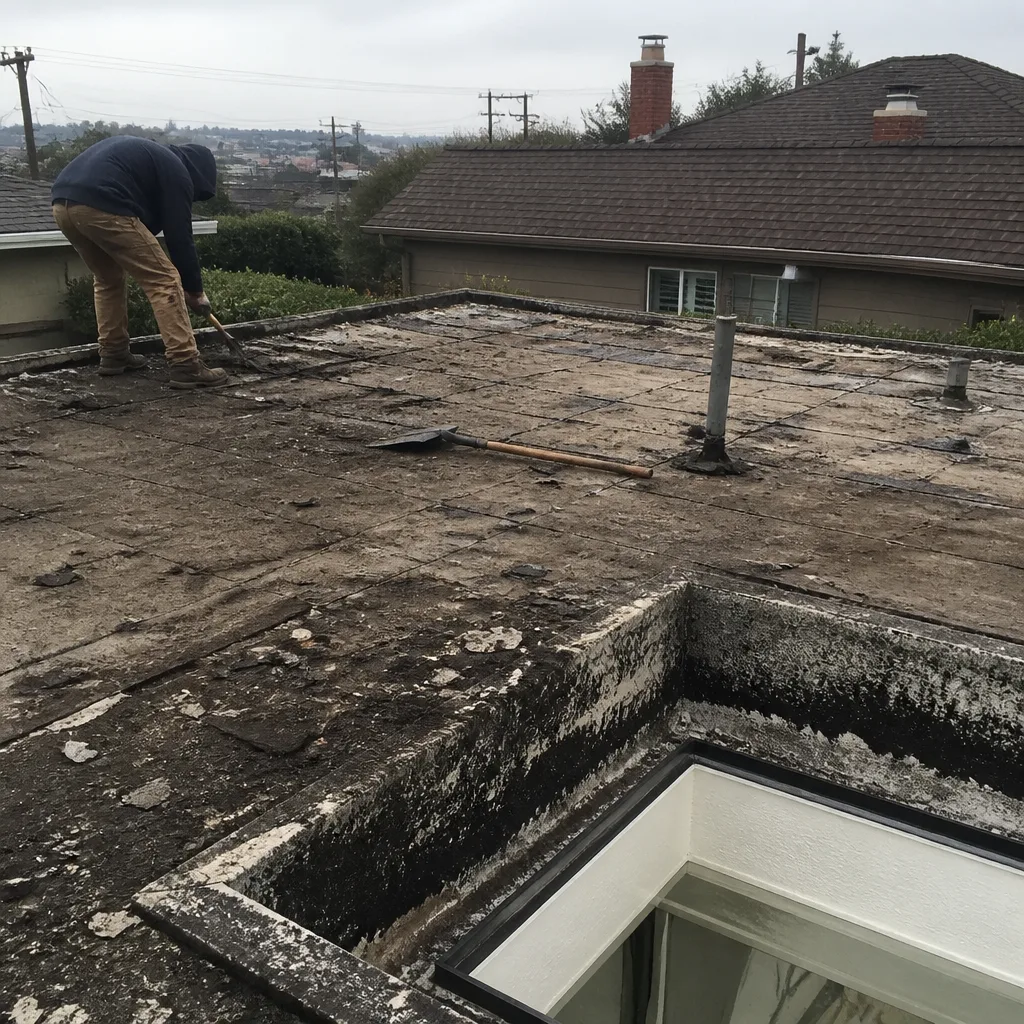 Before
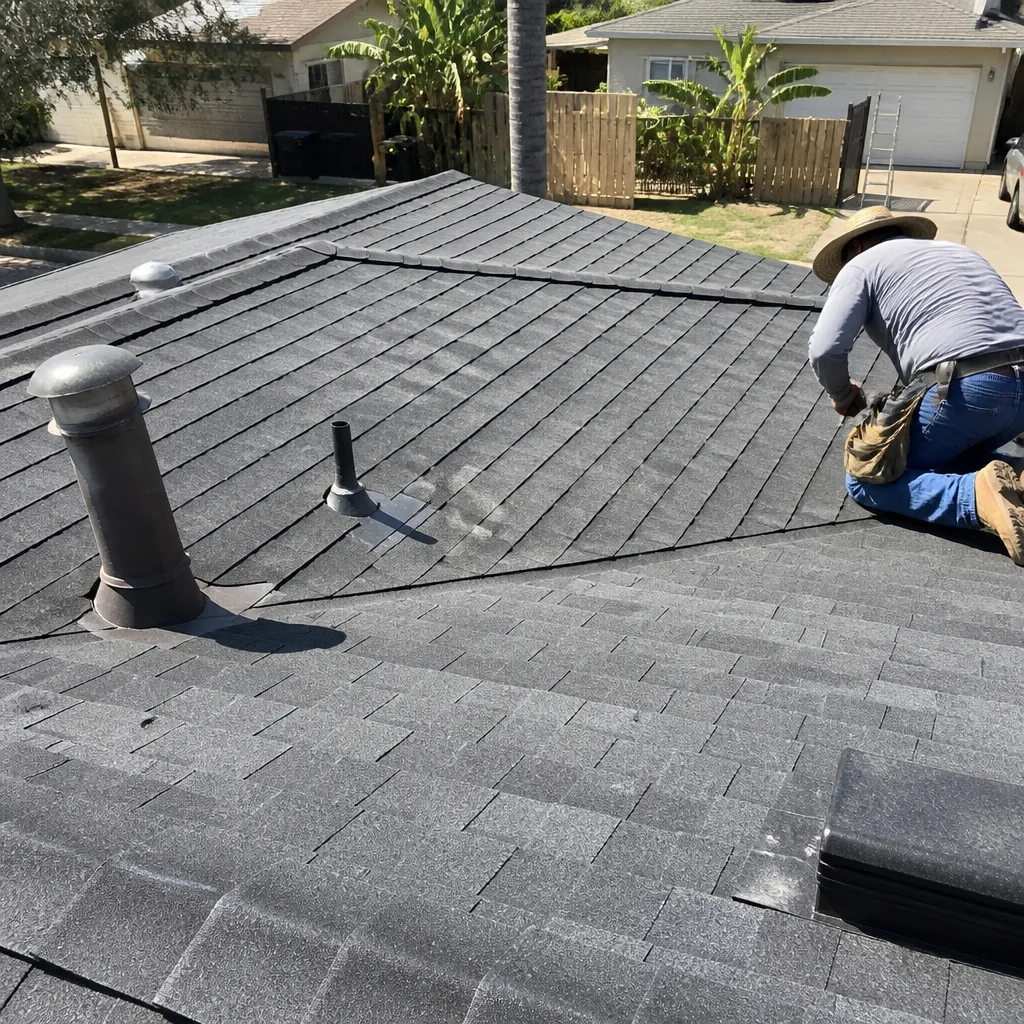 After
After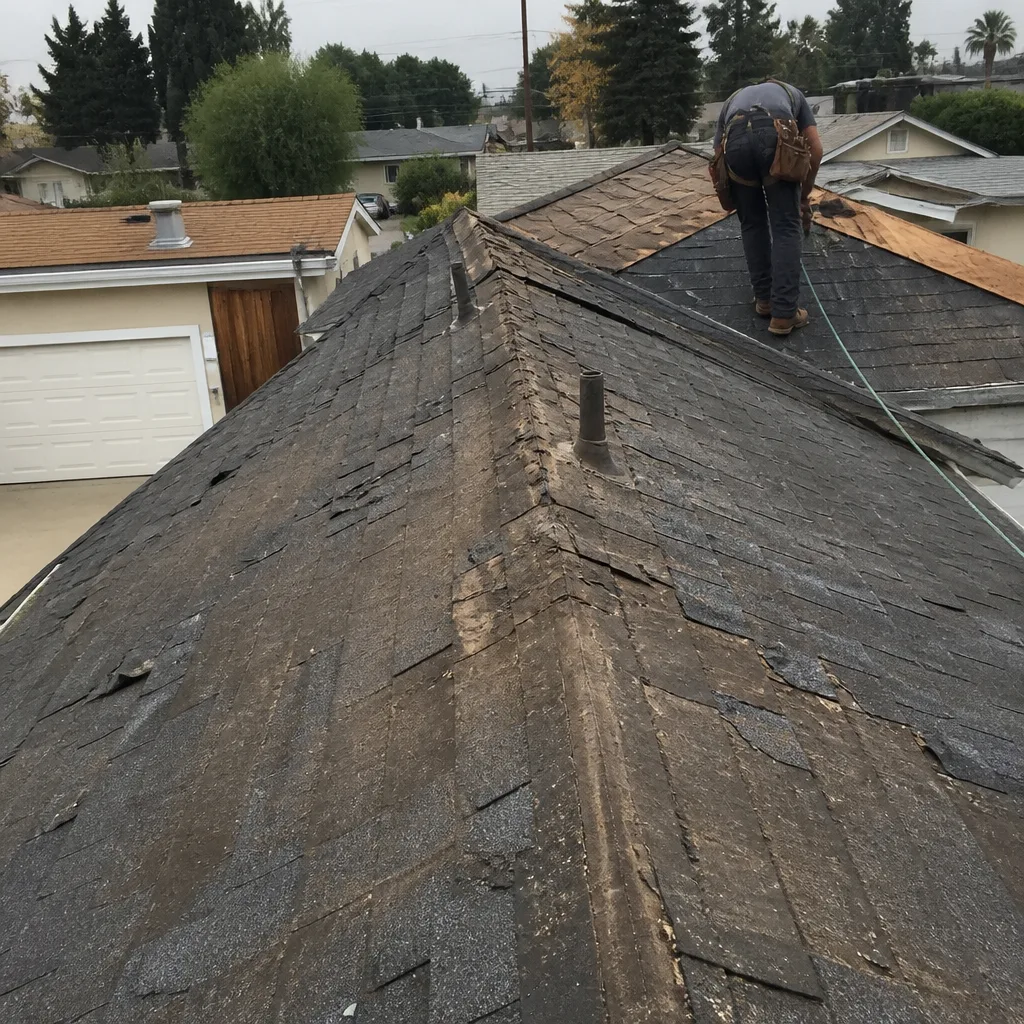 Before
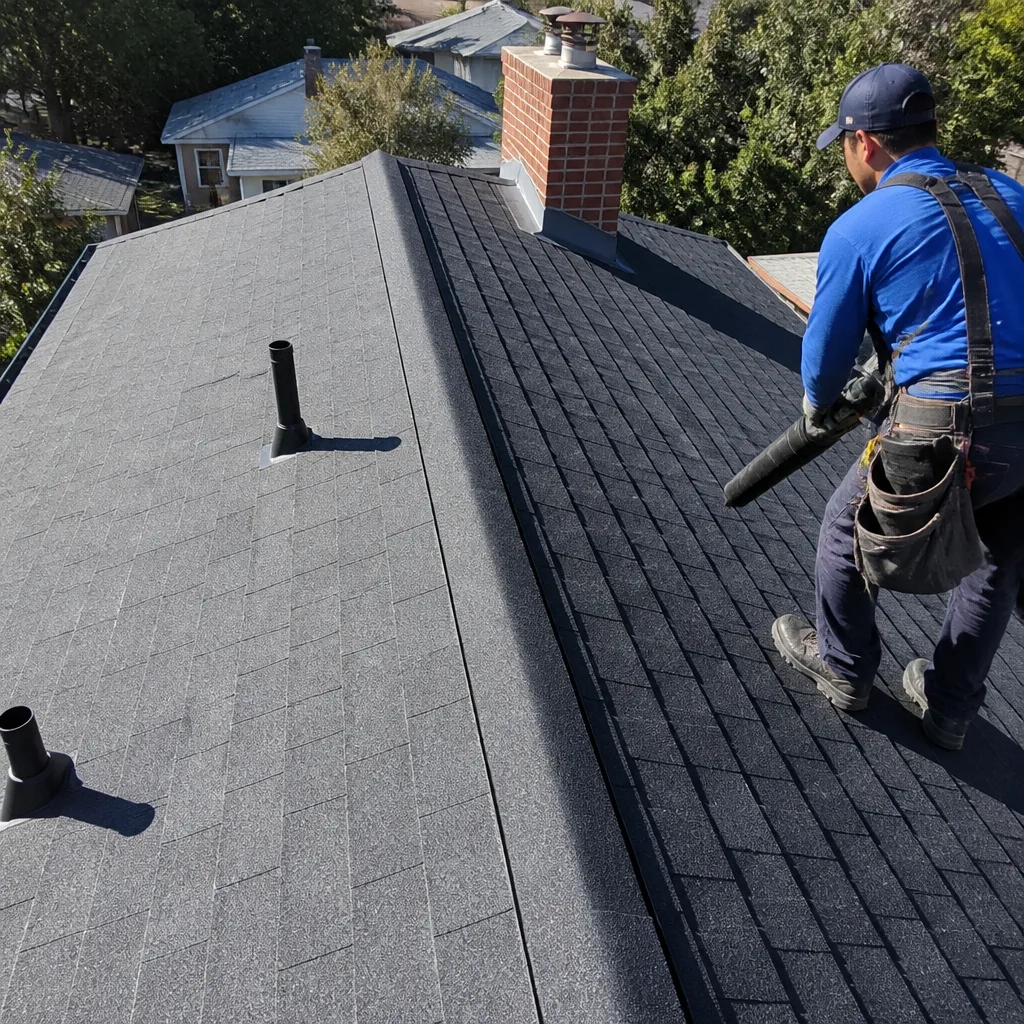 After
AfterRoofing Emergency Preparedness Guide for Los Angeles Homes
When a storm hits a city that gets 15 inches of rain per year, every roofer in Los Angeles is booked within 48 hours and emergency tarping crews are charging three times their normal rate. The homeowners who come out best aren’t the ones who found the best contractor after the fact – they’re the ones who had a plan and a documented roof condition before anything happened. This guide and our Roofing Warning Signs: A Los Angeles Homeowner’s Reference Guide show you how to prepare your Los Angeles home for the actual roofing emergencies you’ll face: Santa Ana wind events that lift tile sections, atmospheric river downpours that overwhelm flat roof drains, and palm debris impacts that punch through aging underlayment.
Quick Answer
Roofing emergency preparedness for Los Angeles homes means building a dated photo baseline of your roof before storm season, knowing which emergency contacts to call within the first two hours of damage, and understanding Roofing Permits, Codes & Inspections in CA: What You Need to Know and California’s anti-price-gouging protections before a contractor quotes you emergency rates. Most importantly, it means establishing a relationship with a licensed roofer who can document pre-existing condition and coordinate with your insurance adjuster – so temporary repairs preserve your claim rather than accidentally settling it.
Table of Contents
- Why Los Angeles Roofing Emergencies Are Different
- Pre-Emergency Documentation: Your Insurance Baseline
- The First Two Hours After Damage: What to Do (and Avoid)
- Los Angeles Emergency Contacts and Contractor Accountability
- How to Avoid Emergency Price Gouging in California
- Temporary Repairs That Preserve Your Insurance Claim
- Seasonal Prep Checklist for Los Angeles Homes
- Common Mistakes to Avoid
- When to Call a Professional
- Frequently Asked Questions
- The Bottom Line
Why Los Angeles Roofing Emergencies Are Different
Most national roofing guides prepare you for hurricanes, hail, or snow load. None of those are your problem in Los Angeles. Our emergencies are specific to Mediterranean climate mechanics and local architecture.
Santa Ana wind events – hot, dry easterly winds that can exceed 60 mph – create uplift pressure on tile and shingle roofs that builders in other regions rarely encounter. We’ve seen entire clay tile sections peeled back in Hancock Park and Windsor Square, not from poor installation but from sustained directional pressure that standard fastening patterns weren’t designed to resist. These events typically hit between October and March, often with no rain at all, which means homeowners don’t discover the damage until the first winter storm.
Atmospheric rivers – narrow corridors of concentrated moisture in the atmosphere – can dump multiple inches in 24 hours on a city whose drainage infrastructure was built for gentle, spread-out winter drizzles. Flat roofs, common in Mid-Century Modern homes in the Hollywood Hills and Silver Lake, depend on scuppers and interior drains that clog with jacaranda blossoms, palm fronds, and the fine grit that settles from LA’s persistent particulate pollution. When those drains fail, water ponds. On a built-up roof older than 15 years, ponding finds every seam weakness.
Palm debris impact sounds almost comical until you’ve seen a 30-pound queen palm frond punch through a skylight or a deteriorated section of underlayment. The impact isn’t the emergency – the exposed decking and insulation becoming saturated is. And because palm debris falls most heavily after Santa Ana gusts, you often get the impact and the subsequent rain in the same 48-hour window.
Los Angeles also has a unique contractor market. We’re one of the largest metro areas in the country with no universal licensing requirement at the city level – the Crestview Roofing home team works across jurisdictions where licensing standards vary significantly. After a major storm, out-of-state crews arrive within days, often working under temporary California registrations that expire within 90 days. Knowing how to verify who’s legitimate matters here more than almost anywhere else.
Pre-Emergency Documentation: Your Insurance Baseline
Insurance adjusters in Los Angeles process thousands of claims after every major atmospheric river or Santa Ana event. The homeowners who get fair settlements have documentation that establishes pre-existing condition. The ones who don’t get lowballed or denied.
Here’s how to build a defensible baseline:
- Photograph every roof plane from the ground – use your phone’s timestamp and location services. Capture the full surface, any visible flashing (the metal strips that seal joints around chimneys and vents), and all penetration points like skylights and vent pipes. Do this in October, before Santa Ana season, and again in March.
- Document your attic interior – photograph decking from inside, insulation condition, and any existing stains. These establish that you didn’t have active leaks before the claimed event.
- Keep material records – if your roof was replaced or repaired in the past 10 years, file the invoice, warranty, and product specification sheet. Know whether you have GAF Timberline HDZ, CertainTeed Landmark, Owens Corning Duration, or another system – adjusters apply different depreciation schedules to different products.
- Note neighborhood-specific risks – if you’re in the Santa Monica foothills with heavy eucalyptus overhang, or in Pasadena with mature oak canopy, document tree proximity and condition. This prevents adjusters from attributing impact damage to “long-term neglect.”
- Store everything in cloud backup – not just on your phone. Email the file to yourself with a clear subject line: “Roof baseline photos, [address], October 2024.”
We’ve handled Roof Repair in Los Angeles claims where the difference between full replacement approval and a partial repair denial was a single dated photo showing intact flashing before the storm. The 20 minutes you spend on documentation in calm weather saves weeks of dispute after damage.
The First Two Hours After Damage: What to Do (and Avoid)
The decisions you make immediately after discovering roof damage determine whether you preserve your home’s interior, maintain your insurance position, and avoid personal injury.
What to do:
- Contain interior water intrusion – move furniture, lay plastic sheeting, and poke a small hole in any ceiling bubble to release trapped water into a bucket. This prevents catastrophic drywall collapse.
- Photograph everything before touching it – the damaged roof area from ground level, the interior damage, any fallen debris. These are your first notice of loss images.
- Call your insurance company’s claim line – not to authorize repairs, but to establish the claim date and get a claim number. Ask specifically: “What documentation do you need before I arrange temporary protection?”
- Contact a licensed roofer for emergency tarping – explain you’re filing an insurance claim and need temporary weatherproofing that doesn’t constitute permanent repair.
What not to do:
- Do not go on the roof – wet tile is slick, wind-damaged decking may not support weight, and steep pitches common in hillside Los Angeles neighborhoods become treacherous with even light moisture. Every year, homeowners are seriously injured or killed inspecting storm damage.
- Do not authorize permanent repairs before adjuster inspection – this can void your claim or reduce your settlement to the amount you’ve already “accepted.”
- Do not sign an assignment of benefits – this transfers your claim rights to the contractor, who then negotiates directly with your insurer. It’s illegal in some states and heavily restricted in California for good reason.
- Do not pay cash for emergency tarping – legitimate contractors in Los Angeles accept checks or cards and provide written invoices. Cash-only demands are a red flag for unlicensed operators.
If water is actively pouring through a light fixture or electrical outlet, turn off power to that circuit at the breaker and call an electrician before the roofer arrives. Water and energized wiring create electrocution risk that roofing contractors aren’t equipped to handle.
Los Angeles Emergency Contacts and Contractor Accountability
Los Angeles has specific resources that many homeowners don’t know exist until they need them desperately.
LADBS Emergency Inspection Line: The Los Angeles Department of Building and Safety maintains an emergency inspection request system for structural damage, including roof failures that compromise occupant safety. After major events, they activate accelerated inspection protocols. You can request an emergency inspection if you have visible structural deformation, partial collapse, or damage that creates immediate hazard. The inspection generates an official report that carries weight with both insurers and contractors.
California State Licensing Board (CSLB) Enforcement: If an emergency tarping contractor demands payment upfront, won’t provide a license number, or performs work without a written contract, report them to CSLB at 800-321-CSLB. During declared states of emergency, CSLB activates enhanced enforcement and can suspend licenses rapidly. The license number format – a seven-digit figure starting with a letter prefix like “B” or “C-39” for roofing – should appear on every contract, business card, and vehicle.
Legitimate emergency tarping invoices should itemize labor, materials (typically 6-mil polyethylene sheeting, battens, and fasteners), and square footage covered. In Los Angeles, expect $3 – $8 per square foot for standard residential tarping, with higher rates for steep pitches or hazardous access. Any invoice exceeding $500 for a single-story home under 2,500 square feet deserves scrutiny. Request that your contractor photograph the completed tarping from multiple angles – this protects both parties and provides documentation for your adjuster.
We maintain live availability at Crestview Roofing home because we know that after a major Santa Ana event, the difference between a $400 tarping job and a $1,200 one is often just which contractor you reach before 9 a.m.
How to Avoid Emergency Price Gouging in California
California Penal Code Section 396 prohibits price gouging during declared states of emergency. For roofing contractors, this means they cannot charge more than 10% above their pre-emergency rates for services, materials, or equipment. The prohibition lasts for 30 days after the emergency declaration, with extensions possible.
Here’s what protects you:
- The declaration trigger – the Governor or local officials must formally declare a state of emergency. Not every storm qualifies. Check Crestview Roofing home or official sources for active declarations.
- The 10% ceiling – if a contractor’s standard tarping rate was $4/sq ft before the emergency, $4.40 is the legal maximum during it. Demand documentation of their pre-emergency pricing.
- Your right to report – price gouging complaints go to the California Attorney General’s office and local district attorney. Successful prosecutions result in restitution, civil penalties, and criminal charges.
The practical defense, though, is preparation. Contractors who know you understand the law, have alternative contacts, and won’t pay cash are far less likely to attempt gouging. We’ve seen Los Angeles homeowners save thousands simply by mentioning Penal Code 396 in their initial call.
Equally important: don’t let fear of gouging drive you to unlicensed operators charging below-market rates. An uninsured tarping crew that falls off your roof creates liability that exceeds any savings. Verify license, demand certificate of insurance, and confirm workers’ compensation coverage – non-negotiable steps even in urgent situations.
Temporary Repairs That Preserve Your Insurance Claim
This is where homeowners most often damage their own insurance position. The language you use with your adjuster, and the scope of work you authorize, determines whether temporary protection becomes evidence of good stewardship or an inadvertent settlement acceptance.
Key distinction: “Temporary weatherproofing to prevent further damage” preserves your claim. “Repair of damaged area” may be interpreted as your acceptance of the full scope of loss, limiting later discovery of hidden damage.
Before authorizing any work, tell your adjuster exactly this: “I am authorizing temporary weatherproofing only, pending your inspection and scope determination. I reserve all rights for full damage assessment including tear-off and decking inspection.” Email this statement so it’s documented.
Your contractor should specify in writing:
- “Temporary tarp installation, [square footage], to be removed during permanent repair”
- “No decking, underlayment, or finish material replacement authorized”
- “Scope limited to water intrusion prevention; full damage assessment deferred to insurance inspection”
We’ve handled Roof Replacement in Los Angeles cases where the adjuster initially denied full replacement because a previous contractor had “repaired” a section that later failed – the insurer treated this as homeowner acceptance of a partial fix. The $800 repair cost the homeowner $18,000 in uncovered replacement.
After temporary tarping, photograph the protected area, the invoice, and any contractor correspondence. Store these with your baseline documentation. If your insurer disputes later findings, this paper trail establishes that you acted to mitigate further loss without prejudicing your claim rights.
Seasonal Prep Checklist for Los Angeles Homes
Los Angeles has two distinct roof-risk seasons: Santa Ana wind season (October – March) and atmospheric river season (December – March, with peak January – February). Use this checklist to prepare before each.
October: Pre-Santa Ana
- Trim tree canopy within 10 feet of roof – especially palms, eucalyptus, and pines that shed heavy debris
- Clean gutters and downspouts; verify drainage flows away from foundation
- Inspect tile roofs for cracked, slipped, or missing pieces; check mortar at ridges and hips
- Document roof condition with dated photos (your insurance baseline)
- Verify attic vents are screened against ember intrusion – Santa Ana winds carry wildfire risk in foothill areas
December: Pre-Atmospheric River
- Clear flat roof drains, scuppers, and overflow scuppers – test with water flow
- Inspect flashing at all penetrations; reseal with compatible sealant where degraded
- Check skylight weep holes for blockage
- Verify under-eave ventilation isn’t obstructed – moisture management depends on airflow
- Confirm your roofer’s contact information and after-hours availability
Homes in specific Los Angeles neighborhoods face amplified risks. In the Hollywood Hills and Laurel Canyon, steep pitches and mature canopy create debris accumulation and access challenges. In Venice and Marina del Rey, salt air accelerates metal flashing corrosion. In the San Fernando Valley, wider temperature swings stress asphalt shingle flexibility. A Roof Installation in Los Angeles should account for these microclimates in material selection – we specify different underlayment and fastening patterns for valley installations versus coastal properties.
Common Mistakes to Avoid
- Assuming “it never rains hard here” – Los Angeles rainfall intensity during atmospheric rivers exceeds the design capacity of many older drainage systems. Flat roofs installed in the 1980s and 1990s often have scuppers sized for gentle drizzle, not concentrated downpour.
- Waiting until after damage to find a contractor – post-storm, every licensed roofer in Los Angeles is backlogged 2 – 6 weeks. The contractors answering immediately are often the ones no one else hired.
- Letting a tree service handle roof damage – arborists remove fallen limbs; they don’t assess decking integrity, underlayment condition, or hidden structural compromise. Always follow tree removal with licensed roofing inspection.
- Accepting the first adjuster scope without challenge – initial scopes often miss hidden damage. Request a reinspection if you suspect decking saturation, or engage a public adjuster for complex claims.
- Paying emergency tarping out-of-pocket without documentation – these costs are typically reimbursable as “reasonable measures to prevent further loss.” Keep every receipt and photograph.
- Ignoring small leaks until they become emergencies – a $400 repair of minor flashing separation prevents $4,000 in decking, insulation, and interior finish damage. Los Angeles homeowners who schedule annual inspections rarely face true emergencies.
When to Call a Professional
Call a licensed roofer immediately if you have active water intrusion, visible structural deformation, or damage that exposes decking or underlayment. Same-day response matters for preserving interior finishes and establishing your insurance position. Do not attempt temporary repairs yourself on steep, wet, or wind-damaged roofs – the fall risk in these conditions is severe, and homeowners lack the tie-off equipment and training that OSHA requires for roofing work at height.
Crestview Roofing offers free estimates in Los Angeles – call (325) 246-5075. Our live answering service operates 24/7, and we provide written arrival windows you can track in real time. Every emergency response includes before-and-after photo documentation, and our 365-Day Done Right Promise covers any repair that fails within a full year at no charge, including a free second visit.
Frequently Asked Questions
Standard residential emergency tarping in Los Angeles runs $3 – $8 per square foot, with most single-family homes falling between $400 and $1,200 total. Steep pitches, difficult access, and after-hours response can push costs toward the higher end. Call (325) 246-5075 for an exact quote – estimates are free.
Most homeowners policies cover “reasonable expenses to protect property from further damage” when caused by a covered peril. You must document the expense and typically must not have unreasonably delayed permanent repair. Reimbursement requires itemized invoices, so demand detailed documentation from any emergency contractor.
Verify any California contractor’s license at cslb.ca.gov – search by license number, business name, or personal name. A legitimate roofing contractor holds a C-39 license. Check that the license status is “Active,” bond is current, and workers’ compensation insurance is on file unless the contractor has no employees (rare for roofing operations).
Santa Ana winds are specifically named, directional events that insurers may treat differently depending on your policy language. Some policies have separate deductibles for “named windstorms” or exclude certain wind-driven debris. Review your declarations page before storm season, and photograph any pre-existing damage that could be attributed to long-term exposure rather than a specific event.
We don’t recommend DIY roof work in emergency conditions. Wet surfaces, damaged structural elements, and the height involved create genuine hazard. For interior water containment – moving furniture, releasing ceiling bubbles, placing buckets – homeowner action is appropriate and expected. For anything involving ladders, tools, or roof access, the injury risk far exceeds potential savings. Our background-checked, uniformed technicians handle this work with proper fall protection and insurance coverage.
California law requires insurers to provide claim forms within 15 days of request, and you typically have one year from the date of loss to file suit if the claim is denied. However, prompt reporting – within days, not weeks – strengthens your position. Delays allow insurers to argue that damage worsened due to your negligence, reducing or denying coverage.
The Bottom Line
Los Angeles roofing emergencies are predictable in type if not in timing: Santa Ana wind uplift, atmospheric river overwhelm, and palm debris impact. The homeowners who fare best document their roof condition before storm season, know which emergency contacts to call within two hours of damage, understand California’s price-gouging protections, and ensure temporary repairs preserve rather than prejudice their insurance claims. Preparation costs a few hours and zero dollars. Recovery without preparation costs thousands and weeks of dispute. Start with dated photos this weekend.
Call (325) 246-5075 to schedule your free roof inspection and baseline documentation. We’ll provide a written condition report, photo documentation, and clear pricing for any recommended maintenance – before the next Santa Ana event tests whether you were ready.
Written by Dylan Pace, Owner at Crestview Roofing, serving Los Angeles since 2000.