
Last updated October 10, 2026
Free roof inspection with deck photos before we talk money - GAF and Owens Corning certified installation
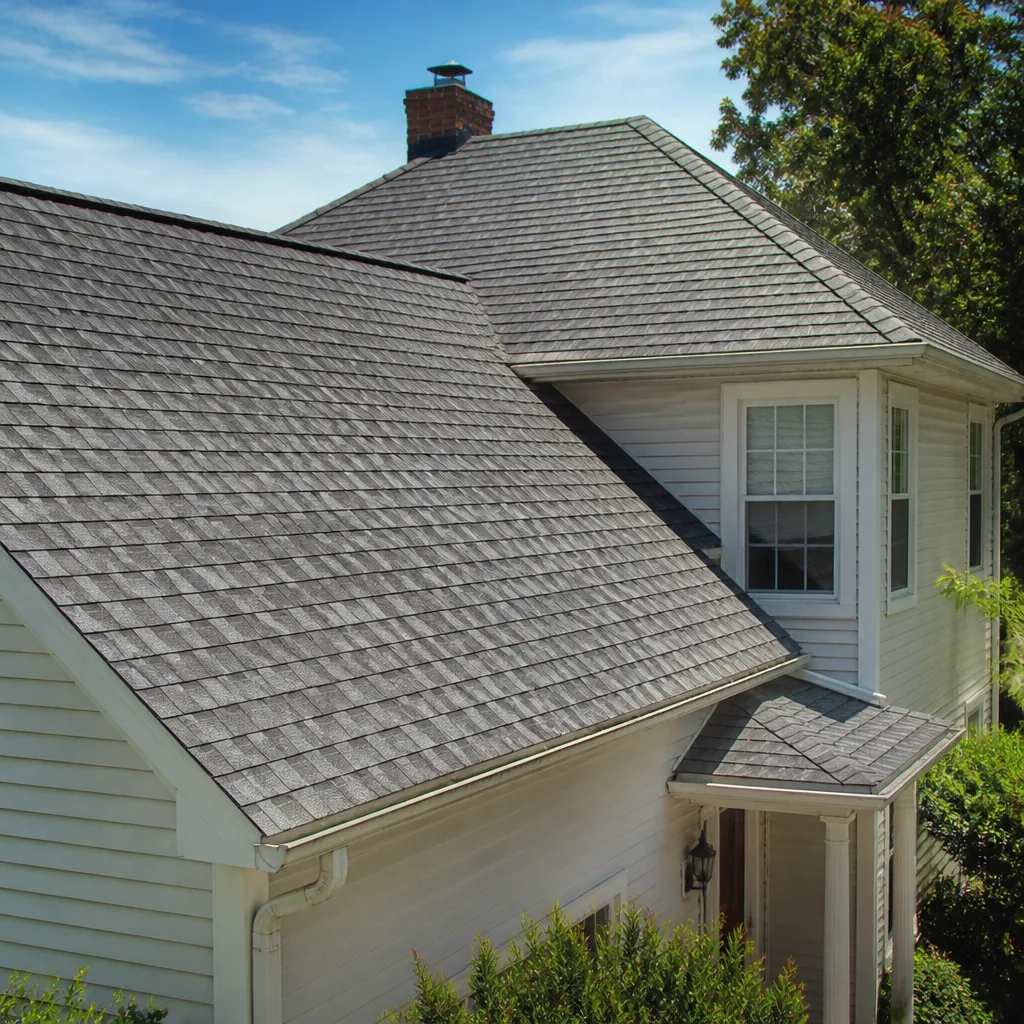
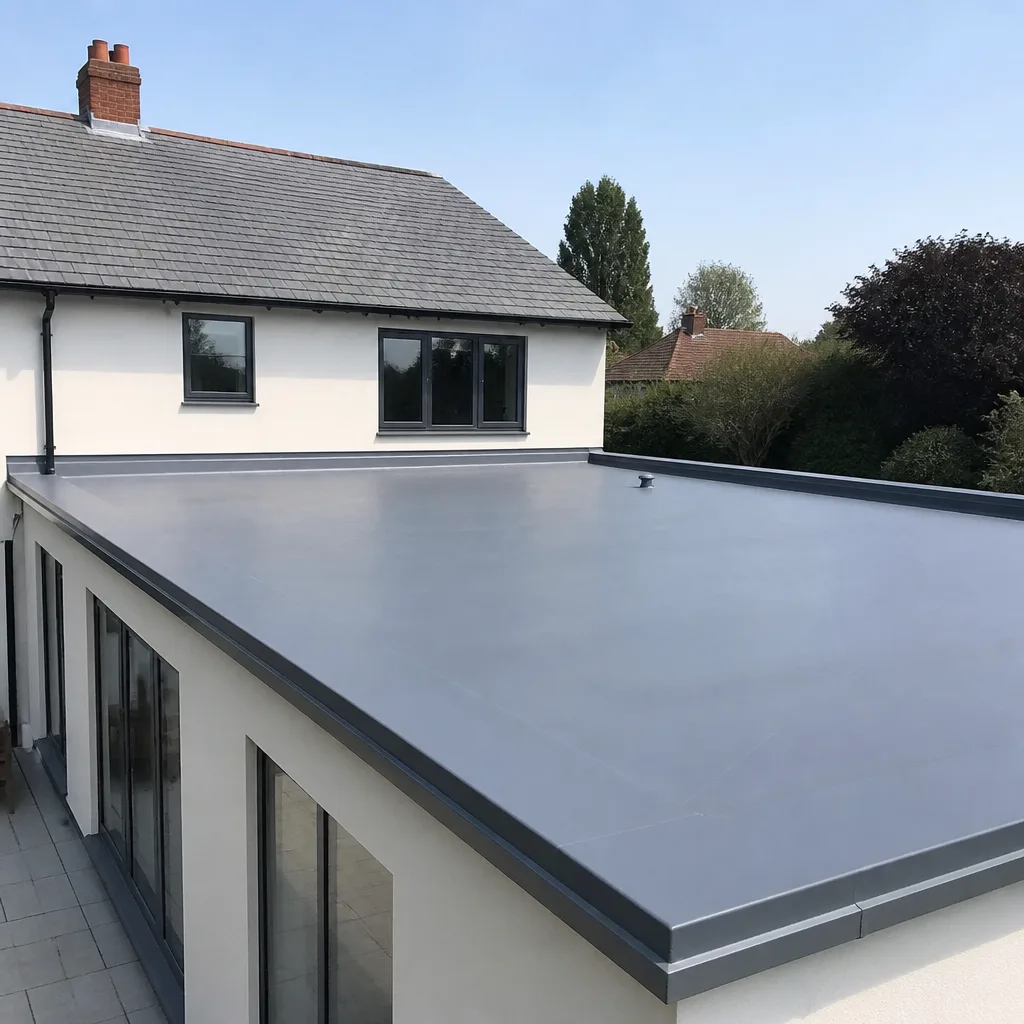
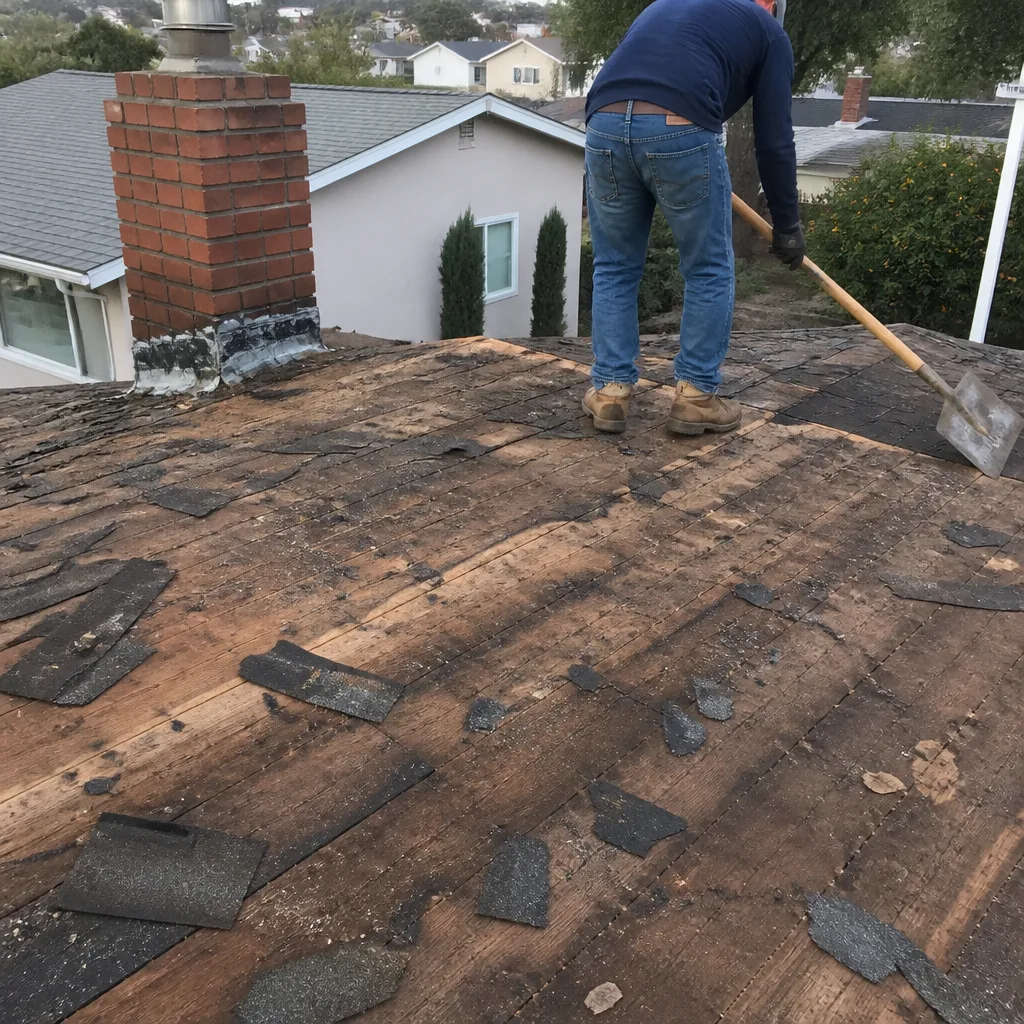 Before
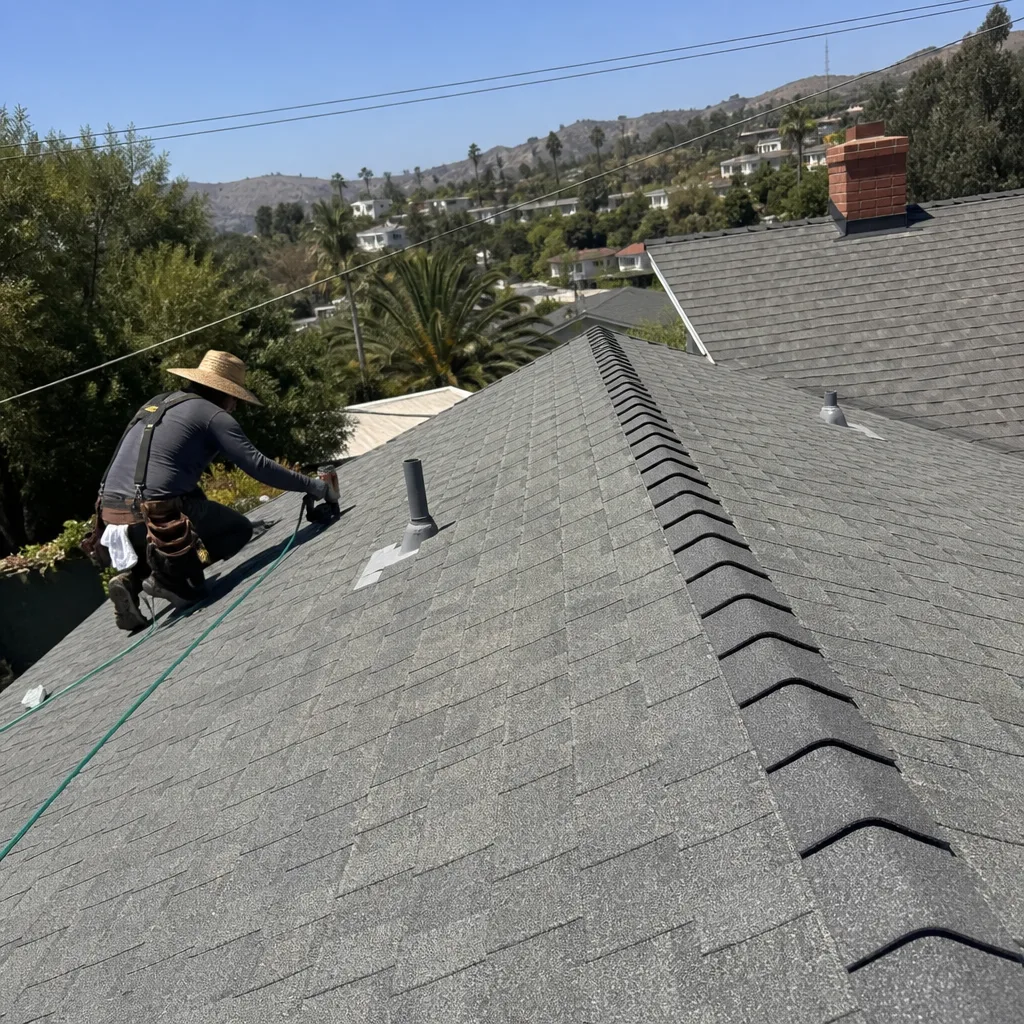 After
After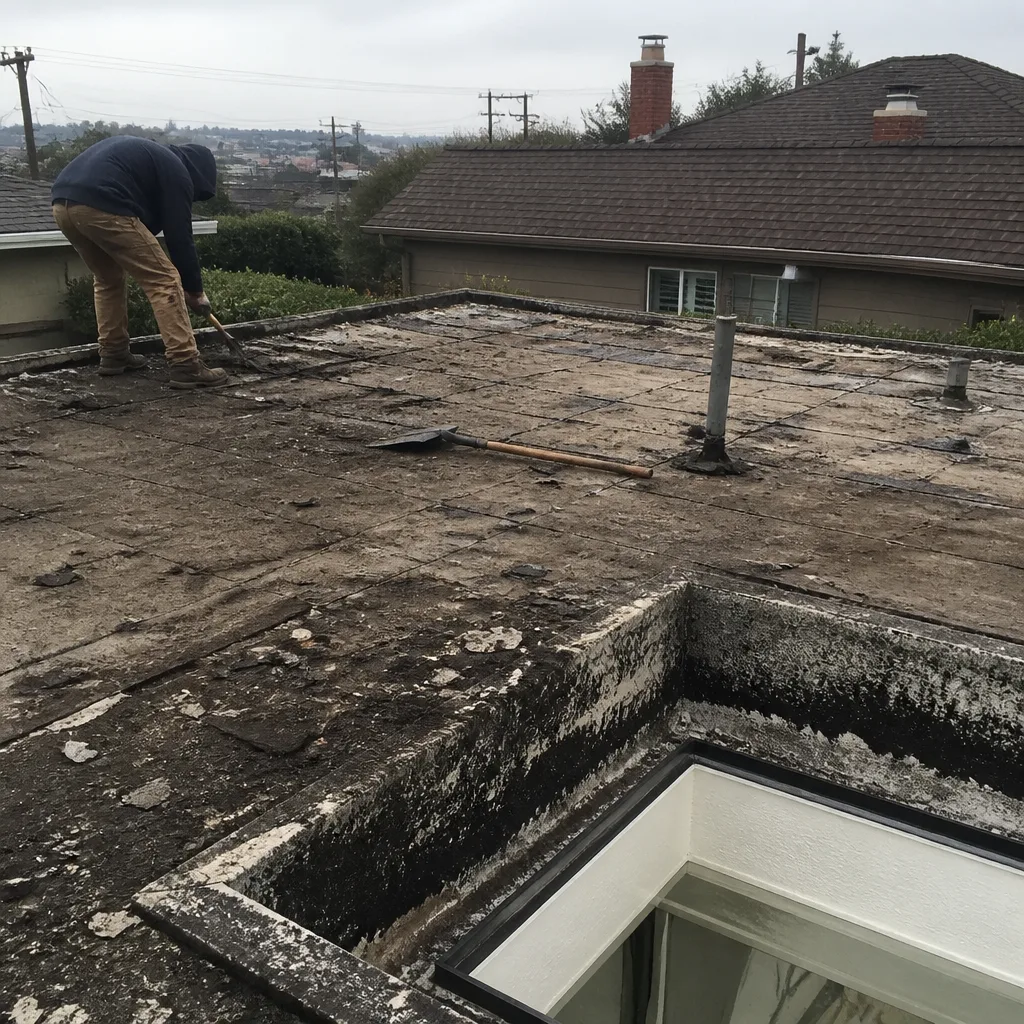 Before
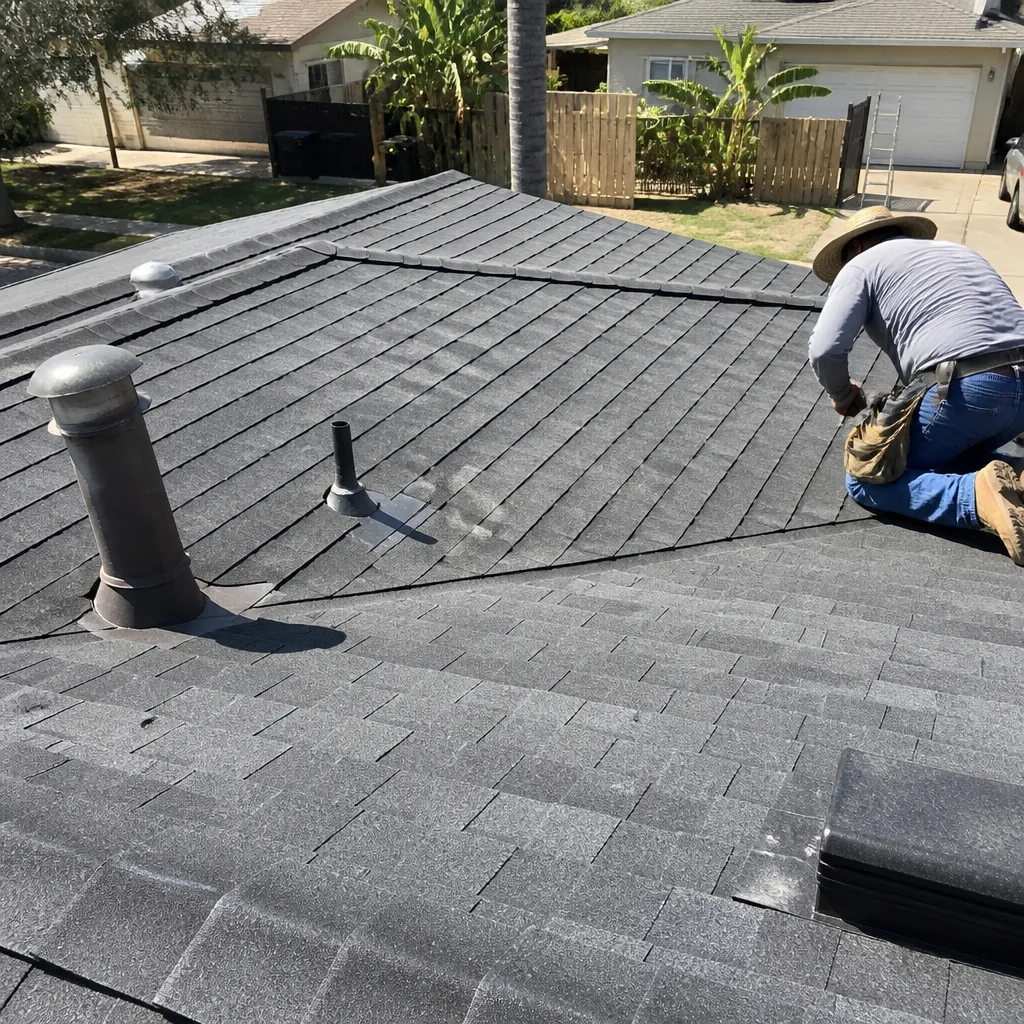 After
After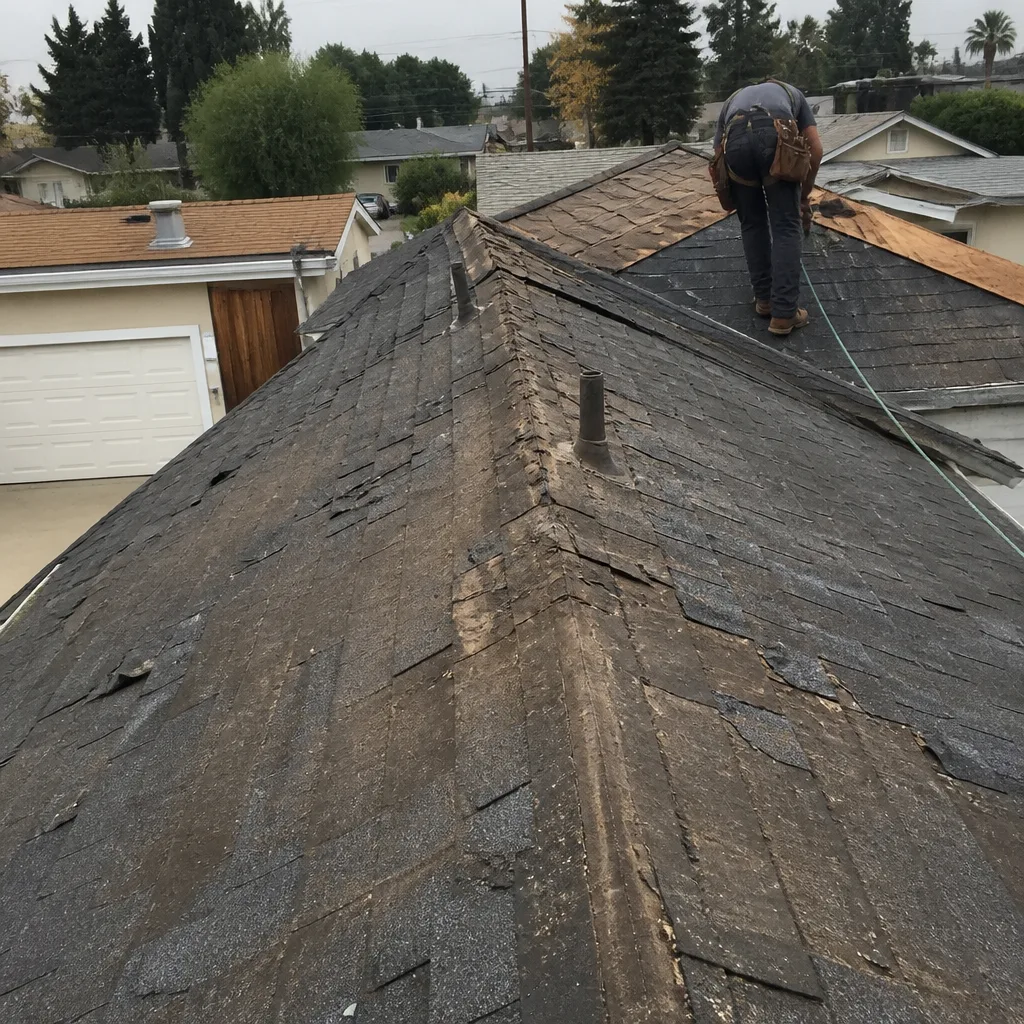 Before
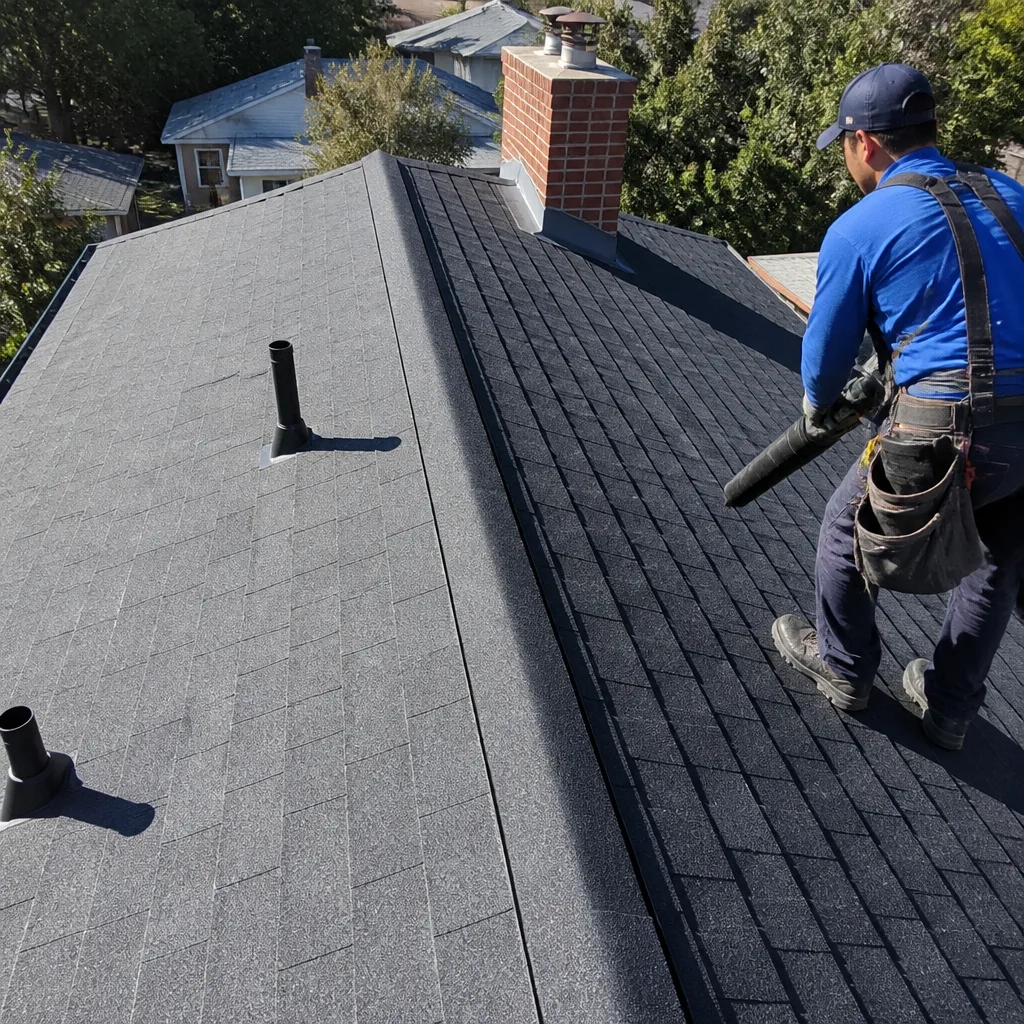 After
AfterRoof Replacement Warning Signs Every Homeowner Should Know
Here’s what most Los Angeles homeowners miss: the warning sign that separates a $400 repair from a $15,000 replacement is rarely visible from the street. In our experience inspecting thousands of roofs across Southern California since 2000, the critical evidence almost always hides in the attic – specifically, the pattern of asphalt granules collecting on rafters and the compression profile of insulation directly beneath the roof deck. A sagging ridge line screams for attention, but granule migration whispers. This guide trains you to hear that whisper before your ceiling does.
Quick Answer
Most roofs need replacement when three or more of these signs appear together: granule loss visible in gutters or on attic rafters, shingles that crack in a “fishmouth” pattern across the field (not just at edges), daylight visible through the roof deck in the attic, and insulation compressed into hard channels where heat has baked it flat. In Los Angeles, heat cycling accelerates these failures – asphalt shingles here typically show structural fatigue 3-5 years sooner than identical installations in milder climates.
Table of Contents
- The Attic Inspection Sequence: What Inspectors Check First
- The Three-Tab Test: Cosmetic Aging vs. Structural Fatigue
- How LA’s Heat Cycling Destroys Shingles Differently
- The Insurance Company’s Threshold: Replacement vs. Patch
- How to Document Warning Signs Before Calling a Contractor
- Surface Signs That Confirm What the Attic Already Told You
- Common Mistakes to Avoid
- When to Call a Professional
- Frequently Asked Questions
The Attic Inspection Sequence: What Inspectors Check First
Before we ever set a ladder against a house in Los Angeles, we check four things in the attic. You should too. Bring a flashlight, a phone camera, and a dust mask.
- Granule migration on rafters and insulation. Asphalt shingles shed ceramic granules as they age. In a healthy roof, granules wash into gutters. In a failing roof, they blow backward through gaps in the decking and settle on attic surfaces. Look for coarse, sand-like piles on horizontal rafters and the topside of insulation batts. Heavy accumulation – enough to leave a streak when you swipe it – means the shingle’s asphalt base is exposed and baking.
- Insulation compression channels. Run your hand across fiberglass batts or blown cellulose directly beneath the roof deck. Healthy insulation is fluffy and uniform. Heat-baked insulation hardens into channels, like dried riverbeds, where hot air has pushed through decking gaps for multiple summers. In Los Angeles, where attic temperatures routinely hit 140°F, this compression accelerates dramatically.
- Daylight through decking. Turn off your flashlight during daylight hours. Pinpricks of light mean gaps between decking boards or around fasteners. Larger patches – anything bigger than a quarter – indicate warped or rotted plywood. Note the location of each spot with your phone; these map directly to exterior weak points.
- Staining pattern on the underside of decking. Dark streaks that follow rafter lines, not random blotches, indicate chronic condensation from inadequate ventilation. In coastal Los Angeles neighborhoods like Venice or San Pedro, salt-laden humidity compounds this. Staining that forms circular or irregular patches suggests active leaks, which may be repairable. The distinction matters for insurance claims.
We documented this sequence after noticing that homeowners who caught replacement early – before decking failed – saved an average of $3,800 on their jobs in 2023. The granule test alone predicts shingle failure within 18 months with surprising consistency in our climate.
The Three-Tab Test: Cosmetic Aging vs. Structural Fatigue
Not every weathered shingle needs replacing. The trick is distinguishing surface aging from structural breakdown without climbing onto the roof.
Find a three-tab asphalt shingle – the most common type in Los Angeles neighborhoods built between 1960 and 2005. These are the flat, rectangular shingles with two cutouts that create three “tabs” along the bottom edge. From ground level or a secure ladder, examine one in the field of the roof (not the edges, which always age faster).
Cosmetic aging you can ignore: Slight color fading, surface roughness, moss or algae streaks (common on north-facing slopes in shaded areas like the Hollywood Hills), and minor lifting of tab corners that snaps back when pressed. These affect appearance, not function.
Structural fatigue that demands replacement:
- Tab cracking that runs through the shingle body, not just the surface. Look for cracks that propagate from the cutout upward into the field. These indicate the fiberglass mat beneath the asphalt has fractured.
- Tabs that lift and stay lifted. The sealant strip – a band of asphalt adhesive beneath each tab – has failed permanently. In Los Angeles, heat cycling causes this adhesive to harden and lose grip; once gone, it cannot be reactivated.
- Shingles that curl into a “claw” shape, with the center of the tab cupping downward and edges curling up. This distortion traps water and signals the asphalt core has dried and shrunk.
- Exposed fiberglass threads at shingle edges. The asphalt coating has worn through entirely. These shingles are absorbing water, expanding, and contracting with every temperature swing.
The critical difference: cosmetic issues are uniform across the roof. Structural fatigue clusters. If you spot three or more shingles with body cracks within a 10-foot square, the failure is systemic, not isolated. That cluster pattern is what triggers replacement rather than spot repair.
We’ve replaced roofs in Los Angeles where homeowners delayed action because “it looked fine from the driveway.” The three-tab test would have flagged the problem two years earlier, before decking damage doubled the project scope.
How LA’s Heat Cycling Destroys Shingles Differently
Asphalt shingles in Los Angeles fail in a pattern that confuses homeowners relocating from humid climates. They expect rot, mold, and algae – the enemies of roofing in Florida or the Gulf Coast. Instead, they get thermal shock.
Los Angeles experiences dramatic daily temperature swings, especially inland. A shingle surface can hit 170°F in August afternoon sun, then drop below 60°F within three hours as marine layer rolls in or evening falls. That 100°F+ swing happens thousands of times over a roof’s life. The asphalt expands, contracts, and eventually cracks in a distinctive pattern we call “fishmouthing” – curved, open cracks across the shingle field that resemble a fish’s gills.
Humid-climate failures start at edges and work inward: lifted corners, then tab separation, then body cracks. LA failures start in the field and propagate outward. A roof that looks sound at the perimeter can be disintegrating in the center. This is why edge-only inspections miss the real story here.
The heat also degrades the laminate layer in architectural shingles – the thicker, dimensional style common in newer Los Angeles construction. These shingles have two asphalt layers bonded together. When the adhesive between layers fails from thermal cycling, the top layer “slips” slightly, creating a stepped appearance at tab edges. This delamination is irreversible and reduces wind resistance by roughly 40%, per manufacturer testing we’ve reviewed from Atlas and Tamko.
Ventilation matters enormously in this climate. Homes in the San Fernando Valley with inadequate attic ventilation – which describes most built before 1990 – see shingle lifespans shortened by 20-30% compared to identical materials with proper airflow. The heat simply cooks the asphalt from both sides.
When we specify replacement materials for Los Angeles homes, we factor this in. Options like Boral’s lightweight clay and concrete tiles handle thermal shock better than asphalt, though at higher initial cost. For homeowners staying with asphalt, we specify shingles with modified asphalt formulations – the IKO Cambridge line and certain Tamko Heritage series carry this – that maintain flexibility at temperature extremes.
The Insurance Company’s Threshold: Replacement vs. Patch
California adjusters apply a specific framework when evaluating roof claims, and understanding it helps you document strategically. We’ve worked with adjusters across Los Angeles County for two decades. Here’s what actually moves a claim toward full replacement approval.
The 25% rule is the starting point, not the deciding factor. California Building Code triggers replacement when damage exceeds 25% of the roof area within any 12-month period. But adjusters interpret “damage” narrowly. Cosmetic wear doesn’t count. They look for:
- Wind-lifted shingles with broken sealant strips, documented with date-stamped photos showing the lifted shingle and the intact sealant pattern beneath it. The sealant must show clear separation, not just weakening.
- Hail bruising that fractures the fiberglass mat. Surface dents alone get patched. Bruising where the back of the shingle shows a crack at the impact point triggers replacement of the affected slope. In Los Angeles, hail is rare but severe when it occurs – the March 2021 event in Pasadena produced thousands of replacement approvals.
- Matching availability. If your existing shingle is discontinued and the closest available product creates a visible patch, California law generally supports full-slope replacement. Document the manufacturer and color code before filing; we maintain records for Atlas, Tamko, and IKO products going back 15 years to assist with this.
- Age-adjusted depreciation tables. Most policies in Los Angeles use actual cash value for roofs over 10 years old, not replacement cost. A 20-year-old roof with 15 years of expected life remaining gets depreciated 75%. The adjuster’s damage assessment and your contractor’s replacement estimate must align closely, or you absorb the gap.
The key insight: adjusters photograph the same warning signs we do, but they weight them differently. Granule loss alone rarely justifies replacement. Granule loss combined with fishmouthing cracks across multiple slopes, documented with attic photos showing corresponding decking damage, typically does.
We provide our documentation package – attic and exterior photos, shingle specification sheets, code citations – directly to adjusters when homeowners request it. This transparency, built into Crestview Roofing home service standards, reduces claim disputes significantly.
How to Document Warning Signs Before Calling a Contractor
Documentation protects you from two problems: contractors who miss pre-existing damage and blame their crew, and contractors who invent damage to inflate scope. We’ve seen both in Los Angeles. A methodical photo record eliminates the ambiguity.
- Establish the date and scope. Take one wide shot of each roof slope from ground level, with a newspaper or phone showing the date in frame. This establishes baseline condition before any contractor arrives.
- Photograph the attic sequence. For each of the four inspection points above, take: a wide shot showing the general area, a close-up with a ruler or coin for scale, and a medium shot with your hand pointing to the specific finding. The hand establishes human presence and prevents claims of photo manipulation.
- Capture the three-tab test results. Use your phone’s zoom from a secure ladder position. Take one photo of the shingle field showing the cluster pattern, then individual close-ups of the worst three shingles in that cluster. Note their location relative to fixed points (chimney, vent, ridge line).
- Document interior evidence. Ceiling stains, wall bubbling, and floor warping near exterior walls – photograph with a tape measure showing dimensions. Water travels; the leak entry point and the interior damage are rarely vertically aligned.
- Record gutter contents. A photo of granule accumulation in downspout outlets or gutter valleys provides objective evidence of shingle degradation. Empty a cup of gutter debris onto white paper and photograph the granule-to-organic ratio.
- Save manufacturer documentation. If you have records of the original shingle brand, color, and installation date, scan them. This accelerates matching assessments and depreciation calculations.
Store these in a cloud folder and share the link with any contractor you invite to quote. At Crestview Roofing, we request this upfront as part of Roof Replacement in Los Angeles consultations. It lets us prepare a precise scope and written price before we arrive – no surprises, no change orders, no “we found more damage” conversations at your door.
Surface Signs That Confirm What the Attic Already Told You
The attic reveals structural fatigue early. Surface signs confirm it. When both align, replacement is the only rational choice. These are the exterior confirmations we look for after attic inspection flags a problem.
Valley deterioration. Roof valleys – the channels where two slopes meet – handle the most water volume. In Los Angeles, they also collect debris from Santa Ana wind events. Check for: cracked or missing valley flashing, shingles that have lost granules specifically in the valley channel (creating a lighter stripe), and any lifting at valley edges. Valley failure guarantees interior leaks; there’s no effective patch.
Flashing separation. Flashing – the metal strips that seal joints around chimneys, vents, and wall intersections – should lie flat with sealed edges. Gaps of even 1/8 inch allow wind-driven rain entry. In older Los Angeles homes with clay tile roofs, we often find flashing that was never properly integrated with the tile underlayment; the repair requires partial tile removal and reinstallation.
Soffit and fascia staining. Dark streaks on the horizontal soffit panels or vertical fascia boards beneath gutters indicate chronic overflow or ice damming (rare in LA, but possible in canyon microclimates with freeze-thaw cycles). More commonly in Los Angeles, it signals gutter failure combined with roof edge deterioration – water is running behind the gutter, not into it.
Neighborhood pattern. In planned communities built simultaneously – common in postwar areas like the San Fernando Valley and parts of the South Bay – roof ages cluster. If three neighbors on your block have replaced in the past two years and your home shares the original construction date, your roof is likely at end of life regardless of surface appearance. The underlying materials came from the same batch, installed by the same crew, under the same code requirements.
Energy bill trajectory. A roof approaching failure loses reflective capacity and ventilation efficiency. If your summer cooling costs have risen 15% or more over three years with no equipment change, the roof is likely the culprit. We’ve measured attic temperature reductions of 25-35°F after replacement with modern materials, directly translating to HVAC load reduction.
Common Mistakes to Avoid
- Waiting for the leak to appear. Active interior water damage means decking, insulation, and potentially framing are already compromised. The replacement cost increases 30-50% once leaks are visible. In Los Angeles, the dry season masks leaks for months; the first rain in November reveals accumulated damage.
- Trusting a 10-minute drone inspection. Drones capture surface condition well but miss attic evidence entirely. Any contractor who quotes replacement without entering your attic is guessing. Our Roof Repair in Los Angeles protocol includes attic inspection on every evaluation.
- Accepting “matching” without verification. A contractor who promises to match your existing shingles should specify the manufacturer, line, and color code in writing. If that product is discontinued, they should explain the visible difference before starting. We’ve repaired too many patch jobs where “close enough” created a checkerboard roof.
- Ignoring permit requirements. Los Angeles requires permits for full roof replacement and for repairs exceeding 100 square feet or involving structural decking. Unpermitted work voids manufacturer warranties and complicates home sales. Verify permit status through LADBS online before final payment.
- Comparing quotes with different scopes. One quote at $12,000 with decking replacement, ventilation upgrade, and permit included is not comparable to $9,000 without. We itemize every line – materials, labor, decking, disposal, permit, warranty – so homeowners compare accurately.
- Neglecting ventilation in the specification. In LA’s climate, inadequate ventilation destroys new shingles almost as fast as old ones. Any replacement quote should include ridge vent, soffit vent, or powered attic fan specifications. If it’s not mentioned, it’s not included.
- Paying before final inspection. California law limits upfront payment to 10% or $1,000, whichever is less, for home improvement contracts. The balance is due after final inspection and your satisfaction confirmation. We structure payments around permit milestones – deposit, mid-project, final – with digital invoices sent by text at each stage per The Relay Standard.
When to Call a Professional
Call for a professional evaluation when: your attic inspection reveals granule accumulation on rafters, you identify three or more body-cracked shingles in any 10-foot square, your roof age exceeds 20 years for asphalt or 40 years for tile, or your summer cooling costs have climbed without explanation. These are not emergencies, but they are time-sensitive – delaying through another Los Angeles summer accelerates damage measurably.
For active leaks, water stains expanding on ceilings, or visible sagging of the roof deck, the timeline compresses. These conditions risk structural damage and mold growth that extends well beyond roofing scope. For preparation tips, see our Roofing Emergency Preparedness Guide for Los Angeles Homes.
Roof Installation in Los Angeles and replacement projects require precise assessment to specify materials and scope accurately. Crestview Roofing offers free estimates in Los Angeles – call (325) 246-5075. You’ll receive a written price before any work starts, a live trackable arrival time for your appointment, and before-and-after photo documentation of every stage. The 365-Day Done Right Promise covers every repair for a full year, including a free second visit if anything fails.
Frequently Asked Questions
Most standard asphalt shingle replacements in Los Angeles run $8,500 – $18,000 for single-story homes between 1,500 and 2,500 square feet, with tile and metal roofs ranging higher. For a detailed look at pricing factors, see our Roofing Cost Breakdown: The Los Angeles Homeowner’s Reference for 2026. The spread depends on decking condition, pitch complexity, and material selection – basic three-tab asphalt sits at the low end, while Boral clay tile or standing-seam metal pushes toward $25,000+. We deliver a written, line-item price before any work begins; the number on the page is the number on the invoice. Call (325) 246-5075 for an exact quote – estimates are free.
Most residential asphalt shingle replacements complete in 2-4 days, weather permitting. Tile roofs require 5-8 days due to weight handling and underlayment requirements. Permits from LADBS add 3-10 business days to project start, though we handle submission and scheduling. Delays arise primarily from decking replacement discovered during tear-off, which we document with photos and pause for homeowner approval before proceeding.
California adjusters approve full replacement when documented damage exceeds 25% of roof area, involves wind-lifted shingles with broken sealant strips, or hail bruising that fractures the fiberglass mat. Matching availability disputes and age-adjusted depreciation often complicate claims. We provide complete documentation packages – attic and exterior photos, manufacturer specs, code citations – directly to your adjuster to support your position. Call (325) 246-5075 for an exact quote – estimates are free.
Replacement is indicated when: three or more structural warning signs appear together (granule loss, fishmouthing cracks, tab lift, decking daylight, insulation compression); damage clusters across multiple slopes rather than isolating to one area; or the roof age exceeds 80% of expected material lifespan. Single-slope damage from a specific event – wind lift on one face, localized hail – often repairs effectively. The attic inspection sequence described above distinguishes systemic failure from isolated damage with high reliability.
For thermal shock resistance, clay and concrete tile (Boral manufactures excellent options for this market) outlast asphalt significantly, though at higher weight and cost. Among asphalt shingles, modified asphalt formulations maintain flexibility better – we specify IKO Cambridge and select Tamko Heritage lines for Los Angeles installations. Cool roof ratings (CRRC listed) reduce attic temperatures 10-20°F and qualify for some utility rebates. Every material we install carries manufacturer-backed warranty coverage.
Yes. Los Angeles Department of Building and Safety requires permits for full roof replacement and for repairs exceeding 100 square feet or involving structural decking. Permit costs run $300-$800 depending on project scope. We pull permits, schedule inspections, and verify sign-off as standard practice – included in our written scope, never added later. Unpermitted work voids manufacturer warranties and creates disclosure liability in home sales.
The Bottom Line
The roof replacement decision in Los Angeles hinges on attic evidence, not curb appeal. For more guides & resources on protecting your home, explore our blog. Granule migration on rafters, insulation compression channels, and fishmouthing cracks across shingle fields predict failure 12-24 months before leaks appear. The three-tab test distinguishes cosmetic aging from structural fatigue without risking a roof climb. Heat cycling here destroys shingles differently than humid climates – starting in the field, not the edges – so inspection patterns from other regions mislead. Document everything before inviting contractors, understand your insurance adjuster’s threshold, and verify permit and ventilation specifications in every quote. Acting on early warning signs typically saves $3,000-$5,000 compared to waiting for visible leaks.
Written by Dylan Pace, Owner at Crestview Roofing, serving Los Angeles since 2000.