
Last updated October 10, 2026
Free roof inspection with deck photos before we talk money - GAF and Owens Corning certified installation
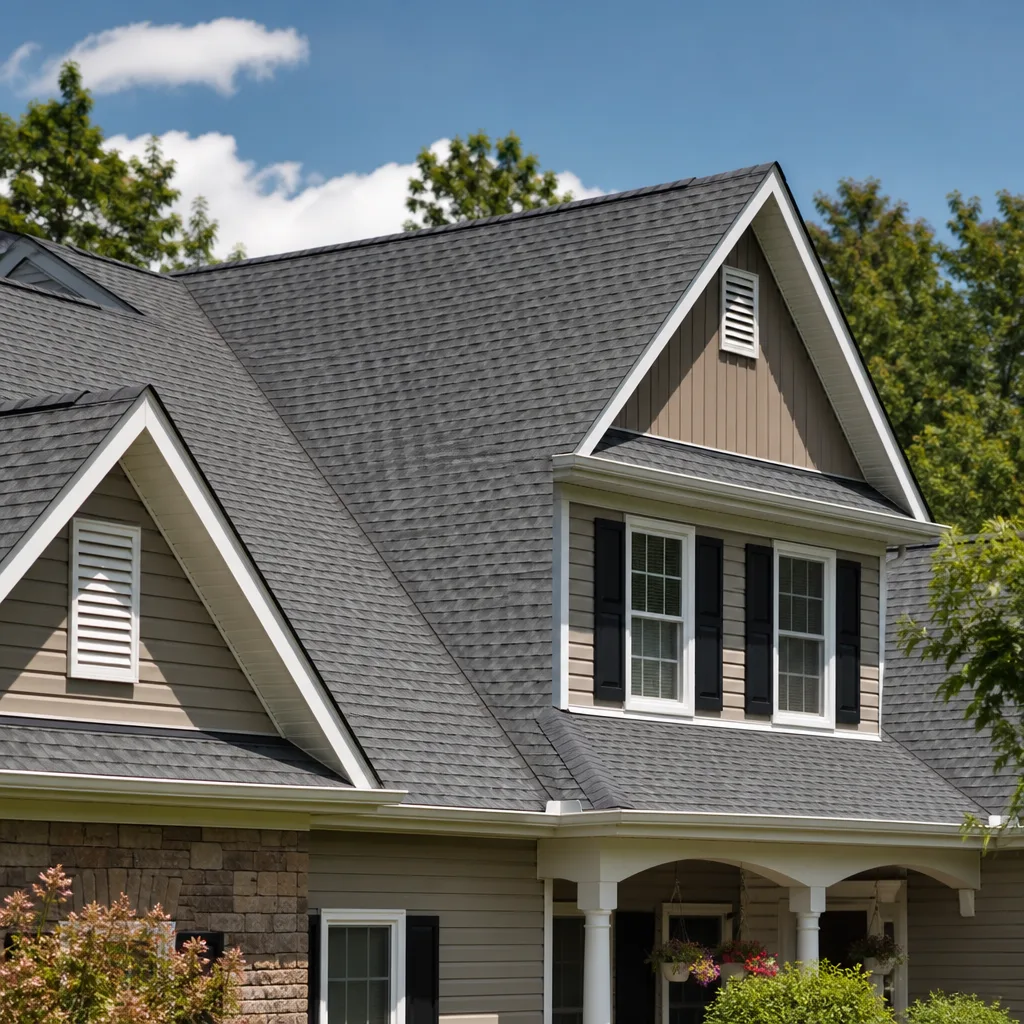
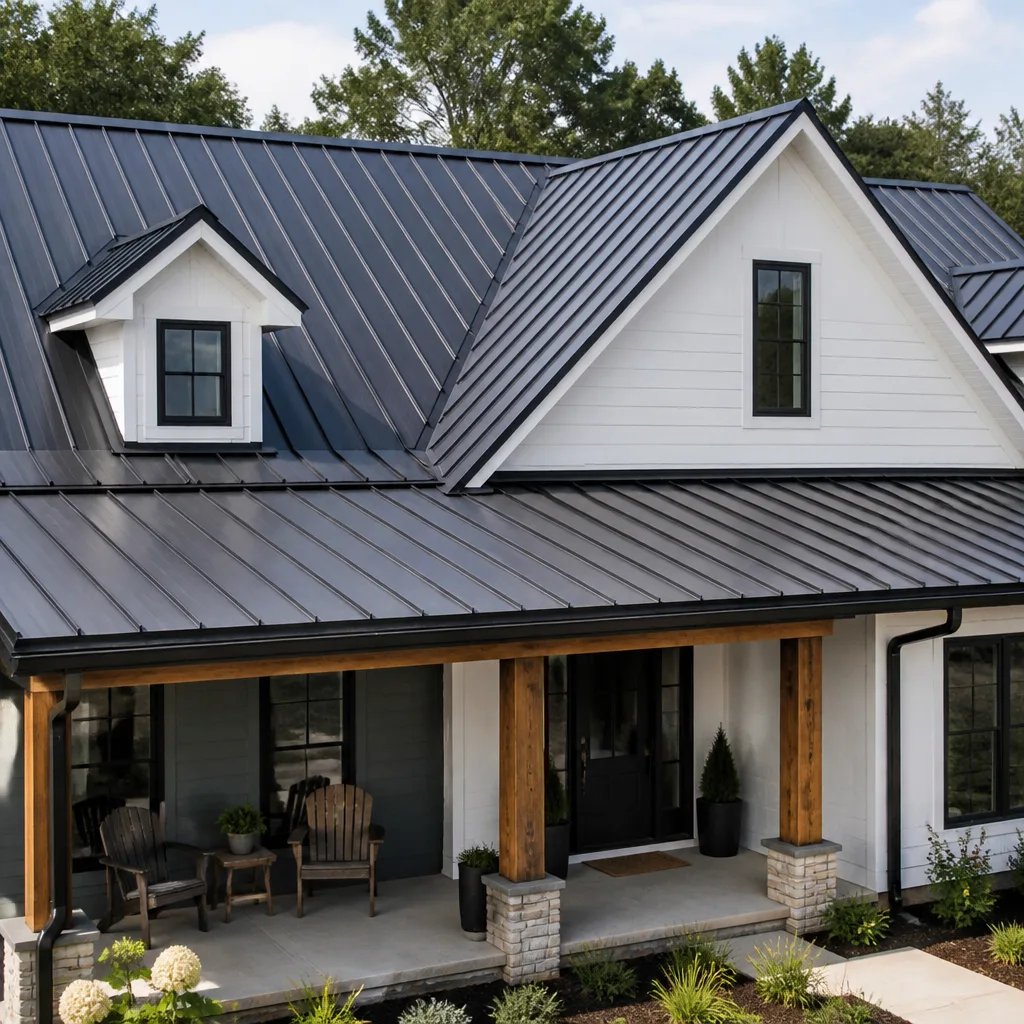
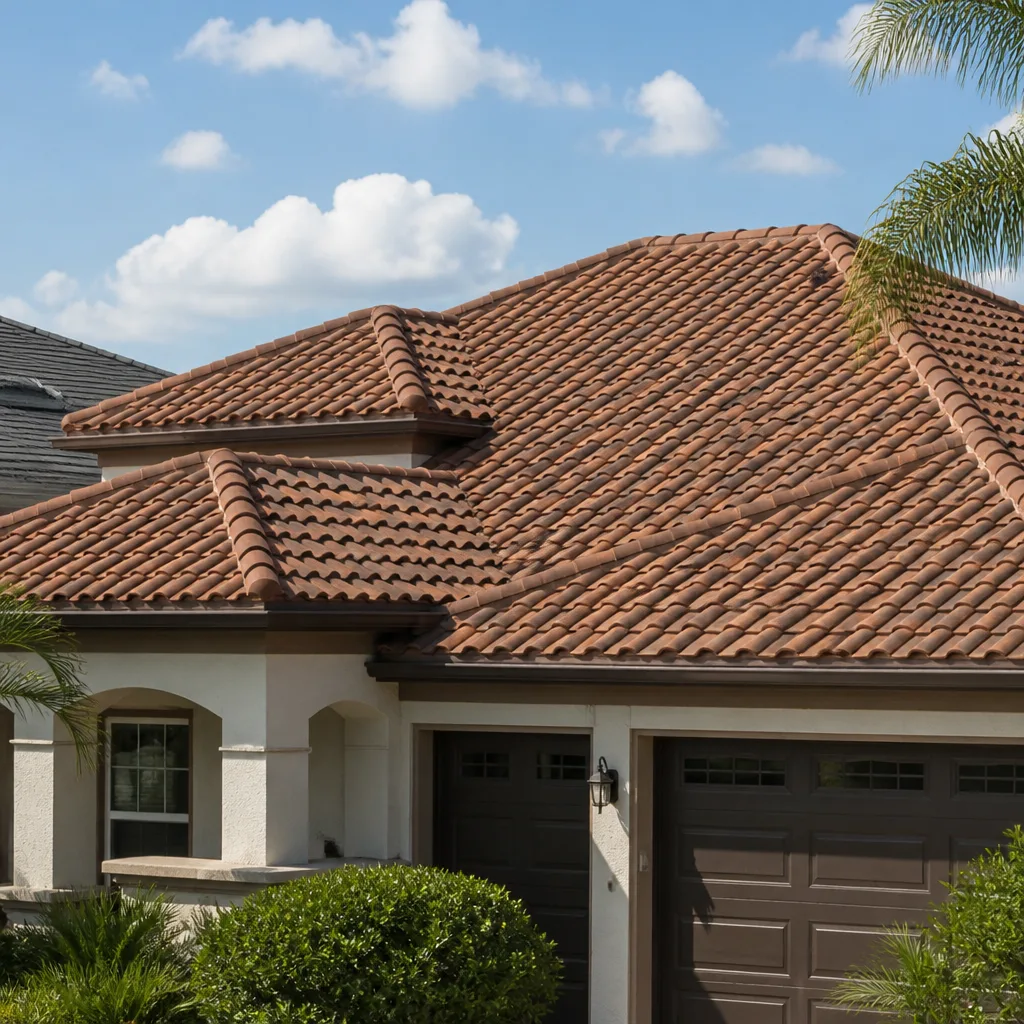
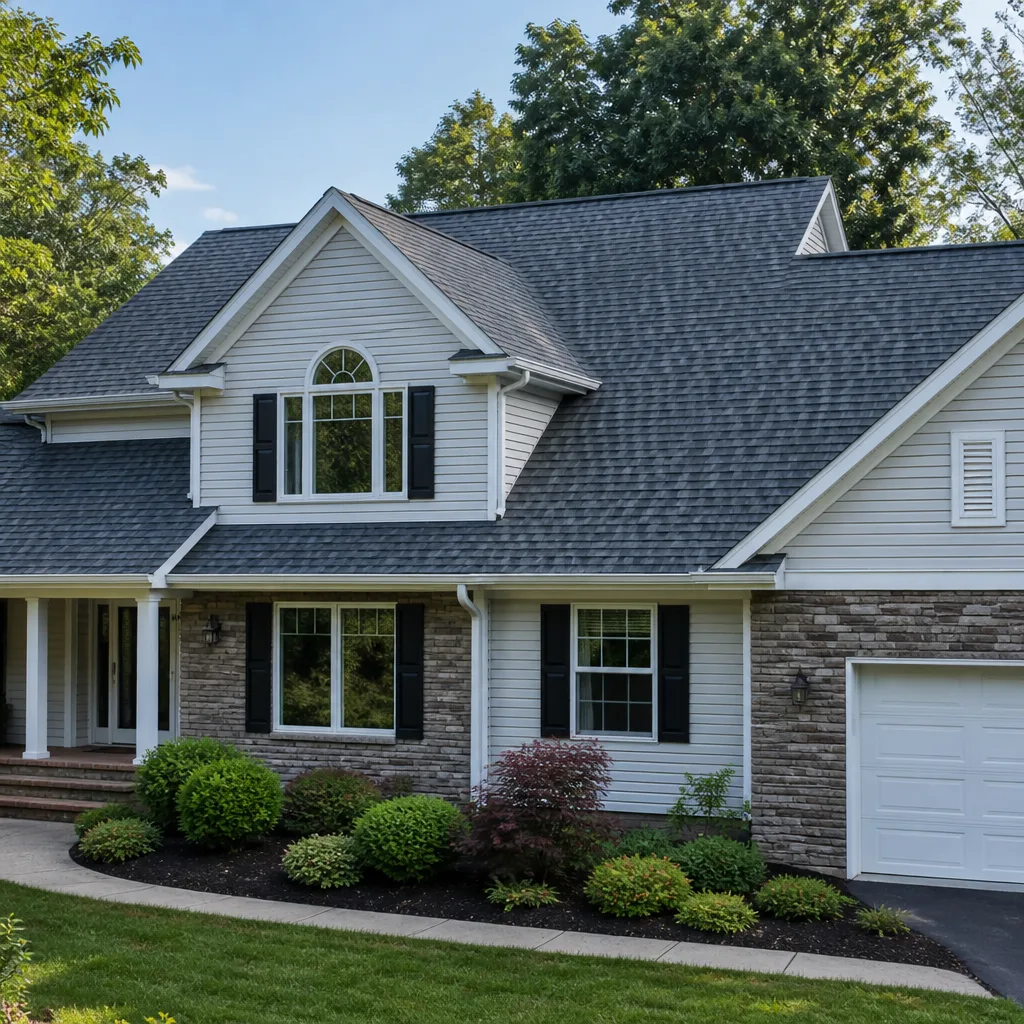
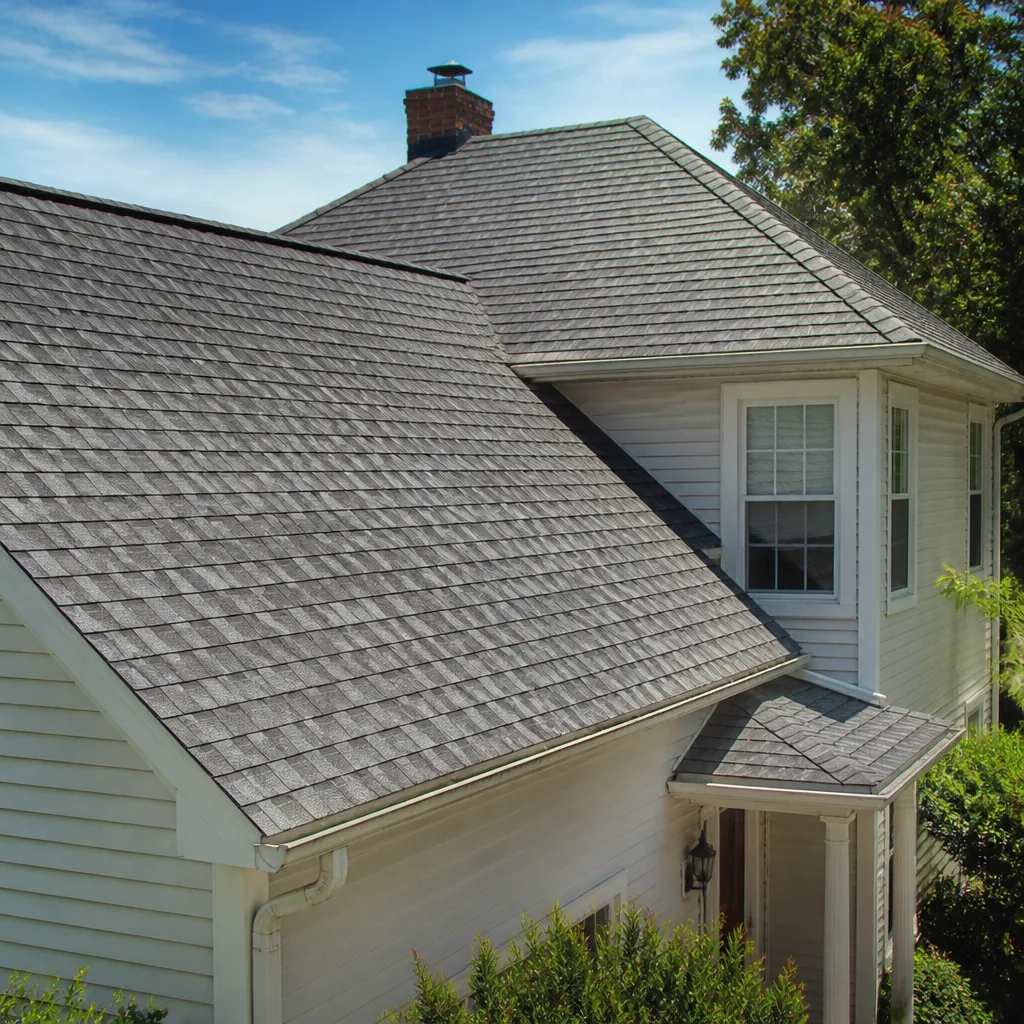
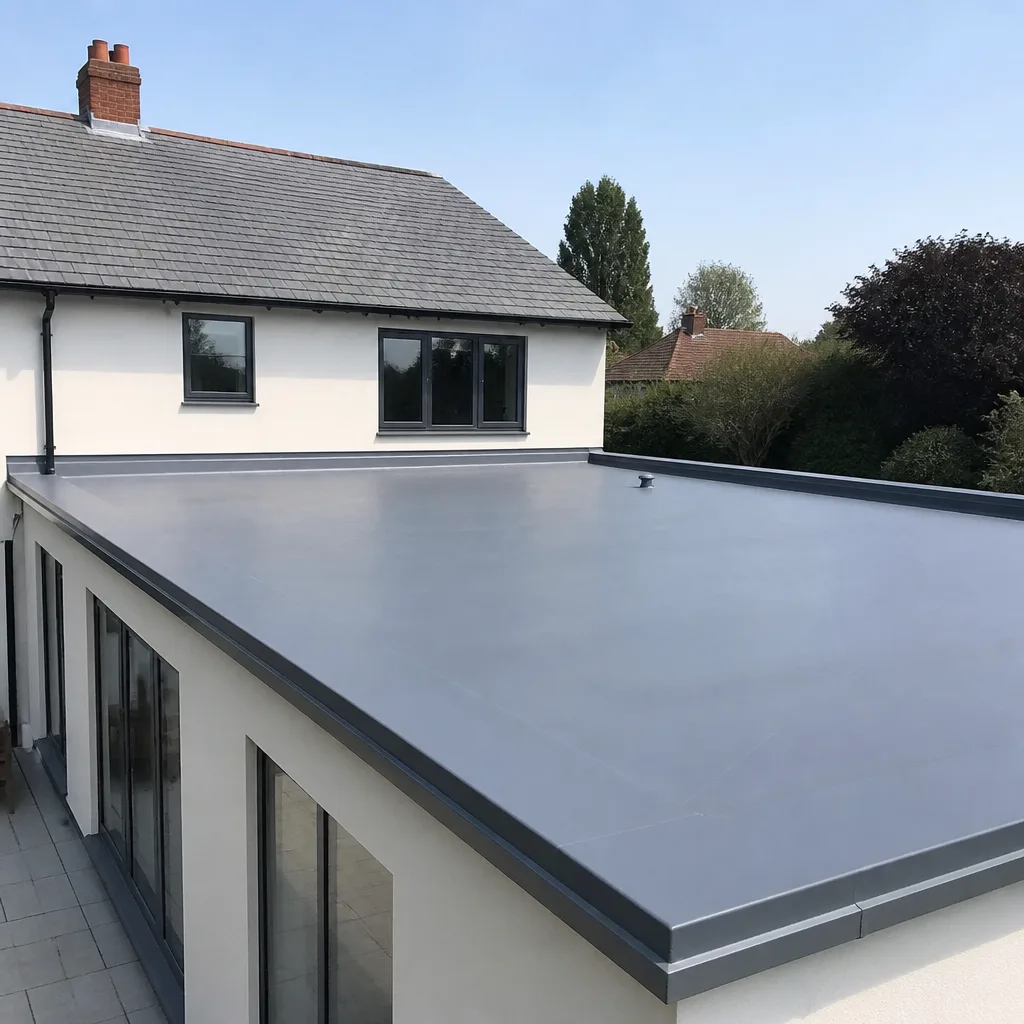
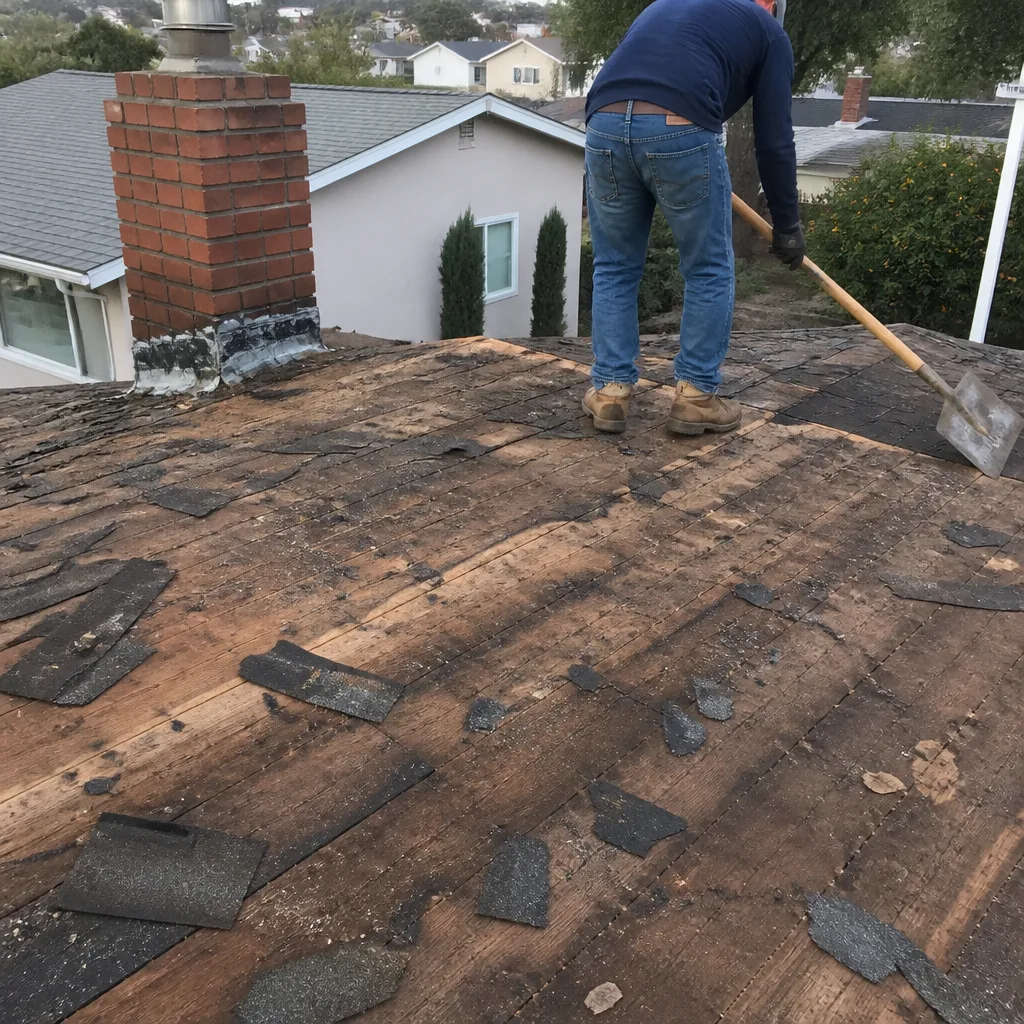 Before
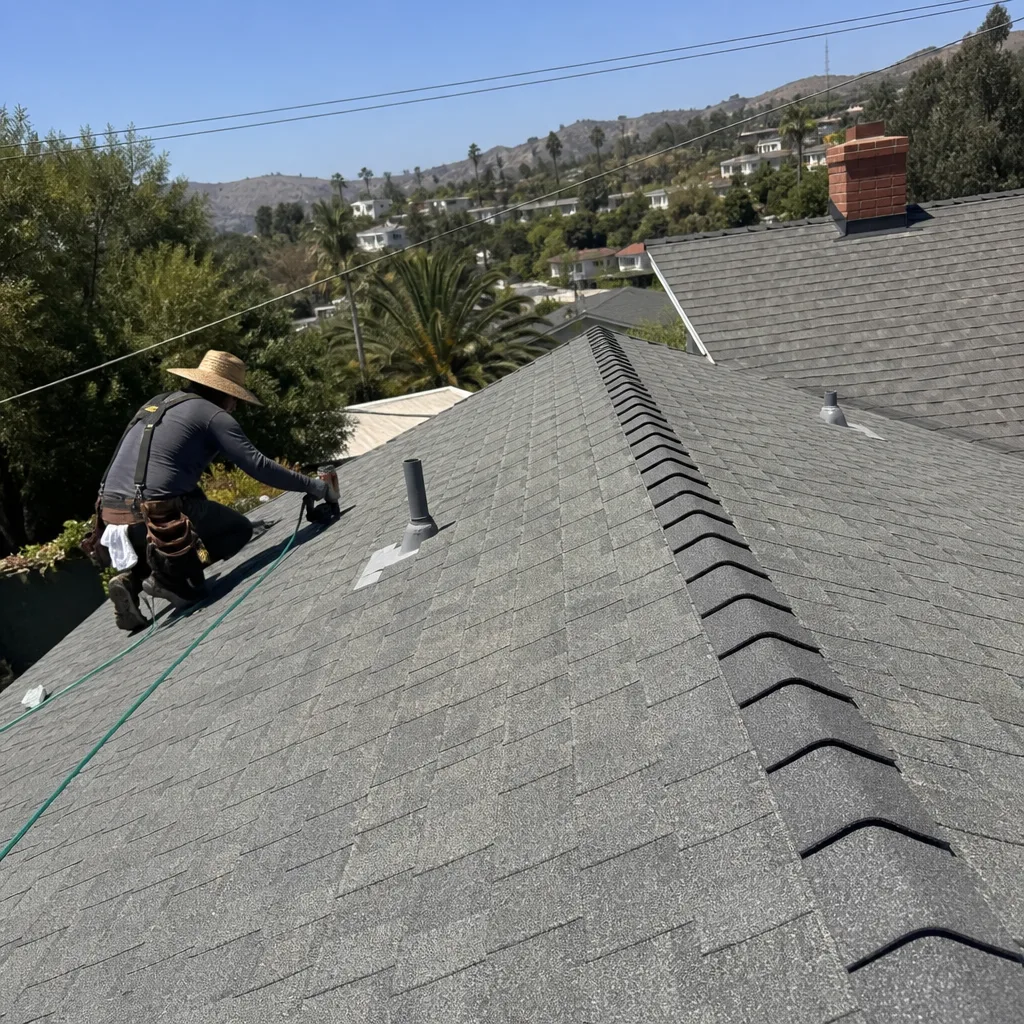 After
After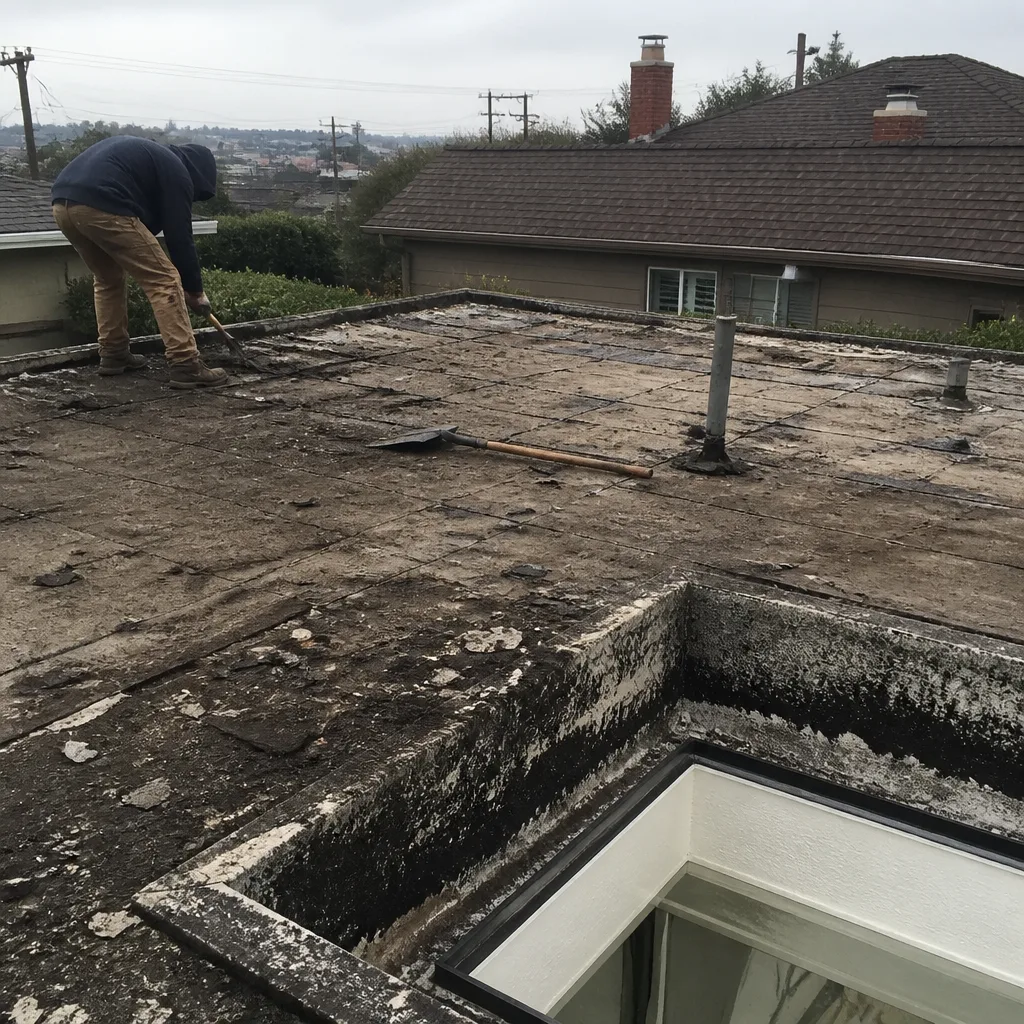 Before
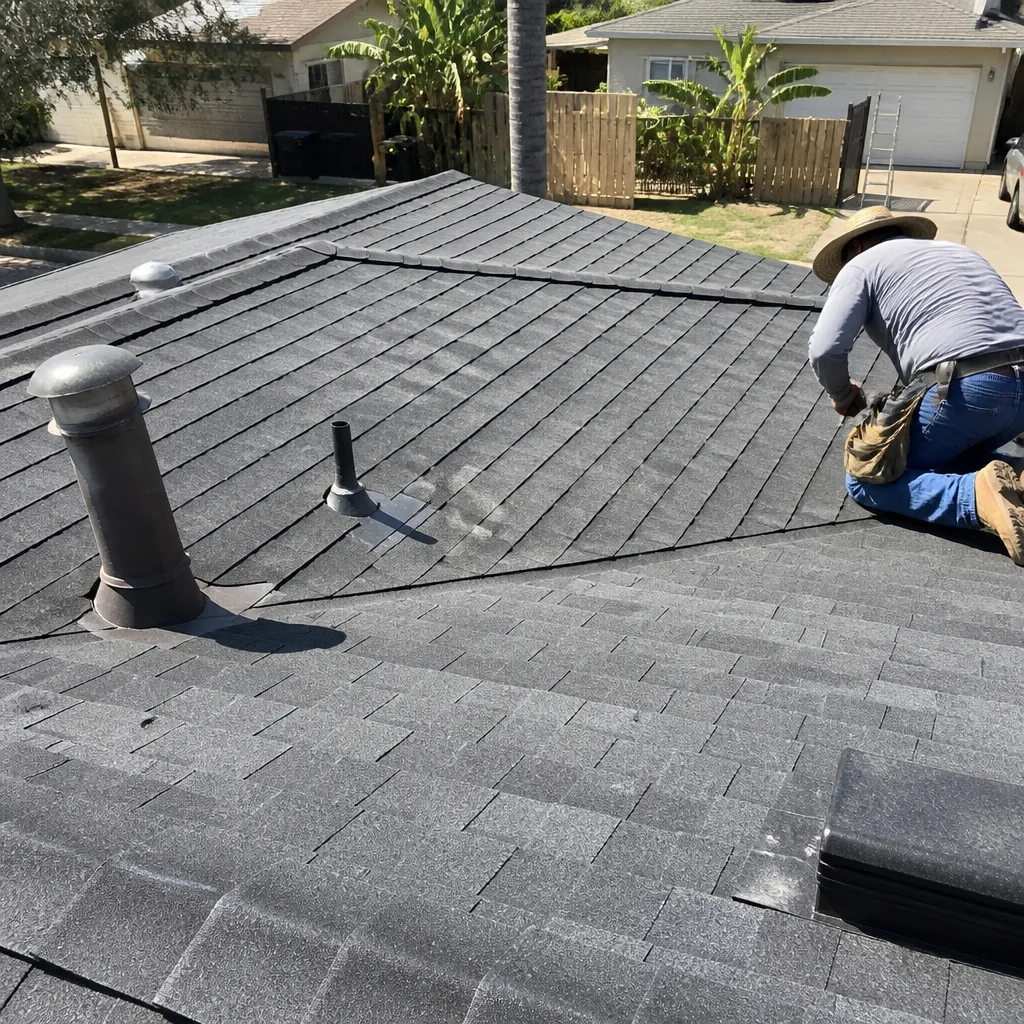 After
After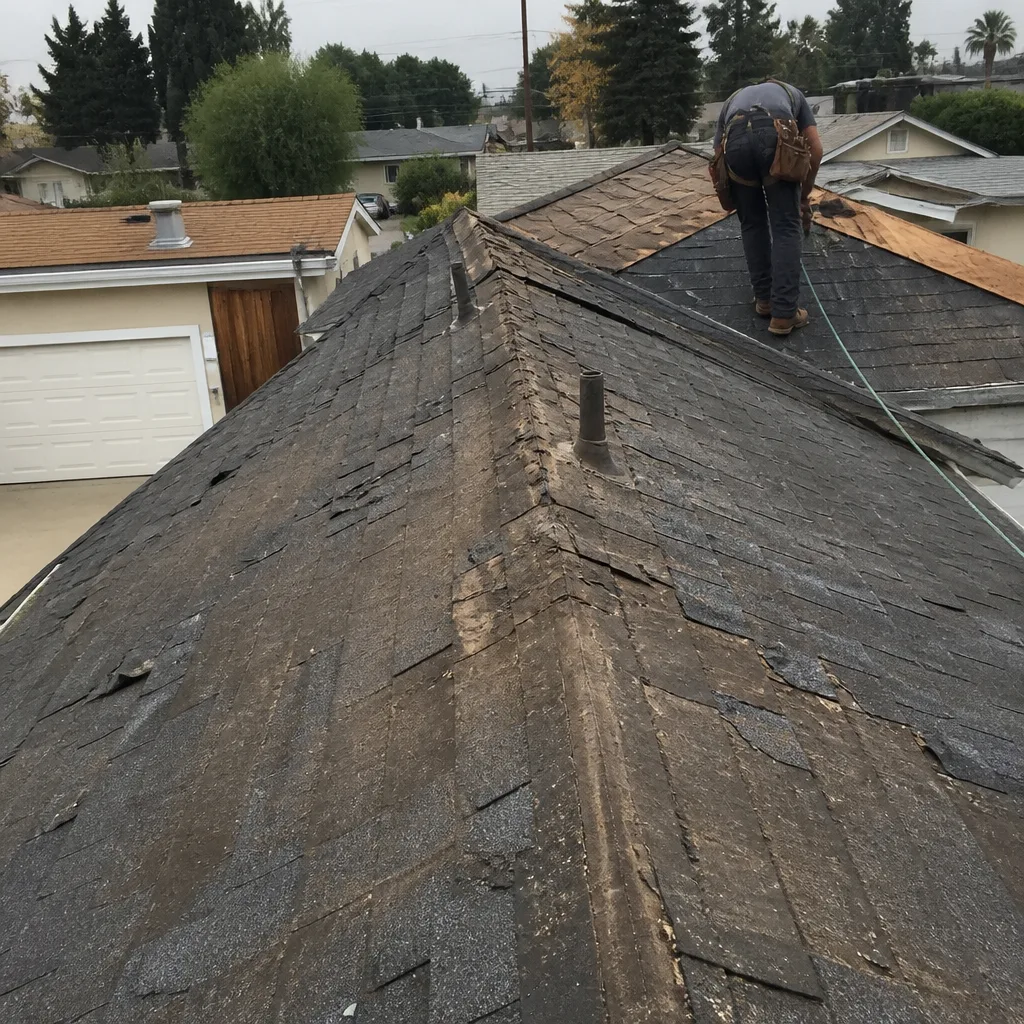 Before
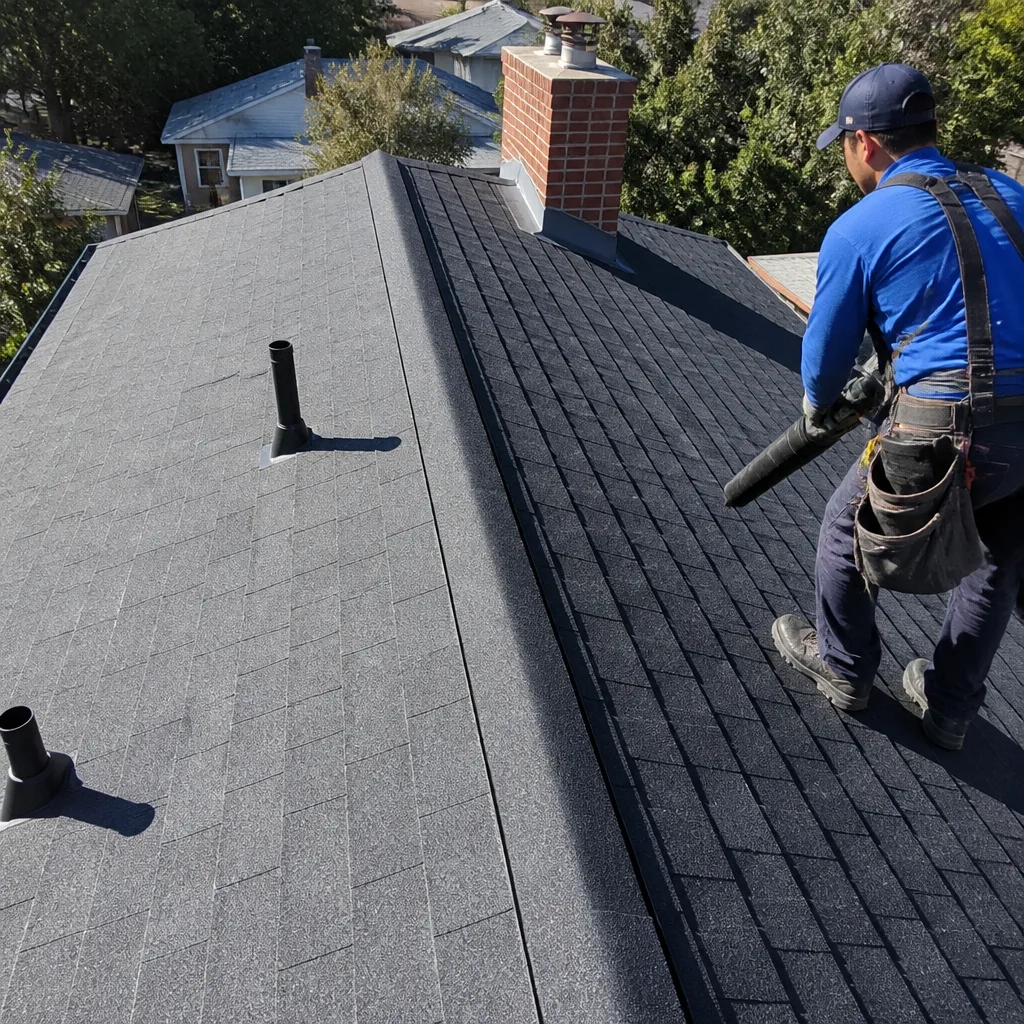 After
AfterRoof Repair Maintenance Checklist for Los Angeles Homeowners
The number-one cause of premature roof failure in Los Angeles isn’t rain – it’s deferred maintenance during the dry season, when UV radiation and heat cycling quietly crack sealants and curl shingles while homeowners assume “no leaks means no problems.” In 25 years of working on Los Angeles roofs, we’ve replaced hundreds of systems that could have lasted another decade with basic seasonal attention. This guide gives you a month-by-month Roof Repair Maintenance Schedule: What to Do and When calibrated to Southern California’s actual weather patterns, not generic national templates that assume you get Midwestern hail or Northeastern ice dams.
Quick Answer
A proper roof maintenance checklist for Los Angeles homeowners includes monthly visual checks from the ground, quarterly gutter and valley cleaning, semi-annual flashing and sealant inspections timed to the dry and wet seasons, and annual professional assessments before Santa Ana wind season. Most standard maintenance tasks take under two hours and cost nothing but time; professional inspections in Los Angeles typically run $150 – $300 and include written documentation. The critical difference from national checklists: LA’s UV exposure and thermal cycling cause slow, invisible damage that only shows up once leaks start, so proactive inspection and timely our Roof Repair services matter more than storm-response.
Table of Contents
- Why Los Angeles Roofs Fail Differently
- Month-by-Month Maintenance Calendar
- Flat vs. Pitched Roof Maintenance Differences
- Inspecting Flashing Around HVAC and Solar Penetrations
- Photographic Documentation Protocol
- Owner-Maintainable vs. Contractor-Required: Clear Thresholds
- Common Mistakes to Avoid
- When to Call a Professional
- Frequently Asked Questions
Why Los Angeles Roofs Fail Differently
Most roof maintenance guides assume water is the enemy. In Los Angeles, water is just the messenger. The real culprits are ultraviolet radiation, thermal expansion, and the long dry spells that let small problems become structural ones.
Here’s what actually happens on a typical Los Angeles roof:
- UV degradation: At 34 degrees north latitude, Los Angeles receives intense year-round solar exposure. Asphalt shingles lose protective granules; flat roof membranes develop surface crazing – a network of fine cracks that look like dried lakebed. By the time you notice granules in your gutters, the shingle’s waterproofing layer has already thinned significantly.
- Thermal cycling: Summer days hit 90°F while nights drop to 60°F. That 30-degree swing causes roofing materials to expand and contract daily. Flashing sealants – the flexible compounds that seal metal joints – fatigue fastest, typically failing first at chimney and vent transitions.
- Santa Ana wind events: These dry, high-velocity winds (60+ mph in canyon areas) lift improperly sealed shingles, drive debris into valleys, and exploit any existing weakness. We’ve seen entire ridge cap sections removed in a single October event in neighborhoods like Granada Hills and Porter Ranch.
- Debris accumulation in valleys: LA’s mix of palm fronds, eucalyptus leaves, and jacaranda pods creates dense, moisture-trapping mats. On flat roofs, this accelerates ponding; on pitched roofs, it forces water sideways under shingles.
The result: a roof can look fine from the street while harboring multiple failure points. Our Roof Repair in Los Angeles team regularly finds $2,000+ damage that started as a $15 tube of sealant applied two years too late.
Month-by-Month Maintenance Calendar
This calendar is built around Los Angeles’s actual weather patterns: minimal rain November through April, with the bulk falling December through March; peak UV May through September; Santa Ana wind season September through November.
September – November: Santa Ana Wind Preparation
- Secure or remove loose objects that could become projectiles: patio furniture, planters, loose solar panel wiring.
- Inspect ridge caps and hip shingles for lifted edges. These are the first to go in high wind.
- Clear valleys and drains of accumulated dry debris before winds compact it.
- Check attic vents for secure fastening; wind-driven ember entry is a real fire risk in brush-adjacent areas like Topanga or the Hollywood Hills.
- Document roof condition with dated photos before wind season (see protocol below).
December – March: Post-Rain Inspection
- Inspect ceilings and attic spaces after the first significant rain – anything over 0.5 inches in 24 hours.
- Check gutters and downspouts for proper flow; LA’s light, misty rains often reveal drainage problems that heavy downpours mask.
- Look for new staining on soffits or fascia boards – indicators of overflow or backflow.
- Examine flat roof drains and scuppers for blockage. Even “flat” roofs have slight pitches toward drains; standing water after 48 hours means a drainage problem, not just recent rain.
April – May: UV Damage Assessment
- Evaluate shingle condition after peak UV season. Look for curling, cupping, or bare spots where granules have worn away.
- Inspect flat roof membranes for surface cracking or seam separation.
- Check sealant condition at all penetrations – the dry winter followed by spring heating accelerates sealant failure.
June – August: Heat Management
- Verify attic ventilation is functioning. Los Angeles attics can reach 150°F; proper airflow extends shingle life and reduces cooling costs.
- Trim overhanging branches before they become shade-providing moisture traps.
- Monitor for pest intrusion – rats and squirrels seek cool attic spaces and will enlarge any small gap.
Year-Round: Monthly Ground-Level Checks
- Walk the perimeter and look up. New debris patterns, displaced shingles, or damaged vents are visible without a ladder.
- Check gutters from the ground for sagging, separation, or overflow marks.
- Note any new interior ceiling stains, even small ones.
Flat vs. Pitched Roof Maintenance Differences
Los Angeles has an unusually high proportion of both flat roofs (mid-century modern, commercial conversions, additions) and pitched roofs (Spanish tile, composition shingle, wood shake). The maintenance protocols differ significantly.
Flat Roofs: Ponding Is the Primary Enemy
Flat roofs in Los Angeles are typically built-up asphalt, modified bitumen, or single-ply membranes like TPO or PVC. None are truly flat; they’re built with subtle slopes toward drains.
- Inspect after every rain: Water should not remain pooled after 48 hours. Persistent ponding indicates either drain blockage or structural settling that has altered the designed slope.
- Check membrane seams quarterly: Heat welding (TPO/PVC) or adhesive bonds (modified bitumen) fail at seams first. Look for lifting, bubbling, or visible gaps.
- Maintain reflective coatings: Many Los Angeles flat roofs have white or aluminum reflective coatings that degrade. Reapplication every 3 – 5 years reduces thermal stress and extends membrane life. A coating job runs $1.50 – $3.00 per square foot in the Los Angeles market.
- HVAC platform integrity: Raised platforms for air handlers are common. The curb flashing – the metal transition between platform and roof – is a chronic leak point. Check for rust, separation, or missing fasteners.
Pitched Roofs: Water Shedding and Fastener Integrity
- Spanish tile: Check for cracked, slipped, or missing tiles, especially at hips and ridges. The underlayment beneath is the actual waterproofing; exposed underlayment means imminent leak. Never walk directly on tile; use a ladder and binoculars, or hire a professional with proper tile hooks.
- Composition shingle: Look for granule loss (check gutters), curling or clawing (edges turning up), and missing tabs. In Los Angeles, we see premature failure on south-facing slopes due to UV concentration – sometimes 5 – 7 years earlier than north-facing.
- Wood shake: Less common now due to fire codes, but still present in historic districts. Check for rot, splitting, and moss growth (indicates persistent moisture). Fire treatment reapplication may be required by local code.
When replacement becomes necessary, Roof Replacement in Los Angeles requires careful material selection for our specific climate. We typically recommend GAF or CertainTeed shingles with enhanced UV resistance for south-facing exposures, and Boral concrete tile for Spanish-style replacements where weight allows.
Inspecting Flashing Around HVAC and Solar Penetrations
Los Angeles has among the highest rates of rooftop HVAC and solar installations in the country. These penetrations are the most common leak sources we encounter, and they’re rarely inspected properly in generic maintenance guides.
HVAC Curb Flashing
Rooftop package units sit on curbs – raised metal frames that penetrate the roof membrane or shingles. The flashing seals this transition.
- From a safe vantage point or with binoculars, examine the metal flashing where it meets the roof surface. Look for gaps, rust, or lifted edges.
- Check the counter-flashing – the vertical piece that overlaps the base flashing and extends up the curb wall. It should form a continuous seal.
- Inspect sealant beads at all corners and terminations. In Los Angeles, these typically fail first at the uphill side where thermal expansion concentrates stress.
- Verify condensate drain lines are secured and draining properly. A disconnected drain floods the roof area and accelerates deterioration.
Safety note: Do not access a roof to inspect HVAC curbs unless you have proper fall protection and roof-walking experience. These inspections are contractor territory for most homeowners.
Solar Panel Penetrations
Solar mounting systems create multiple roof penetrations – typically lag bolts through shingles or membrane into rafters, with flashing boots or sealant to waterproof.
- Ground-level inspection: Look for lifted shingles around panel edges, visible gaps, or displaced flashing.
- Attic inspection: If accessible, examine the underside of penetrations for water staining or daylight visible around bolt holes.
- Monitor inverter performance: Electrical issues sometimes correlate with moisture intrusion at DC conduit entries.
- Document any changes since installation – panel shifting, visible hardware changes, or new stains.
Critical threshold: any visible gap around a solar penetration warrants professional inspection within one week. Water follows paths of least resistance, and solar arrays create extensive damming that concentrates flow at penetration points.
Photographic Documentation Protocol
A dated photo record serves two purposes: it supports insurance claims when damage occurs, and it creates accountability when you hire contractors. We’ve seen too many Los Angeles homeowners unable to prove pre-existing condition or document shoddy repair work.
Building Your Record
- Establish baseline photos annually, ideally in October before Santa Ana season. Take wide shots of each roof face, plus close-ups of all penetrations, valleys, and problem areas.
- Use consistent vantage points. Stand at the same spot in your yard each year. This makes year-over-year comparison immediate and obvious.
- Include a date reference in each photo. A newspaper, phone screen showing date, or printed date card. Metadata timestamps are easily altered; visual proof is not.
- Photograph any work performed, whether DIY or professional. Before, during, and after. Store these in a dedicated cloud folder, not just on your phone.
- Document contractor documentation. Photo their written quote, their license, their insurance certificate. In Los Angeles, unlicensed roofing work voids most manufacturer warranties.
What to Capture After Storms or Wind Events
- Wide shots of entire roof from multiple angles
- Close-ups of any visible damage with scale reference (ruler, coin, hand)
- Interior damage: stains, drips, damaged belongings
- Fallen debris that impacted the roof
- Neighboring damage for context
Insurance adjusters in Los Angeles see thousands of claims. A well-organized photo record with clear dates and progression speeds processing and improves outcomes.
Owner-Maintainable vs. Contractor-Required: Clear Thresholds
Knowing what you can safely handle saves money. Knowing when to stop prevents injury and bigger bills. For Roof Repair Troubleshooting: Common Problems and How to Fix Them, here’s where we draw the line based on 25 years of seeing DIY attempts go wrong.
Owner-Maintainable (With Proper Equipment)
- Gutter cleaning: From a stable ladder, with a spotter, using proper tools. Never lean gutters; they’re not structural.
- Ground-level debris removal: Long-handled roof rakes for light leaf accumulation. Don’t pull toward yourself with force.
- Caulk gun sealant application at accessible pipe boots: Only if you can reach safely from a ladder, never from the roof surface. Use polyurethane roof sealant, not silicone (silicone doesn’t adhere to asphalt).
- Attic visual inspection: Look for daylight through the roof deck, water stains, or compressed insulation indicating past leaks.
Contractor-Required: Same Week
- Any flashing repair or replacement: Improper flashing installation causes more leaks than age. This requires knowledge of overlap sequences and proper materials.
- Shingle replacement on slopes over 4:12 pitch: Falls from residential roofs are a leading cause of homeowner injury. The savings aren’t worth the risk.
- Any work within 10 feet of electrical service entry: Contact with 240V service is potentially fatal. This is non-negotiable.
- Flat roof membrane repair: Proper welding or adhesive application requires equipment and training. Patch kits from hardware stores fail within months in LA heat.
- Structural sagging or deck deflection: Indicates rafter or sheathing failure. This is structural, not cosmetic.
Contractor-Required: Emergency (Within 24 – 48 Hours)
- Active leak with visible water entry
- Multiple missing or displaced shingles after wind
- Visible holes or penetrations in roof deck
- Sagging ceiling or bubbling paint indicating trapped water
For any of these scenarios, Crestview Roofing home provides written estimates before work begins, with live trackable arrival times so you’re not waiting on a four-hour window.
Common Mistakes to Avoid
- Assuming “no leak” means “no problem.” In Los Angeles, a roof can be structurally compromised for months before water shows inside. By the time you see a stain, decking may be rotted and insulation contaminated.
- Pressure-washing shingles or tile. This strips protective granules from shingles and forces water under tile. We’ve replaced roofs that failed five years early due to one “cleaning.”
- Ignoring flat roof drains. Homeowners focus on visible surfaces while drains clog with palm debris. A blocked drain on a 1,500 square foot flat roof can create thousands of pounds of standing water load.
- Using interior caulk for roof repairs. Siliconized acrylic and painter’s caulk degrade in UV within weeks. Roof repairs require specific polyurethane or butyl-based sealants rated for exterior exposure.
- Walking on tile roofs without proper equipment. Spanish and concrete tile crack under concentrated weight. A single cracked tile creates a leak path that may not show for months. Hire professionals with tile hooks and walk boards.
- Skipping permits for “minor” repairs. Los Angeles requires permits for roof sheathing repair over 100 square feet and any structural modification. Unpermitted work complicates future sales and insurance claims.
- Waiting for “the rainy season” to inspect. By December, any damage from summer UV is already done. Inspections in October catch problems before they’re tested by actual water.
When to Call a Professional
Call a licensed roofing contractor when you find any contractor-required condition listed above, when your roof is over 15 years old and hasn’t had a professional inspection in two years, or when you’re planning to sell and need documentation of roof condition. In Los Angeles, where disclosure requirements are strict, a professional inspection report protects sellers from post-sale liability.
Crestview Roofing offers free estimates in Los Angeles – call (325) 246-5075. Every estimate includes a written price before any work starts, before-and-after photo documentation, and our 365-Day Done Right Promise covering every repair. You can also explore Roof Installation in Los Angeles if inspection reveals your system is beyond cost-effective repair.
Frequently Asked Questions
Professional roof inspections in Los Angeles typically range from $150 to $300 for residential properties, with some contractors applying this fee toward subsequent repair work. The inspection should include written documentation of findings, photos, and clear recommendations with priority rankings. Call (325) 246-5075 for an exact quote – estimates are free.
Perform ground-level visual checks monthly, conduct detailed seasonal inspections four times per year using the calendar above, and hire a professional for a comprehensive evaluation every two to three years – annually if your roof is over 15 years old or has had previous repairs. Los Angeles’s UV exposure and thermal cycling make more frequent professional assessment worthwhile than national averages suggest.
Homeowners can safely handle gutter cleaning, ground-level debris removal, and attic visual inspections with proper equipment. Any work requiring roof access, flashing repair, or shingle replacement should be performed by a licensed contractor with proper insurance and fall protection. Falls from residential roofs cause serious injury annually; the cost savings rarely justify the risk.
Deferring maintenance during the long dry season, assuming mild weather means nothing is wrong. UV radiation and daily thermal cycling cause cumulative damage that only becomes visible once leaks start – at which point repair costs multiply. The October inspection, before Santa Ana winds and winter rains, is the most important maintenance action for Los Angeles homeowners.
At Crestview Roofing, the written price delivered before work begins is the price on the invoice – no exceptions. This is part of The Relay Visibility Guarantee. If hidden damage is discovered during repair, we document it with photos, explain the finding, and provide a supplemental written quote before any additional work proceeds. You approve every dollar.
Most standard repairs – shingle replacement, flashing reseal, minor leak remediation – are completed in a single day. Larger repairs involving decking replacement or multiple penetrations may extend to two days. We provide a specific timeline in every written estimate, and our live trackable arrival time means you know exactly when our background-checked, uniformed technician will arrive.
The Bottom Line
Los Angeles roofs fail slowly and silently, betrayed by UV and heat rather than dramatic storms. A disciplined maintenance calendar – Santa Ana prep in fall, post-rain inspection in winter, UV assessment in spring, heat management in summer – catches problems while they’re still inexpensive to fix. Document everything with dated photos. Know your limits and call a professional for anything involving roof access, flashing, or structural concerns, and explore more guides & resources to stay informed. The cost of prevention is always lower than the cost of remediation, and in our climate, the window between “preventable” and “emergency” closes faster than most homeowners expect.
Written by Dylan Pace, Owner at Crestview Roofing, serving Los Angeles since 2000.