
Last updated October 10, 2026
Free roof inspection with deck photos before we talk money - GAF and Owens Corning certified installation
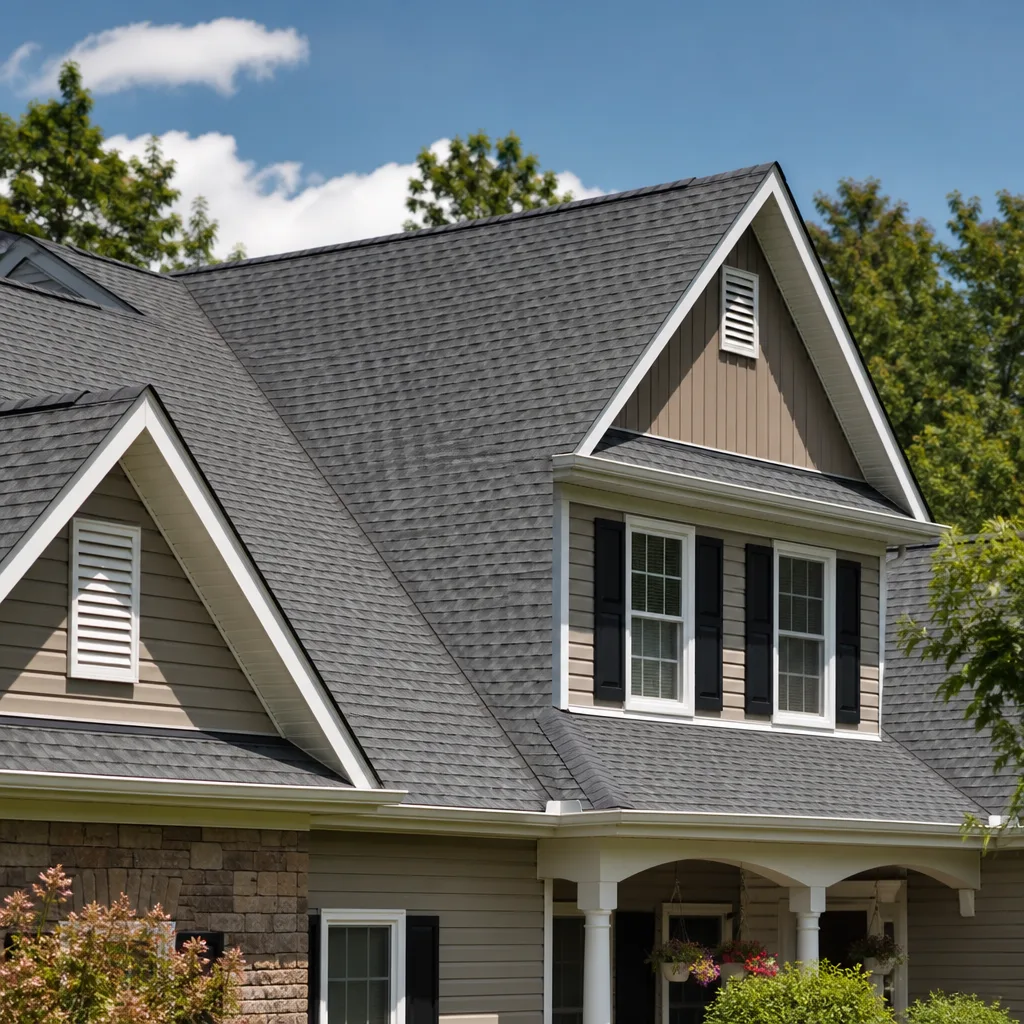
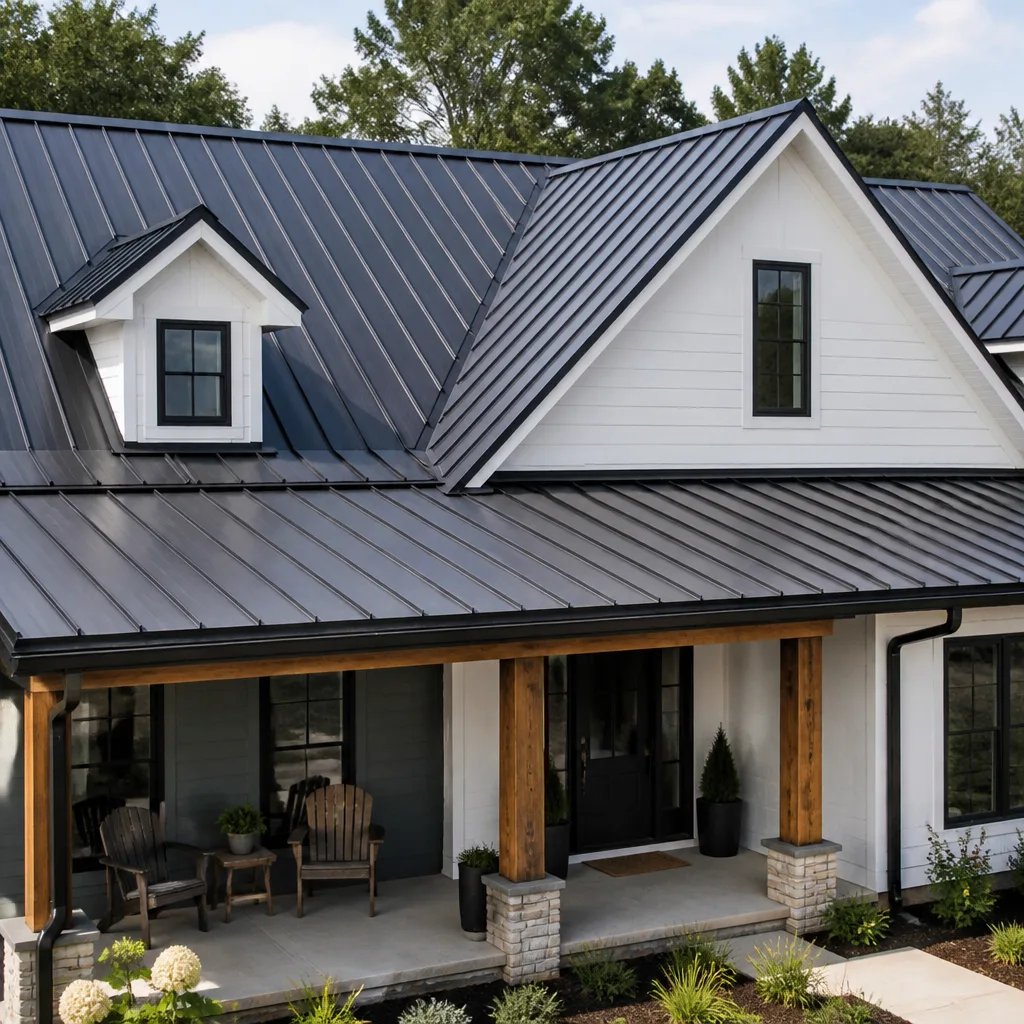
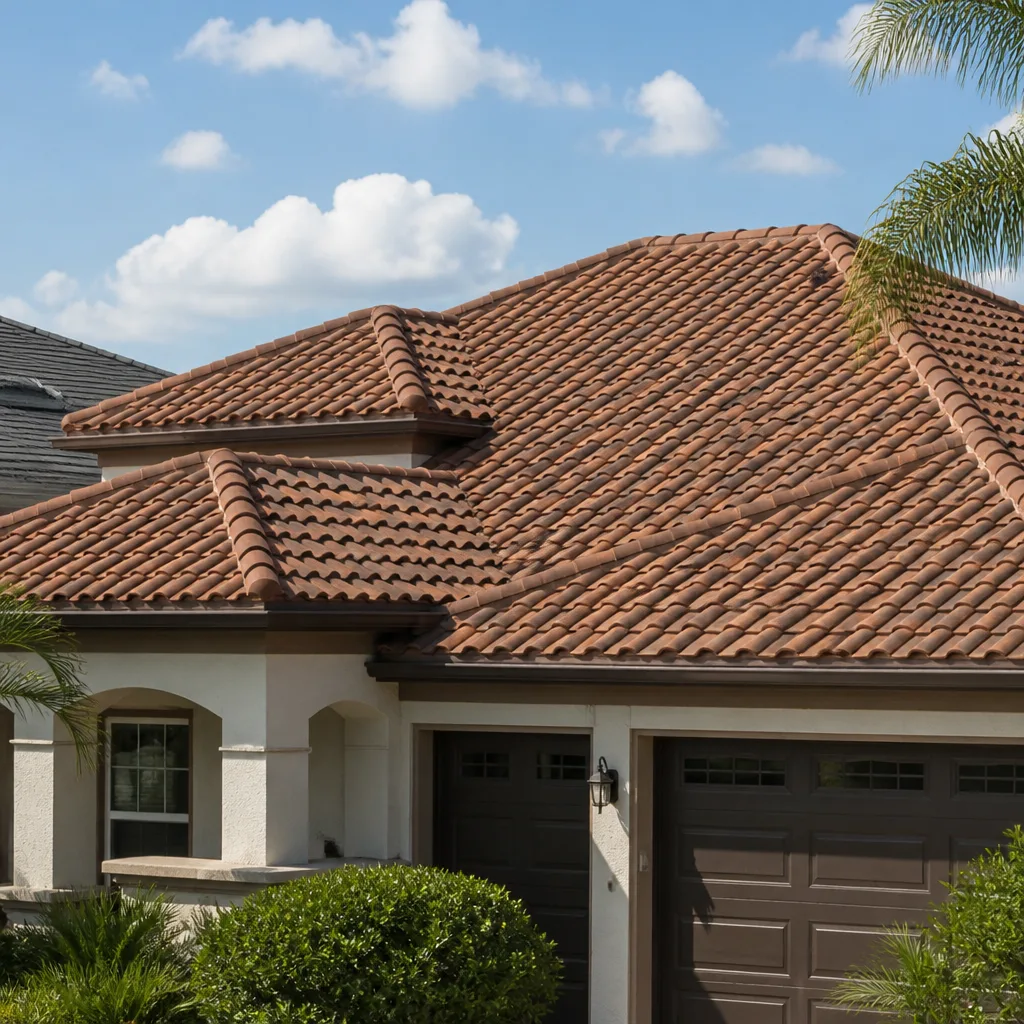
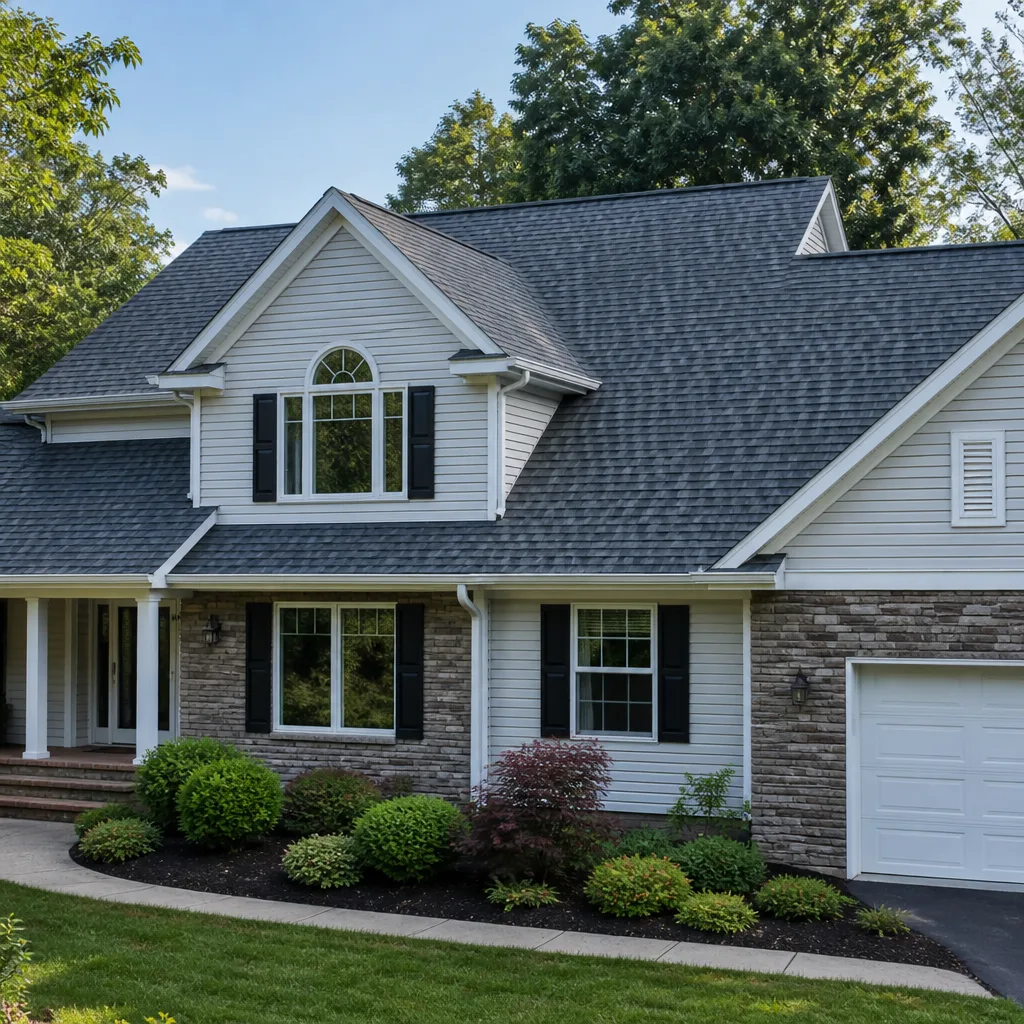
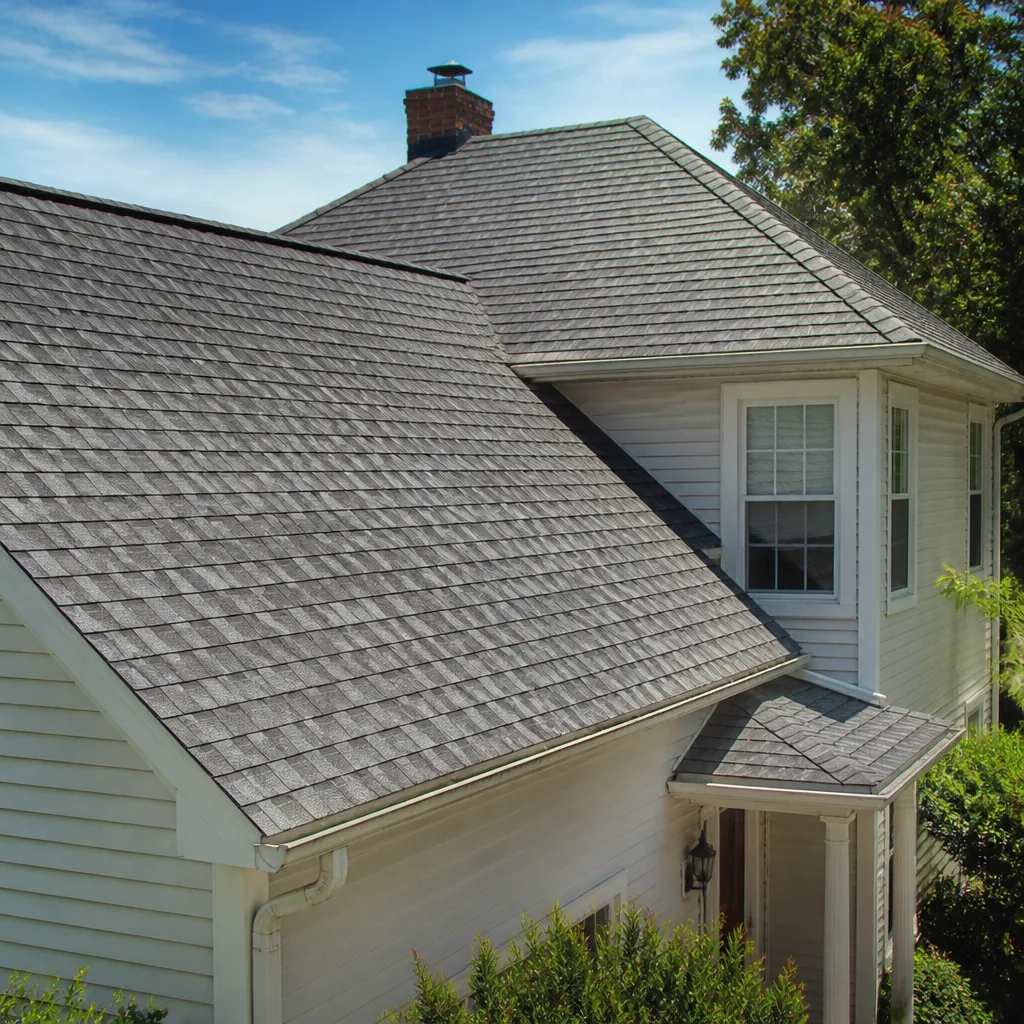
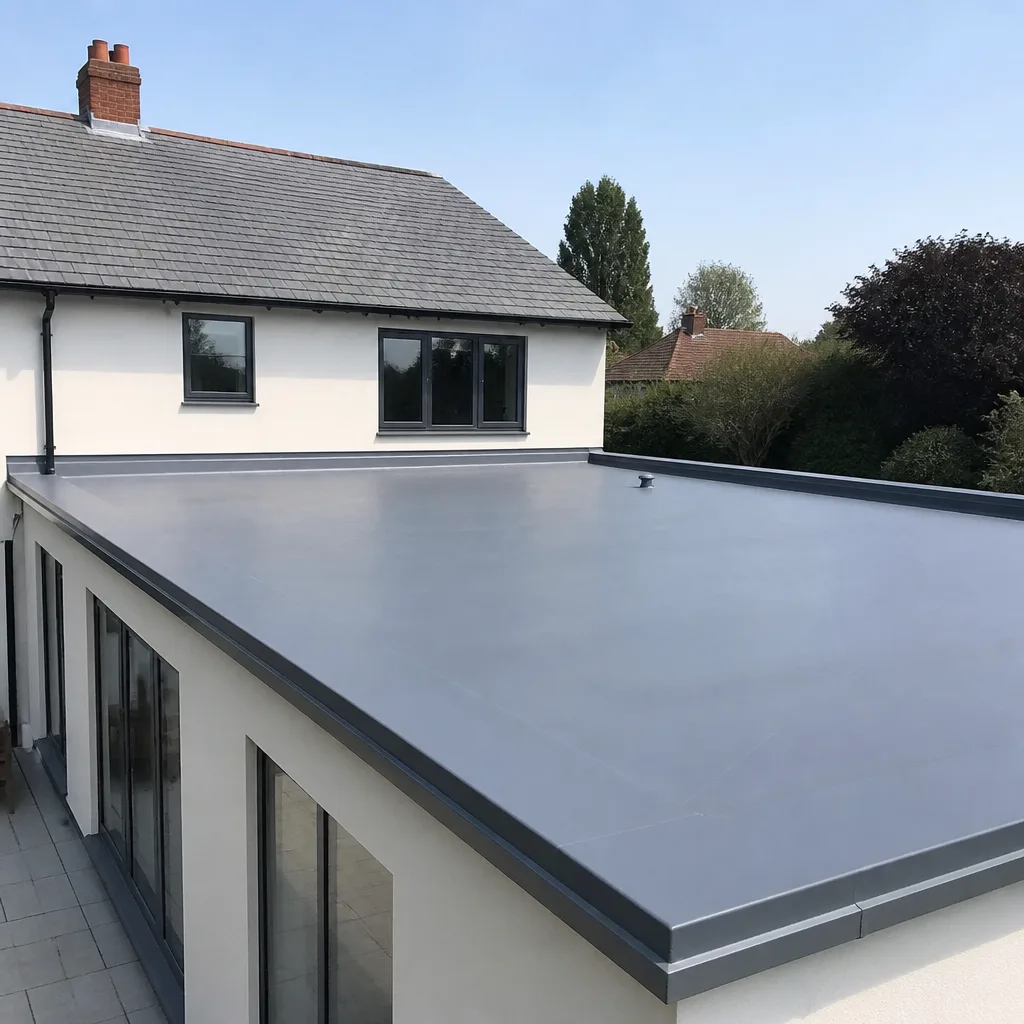
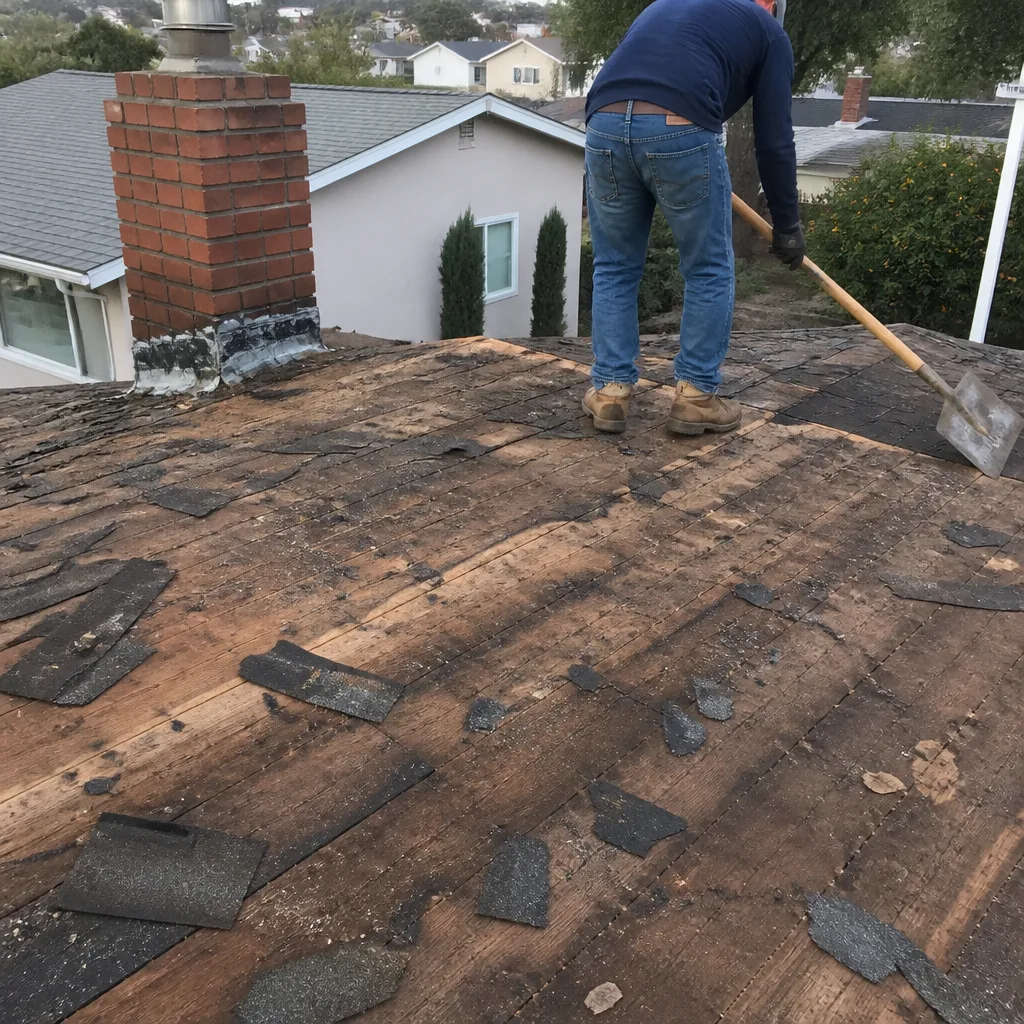 Before
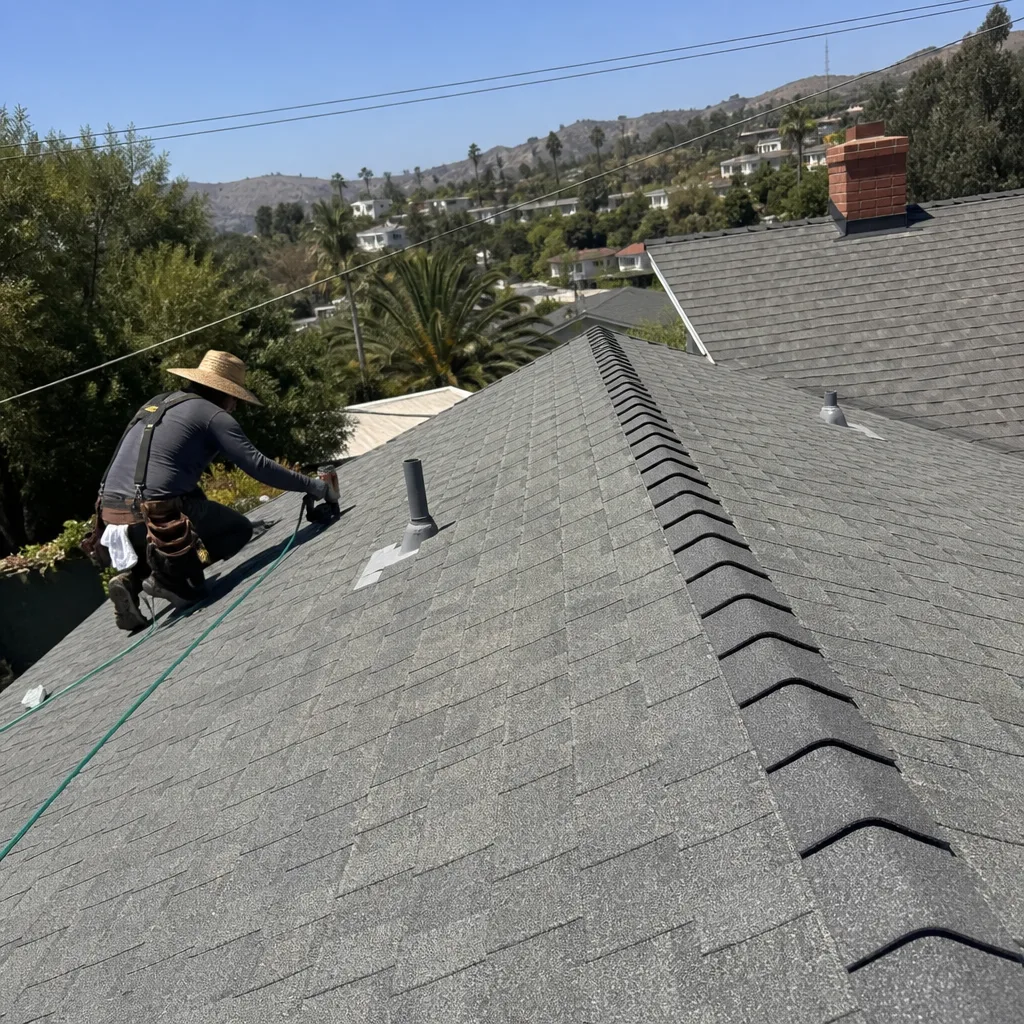 After
After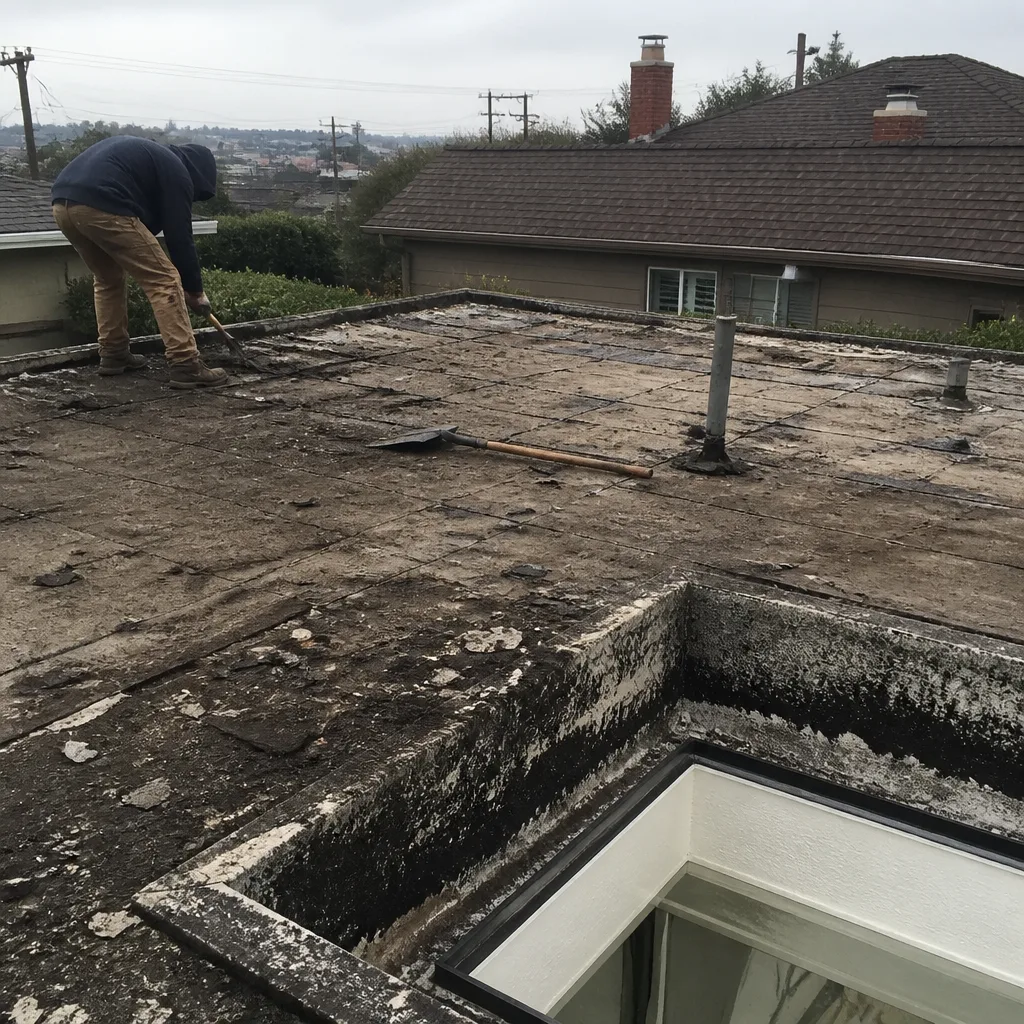 Before
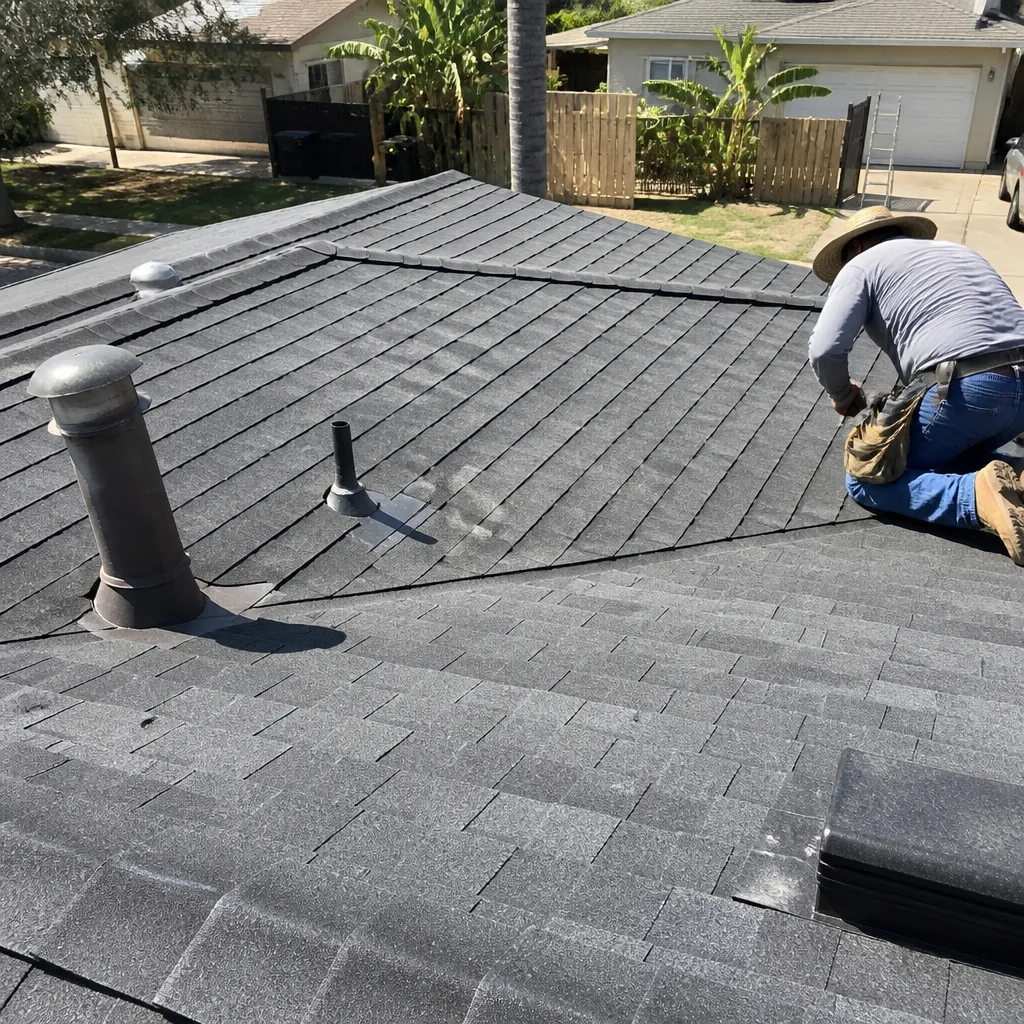 After
After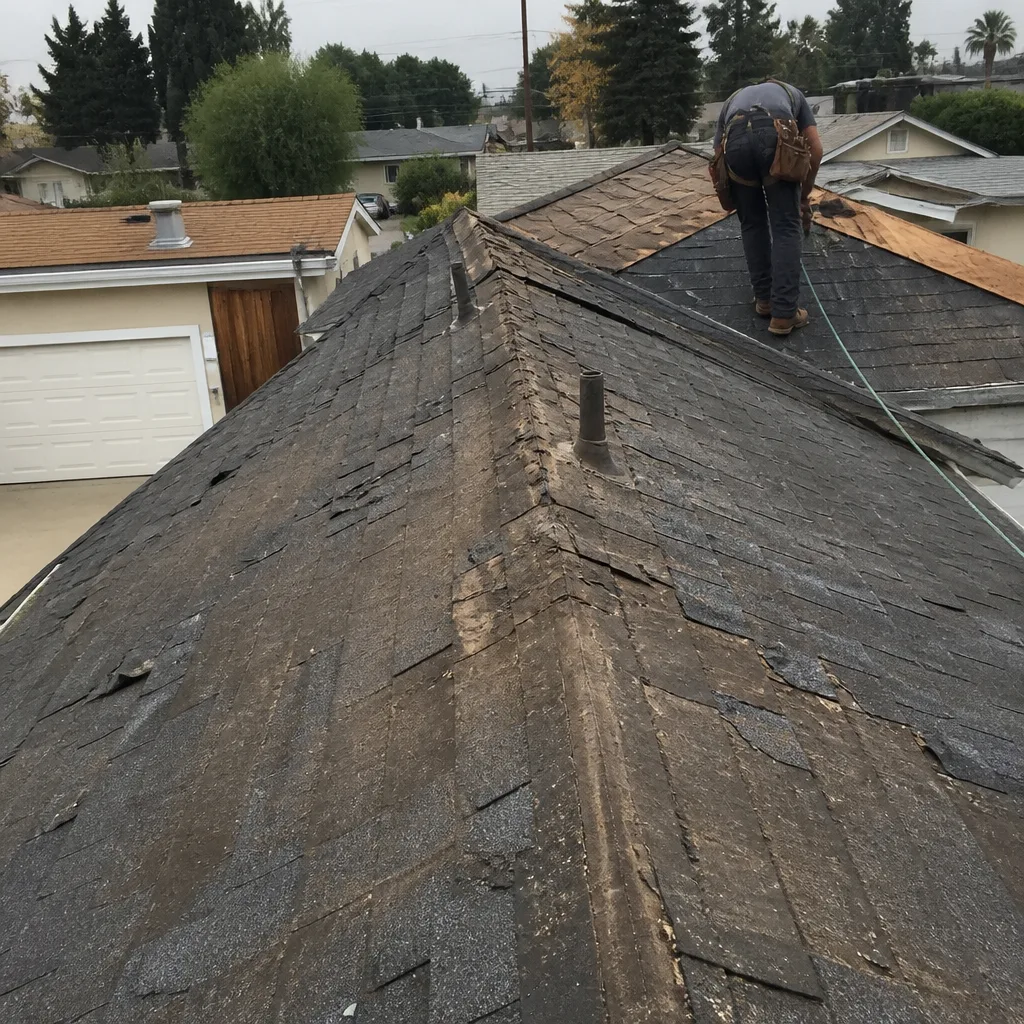 Before
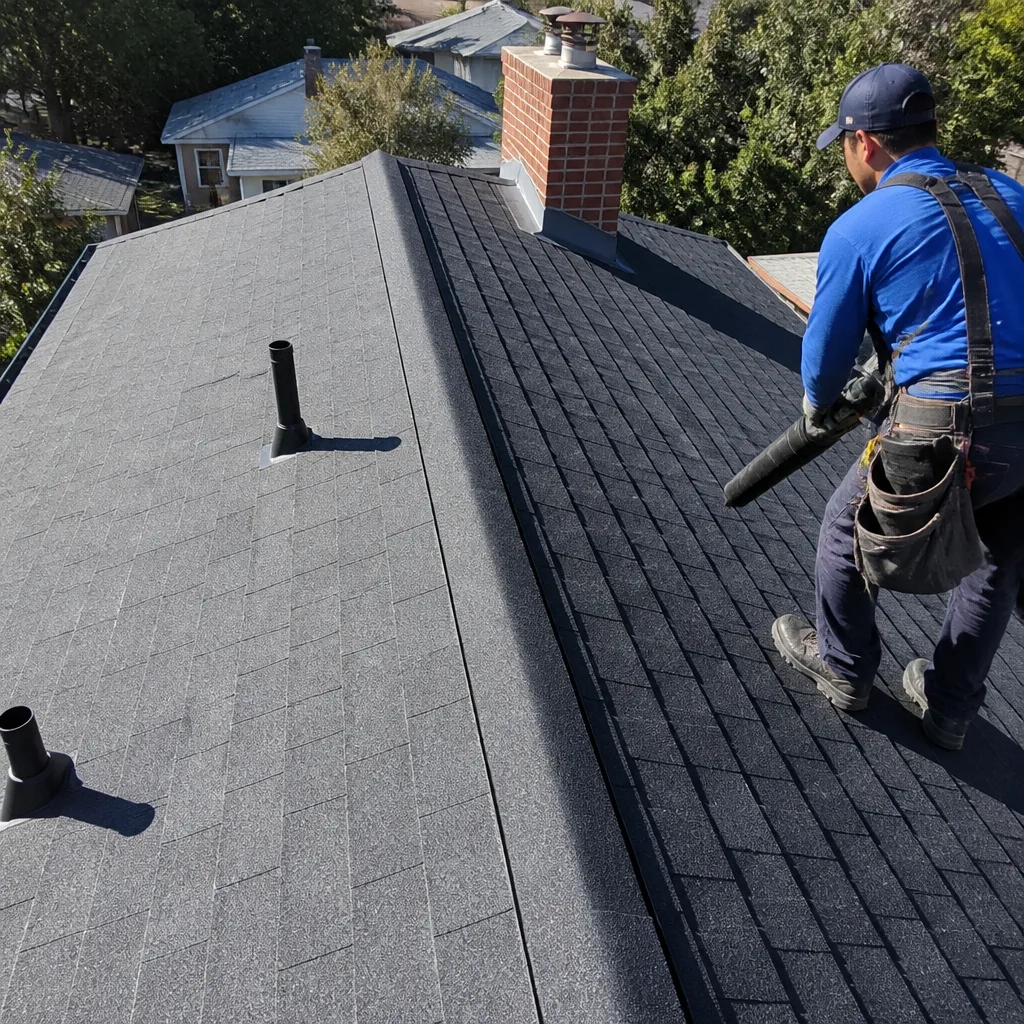 After
AfterRoof Installation Maintenance Schedule: What to Do and When
GAF’s Lifetime Limited Warranty contains a clause most homeowners in Los Angeles never notice: “failure to maintain” can void coverage even on a roof that’s only two years old. We’ve pulled shingles off homes in Silver Lake and Studio City where the warranty was worthless because no one kept a maintenance log. A new roof doesn’t start a zero-maintenance clock – it starts a specific inspection rhythm built around Los Angeles weather patterns, not generic Roof Installation Warning Signs Every Homeowner Should Know from manufacturers in Minnesota. This guide maps exactly what to do, when to do it, and how to document it so your warranty stays intact and your roof hits its full lifespan.
Quick Answer
A proper roof installation maintenance schedule means professional inspections twice yearly in Los Angeles – October before the rainy season and April after it ends – plus monthly ground-level checks you do yourself. Document everything in a maintenance log with photos and dates; this protects your manufacturer warranty and adds measurable resale value. Skip either inspection window, and you risk voiding coverage from GAF, CertainTeed, or Owens Corning even on a relatively new roof.
Table of Contents
- Why Your Warranty Depends on Maintenance
- The Los Angeles Seasonal Rhythm: October and April
- The 15-Minute Monthly Self-Inspection
- What a Professional Maintenance Visit Should Include
- LA Vegetation Risks: Eucalyptus, Palm, and Jacaranda
- Building a Maintenance Log That Protects Your Investment
- What Maintenance Costs in the Los Angeles Market
- Common Mistakes to Avoid
- When to Call a Professional
- Frequently Asked Questions
Why Your Warranty Depends on Maintenance
Manufacturer warranties for asphalt shingles – the most common roof type we install across Los Angeles – are not unconditional promises. GAF’s Golden Pledge and System Plus warranties, CertainTeed’s SureStart Plus, and Owens Corning’s Platinum Protection all include maintenance clauses that shift responsibility to the homeowner after installation. The language varies slightly, but the intent is identical: the manufacturer covers material defects, not damage caused by neglect.
Here’s what “neglect” actually means in warranty terms:
- Failure to remove accumulated debris within 60 days
- Allowing gutters to back up and saturate fascia boards
- Ignoring lifted or missing shingles after Santa Ana wind events
- Not addressing moss or algae growth that lifts shingle edges
- Skipping documented inspections for more than 18 consecutive months
We’ve handled warranty claims in Los Angeles where GAF denied coverage because the homeowner couldn’t produce a single maintenance record in four years. The shingles had a legitimate manufacturing defect – premature granule loss visible across the entire slope – but without documentation, the homeowner paid full replacement cost out of pocket. That was a $24,000 lesson in paperwork.
The 365-Day Done Right Promise we offer at Crestview Roofing covers our workmanship specifically. Manufacturer warranties cover materials. These are separate protections, and both require your active participation to remain valid.
The Los Angeles Seasonal Rhythm: October and April
Generic maintenance guides suggest “spring and fall” inspections. In Los Angeles, that advice misses our actual weather pattern. Our rainy season runs roughly November through March, with January and February bringing the heaviest sustained precipitation. Santa Ana winds peak in October through December and again in February. This creates two critical maintenance windows that don’t align with the rest of the country.
October inspection (pre-rain):
- Check all flashing – the metal strips that seal joints around chimneys, vents, and skylights – for gaps or corrosion from summer UV exposure
- Clear accumulated dust and ash from wildfire season, which can clog gutters and retain moisture against shingle edges
- Secure loose shingles before Santa Ana winds arrive; these dry, high-velocity winds can lift improperly sealed tabs
- Verify attic ventilation isn’t blocked by summer dust accumulation; poor airflow in winter creates condensation that mimics a leak
- Trim back vegetation that grew during summer irrigation season
April inspection (post-rain):
- Document any leak staining in attic spaces while memory is fresh; warranties require prompt reporting
- Check for shingle lifting or displacement from winter wind events
- Inspect valleys – the internal angles where two roof planes meet – for debris accumulation that trapped moisture
- Evaluate gutter performance after months of actual rainfall; summer inspections can’t reveal drainage failures
- Address any moss or algae that established during cooler, wetter months
Homes in the Hollywood Hills or Pacific Palisades face additional exposure from marine layer moisture that lingers into June, pushing the April inspection’s urgency. Inland neighborhoods like Woodland Hills or Pasadena dry faster but see more extreme temperature swings that stress shingle sealant strips. We adjust our inspection focus based on microclimate, not just ZIP code.
The 15-Minute Monthly Self-Inspection
You don’t need to climb on your roof. In fact, we recommend most Los Angeles homeowners never do so – tile roofs especially are brittle when walked, and steep pitches common in hillside neighborhoods create genuine fall risk. Instead, run this checklist from the ground and from your attic access.
Ground-level check (10 minutes):
- Walk the perimeter with binoculars. Look for shingles that are lifted, cracked, or missing entirely. Note any new debris accumulation.
- Check gutters and downspouts for visible blockages. In Los Angeles, palm fronds are the most common culprit; they bridge across gutter openings rather than washing through.
- Examine the drip edge – the metal flashing at roof perimeter – for separation or rust spots visible from below.
- Look for granule accumulation at downspout exits. Some granule loss is normal on new shingles, but steady accumulation after year two suggests accelerated wear.
- Photograph anything that changed since last month. Date-stamped photos are your warranty documentation.
Attic check (5 minutes):
- Look for new water staining on rafters or sheathing, especially after rain events. Use your phone flashlight; daylight through the roof is an immediate red flag.
- Check for musty odors that indicate trapped moisture from ventilation failure.
- Verify insulation isn’t blocking soffit vents – the intake vents at roof edge that allow airflow.
- Note any pest activity; roof rats are persistent in older Los Angeles neighborhoods and chew through multiple material types.
If you find anything beyond normal wear, that’s your signal to call for Roof Installation services for a professional evaluation. Don’t wait for the scheduled inspection. Small problems in Los Angeles become expensive problems fast – a lifted shingle in October becomes interior drywall damage by January if rain enters and you don’t notice until the stain appears on your ceiling.
What a Professional Maintenance Visit Should Include
A proper professional maintenance visit in Los Angeles is not a sales pitch disguised as service. Here’s what should happen, what you should receive, and what should raise your suspicions.
Standard scope of work:
- Full roof walk (where safely accessible) or drone inspection for steep or tile roofs
- Flashing inspection at all penetrations, valleys, and wall junctions
- Gutter and downspout clearing with debris removal from property
- Shingle tab adhesion test – checking that sealant strips are properly bonded, especially on north-facing slopes that receive less solar heating
- Attic ventilation assessment with temperature differential measurement
- Written condition report with photographs
- Prioritized repair recommendations with line-item pricing
What you should receive before anyone leaves:
At Crestview Roofing, every maintenance visit operates under The Relay Visibility Guarantee. That means a written price before any repair work begins, before-and-after photo documentation of anything we address, and a digital invoice sent by text. You should never hear “we’ll send the estimate tomorrow” or discover charges you didn’t approve.
Red flags to decline:
- Pressure to replace a roof that’s less than 15 years old without specific, documented failure evidence
- “Free” inspections that require signing a contract first
- Vague recommendations like “your roof is getting old” without photographic proof
- Upselling to coatings or sealants not specified by your shingle manufacturer – GAF, CertainTeed, and Owens Corning do not require or recommend aftermarket spray coatings for standard asphalt shingles
- Claims that your warranty requires using a specific contractor for maintenance; manufacturer warranties do not restrict homeowner choice of maintenance provider
Professional maintenance visits in Los Angeles should take 45 – 90 minutes for a standard single-family home. Anything substantially shorter probably skipped steps. Anything longer without clear progress communication may indicate upselling pressure.
LA Vegetation Risks: Eucalyptus, Palm, and Jacaranda
Los Angeles tree canopy creates specific maintenance challenges that generic guides never address. The species matter – debris type determines how it interacts with your roof and how often you need to clear it.
Eucalyptus:
These trees shed bark strips year-round, especially during Santa Ana wind events. The bark is waxy and water-resistant, which means it doesn’t break down in gutters – it dams them. We’ve cleared gutters in Los Feliz where eucalyptus bark had created solid bridges across downspout openings, forcing water over the gutter back and into fascia boards. Eucalyptus debris also carries oils that can degrade certain sealant types over prolonged contact. If you have eucalyptus within 50 feet of your roof, check gutters monthly, not seasonally.
Palm fronds:
Palm debris is structural – long, rigid, and heavy. A single frond can weigh 10 – 15 pounds and impact shingles with genuine force when it falls. More commonly, fronds land across valleys or in gutters and create dams that hold moisture against the roof surface. In Los Angeles, Mexican fan palms and Canary Island date palms are ubiquitous. Their fronds don’t decompose quickly; they persist and compound. We recommend quarterly gutter clearing if palms overhang your roofline, and immediate removal of any frond that lands on the roof surface.
Jacaranda:
The purple flowering period – May through June – creates a fine, sticky debris layer that clings to shingles and retains moisture. It’s not structurally damaging, but it creates ideal conditions for algae growth, especially on north-facing slopes that don’t dry quickly. Jacaranda debris also stains light-colored shingles if left in place through summer heat. Rinse with low-pressure water (never pressure wash asphalt shingles) within two weeks of heavy drop.
Your maintenance schedule should vary by dominant tree species, not just calendar date. A home in Hancock Park with mature jacarandas needs different attention timing than a hillside home in Echo Park surrounded by eucalyptus.
Building a Maintenance Log That Protects Your Investment
Warranty claims and home sales both require proof of maintenance. A proper log transforms your diligence into tangible financial protection. Here’s how to build one that satisfies manufacturers and impresses buyers.
Required elements:
- Dated photographs: Monthly ground-level shots from consistent angles, plus close-ups of any changes. Store in cloud backup with date metadata intact.
- Professional inspection reports: Keep original signed documents, not just email summaries. These should include contractor license number, inspection date, roof area examined, and specific findings.
- Repair records: Every repair, no matter how minor, with before-and-after photos, itemized invoice, and materials used (specific shingle type, underlayment, flashing material).
- Weather event documentation: Note Santa Ana wind events, heavy rain periods, or hail. Cross-reference with any post-event inspections.
- Product information: Original shingle packaging or specification sheets with color, style, and manufacturing date. This proves warranty eligibility if the product line is later discontinued.
Digital vs. physical:
We recommend both. A physical binder in your home records is accessible during inspections and sales. Digital backup protects against loss. Several Los Angeles homeowners we’ve worked with use simple cloud folders organized by year, with subfolders for monthly checks, professional visits, and repairs.
Resale value impact:
In Los Angeles competitive housing markets, documented roof maintenance distinguishes your listing. Buyers and their inspectors can verify roof condition without guesswork. We’ve seen maintenance logs cited in appraisals and negotiations; a well-documented 12-year roof often values closer to a 7-year roof than an uninspected 12-year roof. The log proves the roof’s actual condition, not just its age.
The Relay Visibility Guarantee approach we use – written documentation, photo proof, digital records – mirrors what homeowners should maintain for themselves. It’s the same principle: visibility eliminates dispute.
What Maintenance Costs in the Los Angeles Market
Pricing transparency matters, so here’s what professional roof maintenance actually costs in Los Angeles as of 2024 – 2025. These are ranges based on our experience across the metro area; your specific home may vary by access difficulty, roof complexity, and travel distance.
| Service | Typical Range | What’s Included |
|---|---|---|
| Standard maintenance visit | $250 – $450 | Inspection, gutter clearing, debris removal, written report with photos |
| Steep or tile roof (drone inspection) | $350 – $550 | Drone imaging, ground-based gutter work, digital condition report |
| Minor repairs during visit | $75 – $250 per item | Shingle replacement, sealant application, flashing adjustment |
| Gutter cleaning only (separate service) | $150 – $300 | Debris removal, downspout clearing, flow test |
| Emergency inspection (post-storm) | $200 – $400 | Priority scheduling, damage documentation for insurance |
What should concern you: prices significantly below these ranges often indicate skipped steps or uninsured contractors. Prices above them without specific justification – complex roof geometry, difficult access, extensive repairs needed – warrant a second opinion.
At Crestview Roofing, we provide written line-item quotes before any maintenance work. The number on the page is the number on the invoice. No change orders, no surprises. Our background-checked, uniformed technicians arrive at a live-trackable time, and you receive before-and-after photo documentation of anything we address.
Some homeowners ask whether Roof Installation Troubleshooting: Common Problems and How to Fix Them is better than waiting for visible problems. Consider: a single undetected leak through winter rains can cause $3,000 – $8,000 in interior damage, mold remediation, and insulation replacement. Two professional inspections annually at $350 average equals $700 – less than most homeowners’ insurance deductibles for water damage claims, which also may raise your premiums.
Common Mistakes to Avoid
- Waiting for visible interior damage. By the time you see a ceiling stain in Los Angeles, water has typically been entering for weeks. Our dry climate delays visible symptoms; damage accumulates invisibly in attic spaces.
- Pressure washing asphalt shingles. This strips protective granules and voids manufacturer warranties. GAF, CertainTeed, and Owens Corning all explicitly exclude coverage for pressure-washed roofs. Use low-pressure water rinse only.
- Ignoring Santa Ana wind aftermath. These dry, powerful winds lift shingle tabs and break sealant bonds. Inspect within 48 hours of major wind events, even if it’s not your scheduled month.
- Hiring unlicensed contractors for “cheap” maintenance. California requires C-39 roofing contractor licenses for good reason. Unlicensed work voids warranties and leaves you without recourse for faulty repairs. Verify license status at cslb.ca.gov.
- Neglecting attic ventilation in favor of roof surface only. Poor ventilation causes shingle buckling, ice dam conditions (yes, even in Los Angeles at elevation), and premature adhesive failure. It’s half the maintenance equation.
- Assuming a new roof needs no attention for five years. The first two years are actually critical – sealant strips cure, shingles settle, and initial installation issues surface. GAF’s warranty maintenance requirements begin immediately.
- Using generic national maintenance calendars. “Spring and fall” doesn’t match Los Angeles weather. October and April timing prevents pre-rain surprises and catches post-rain damage while documentation is fresh.
When to Call a Professional
Call for professional evaluation when you spot lifted or missing shingles, daylight through roof boards in your attic, water staining that grows between inspections, granule accumulation that suddenly increases, or any debris you can’t safely remove from ground level. After Santa Ana wind events exceeding 50 mph, schedule an inspection even if visible damage isn’t apparent – sealant bonds can fail without obvious shingle displacement.
Crestview Roofing offers free estimates in Los Angeles – call (325) 246-5075. A live person answers 24/7, and we’ll provide a written price before any work begins. Our 365-Day Done Right Promise covers every repair for a full year, including a free second visit if the repair fails.
Frequently Asked Questions
Standard professional maintenance visits in Los Angeles typically run $250 – $450, with steep or tile roofs requiring drone inspection at $350 – $550. Minor repairs found during inspection add $75 – $250 per item. Call (325) 246-5075 for an exact quote – estimates are free.
Yes. GAF, CertainTeed, and Owens Corning all include maintenance requirements in their warranty terms. “Failure to maintain” is explicitly listed as grounds for coverage denial. Documentation is what transforms your effort into enforceable protection.
Monthly ground-level and attic checks are homeowner-appropriate. Professional inspections twice yearly are not optional for warranty purposes – manufacturers require qualified evaluation. Additionally, walking tile roofs or steep pitches creates genuine injury risk; professional equipment and training matter.
How long should a new roof last in Los Angeles?
Properly maintained architectural asphalt shingles in Los Angeles typically achieve 25 – 30 years, though intense UV exposure on south-facing slopes and coastal salt air in beach neighborhoods can reduce this by 3 – 5 years. Manufacturer warranties cover material defects, not environmental wear; maintenance bridges that gap.
Buyers and inspectors in Los Angeles increasingly request maintenance records. Provide your dated photo log, professional inspection reports with contractor license numbers, all repair invoices with materials specified, and original product specification sheets. This documentation often accelerates sale timelines and supports asking price.
We install and maintain roofs using GAF, CertainTeed, Owens Corning, IKO, Atlas, Tamko, and Boral materials. Our technicians are trained across all major manufacturer specifications, and our repairs use matching or compatible products that preserve existing warranty coverage. Call (325) 246-5075 to discuss your specific roof.
The Bottom Line
A roof installation maintenance schedule isn’t optional care – it’s warranty enforcement. In Los Angeles, that means October and April professional inspections, monthly 15-minute checks you handle yourself, and meticulous documentation that proves your diligence. The specific threats here – Santa Ana winds, eucalyptus bark, palm fronds, jacaranda debris, and intense UV exposure – demand local timing, not generic national advice. Start your maintenance log now, even on a new roof. The homeowners who avoid warranty disputes and maximize resale value are the ones who treated maintenance as a financial discipline from day one, and you can find more guides & resources to help.
Written by Dylan Pace, Owner at Crestview Roofing, serving Los Angeles since 2000.