
Last updated October 10, 2026
Free roof inspection with deck photos before we talk money - GAF and Owens Corning certified installation
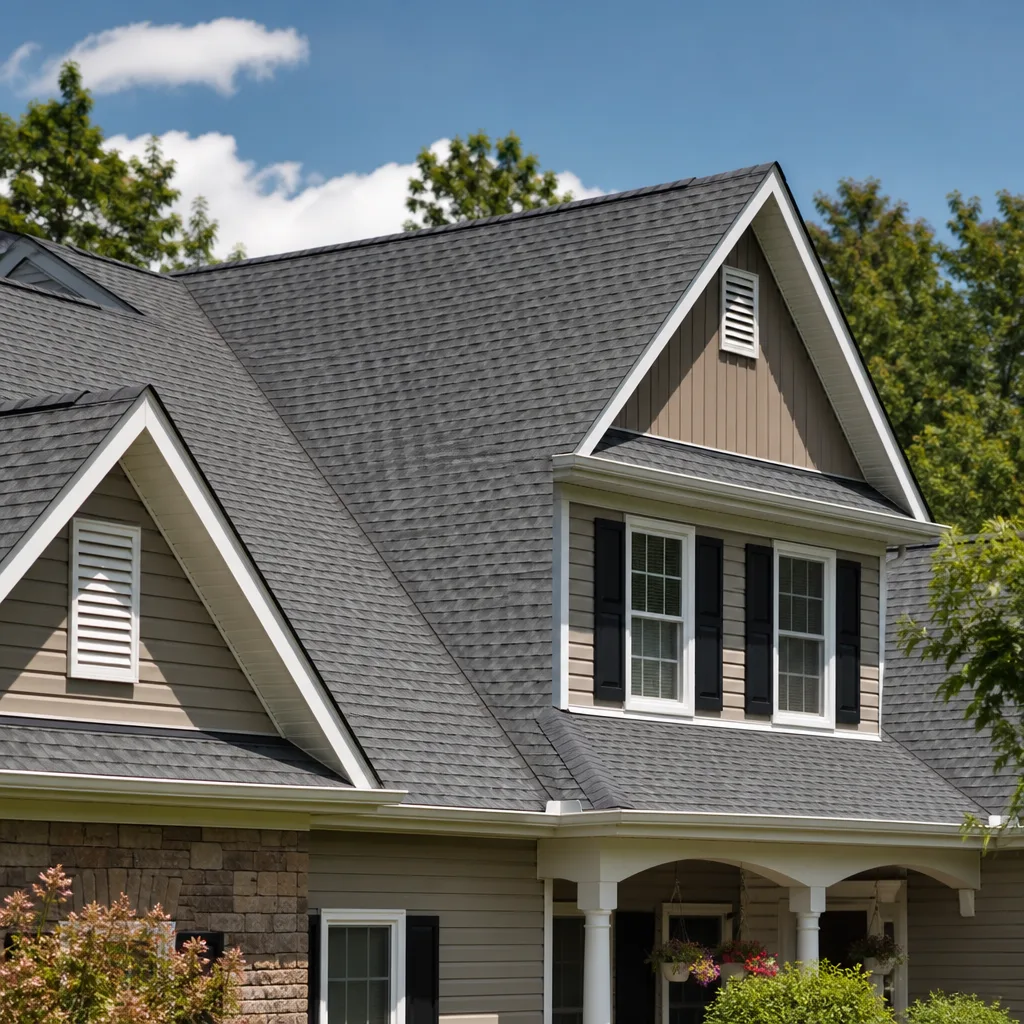
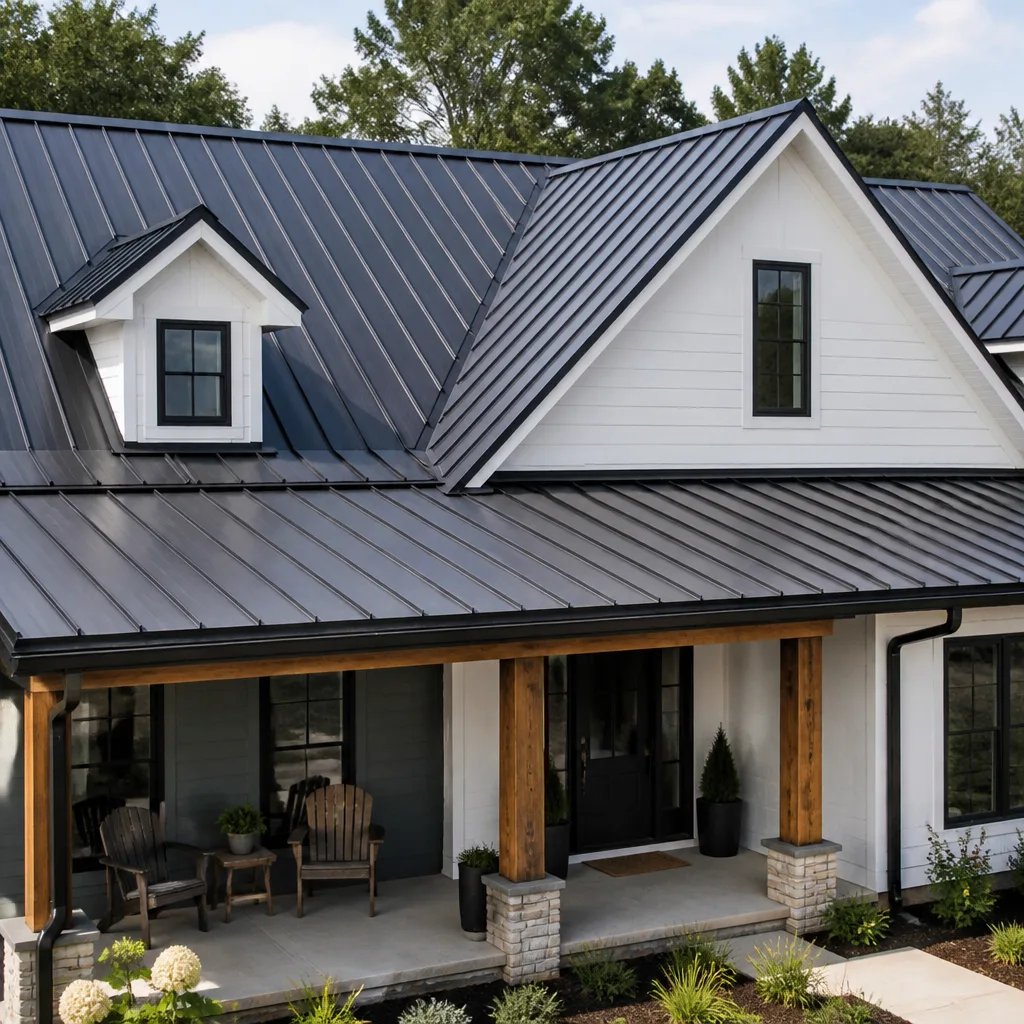
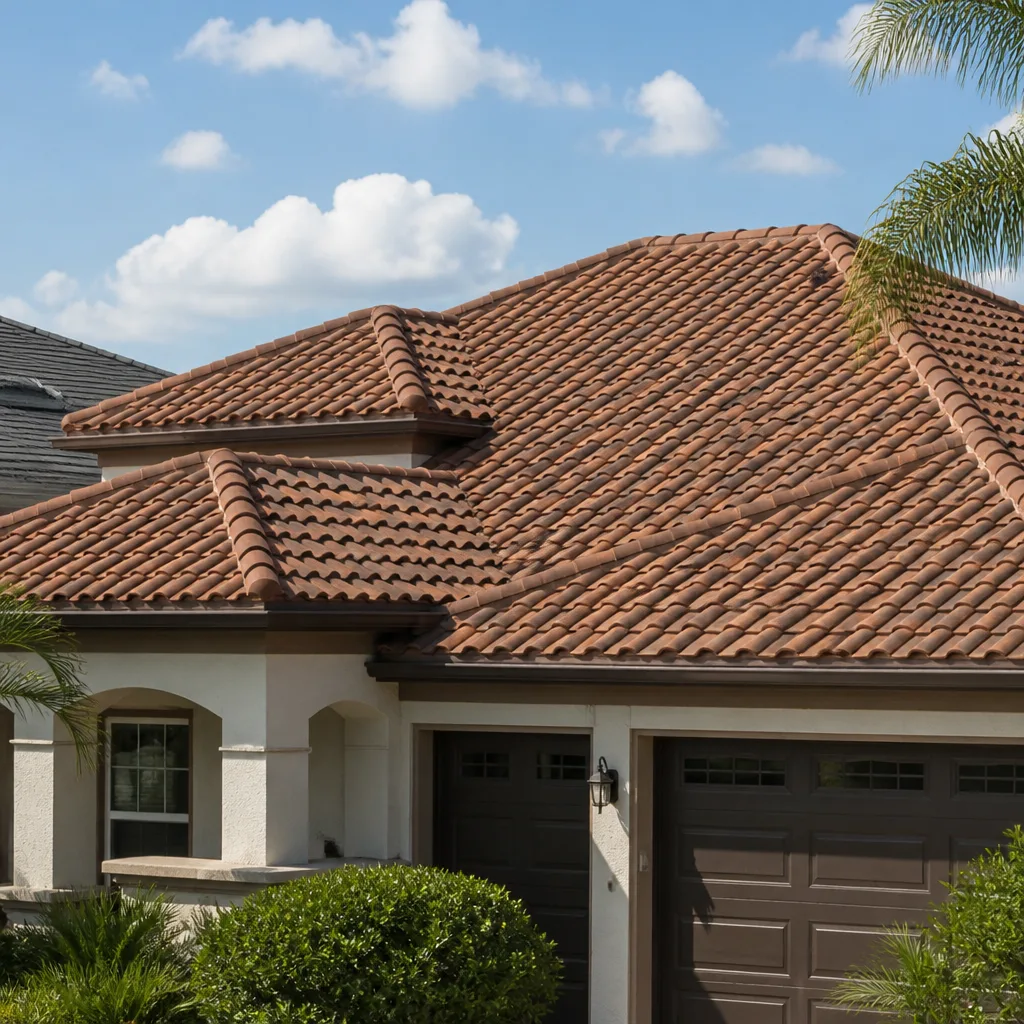
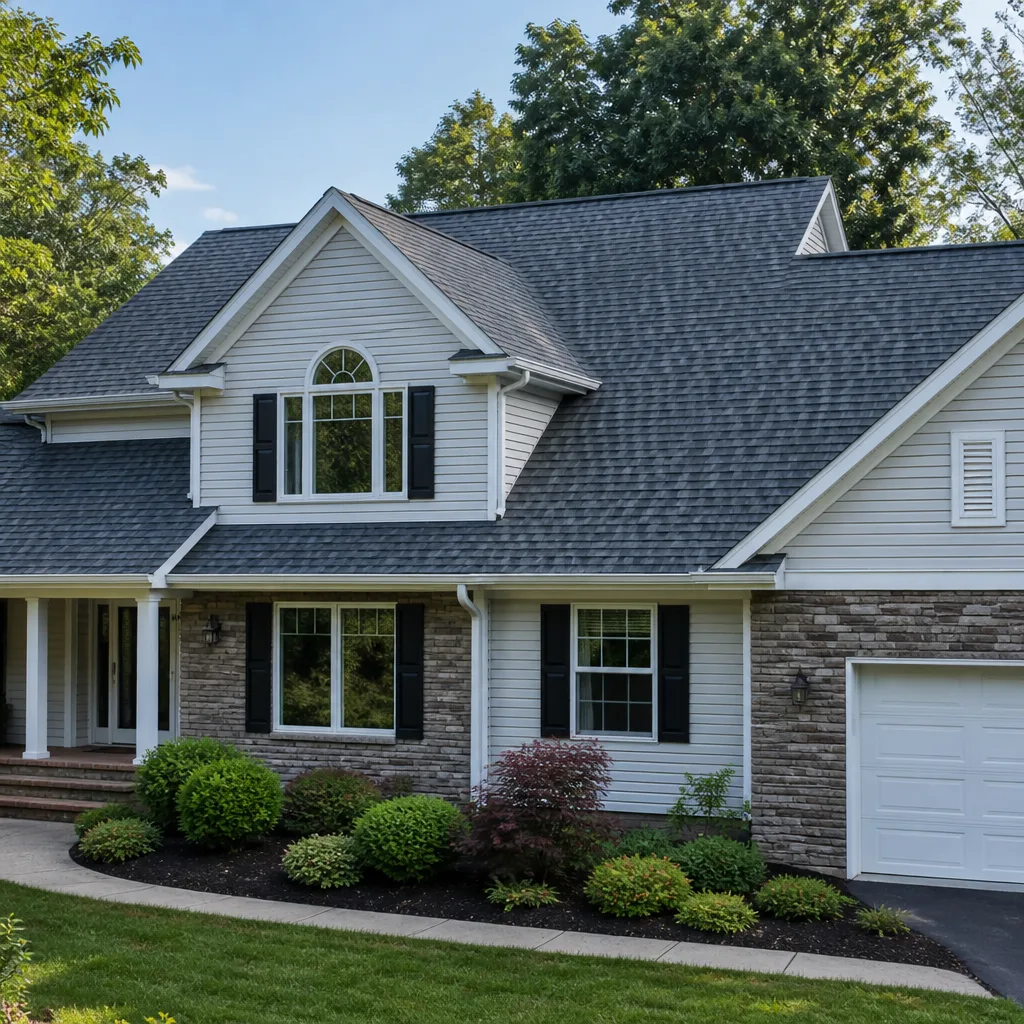
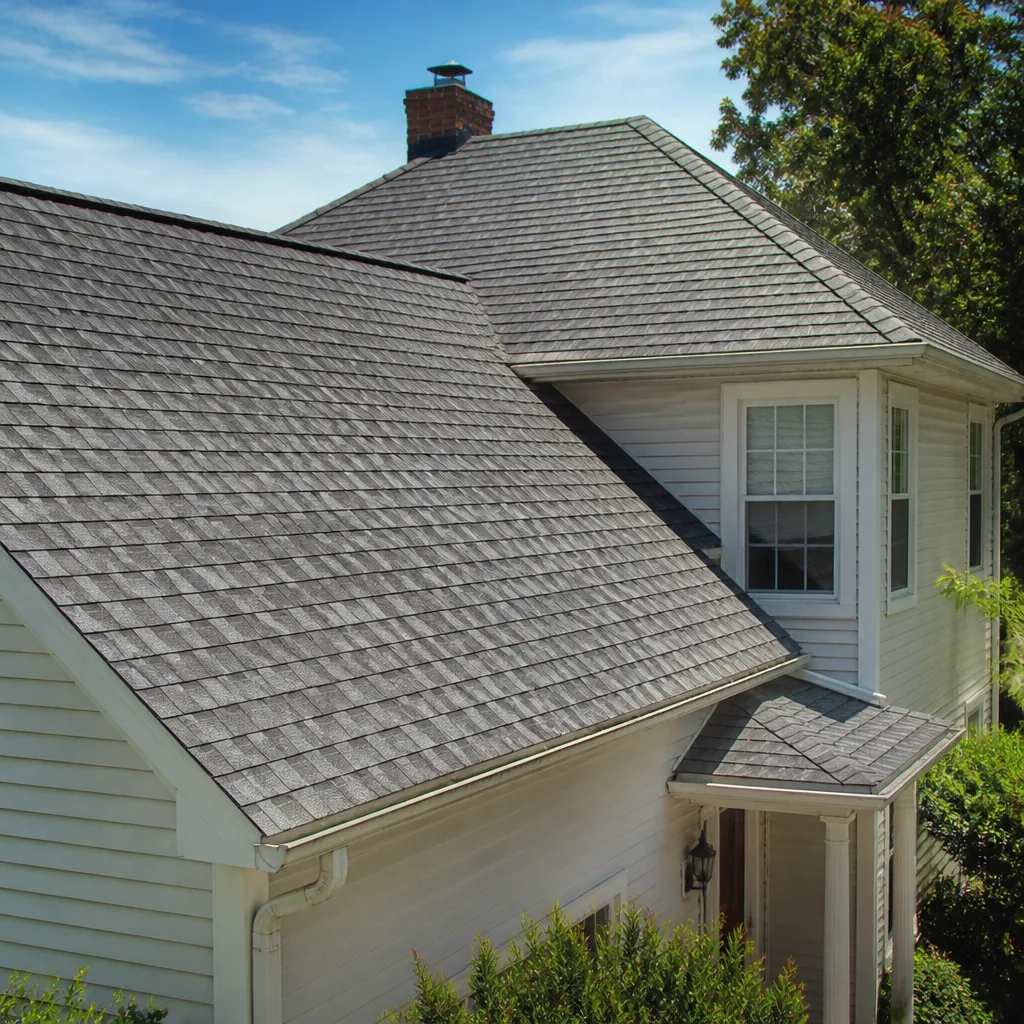
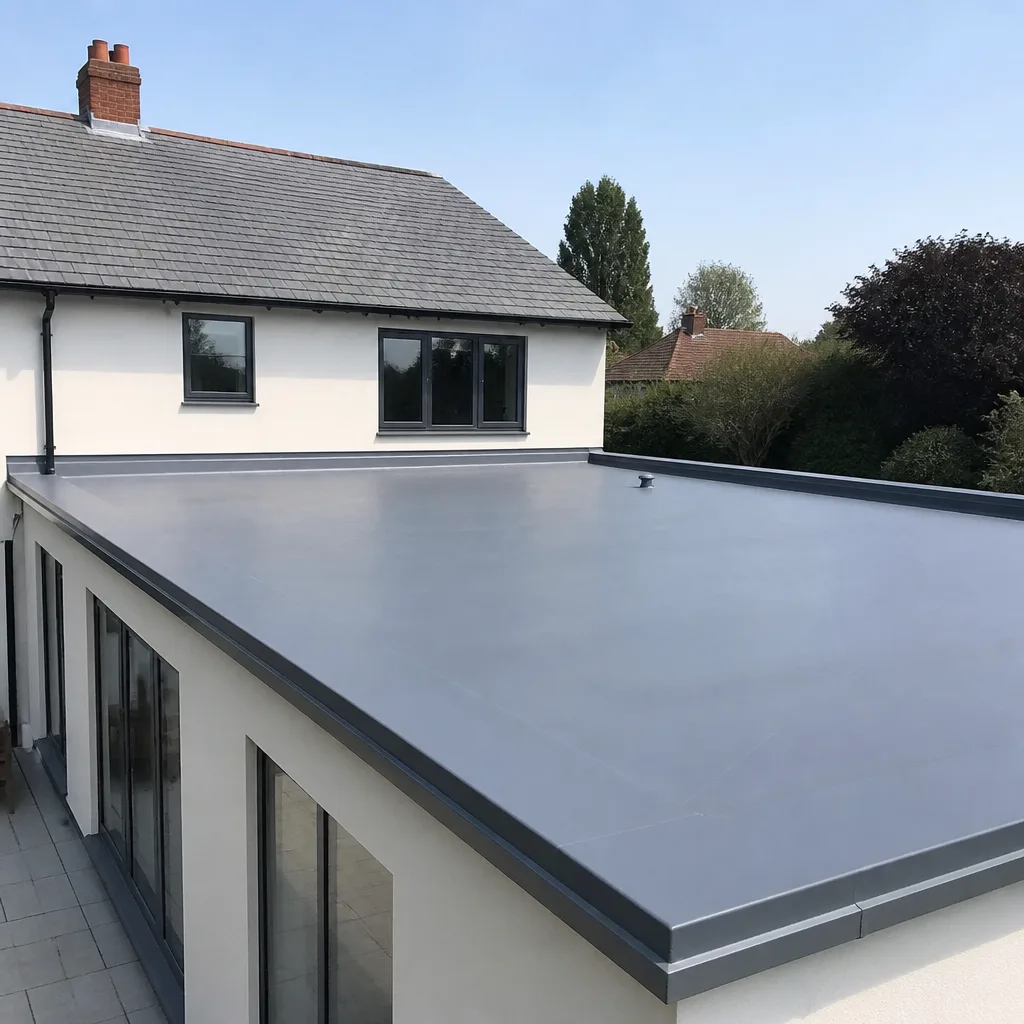
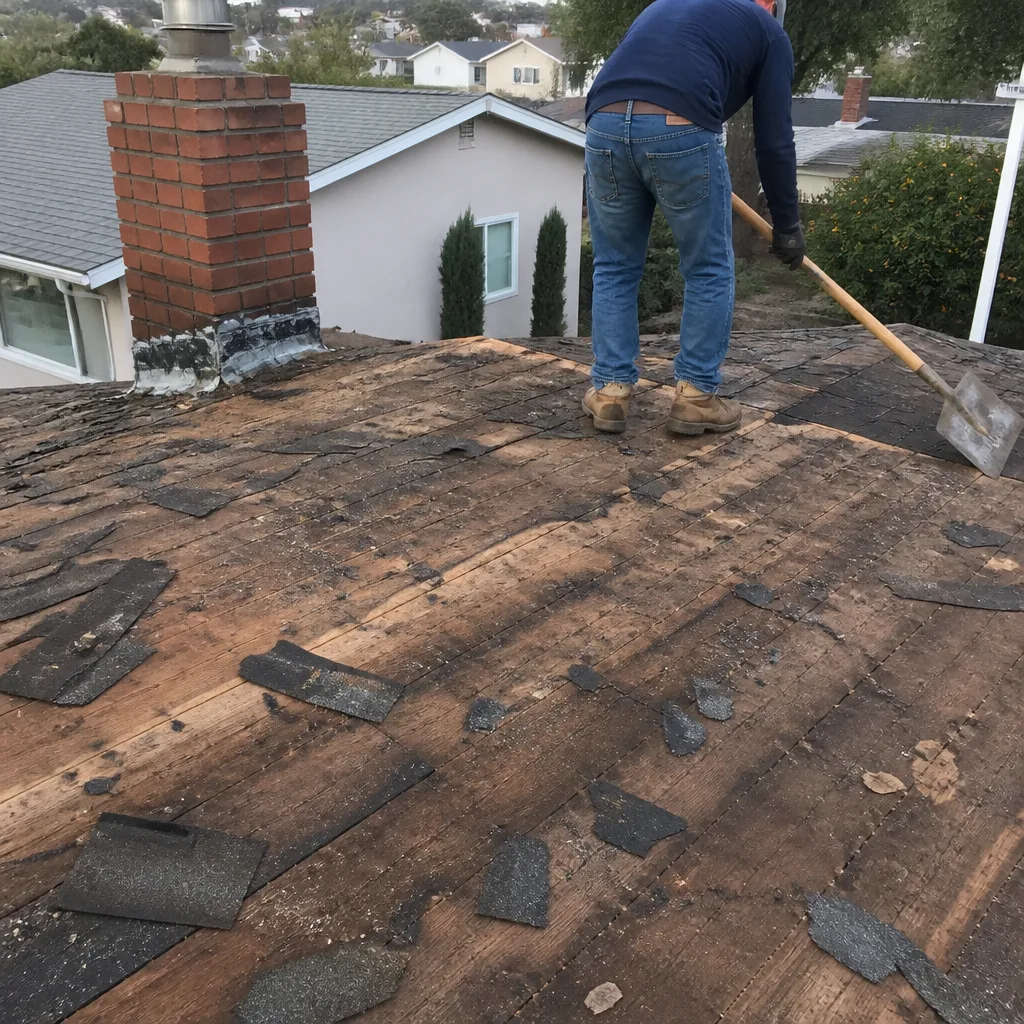 Before
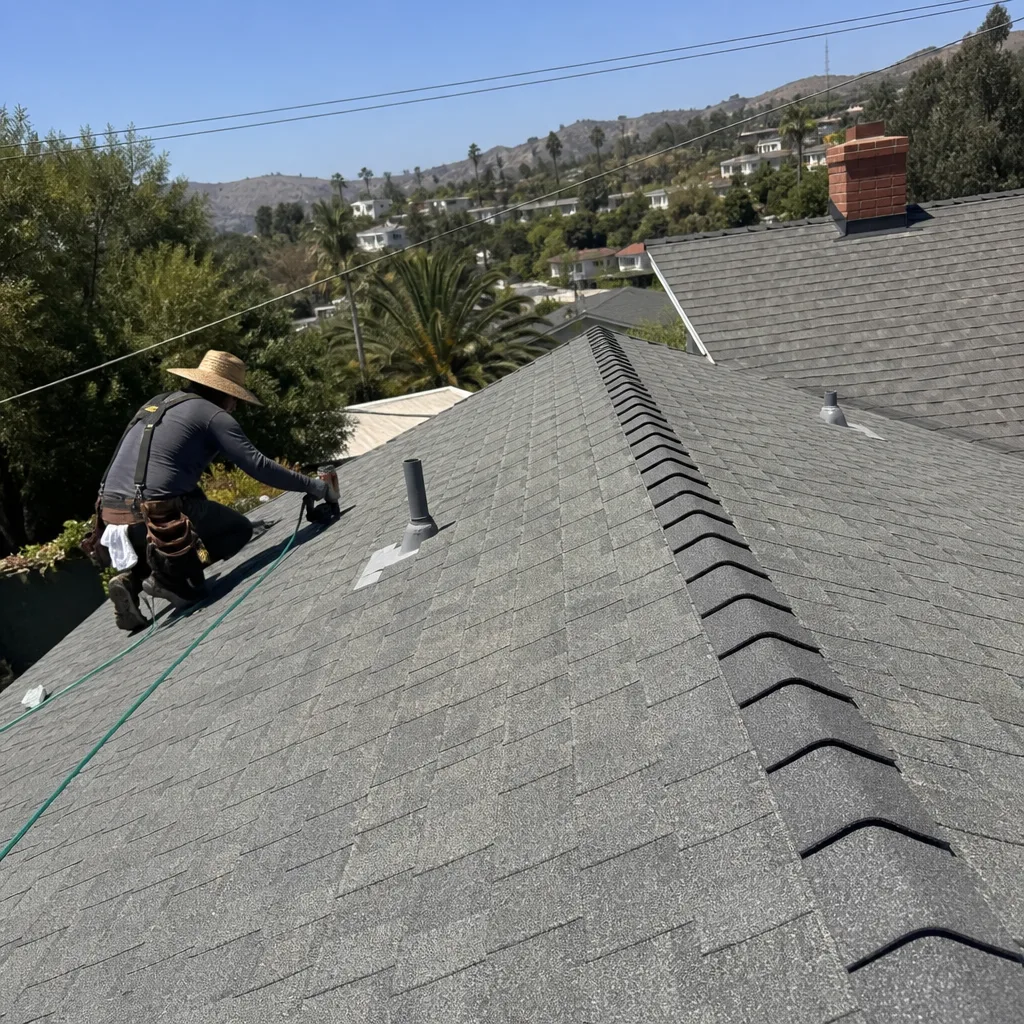 After
After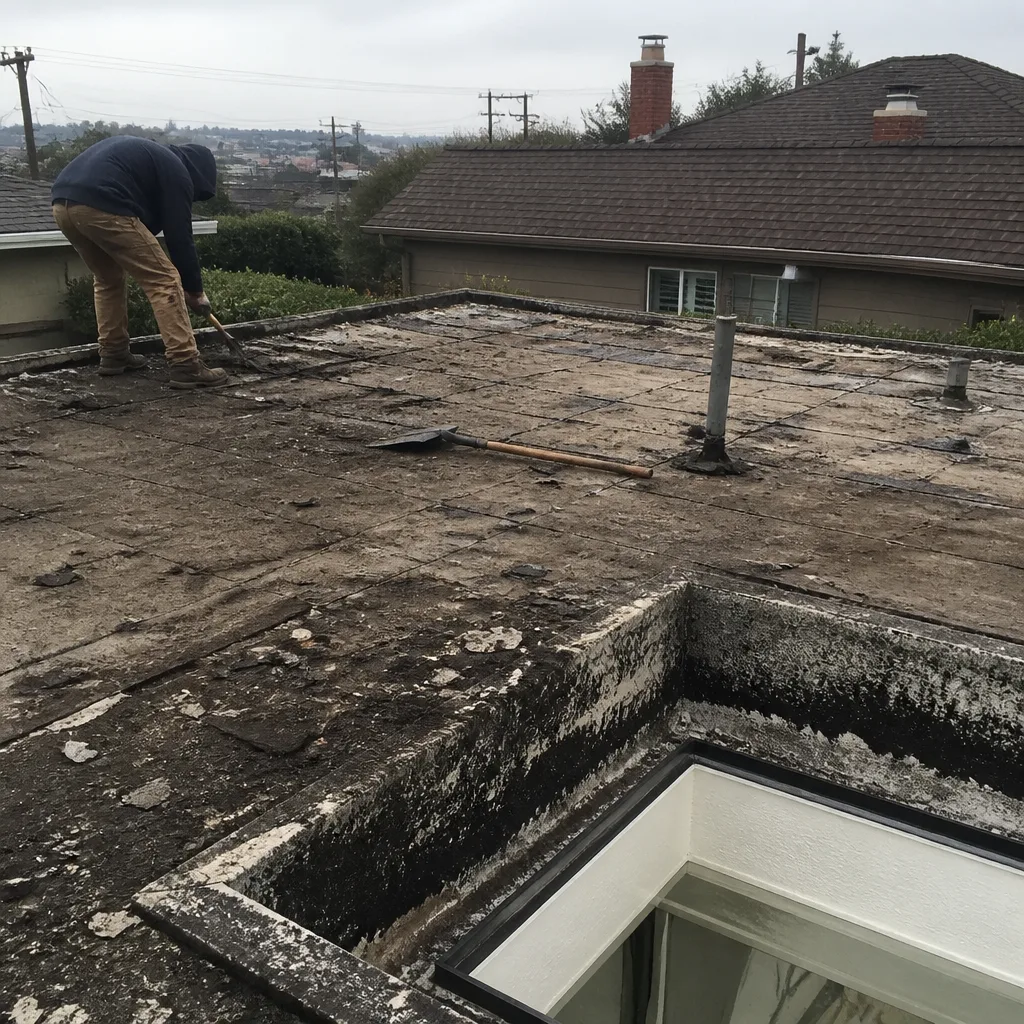 Before
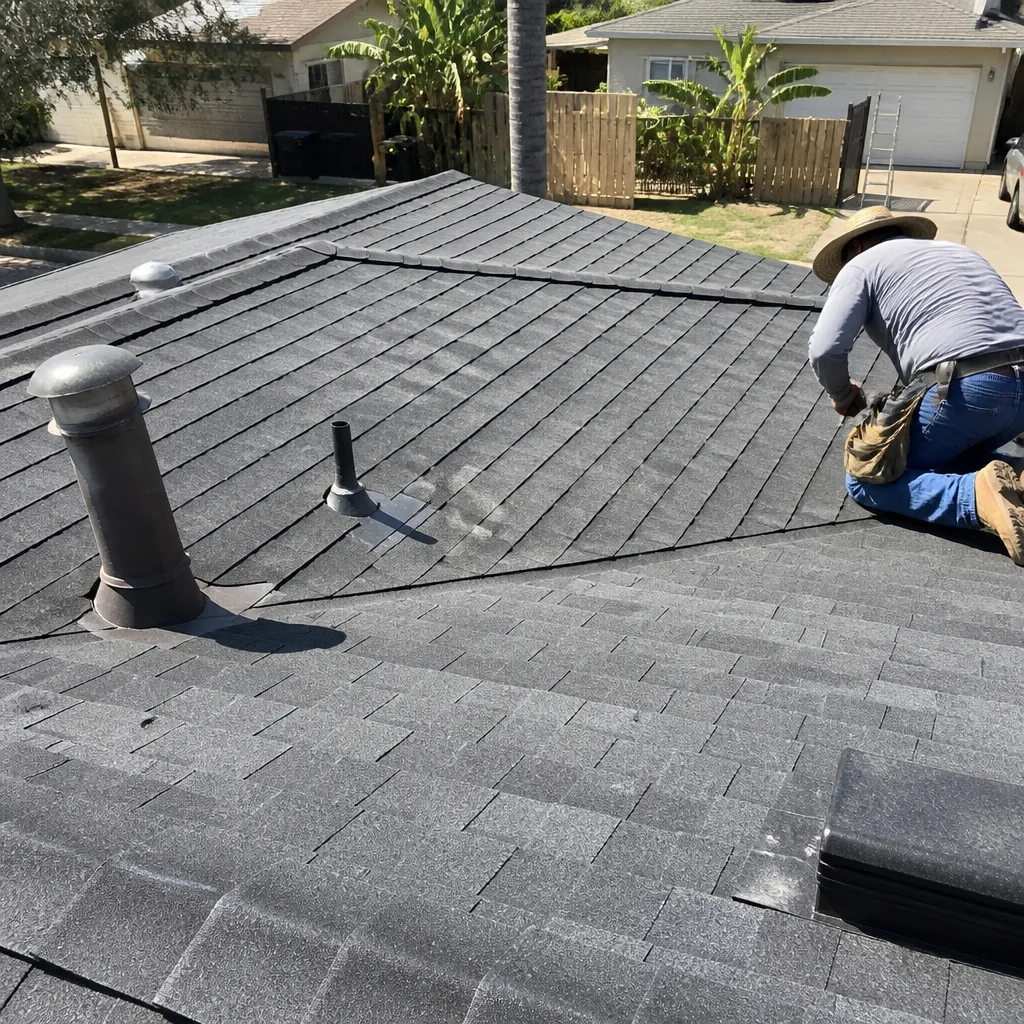 After
After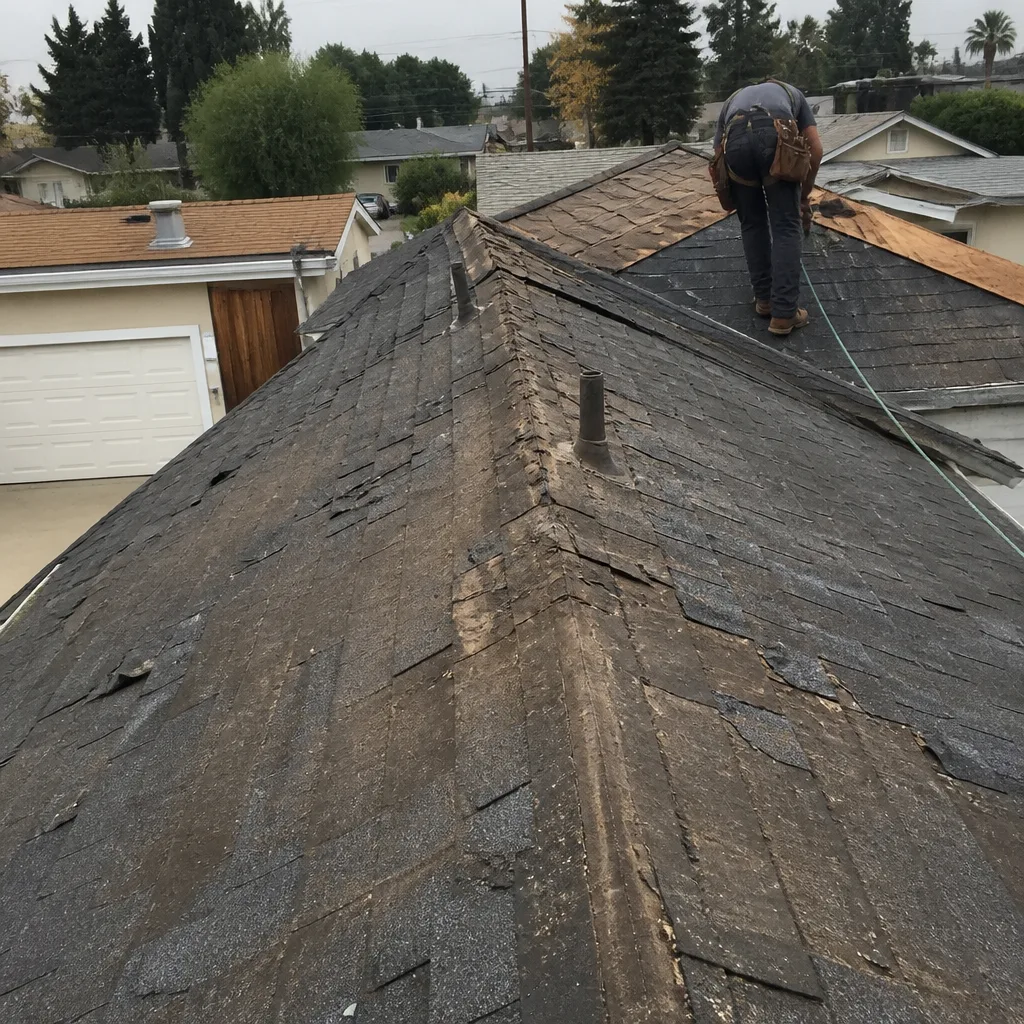 Before
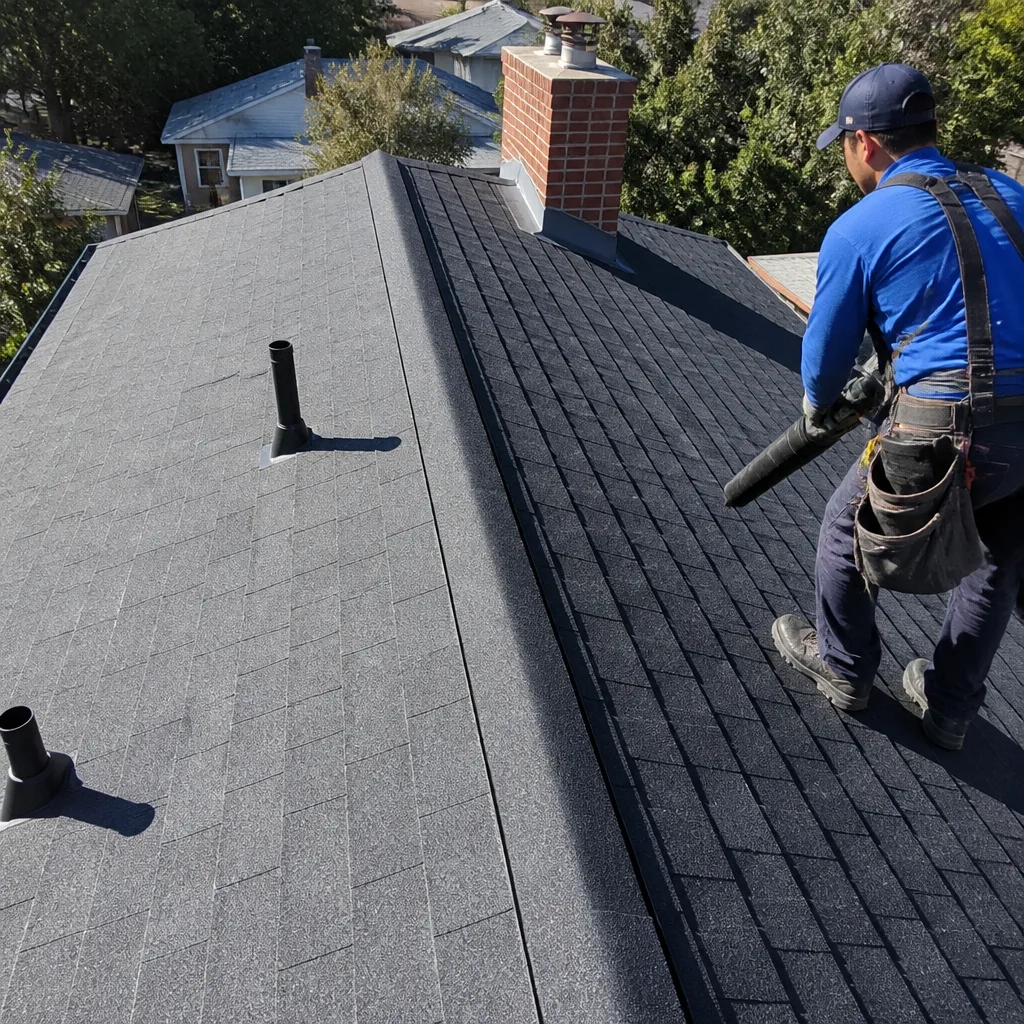 After
AfterThe Complete Roof Replacement Guide for Los Angeles Homeowners
California’s Title 24 energy code means the roofing material you want and the roofing material you’re legally allowed to install are sometimes two different things – and no contractor should let you pick a product without running that check first. In Los Angeles, we’ve seen homeowners fall in love with a particular tile or shingle, only to learn their neighborhood’s Wildland Urban Interface designation or their home’s structural capacity makes it a non-starter. This guide walks you through the three layers of decision-making that out-of-state guides skip entirely: fire assembly ratings, structural load limits on pre-1950 homes, and the LADBS permit timeline that can add weeks if you don’t plan for it.
Quick Answer
A complete Roof Replacement services in Los Angeles typically costs $12,000 – $28,000 for standard asphalt shingle on a single-family home, requires Title 24 cool roof compliance with minimum SRI values, and needs LADBS permits with two inspections (deck and final) that usually add 2 – 4 weeks to the project timeline. The material shortlist, permit sequence, and structural assessment requirements differ significantly from national averages because of California-specific codes and LA’s mix of historic and modern housing stock.
Table of Contents
- Title 24 and Cool Roof Requirements in Los Angeles
- Fire Assembly Ratings and WUI Zone Restrictions
- Structural Load Assessment for Pre-1950 Homes
- The LADBS Permit and Inspection Sequence
- Choosing Materials: What Works in LA’s Climate
- What a Roof Replacement Costs in Los Angeles
- Reading a Written Quote: Line Items Contractors Bury
- Realistic Project Timeline From Sign to Completion
Title 24 and Cool Roof Requirements in Los Angeles
Every roof replacement in Los Angeles must comply with California’s Title 24, Part 6 energy code. This isn’t a suggestion or a rebate program. It’s mandatory, and it directly limits which products your contractor can legally install.
The key metric is SRI, or Solar Reflectance Index. For low-slope roofs (2:12 pitch or less), Title 24 requires a minimum SRI of 75. For steep-slope roofs (anything steeper), the minimum is 16. Most quality asphalt shingles from GAF and CertainTeed now come in “cool roof” versions that meet or exceed these thresholds, but standard dark architectural shingles often don’t. Your contractor should run the SRI check before you ever see a sample board.
Here’s where Los Angeles gets specific. The city’s urban heat island effect means the difference between a compliant and non-compliant roof isn’t abstract. A roof with SRI below 16 on a steep slope in Silver Lake or Echo Park will absorb significantly more thermal energy, raising cooling loads and potentially failing inspection. We’ve had homeowners in Los Feliz request black slate-look shingles for aesthetic reasons, then face a material change order mid-project because the product didn’t carry the right CRRC (Cool Roof Rating Council) label.
What to verify before signing:
- The shingle or tile spec sheet lists a CRRC-rated SRI value
- Your contractor confirms the product is on LADBS’s approved materials list for 2024 – 2025
- The SRI value is documented on the permit application, not just promised verbally
Some homeowners assume Title 24 only applies to new construction. It doesn’t. Any full roof replacement that involves removing down to the deck triggers compliance. Repairs under 50% of the roof area are exempt, but once you’re replacing the whole surface, you’re in Title 24 territory. See our comparison of DIY vs Professional Roof Repair: What’s Safe to Do Yourself for context on when to call in the pros.
Clay and concrete tiles from Boral often exceed SRI requirements naturally due to their lighter color palettes, but dark-coated “Mission” style tiles can fall short. Metal roofing generally performs well on SRI, but painted finishes vary. Your material shortlist should be filtered for compliance first, then aesthetics second. Any contractor who reverses that order is setting you up for a failed inspection or a last-minute product swap.
Fire Assembly Ratings and WUI Zone Restrictions
Los Angeles spans multiple fire hazard severity zones, and your exact address determines which Class A, B, or C assembly rating your roof must carry. This matters more than most homeowners realize because two houses on the same street can sit in different zones.
The California Building Code uses Wildland Urban Interface (WUI) designations that tighten material requirements in high-risk areas. If your property sits in a Very High Fire Hazard Severity Zone – common in the Hollywood Hills, Topanga, Pacific Palisades, and parts of the San Fernando Valley – your roof assembly must meet Chapter 7A requirements. This typically means Class A fire-rated materials with specific underlayment and edge metal details that go beyond standard installation.
Class A doesn’t just mean “fire-resistant shingles.” It’s a full assembly rating that includes the underlayment, deck preparation, and installation method. A contractor can’t slap a Class A shingle on inadequate underlayment and call it compliant. The assembly is tested as a system, and the paperwork must match.
We’ve worked on homes in Laurel Canyon where the WUI designation required:
- Two layers of Type X underlayment or a self-adhering membrane
- Class A rated shingles (GAF Timberline HDZ or CertainTeed Landmark Pro qualify)
- Metal edge flashing with specific gauge and fastening pattern
- Ignition-resistant eave and soffit detailing if those components are being touched
The permit application in these zones requires a fire hazard severity zone verification letter from the LA County Fire Department or LADBS, depending on jurisdiction. This adds 3 – 5 business days to permitting if your contractor doesn’t pull it early. We’ve seen projects delayed because the verification was treated as an afterthought.
If you’re in a WUI zone and want clay tile, be aware that not all tile profiles qualify for Class A assembly rating even if the tile itself is non-combustible. The installation method and underlayment system must be specifically tested and listed. Boral’s Saxony 900 and certain Eagle Roofing profiles carry the right documentation, but generic “Spanish tile” often doesn’t.
Structural Load Assessment for Pre-1950 Homes
Los Angeles has one of the highest concentrations of pre-1950 housing stock in the Western U.S., and those homes weren’t designed for modern roofing materials. This is the conversation we have most often with homeowners in neighborhoods like Highland Park, Eagle Rock, and the older sections of Venice and Santa Monica.
A standard three-tab asphalt shingle weighs roughly 2 – 2.5 pounds per square foot. A medium-profile clay tile weighs 8 – 10 pounds per square foot. That 4x weight difference isn’t trivial when you’re talking about 20 – 30 squares of roof area on a rafter system built with true 2x4s or 2x6s, often with no engineered trusses and sometimes with compromised connections after 80+ years of seismic cycles.
When we evaluate a roof replacement on a 1920s craftsman in Los Angeles, the first question isn’t “what do you want?” It’s “what can the structure handle?” If a homeowner wants to upgrade from asphalt to clay tile, we require a structural assessment by a California-licensed engineer. This isn’t upselling. It’s a code requirement for any material change that increases dead load by more than 5%, and it’s the standard of care for older structures in a seismic zone. For perspective on tackling projects yourself, read DIY vs Professional Roof Installation: What’s Safe to Do Yourself.
The engineering assessment typically costs $800 – $1,500 in Los Angeles and examines:
- Rafter size, spacing, and condition (we’ve found termite damage and previous unpermitted modifications)
- Ridge beam capacity and bearing points
- Tie-down and connection details to top plates
- Overall lateral load path, since roof mass affects seismic performance
About 30% of the pre-1950 homes we assess in Los Angeles require structural reinforcement to carry clay or concrete tile. The reinforcement might involve sistering rafters, adding collar ties, or installing a ridge beam upgrade. This adds $3,000 – $8,000 to the project before a single tile is laid.
Asphalt shingles or lightweight composite tiles (some Atlas and Tamko products fall here) usually don’t trigger this requirement. That’s why material selection in older Los Angeles neighborhoods isn’t just about aesthetics or even energy code. It’s about structural reality, and any contractor who skips this conversation is either inexperienced or willing to install an overloaded roof system.
The LADBS Permit and Inspection Sequence
Los Angeles Department of Building and Safety (LADBS) handles permits for most of the city, though some areas fall under county jurisdiction. Either way, the sequence for a full roof replacement is consistent and non-negotiable.
Here’s the actual timeline we plan for on Roof Replacement in Los Angeles projects:
- Permit application submission: 1 – 2 business days if documents are complete. LADBS offers express plan check for an additional fee, but standard review takes 5 – 10 business days for residential re-roofing.
- Permit issuance: Once approved, the permit must be posted on-site before work begins. Starting without a posted permit is a stop-work order risk.
- Deck inspection (if required): For full tear-offs where the deck is exposed, LADBS requires a mid-project inspection before underlayment goes down. This checks for proper nailing, damaged sheathing replacement, and structural integrity. We schedule this the moment the deck is clean and dry.
- Final inspection: After all materials are installed, including flashing, ventilation, and edge details. The inspector verifies code compliance, manufacturer installation instructions, and permit document match.
The two most common inspection failure points we see in Los Angeles:
- Improper valley flashing: LADBS enforces specific overlap and fastening patterns in valleys. Contractors who nail through the exposed valley metal or use inadequate width fail. The fix requires removing surrounding shingles.
- Inadequate attic ventilation: Title 24 and the California Building Code require net free ventilation area calculations that match or exceed the space being vented. We’ve seen projects fail because a contractor installed ridge vent without confirming soffit intake capacity, creating a non-functional system on paper.
Failed inspections add 1 – 2 weeks minimum. LADBS scheduling in busy seasons (post-rain periods, typically March – May) can push re-inspection out 5 – 7 business days. We build this buffer into every timeline we provide, because promising a 3-day job that turns into 3 weeks destroys trust faster than any other contractor failure.
One Los Angeles-specific note: if your home is in a Historic Preservation Overlay Zone (HPOZ), like parts of Angelino Heights or West Adams, you may need Cultural Heritage Commission approval before LADBS will issue a roofing permit. This adds 4 – 6 weeks and requires materials that match the historic character. We’ve navigated this process for homeowners who didn’t know their block was HPOZ-designated until permit submission. Check ZIMAS (LADBS’s zoning information system) before you budget your timeline.
Choosing Materials: What Works in LA’s Climate
Los Angeles roofing faces a specific stress profile: intense UV exposure 280+ days per year, occasional heavy winter rain, marine salt air within 5 miles of the coast, and thermal cycling that expands and contracts materials daily. The “mild climate” reputation is misleading for roof longevity. UV degradation is the primary failure mode we see, not storm damage.
Asphalt shingles remain the dominant choice for Los Angeles homeowners because they balance cost, weight, and code compliance. In our experience, the products that hold up best locally are:
- GAF Timberline HDZ: LayerLock technology and StainGuard protection perform well in LA’s UV environment. The SRI-compliant colors meet Title 24 without looking institutional.
- CertainTeed Landmark Pro: Heavier mat weight than standard architectural shingles, which matters for wind resistance during Santa Ana events.
- Tamko Heritage: Good price-performance for homeowners who want dimensional appearance without premium cost. UV stabilizers in the granule mix hold color longer than economy lines.
Clay and concrete tile from Boral and Eagle Roofing suit the Spanish colonial and Mediterranean revival architecture common in Los Angeles, but the weight and structural requirements we covered earlier apply. These installations also need proper bird stop and eave closure details that asphalt doesn’t, and the underlayment is critical – tile is water-shedding, not waterproof, so any underlayment failure means leaks with no warning.
Metal roofing gains popularity in modern and contemporary homes, particularly in the hills. Standing seam aluminum resists salt corrosion better than steel near the coast. The SRI values are excellent, often 60+ even in darker colors due to reflective pigment technology. Cost runs 2.5 – 3x asphalt, and expansion clip details matter in LA’s thermal cycling.
Flat or low-slope sections – common on additions, garages, and mid-century modern homes – require different materials entirely. TPO (thermoplastic polyolefin) and modified bitumen are standard, with TPO offering better SRI values for Title 24 compliance. These systems demand specialized installation; a shingle contractor who “also does flat roofs” is a red flag.
What a Roof Replacement Costs in Los Angeles
National cost averages are useless in Los Angeles. Labor rates, permit fees, and material transport costs run 25 – 40% above national medians, and the code requirements we’ve discussed add fixed costs that don’t exist elsewhere.
Here’s what we see in the Los Angeles market for complete tear-off and replacement on a typical 1,500 – 2,500 square foot single-family home:
| Material Type | Price Range | Notes |
|---|---|---|
| 3-tab asphalt shingle (economy) | $10,000 – $14,000 | Rarely meets Title 24 SRI; limited color options |
| Architectural asphalt shingle (standard) | $14,000 – $22,000 | Most common choice; GAF, CertainTeed, Tamko qualify |
| Architectural asphalt (premium) | $20,000 – $28,000 | Enhanced wind, algae, and impact resistance |
| Clay or concrete tile | $28,000 – $45,000+ | Includes structural assessment; Boral, Eagle common |
| Metal (standing seam) | $30,000 – $50,000 | Aluminum near coast; steel inland |
| Flat/low-slope (TPO/modified bitumen) | $12,000 – $20,000 | Per square foot pricing; separate from pitched roof |
These ranges assume standard roof complexity – one or two stories, moderate pitch, no significant deck damage. Steep pitches, multiple dormers, skylight work, or chimney flashing replacement add labor hours that scale non-linearly. A roof with 4+ penetrations and a 10:12 pitch can run 50% above the base range.
Los Angeles-specific cost drivers:
- LADBS permit fees: $400 – $800 for residential re-roof, plus plan check fees
- WUI zone fire assembly upgrades: $1,500 – $4,000 additional material and labor
- Structural engineering (pre-1950 homes, tile conversion): $800 – $1,500
- Deck replacement: $3 – $5 per square foot of deck area, often discovered after tear-off
- HOA architectural review (gated communities, condos): $200 – $500 fee, 2 – 4 week timeline
At Crestview Roofing, we provide written line-item pricing before any work starts. The number on the page is the number on the invoice. We don’t bundle “miscellaneous” or bury contingencies in round numbers. If we find damaged deck after tear-off, we document it with photos, pause for your approval on the exact repair scope and price, then continue. That’s The Relay Visibility Guarantee in practice.
Reading a Written Quote: Line Items Contractors Bury
A roof replacement quote should read like a construction document, not a marketing flyer. In Los Angeles, where code complexity is high and material options are constrained, the details matter enormously. Here’s what a proper quote includes, and the three numbers contractors most often obscure.
Required line items:
- Material manufacturer and exact product name (not “architectural shingle” – “GAF Timberline HDZ in Charcoal”)
- Underlayment type and layers (synthetic vs. felt, ice and water shield placement)
- Flashing scope: valleys, chimneys, vents, wall intersections, each specified
- Ventilation: intake and exhaust quantities, product, and net free area calculation
- Permit fees, listed separately
- Waste removal and disposal
- Projected timeline with start and completion windows
- Warranty terms: workmanship duration, manufacturer warranty registration
The three buried costs to watch for:
- Deck replacement allowance: Many quotes include a “up to 3 sheets” or similar clause, then charge $200+ per sheet beyond that. On a 70-year-old Los Angeles home, finding 10+ damaged sheets is common. We specify our deck replacement rate per square foot upfront, with photo documentation if extra work is needed.
- Permit expediting or “administrative fees”: Some contractors quote permit costs at actual LADBS rates, then add undisclosed processing fees. Ask if the permit line item is pass-through or marked up.
- Material upgrade triggers: A quote might base price on a shingle that barely meets SRI minimum, then present “upgrades” as optional. In reality, you need compliant material, so the “upgrade” is mandatory. We quote compliant products as standard, with true upgrades (impact resistance, enhanced wind rating) as separately priced options.
The quote should also specify who handles warranty registration with the manufacturer. GAF and CertainTeed offer enhanced warranties when installed by certified contractors, but the registration paperwork has deadlines. If your contractor leaves this to you, it’s easy to miss and lose coverage.
Our quotes include every component listed above, plus live arrival tracking, before-and-after photo documentation, and digital invoice delivery by text. That’s The Relay Standard, and it’s how we eliminate the surprises that make homeowners dread contractor relationships.
Realistic Project Timeline From Sign to Completion
Here’s what an actual Los Angeles roof replacement timeline looks like when done properly, with no corners cut:
| Phase | Duration | Key Activity |
|---|---|---|
| Quote and material selection | 1 – 3 days | On-site measurement, SRI verification, structural assessment if needed |
| Permit application and plan check | 5 – 15 business days | LADBS review; WUI verification if applicable; HPOZ review if applicable |
| Material delivery | 1 – 3 days | Coordinated to arrive day before or morning of start |
| Tear-off and deck prep | 1 – 2 days | Dumpster placement, removal, deck inspection call |
| Deck inspection (if required) | 1 – 2 days | LADBS scheduling; weather-dependent |
| Underlayment and dry-in | 1 day | Critical weather protection phase |
| Shingle/tile installation | 2 – 4 days | Penetration flashing, ventilation, edge details |
| Final inspection | 1 – 5 days | LADBS scheduling; busy season delays possible |
| Cleanup and final documentation | 1 day | Photo delivery, warranty registration, digital invoice |
Total realistic timeline: 3 – 6 weeks from signed contract to completion, with permitting as the longest variable. Any contractor promising “done in a week” in Los Angeles is either working without permits or hasn’t done this before.
Seasonal factors specific to Los Angeles: winter rain (December – March) can pause work for 2 – 3 days after any significant rainfall because underlayment and adhesives need dry surfaces. Summer heat (August – October) can push start times earlier to avoid 90°F+ installation temperatures that affect shingle sealant activation. We schedule around both.
Common Mistakes to Avoid
- Choosing material before confirming Title 24 compliance. Fall in love with a color after the SRI check, not before. We’ve seen $2,000+ change orders when a homeowner’s selection fails code.
- Ignoring WUI zone requirements until permit submission. Check your fire hazard severity zone on the LA County Fire Department website before budgeting. The material and labor cost difference between standard and WUI-compliant assemblies is significant.
- Assuming a pre-1950 home can handle any material. Get the structural assessment early if you’re considering tile. The $1,000 engineering fee is cheaper than discovering you need reinforcement after demolition.
- Accepting a quote without permit fees listed separately. Bundled “all-inclusive” pricing hides markup and makes comparison shopping impossible.
- Skipping the deck inspection phase on a full tear-off. Some contractors rush to cover the deck before inspection to stay on schedule. This risks a failed inspection, removal of finished work, and weeks of delay.
- Not verifying contractor insurance and workers’ comp. In California, uninsured contractors leave homeowners liable for jobsite injuries. Request certificates of insurance directly from the carrier, not just a photocopy from the contractor.
When to Call a Professional
Roof replacement isn’t a maintenance task. If you’re seeing widespread granule loss, multiple leak points, sagging deck lines, or your roof is past 20 – 25 years with asphalt shingles, it’s time for professional evaluation. In Los Angeles, the combination of Title 24, WUI zones, and structural considerations on older homes means the “call three roofers for quotes” approach works only if those roofers understand local code deeply. Explore more guides & resources on our blog to prepare for your project.
At Crestview Roofing, we offer free estimates in Los Angeles. Our process includes SRI verification, WUI zone lookup, and structural screening for pre-1950 homes before we ever recommend a material. You’ll get a written line-item quote, a realistic timeline that accounts for LADBS permitting, and live tracking of your technician’s arrival. Call (325) 246-5075 to schedule your free estimate.
Frequently Asked Questions
Most complete roof replacements in Los Angeles run $14,000 – $28,000 for standard architectural asphalt shingles on a typical single-family home. Clay or concrete tile ranges from $28,000 – $45,000+, and metal standing seam starts around $30,000. The exact price depends on roof size, pitch, material choice, structural requirements for older homes, and any WUI zone fire assembly upgrades. Call (325) 246-5075 for a written estimate specific to your home – estimates are free.
LADBS standard plan check for residential re-roofing takes 5 – 10 business days, with permit issuance following immediately after approval. If a deck inspection is required on a full tear-off, scheduling that inspection adds 1 – 3 business days, and the final inspection adds another 1 – 5 days depending on inspector availability. Homes in Historic Preservation Overlay Zones or those needing WUI verification can add 4 – 6 weeks. We build these timelines into every project schedule we provide.
Title 24, Part 6 of California’s energy code requires minimum Solar Reflectance Index (SRI) values for roofing materials: 75 for low-slope roofs and 16 for steep-slope roofs. Any complete roof replacement that removes material down to the deck triggers this requirement. Repairs under 50% of the roof area are exempt. Your contractor should verify SRI compliance and CRRC rating before you select a material, not after.
Maybe, but it requires a structural engineering assessment first. Pre-1950 homes in Los Angeles were built with rafter systems designed for lighter materials. Clay tile weighs 4x what asphalt shingles do, and any material change increasing dead load by more than 5% requires engineering sign-off. About 30% of the older homes we assess need structural reinforcement, adding $3,000 – $8,000 before tile installation begins. Skipping this step risks code violations and potential structural failure.
At Crestview Roofing, the written price you approve is the price on the invoice – no exceptions. The only variable is deck damage discovered after tear-off, and we document that with photos, pause for your explicit approval on the exact repair scope and price, then continue. No surprises, no “miscellaneous” line items, no invoice shock. That’s The Relay Visibility Guarantee.
We handle all permitting as part of our standard process, including LADBS application, plan check, inspection scheduling, and final sign-off. Permit fees are listed as a separate line item in your written quote so you see exactly what the city charges versus our service. You never visit the permit counter or coordinate with inspectors.
Our 365-Day Done Right Promise covers every repair for a full year from completion, in writing, included with every job. If a covered repair fails within that period, we correct it at no charge, including a free second visit with no negotiation. Manufacturer warranties vary by product: GAF and CertainTeed offer lifetime limited warranties on many shingles, with enhanced system warranties available when installed by certified contractors. We register all manufacturer warranties on your behalf so coverage deadlines aren’t missed.
The Bottom Line
Replacing a roof in Los Angeles requires navigating three overlapping systems: California’s Title 24 energy code, local fire assembly requirements that vary by address, and structural realities of the city’s aging housing stock. The contractors who deliver smooth projects treat these as starting points, not surprises to manage mid-job. Get a written quote with real line items. Confirm your material’s SRI and fire rating before you commit. Budget 3 – 6 weeks including permits. And work with a team that documents every step, from first arrival to final invoice, so you’re never guessing what comes next.
Written by Dylan Pace, Owner at Crestview Roofing, serving Los Angeles since 2000.