
Last updated October 10, 2026
Free roof inspection with deck photos before we talk money - GAF and Owens Corning certified installation
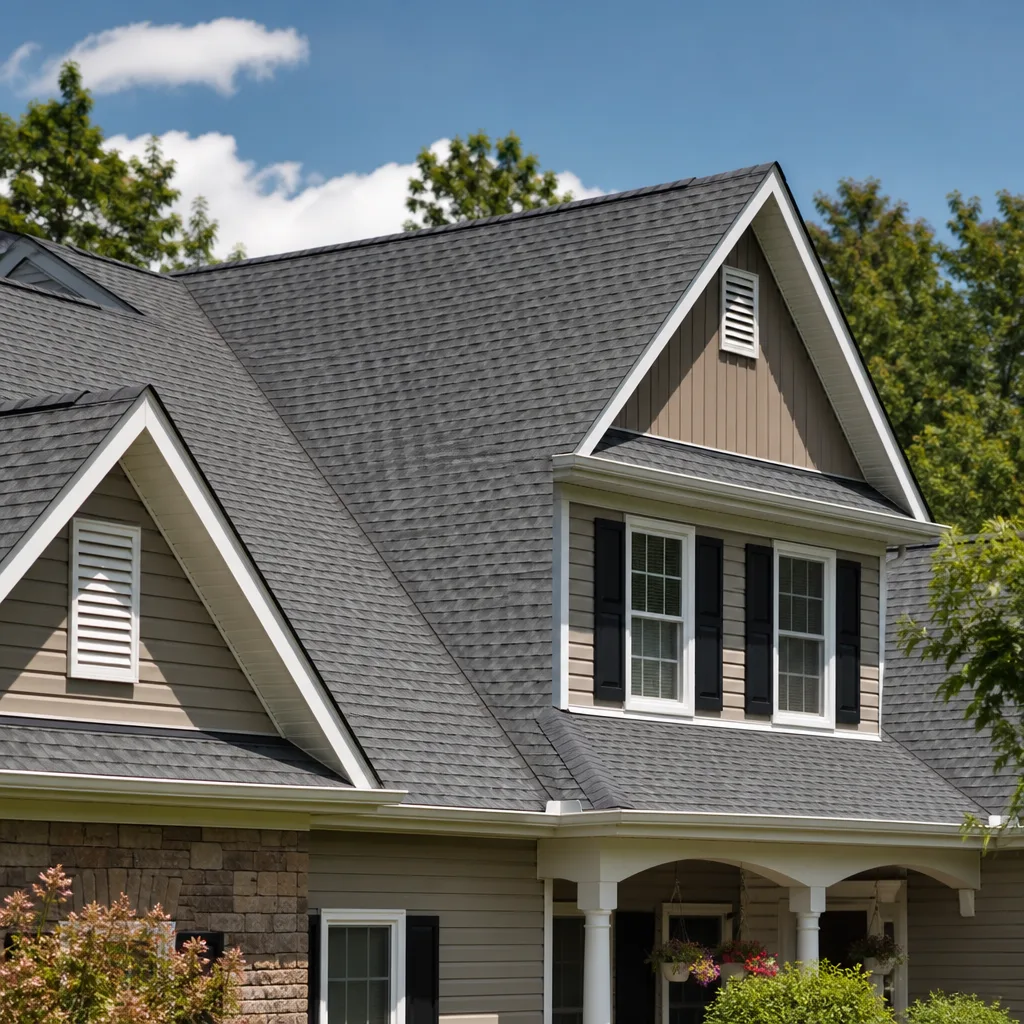
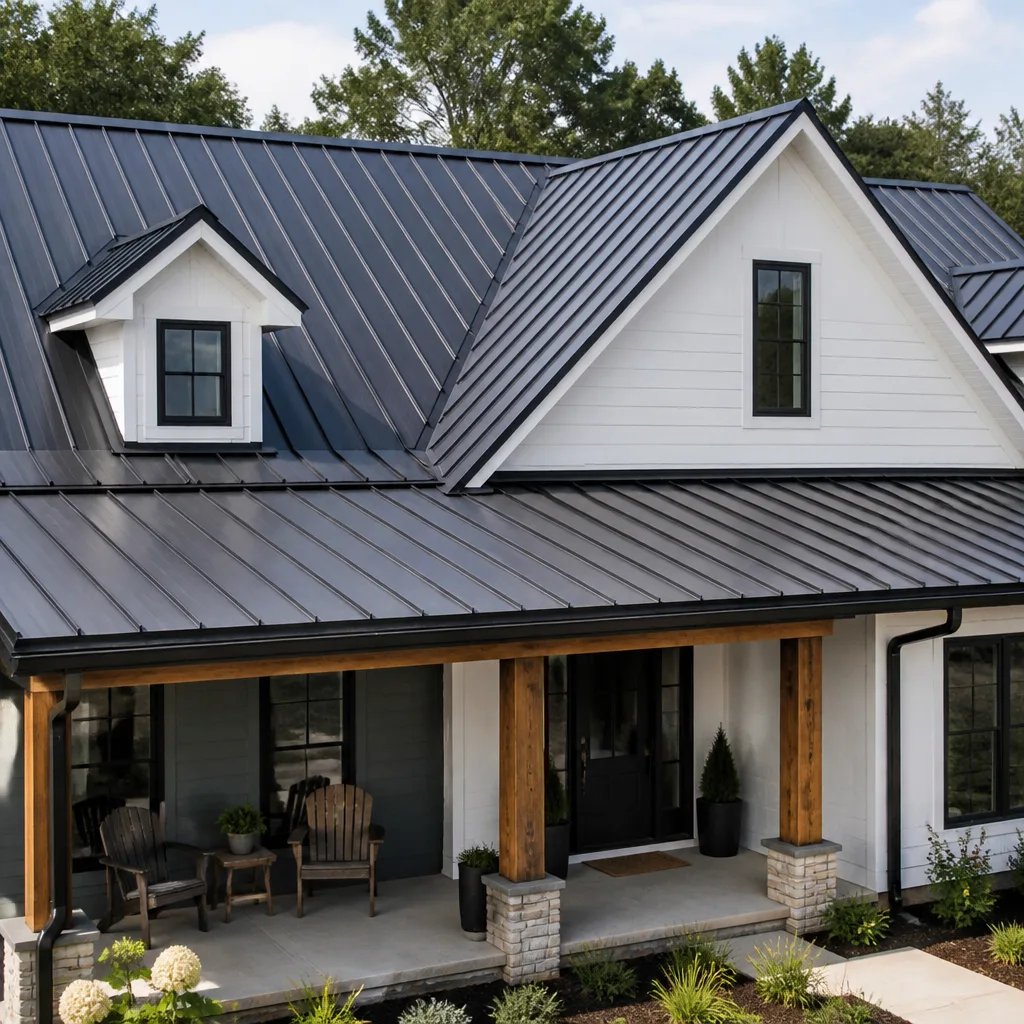
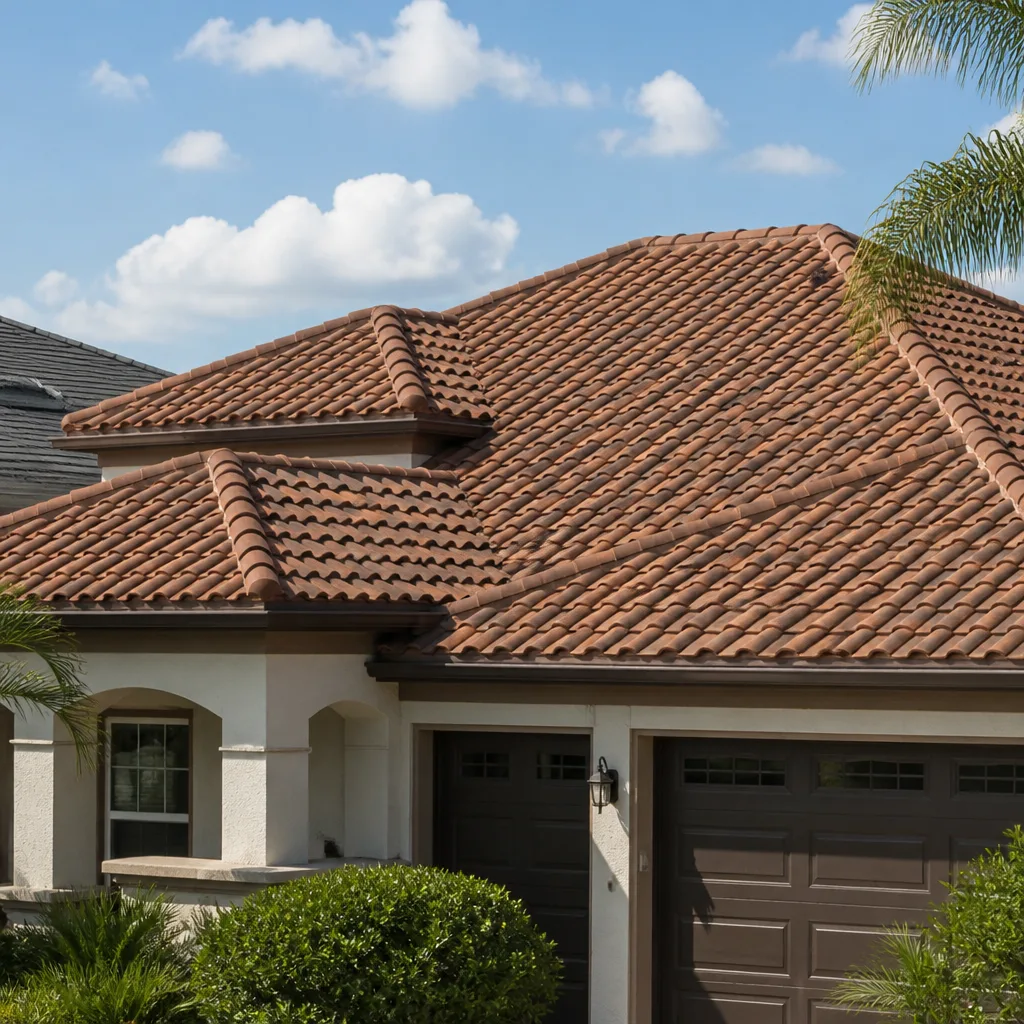
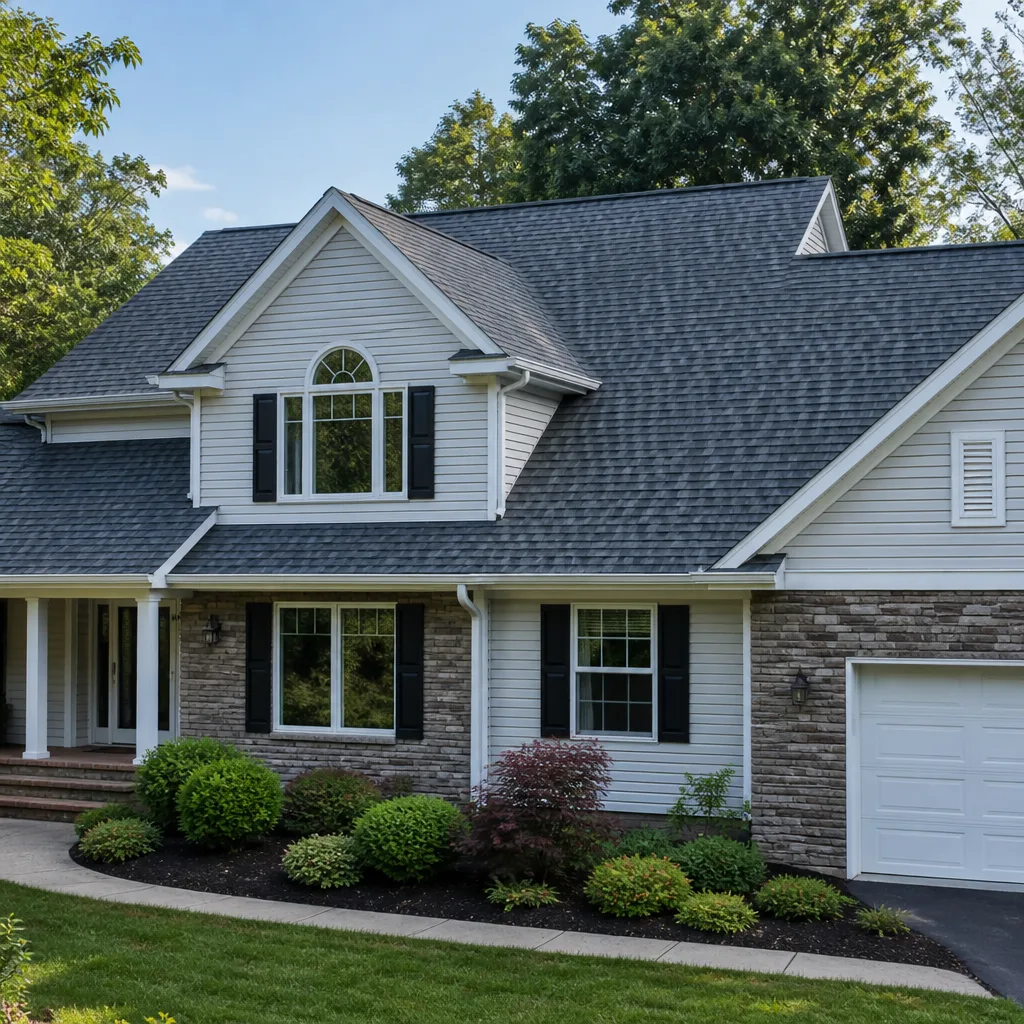
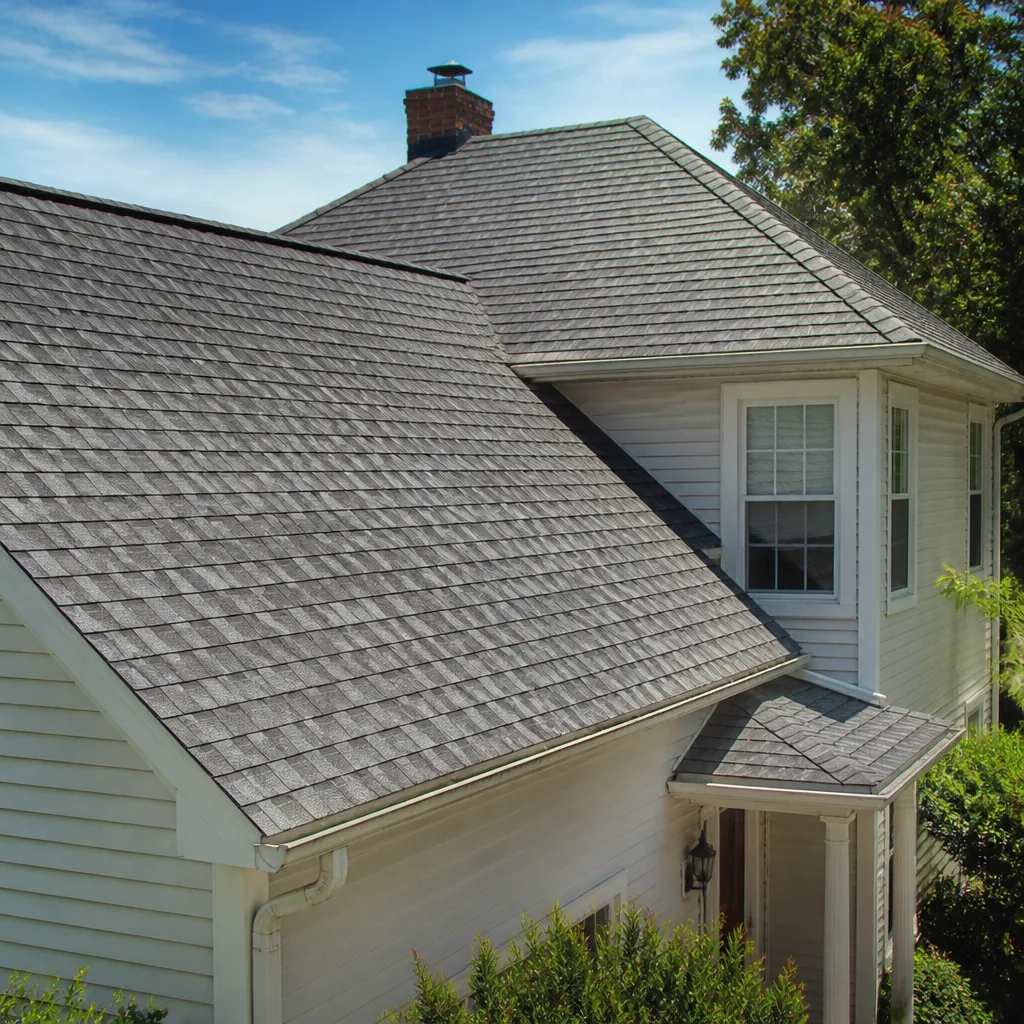
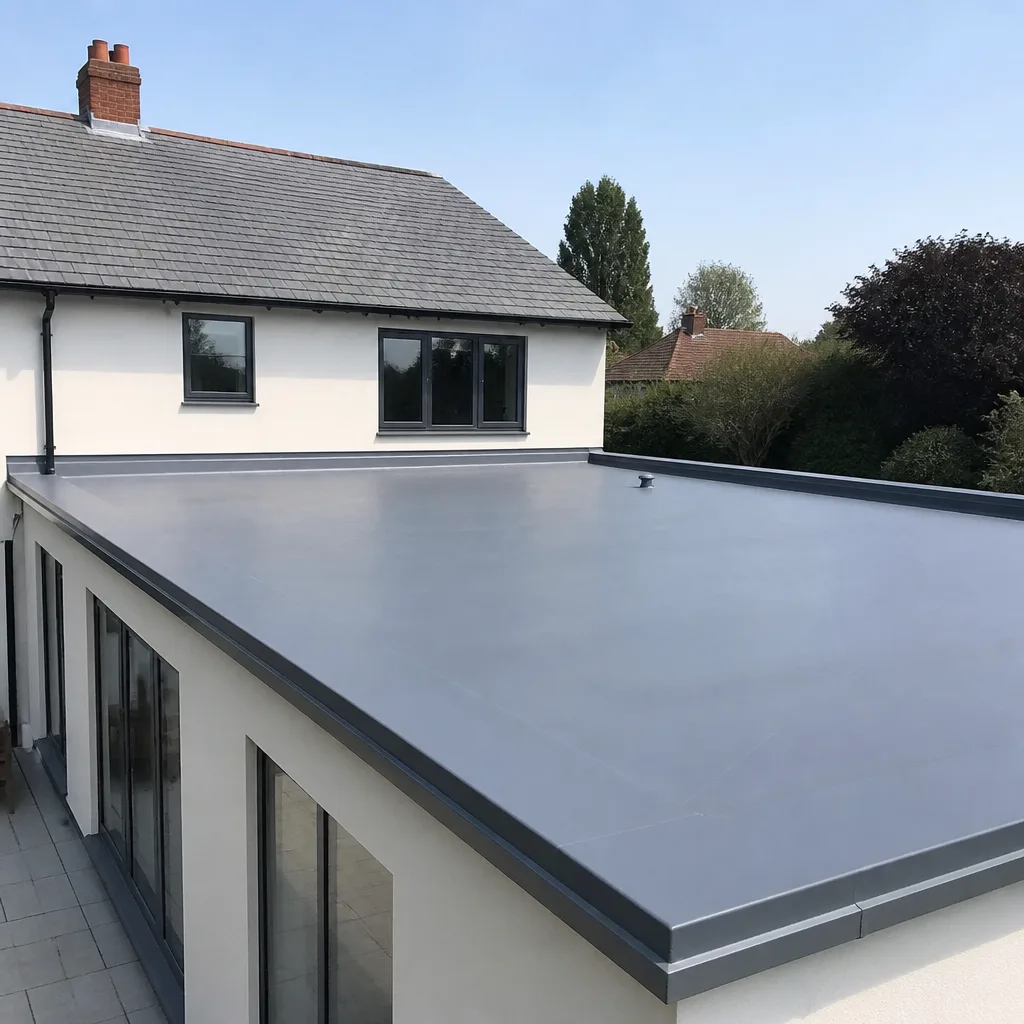
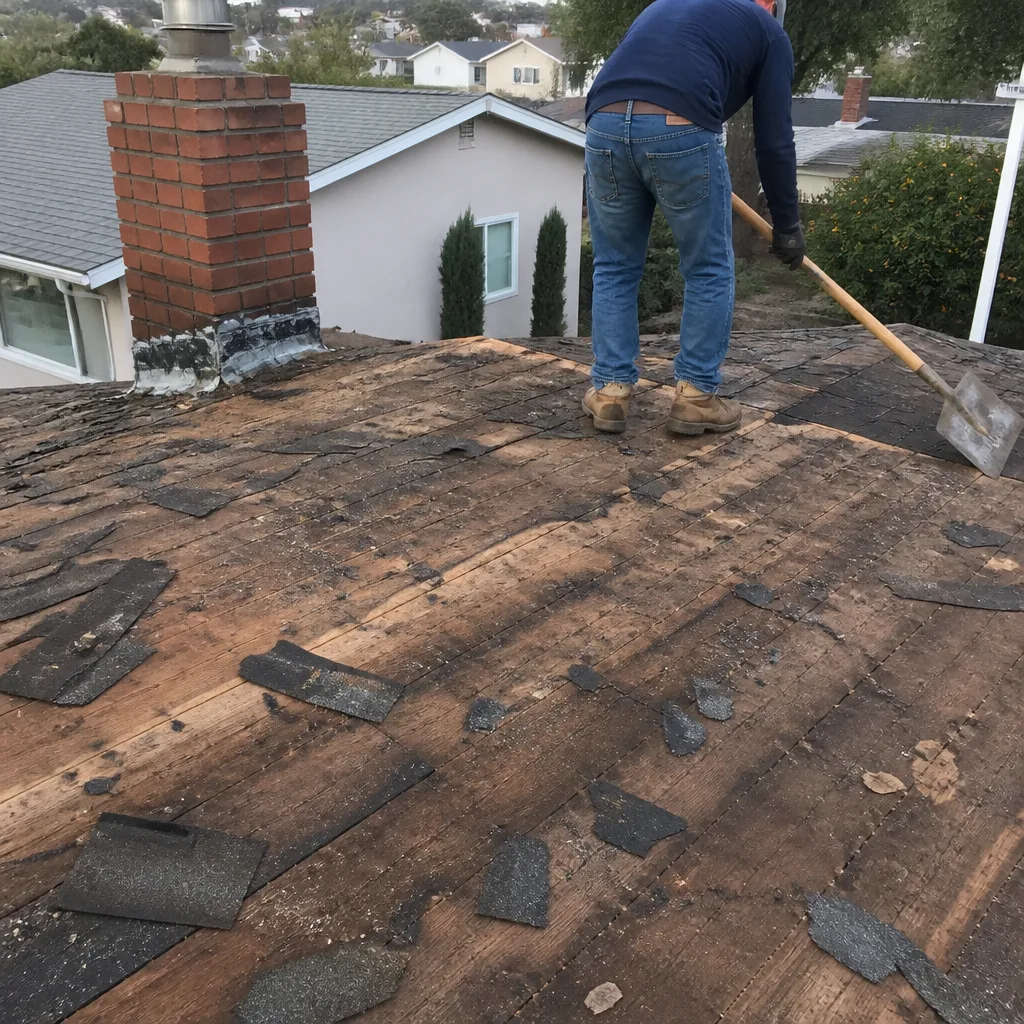 Before
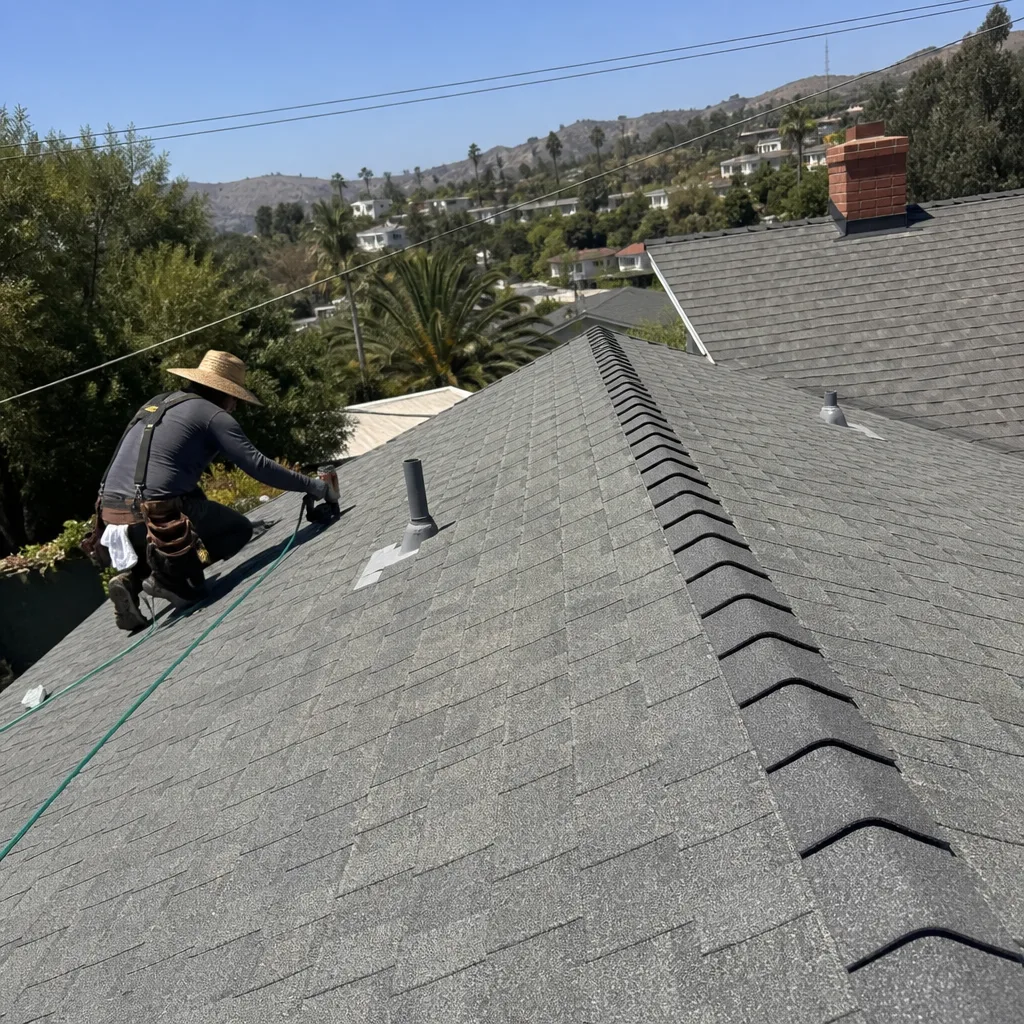 After
After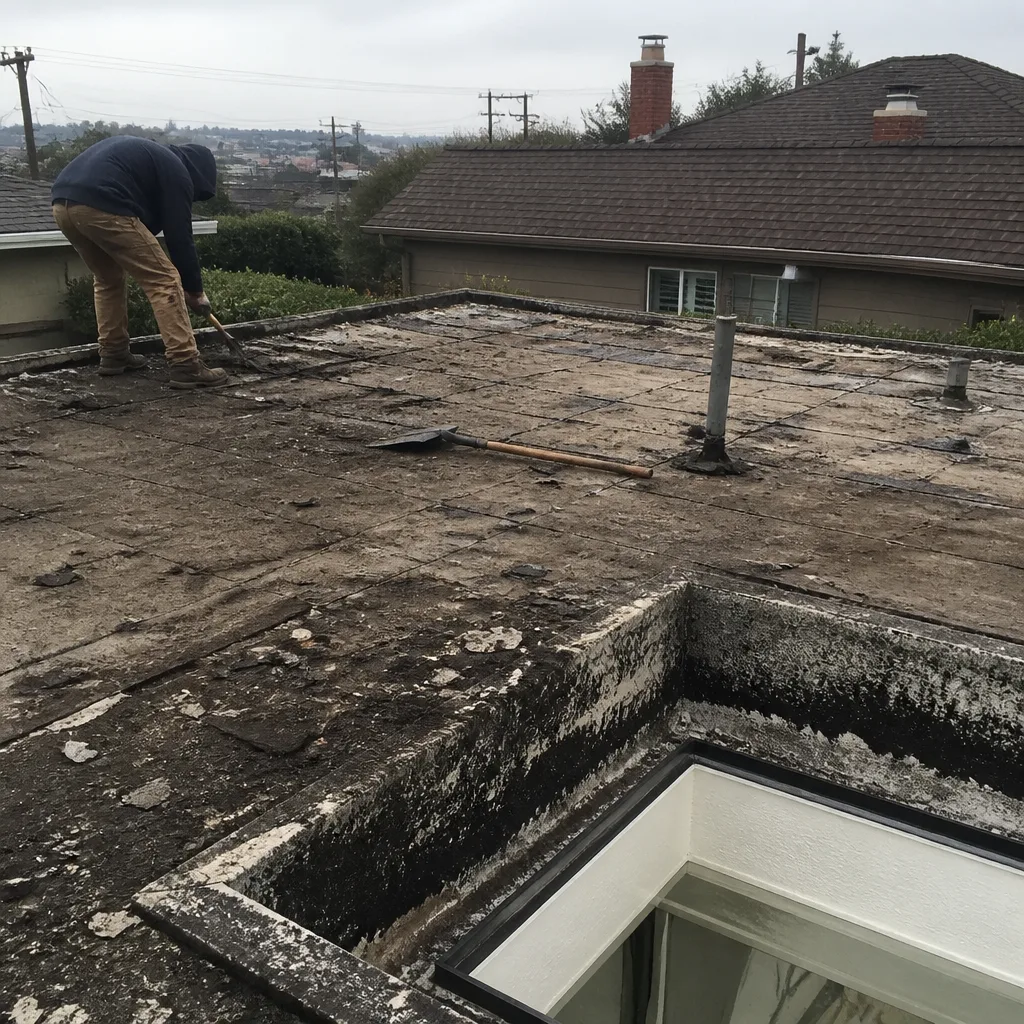 Before
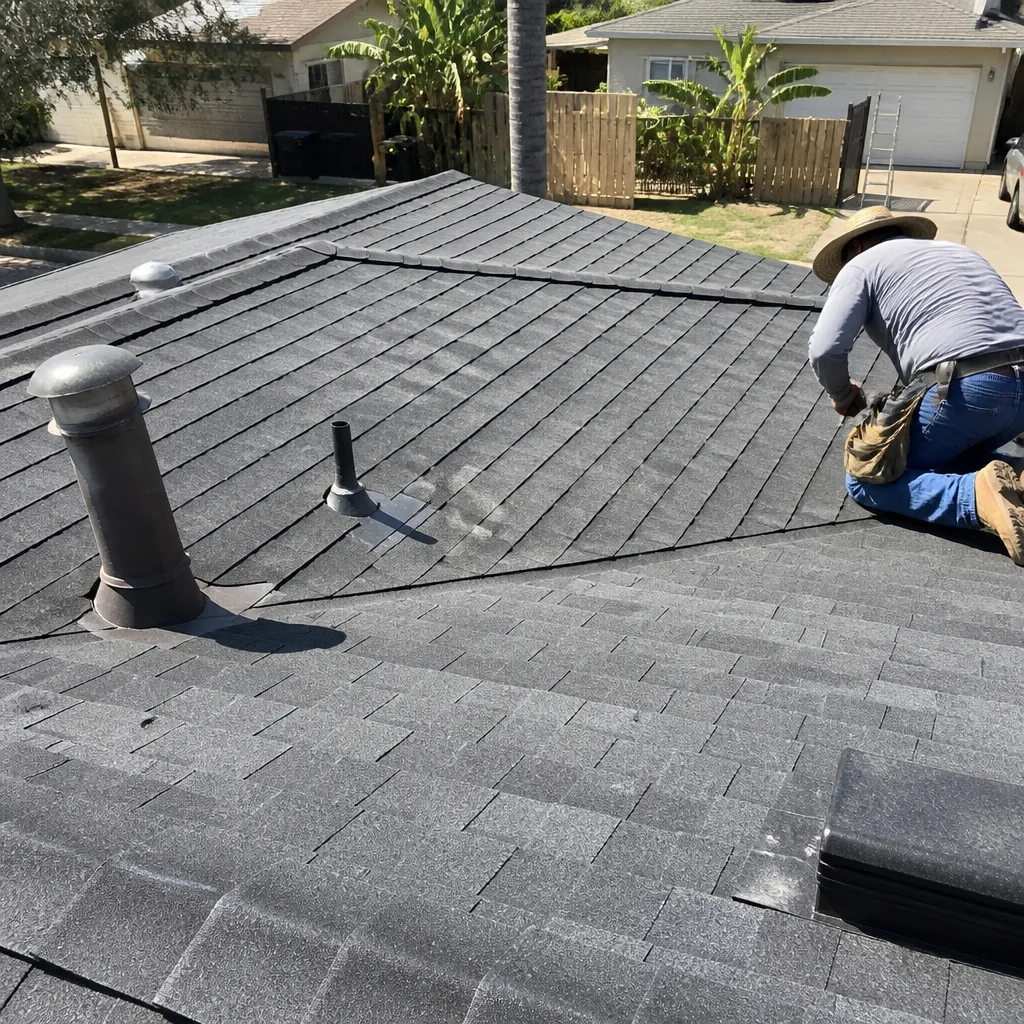 After
After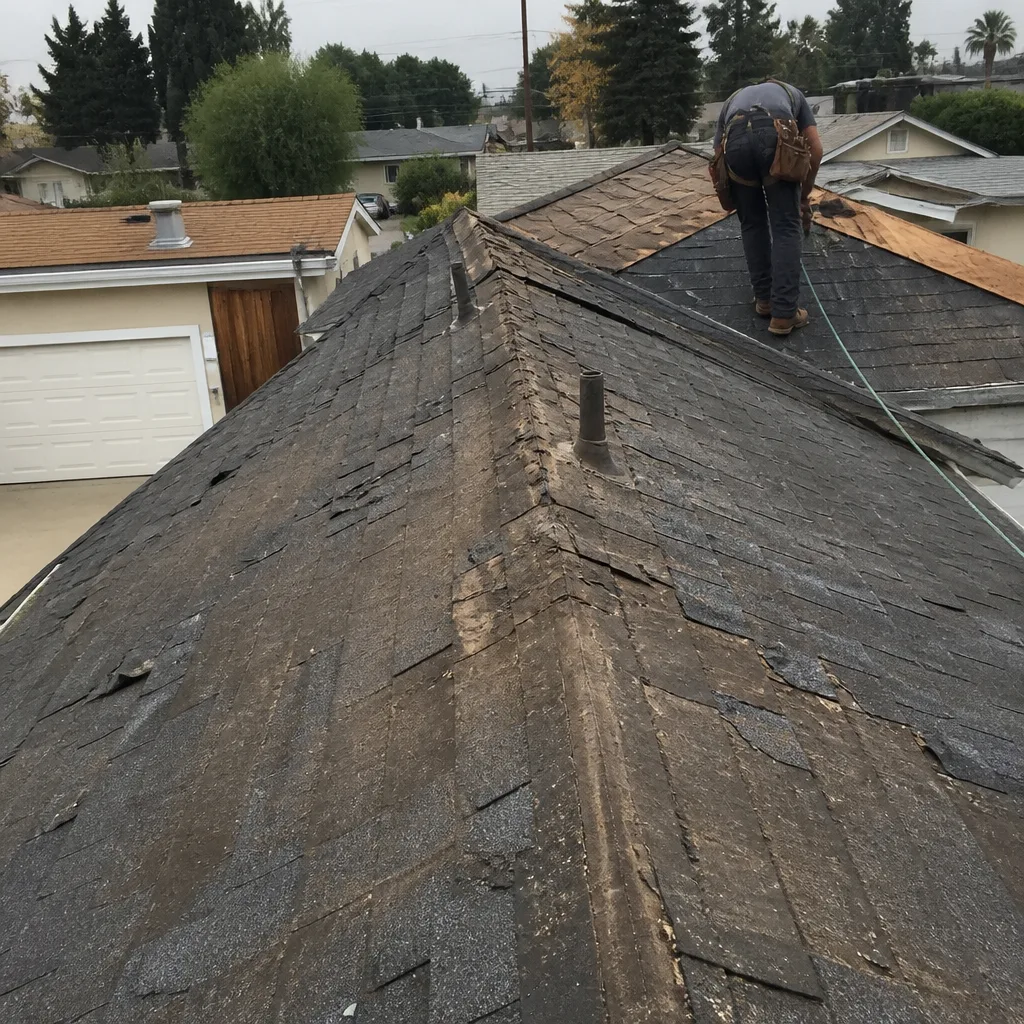 Before
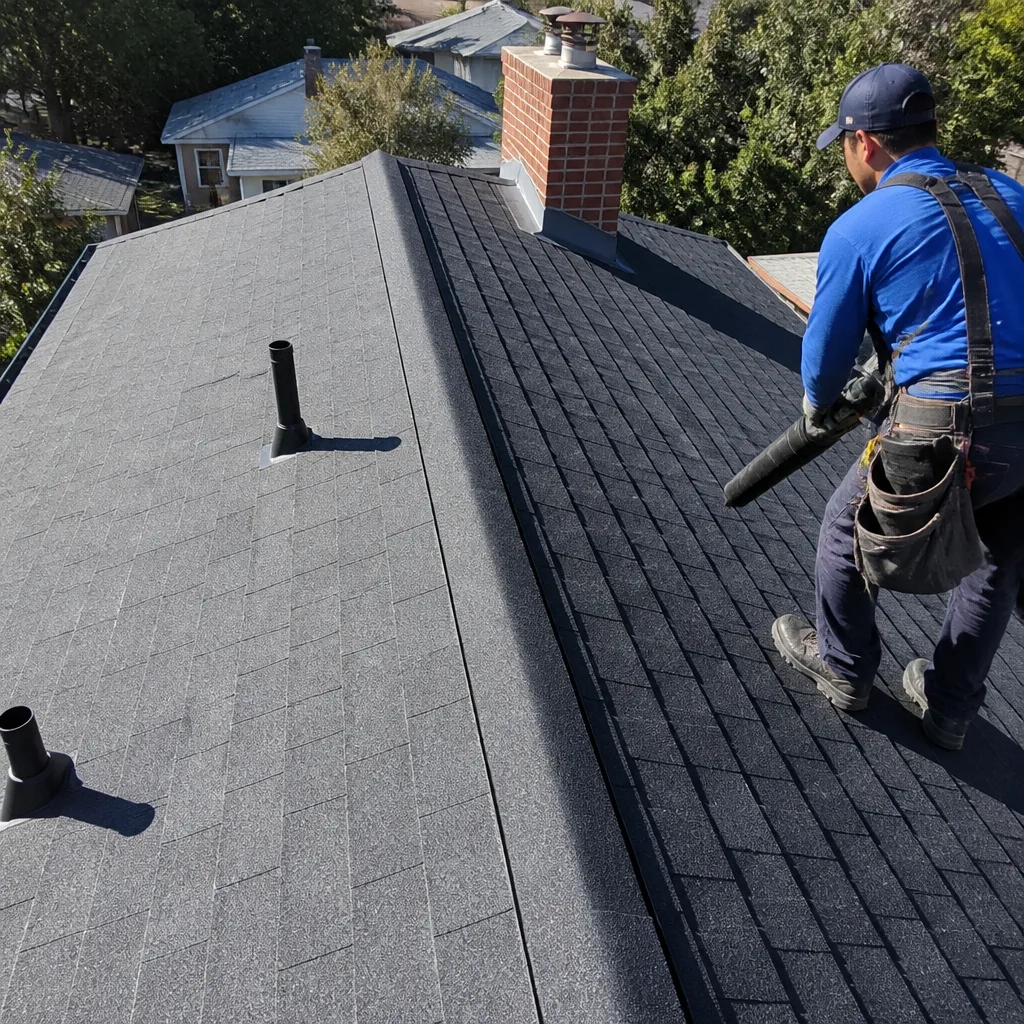 After
AfterDIY vs Professional Roof Installation: What’s Safe to Do Yourself
YouTube tutorials make a full shingle replacement look like a weekend project. California’s contractor licensing law makes it a misdemeanor if the job exceeds $500 in labor and materials – which it will. In Los Angeles, where a standard 2,000-square-foot home needs roughly 20 squares of shingles plus underlayment, flashing, and vents, even budget materials push past that threshold before the first nail gun fires. We’ve spent 24 years watching homeowners discover this the hard way: a “simple” repair that voids their insurance, triggers a permit violation, or sends someone to the ER. This guide draws the honest line between what’s genuinely safe to tackle yourself and what California law, physics, and manufacturer warranties reserve for licensed professionals. For related reading, see our breakdown of DIY vs Professional Roof Repair: What’s Safe to Do Yourself.
Quick Answer
Homeowners in Los Angeles can safely perform surface-level maintenance: replacing individual wind-damaged shingles, sealing minor flashing gaps, cleaning gutters, and inspecting from the ground with binoculars. Anything involving structural decking, full-layer tear-off, valley replacement, or work above a 6:12 pitch requires a C-39 licensed contractor in California. DIY beyond these limits risks misdemeanor charges under Business & Professions Code §7028, voided manufacturer warranties, and denied insurance claims for subsequent water damage.
Table of Contents
- California Law: Where DIY Becomes a Misdemeanor
- The Safe DIY Zone: Tasks You Can Legally Handle
- How DIY Work Voids Your Insurance and Warranty
- The Break-Even Math: When Pros Actually Cost Less
- The Permit Reality in Los Angeles
- What You Can Legally Do to Cut Labor Costs
- Common Mistakes to Avoid
- When to Call a Professional
- Frequently Asked Questions
- The Bottom Line
California Law: Where DIY Becomes a Misdemeanor
California Business & Professions Code §7028 is unambiguous: anyone performing contracting work on a project where labor and materials exceed $500 must hold a valid contractor’s license in the appropriate classification. For roofing, that’s the C-39 license. Violation is a misdemeanor, not a civil infraction, carrying penalties of up to six months in county jail and/or a $5,000 fine. For a second conviction, the fine jumps to $10,000.
The $500 threshold is cumulative, not per-visit. Buy $400 in shingles, $150 in underlayment, and rent a $75 nail gun compressor? You’re at $625. The law doesn’t care whether you call it a “repair” or a “replacement.” It cares about the total project value.
Here’s where Los Angeles homeowners get caught specifically. The Los Angeles Department of Building and Safety (LADBS) requires permits for roof replacements, re-covering existing roofs with new layers, structural repairs to decking, and any work affecting roof drainage. A permit application requires a C-39 license number. No license, no permit. No permit, no inspection. No inspection, no certificate of occupancy or compliance – which means when you sell, the disclosure forms will flag unpermitted work, and buyers’ lenders may require retroactive permitting at professional rates before closing.
We’ve inspected homes in Silver Lake and Echo Park where unpermitted DIY re-roofs from the 2010s became $8,000 – $12,000 headaches at sale time. The original “savings” evaporated, then some.
There is a narrow exception: property owners performing work on their own single-family residence. But this doesn’t override the permit requirement, the insurance implications, or the manufacturer warranty terms we’ll cover next. It merely keeps you out of criminal court. The structural, financial, and safety liabilities remain fully yours.
The Safe DIY Zone: Tasks You Can Legally Handle
Not everything on a roof requires a license. These tasks stay below the $500 threshold, don’t trigger permit requirements, and pose manageable fall risks with basic precautions:
- Single shingle replacement after wind damage. Los Angeles sees Santa Ana wind events that lift and crease individual shingles without disturbing the surrounding field. If the shingle is on a low-slope section (4:12 or less), you can remove the damaged piece, slide in a matching replacement, and seal with roofing cement. Cost: $8 – $15 per shingle, $12 for a tube of cement, $20 for a flat pry bar. Tool list stays under $50 if you own a hammer and utility knife. Time: 45 minutes for your first one, 15 minutes once you’ve done a few.
- Pipe boot sealing. Those rubber collars around plumbing vents crack in Southern California’s UV exposure after 7 – 10 years. A replacement boot costs $15 – $25. You’ll need a caulk gun, roofing sealant, and a ladder tall enough to reach the vent with three points of contact maintained at all times. Never step onto the roof for this; work from the ladder. Time: 30 minutes.
- Gutter cleaning and basic reattachment. Los Angeles’s combination of dry summers and sudden winter downpours packs gutters with compacted debris. Cleaning requires a ladder, gloves, and a scoop. Reattaching a pulled-downspout costs $8 in screws and a drill. Stay off the roof edge; work from the ladder with a stabilizer bar.
- Ground-level inspection. Binoculars from the sidewalk reveal lifted shingles, missing ridge caps, and damaged flashing that you’d otherwise miss until water stains appear on ceilings. Document with photos dated for your insurance file. Cost: $0 if you own binoculars, $40 – $80 for a decent pair.
- Attic ventilation checks. On hot Los Angeles afternoons, attic temperatures hit 140°F without proper airflow. Check that soffit vents aren’t blocked by insulation and that ridge vents are clear of debris. No roof access required. Cost: $0.
The common thread: these tasks don’t disturb the waterproofing layer, don’t require walking the roof surface extensively, and don’t exceed $500 in materials. They’re maintenance, not installation.
How DIY Work Voids Your Insurance and Warranty
This is the detail most Los Angeles homeowners discover after the damage is done. Your homeowner’s insurance policy contains a “reasonable care” clause. It expects you to maintain the property and address known issues promptly. It does not expect you to perform work reserved for licensed professionals – and when you do, insurers treat subsequent damage as self-inflicted.
Here’s the scenario we see quarterly. A homeowner in the San Fernando Valley notices a small leak around a skylight. They climb up, apply sealant from a hardware store, and consider it fixed. Three months later, El Niño brings three consecutive storms. Water has been migrating under the DIY sealant, saturating the decking, and now pours through the ceiling into the living room. The insurer sends an adjuster. The adjuster finds the unlicensed repair, notes the absence of permit documentation, and denies the interior damage claim as resulting from “faulty workmanship by an unqualified party.”
The homeowner now faces: ceiling drywall replacement ($800 – $2,400), insulation removal and replacement ($1,200 – $3,000), potential mold remediation ($2,000 – $6,000 in Los Angeles’s humid winter conditions), plus the original skylight repair that now requires full flashing replacement. The “free” DIY fix just became a $10,000+ out-of-pocket loss.
Manufacturer warranties operate similarly. GAF’s Golden Pledge, CertainTeed’s SureStart Plus, Owens Corning’s Platinum Protection – all require installation by a contractor certified by that manufacturer. Atlas and Tamko carry similar provisions. The warranty language is explicit: “This warranty applies only to shingles installed by a GAF Master Elite contractor in accordance with GAF’s published application instructions.” DIY installation voids the warranty entirely, including the 50-year material coverage you paid for.
Even “lifetime” shingles become 10-year prorated coverage at best when the manufacturer can prove unlicensed installation. In our experience reviewing competitor warranties for homeowners, we’ve never seen a manufacturer honor a full claim on a DIY-installed roof.
The Break-Even Math: When Pros Actually Cost Less
The DIY argument usually starts with labor savings. Professional roof installation in Los Angeles runs $4.50 – $8.50 per square foot for asphalt shingle, depending on pitch, access, and layers to remove. On a 2,000-square-foot home, that’s $9,000 – $17,000 total. Material-only costs for the same project: $3,500 – $6,000. The apparent savings is $5,500 – $11,000. But this math collapses under scrutiny.
Here’s the full accounting:
| Cost Category | DIY | Professional |
|---|---|---|
| Shingles (20 squares, mid-grade architectural) | $2,800 – $4,200 | Included in bid |
| Underlayment, ice/water shield, nails | $600 – $900 | Included in bid |
| Flashing, vents, pipe boots | $400 – $700 | Included in bid |
| Dumpster rental (Los Angeles, 7 days) | $450 – $650 | Included in bid |
| Fall protection equipment (harness, ropes, anchors) | $300 – $600 | Contractor-owned |
| Pneumatic nail gun rental (2 weeks) | $200 – $350 | Contractor-owned |
| Permit fees (LADBS) | $450 – $1,200 | Handled, often included |
| Tool purchases (circular saw, roofing shovel, etc.) | $400 – $800 | Contractor-owned |
| Waste disposal overage (tile weight surprises) | $200 – $500 | Contractor risk |
| Your time (80 – 120 hours at any hourly value) | $0 – $3,000+ | $0 |
| Realistic Total | $5,800 – $12,900 | $9,000 – $17,000 |
At the low end, you might save $3,000. But that savings exists only if: you work efficiently with no weather delays, you incur no injury, you pass inspection on the first try, and no material defects appear. The probability of all four conditions holding is low. We’ve been called to finish DIY tear-offs where the homeowner exhausted their vacation days, the tarp failed in a rainstorm, and the real cost exceeded our original bid by 40%.
The break-even point shifts dramatically with roof pitch. Above 6:12, fall protection requirements intensify, work slows by 30 – 50%, and most homeowners rightly abandon the project. Above 8:12, professional installation is almost always cheaper because specialized crew experience dominates material savings.
The Permit Reality in Los Angeles
LADBS processes roughly 4,000 roofing permits annually. The standard residential re-roof permit requires: a completed application, C-39 license verification, a site plan showing roof dimensions, specifications for materials and underlayment, and payment of plan-check and inspection fees. Timeline: 2 – 4 weeks for plan check, then scheduling of two inspections – one after tear-off and dry-in, one after final shingle installation.
DIYers attempting to pull their own permit face a catch-22. The owner-builder exemption exists, but LADBS will ask for proof of workers’ compensation insurance for any hired help, and will scrutinize whether the scope exceeds your demonstrated competence. If they deny the permit, you’re back to hiring a C-39 contractor anyway, now with weeks lost.
Los Angeles also enforces Title 24 energy efficiency requirements. New roofs must meet cool roof standards – minimum solar reflectance and thermal emittance values – in most climate zones. The approved product list changes; a DIYer buying last year’s “deal” shingles may discover at inspection that they don’t qualify. Professional contractors track these updates; it’s part of why we specify Atlas StormMaster Slate or Tamko Heritage Vintage in certain Los Angeles microclimates where reflectance requirements are strictest.
Permit violations in Los Angeles trigger escalating penalties. First notice: correction order with 30 days to comply. Second: $356 per day until resolved. Third: work stoppage and potential lien against the property. We’ve seen unpermitted garage conversions with DIY roofs held up in escrow for six months.
What You Can Legally Do to Cut Labor Costs
Not every cost reduction requires picking up a hammer. Here are legitimate ways to reduce your professional installation bill without voiding warranties or permits (explore more guides & resources for additional savings strategies):
- Handle the permit application yourself. Some contractors charge $200 – $400 for permit processing. If you have time and patience for LADBS queues, this is legal and doesn’t affect the work quality. Confirm with your contractor first; some prefer to control the timeline themselves.
- Remove interior attic contents before crew arrival. Clearing insulation, stored items, and access paths saves 2 – 3 hours of paid labor. At $75 – $125 per hour crew rates, that’s real money.
- Schedule during shoulder seasons. Late February through April, and September through early November, see lower demand in Los Angeles. Contractors offer more flexible pricing when crews aren’t booked solid. This doesn’t mean “cheap” – it means you’re negotiating from a position of mutual convenience.
- Handle your own landscaping protection and post-job cleanup of grounds. Tarps over rose beds, moving patio furniture, and sweeping nails from lawns with a magnet roller (rented for $35/day) saves a half-day of crew time. Never handle debris disposal yourself; it’s included in contractor bids for liability reasons.
- Be decisive on material selection. Waffling between GAF Timberline HDZ and CertainTeed Landmark costs nothing in dollars, everything in time. Contractors price uncertainty into change orders. Finalize your choice before the written price is delivered.
- Ask about payment terms that reduce contractor risk. Some companies offer modest discounts for payment methods that clear immediately versus credit card processing fees. At Roof Installation in Los Angeles, we put every option in writing before work starts.
The key distinction: these tasks sit outside the waterproofing system. They don’t affect the permit, the inspection, the warranty, or the insurance coverage. They’re logistical, not technical.
Common Mistakes to Avoid
- Assuming your homeowner’s insurance covers DIY roof work. It doesn’t. Standard HO-3 policies cover sudden, accidental damage from perils like wind or fire. They exclude damage resulting from faulty workmanship, and they define unlicensed roofing as faulty by default.
- Walking a roof in dew or after rain. Los Angeles morning marine layers leave roofs slick until 10 a.m. even in summer. We’ve responded to emergency calls from homeowners who fell before the first shingle came up. Wait for full sun and dry surfaces, or better, don’t walk it at all.
- Layering new shingles over old to “save” on tear-off. California building code allows one re-cover maximum, and only if the existing roof is in good condition with no more than two layers total. In Los Angeles’s seismic zone, the extra weight matters. We’ve torn off three-layer sandwiches that accelerated deck rot by trapping moisture. The “savings” became a full deck replacement.
- Using non-rated materials from discount suppliers. That “deal” on shingles from a liquidation warehouse may lack the CRRC (Cool Roof Rating Council) label LADBS requires. At inspection, you’ll fail and face removal.
- Ignoring valley construction. DIY videos spend 30 seconds on valleys. In reality, valleys handle 60% of roof runoff in Los Angeles’s concentrated winter storms. Open woven valleys, closed cut valleys, and California valleys (the regional hybrid) each require specific techniques. Get this wrong and water finds your living room.
- Working without a spotter or communication device. Every year, Los Angeles County emergency rooms treat falls from residential roofs. A phone in your pocket, a ground contact who checks every 30 minutes, and a ladder stabilizer are minimums. Most DIYers use none of the three.
- Signing a contract without verifying C-39 license status. The Contractors State License Board website takes 60 seconds. Enter the license number, confirm it’s active, confirm it includes C-39 classification, confirm the bond is current. We’ve seen homeowners burned by handymen with B-general licenses performing roofing – legally insufficient, and their “warranty” is unenforceable.
When to Call a Professional
Call a licensed C-39 contractor when: the project exceeds $500 in materials and labor combined; the work requires a LADBS permit; the roof pitch exceeds 6:12; you’re replacing more than 100 square feet of damaged area; structural decking is involved; valleys, chimneys, or skylights need flashing work; or your manufacturer warranty matters to you.
In Los Angeles, where a single winter storm can drop two inches in 24 hours and Santa Ana winds hit 60 mph, a roof isn’t the place to learn on the job. The consequences of error are structural, financial, and sometimes permanent.
Crestview Roofing offers free estimates in Los Angeles – call (325) 246-5075. Every estimate includes a written price before any work starts, before-and-after photo documentation, and our 365-Day Done Right Promise covering every repair. You’ll know who’s arriving, when they’ll get there, and exactly what it costs. No surprises at the door, no arguments after the job.
Frequently Asked Questions
You can perform work on your own single-family residence, but California law requires a C-39 license for projects exceeding $500 in labor and materials, and LADBS requires permits for most roof replacements that only licensed contractors can pull. Call (325) 246-5075 for a free estimate – our written price shows exactly where your project falls relative to legal thresholds.
Most asphalt shingle installations run $4.50 – $8.50 per square foot, or $9,000 – $17,000 for a typical 2,000-square-foot home. Steep pitches, multiple layers to remove, or tile/conversion to metal push costs higher. We deliver a written, line-item price before any work begins – the number on the page is the number on the invoice. Call (325) 246-5075 for your specific estimate.
Probably not. Standard policies exclude damage resulting from faulty workmanship by unqualified parties, and insurers classify unlicensed roofing work as such. Even if the original damage was from a covered peril (wind, hail), subsequent leaks traced to DIY repairs are typically denied. A C-39 licensed contractor’s work, properly permitted, creates the documentation trail insurers accept.
Business & Professions Code §7028 makes unlicensed contracting a misdemeanor: up to six months in county jail and/or $5,000 fine for a first offense, $10,000 for subsequent convictions. In Los Angeles, LADBS can also issue correction orders, daily penalties of $356, and work stoppages. The criminal record and property lien consequences outlast any labor savings.
Most reputable contractors won’t allow homeowner labor on the roof itself – workers’ compensation and liability policies don’t cover you, and OSHA regulations restrict untrained personnel on active job sites. You can reduce costs through pre-job prep, material decisiveness, and handling your own landscaping protection. Ask us during your estimate which tasks fit this category.
Visit cslb.ca.gov and enter the license number. Confirm: status is “Active,” classification includes C-39 (Roofing), workers’ compensation coverage is current, and the bond is valid. Cross-check the business name with your contract. At Crestview Roofing, we provide this information before you ask, and every technician arrives in a uniform with photo ID – part of The Relay Visibility Guarantee.
The Bottom Line
The real DIY question isn’t whether you’re capable – it’s whether the money saved survives contact with California’s permit requirements, fall-risk liability, and the warranty terms that manufacturers void the moment an unlicensed person touches the roof. Homeowners weighing a full replacement should read DIY vs Professional Roof Replacement: What’s Safe to Do Yourself before deciding. For Los Angeles homeowners, the safe zone is narrow: single-shingle replacement, pipe boot sealing, gutter maintenance, and ground-level inspection. Beyond that, the combined weight of law, physics, and financial risk shifts the advantage to licensed professionals. The break-even math tightens further when you account for your time, equipment, and the unpriced possibility of error. Get the honest assessment first: a written estimate costs nothing and reveals exactly where your specific project stands.
Written by Dylan Pace, Owner at Crestview Roofing, serving Los Angeles since 2000.