
Last updated October 10, 2026
Free roof inspection with deck photos before we talk money - GAF and Owens Corning certified installation
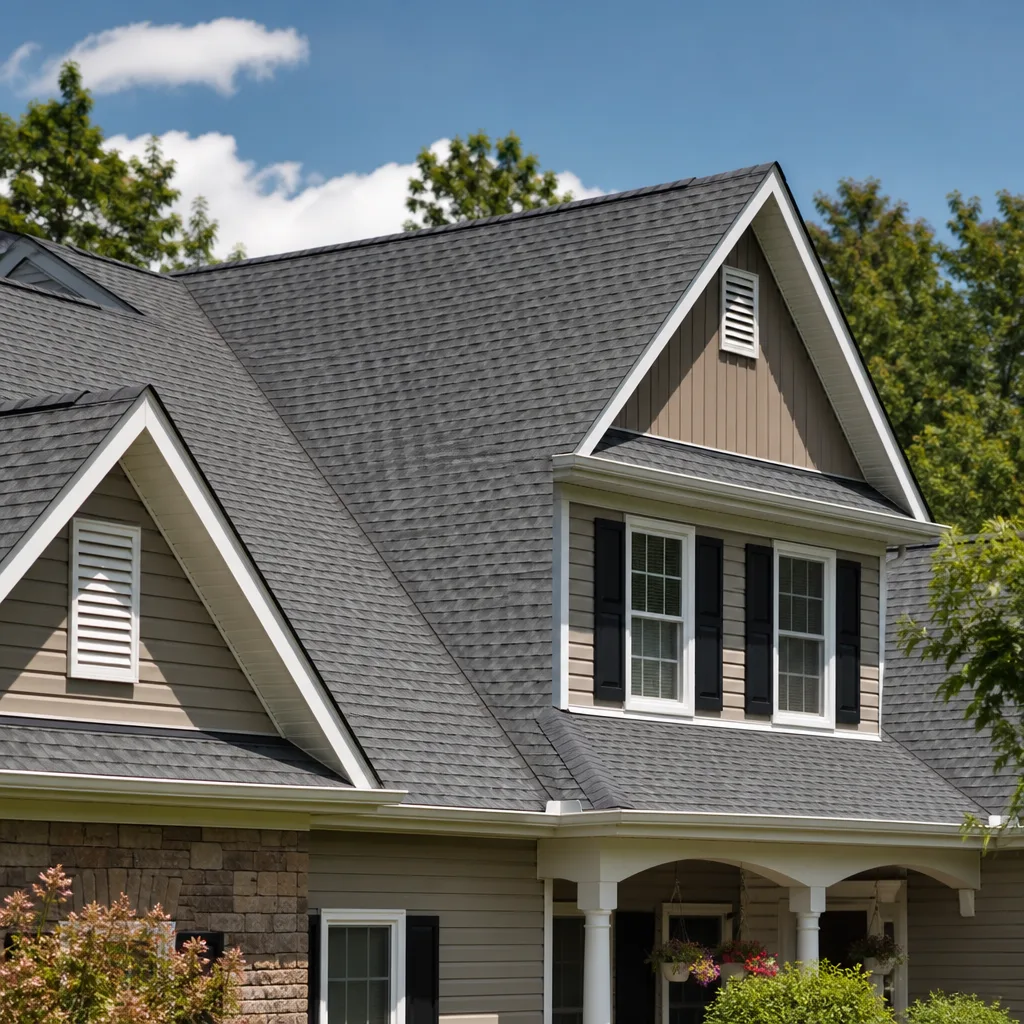
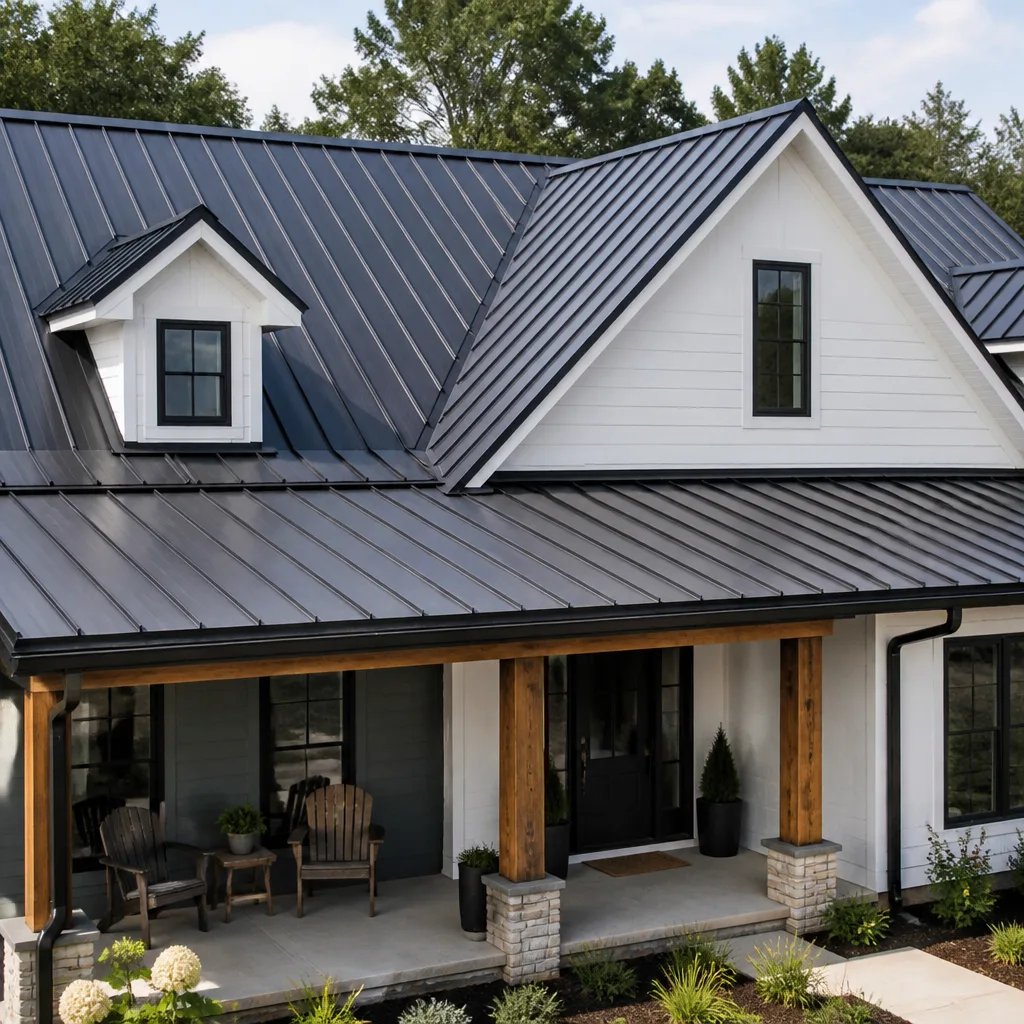
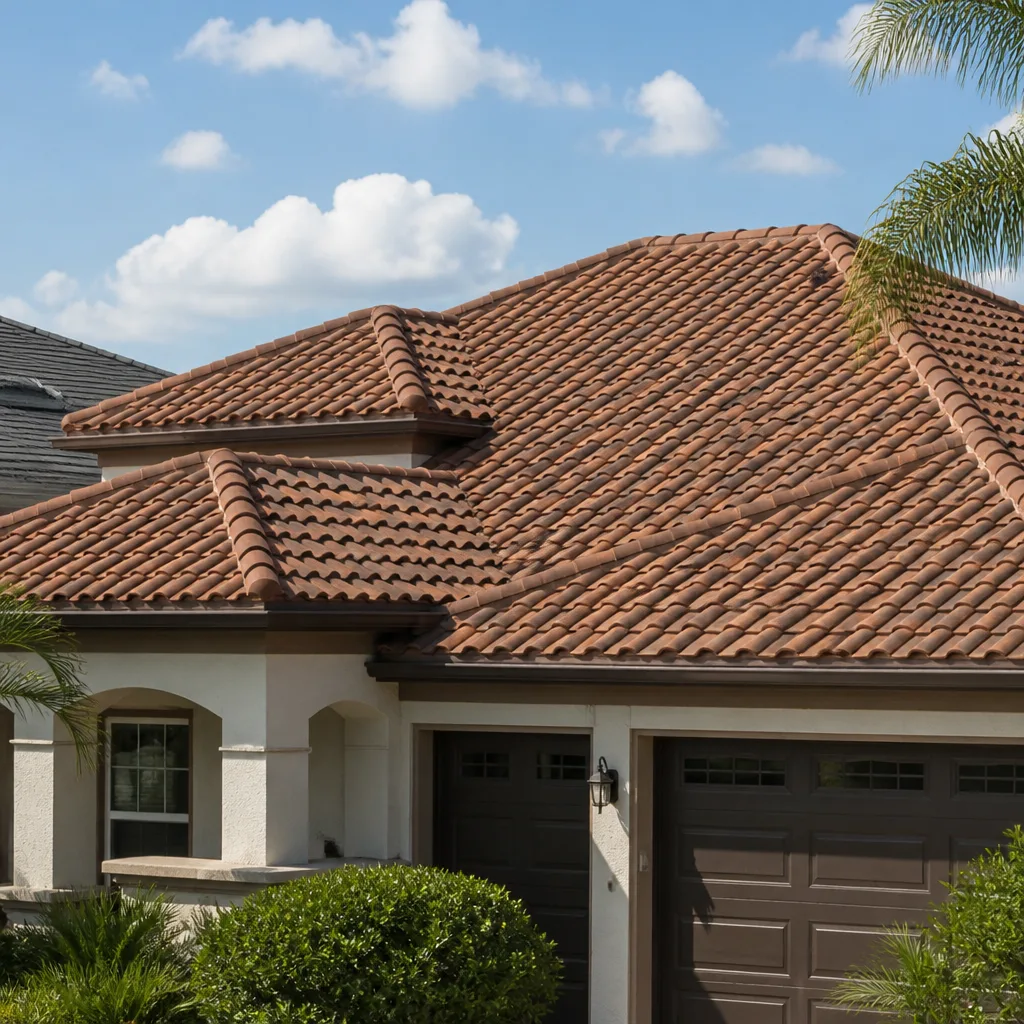
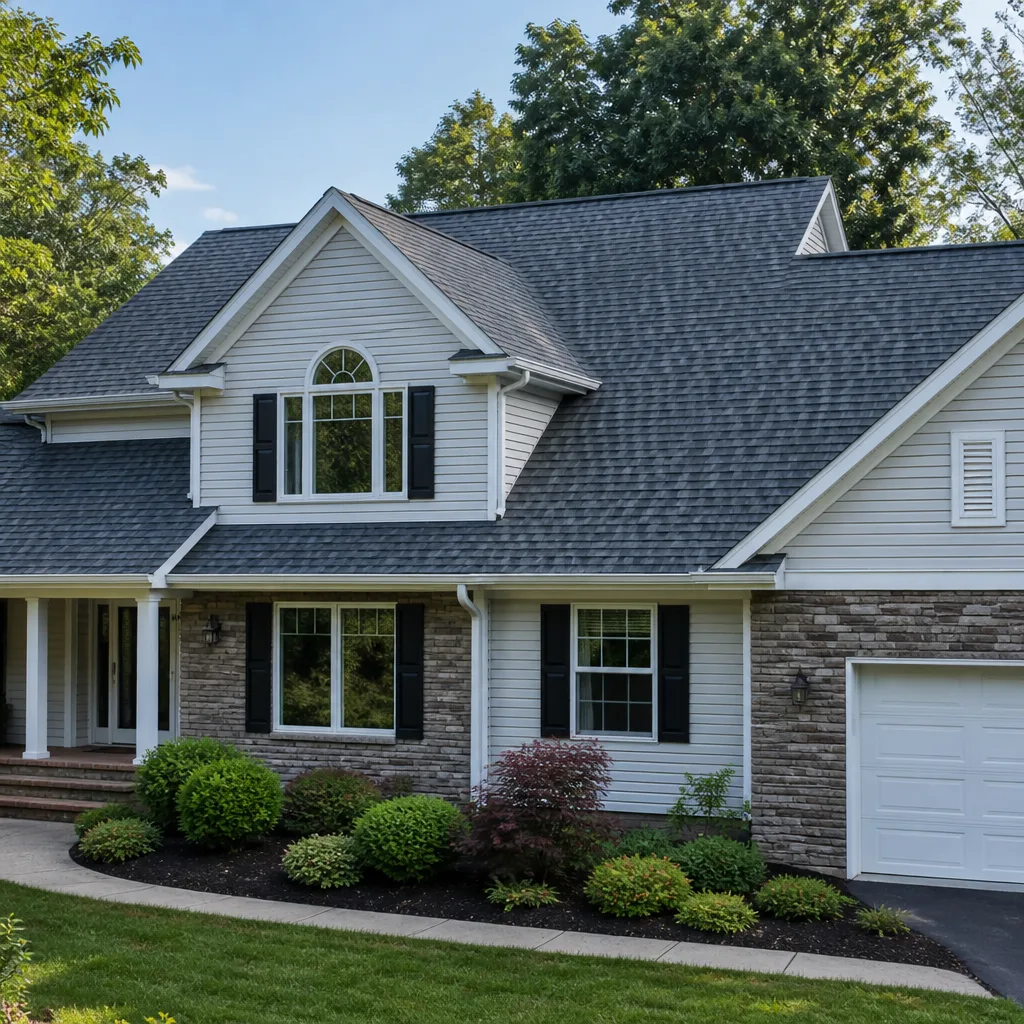
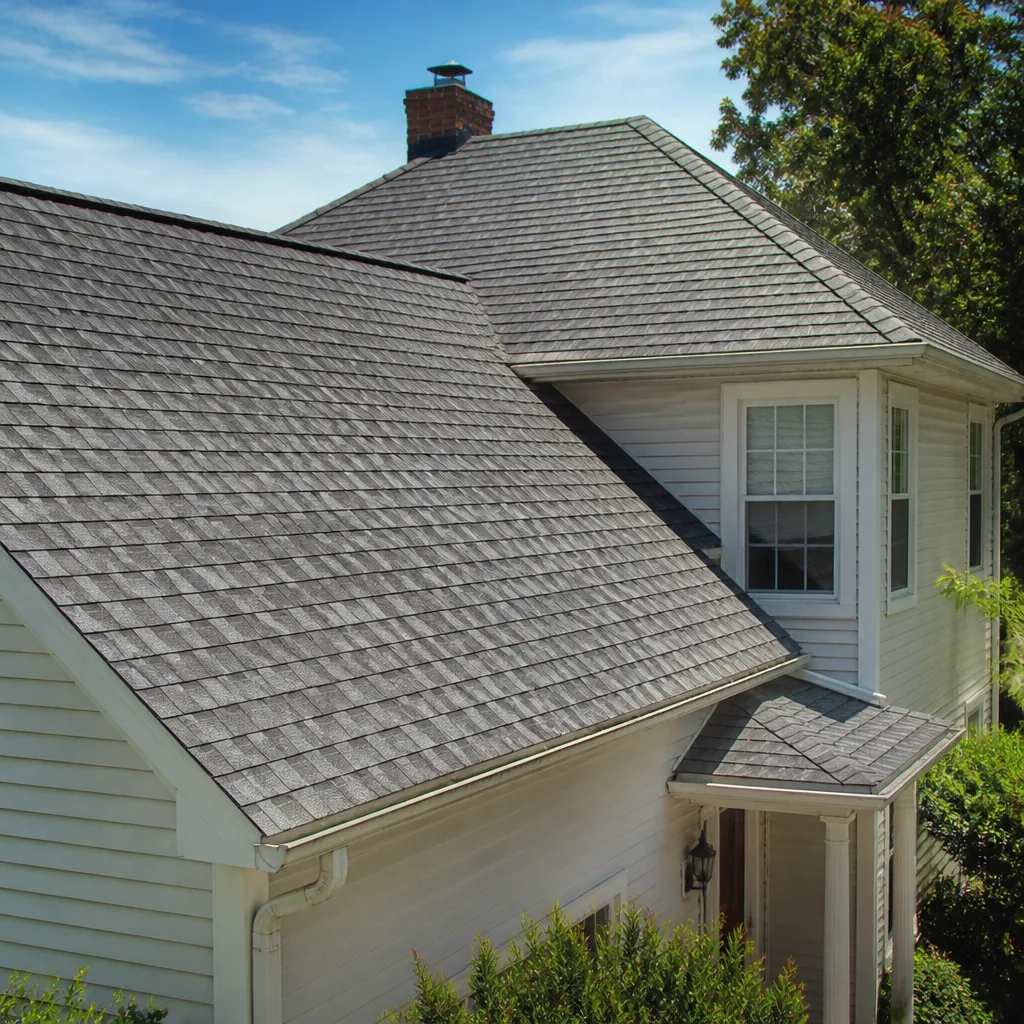
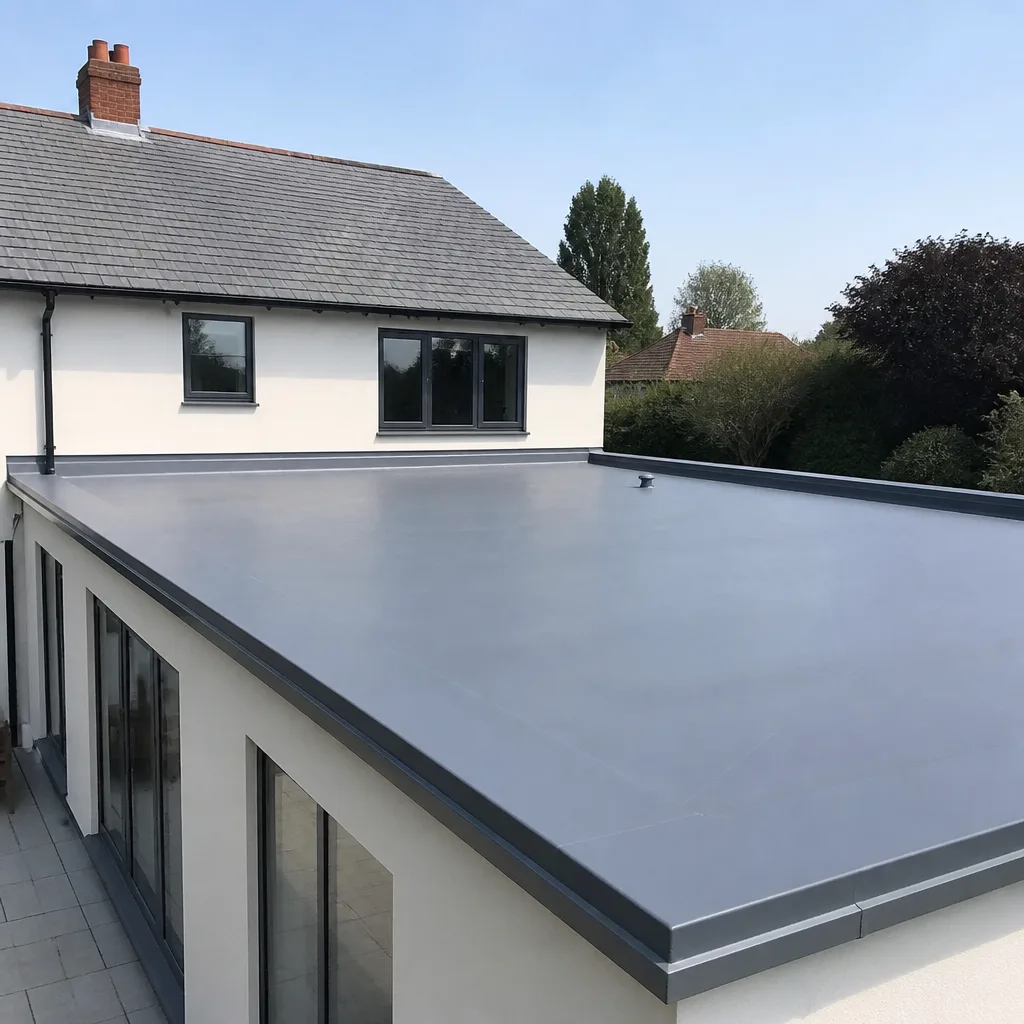
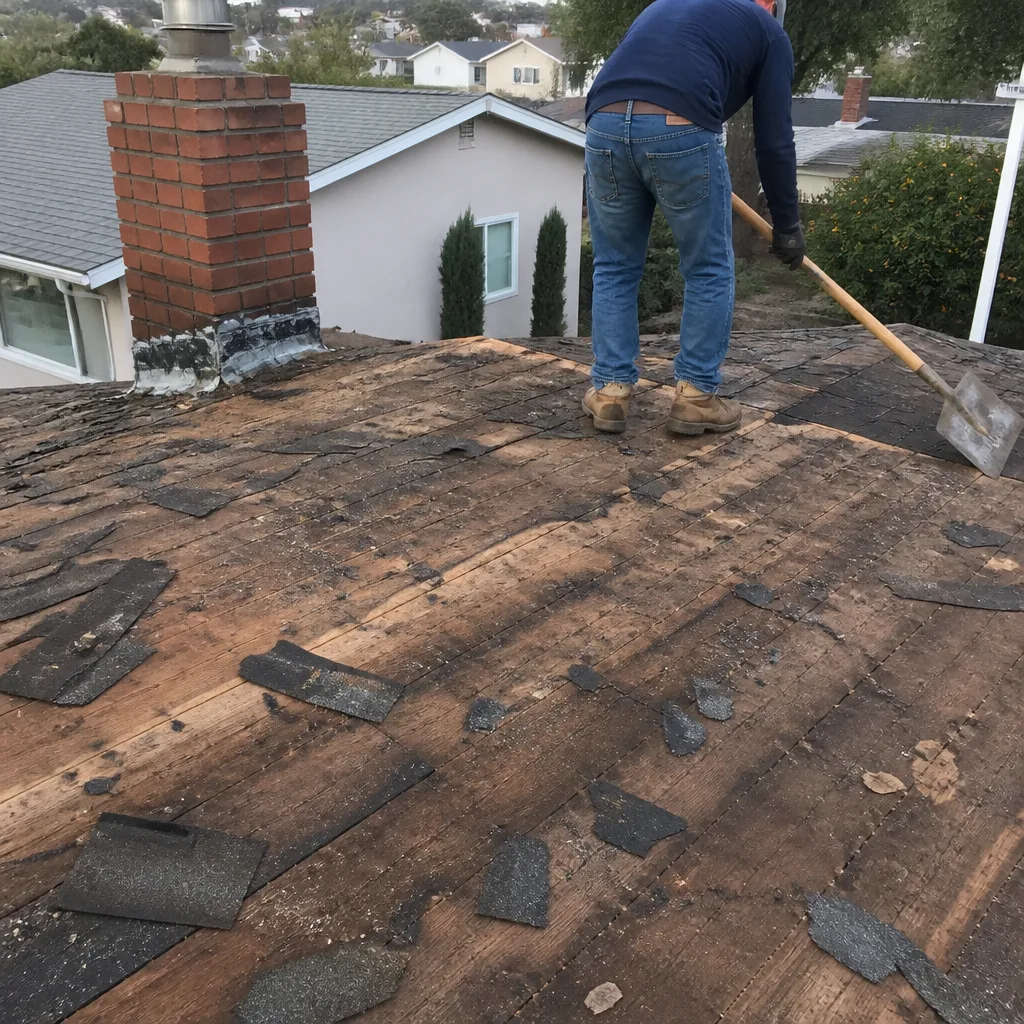 Before
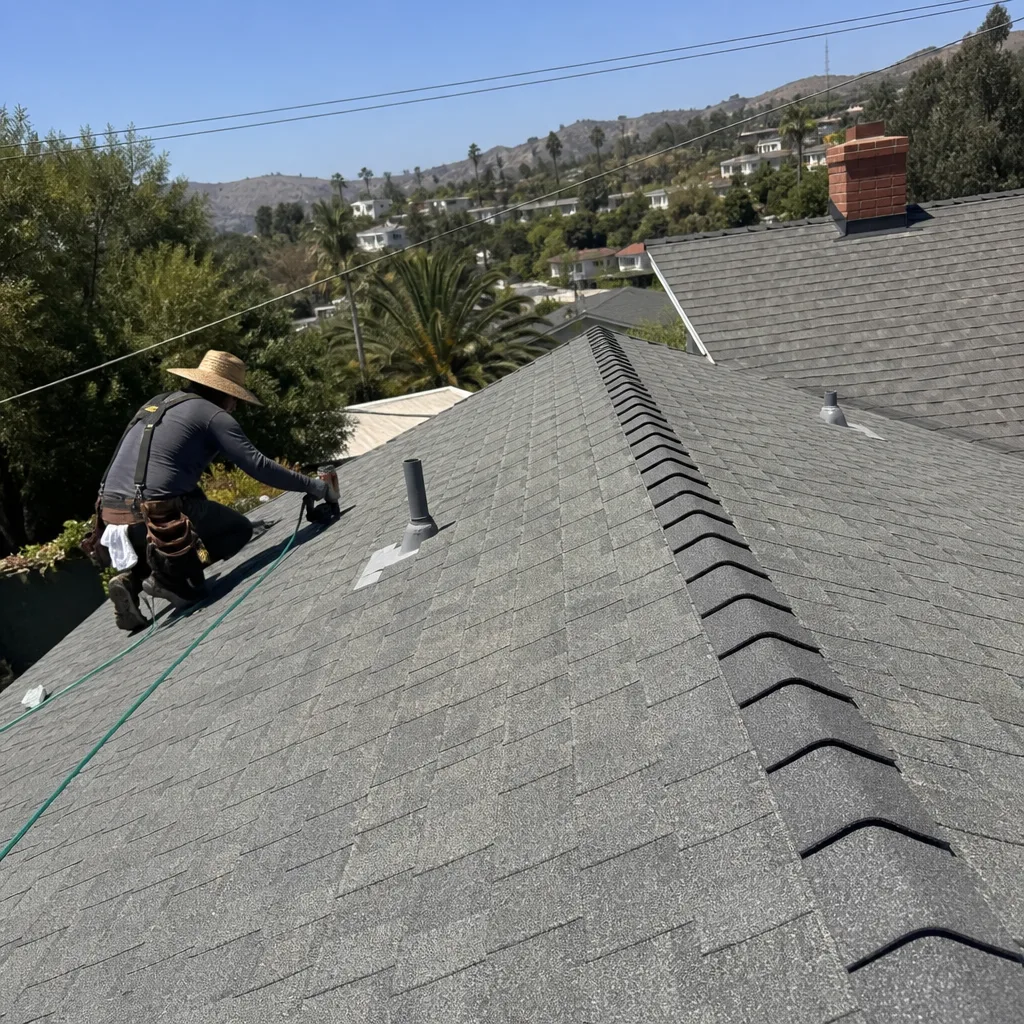 After
After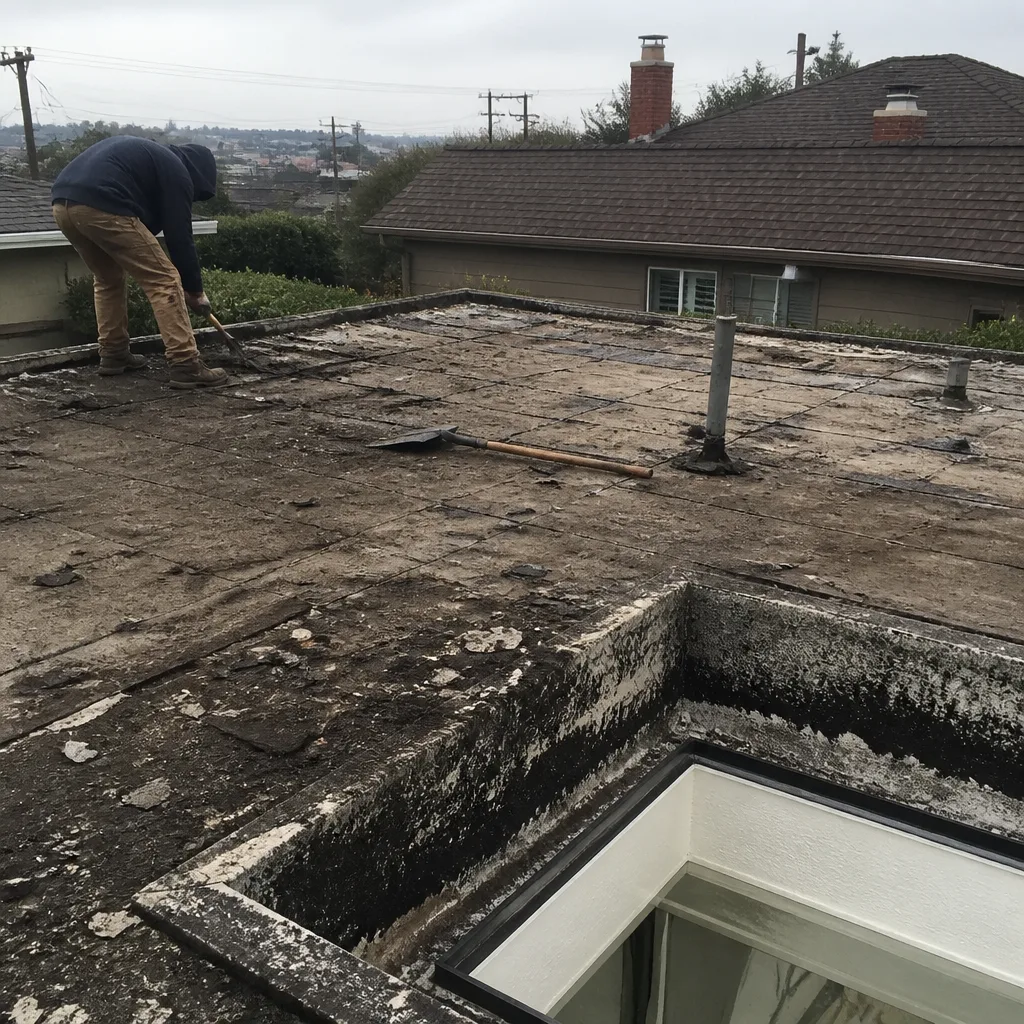 Before
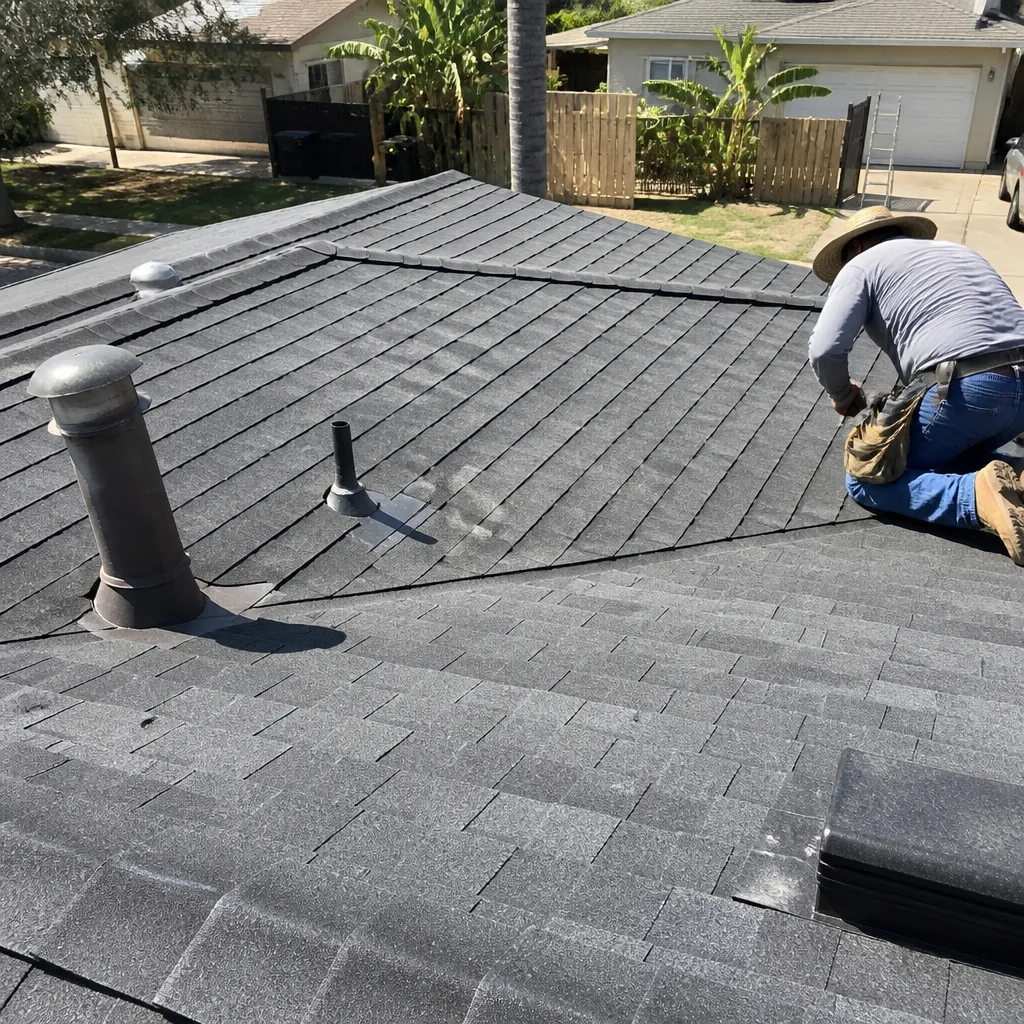 After
After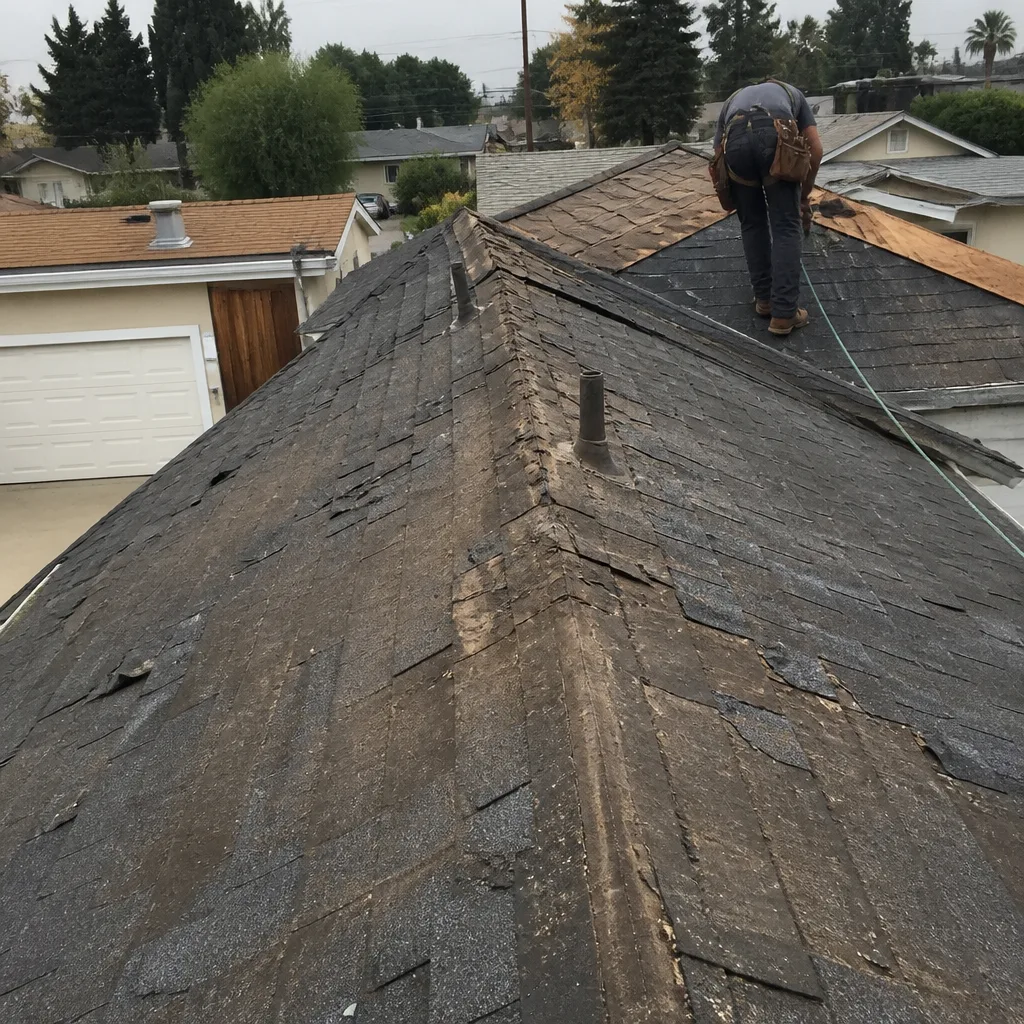 Before
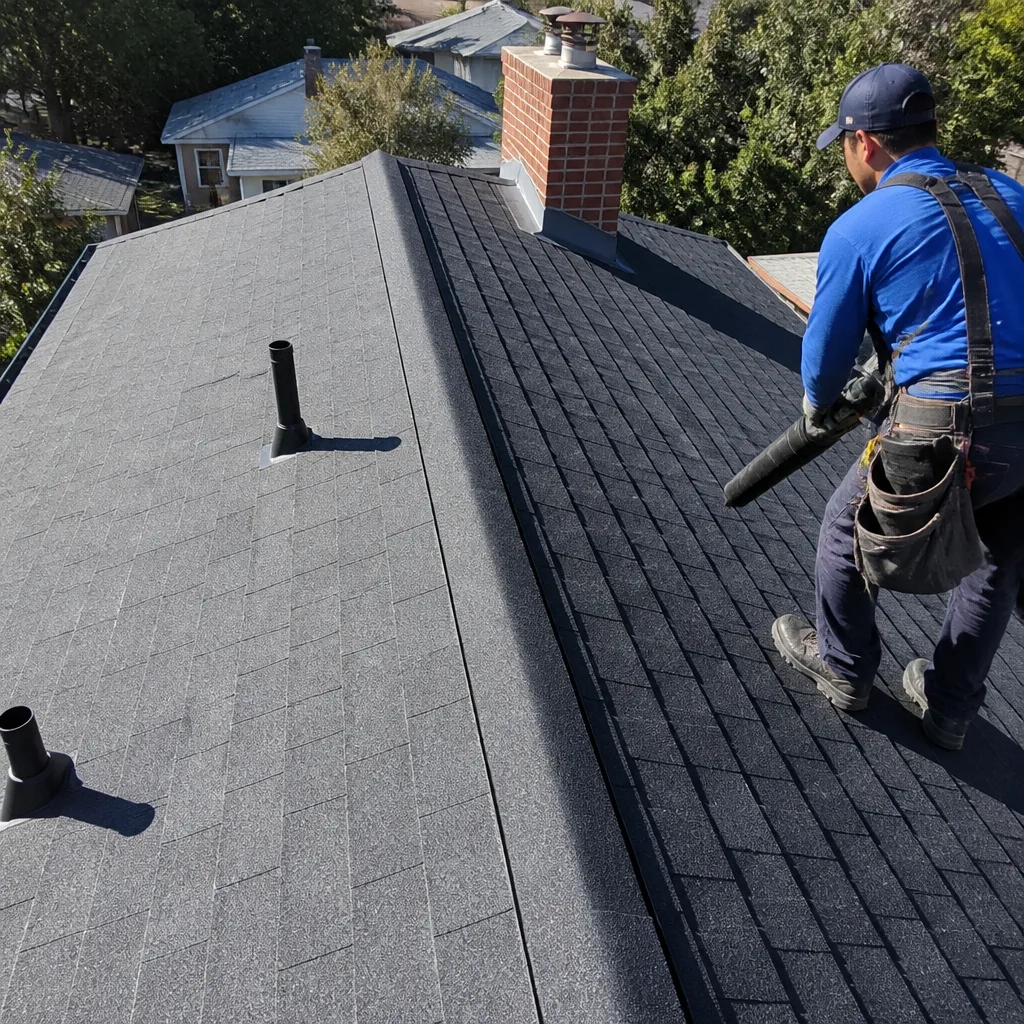 After
AfterThe Complete Roof Repair Guide for Los Angeles Homeowners
Los Angeles averages only 15 inches of rain per year, yet roof leaks are the number-one home insurance claim in the county. The reason isn’t rain volume – it’s the stop-start thermal cycling that cracks sealant every single summer, plus Santa Ana wind uplift, marine-layer moisture traps along the coast, and wildfire ember exposure that national repair guides never address. In this guide, we’ll walk you through how LA’s unique climate stresses your roof, what roof repairs actually cost here, when you need a city permit, and how to read a roofing quote so you’re not surprised at the invoice.
Quick Answer
Most DIY vs professional roof installation debates miss this reality: roof repairs in Los Angeles cost between $350 and $1,800 depending on the damage type, with asphalt shingle repairs averaging $450 – $950 and clay tile repairs running $600 – $1,500 due to material matching requirements. A properly scoped repair includes written line-item pricing, before-and-after photo documentation, and a workmanship guarantee – anything less leaves you exposed to the exact climate stressors that caused the damage in the first place.
Table of Contents
- How Los Angeles Climate Actually Destroys Roofs
- The Most Common Repair Types We See in LA
- What Roof Repair Costs in Los Angeles (Real Numbers)
- LA Permits: When You Need One and When You Don’t
- Santa Ana Winds: The Hidden Uplift Problem
- Coastal Moisture Traps: Venice, San Pedro, and Beyond
- Wildfire Ember Zones and Your Material Choices
- How to Read a Roofing Quote (Line by Line)
How Los Angeles Climate Actually Destroys Roofs
National roofing guides treat climate as a footnote. In Los Angeles, it’s the entire story. Our roofs don’t fail from snow load or hurricane-force sustained rain. They fail from a specific set of stressors that interact in ways most contractors outside California don’t encounter.
Thermal cycling is the silent killer. Summer days in the Valley hit 105°F while nights drop to 65°F. That 40-degree swing happens hundreds of times per year. Asphalt shingles expand and contract. The tar sealant between layers softens, flows, then re-hardens in a new position. After enough cycles, the sealant cracks. Water doesn’t need a hole – it needs a hairline. When that first winter rain hits (or when marine-layer fog condenses on the underside), it finds that crack and follows it to the decking.
We’ve torn off shingles in Northridge that looked fine from the street but had completely separated sealant strips underneath. The homeowner’s “sudden” leak had been developing for three years.
UV degradation happens faster here than almost anywhere in the continental US. Los Angeles receives 284 sunny days annually. The asphalt oils in shingles bake out. Granules loosen. What starts as cosmetic fading becomes structural failure when the fiberglass mat beneath is exposed. A 25-year shingle in Minneapolis might last 22 years. In Sunland-Tujunga, we’ve seen 25-year shingles fail at 14.
Earthquake micro-movements stress flashing and penetrations. Every seismic event, even the 2.5-magnitude tremors Angelenos barely register, shifts the roof deck slightly relative to chimneys, vents, and walls. The metal flashing – those strips that seal joints – fatigues at the bend points. We’ve found cracked chimney flashing in homes that haven’t had a “major” quake in decades.
Key climate stressors for Los Angeles roofs:
- Thermal cycling: 40 – 50°F daily swings in inland valleys, 200+ days annually
- UV exposure: 284 sunny days, highest in any major US metro
- Seismic micro-movements: cumulative fatigue on flashing and penetrations
- Marine-layer moisture: coastal fog penetration, discussed in detail below
- Santa Ana wind uplift: sudden, directional stress unlike any other US wind pattern
- Wildfire ember exposure: increasingly relevant for hillside and canyon-adjacent homes
The Most Common Repair Types We See in LA
After 24 years working Los Angeles roofs, we’ve developed a clear picture of what actually fails and why. These aren’t theoretical – they’re the calls that come in weekly, sometimes daily, to our office.
Shingle replacement and re-sealing. The most common call. Individual shingles crack, curl, or lose granules. The repair seems simple: remove damaged pieces, install new, seal. But in Los Angeles, color matching is harder than it sounds. UV fading means a three-year-old roof’s “charcoal” shingles no longer match the bundle from the supplier. We always pull a sample and source from the same manufacturer run when possible. GAF and CertainTeed both maintain regional color archives that help, but there’s no substitute for a physical comparison in daylight.
Flashing repair and replacement. Chimney flashing, vent pipe boots, wall-to-roof transitions. These are the leak sources in maybe 60% of the “mystery leaks” we diagnose. The repair ranges from resealing with compatible sealant (polyurethane for most metal, modified bitumen for some applications) to complete flashing replacement when corrosion or fatigue cracking is advanced.
Tile repair – clay and concrete. Los Angeles has more clay tile roofs than any city outside Florida and the Southwest. Clay tiles don’t rot, but they break. A broken tile exposes the underlayment, which in LA’s UV environment degrades in months, not years. Matching aged clay tile is an art. We source from Boral and other manufacturers who maintain historical color profiles, but for roofs over 15 years, we often need to pull tiles from a less visible roof area (back slope, behind a chimney) to use as repair stock, then install new matching tiles in that hidden area.
Decking repair. When leaks have persisted undetected, the plywood or OSB decking beneath rots. In coastal Los Angeles ZIP codes, marine-layer moisture can rot decking from the underside even without an obvious roof leak. This repair involves removing the overlying material, cutting out damaged decking, installing new, and restoring the roof system above it. It’s the most expensive common repair because it involves multiple material layers.
Gutter and drainage correction. Not strictly “roof” repair, but in Los Angeles, poor drainage accelerates every other failure mode. Standing water at the eave line wicks back under shingles. Clogged gutters overflow onto fascia boards. We see this constantly in neighborhoods with mature trees – Sherman Oaks, Los Feliz, parts of Pasadena adjacent to our service area.
What Roof Repair Costs in Los Angeles (Real Numbers)
These ranges reflect what we’ve quoted and completed in the Los Angeles market over the past three years. They’re not theoretical. Every job includes our written line-item price before work starts, per The Relay Visibility Guarantee.
| Repair Type | Typical Range | What Drives the Price |
|---|---|---|
| Asphalt shingle repair (1 – 3 shingles) | $350 – $650 | Access difficulty, color match complexity, deck condition beneath |
| Asphalt shingle repair (section, up to 100 sq ft) | $650 – $1,200 | Layer removal, ice/water barrier if required, disposal |
| Clay tile repair (individual tiles) | $450 – $850 | Tile availability, access, underlayment condition check |
| Flashing repair (chimney, standard) | $500 – $950 | Height, chimney width, existing material removal |
| Flashing replacement (complete) | $900 – $1,800 | Linear feet, counter-flashing requirements, wall material |
| Decking repair (localized, up to 4×8 sheet) | $800 – $1,500 | Extent of rot, insulation contact, rafter condition |
| Vent pipe boot replacement | $250 – $450 | Pipe diameter, boot type, surrounding shingle integration |
| Skylight reflash/reseal | $600 – $1,200 | Skylight age, manufacturer, curb condition |
| Emergency tarp and temporary seal | $200 – $400 | Accessibility, size, weather timing |
What these numbers don’t include: full roof replacement, which becomes the better economic choice when repairs exceed roughly 30% of replacement cost or when the roof is past 75% of its rated lifespan. For Los Angeles homeowners facing that decision, our Roof Replacement in Los Angeles page breaks down the full cost picture.
Three factors push Los Angeles repairs toward the high end of these ranges:
- Access. Hillside homes in the Hollywood Hills, Laurel Canyon, or Pacific Palisades require specialized equipment or additional labor hours for safe access. We don’t guess at this – our written quote includes the specific access method.
- Material matching. Discontinued colors, imported clay tiles, or custom blends require sourcing time and sometimes premium pricing. We identify this during inspection, not after work starts.
- Permit requirements. When the Los Angeles Department of Building and Safety requires a permit, the process adds $200 – $400 in fees and typically one inspection visit. More on permits below.
LA Permits: When You Need One and When You Don’t
The Los Angeles Department of Building and Safety (LADBS) permit requirements confuse homeowners and sometimes contractors. Here’s the practical breakdown based on our experience pulling permits across the city.
No permit required: Repair of less than 100 square feet of roofing material in a 12-month period, provided you’re not altering the roof structure, changing the roof covering type (e.g., from shingles to tile), or repairing fire-damaged areas. This covers most single-shingle repairs, small flashing fixes, and vent boot replacements.
Permit required: Repairs exceeding 100 square feet in 12 months, any structural decking replacement, changes to roof pitch or drainage paths, or any work in designated fire hazard zones that involves opening the roof envelope. Also required when replacing more than 25% of the roof area in any 12-month period – at that point, LADBS treats it as reroofing. See The Complete Roof Replacement Guide for Los Angeles Homeowners if you’re approaching this threshold.
The ember zone complication. Los Angeles Fire Department (LAFD) designates Very High Fire Hazard Severity Zones (VHFHSZ) across significant portions of the city – the Hollywood Hills, Bel Air, Brentwood, Pacific Palisades, Topanga, and portions of the San Fernando Valley. In these zones, any roof repair that exposes the underlayment or deck requires an inspection to confirm that ember-resistant construction is maintained. This doesn’t always mean a full permit, but it does mean documentation and sometimes a LAFD sign-off.
We’ve seen unpermitted work in these zones cause sale delays when the buyer’s inspector flags it. The cost to retro-permit is always higher than doing it right the first time.
How to verify your zone: LADBS maintains an online zoning lookup. Enter your address and check the “Fire District” layer. If you’re in Zone VHFHSZ, any substantial repair work should include permit verification in your contractor’s scope.
Our process: we identify permit requirements during inspection, include the permit fee as a line item in our written quote, and handle the application and inspection scheduling. You don’t visit the LADBS office. The permit number goes on your invoice for your records.
Santa Ana Winds: The Hidden Uplift Problem
East Coast roofing guides talk about wind in terms of sustained hurricanes. Santa Ana winds are different, and the difference matters for how we repair Los Angeles roofs.
Santa Ana events are characterized by:
- Sudden onset: calm to 60+ mph in under an hour
- Dry, heated air that further desiccates already UV-stressed shingles
- Directional consistency: sustained from a single quadrant, creating asymmetric uplift
- Seasonal clustering: October through January, exactly when homeowners aren’t thinking about roof vulnerability
The asymmetry is the key factor. A hurricane rotates; wind hits from multiple directions. Santa Ana winds come from the northeast, period. The northeast-facing slopes of your roof experience uplift stress that the southwest slopes don’t. Over years, this creates differential fatigue. Nails back out on the stressed slope. Sealant strips separate. We’ve found roofs in Granada Hills and Porter Ranch where the northeast slope was effectively unsealed while the southwest slope looked nearly new.
Repair implications: when we inspect after Santa Ana damage, we don’t just replace the obviously missing shingles. We check the entire stressed slope for nail pop, sealant failure, and deck movement. We use six nails per shingle in high-wind zones instead of the standard four. For Owens Corning Duration shingles, we specify the SureNail strip, which provides a reinforced nailing zone that resists pull-through.
Insurance note: most Los Angeles homeowners policies cover Santa Ana wind damage, but adjusters often attribute the damage to “wear and tear” if the roof is over 10 years old. Photo documentation before and after the event matters. We provide this as part of our standard process – before-and-after photos are part of The Relay Visibility Guarantee on every job.
Coastal Moisture Traps: Venice, San Pedro, and Beyond
Los Angeles coastal neighborhoods – Venice, Marina del Rey, San Pedro, Playa del Rey, parts of Santa Monica and Malibu – experience a moisture pattern that destroys roofs without a single raindrop.
The marine layer rolls in overnight, typically May through July, sometimes into August. Fog condenses on the roof surface. The sun burns it off by mid-morning. The roof heats, the moisture evaporates. But here’s the problem: the underside of the roof deck, in poorly ventilated attics, stays cool. Moisture condenses on the underside of the plywood. It doesn’t drain. It doesn’t evaporate quickly. It just sits there, 60 – 80 days per year, raising the wood moisture content above 20%.
We’ve torn off roofs in Venice where the top surface looked weathered but intact, and the underside of the decking was black with mold and beginning to delaminate. The homeowner never had a “leak” in the traditional sense. The roof failed from the inside out.
Repair approach for coastal Los Angeles homes:
- Inspect the attic side of any repair area. We use moisture meters on the decking. Readings above 18% mean the deck is compromised even if it feels firm.
- Specify breathable synthetic underlayment (we use CertainTeed DiamondDeck or comparable) rather than traditional felt. It allows some moisture transmission while maintaining waterproofing from above.
- Evaluate attic ventilation. Many coastal homes have inadequate intake and exhaust venting. We note this in our inspection report even if it’s outside the immediate repair scope – it’s the root cause of the moisture trap.
- For clay tile roofs, which are common in coastal Spanish Revival architecture, check the bird stop – the closure at the eave that prevents ember and pest entry but also affects airflow. A missing or deteriorated bird stop allows direct moisture access to the underlayment.
If you’re in a coastal ZIP code and your roofer doesn’t mention attic-side inspection, that’s a red flag. The damage pattern is invisible from the top.
Wildfire Ember Zones and Your Material Choices
Following the 2025 fire season, Los Angeles homeowners are rightly focused on ember exposure. LAFD’s VHFHSZ designation isn’t just bureaucratic labeling – it triggers specific material and construction requirements that affect repair scope.
For homes in ember zones, which include large swaths of the Hollywood Hills, Bel Air, Brentwood, Pacific Palisades, Topanga, and the canyon neighborhoods of the San Fernando Valley:
- Class A fire-rated roof assemblies are required for new construction and full reroofs
- Repairs must maintain the existing fire rating – you cannot downgrade
- Ember-resistant venting is required; standard louvered vents are not permitted in new work
- Underlayment must meet ASTM D1970 or equivalent for self-adhering membranes in critical areas
What this means practically: if your clay tile roof needs decking repair in a VHFHSZ, the new decking and underlayment must meet current fire standards even if the original didn’t. We use GAF FeltBuster or comparable synthetic underlayment with self-adhering ice and water shield in valleys and penetrations. For asphalt shingle repairs, we specify Class A-rated shingles – most modern architectural shingles qualify, but three-tab shingles may not.
The permit inspection in these zones includes a LAFD representative who verifies ember-resistant construction. We’ve learned to schedule these inspections for morning hours when LAFD availability is most reliable – another detail that matters for project timeline.
Material brands we specify for ember-zone repairs: GAF Timberline HDZ (Class A, passed UL 790 and ASTM E108), CertainTeed Landmark Pro (Class A with StreakFighter algae resistance, relevant in shaded canyon homes), and Owens Corning Duration with SureNail technology for wind-ember combined exposure.
For homeowners considering full replacement in these zones, our Roof Installation in Los Angeles page details the complete Class A assembly requirements.
How to Read a Roofing Quote (Line by Line)
The number one complaint we hear from Los Angeles homeowners who’ve had bad experiences with other contractors: “The price changed after they started.” This is so common it’s almost expected. It shouldn’t be.
Every roofing quote you receive should be a fixed-price contract, not an estimate. Here’s what must appear in writing before any work begins, based on what we provide under The Relay Visibility Guarantee:
- Scope description with specific locations. Not “repair roof leak” but “Remove and replace failed flashing at chimney on north slope, replace approximately 12 sq ft of deteriorated plywood decking, install new GAF WeatherStopper underlayment, replace shingles with GAF Timberline HDZ in color [specific], match existing as closely as possible.”
- Material specifications with manufacturer and product line. “Shingles: GAF Timberline HDZ, Charcoal” not “architectural shingles.” “Underlayment: CertainTeed DiamondDeck synthetic” not “felt paper.” This matters for warranty transfer and for matching if future repairs are needed.
- Labor line item separate from materials. You should see what you’re paying for each. This transparency is rare; we insist on it.
- Permit fees as separate line item if applicable. No “miscellaneous” or “administrative” catch-all. LADBS fees are public record; there’s no reason to hide them.
- Waste disposal specified. Los Angeles has specific requirements for roofing waste; the quote should state where debris goes and who’s responsible for hauling.
- Start and completion timeline. For repairs, typically 1 – 2 days. Weather contingencies should be stated.
- Workmanship guarantee terms. Our 365-Day Done Right Promise is included in writing on every repair: any covered repair that fails within 365 days is corrected at no charge, including a free second visit. No negotiation, no runaround.
- Payment terms. We require no deposit for repairs under $2,000. Balance due on completion, with digital invoice sent by text. No surprise charges, no “we found more damage” price increases.
Red flags in a Los Angeles roofing quote:
- Verbal-only pricing or “I’ll email it later”
- No permit discussion for work that clearly requires one
- Material described only by generic type (“architectural shingles”)
- Payment required before work begins for a standard repair
- No mention of who handles LADBS inspection scheduling
- Workmanship guarantee shorter than one year or not in writing
The quote is a contract preview. If it’s vague, the work will be vague. We put every promise in writing because we intend to keep it.
Common Mistakes to Avoid
- Ignoring small leaks until “the rainy season.” Los Angeles doesn’t have a rainy season in the traditional sense – we have intense, short events. A small leak in October becomes ceiling damage in January because you waited. Water follows the path of least resistance; that path gets wider.
- Hiring based on lowest quote without checking permit history. We routinely find unpermitted work from “cheap” contractors that costs more to correct than the original repair. Check LADBS permit history online before hiring.
- Using national cost guides for LA budgeting. HomeAdvisor and similar platforms aggregate national data. Their “average roof repair” includes Midwest markets where labor costs half what it does here. Use Los Angeles-specific ranges.
- Neglecting attic ventilation in coastal homes. The marine-layer moisture trap destroys decking from below. A roofer who only looks at the top surface misses the actual problem.
- Accepting “matching is impossible” for clay tile. It’s difficult, not impossible. Boral and other manufacturers maintain archives. Creative sourcing from hidden roof areas works. “Impossible” often means “I don’t want to spend the time.”
- Skipping the warranty paperwork. Manufacturer warranties require registration. Workmanship guarantees require documentation. We handle both and provide copies; if your contractor doesn’t, that’s on you to track.
- DIY repairs on steep pitches or near electrical service. Los Angeles has strict Cal/OSHA requirements for roof work above certain heights and pitches. More importantly, falls from residential roofs cause serious injury or death annually. This work requires proper fall protection that homeowners rarely own.
When to Call a Professional
Call a roofer when you see water stains on ceilings, missing or damaged shingles from the ground, granules collecting in gutters, or daylight visible through the roof deck in your attic. Call immediately if you notice sagging in the roof line or if a Santa Ana wind event has passed and you’re unsure of damage. For coastal homeowners, any musty attic smell warrants inspection – it often precedes visible damage by months.
Crestview Roofing offers free estimates in Los Angeles. A trained technician arrives at the scheduled time – you’ll see their name and photo before they pull in, and you can track their arrival live. You’ll receive a written, line-item quote before any work begins, before-and-after photos of the completed repair, and a digital invoice by text. Every repair carries our 365-Day Done Right Promise in writing. For more guides & resources, visit our blog, or call (325) 246-5075 to schedule your free estimate.
Frequently Asked Questions
Most standard repairs in Los Angeles run $350 – $1,800, with asphalt shingle repairs averaging $450 – $950 and clay tile repairs $600 – $1,500 due to material matching complexity. The exact price depends on access difficulty, extent of damage, and whether decking replacement is needed. Call (325) 246-5075 for a written, line-item quote specific to your home – estimates are free.
It shouldn’t. Our written price is fixed before any work begins – the number on the page is the number on the invoice. If we discover concealed damage during repair (rot extending beyond the visible area, for example), we document it with photos, explain the additional scope, and obtain your written approval before proceeding. No surprises, no pressure.
We handle permit requirements as part of every job that needs one. For repairs under 100 square feet that don’t alter structure or covering type, no LADBS permit is typically required. For larger repairs, structural work, or any repair in a Very High Fire Hazard Severity Zone, we include permit fees as a line item in your written quote and manage the application and inspection scheduling. You don’t visit the building department.
Most single-area repairs are completed in one day. Complex repairs involving decking replacement, extensive flashing work, or clay tile matching may extend to two days. We specify the timeline in your written quote and update you by text if weather or material delivery affects scheduling.
Check LADBS online zoning lookup for the “Fire District” layer, or call our office – we verify this during inspection. Very High Fire Hazard Severity Zones cover the Hollywood Hills, Bel Air, Brentwood, Pacific Palisades, Topanga, and portions of the San Fernando Valley. If you’re in a VHFHSZ, repairs must maintain or improve your roof’s fire rating, and specific ember-resistant construction applies.
The manufacturer’s warranty covers defects in the roofing material itself – premature granule loss, manufacturing flaws, etc. Our 365-Day Done Right Promise covers our workmanship: installation quality, flashing execution, leak prevention. If our repair fails due to anything we did or should have caught, we fix it at no charge for a full year. The two work together but cover different risks.
The Bottom Line
Los Angeles roofs fail in ways that national guides don’t address: thermal cycling cracks sealant, Santa Ana winds create asymmetric uplift fatigue, marine-layer moisture rots decking from below, and wildfire ember zones impose material requirements that affect every repair decision. Fixing your roof right means understanding these local stressors first, then specifying materials and methods that account for them. Demand written, line-item pricing before work starts. Verify permit requirements for your specific property. And choose a contractor who documents everything – photos, arrival times, invoices – so there’s no ambiguity about what was promised and what was delivered.
Ready to get your roof inspected? Call Crestview Roofing at (325) 246-5075 to schedule your free estimate. You’ll get a written price before any work begins, live-trackable arrival, before-and-after photo documentation, and our 365-Day Done Right Promise on every repair.
Written by Dylan Pace, Owner at Crestview Roofing, serving Los Angeles since 2000.