
Last updated October 10, 2026
Free roof inspection with deck photos before we talk money - GAF and Owens Corning certified installation
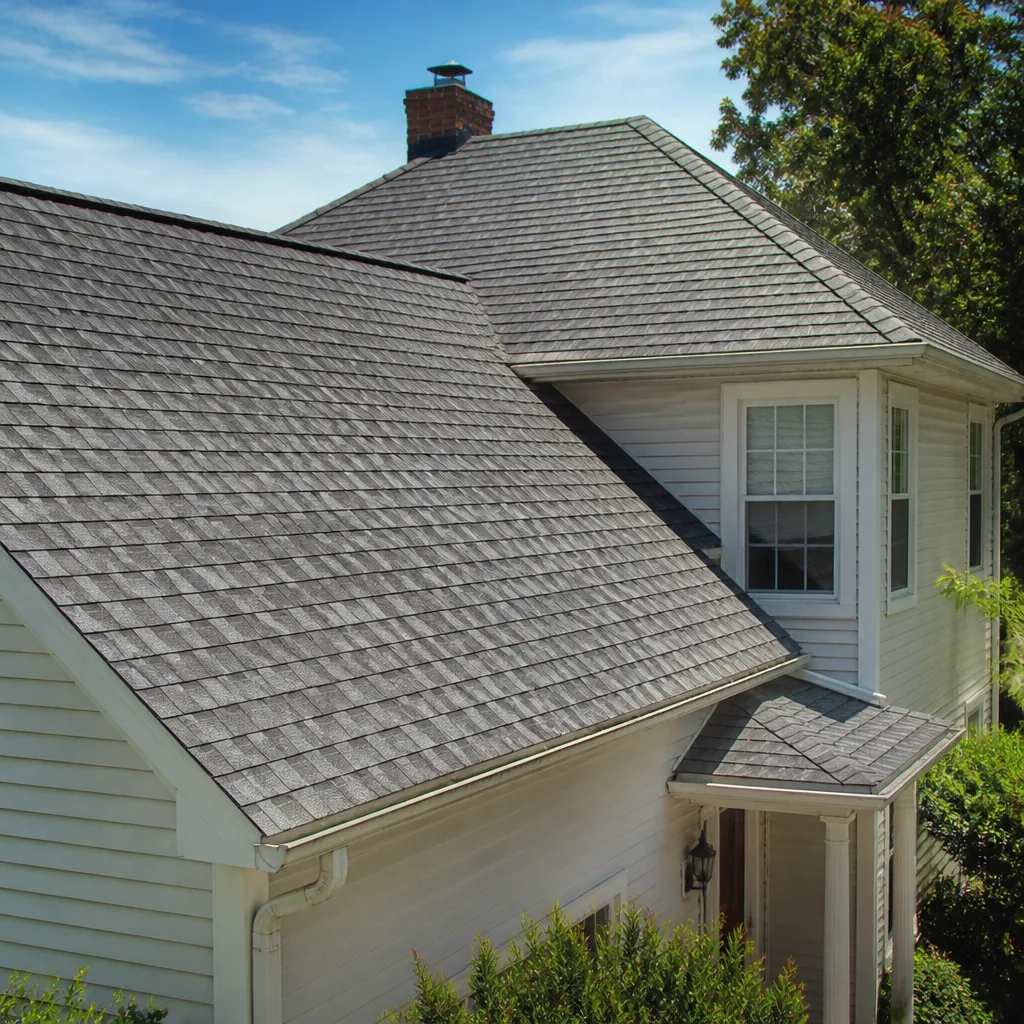
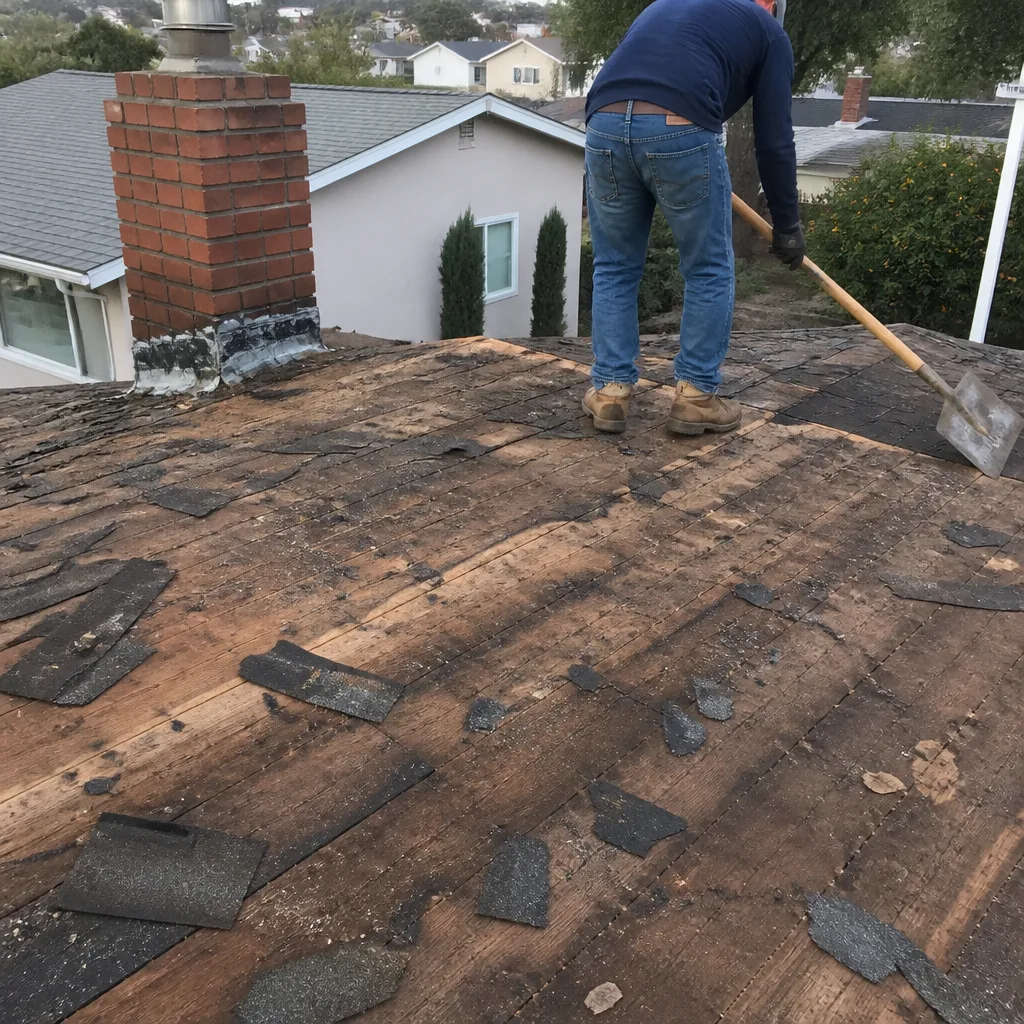 Before
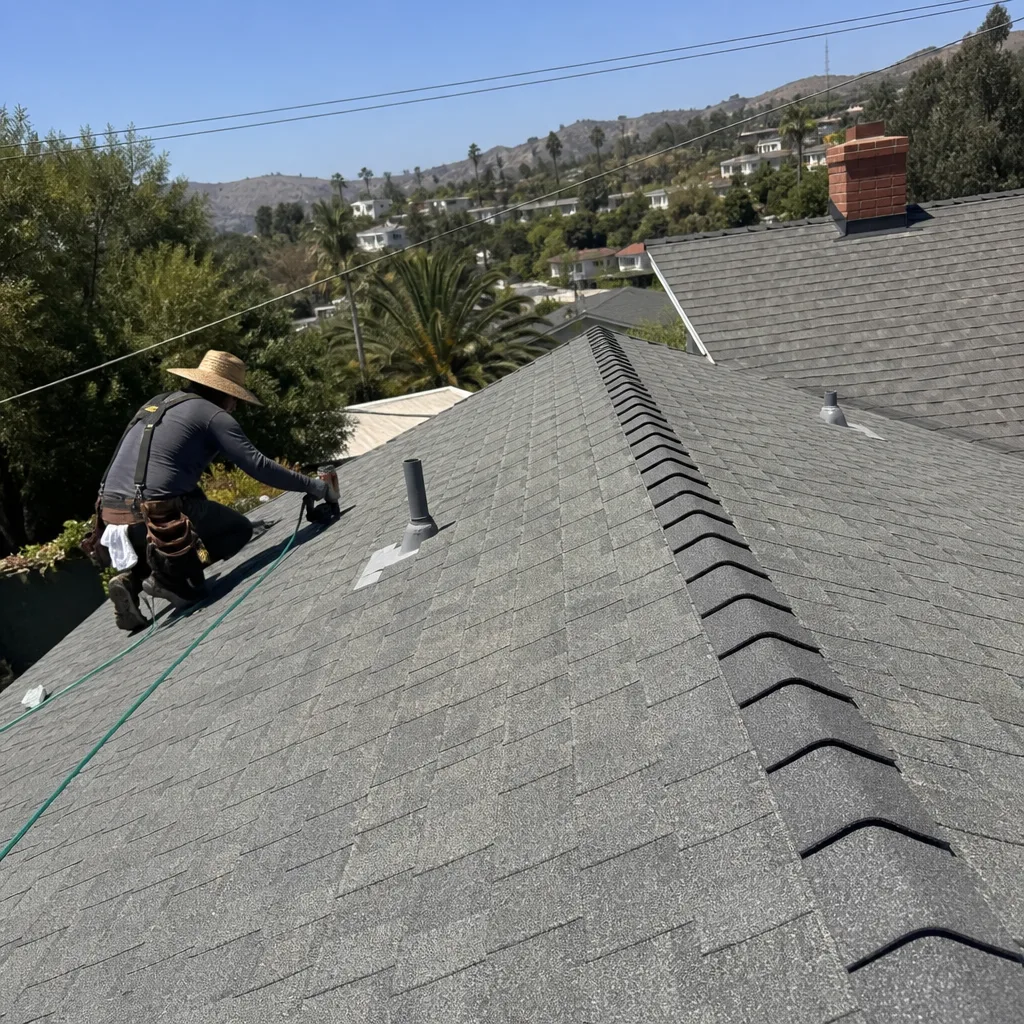 After
After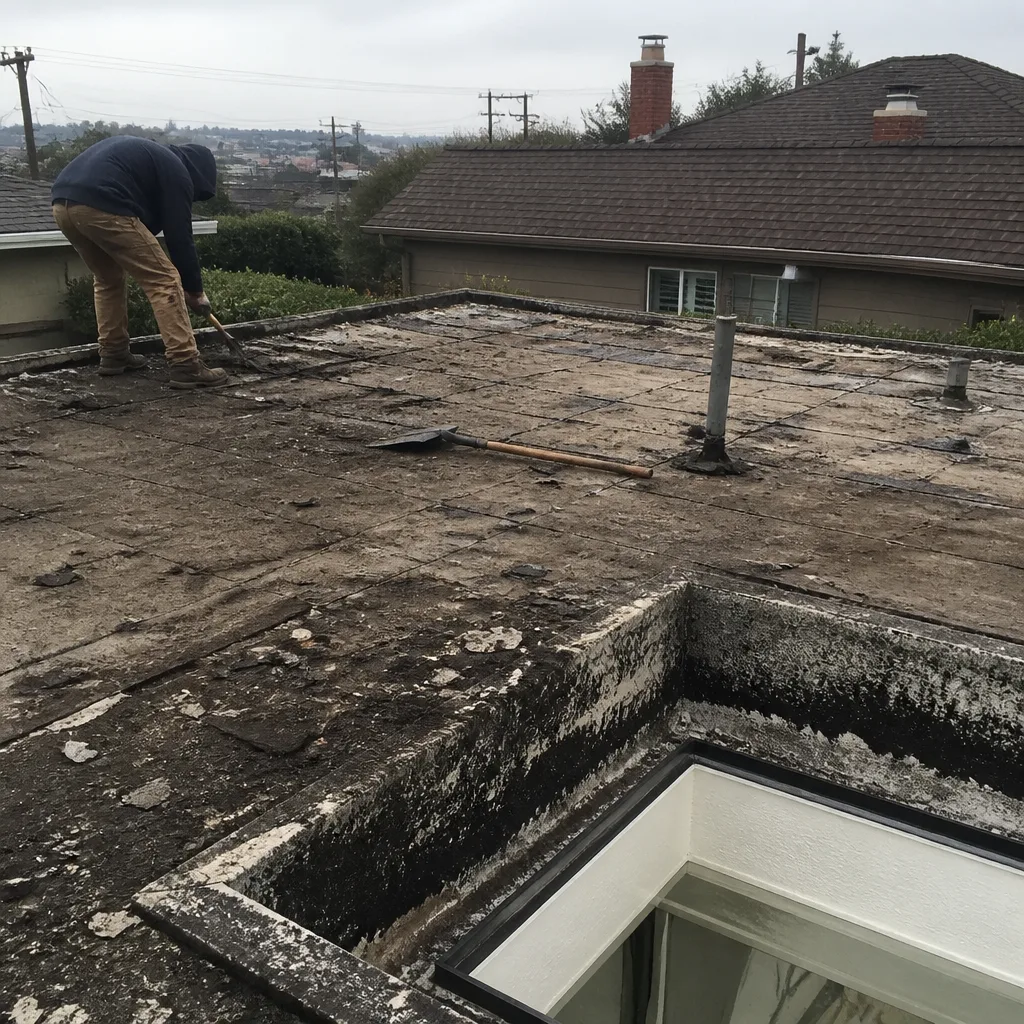 Before
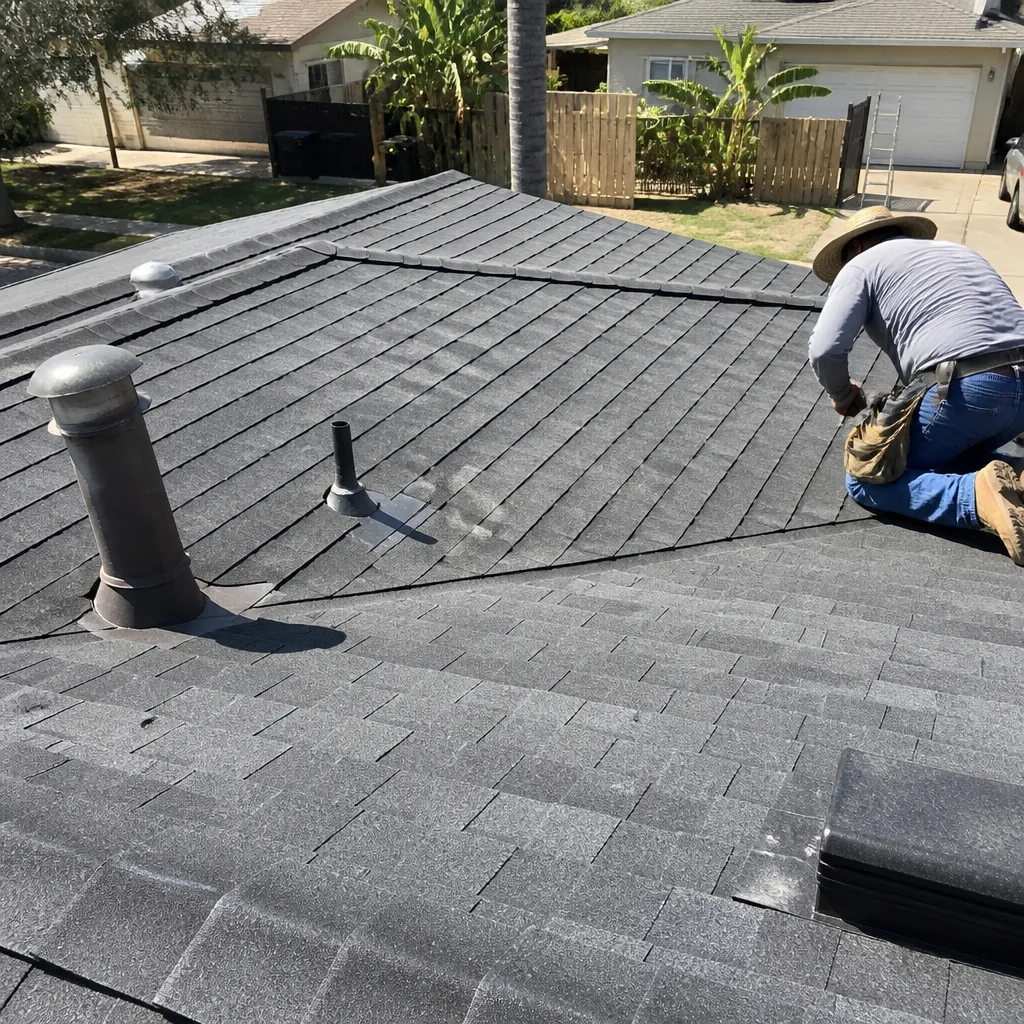 After
After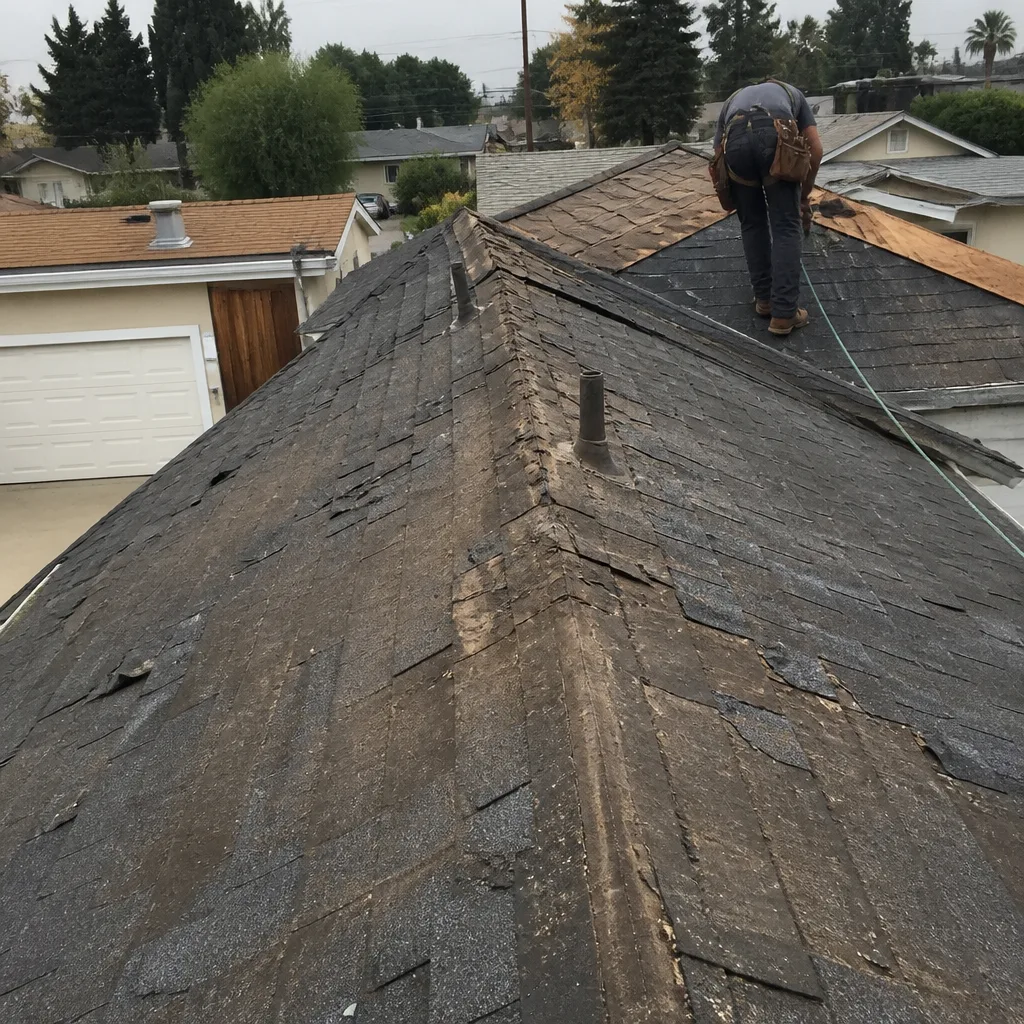 Before
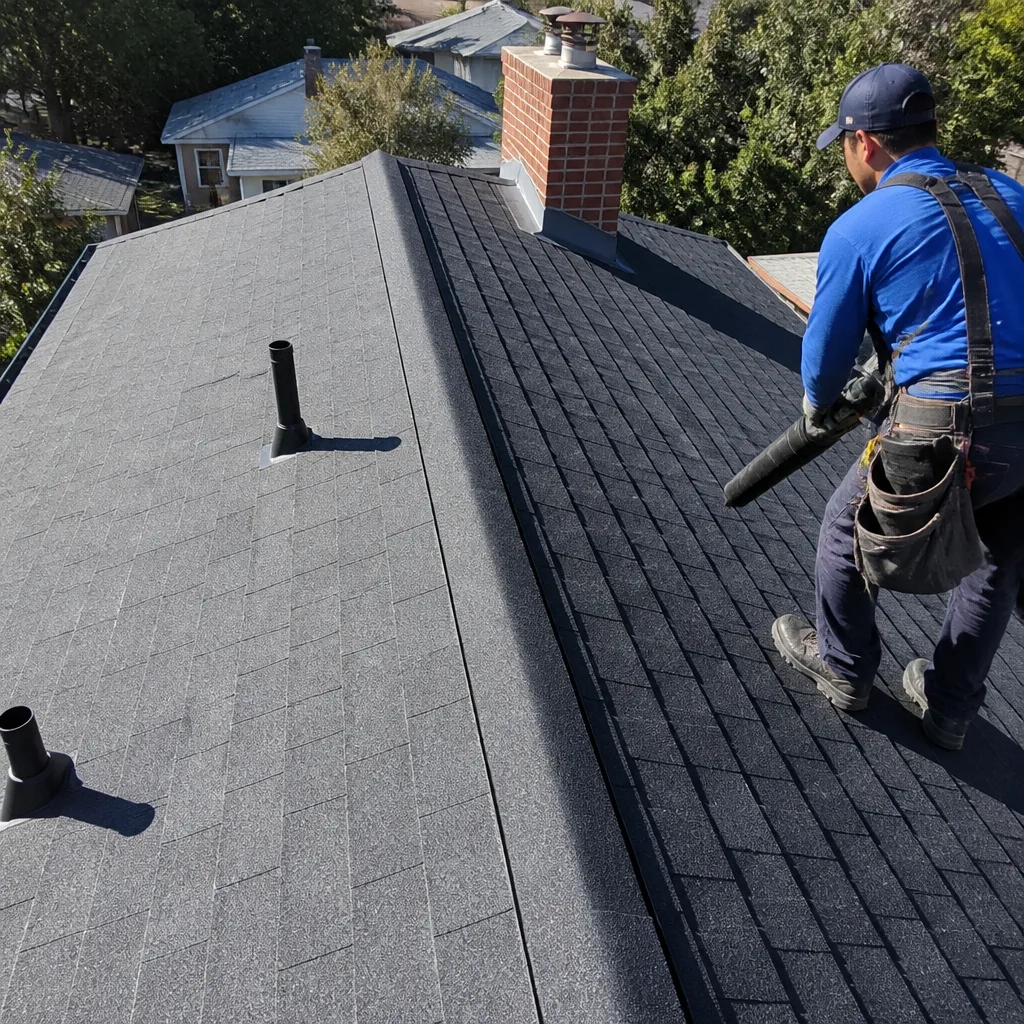 After
AfterSeasonal Roofing Care for Los Angeles: Year-Round Homeowner’s Guide
Most seasonal roofing guides are written for climates with snow. In Los Angeles, the real seasonal threat calendar runs: Santa Ana winds in fall, a short but intense rain window in winter, intense UV peak in summer, and a wildfire ember season that overlaps all of it. None of that shows up in a generic checklist. Homeowners who treat LA’s year as one long mild stretch often get their first wake-up call when a December storm finds the gap the Santa Anas opened three months earlier. This guide maps what’s actually happening to a Los Angeles roof in each phase of the year and what to do about it, complementing our The Complete Guide to Roofing in Los Angeles.
Quick Answer
Seasonal roofing care in Los Angeles means four distinct maintenance periods: fall inspection and wind-proofing before Santa Ana season, winter drainage checks during the short rain window, spring assessment to catch moisture damage before the dry season seals it in, and summer UV and thermal cycling protection. Year-round, ember-resistant vent maintenance is critical due to wildfire risk. Most Los Angeles homeowners should budget $200 – $450 for seasonal inspections and minor preventive repairs.
Table of Contents
- Fall (September – November): Santa Ana Wind Prep
- Winter (December – March): Rain, Drainage, and Flat Roof Ponding
- Spring (April – May): Post-Rain Assessment Before the Dry Season
- Summer (June – August): UV Damage and Thermal Cycling
- Year-Round: Wildfire Ember Defense
- What Seasonal Maintenance Costs in Los Angeles
- Common Mistakes to Avoid
- When to Call a Professional
- Frequently Asked Questions
Fall (September – November): Santa Ana Wind Prep
The highest-risk inspection window in Los Angeles is September through November. Santa Ana winds regularly hit 40 – 60 mph in the LA Basin and can gust past 80 mph in canyon-adjacent neighborhoods like Laurel Canyon, Topanga, and the foothill communities from Pasadena to Glendora. These are not gentle breezes. They test every weakness a roof has accumulated since the previous winter.
What wind does to a roof is specific and predictable. Ridge caps – the overlapping shingles that cover the peak where two roof planes meet – take the brunt of the wind load. If the adhesive strip has degraded or the nails have backed out, the Santa Anas will lift and tear them. We’ve seen entire ridge cap runs peeled back in a single afternoon in the San Fernando Valley. Loose flashing – the metal strips that seal joints around chimneys, vents, and where a roof meets a wall – will lift, crease, or tear away entirely. Once flashing is compromised, the next rain has a direct path inside.
Fall inspection priorities:
- Walk the perimeter with binoculars – look for lifted, curled, or missing shingles along ridges and eaves. In Los Angeles, UV exposure from June through August often pre-brittles shingles, so they’re primed to crack when wind flexes them.
- Check flashing attachment points – the metal should lie flat with no visible gaps. Pay special attention to chimney saddles and vent pipe collars, which see the most thermal movement.
- Clear all drainage paths – gutters, downspouts, and scuppers on flat roofs. Santa Ana season often carries fine red dust that cakes in corners and blocks flow.
- Trim overhangs – branches within 10 feet of the roofline become projectiles or abrasion sources. This matters especially in neighborhoods with mature canopy like Hancock Park or Los Feliz.
The cost of a fall inspection and minor touch-ups in Los Angeles typically runs $200 – $350. Replacing a torn ridge cap section or re-securing flashing before wind season is far cheaper than the interior water damage that follows failure. At Crestview Roofing, we deliver a written price before any work starts, and every repair carries our 365-Day Done Right Promise.
Winter (December – March): Rain, Drainage, and Flat Roof Ponding
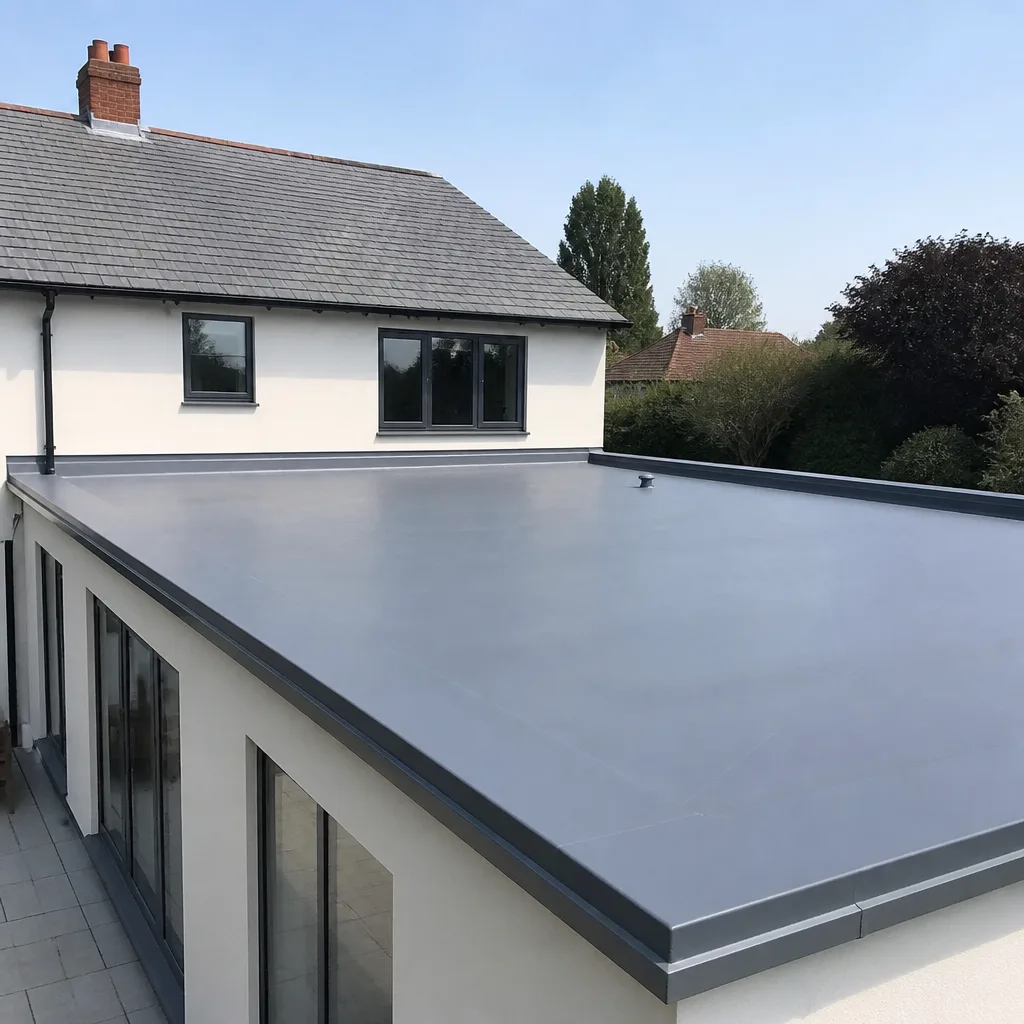
Los Angeles averages just 14 – 15 inches of annual rainfall, but it arrives in concentrated bursts. A single December or January storm can drop 2 – 4 inches in 24 hours. The city’s flat and low-slope roofs – common in Mid-Century construction from the 1950s and 1960s, especially in neighborhoods like Silver Lake, Echo Park, and parts of the Valley – are not designed for sustained ponding.
Ponding is exactly what it sounds like: water that remains on the roof surface more than 48 hours after rain stops. On a properly sloped roof, water runs to drains or scuppers. On flat roofs with compromised drainage or sagging substrate, it sits. The weight adds up fast. One inch of water over a 10×10 foot area weighs over 500 pounds. Repeated ponding saturates the roof membrane, accelerates UV degradation, and eventually breaches the waterproofing layer. We’ve opened up flat roofs in Los Angeles where the plywood beneath was rotted through – not from a single leak, but from months of accumulated moisture the owner never saw.
Winter maintenance for Los Angeles homeowners:
- Inspect after every significant storm – look for standing water on flat sections, especially near drains and parapet walls.
- Check interior ceilings and walls – water stains often appear 24 – 72 hours after the actual roof breach, as moisture migrates through insulation.
- Verify scupper and drain function – debris accumulation is the most common cause of winter ponding. A clogged $20 drain can cause thousands in structural damage.
- Examine sealant at all protrusions – vent pipes, HVAC curbs, and skylight frames. Thermal contraction in cooler winter nights opens gaps that afternoon sun sealed shut.
Flat roof membrane repair in Los Angeles typically costs $350 – $800 for localized patching, while drain replacement or re-sloping runs $500 – $1,500 depending on access. Our Roof Repair in Los Angeles service includes photo documentation of any ponding damage we find, so you see what we see.
Spring (April – May): Post-Rain Assessment Before the Dry Season
April and May are the most overlooked months in Los Angeles roofing. The rains have ended. The dry season stretches ahead. And any moisture that entered during winter is about to be baked in place by six months of sun.
This is the critical window for assessment. Water that reached the roof deck or insulation in January will not evaporate once daily highs stay above 80°F. Instead, it creates a humid microclimate between the roof covering and the structure. Mold colonizes. Plywood delaminates. Fasteners corrode. By October, what was a minor winter intrusion becomes a compromised structural panel that fails under Santa Ana wind load.
What a spring assessment should cover:
- Attic inspection for moisture indicators – water stains on rafters, compressed or discolored insulation, musty odor. In Los Angeles, many homes built before 1970 have minimal attic ventilation, so moisture lingers.
- Shingle tab adhesion test – gently lift a shingle edge. If it separates cleanly from the course below, the self-seal strip has failed. Spring is the last comfortable window to address this before summer heat makes shingles too pliable to test accurately.
- Flashing sealant condition – check for cracking, separation, or material that has turned powdery. Quality urethane or silicone sealants last 5 – 10 years in LA’s climate, but cheaper products degrade in 2 – 3.
- Gutter and downspout integrity – winter debris and the weight of saturated leaves can pull gutters loose. Sagging gutters overflow toward the foundation, creating a separate problem.
Spring repairs in Los Angeles typically range from $250 for sealant replacement and gutter re-securing to $1,200 – $2,500 for localized deck repair where moisture has caused damage. Our 365-Day Done Right Promise covers every repair, including a free second visit if anything fails within that window.
Summer (June – August): UV Damage and Thermal Cycling
Roof surface temperatures in Los Angeles regularly exceed 160°F in July and August. The ambient air might read 95°F, but dark shingles absorb radiant heat and radiate it inward. This isn’t just an energy efficiency concern. It’s a material science problem.
Thermal cycling – the daily expansion and contraction of roofing materials as they heat and cool – is the hidden destroyer. A shingle that starts at 70°F at 6 AM and hits 160°F by 2 PM undergoes significant dimensional change. The asphalt binder softens and flows. Granules loosen. By evening, the shingle contracts, but it’s now slightly thinner, slightly more brittle, with slightly less granule coverage than the day before. Repeat this 90 days a year for a decade, and you have shingles that crack under foot pressure during routine maintenance.
Sealants suffer similarly. The flexible compounds used in flashing, vent boots, and ridge cap adhesive are formulated for a specific temperature range. Sustained heat above their design threshold causes volatiles to outgas, the material hardens, and it loses elasticity. Come fall, when Santa Ana winds flex the roof, the sealant cracks instead of stretching.
Material selection matters in Los Angeles. Cool-roof rated shingles from manufacturers like CertainTeed and Owens Corning reflect more solar energy and run 20 – 40°F cooler at the surface. This directly extends service life by reducing thermal cycling stress. For homeowners planning Roof Replacement in Los Angeles, specifying a cool-roof product is one of the highest-ROI decisions available. GAF’s Timberline CS and CertainTeed’s Landmark Solaris lines both carry CRRC ratings that can also qualify for local utility rebates.
Summer maintenance is limited – it’s too hot for most adhesive work – but inspection is still valuable:
- Check attic ventilation: intake and exhaust should be balanced. Excessive heat buildup accelerates shingle degradation from the underside.
- Monitor interior rooms directly below the roof for temperature spikes that indicate inadequate insulation or ventilation.
- Schedule any needed replacement work for September, before wind season, rather than attempting repairs in peak heat.
Year-Round: Wildfire Ember Defense
Wildfire risk in Los Angeles is not a summer-only phenomenon. The Thomas Fire burned into December. The Woolsey Fire started in November. Ember travel – burning material lofted miles ahead of the fire front – is the primary ignition mechanism for homes that are not in direct flame contact.
Embers enter structures through roof vents: ridge vents, soffit vents, gable vents, and any penetration in the roof plane. Standard vent screens are 1/4-inch mesh, designed to exclude birds and rodents. Ember-resistant vent covers use 1/8-inch or finer stainless steel mesh, often with intumescent coatings that swell when heated to block flame passage. These function as a roofing maintenance item because the fine mesh clogs with dust and debris more readily than standard screening, requiring annual cleaning to maintain airflow.
Los Angeles County and the City of Los Angeles have adopted Chapter 7A of the California Building Code, which mandates ember-resistant construction in designated Very High Fire Hazard Severity Zones. These zones include large portions of the Santa Monica Mountains, the hills above Glendale and Burbank, and canyon communities throughout the region. Even homeowners outside mandatory zones are increasingly choosing ember-resistant upgrades as insurance carriers tighten coverage requirements.
Ember-resistant vent installation or retrofit in Los Angeles typically costs $75 – $150 per vent, with whole-roof projects running $800 – $2,000 depending on vent count and access. For Roof Installation in Los Angeles on new construction or full replacement, specifying ember-compliant vents from the start adds minimal cost compared to retrofit.
What Seasonal Maintenance Costs in Los Angeles
Homeowners should budget for proactive maintenance rather than reactive repair. The cost structure in Los Angeles reflects labor rates, access challenges on hillside properties, and the prevalence of tile and flat roof systems that require specialized expertise.
| Service | Typical Range | Frequency |
|---|---|---|
| Seasonal inspection (visual, from roof) | $150 – $250 | 2x per year (fall and spring) |
| Inspection with minor maintenance (sealant, fastener check, gutter clear) | $250 – $450 | Annually |
| Shingle repair (localized, up to 10 sq ft) | $300 – $600 | As needed |
| Tile replacement (clay or concrete, including underlayment patch) | $450 – $900 | As needed |
| Flat roof membrane patch | $350 – $800 | As needed |
| Flashing repair or replacement | $400 – $850 | As needed |
| Ember-resistant vent retrofit (per vent) | $75 – $150 | One-time or at replacement |
| Gutter re-securing or partial replacement | $300 – $700 | As needed |
These are Los Angeles market ranges based on our experience since 2000. The number on our written estimate is the number on the invoice. No change orders, no surprises.
Common Mistakes to Avoid
- Waiting for visible interior leaks before acting. By the time water stains appear on a Los Angeles ceiling, the roof has likely been compromised for one or two rain seasons. The dry intervals between storms allow moisture to hide in insulation and deck layers.
- Pressure-washing tile roofs. The high-pressure stream drives water under tile laps and degrades mortar on ridge and hip tiles. In Los Angeles, where winter rain is infrequent, this trapped moisture sits for months.
- Ignoring flat roof drains. Many homeowners don’t realize their home has a flat roof section until ponding causes a leak. Drains require the same attention as sloped-roof gutters.
- DIY repairs on steep or second-story roofs. Falls from roofing are a leading cause of serious injury. Los Angeles hillside homes often have drop-offs that make even single-story work hazardous. This is trained-professional work.
- Using non-rated materials in fire zones. Standard vents and untreated wood shake replacements violate Chapter 7A in LA’s Very High Fire Hazard Severity Zones and can void insurance coverage after a loss.
- Skipping spring assessment because “it didn’t rain much.” Los Angeles rainfall is variable. A single intense storm can cause more damage than a normal wet season. The spring check catches what winter left behind.
When to Call a Professional
Some roofing situations in Los Angeles require immediate professional assessment: visible sagging in the roof plane, water stains that appear or expand after rain, shingle granules collecting in gutters in unusual volume, or any roof penetration that shows daylight from the attic side. High-tension components like garage door springs and certain structural elements carry genuine injury risk – roofing work at height, on slopes, with power tools, shares that hazard profile.
Crestview Roofing offers free estimates in Los Angeles. When you call (325) 246-5075, a live person answers – no voicemail loops, no waiting until Monday. We’ll schedule a visit with a trackable arrival time, deliver a written price before any work begins, and document everything with before-and-after photos. Every repair is covered by our 365-Day Done Right Promise, in writing, included with every job.
Frequently Asked Questions
A professional roof inspection in Los Angeles typically costs $150 – $250 for a visual assessment, or $250 – $450 if it includes minor maintenance like sealant touch-ups and gutter clearing. Some companies, including Crestview Roofing, apply the inspection fee toward any repair work you proceed with. Call (325) 246-5075 to schedule – estimates are free.
Twice yearly: once in fall before Santa Ana wind season, and once in spring after the rain window ends. This timing catches wind damage before winter rain exploits it, and moisture intrusion before summer heat seals it in. Homes in canyon or hillside fire zones should add an annual ember vent check.
Look for lifted, curled, or missing shingles along ridges and edges; loose or flapping flashing; and debris accumulation in valleys or against walls. The most dangerous damage is often not visible from the ground – lifted tabs that re-settle but have broken their seal, creating entry points for the next rain. A professional inspection with close-up photo documentation reveals what binoculars cannot.
Yes. Even in a dry climate, Los Angeles receives concentrated winter rainfall that overwhelms poorly drained flat roofs. Ponding that persists more than 48 hours degrades membrane materials, adds structural load, and eventually causes leaks that may not appear until the following season. Annual drainage verification is essential.
At Crestview Roofing, the written price delivered before work begins is the price on the invoice – no exceptions. This is The Relay Visibility Guarantee. If we discover additional damage during work, we stop, photograph it, and provide a supplemental written estimate for your approval before proceeding. You are never surprised by a final bill.
Cool-roof rated asphalt shingles from manufacturers like CertainTeed and Owens Corning reflect more solar energy and run 20 – 40°F cooler at the surface, reducing thermal cycling damage. Clay and concrete tile, common in Spanish and Mediterranean-style Los Angeles architecture, also perform well but require proper underlayment and flashing maintenance. For flat roofs, TPO and modified bitumen with reflective coatings outlast uncoated alternatives by 30 – 50% in LA’s UV exposure.
The Bottom Line
Los Angeles roofs face four distinct stress periods, not one endless mild season. Fall Santa Ana winds test every loose fastener. Winter’s concentrated rain exploits any gap. Spring is the last chance to assess before summer heat locks in moisture damage. And summer UV and thermal cycling degrade materials from above while wildfire ember risk persists year-round. The homeowners who avoid surprise leaks are the ones who match their maintenance calendar to this actual threat cycle, not to a generic template written for snow country. A written inspection schedule, specific to Los Angeles conditions, pays for itself many times over in extended roof life and avoided interior damage. For additional guidance, see Choosing the Right Roofing Brand: A Buyer’s Guide for Los Angeles.
Ready to protect your home through every season? Call Crestview Roofing at (325) 246-5075 to schedule your free estimate. A live person will answer, we’ll give you a trackable arrival time, and you’ll receive a written price before any work begins – backed by our 365-Day Done Right Promise.
Written by Dylan Pace, Owner at Crestview Roofing, serving Los Angeles since 2000.