
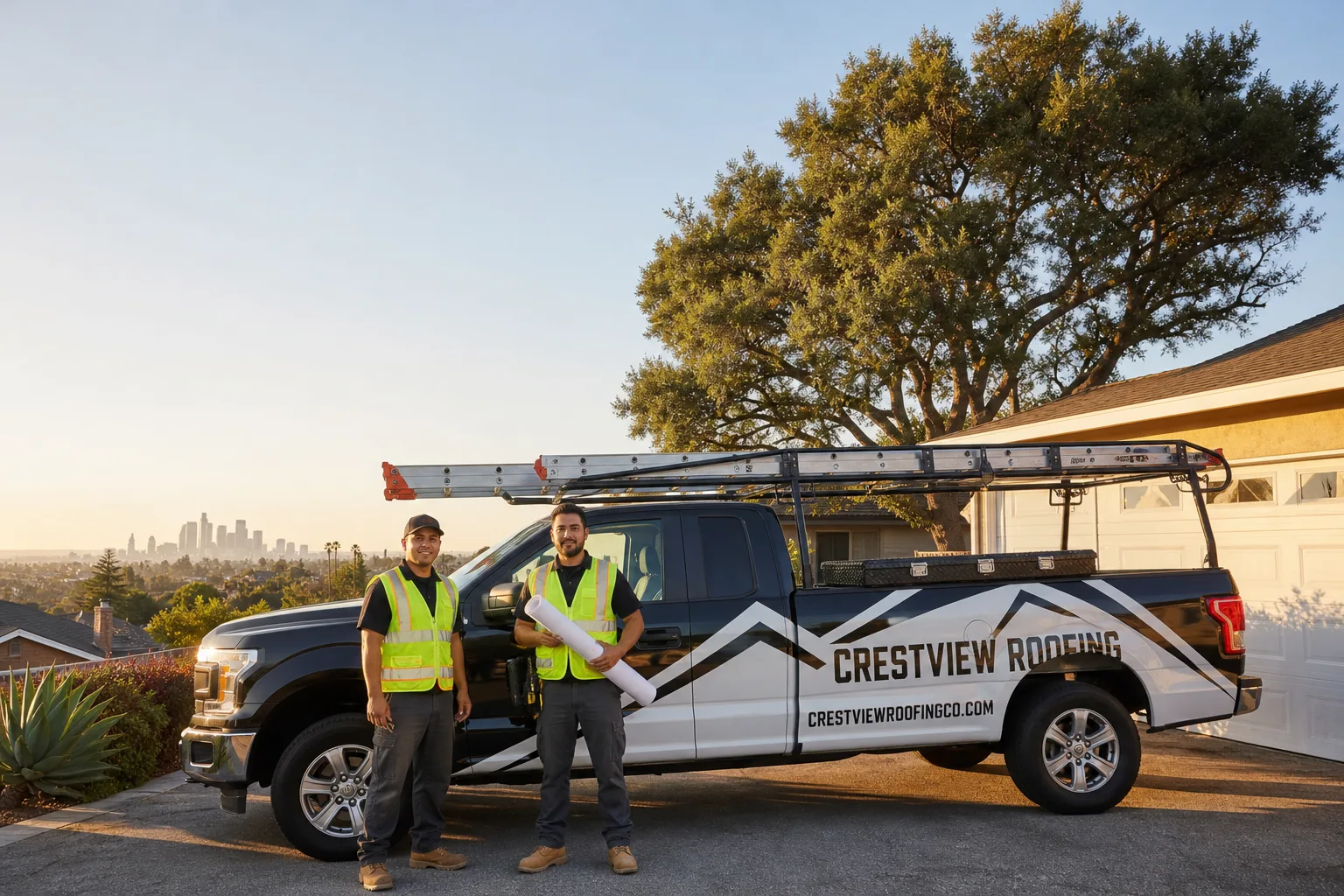
Free roof inspection with deck photos before we talk money - GAF and Owens Corning certified installation
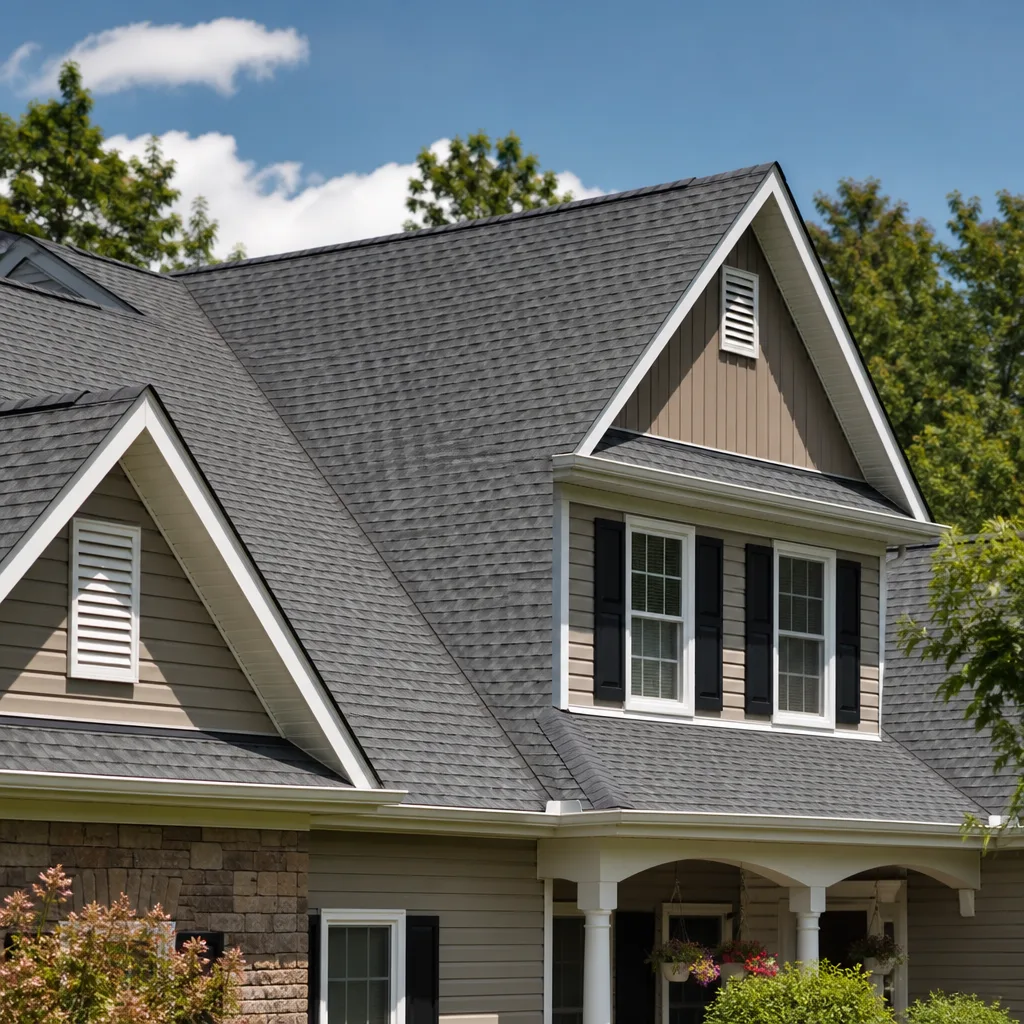
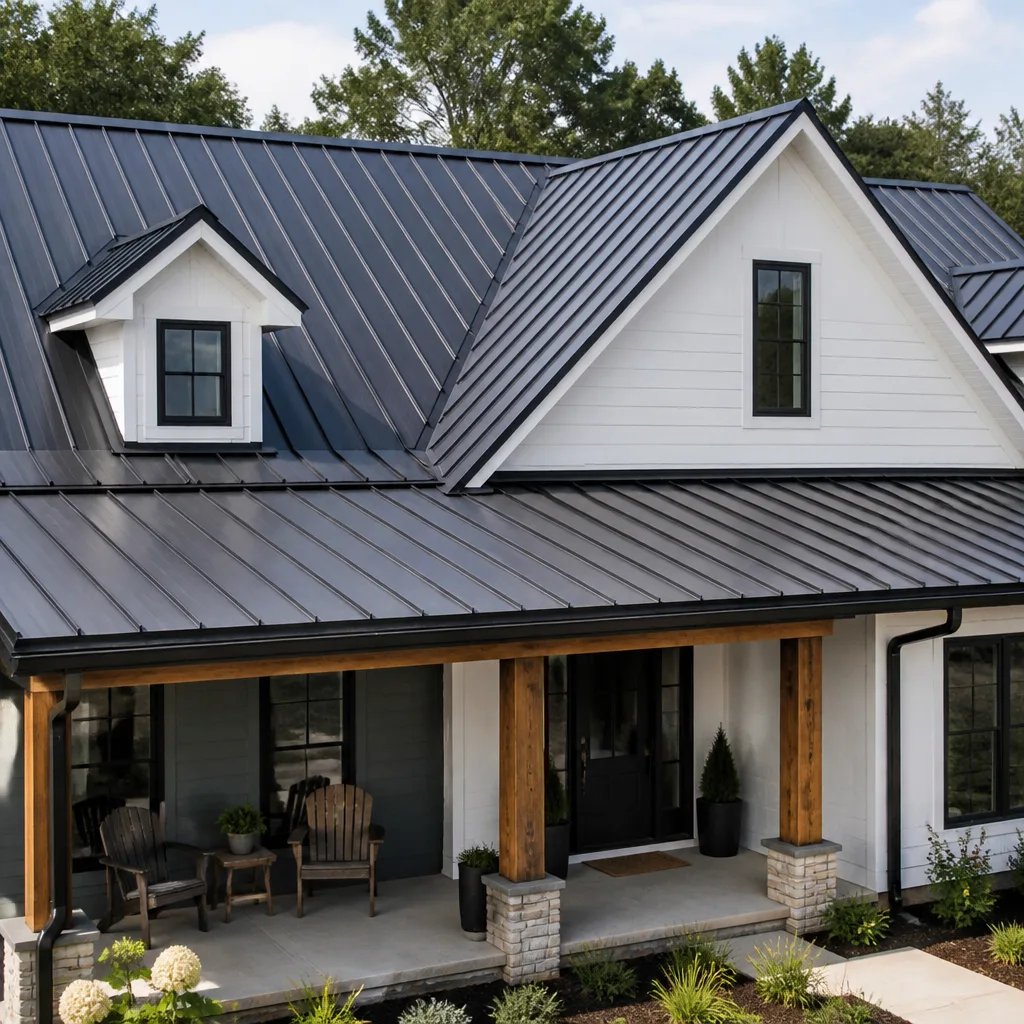
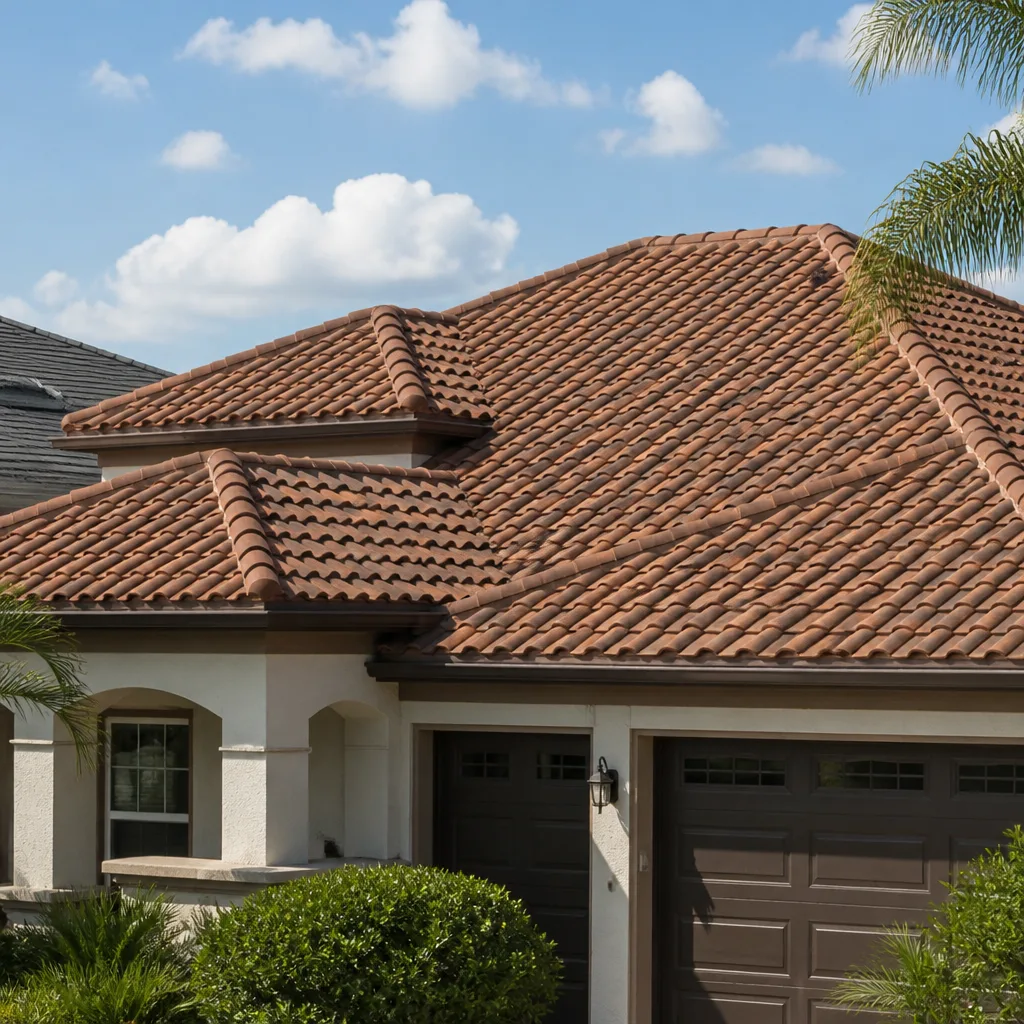
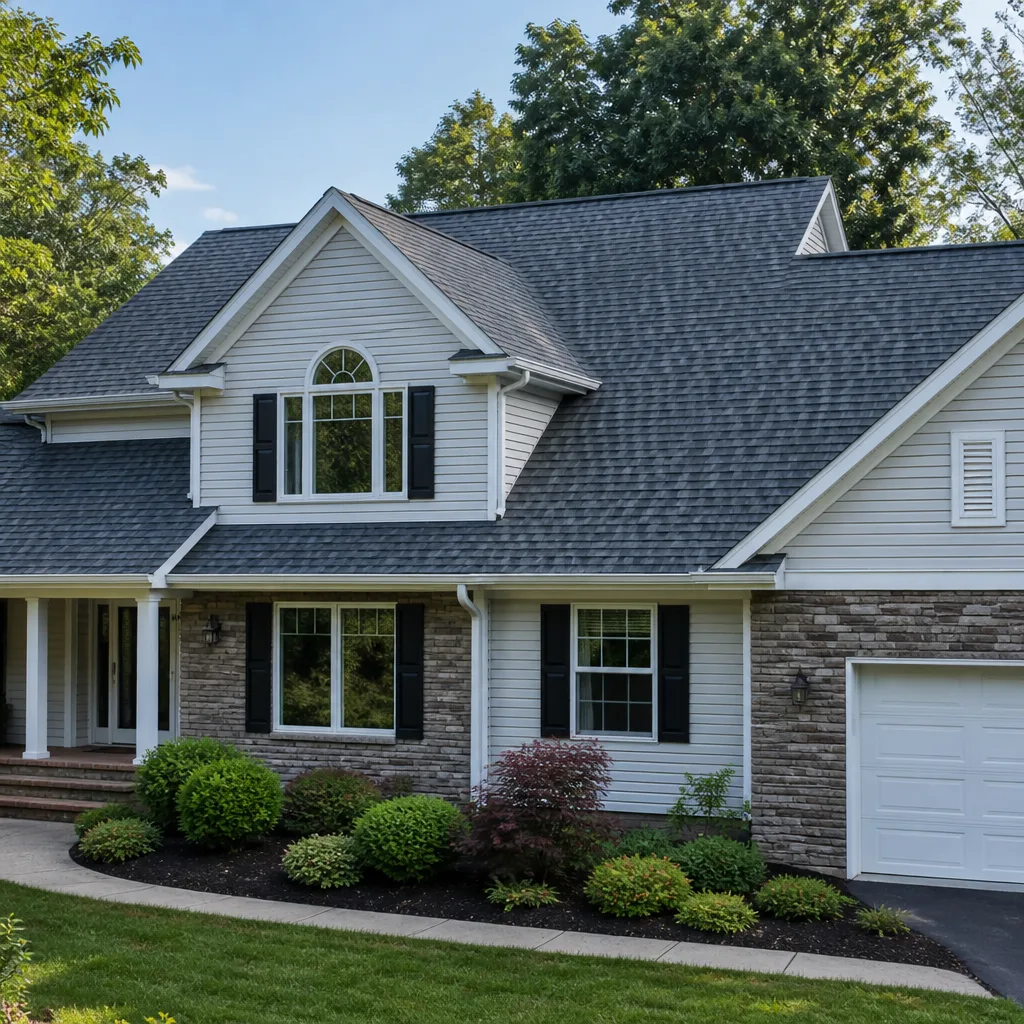
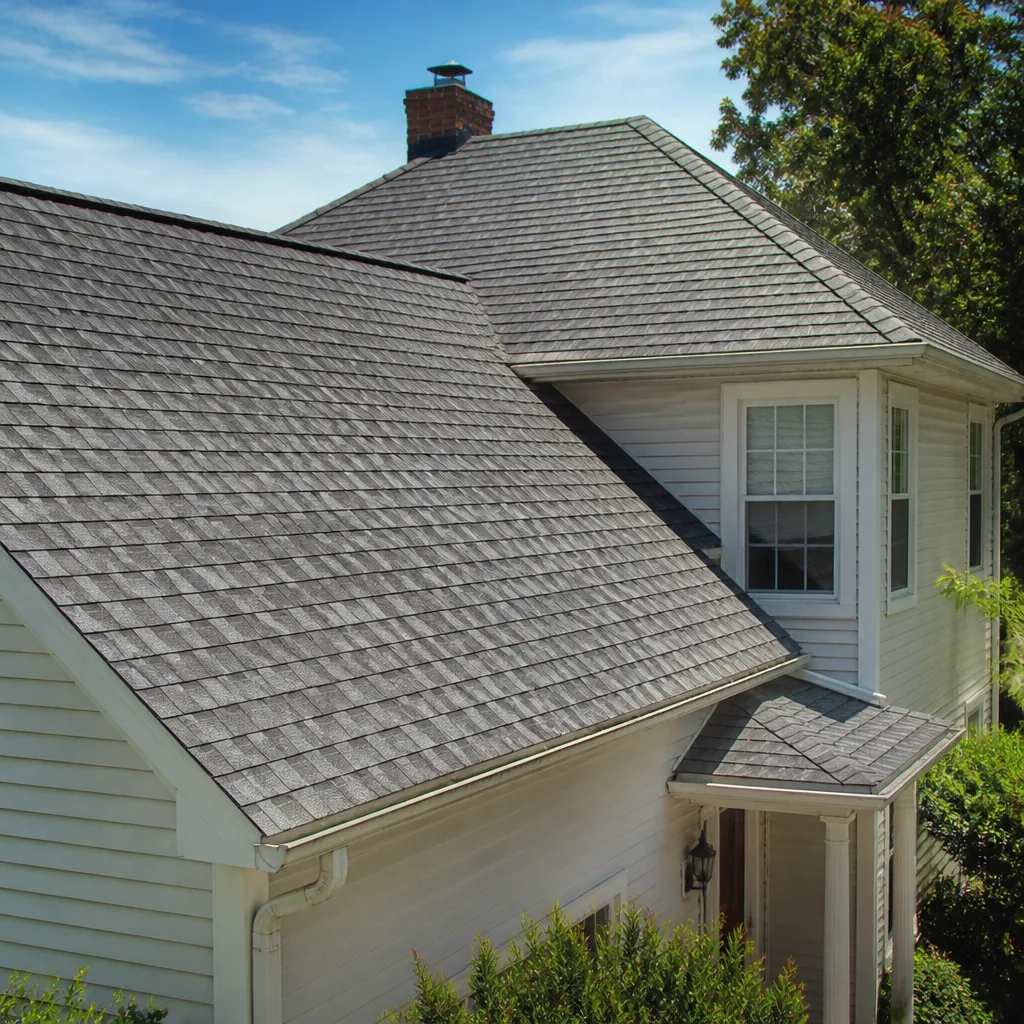
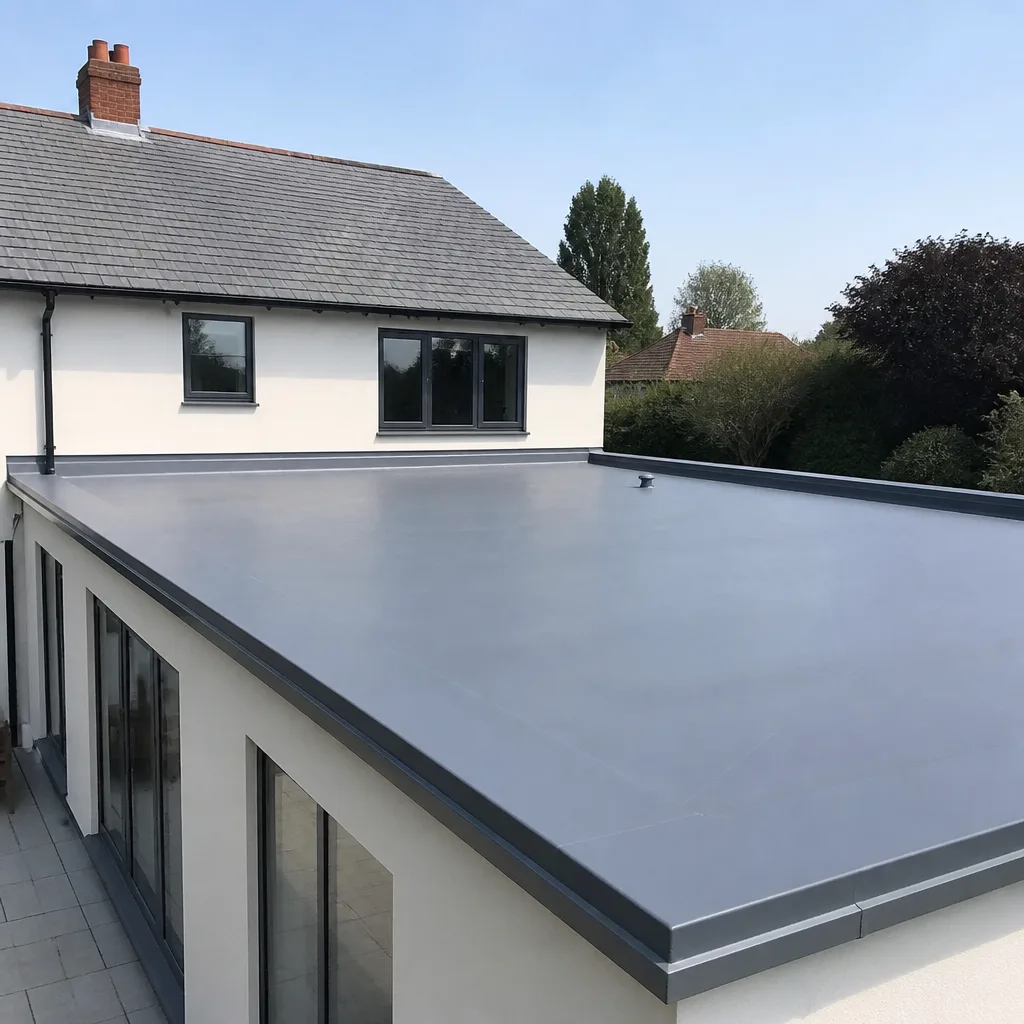
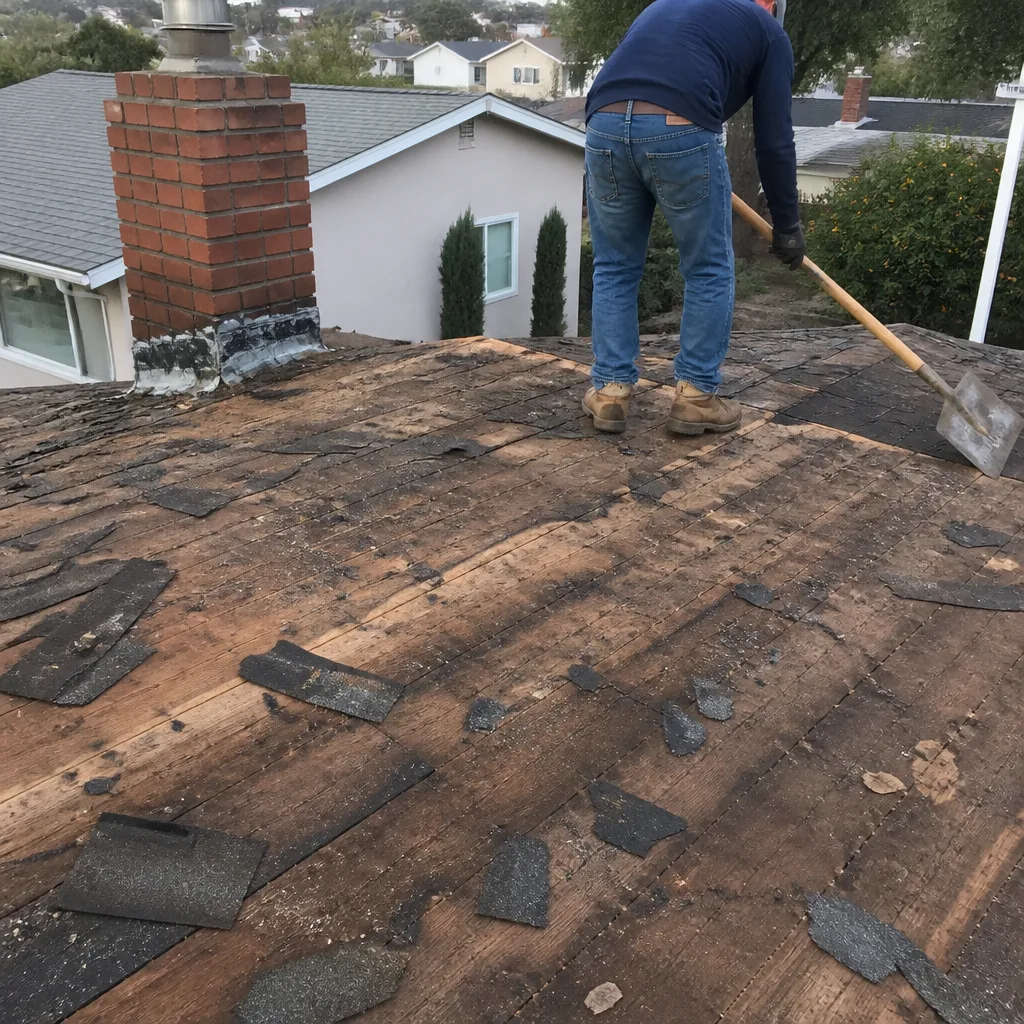 Before
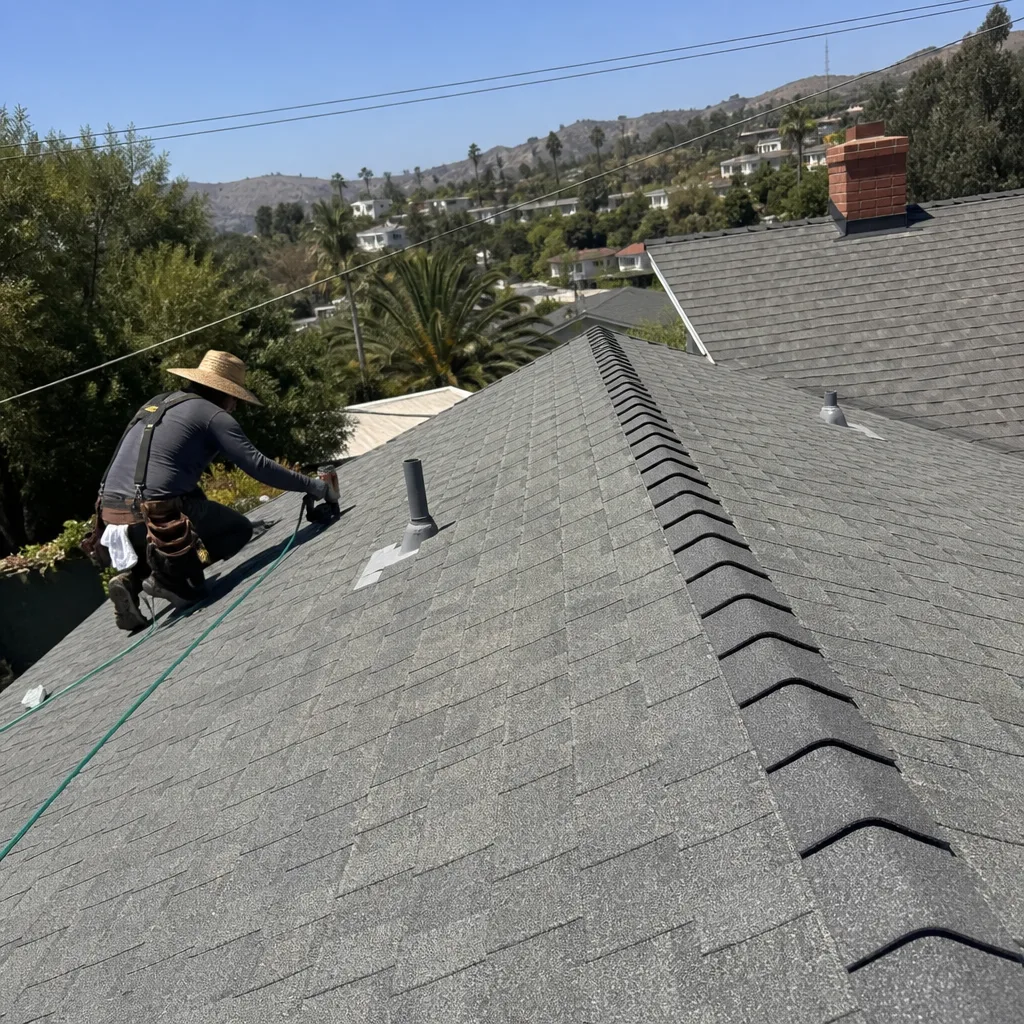 After
After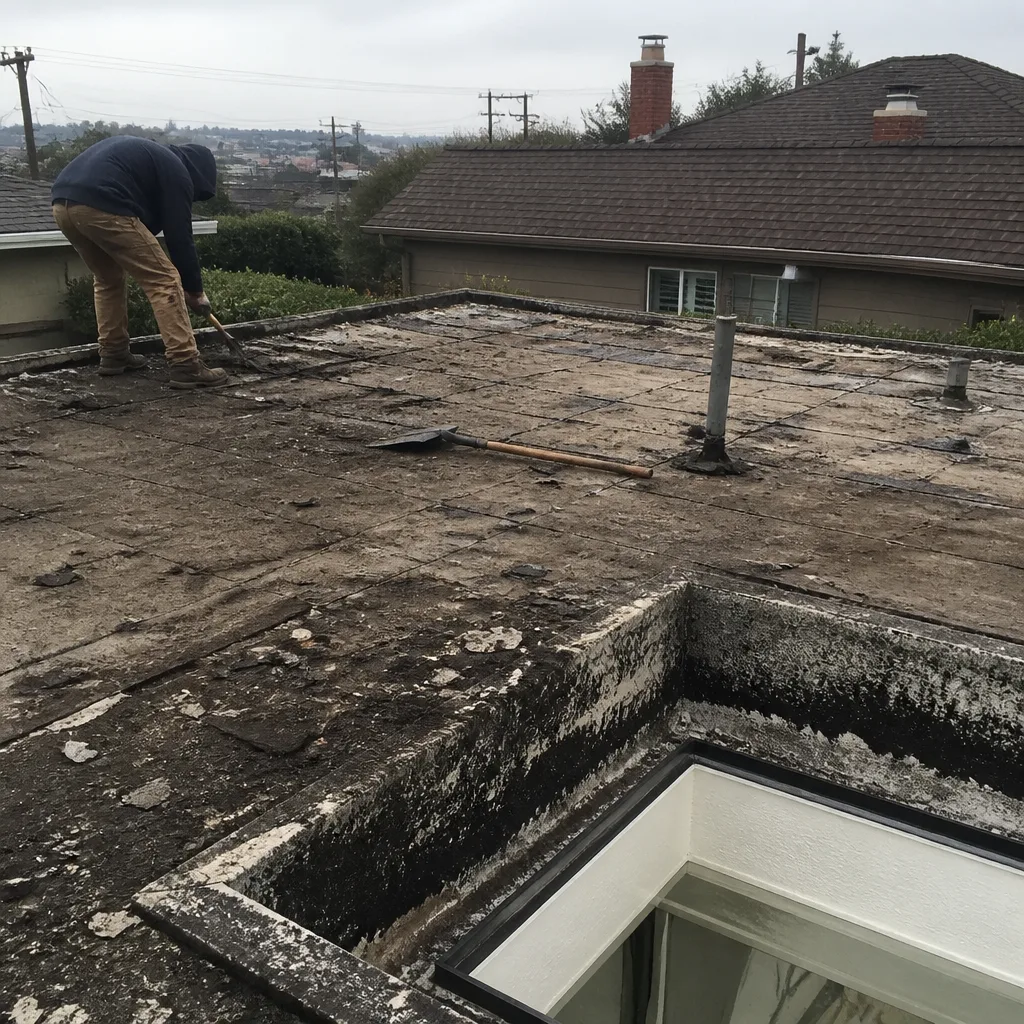 Before
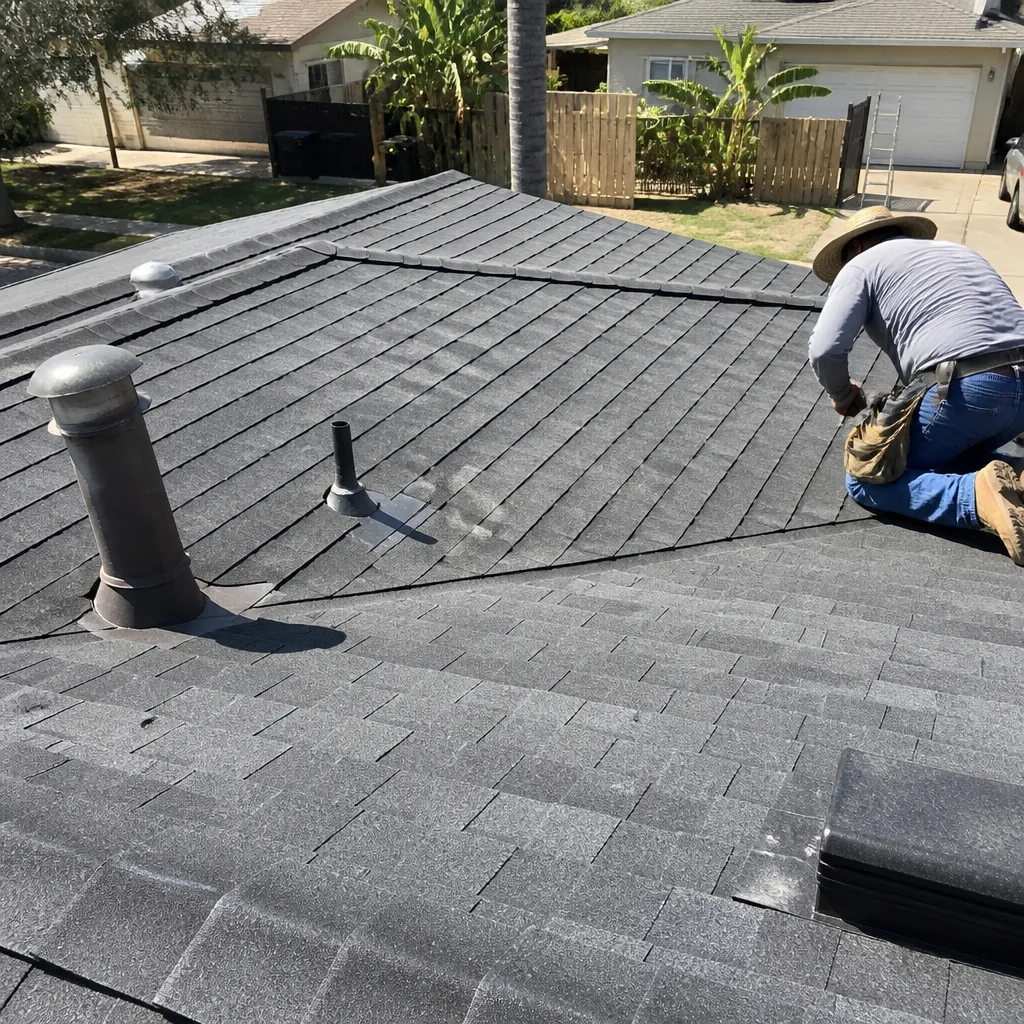 After
After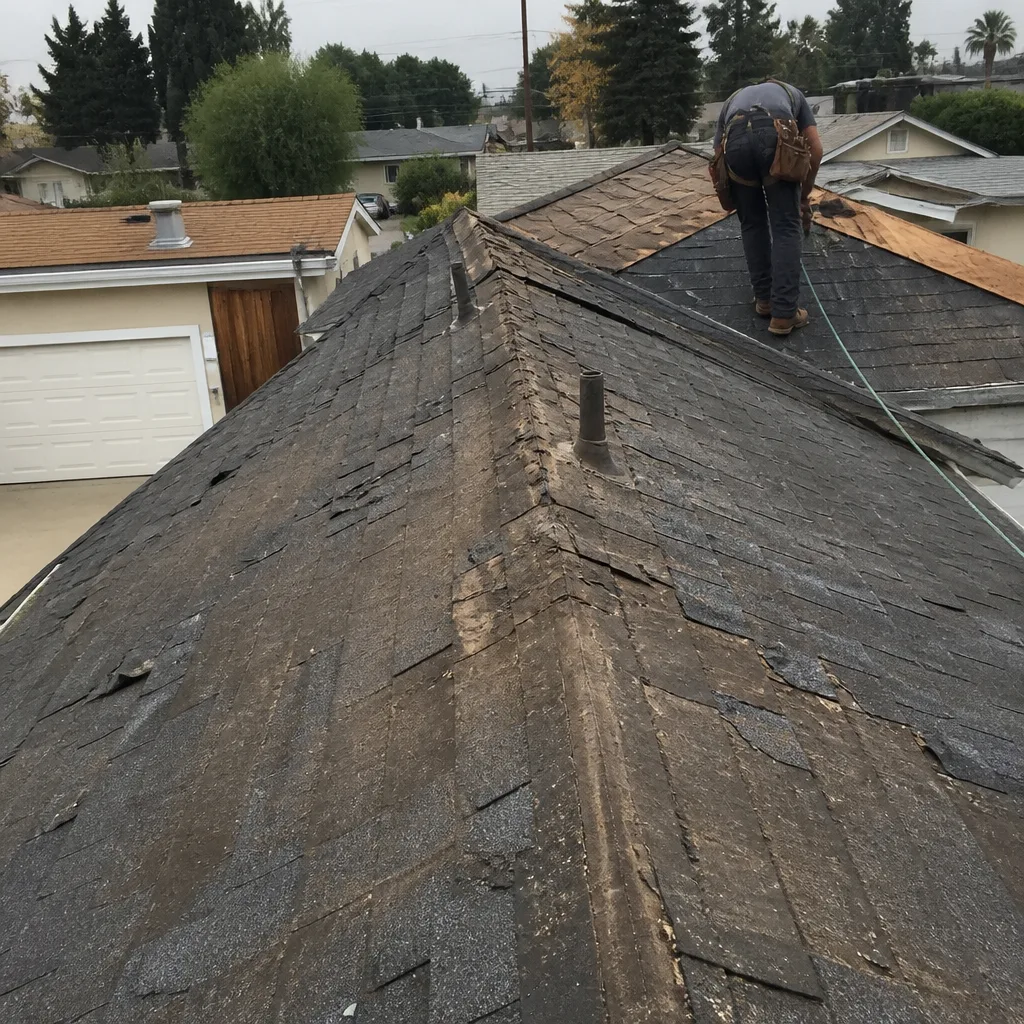 Before
 After
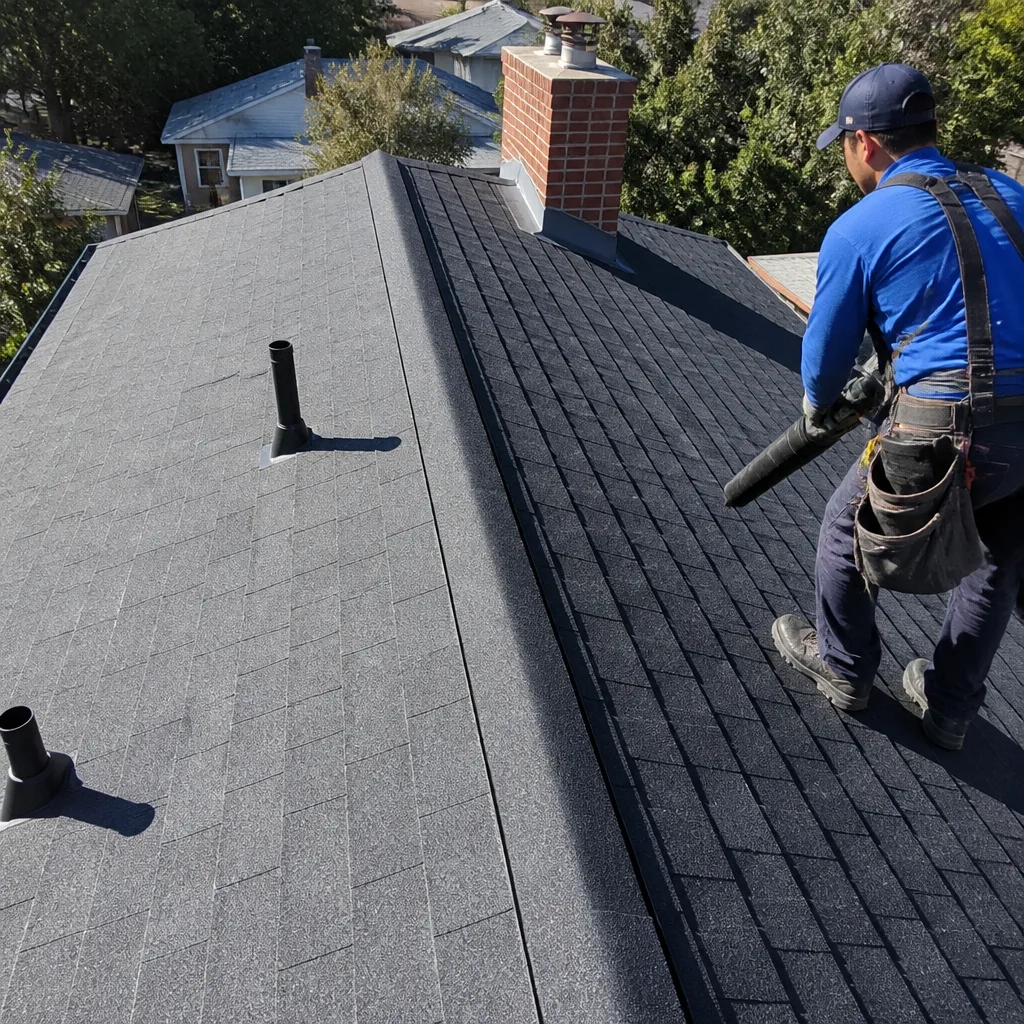
AfterFast, Reliable Roof Installation Across San Diego
Roof installation in San Diego runs anywhere from $11,000 to $34,000 for a typical home, depending on the roof’s square footage, pitch, and whether wildfire-zone materials are required. Most installations take 3 to 7 days from tear-off to final inspection. If you’re in San Diego and want a written price before any work starts, a live trackable arrival time, and photo documentation of the job, call Crestview Roofing at (325) 246-5075.
We know San Diego’s roof scopes better than out-of-town crews that quote over the phone. A roof in Clairemont wears differently than one in Rancho Bernardo, and a canyon-adjacent property faces requirements a Pacific Beach bungalow doesn’t. Getting the scope right the first time is the whole game. Our Roof Installation team works from a written scope, so the number you approve is the number you pay.
Why Crestview Roofing Is San Diego’s Preferred Roof Installation Company
Since 2000, we’ve built our reputation by putting every promise in writing before the first shingle comes off. That means a line-item price delivered before work starts, before-and-after photos, and a digital invoice sent by text. No change orders that appear out of nowhere on day four.
Dylan Pace leads our San Diego crews, and the standard he set is simple: the homeowner should know exactly who is arriving, when they’ll show up, what the job costs, and what documentation they’ll receive. Every technician is background-checked and in uniform. You’ll know the name and face before the truck pulls into your driveway.
Our San Diego customers also get the 365-Day Done Right Promise on every repair, in writing, included with every job. If something we fixed fails within a year, we come back at no charge. That’s not a marketing line; it’s the rule we work under.
Roof Ventilation in San Diego
Roof Ventilation in San Diego matters more than homeowners expect because our coastal air and long dry season create the ideal conditions for trapped heat and moisture to shorten a roof’s life. A properly vented roof moves hot air out of the attic so your shingles don’t bake from underneath, and it prevents condensation from rotting the decking during cooler damp months.
A standard ridge vent or box vent installation in San Diego runs $450 to $1,400 per vent run, while a full attic ventilation retrofit on a 2,000-square-foot home typically lands between $1,800 and $3,600. The exact price depends on the type of vent, how many existing vents can be reused, and whether the roof’s geometry needs additional intake vents at the eaves.
Ridge Vent vs. Box Vents
Ridge vents run along the peak of the roof and move air continuously across the entire attic. They’re the cleaner look and generally perform better in San Diego’s mix of pitched roofs. Box vents are individual units placed near the peak; they’re cheaper up front but move less air per square foot. For homes in neighborhoods like North Park or Mission Hills with older framing, we often recommend adding soffit intake vents before any exhaust vent work, because exhaust without intake does nothing.
When to Address Ventilation
The right time to handle ventilation is during a re-roof or new installation, when the decking is exposed and the marginal cost is lowest. If your attic hits 130 degrees in August or you see rust on the underside of your roof nails, that’s a signal. A vent retrofit after the fact costs more because the roofing crew has to cut through finished roof layers.
Roof Flashing Installation in San Diego
Roof Flashing Installation in San Diego protects the seams where the roof meets a wall, chimney, skylight, or vent pipe; flashing is the metal strips that seal those joints and direct water away. Because San Diego’s housing stock includes everything from 1920s Spanish Revival homes in Kensington to 1990s track-built homes in Chula Vista, flashing details vary significantly from one roof to the next.
New flashing around a chimney or skylight in San Diego typically runs $300 to $900 per penetration. Re-flashing a sidewall where a roof meets a stucco wall usually costs $700 to $1,800. Pipe boot replacement is the cheapest item, usually $150 to $350 per pipe. These ranges assume standard galvanized or painted aluminum; copper flashing in historic districts like Mission Hills costs notably more.
Signs Your Flashing Is Failing
Water stains on the ceiling near a chimney, peeling paint below a roof-to-wall joint, or granules collecting in gutters near a penetration all point to flashing problems. In San Diego, solar installers and HVAC contractors frequently puncture or loosen flashing when they mount equipment, and those leaks don’t always show up for a full rainy season. We inspect flashing as part of every roof installation scope because skipping it is how a clean new roof ends up leaking six months later.
Trusted Brands We Service in San Diego
Crestview Roofing installs and services roofs built with GAF in San Diego, Atlas, and Tamko materials, along with CertainTeed, Owens Corning, IKO, and Boral. We stock common accessories for these brands locally in San Diego, which means less waiting for drip edge, starter strip, and ridge cap when your job is mid-flight. Whether you’re replacing a GAF Timberline system in Scripps Ranch or a tile roof in Coronado, the material quality is never a question on our jobs.
Common Roof Installation Problems We See in San Diego Homes
- Low “square” bids that omit the small stuff. A bid that looks cheap often leaves out drip edge, starter strip, or ice and water shield in the valleys. Those items are not optional in San Diego, where coastal moisture and occasional heavy rains expose the shortcuts within a year or two. We see this most often in National City and Lemon Grove, where older homes get multiple competing bids.
- Wrong materials for wildfire zones. Homes in wildland-urban interface areas like Scripps Ranch and Rancho Bernardo require Class A assemblies with ember-resistant vents under Chapter 7A of the California Building Code. Using non-compliant materials fails inspection and can void insurance coverage. We scope the zone first, then pick the materials.
- Flashing failures at penetrations and sidewalls. San Diego’s mix of flat and pitched roofs means HVAC and solar installs are common, and every penetration is a potential leak. Improper flashing is the single most frequent leak source we repair, especially on homes built between the 1980s and early 2000s.
- Poor attic ventilation causing premature shingle failure. Hot air trapped in a San Diego attic bakes shingles from the underside and can cut a roof’s life by a third. We routinely find decking rot and nail rust in unvented attics, even on roofs that look fine from the curb.
Pricing for Roof Installation in San Diego, CA
A full roof replacement in San Diego on a typical 2,000-square-foot home runs $13,000 to $26,000 for architectural asphalt shingles. A larger home or a steeper roof pushes that toward $30,000 to $38,000. Tile and metal systems run higher, often $28,000 to $55,000. These are honest ranges for San Diego’s market, where labor costs and wildfire-zone material requirements both sit above the national average.
What changes the price once work begins? Rotted decking that needs replacement, usually $2 to $4 per square foot of replaced plywood. Additional code-required items discovered after tear-off, like seismic strapping or new fascia board. And material upgrades made after the initial quote. We document all of this with photos before any change is approved, and the new price is in writing before work continues. Call (325) 246-5075 for a free, line-item estimate.
The Real Wildfire-Zone Difference
Because the City of San Diego’s Building & Safety Division enforces the California Building Code’s wildfire-ignition standards (Chapter 7A) in canyon-adjacent and high-fire-severity zones, roof installations here often require Class A assemblies with ember-resistant vents and specific flashing details that wouldn’t be required in coastal neighborhoods like Pacific Beach. That’s not a suggestion from your insurer; it’s a code requirement enforced at final inspection.
In Scripps Ranch, our crew tore off a 22-square roof down to the decking, replaced deteriorated fascia and soffit, installed a new synthetic underlayment over ice and water shield in the valleys, and set a GAF Timberline HDZ architectural shingle system with a ridge vent. The homeowner had gotten a lower bid that omitted the drip edge and starter strip, so we showed them the difference in the scope and they chose our proposal. Final inspection passed with the Class A assembly and ember-resistant venting required for that zone. This is the kind of thing you only catch when someone actually reads the code requirements for your address, not just the neighborhood average.
We Also Serve Cities Near San Diego
Crestview Roofing handles roof installation across Roof Installation in San Diego and the surrounding communities. We regularly work in Coronado, National City, Chula Vista, and Lemon Grove. Dispatch and scheduling are coordinated from our San Diego office, so homeowners throughout the metro area get the same written pricing, live arrival times, and photo documentation.
Serving San Diego, CA – Our Local Coverage Area
We’re based in the San Diego area and know this community well. Use the map below to see our service coverage – if you’re nearby, we can almost certainly help.
FAQs About Roof Installation in San Diego
Yes. A roof replacement in San Diego requires a building permit through the City of San Diego’s Building & Safety Division, and the permit must reflect the correct wildfire-zone requirements for your address. We pull permits on every installation and schedule the required rough and final inspections. Call (325) 246-5075 if you want us to check your address against the current code before you commit to a scope.
A square is 100 square feet of roof surface, and a typical San Diego home runs 20 to 30 squares. The number matters because roofers bid by the square, but low square pricing means nothing if drip edge, starter strip, and valley protection are omitted. We give you a square count and a line-item scope in writing before work starts.
Properties in wildland-urban interface zones like Scripps Ranch, Rancho Bernardo, and parts of Poway fall under Chapter 7A of the California Building Code, which requires Class A roof assemblies, ember-resistant vents, and specific flashing details. Homes in coastal neighborhoods like Pacific Beach typically don’t carry those requirements. The only way to know your zone is to check your address against the city’s fire severity maps, which we do for every estimate.
A typical Crestview Roofing installation in San Diego runs 3 to 7 days and goes in this order: tear-off and deck inspection, deck repair if needed, underlayment and ice and water shield in valleys, flashing and drip edge installation, shingle or tile installation, ridge vent or box vent installation, and then city inspection. You get photos at the key stages and a digital invoice at the end. Call (325) 246-5075 and we’ll walk you through a realistic calendar for your specific roof.
Most modern Class A asphalt shingle systems rated for 110 to 130 mph perform well in San Diego’s Santa Ana conditions, but the weak points are always the edges: drip edge, starter strip, and flashing. Properly installed edge details are what keep a roof on during sustained 40 to 60 mph gusts, and that’s exactly what we document in our scopes. If you’re in an exposed canyon or ridgeline neighborhood, ask for a wind mitigation inspection as part of your estimate.
Getting a roof installed in San Diego should not feel like a guessing game. You should know the square count, the material requirements for your zone, the permit path, and the exact price before any work begins. That’s how we run every job. Call Crestview Roofing at (325) 246-5075 to schedule your free, written estimate today.
Written by Dylan Pace, Owner at Crestview Roofing, serving San Diego since 2000.