
Free roof inspection with deck photos before we talk money - GAF and Owens Corning certified installation
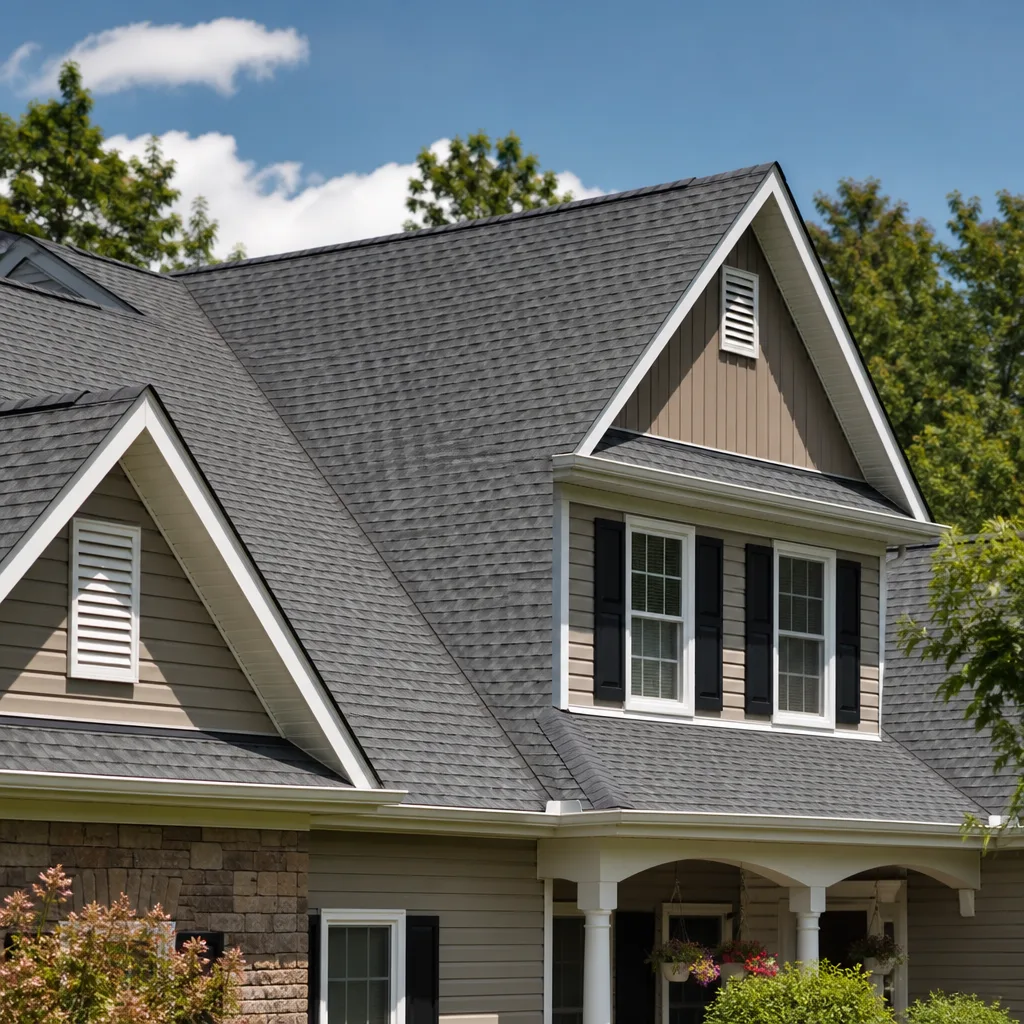
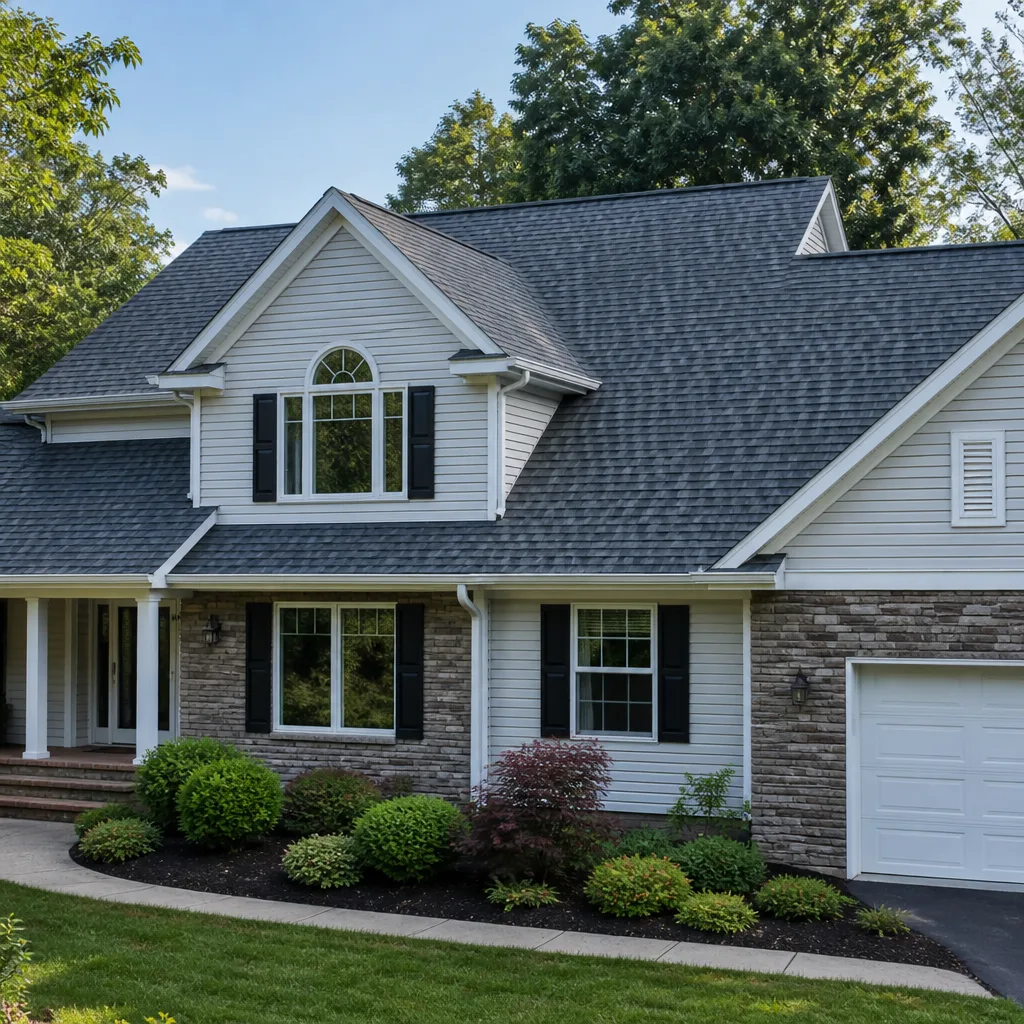
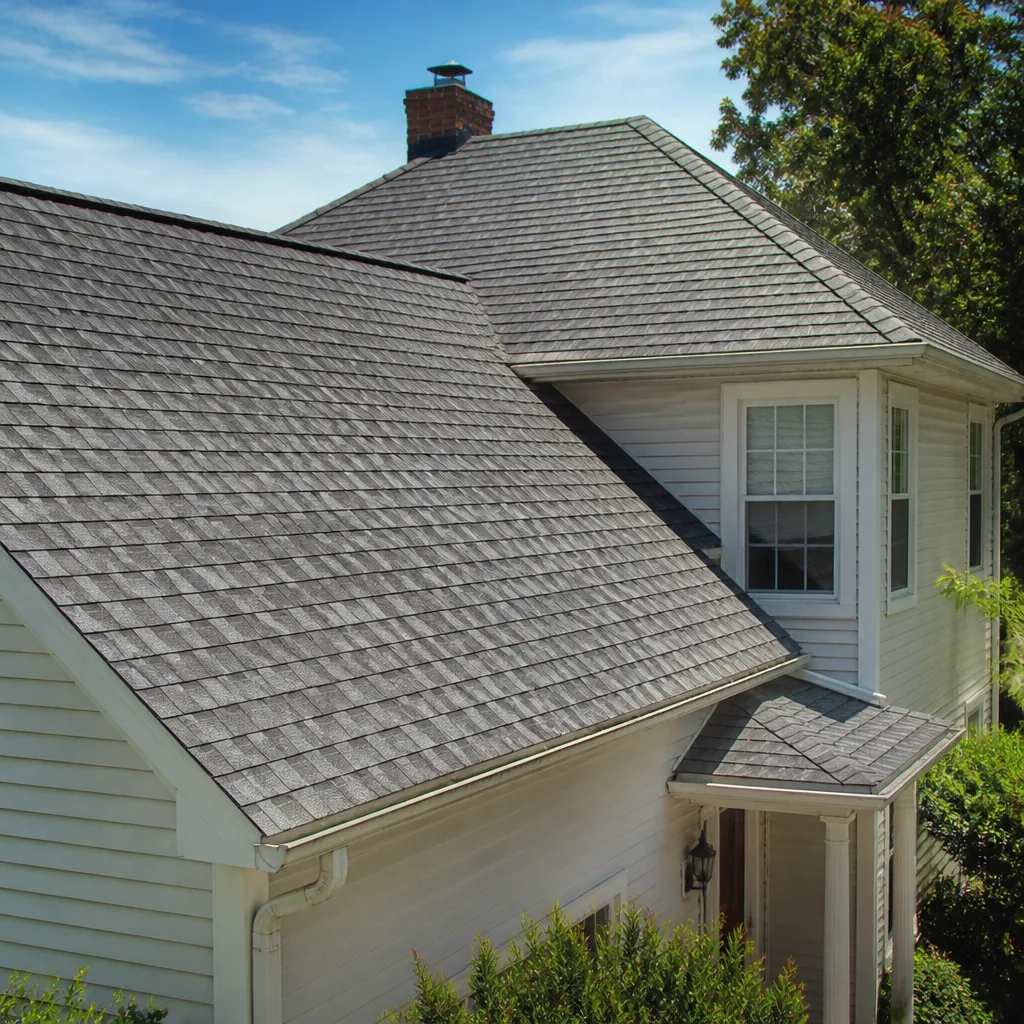
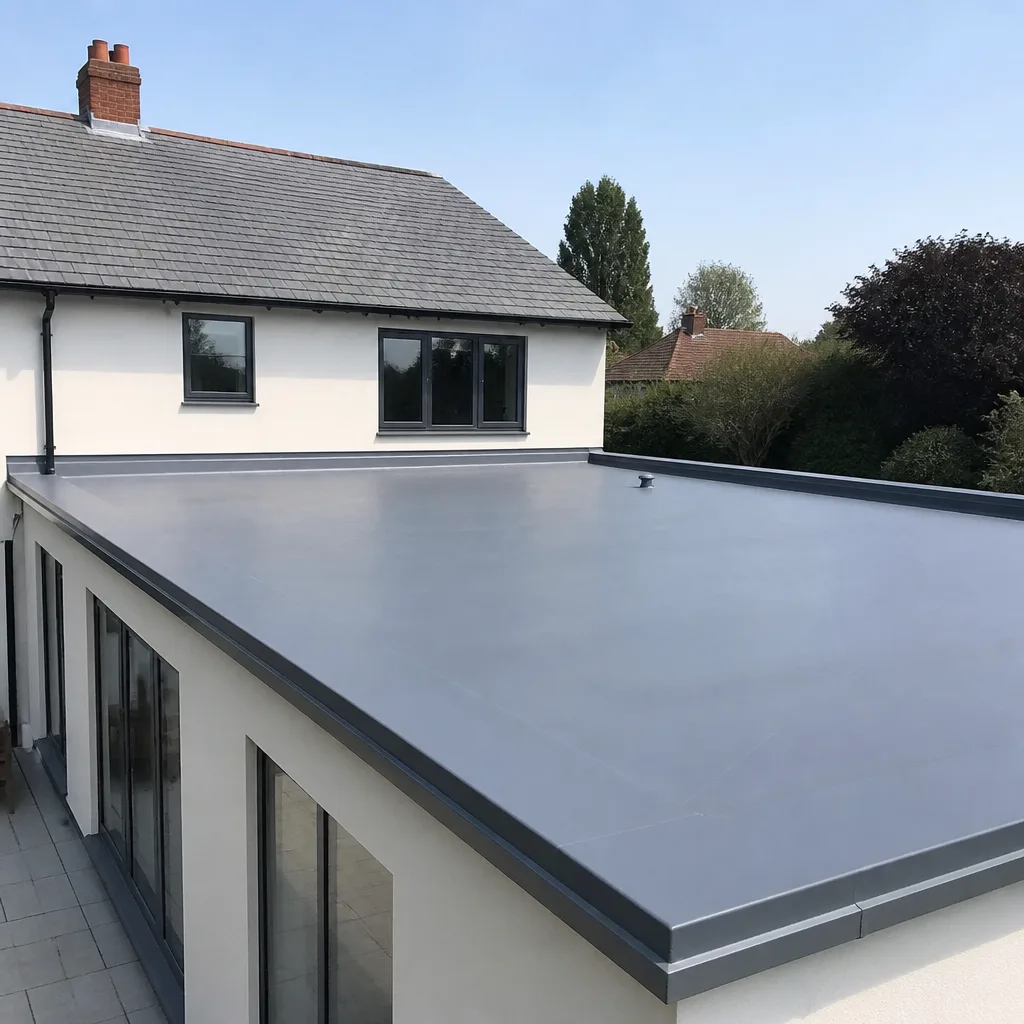
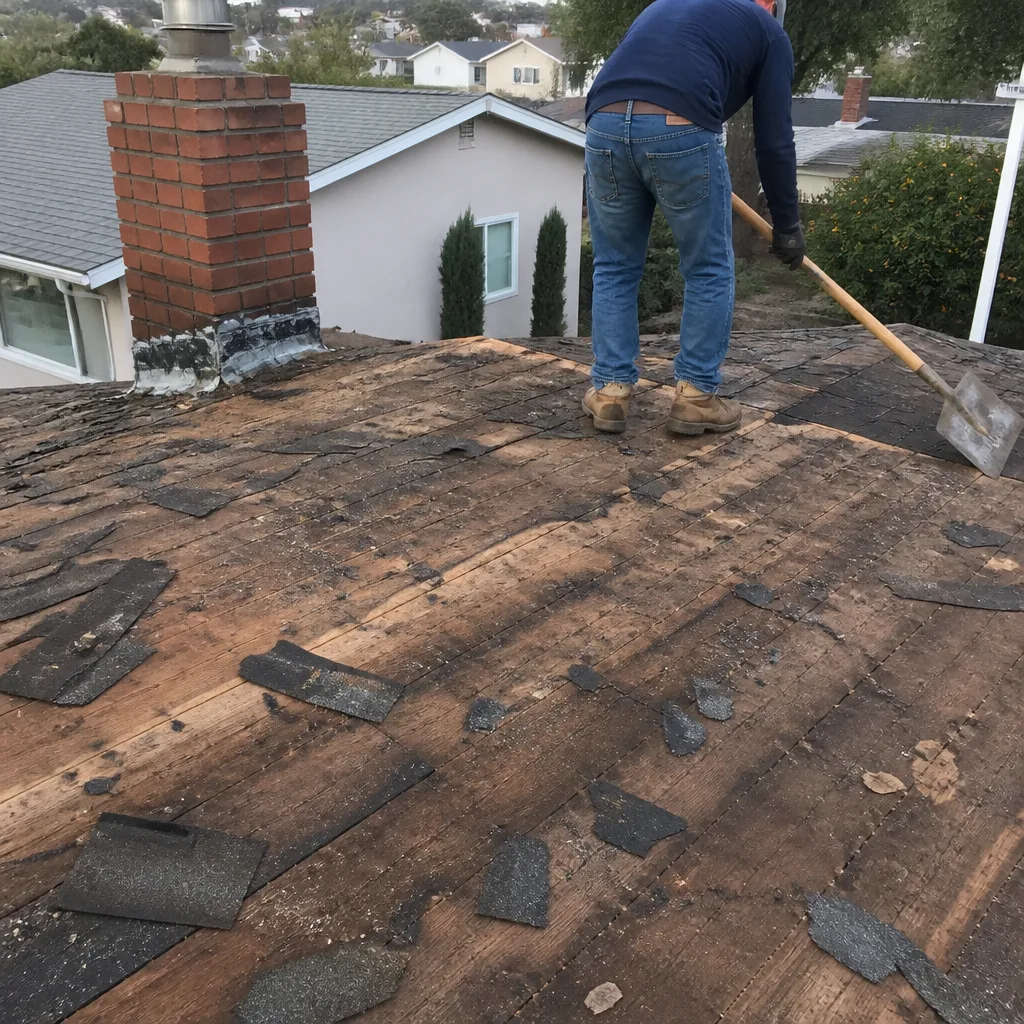 Before
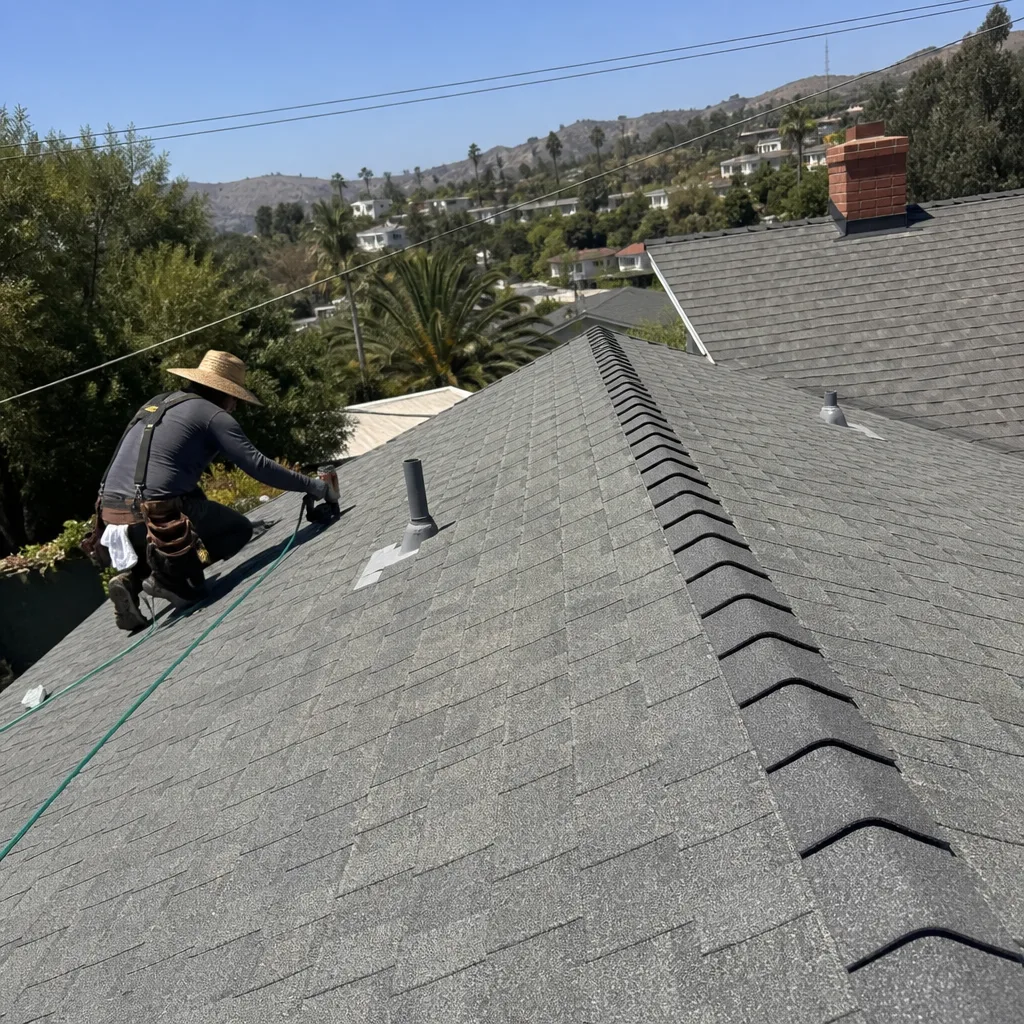 After
After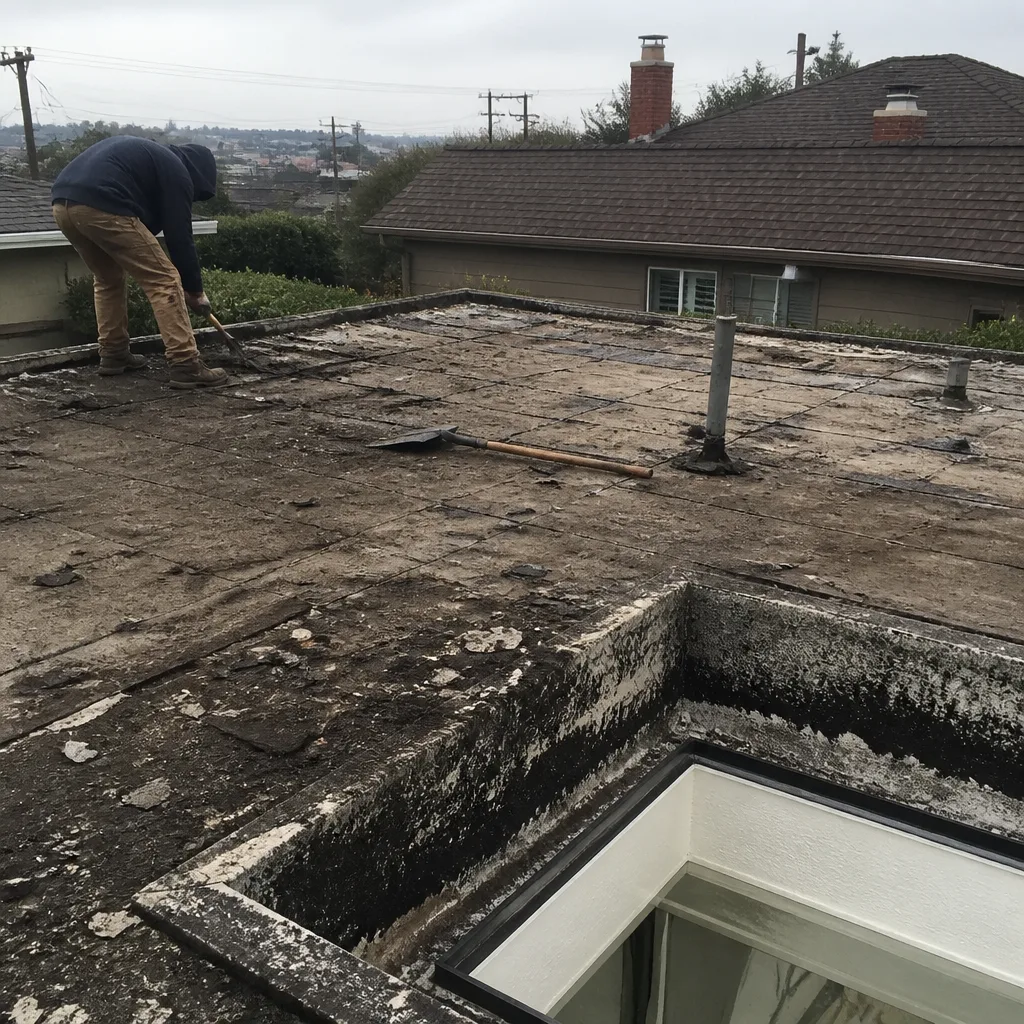 Before
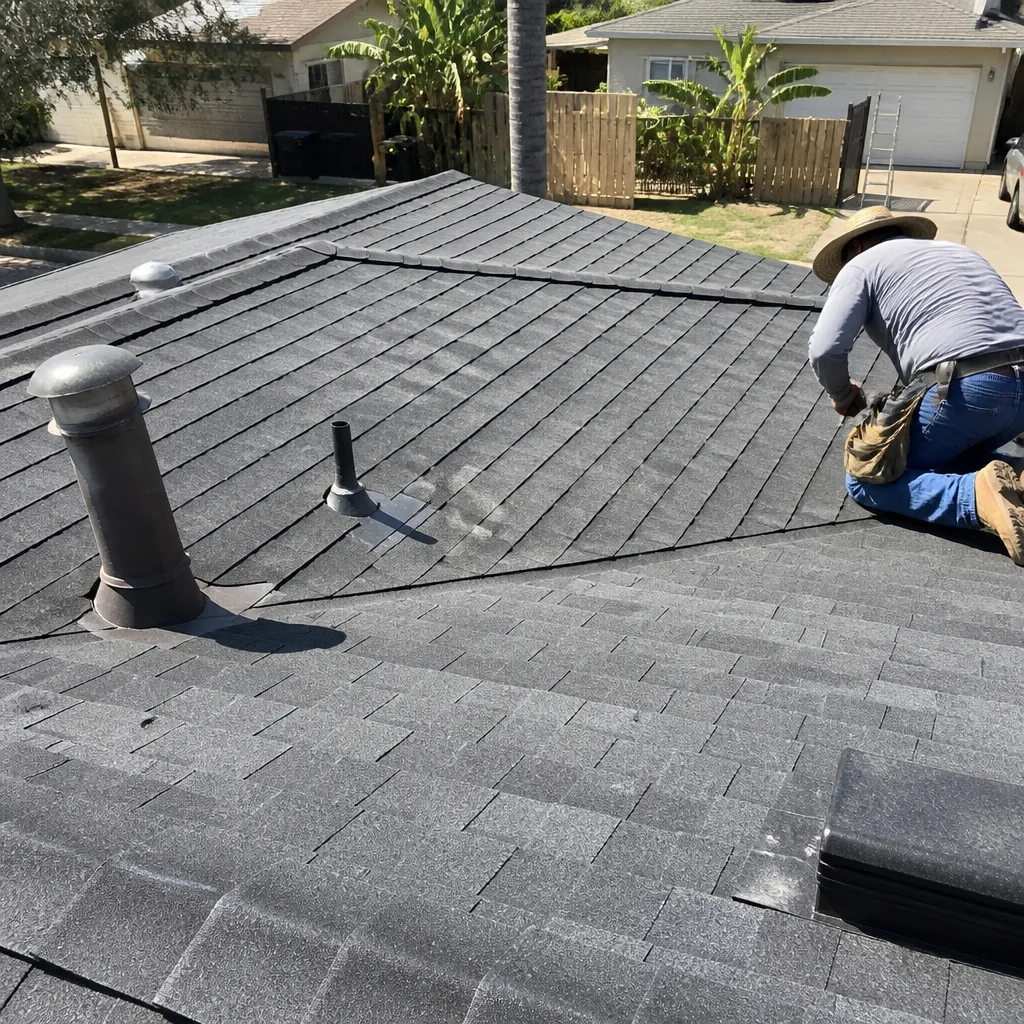 After
After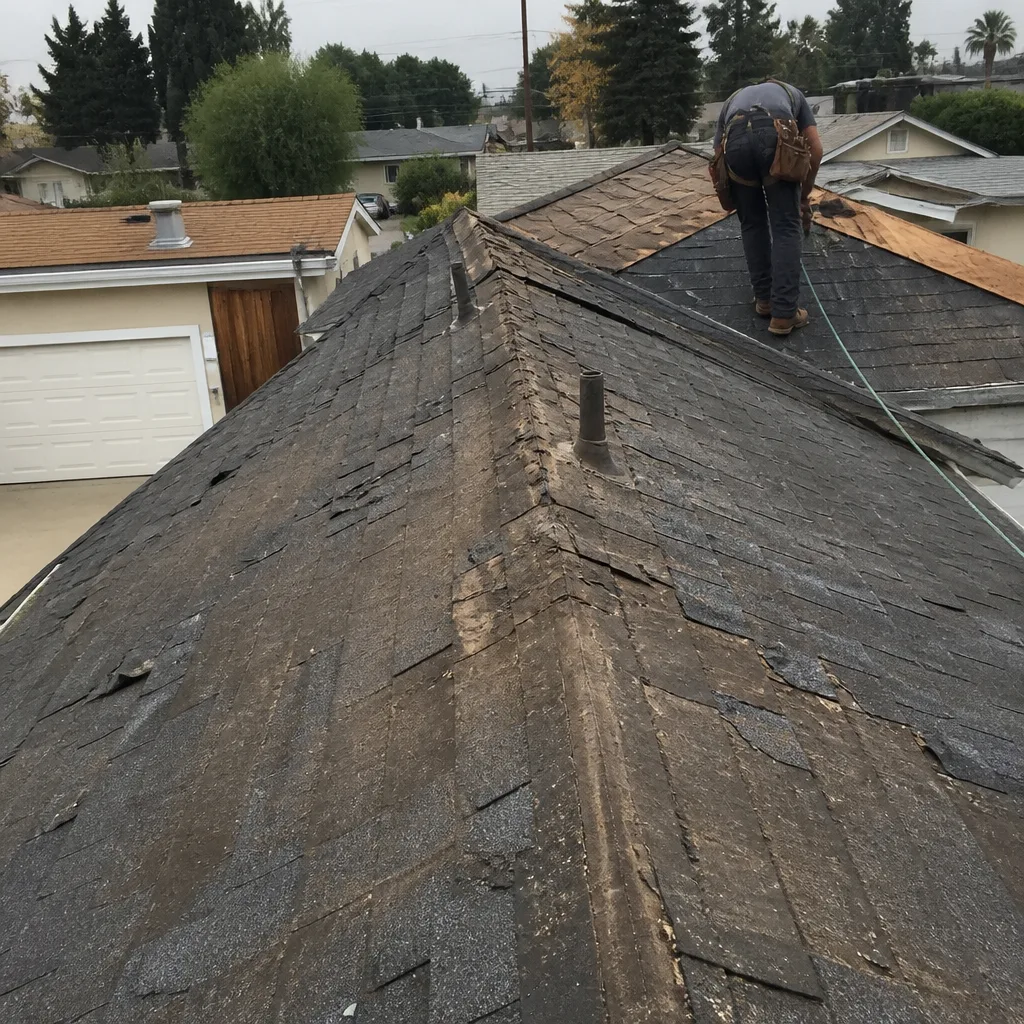 Before
 After
AfterFast, Reliable Roof Installation Across Chula Vista
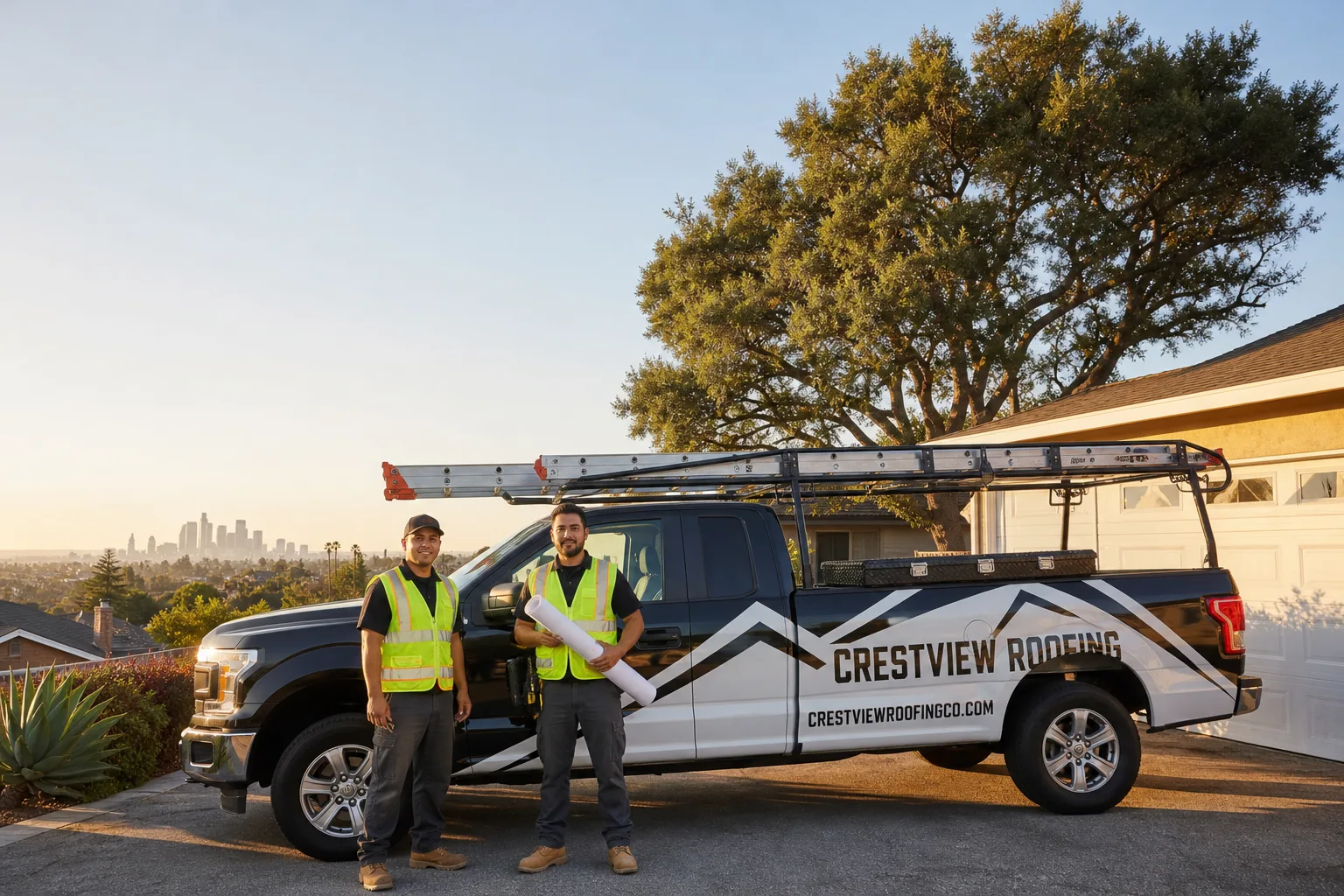
A full Roof Installation on a typical Chula Vista home runs $14,000 to $38,000, with most standing seam metal and tile roofs landing between $22,000 and $34,000 depending on square footage, tear-off, and underlayment upgrades. That’s the honest range before anyone steps on your roof, and you’ll get a written number from us before a single shingle comes off the truck. We’re Crestview Roofing, led by Dylan Pace, and our crews work throughout Chula Vista from Otay Ranch to the older streets west of Broadway. Call (325) 246-5075 and a live person answers, day or night.
Why Crestview Roofing Is Chula Vista’s Preferred Roof Installation Company
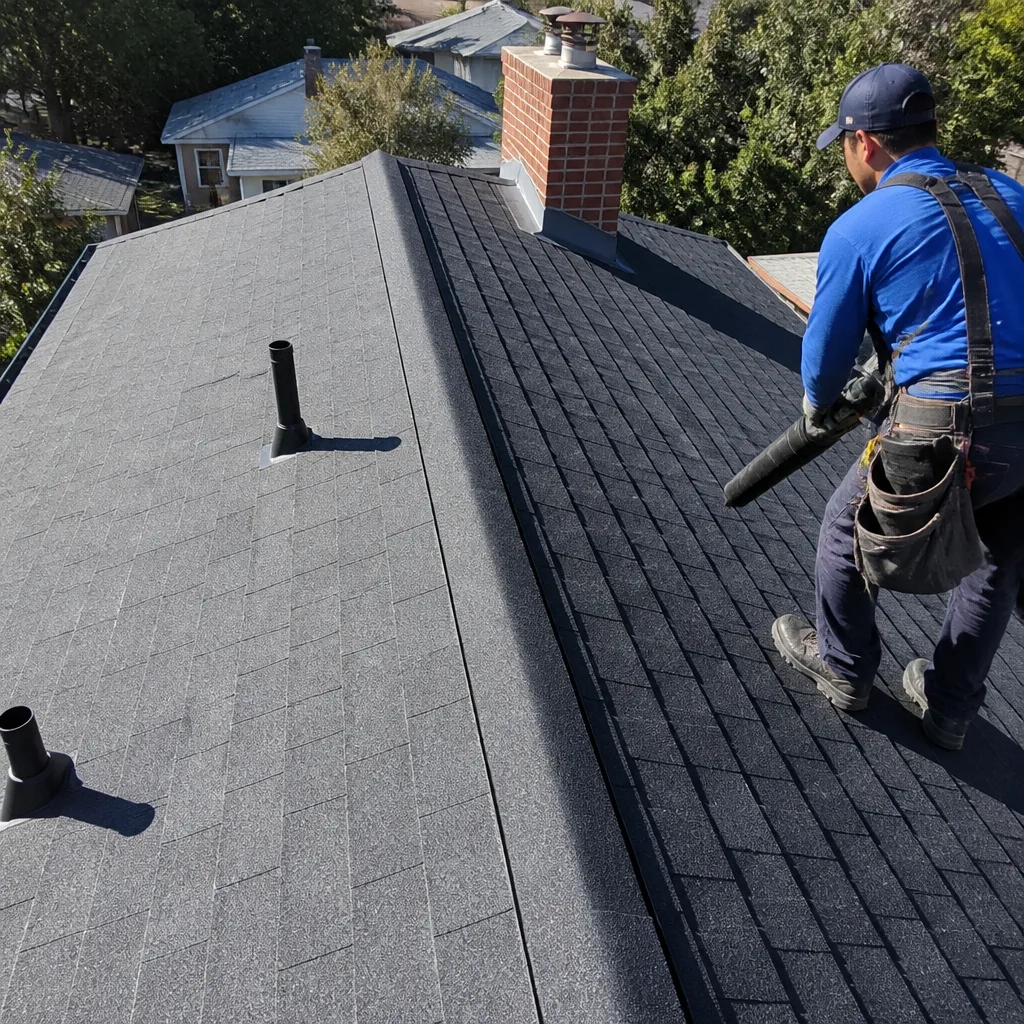
We’ve been installing roofs since 2000, and the part of the job Chula Vista homeowners seem to appreciate most happens before the work starts: a written price, with a line-item breakdown of materials, labor, tear-off, and permit costs. No number that changes when the crew shows up. Every job is governed by The Relay Visibility Guarantee, which means you get before-and-after photos, a live arrival time you can track, and a digital invoice sent to your phone. The day our crew arrives, you’ll know exactly who’s coming, because every technician is background-checked and in uniform.
Dylan Pace built Crestview around a simple idea: a roofing company should operate like every other service you book from your phone. You schedule, you see who’s coming, you get a price, you get proof the work was done. That’s the Relay Standard, and it applies to every roof we install in Chula Vista. Our 365-Day Done Right Promise covers every installation with a written guarantee: if a covered issue shows up within a year, we fix it at no charge. Free second visit, no negotiation.
Standing Seam Metal Roof in Chula Vista
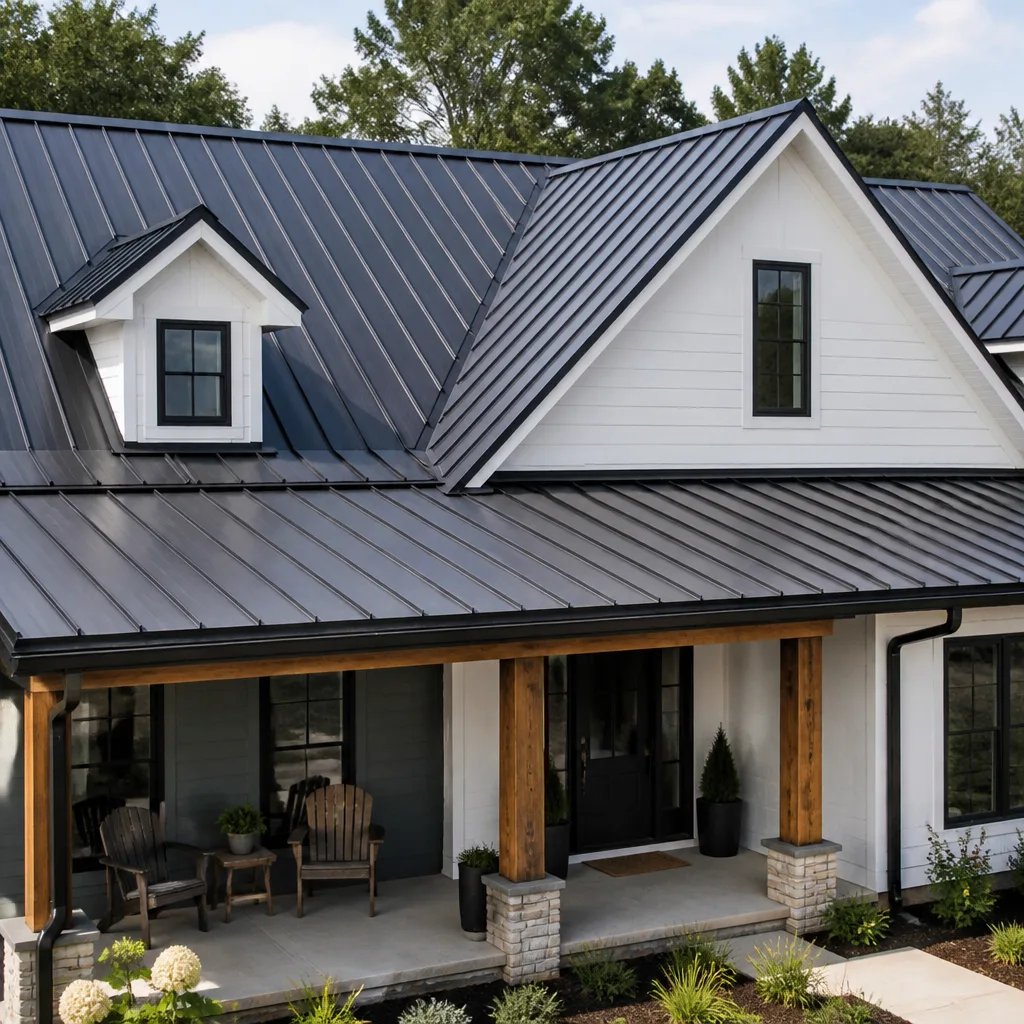
A standing seam metal roof is a smart choice for Chula Vista homes sitting within a mile or two of the bay, where marine-layer moisture works its way into roof assemblies from underneath. Standing seam panels lock together along raised vertical ribs, which gives the roof its signature clean lines and makes it one of the most wind-resistant systems you can put on a house. For a 2,000-square-foot single-story home in Chula Vista, expect to pay $24,000 to $38,000 for our Roof Replacement in Chula Vista with a complete standing seam install, including tear-off of the old roof, new underlayment, and trim.
Moisture-Smart Underlayment Choices
Chula Vista’s coastal fog pushes damp air upward into attics and against the underside of the decking. That’s the opposite of how people usually think about roof leaks. We spec a high-permeability underlayment on metal roofs near the bay so the roof assembly can dry toward the exterior instead of trapping moisture against plywood sheathing.
Ridge Vent and Soffit Work
A metal roof doesn’t fix an attic that can’t breathe. On a recent Otay Ranch standing seam install, we paired the new panels with continuous ridge venting and balanced soffit intake vents so the attic air actually moved. The homeowner had spent a winter watching ceiling stains spread under the old roof; after the venting correction, they never returned.
Tile Roof in Chula Vista
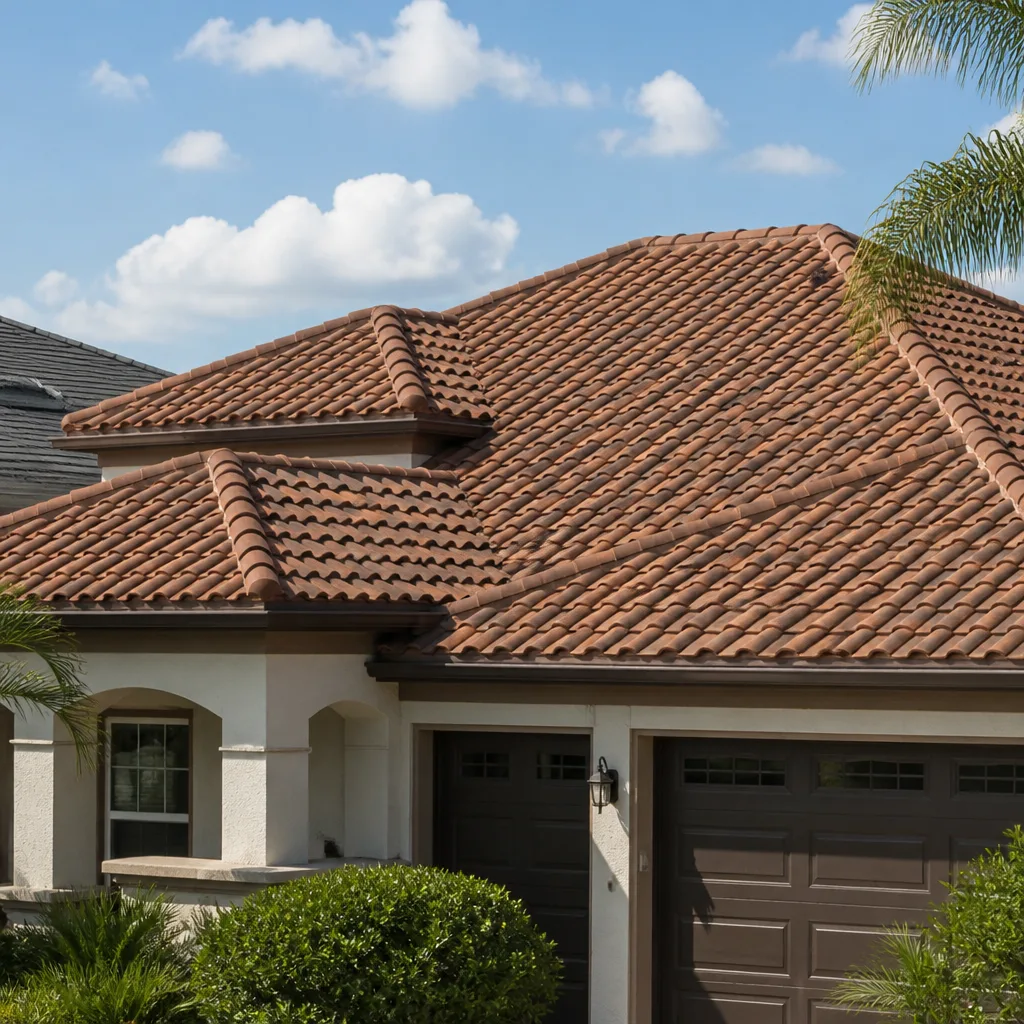
Tile roofs are everywhere in Chula Vista, from the sprawling Eastlake subdivisions to the older ranch-style homes near Hilltop Drive. Concrete and clay tile look right on Southern California architecture and they handle sun well, but the real performance story is what’s underneath. A tile roof install on a standard Chula Vista single-family home runs $18,000 to $32,000, depending on roof pitch, tile profile, and whether the existing decking needs replacement.
Tear-Off Realities on Older Tile
On a tile re-roof in the Eastlake area, our crew stripped the old concrete tile and found the original 30-pound felt had wrinkled, letting water sit directly against patched decking. That’s a common failure here: the tile looked fine from the curb, but the underlayment had surrendered years earlier. We replaced the bad sheathing before laying a high-temp self-adhered underlayment with new drip edge and flashing at every valley.
Flashing at Penetrations and Valleys
Thermal movement is real on tile roofs. Chula Vista’s temperature swings between morning marine layer and afternoon sun cause tiles to expand and contract, and improperly flashed penetrations around chimneys, skylights, and vents open up fast. We cut flashing to the specific profile of the tile, not a generic detail, and the valley metal gets double-checked because that’s where standing water sits longest.
Trusted Brands We Service in Chula Vista
We install and repair roofs using GAF, Atlas, Tamko, and Owens Corning in Chula Vista, and those names matter because Chula Vista’s moist air punishes cheap underlayment faster than it punishes the outer surface. Material quality is never a question with us. We keep commonly needed GAF components and flashing profiles stocked for Chula Vista projects, which means fewer supply-chain delays between permit approval and the day our crew starts tearing off old felt.
Common Roof Installation Problems We See in Chula Vista Homes
- Downgraded underlayment. Coastal moisture wicks up from beneath the roof, not just down from rain. We’ve torn off tile in Eastlake where the underlayment had failed entirely while the tile above still looked presentable. A cheaper felt install would have repeated the same failure in five years.
- Improper flashing at valleys and penetrations. Standing water and thermal movement expose shortcuts fast. A valley that’s not flashed to the specific tile profile, or a chimney flashing that relies on caulk instead of metal, will leak within a season or two near the bay.
- Inadequate attic venting. Marine-layer humidity gets trapped against the decking when ridge vent and soffit intake are unbalanced or missing. Rot follows, and once the decking softens, any new roof has a shorter life. We correct venting as part of every install.
- Reused soft or patched decking. Some crews install over whatever sheathing they find to keep the price down. Soft decking voids shingle wind ratings and shortens the life of the new roof. We replace any decking that doesn’t hold a fastener with full confidence, and the cost is reflected in your written estimate before work starts.
Pricing for Roof Installation in Chula Vista, CA
A complete roof installation in Chula Vista typically runs $14,000 to $38,000. Here’s how that breaks down on most homes: tear-off of the existing roof runs $3,500 to $6,500 depending on layers and pitch; underlayment and decking repair ranges $2,000 to $6,000 if soft spots show up; standing seam metal runs $12 to $19 per square foot installed; concrete tile runs $9 to $15 per square foot installed. Permit fees through the city of Chula Vista add several hundred dollars depending on valuation, and we pull permits on every job, so that cost is in your estimate from day one. A steep roof, a two-story home, or extensive flashing work around chimneys and skylights pushes toward the top of the range. Call (325) 246-5075 and we’ll give you a written, line-item price before you commit to anything.
We Also Serve Cities Near Chula Vista
Beyond Roof Installation in Chula Vista, our crews handle roof installs in National City, Bonita, Imperial Beach, and Coronado. The same written pricing, the same 365-Day Done Right Promise, and the same live person on the phone apply in every one of those communities.
Serving Chula Vista, CA – Our Local Coverage Area
We’re based in the Chula Vista area and know this community well. Use the map below to see our service coverage – if you’re nearby, we can almost certainly help.
FAQs About Roof Installation in Chula Vista
Chula Vista’s marine layer pushes moisture up from beneath the roof assembly, not just down from rain, so installs here need high-permeability underlayment and balanced ridge-and-soffit venting to avoid trapping damp air against the decking. Inland cities like El Cajon run drier and hotter, and a venting strategy that works there underperforms within a mile of the bay. We spec materials accordingly on every Chula Vista roof. Call (325) 246-5075 if you want to know what your specific roof would need.
The city of Chula Vista requires a building permit for any roof installation that involves structural replacement, and inspections happen at key stages: after tear-off, after underlayment and flashing, and after the final roof covering is in place. We pull permits, schedule inspections, and make sure the roof passes before we call the job done. That process is included in your written estimate.
A roofing square is 100 square feet, so a 2,000-square-foot Chula Vista home has roughly 20 squares of roof surface, and your quote is calculated from that number plus tear-off and underlayment. Wind ratings matter because certain Chula Vista neighborhoods sit in elevated wind exposure zones, particularly on hilltops near Otay Mesa and along the open corridors east of the 805. A higher wind rating means additional fasteners and sometimes upgraded underlayment, and that changes the price on the written estimate, not after work starts.
The price only changes if we find something that could not be seen during the initial inspection: soft decking under torn felt, rot at the eaves, or framing that needs correction before the new roof goes on. Those items get added to your estimate as a written change order with photos of the actual condition, and you approve the number before we spend a dollar. The original line items never change on their own.
In most cases, no. Chula Vista’s building code requires tear-off when there is already more than one layer, and coastal moisture makes overlayment a poor idea even where code permits it; you’d be trapping old, damp felt under a new system. We recommend full tear-off on every metal and tile install, and that’s how we quote it. Call (325) 246-5075 for a written estimate on your specific roof.
Written by Dylan Pace, Owner at Crestview Roofing, serving Chula Vista and surrounding communities with written pricing and straight answers since 2000.