
Last updated October 10, 2026
Free roof inspection with deck photos before we talk money - GAF and Owens Corning certified installation
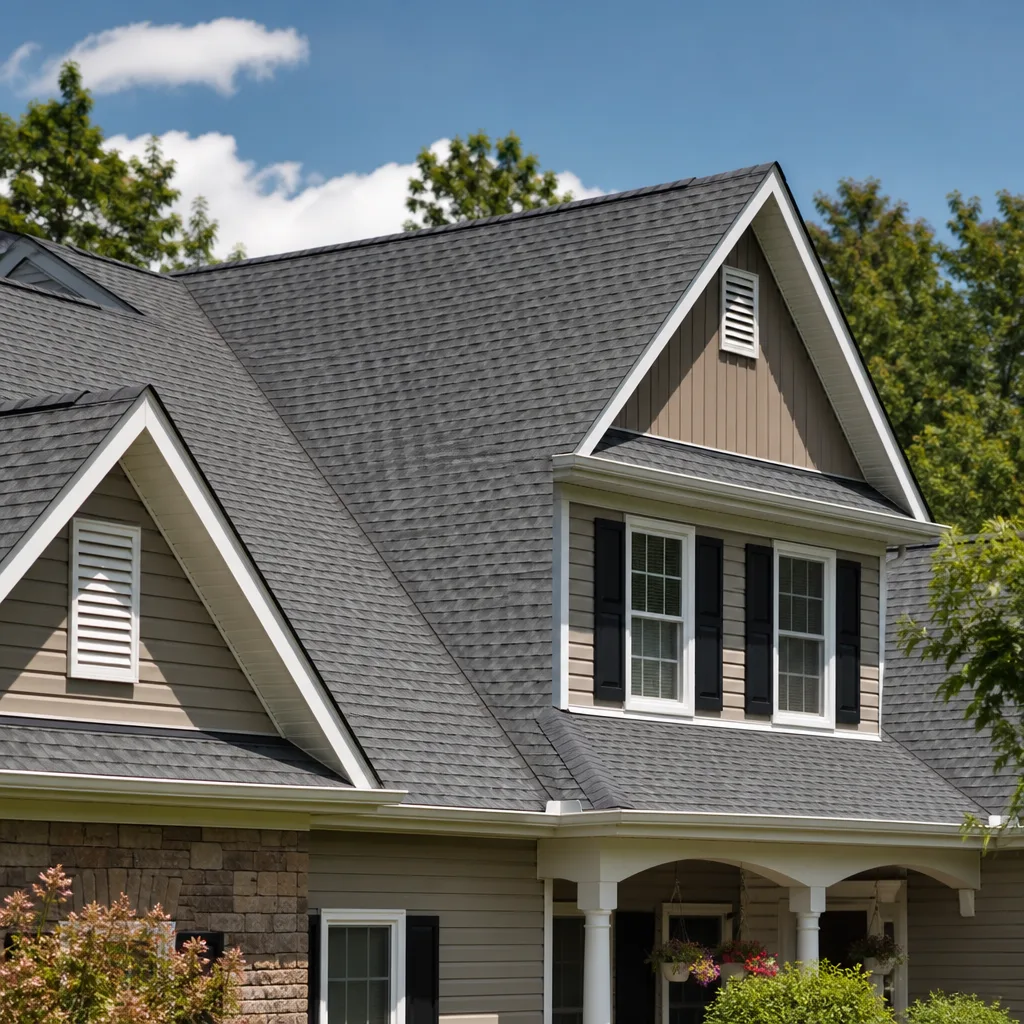
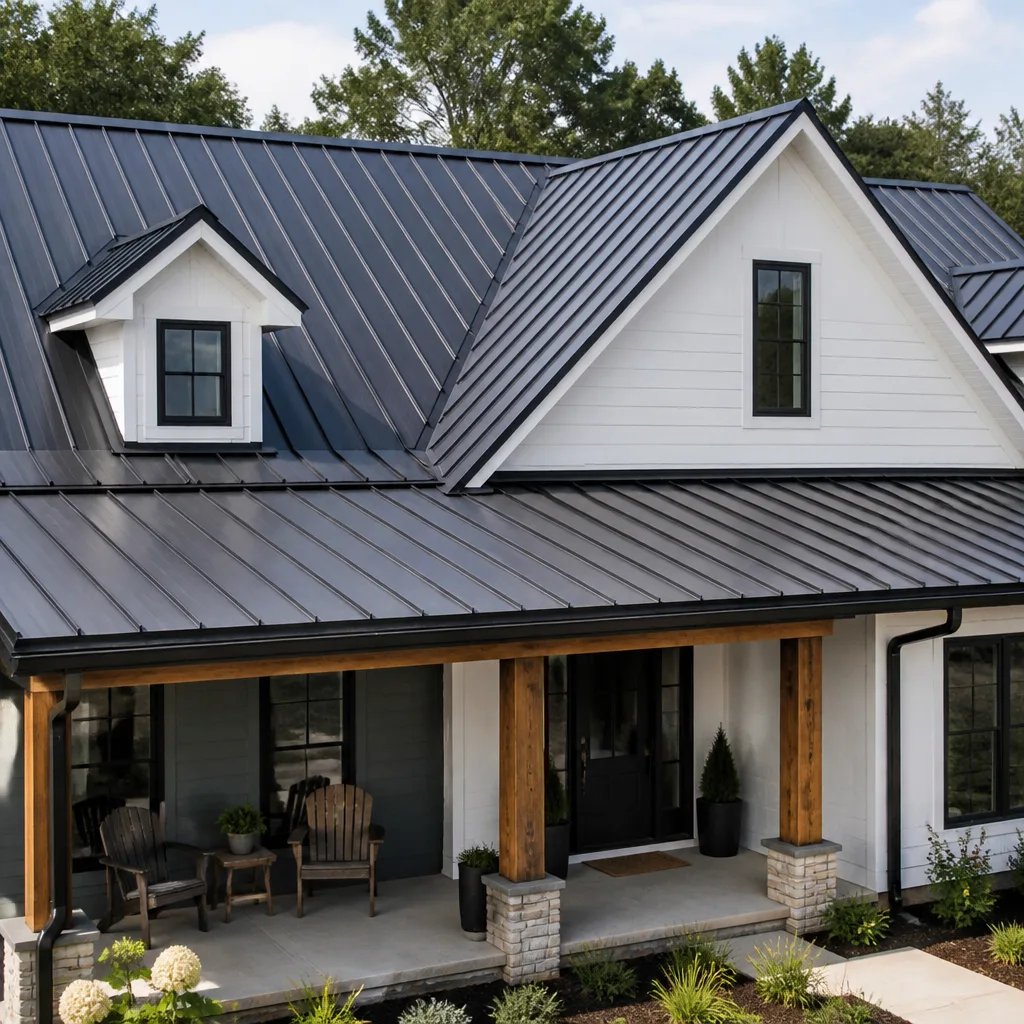
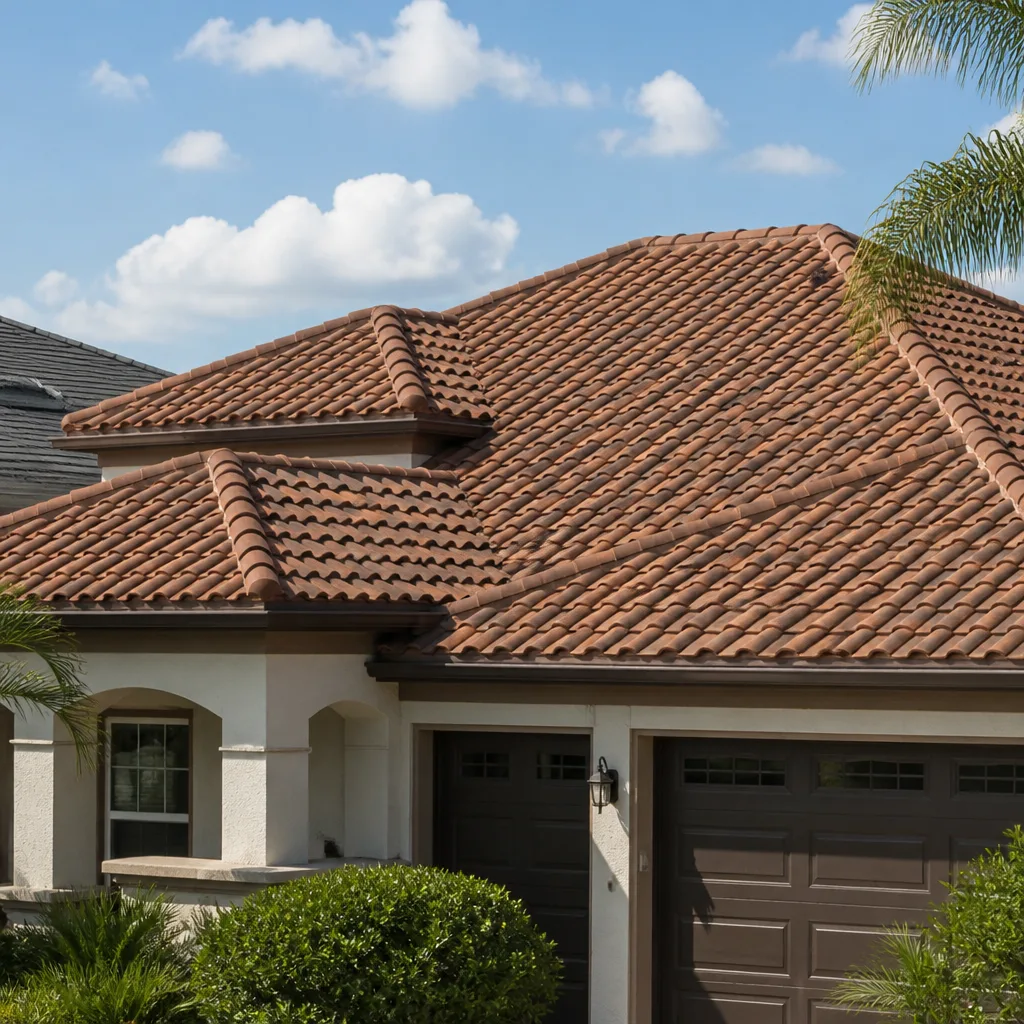
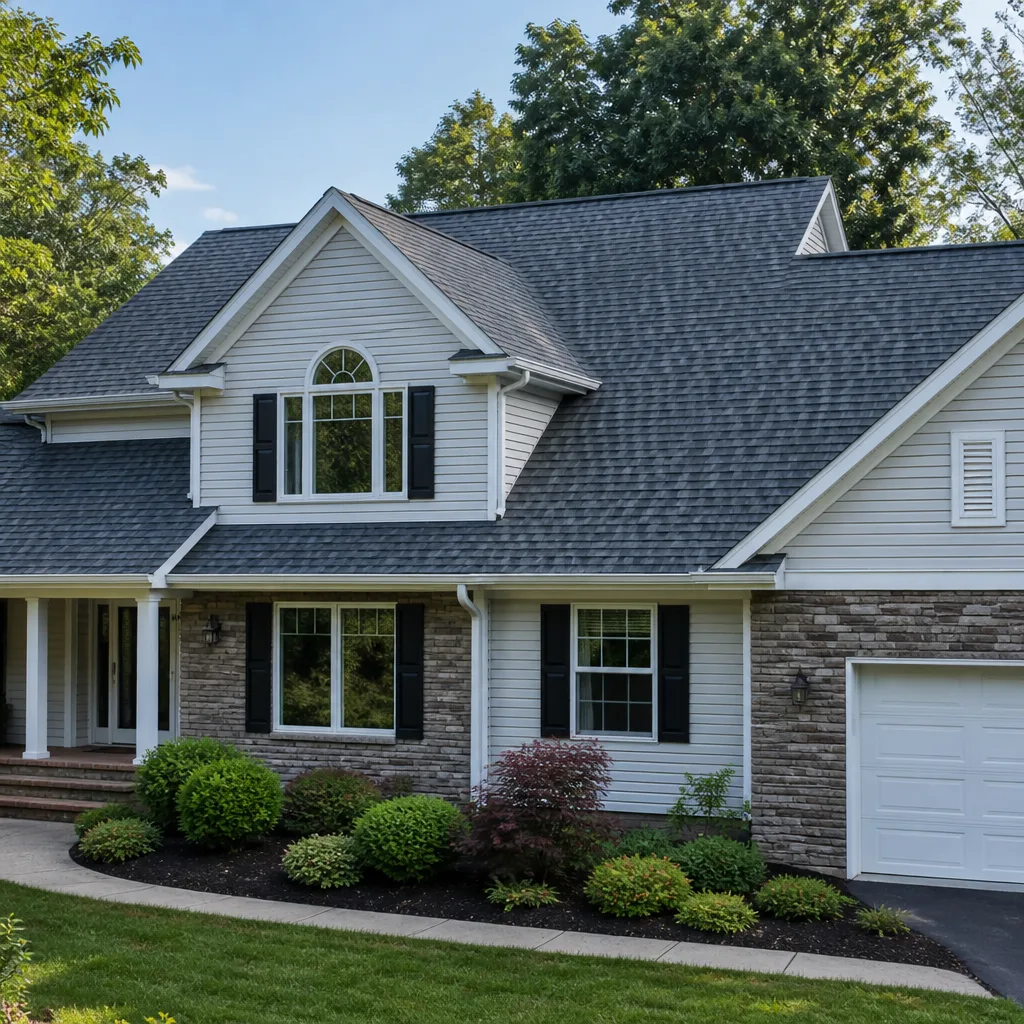
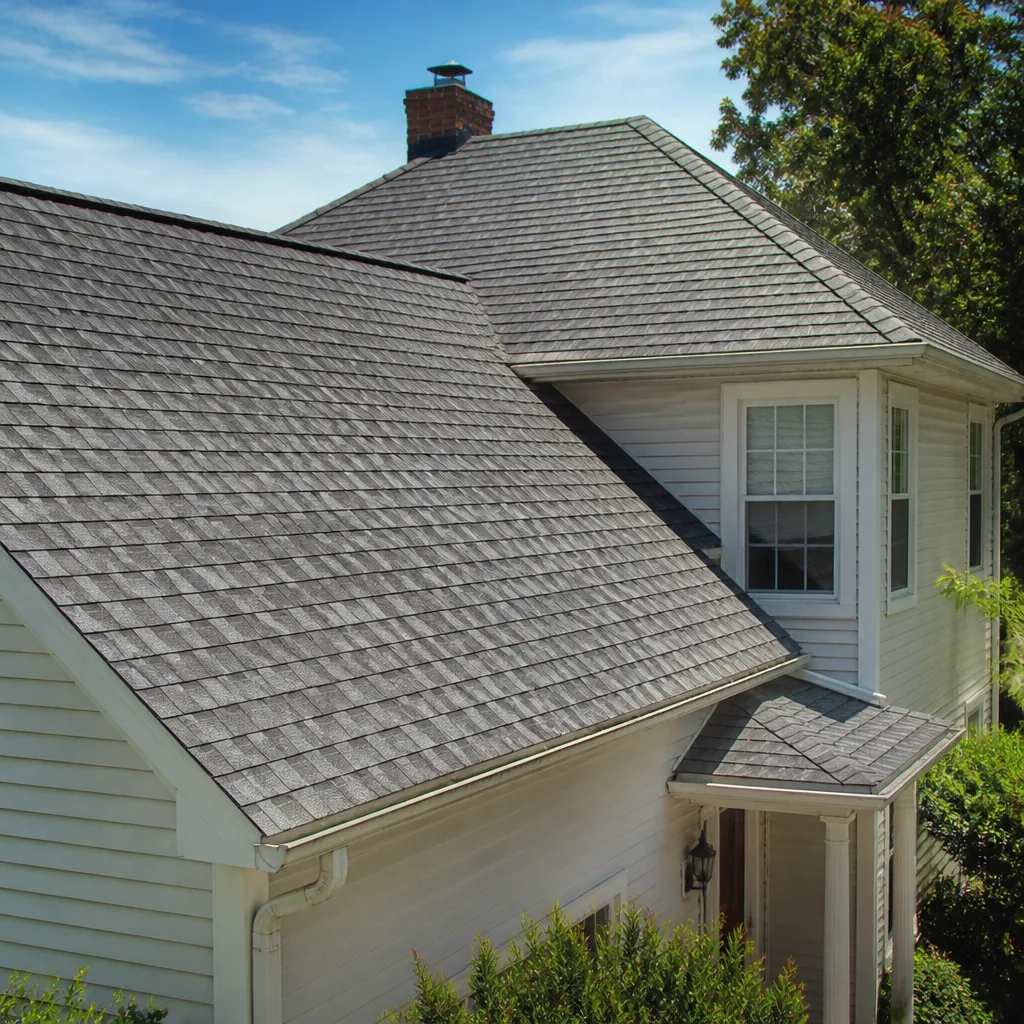
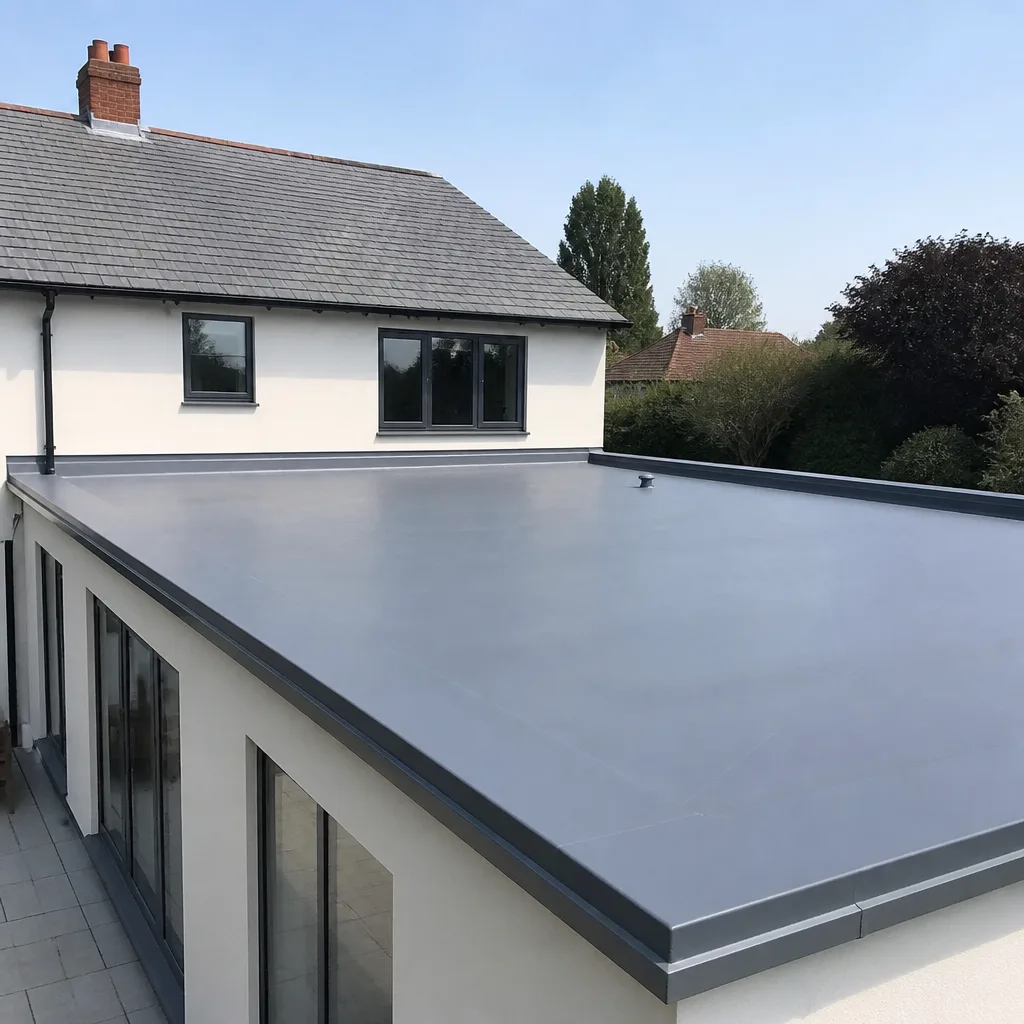
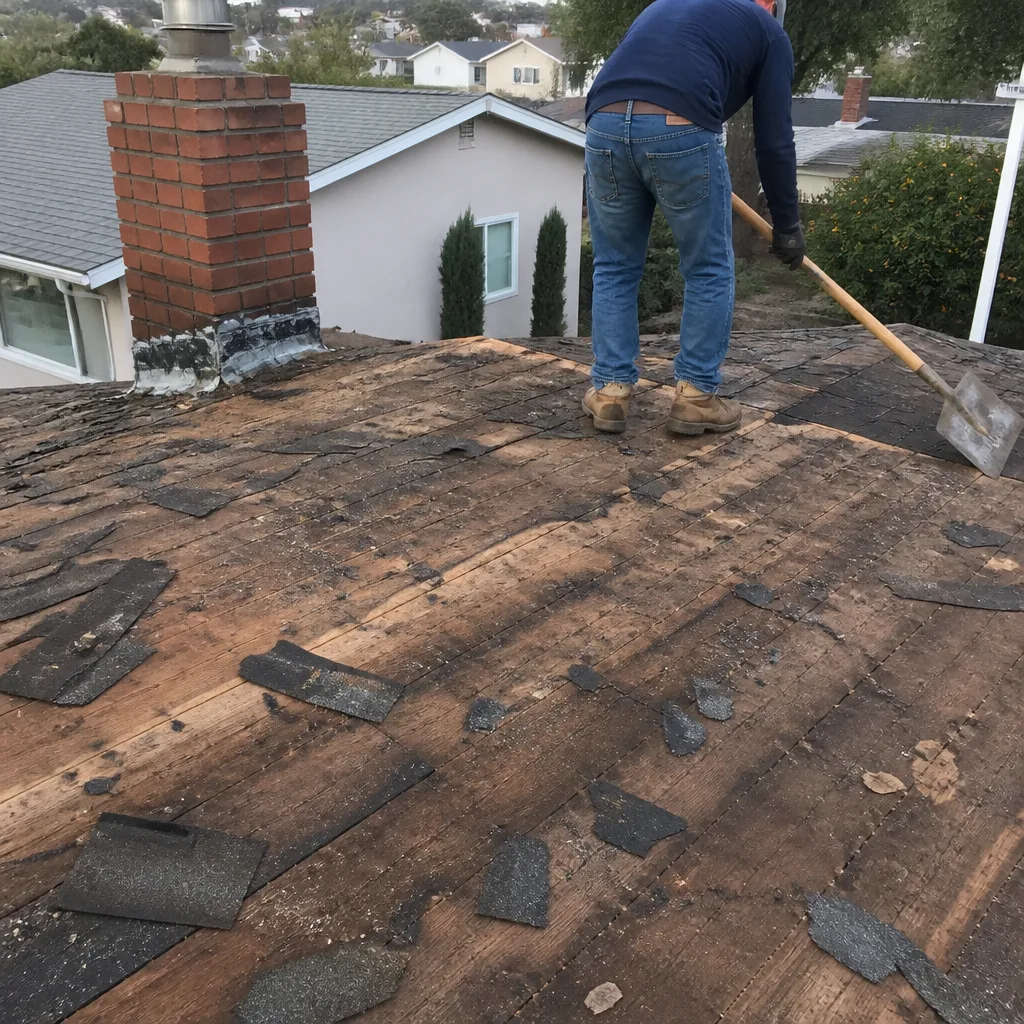 Before
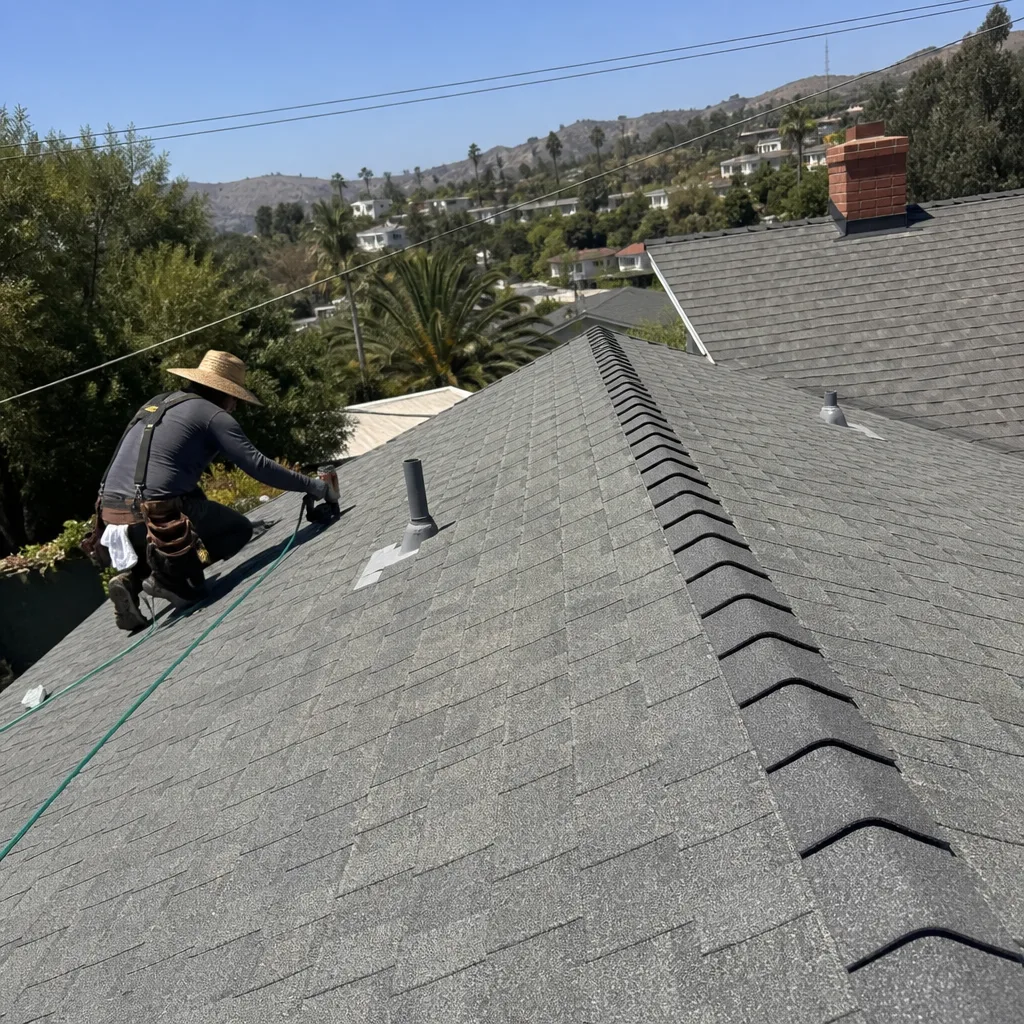 After
After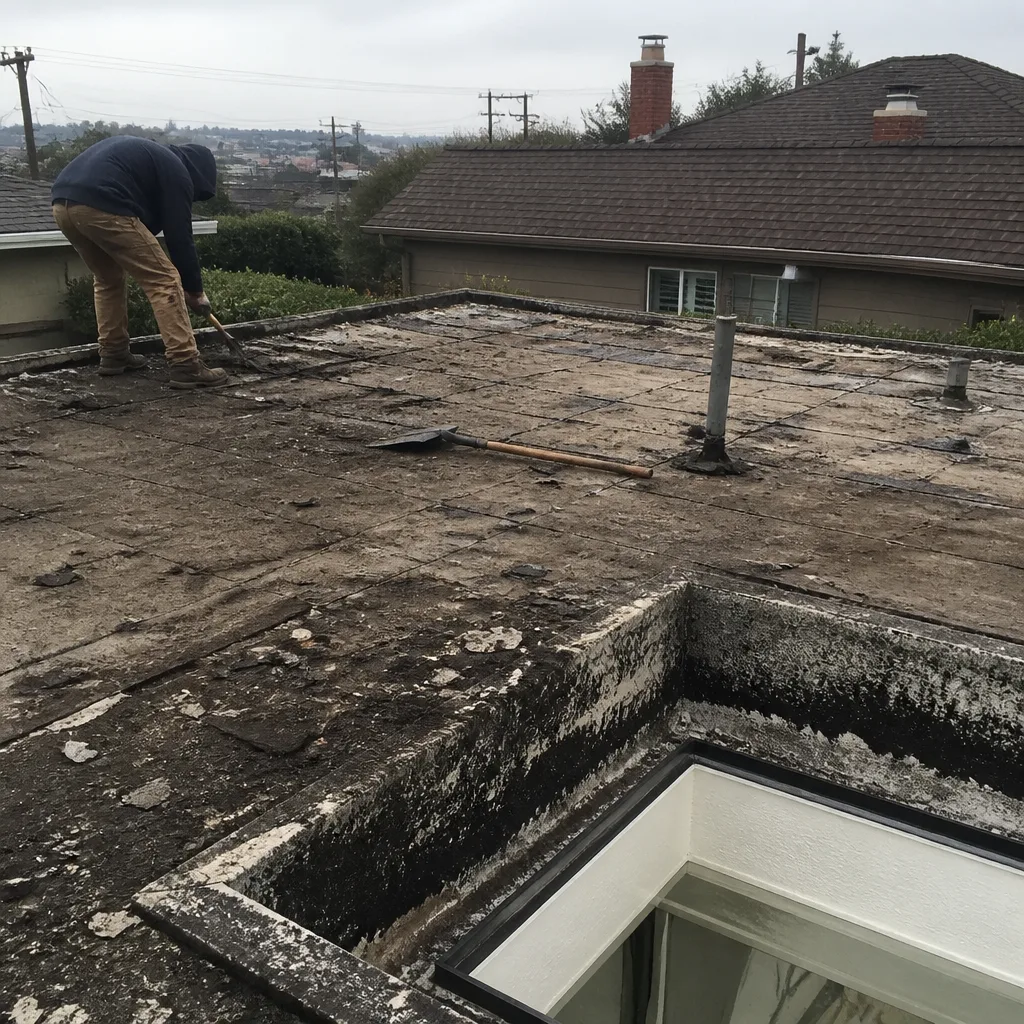 Before
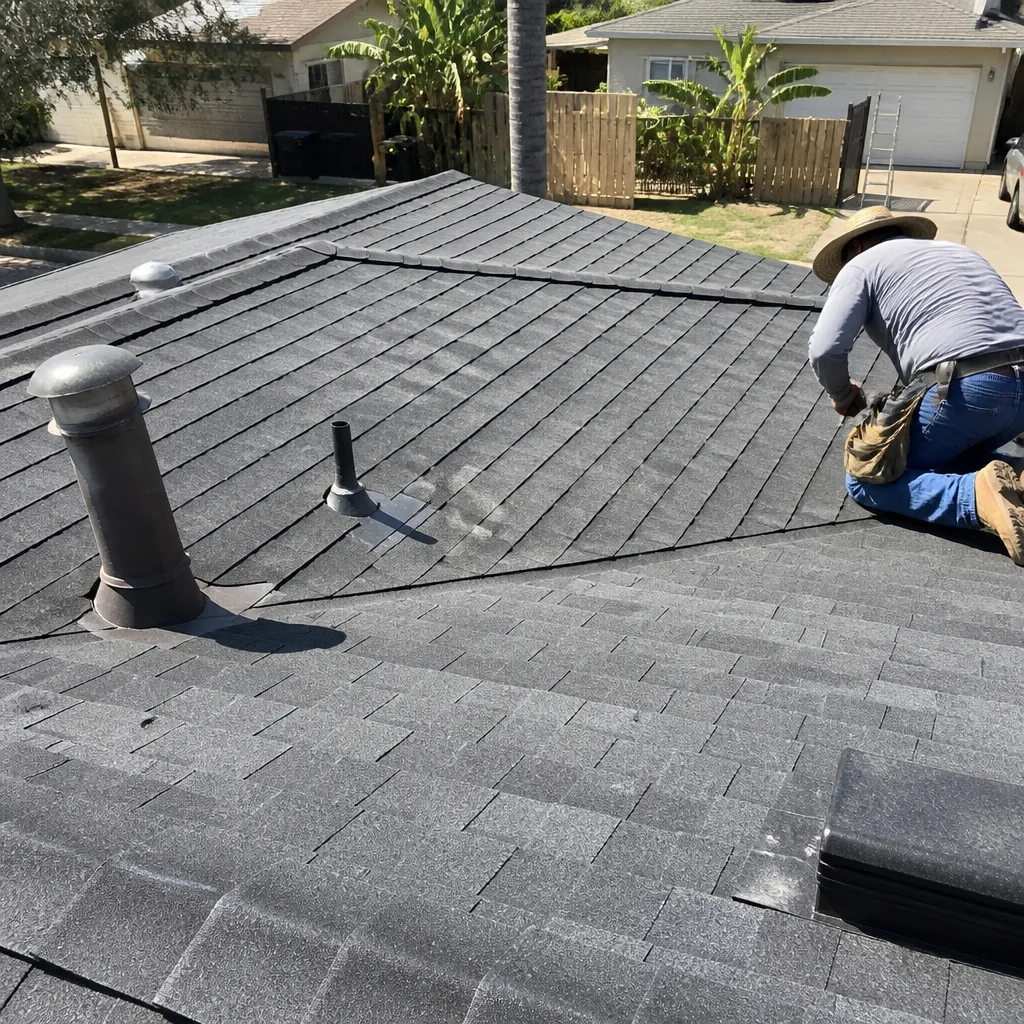 After
After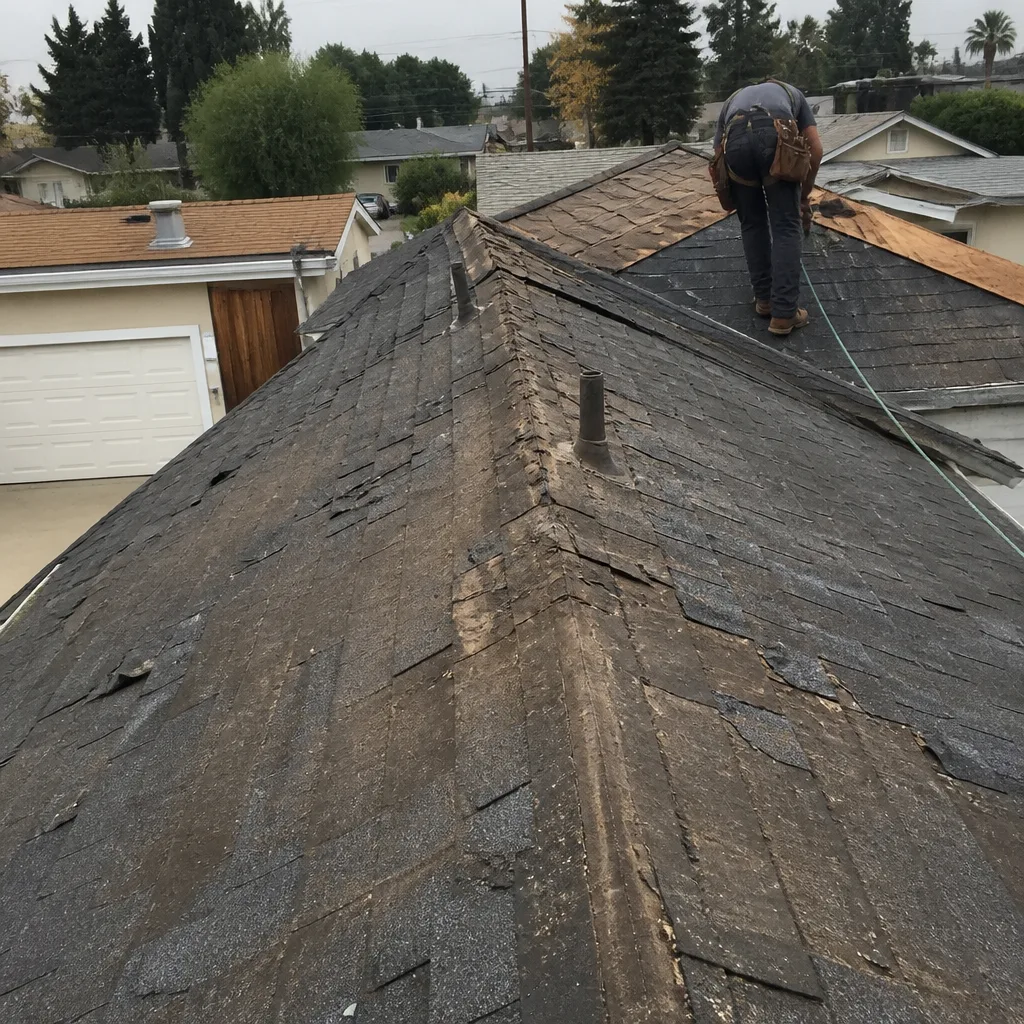 Before
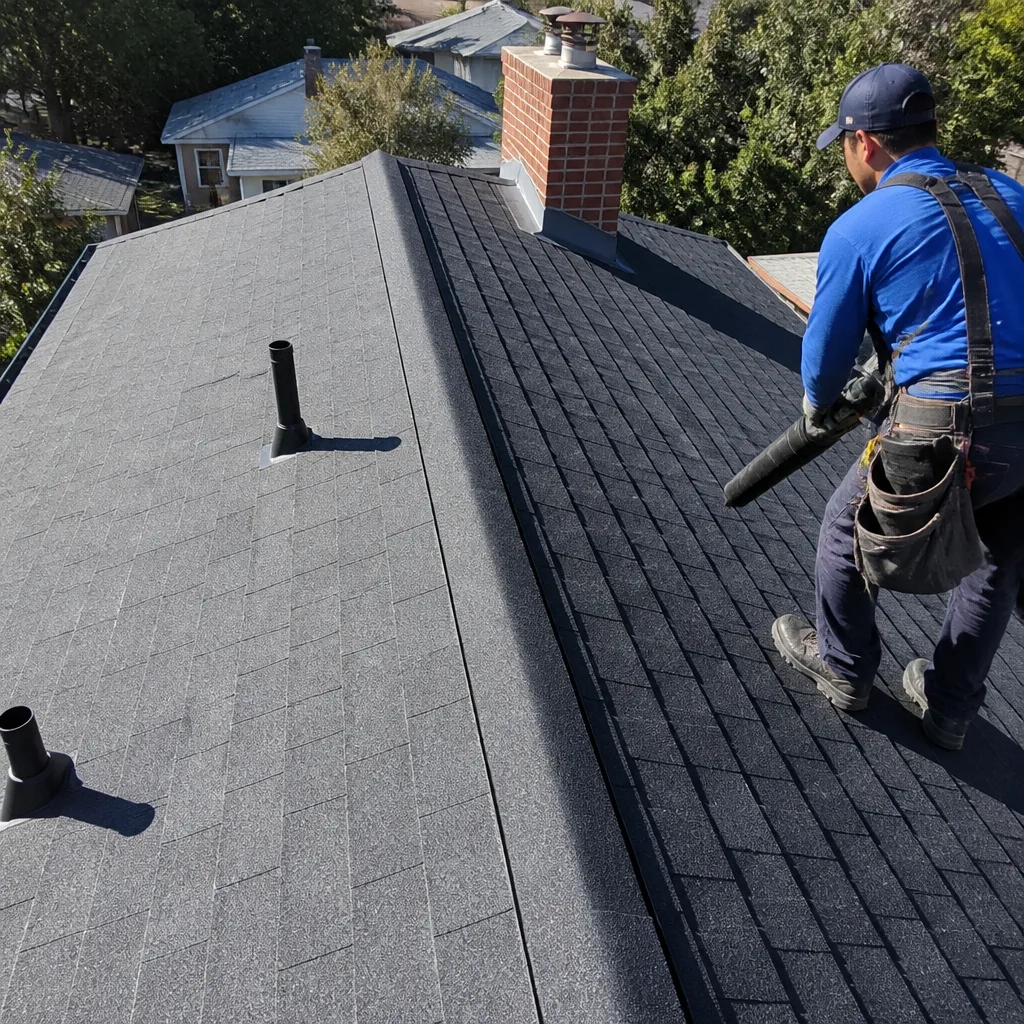 After
AfterHow Long Does Roof Replacement Take? Timelines and What to Expect
Most roofers say “1 – 3 days” and leave you guessing. Here’s what actually determines which end of that range your house lands on – before a crew ever shows up. In Los Angeles, we’ve torn off and replaced roofs in a single day, and we’ve had jobs stretch to four because of hidden decking damage that no one could have predicted from the street. The difference isn’t luck. It’s a handful of specific variables you can assess yourself, plus one scheduling trap that has nothing to do with how fast the crew works.
Quick Answer
Most residential our Roof Replacement services in Los Angeles take one to three days from tear-off to final cleanup. A single-story home under 2,500 square feet with a standard gable roof, good decking, and no steep pitches can often be completed in one day. Jobs extend to two or three days when square footage exceeds 3,000, the roof pitch is steeper than 6:12, or decking rot requires replacement mid-project.
Table of Contents
- Single-Day vs. Multi-Day: The Decision Tree
- How LA’s Coastal Weather Steals Working Hours
- The Hidden Time Cost of Decking Rot
- Permits and Inspections: Calendar Days vs. Work Hours
- What a Written Job Schedule Should Include
- Material Choice and Crew Size: Realistic Impacts
- Preparation and Cleanup: Hours That Don’t Show on the Quote
- Common Mistakes to Avoid
- When to Call a Professional
- Frequently Asked Questions
- The Bottom Line
Single-Day vs. Multi-Day: The Decision Tree
Here’s how to predict your timeline without calling a contractor. We’ve built this from fifteen hundred-plus replacements across Los Angeles, from Venice bungalows to Pasadena two-stories.
Single-day jobs typically have ALL of these traits:
- Under 2,500 square feet of roof area (not house footprint – roof area includes overhangs and pitch multiplication)
- Roof pitch of 4:12 or gentler (rise of 4 inches per 12 inches of horizontal run)
- One or two layers of existing shingles to remove (three layers adds 2 – 3 hours)
- Sound decking with no soft spots or prior leak damage
- Simple roof geometry – gable or hip, minimal valleys, no dormers or skylights
- Clear access for dump trailer and material delivery (no narrow hillside driveways)
Two-day jobs usually hit one or two of these thresholds:
- 2,500 – 3,500 square feet
- Pitch between 6:12 and 8:12 (steeper means slower footing, more safety setup)
- Complex geometry with multiple valleys, dormers, or chimney flashing work
- Tile removal rather than shingle (heavier, more labor to load out)
Three-day or longer jobs combine several factors:
- Over 3,500 square feet
- Pitch steeper than 8:12
- Three or more layers to tear off
- Decking replacement needed on more than 10% of surface
- Custom material orders (clay tile color matching, for example)
In the Hollywood Hills, we’ve done 1,800-square-foot homes in eight hours. In Hancock Park, a 4,200-square-foot Spanish tile job with decking issues took four days. The decision tree above would have predicted both outcomes accurately.
How LA’s Coastal Weather Steals Working Hours
Los Angeles has a reputation for endless sun, but roofers here know the real enemy is the marine layer. From May through early July, the June Gloom pattern pushes thick cloud cover inland until 10 or 11 a.m., sometimes later near the coast. Dew-heavy shingles are slippery. Tear-off can’t start safely until the roof surface is dry, which means crews lose 2 – 3 hours on those mornings.
Here’s what this means for your schedule:
- Coastal zones (Santa Monica, Venice, Marina del Rey, Pacific Palisades): Plan for later starts and earlier finishes in late spring. A job that starts at 7 a.m. in Pasadena might not start until 9:30 a.m. at the beach.
- Inland valleys (Pasadena, Glendale, Burbank, Woodland Hills): Less marine layer impact, but summer heat above 95°F triggers Cal/OSHA rest requirements – 10 minutes per hour over that threshold. July and August afternoons can lose 30 – 45 minutes to mandatory breaks.
- Winter rain windows: Los Angeles averages 35 rainy days yearly, concentrated November through March. A single day of rain can push a two-day job into three, because crews can’t leave decking exposed overnight. We watch the forecast obsessively and will postpone a start rather than risk water intrusion.
The practical takeaway: if you’re scheduling in May or June, ask your contractor whether they’re accounting for marine layer delays, as covered in our Roof Installation Maintenance Schedule: What to Do and When. If they look confused, they probably aren’t.
The Hidden Time Cost of Decking Rot
This is where single-day promises fall apart. Decking – the plywood or OSB sheathing beneath your shingles – can’t be fully assessed until tear-off begins. In Los Angeles, we see rot in roughly 30% of roofs over 25 years old, and the cause is almost always the same: slow leaks around failed flashing that saturated the wood for years without showing inside the house.
How decking rot affects timeline:
- Spot repairs (under 5% of roof): 1 – 2 hours added. Crews carry 4×8 plywood sheets for this purpose.
- Moderate replacement (5 – 15%): Half day added. Requires additional material run if not stocked.
- Extensive replacement (over 15%): Full day or more. May trigger re-inspection if the original permit didn’t account for structural repair.
There’s no reliable way to predict this from the ground. A good inspector will probe attic decking with a moisture meter, but even that only catches active leaks, not old damage that’s dried and hardened. At Crestview Roofing, we flag potential decking issues during our initial inspection and build contingency time into the written schedule – so a two-day job with a half-day buffer doesn’t become a crisis if we find soft plywood at 10 a.m.
The cost runs $75 – $150 per 4×8 sheet installed, including labor, in the Los Angeles market. On a typical 2,500-square-foot roof with 10% replacement needed, that’s 8 – 10 sheets and $600 – $1,500 added to the project. We put this range in writing before work starts, with a note that final count depends on tear-off findings.
Permits and Inspections: Calendar Days vs. Work Hours
This is the scheduling trap most homeowners miss. The roofing work itself might take two days. The permit and inspection process adds calendar days that have nothing to do with crew speed.
Los Angeles County permit timeline (typical):
- Application submission: 1 – 3 business days for review if filed electronically through LADBS (Los Angeles Department of Building and Safety). Some cities within the county have their own departments – Santa Monica, Beverly Hills, Pasadena – with varying review times.
- Permit issuance: Same day to 5 business days, depending on jurisdiction and whether the job triggers plan check (re-roofs on identical framing usually don’t).
- Mandatory inspection: Must be scheduled after tear-off but before new material goes down, or mid-installation for certain decking repairs. LADBS inspection scheduling typically has a 2 – 5 day lead time. Same-day requests are rarely available.
- Final inspection: After completion, another 2 – 5 day wait.
Here’s the critical point: inspections happen on the city’s calendar, not yours. A crew that finishes tear-off and decking repair by 2 p.m. on Tuesday can’t proceed Wednesday if the inspector isn’t available until Thursday. The roof sits in “dry-in” condition – tarpaper and plastic, no shingles – and the crew moves to another job.
Experienced Los Angeles roofers build this into the project schedule. At Crestview Roofing, we pull permits before the job starts and pre-schedule inspections based on our written tear-off completion date. If decking issues push that date, we reschedule the inspection immediately. Homeowners receive the inspection dates in their written job schedule, so they know whether day two of work is actual roofing or a waiting day.
Some unpermitted contractors skip this entirely. We don’t recommend it. An unpermitted roof replacement voids most manufacturer warranties and creates title issues when you sell. Roof replacement in Los Angeles requires permits for any job over one square (100 square feet).
What a Written Job Schedule Should Include
Most contractors hand you a start date and a finish date. That’s not a schedule; it’s a hope. Here’s what we put in writing for every Crestview Roofing home replacement, and what you should demand from any roofer you hire.
The schedule should specify:
- Day 1, hour 0: Crew arrival window (we use The Relay Standard – a live trackable arrival time, not “sometime Tuesday”)
- Day 1, hours 1 – 4: Tear-off completion target and decking inspection
- Day 1, hours 4 – 6: Decking repair (if needed) and city inspection scheduling confirmation
- Day 1 or 2: Material delivery and dry-in (tarpaper/plastic protection if inspection delay)
- Day 2 or 3: Shingle or tile installation, with square-footage-per-hour target
- Final day: Ridge vent, flashing finish, cleanup, magnet sweep for nails, final walkthrough with homeowner
- Post-completion: Final inspection date, digital invoice delivery, warranty documentation
Milestones matter because they let you spot trouble early. If tear-off isn’t done by 2 p.m. on day one, something’s wrong – insufficient crew size, hidden layers, or access problems. You shouldn’t discover this on day three when the job’s half-finished.
We also include contingency language: “If decking replacement exceeds 10% of roof area, schedule extends by [X] hours.” This protects both sides. The homeowner isn’t surprised by delays, and the contractor isn’t pressured to rush through repairs to hit an arbitrary finish date.
Material Choice and Crew Size: Realistic Impacts
Material type changes installation speed more than most homeowners realize. Here’s how common Los Angeles roofing materials compare for a 2,500-square-foot roof with standard geometry.
Installation speed comparison:
- Asphalt shingles (GAF Timberline, CertainTeed Landmark, Atlas StormMaster): 8 – 12 squares per crew per day. A three-person crew can install 25 squares in a long day. This is why single-day replacements are possible.
- Concrete or clay tile: 3 – 5 squares per day. Each tile is hand-placed, cut for valleys, and nailed individually. A 25-square tile roof is a three-day job minimum.
- Metal standing seam: 4 – 6 squares per day. Panel fabrication happens on-site, and seaming is precision work that can’t be rushed.
- Flat roof (TPO, modified bitumen): Highly variable – 10 – 15 squares for single-ply TPO with mechanical attachment, but detail work at drains and walls adds hours.
Crew size matters, but with diminishing returns. A four-person crew is standard for shingle replacement. Adding a fifth person helps primarily with tear-off and cleanup, not installation, because there’s only so much linear edge to work simultaneously. A two-person crew on a 2,500-square-foot shingle job is a red flag – either the contractor is stretched thin or they’re planning three days for what should be one.
We specify crew size in our written schedule. For most roof installation in Los Angeles, we send four technicians – background-checked, uniformed, with photo IDs sent to the homeowner before arrival.
Preparation and Cleanup: Hours That Don’t Show on the Quote
The visible work is tear-off and installation. The hidden work protects your property and your neighbors’.
Pre-roofing setup (typically 1 – 2 hours):
- Tarp placement over landscaping, HVAC units, and anything that can’t move
- Plywood protection for driveway and walkways if dump trailer can’t park on street
- Ground-level ladder stabilization and safety perimeter setup
- Material staging – shingles lifted to roof or positioned for crane if second story
Post-roofing cleanup (typically 2 – 3 hours):
- Magnetic nail sweep of entire property, including neighbor’s yard if debris carried
- Gutter clearing (tear-off dumps granules and small debris)
- Dump trailer departure or dumpster haul-away scheduling
- Final photo documentation – before, during, after – uploaded to homeowner portal
In dense Los Angeles neighborhoods – think Silver Lake, Echo Park, Koreatown – setup and cleanup take longer because space is tight. A crew that needs to hand-carry debris to a street-parked trailer loses time to one with driveway access. We account for this in our schedule and communicate it upfront: “Your job includes 90 minutes of protected setup due to narrow driveway access.”
The 365-Day Done Right Promise covers any issue from workmanship, but it also covers cleanup oversights. If we miss a nail and you find it three weeks later, we come back. No charge, no negotiation. That’s in writing on every job.
Common Mistakes to Avoid
- Booking around a hard deadline without permit buffer. A homeowner in Los Feliz scheduled replacement the week before putting their house on market. The inspector couldn’t come for four days. Closing delayed. Build 7 – 10 calendar days for permit and inspection, even if the roofing itself takes one.
- Assuming all roofers carry the same material stock. A contractor who orders shingles after contract signing adds 3 – 5 business days before work starts. We stock GAF and CertainTeed in common colors; specialty orders from Tamko or Boral add lead time we disclose upfront.
- Ignoring access constraints. A steep hillside driveway in the Hollywood Hills can prevent material delivery by boom truck. Hand-carrying adds hours. We scout access during estimate and note any constraints in the written schedule.
- Accepting verbal timeline promises. “Should be done by Wednesday” means nothing. Demand milestones with hours, not just dates.
- Not asking about rain contingency. Los Angeles winter rain is infrequent but intense. A contractor without a written plan for unexpected rain – tarp coverage, rescheduling protocol – is gambling with your interior.
- Choosing material based on speed alone. Some homeowners push for asphalt shingles to finish in one day when their architecture calls for tile. The right material for the house, installed correctly, outlasts the wrong material installed fast.
When to Call a Professional
Call for an inspection if you’re unsure which side of the decision tree your roof falls on, or if you’ve spotted interior water stains, sagging rooflines, or daylight through attic decking. These symptoms suggest decking issues that will extend timeline and budget. Roof repair in Los Angeles can sometimes postpone full replacement, but only a thorough attic and surface inspection reveals whether that’s viable.
Crestview Roofing offers free estimates in Los Angeles – call (325) 246-5075. Every estimate includes a written price before any work starts, a preliminary timeline with permit and inspection dates, and photo documentation of what we found. No deposit required to book.
Frequently Asked Questions
Most single-family homes in Los Angeles are completed in one to three days. A 2,000-square-foot home with standard pitch and sound decking takes one day. Larger homes, steeper pitches, or decking rot push the job to two or three days. Call (325) 246-5075 for an exact quote – estimates are free.
Yes, if the home is under 2,500 square feet, the pitch is 4:12 or gentler, the decking is sound, and the crew has clear access. We’ve completed hundreds of single-day replacements in Los Angeles, primarily in neighborhoods like Mar Vista and North Hollywood with postwar ranch homes. Call (325) 246-5075 for an exact quote – estimates are free.
At Crestview Roofing, we include a decking replacement range in every written estimate – typically $75 – $150 per sheet in the Los Angeles market. You know the maximum potential cost before work starts. The final invoice matches the actual sheets replaced, with photo documentation. Call (325) 246-5075 for an exact quote – estimates are free.
No, though we recommend being available by phone on day one in case decking issues arise. Our crews send photo updates at each milestone, and homeowners receive live arrival tracking via The Relay Standard. You’ll know who’s on your roof, when they arrived, and what they found.
Permits add calendar days, not work hours. In Los Angeles County, plan for 1 – 5 days for permit issuance and 2 – 5 days for inspection scheduling, depending on jurisdiction. A two-day roofing job can span four or five calendar days because of inspection waits. We pull permits and pre-schedule inspections before work starts, with dates in your written schedule.
Crews stop work and install emergency tarp coverage if rain begins during tear-off. If decking is exposed, we don’t leave until it’s protected. Rescheduling depends on forecast – typically 24 – 48 hours for Los Angeles winter storms. This is rare (average 35 rainy days yearly), but we have a written rain protocol for every job.
The Bottom Line
Roof replacement timing is predictable when you know the variables. Square footage, pitch, decking condition, material type, and permit scheduling – not contractor enthusiasm – determine whether your job takes one day or four. In Los Angeles, marine layer delays and dense neighborhood access add wrinkles that out-of-town roofers often miss. The homeowners who avoid scheduling chaos are the ones who demand written milestones, not just finish dates, and who build permit and inspection waits into their calendar from the start.
Written by Dylan Pace, Owner at Crestview Roofing, serving Los Angeles since 2000.