
Last updated October 10, 2026
Free roof inspection with deck photos before we talk money - GAF and Owens Corning certified installation
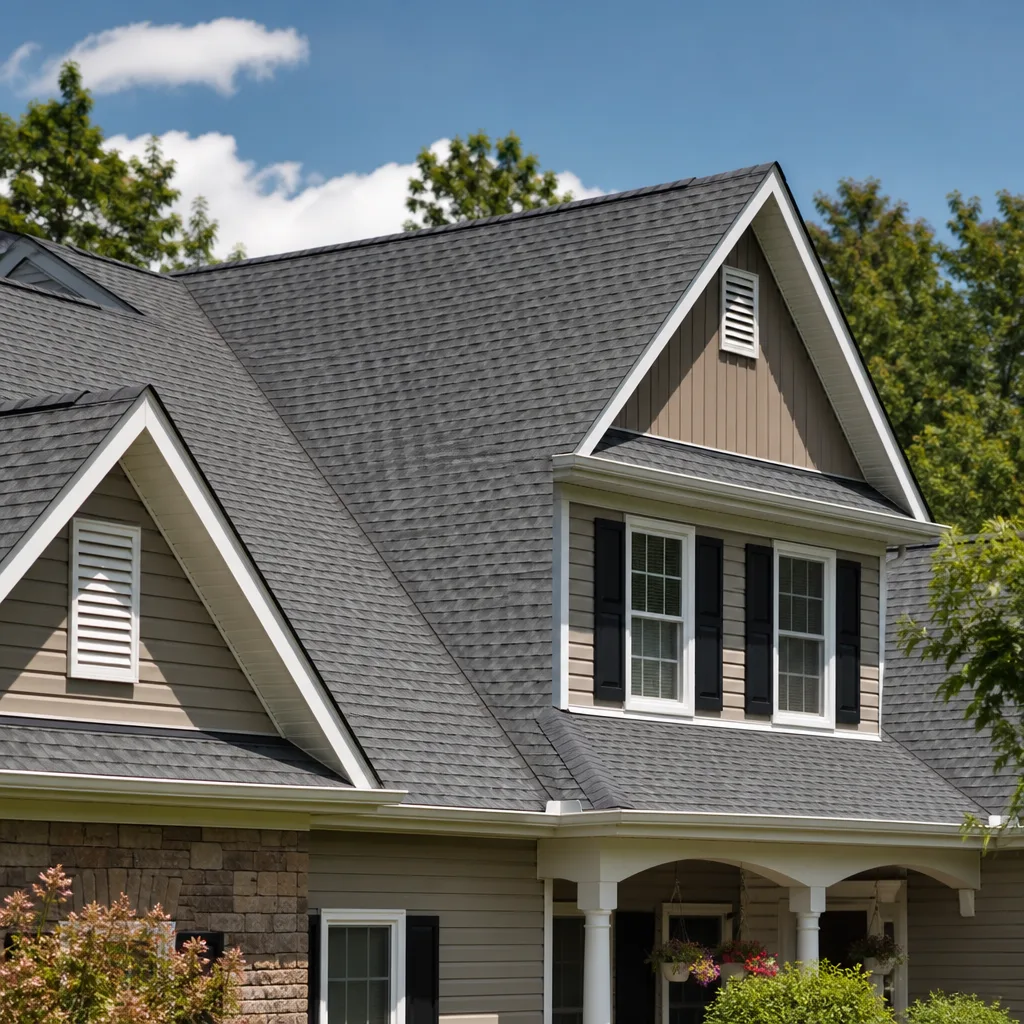
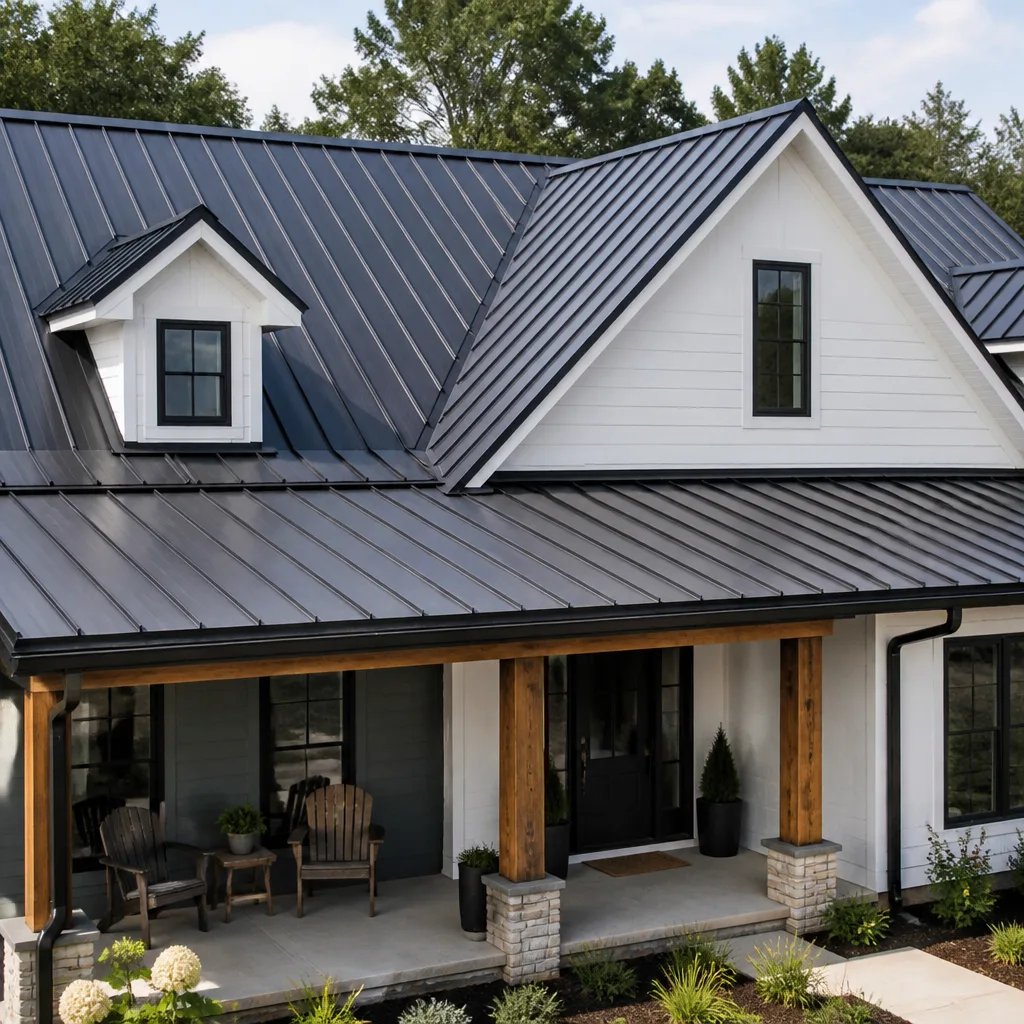
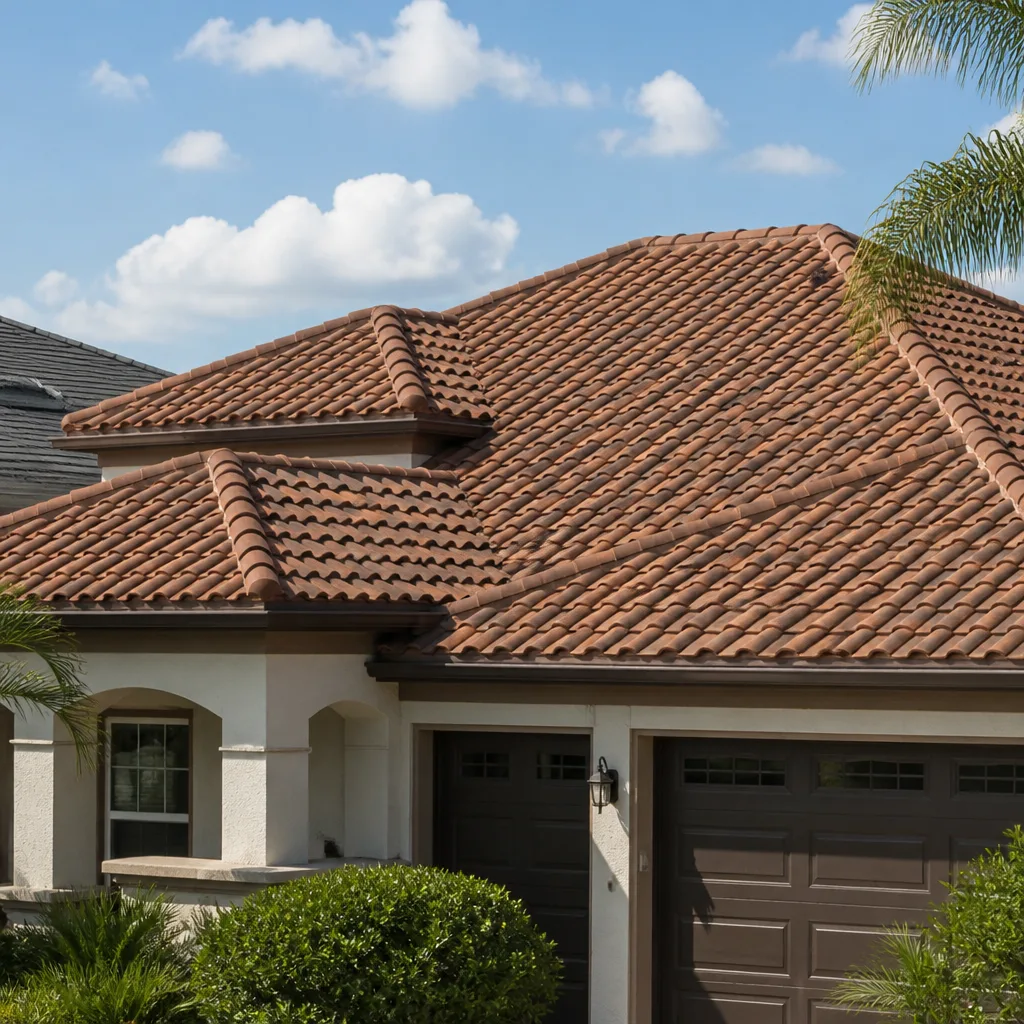
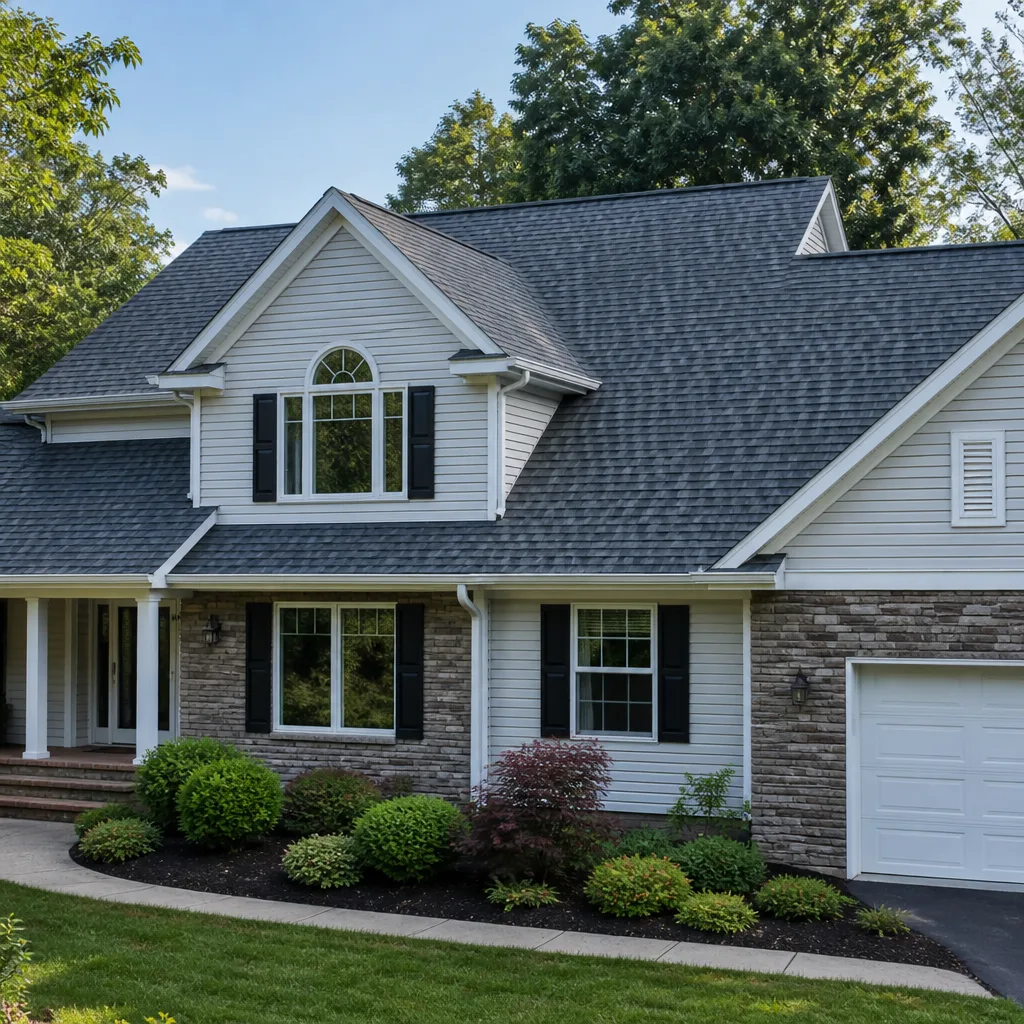
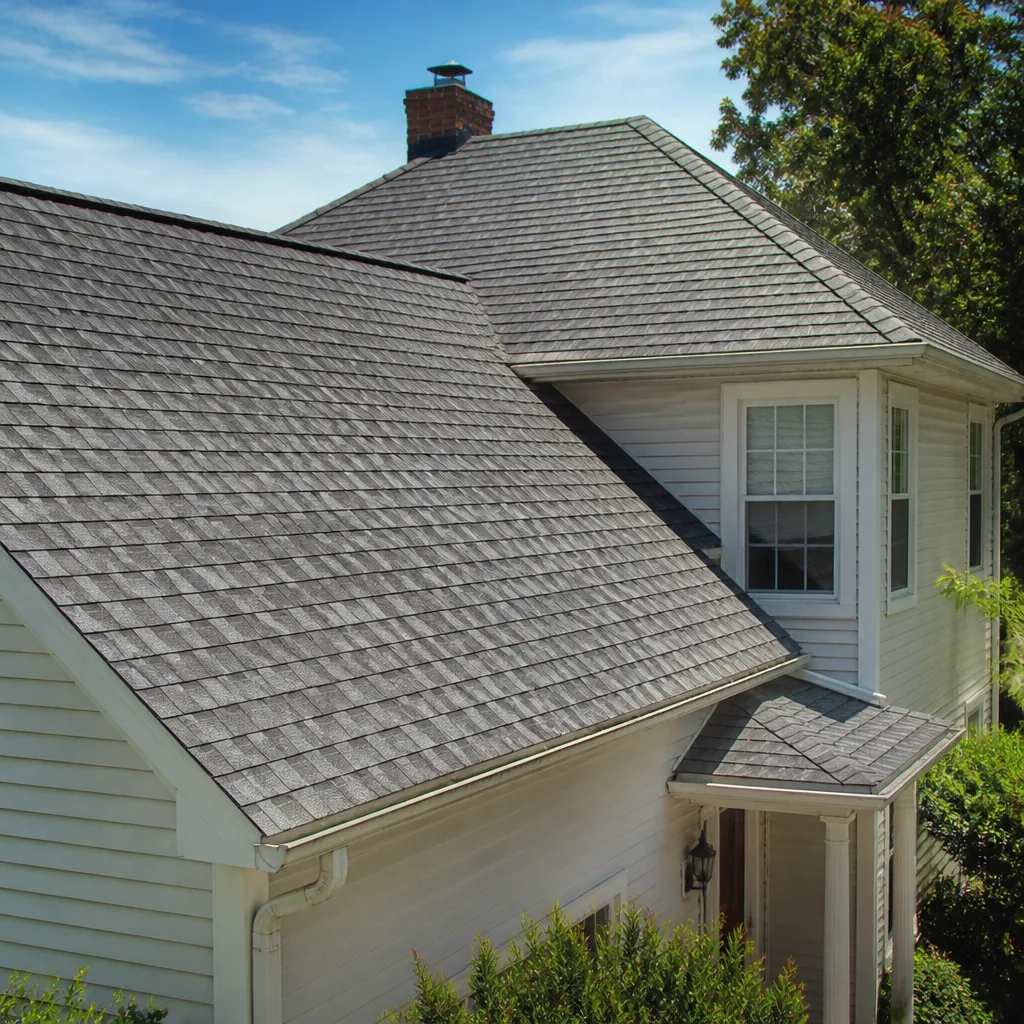
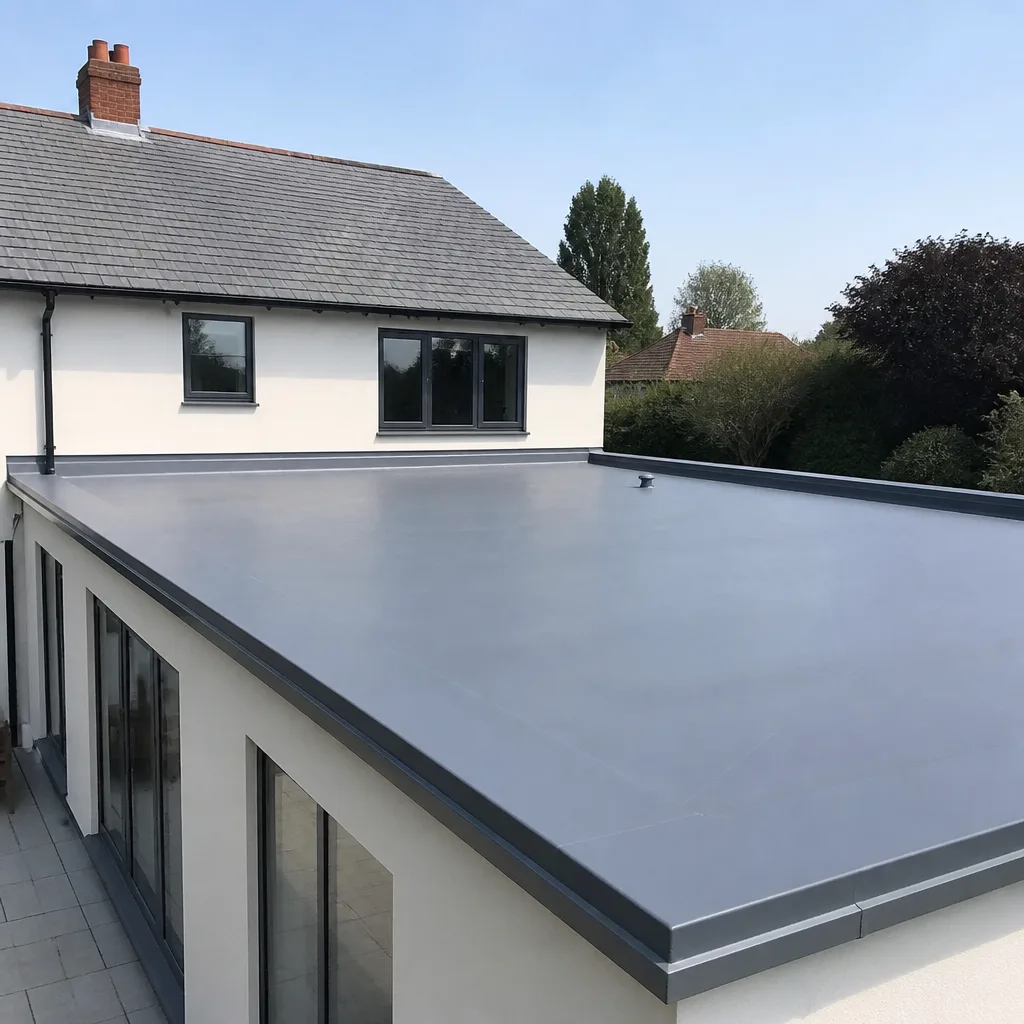
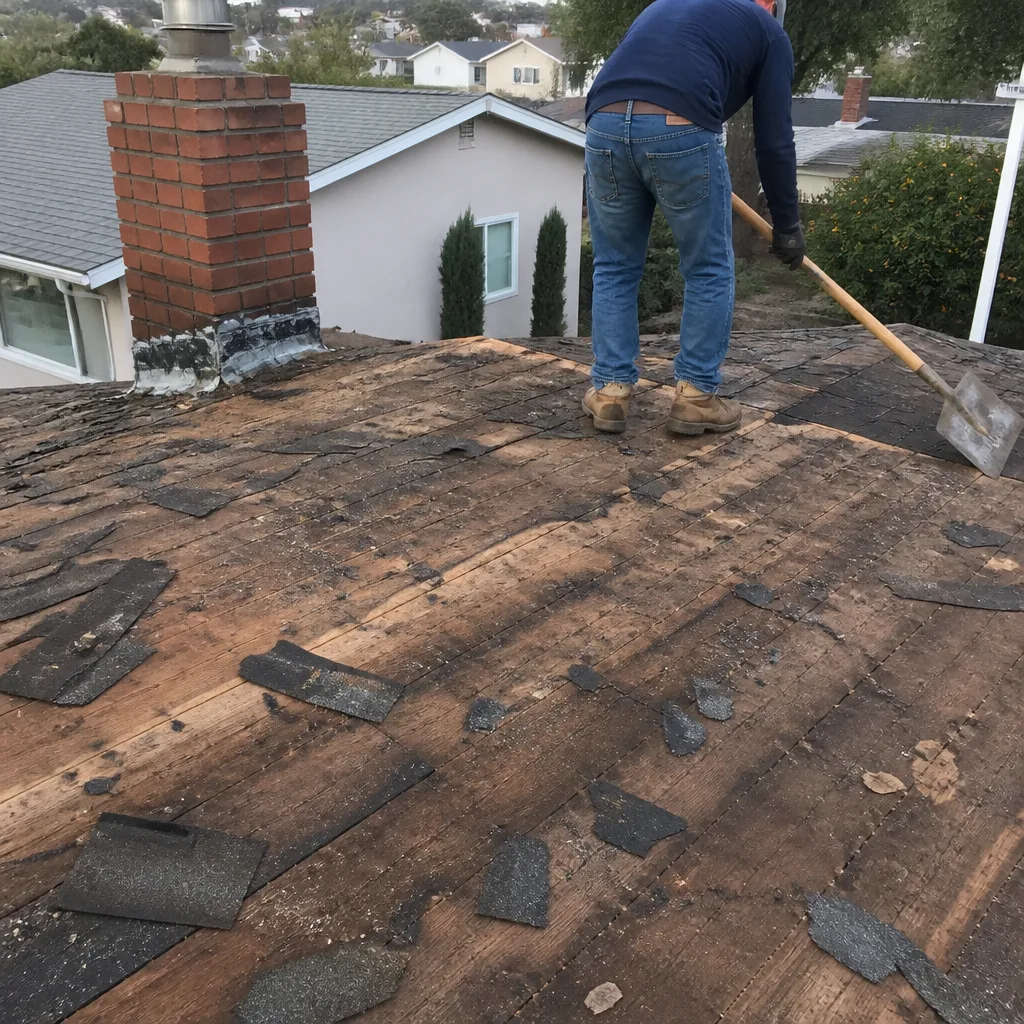 Before
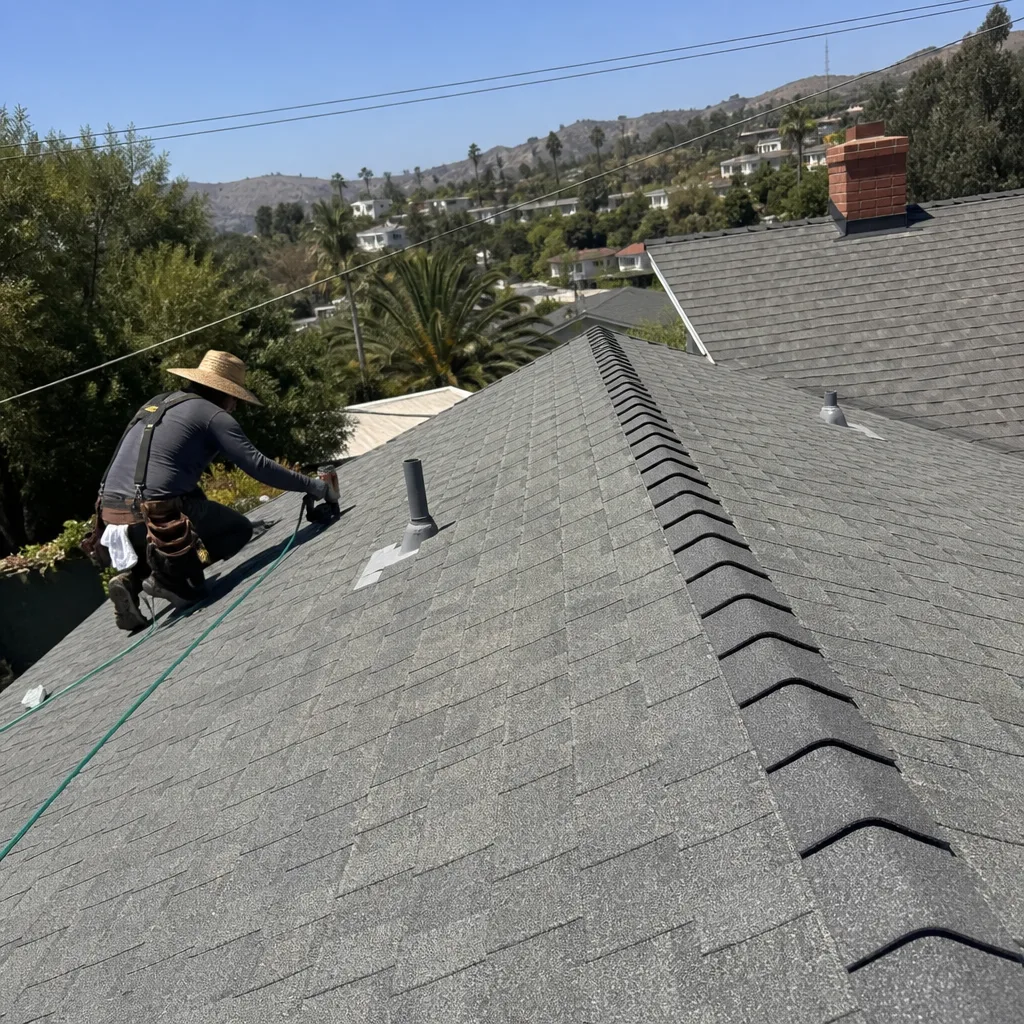 After
After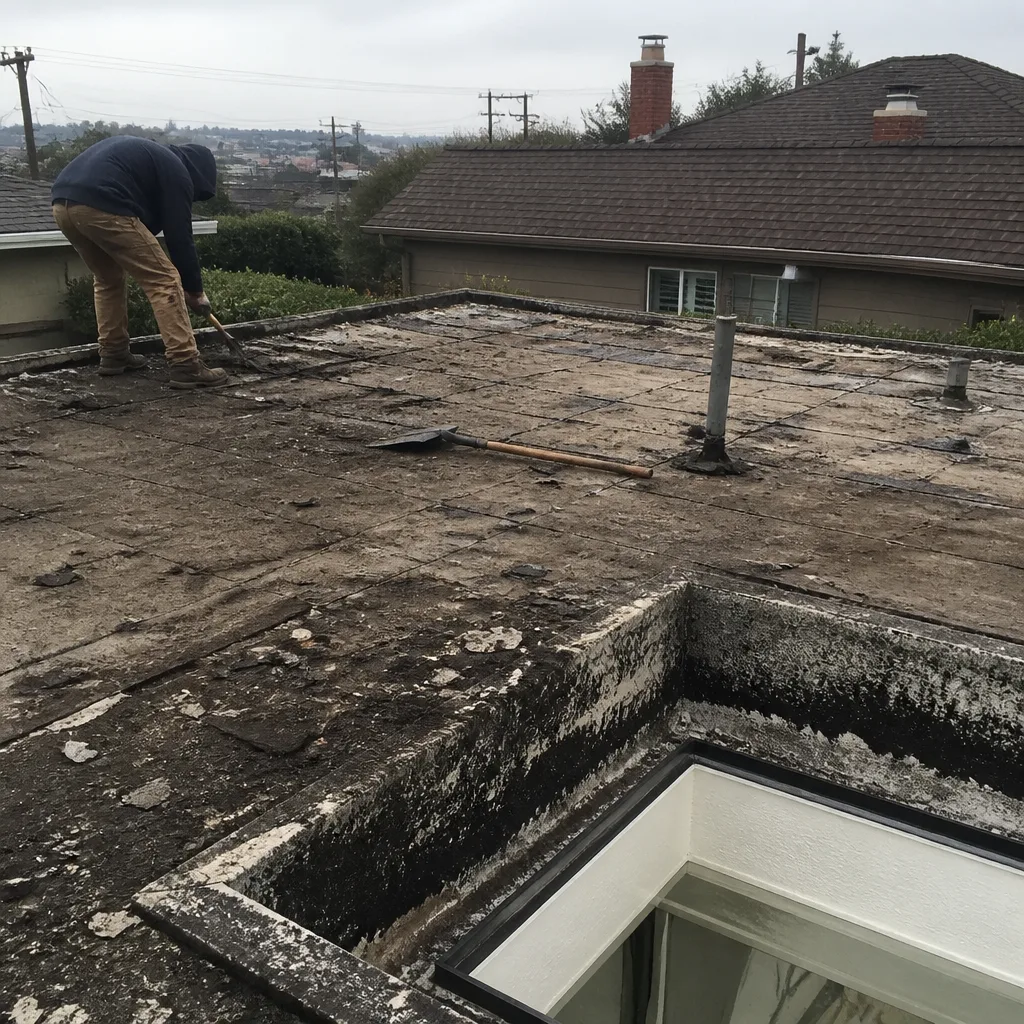 Before
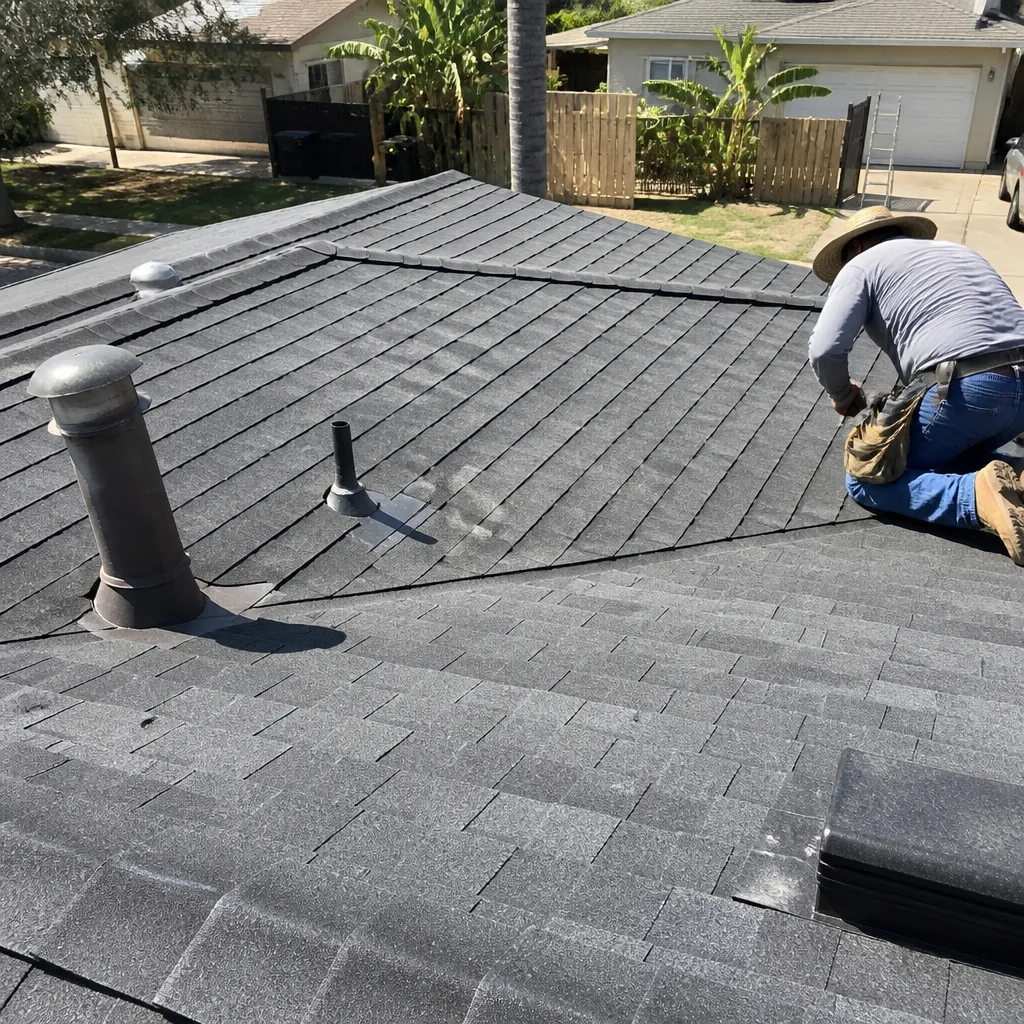 After
After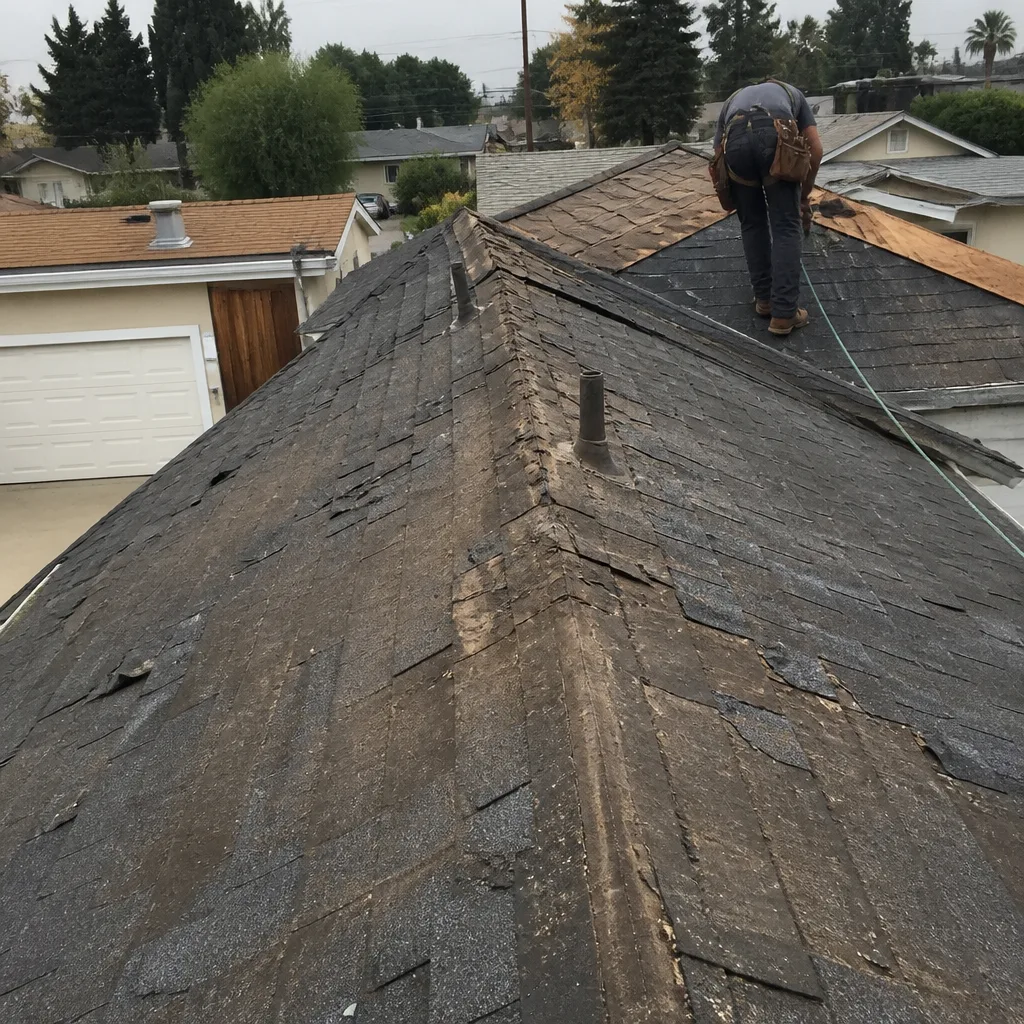 Before
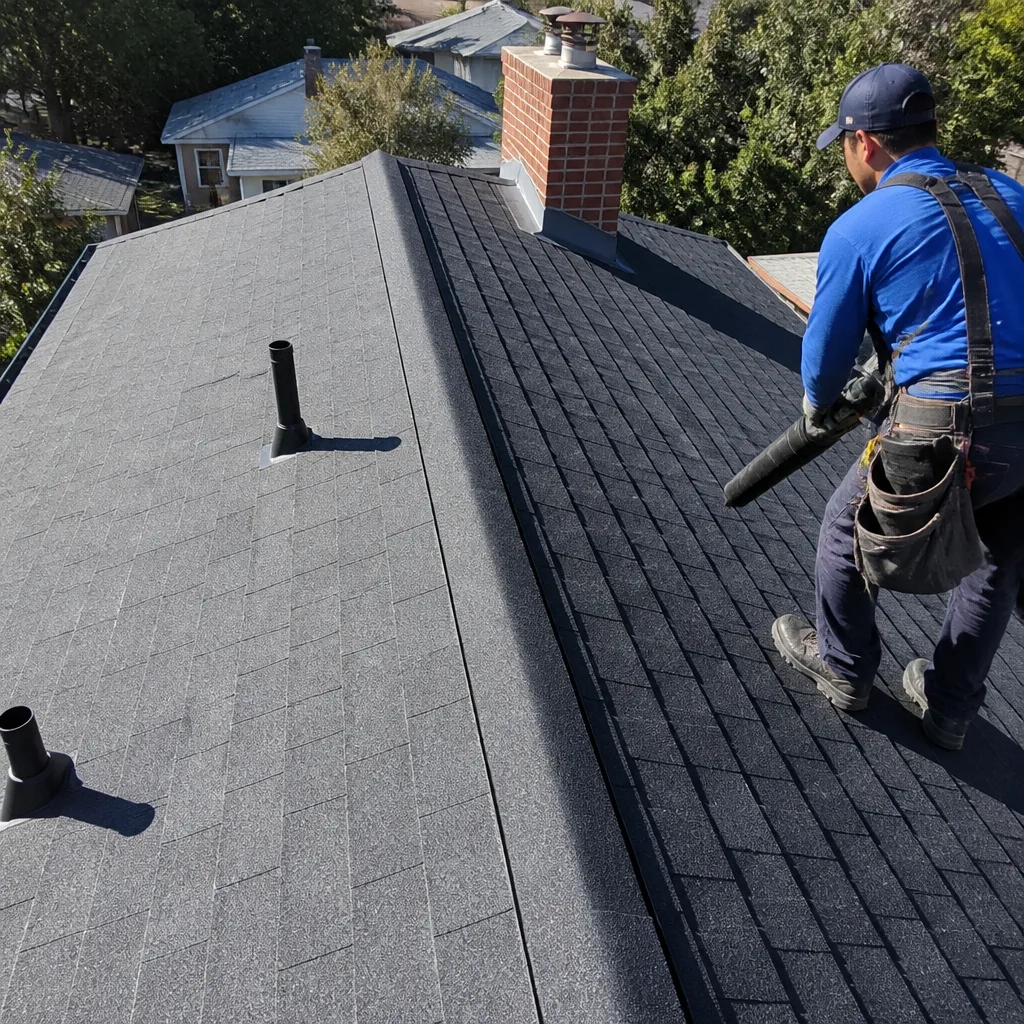 After
AfterHow Long Does Roof Installation Take? Timelines and What to Expect
Most homeowners who ask how long does roof installation take get the same answer they’d hear for a roof replacement. That’s a mistake that costs real money. A new installation on new construction or a full re-deck has almost nothing in common with a replacement timeline. In Los Angeles, where LADBS inspection queues, Santa Ana wind holds, and material lead times all compete for calendar space, confusing the two jobs means blown move-in dates and broken budgets. This guide separates new installation from replacement so you know exactly what controls your schedule.
Quick Answer
A new roof installation in Los Angeles typically takes 3 to 7 working days on site, but the full project timeline from contract to final inspection runs 4 to 8 weeks. That gap is what matters: material lead times, framing inspections, decking cure time, and LADBS scheduling happen before and between the days you see a crew on your roof.
Table of Contents
- Why New Installation and Replacement Follow Different Timelines
- Phase-by-Phase: A Real Installation Day by Day
- Material Lead Times in the Los Angeles Market (2025 – 2026)
- Santa Ana Winds and Mandatory Work Stoppages
- The LADBS Inspection Queue: Who Manages the Gap?
- What Your Written Project Schedule Should Include
- Common Mistakes to Avoid
- When to Call a Professional
- Frequently Asked Questions
- The Bottom Line
Why New Installation and Replacement Follow Different Timelines
Replacement starts with tear-off. The old roof comes off, the deck gets inspected, and new materials go down. The contractor controls nearly every step. New installation is different. You’re building from the structure up, and that means dependencies you don’t control.
Here’s the critical distinction: a replacement deck already exists. It’s been curing for years. A new installation often involves fresh plywood or OSB sheathing that needs to meet moisture content standards before underlayment goes down. In Los Angeles, where morning marine layer can push humidity above 70% even in dry months, that cure time isn’t theoretical. We’ve seen jobs where the framer’s schedule slipped, the decking went down wet, and we had to wait 48 hours before we could install synthetic underlayment without trapping moisture.
The inspection chain is also longer. Replacement typically needs one inspection: the final. New installation needs a rough-framing inspection, a decking/sheathing inspection in many jurisdictions, the rough-roof inspection, and the final. Each one is a gate. Each one has a queue.
And then there’s material ordering. On a replacement, we often know the square footage and pitch the day we measure. We can order next-day if stock allows. New construction? The roof plane dimensions may shift during framing. We’ve had architects change a pitch by 2 degrees after the walls were up, which changed our shingle order from GAF Timberline HDZ to a different exposure rating. That reset the material clock by two weeks.
The bottom line: replacement is a contractor-controlled sprint. New installation is a multi-party relay with handoffs you need to track.
Phase-by-Phase: A Real Installation Day by Day
This timeline assumes a 2,500 square foot single-family home in Los Angeles with composite asphalt shingles on a 6/12 pitch, no complex valleys or turrets. Your job may vary, but these hour counts are realistic for what happens once our crew is on site.
Day 1: Deck Prep and Underlayment
Hours on site: 6 – 8
The crew arrives, confirms decking moisture content with a pin meter (we shoot for 19% or below), and installs drip edge along eaves and rakes. Then synthetic underlayment goes down, mechanically fastened and taped at laps. In Los Angeles, we use high-temp underlayment rated for 250°F because attic temperatures in August can exceed 160°F even with ventilation. Ice and water shield goes at valleys, penetrations, and the first 3 feet of eaves – yes, even here, because the occasional winter storm and the rare freeze-thaw in the hills make it worth the material cost.
Day 2: Field Shingles, Main Roof Planes
Hours on site: 8 – 10
This is the visible progress day. Starter strips at eaves, field shingles nailed to manufacturer spec (GAF and CertainTeed both require 4 nails minimum in normal wind zones; 6 nails in high-wind areas like the Santa Monica foothills). A good crew lays 20 – 25 squares on open planes. Complex cuts around dormers or skylights slow this down.
Day 3: Field Shingles Completion, Valley Work
Hours on site: 6 – 8
Finish the field, install valley flashing – the metal or woven material that channels water where two roof planes meet – and complete any hip or ridge transitions. Valley style matters for time: open metal valleys take longer than woven or closed-cut, but they perform better in heavy debris areas like the Angeles National Forest interface.
Day 4: Flashing, Penetrations, and Ridge Caps
Hours on site: 6 – 8
Flashing – the metal strips that seal joints around chimneys, vents, and wall intersections – gets cut, bent, and installed. Pipe boots, vent caps, ridge vents. This is detail work that determines whether your roof leaks in year 7 or year 17. We photo-document every penetration before covering it.
Day 5: Cleanup, Final Walk, and LADBS Rough-Roof Call
Hours on site: 4 – 6
Magnetic sweep of the grounds, gutter check, attic inspection for stray nails. Then we call for rough-roof inspection. In Los Angeles, that call goes into LADBS’s system. The inspection itself happens later – see the section below on the inspection hold.
Post-Inspection: Final Touches
After LADBS passes the rough, we install ridge cap shingles, final-label the attic with ventilation specs, and schedule the final inspection. One more half-day.
Total crew days on roof: 4.5 to 5.5
Total calendar weeks from our first day to final sign-off: 3 to 6
Material Lead Times in the Los Angeles Market (2025 – 2026)
Before any of those crew days happen, materials have to arrive. In the current Los Angeles market, here’s what we’re seeing for common products:
- GAF Timberline HDZ or CertainTeed Landmark: 1 – 2 weeks if in regional distribution; 3 – 4 weeks for specialty colors or high-wind-rated variants
- Owens Corning Duration: Similar to GAF, though their TruDefinition color blends sometimes run longer for less common palettes
- Boral concrete or clay tile: 4 – 8 weeks; these ship by rail to Colton or truck from Phoenix, and weight limits affect delivery scheduling
- Synthetic underlayment: Usually in stock locally; 2 – 3 days
- Flashing and accessories: 1 week for standard profiles; 2 – 3 weeks for custom copper or lead-coated copper in historic districts
What this means for your schedule: the material order should be placed before framing is complete, not after. A contractor who waits for final measurements to order is adding 2 – 4 weeks to your timeline. At Crestview Roofing, we use preliminary architectural plans to place a hold on materials with adjustable quantities, then confirm the week decking goes down. That front-loads the supply chain risk onto us, not your move-in date.
Color availability is a hidden variable. Los Angeles has seen increased demand for cool-roof rated shingles – those that meet Title 24’s solar reflectance requirements. Owens Corning and CertainTeed both produce compliant lines, but the most popular colors (weathered wood, driftwood, estate gray) can backorder during spring building season. If your project is color-sensitive, confirm stock or commit to a 3 – 4 week lead time.
Santa Ana Winds and Mandatory Work Stoppages
Los Angeles has a weather pattern that most roofing guides ignore: the Santa Ana winds, October through February, with peak frequency in November and December. Sustained winds of 25 – 40 mph, gusts to 60+ in canyons and passes. For roof installation, this isn’t an inconvenience. It’s a safety and quality mandate.
Here’s what happens in practice. When NWS issues a wind advisory for Los Angeles County, we pull crews off open roofs. Working in high winds is prohibited by our insurance and by manufacturer installation guidelines – GAF and CertainTeed both void wind warranties if shingles are installed during advisory conditions. A shingle lifted by wind before adhesive sealant activates can never seal properly, even if pressed back down.
A responsible contractor builds this into your contract. At Crestview Roofing, we specify: “Work will be suspended during National Weather Service wind advisories for Los Angeles County. No additional charges will accrue during weather holds. The schedule will resume on the next available working day.” This language protects you from crews working unsafely to hit a deadline, and from surprise charges when the calendar slips.
What this means practically: if your installation is scheduled for November, build in 3 – 5 weather hold days. If it’s scheduled for July, wind risk is minimal but heat restrictions may apply – we don’t install asphalt shingles when deck surface temperature exceeds 110°F, which happens by early afternoon on south-facing slopes in the San Fernando Valley.
The LADBS Inspection Queue: Who Manages the Gap?
This is where many installations stall, and where the difference between a contractor who manages your project and one who just nails shingles becomes visible.
After we call for rough-roof inspection, LADBS schedules based on their queue. In 2025, typical wait times in Los Angeles are:
- Rough-framing inspection: 3 – 5 business days after call-in
- Decking/sheathing inspection (if required): 2 – 4 business days
- Rough-roof inspection: 2 – 5 business days
- Final inspection: 2 – 4 business days
That’s best case. During building season (March – June), add 2 – 3 days to each. After a major rain event, when inspectors are backlogged with moisture-damage reinspections, add a week.
The critical question for your contract: who owns the delay? At Crestview Roofing, we specify that inspection scheduling and rescheduling is our responsibility. If LADBS can’t inspect for 5 days, we absorb that gap. We don’t charge standby time. We don’t bill for crew idle days. This is part of The Relay Visibility Guarantee: a written price before work starts means the price doesn’t change because a city inspector got busy.
What you should request in writing: “Contractor shall schedule all required inspections, shall bear all costs associated with inspection delays not caused by Owner, and shall not charge for crew standby or remobilization due to inspection scheduling.” If your contractor pushes back on that language, you’re looking at a change order in your future.
What Your Written Project Schedule Should Include
A verbal “we’ll be done in two weeks” is worthless. A Gantt chart with milestone dates and financial consequences for delay is what protects your timeline. Here’s what we deliver on every installation:
- Material order date – with confirmation of in-stock or backorder status
- Material delivery date – with 48-hour confirmation call
- Crew start date – with live trackable arrival time via The Relay Standard
- Phase completion dates – deck prep, underlayment, field shingles, flashing, cleanup
- Inspection call-in dates – with LADBS confirmation numbers
- Inspection completion dates – with pass/fail documentation
- Final walk date – with before-and-after photo delivery
- Final invoice date – digital, by text, matching the written price
The financial language matters too. Our contracts include: “Delay caused by Contractor exceeding 3 consecutive working days without weather hold or Owner-caused cause shall reduce final invoice by $250 per day.” This isn’t punitive. It’s alignment. It means we have the same incentive you do to keep the project moving.
Ask your contractor for equivalent language. If they don’t have it, write it in. A professional who stands behind their scheduling will sign it. One who won’t is telling you something about their planning.
Common Mistakes to Avoid
- Comparing installation quotes to replacement timelines. A contractor who quotes 2 days for a new installation is either planning to skip inspections or hasn’t done one before. Either way, run.
- Not confirming decking cure time in writing. In Los Angeles, marine layer moisture can delay underlayment installation by 48 hours. If your framer and roofer don’t coordinate, you pay for the gap.
- Accepting “we’ll call for inspection” without a date. Vague inspection language means the contractor isn’t managing LADBS, which means you’re absorbing their scheduling failure.
- Ignoring Santa Ana wind season for fall/winter starts. Starting a roof in October without 5 days of weather hold built in is planning to fail. Confirm your contract has explicit weather hold language with no additional charges.
- Ordering materials after framing is complete. By then, you’re at the back of the supply chain queue. Materials should be ordered with adjustable quantities from preliminary plans.
- Not requesting photo documentation at each phase. You can’t verify underlayment or flashing was installed correctly after shingles cover it. Before-and-after photos at each phase are your only audit trail.
- Paying for “standby” or “remobilization” due to inspection delays. These are contractor management costs, not Owner costs. Refuse them.
When to Call a Professional
Call a roofing contractor before your framer starts decking, not after. The ideal sequence: we review architectural plans during framing, confirm material specifications and lead times, and coordinate our crew start with your framer’s completion. That integration is what prevents the 2 – 3 week gaps that blow schedules.
You also need a professional when your project involves anything beyond standard composite shingles. Boral tile, standing seam metal, or low-slope membrane systems have different installation timelines, different inspection requirements, and different weather restrictions. A contractor who installs only asphalt shingles may not know the lead times for tile underlayment or the cure requirements for self-adhering membranes.
Crestview Roofing offers free estimates in Los Angeles – call (325) 246-5075. We’ll review your plans, give you a written price before any work starts, and build a milestone schedule you can hold us to.
Frequently Asked Questions
Roof installation typically takes 3 – 7 working days on site but 4 – 8 weeks total from contract to final inspection, while replacement usually takes 1 – 3 weeks total. The difference is that installation involves material lead times, framing inspections, and decking cure periods that replacement doesn’t have. Call (325) 246-5075 for an exact quote on your project – estimates are free.
It shouldn’t. At Crestview Roofing, the written price you receive before work begins is the price on your final invoice – no exceptions. The only valid price changes are Owner-requested changes in scope, documented in writing. If your contractor won’t put fixed-price language in the contract, you’re exposed to change orders. Call (325) 246-5075 for a written estimate with fixed pricing.
Yes. We handle all LADBS permits, calls for inspection, and rescheduling due to inspector availability. This is included in our project management, not billed separately. You receive permit numbers and inspection results for your records. The Relay Visibility Guarantee means you see every milestone, including inspection status, in real time.
Standard colors of GAF Timberline HDZ and CertainTeed Landmark typically arrive in 1 – 2 weeks if in regional distribution; specialty colors or high-wind ratings can take 3 – 4 weeks. We place material holds from preliminary plans to avoid delays. Call (325) 246-5075 to confirm current lead times for your specific product and color.
Work suspends during National Weather Service wind advisories. At Crestview Roofing, weather holds incur no additional charges, and the schedule resumes on the next working day. This is specified in every contract. We build 3 – 5 weather hold days into fall and winter schedules in Los Angeles.
Typically 2 – 5 business days after we call it in, though March – June building season and post-storm backlogs can extend this. We manage the queue and absorb any delay costs – not you. You’ll receive the inspection confirmation number and result. Call (325) 246-5075 and we’ll check current LADBS queue times for your project area.
The Bottom Line
New roof installation in Los Angeles is a 4 – 8 week project with 3 – 7 days of actual crew presence. The rest is supply chain, inspections, and weather holds that separate professional contractors from ones who just nail shingles. For more on repair timelines and what to expect, control your installation timeline by front-loading material orders, building weather holds into fall schedules, and demanding a written milestone schedule with financial consequences for delay. The contractor who won’t put that in writing is telling you who will absorb the cost when things slip.
Written by Dylan Pace, Owner at Crestview Roofing, serving Los Angeles since 2000. Explore more guides & resources from our team.