
Last updated October 10, 2026
Free roof inspection with deck photos before we talk money - GAF and Owens Corning certified installation
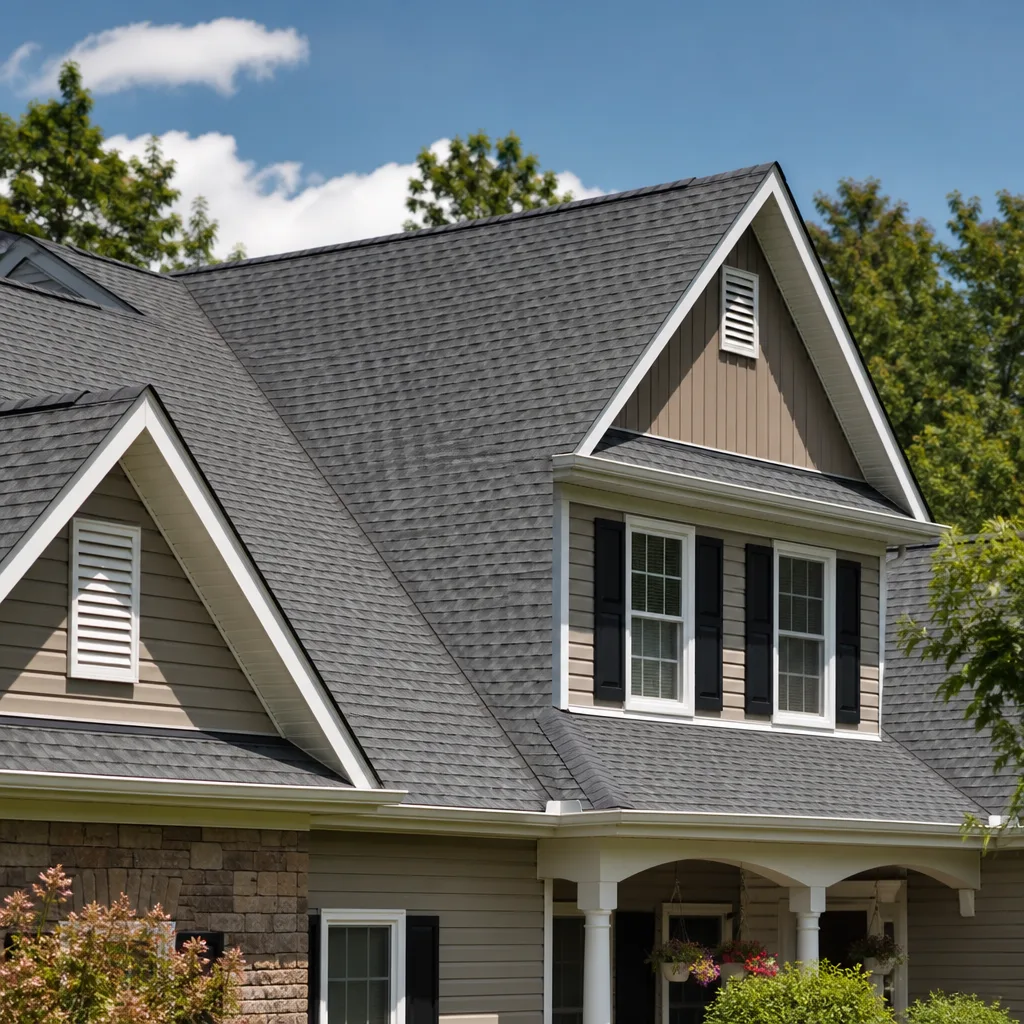
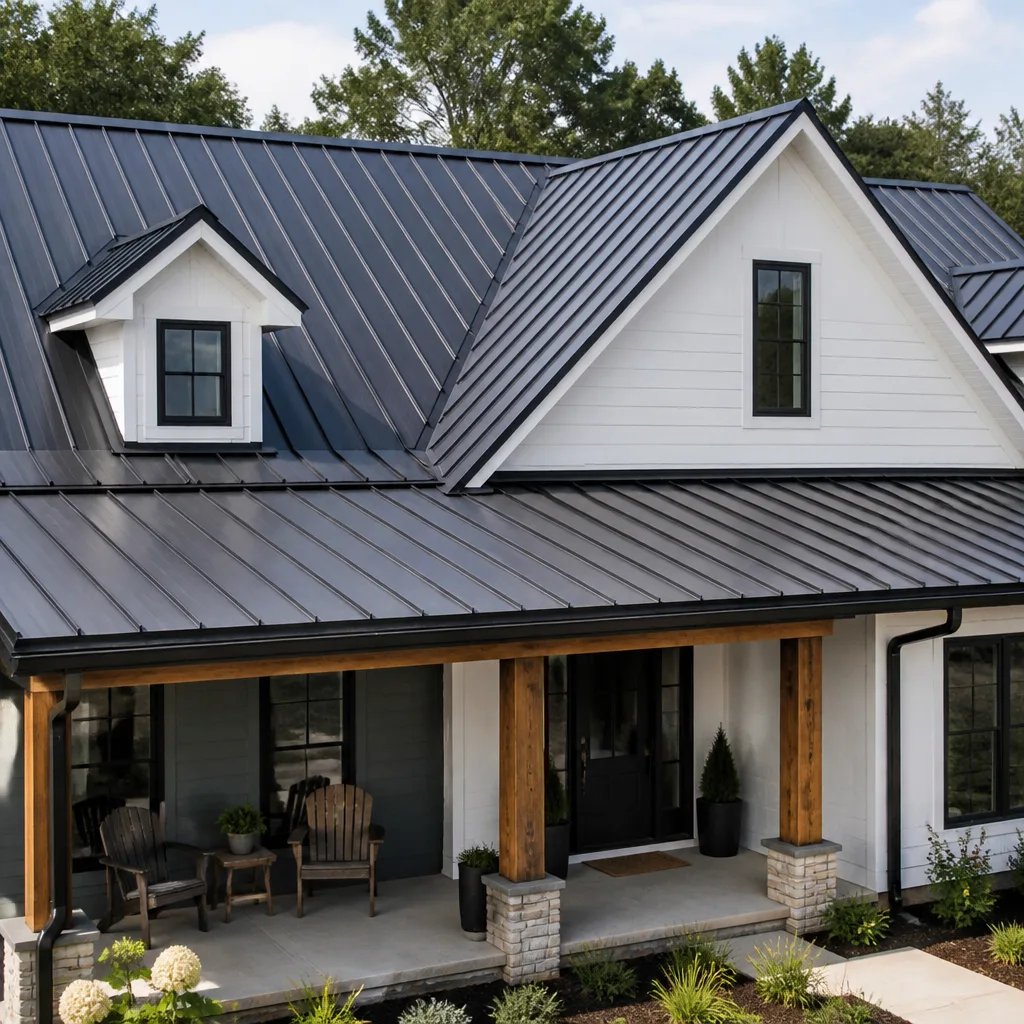
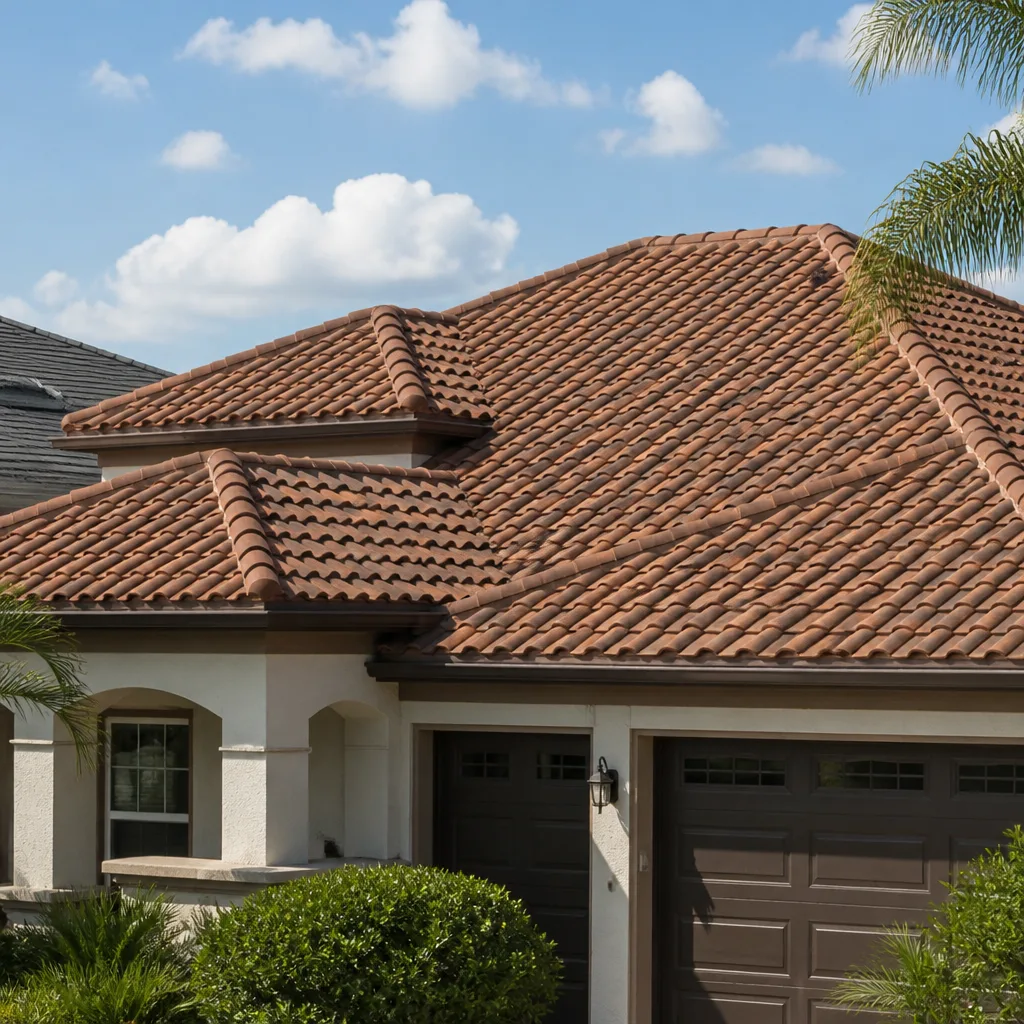
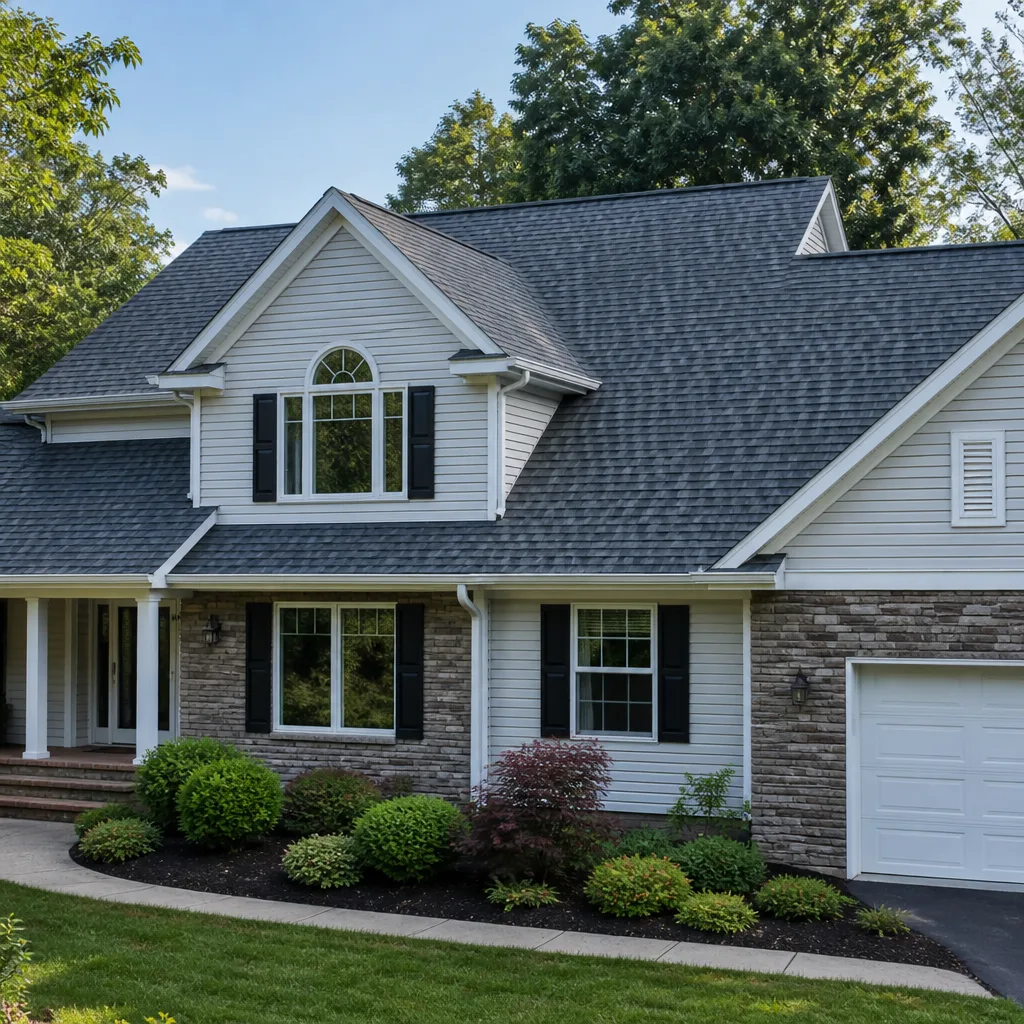
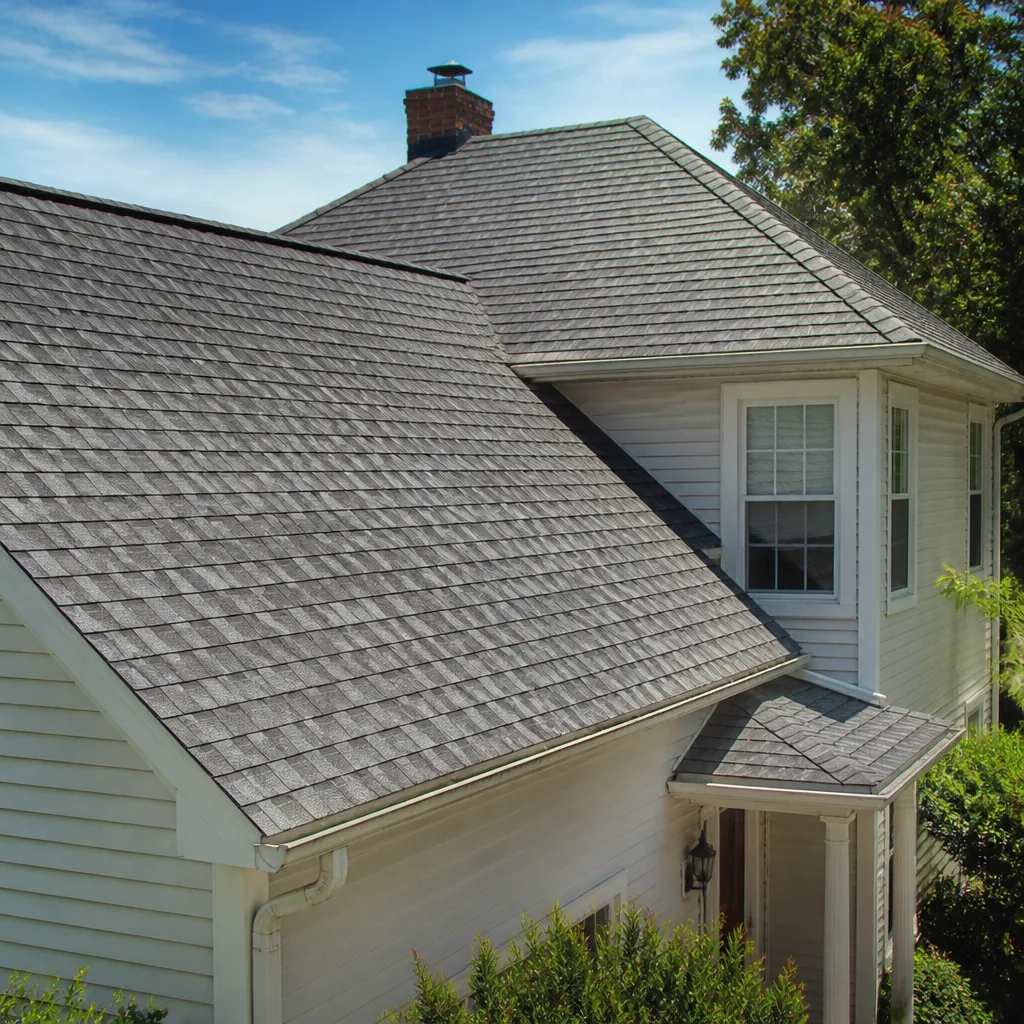
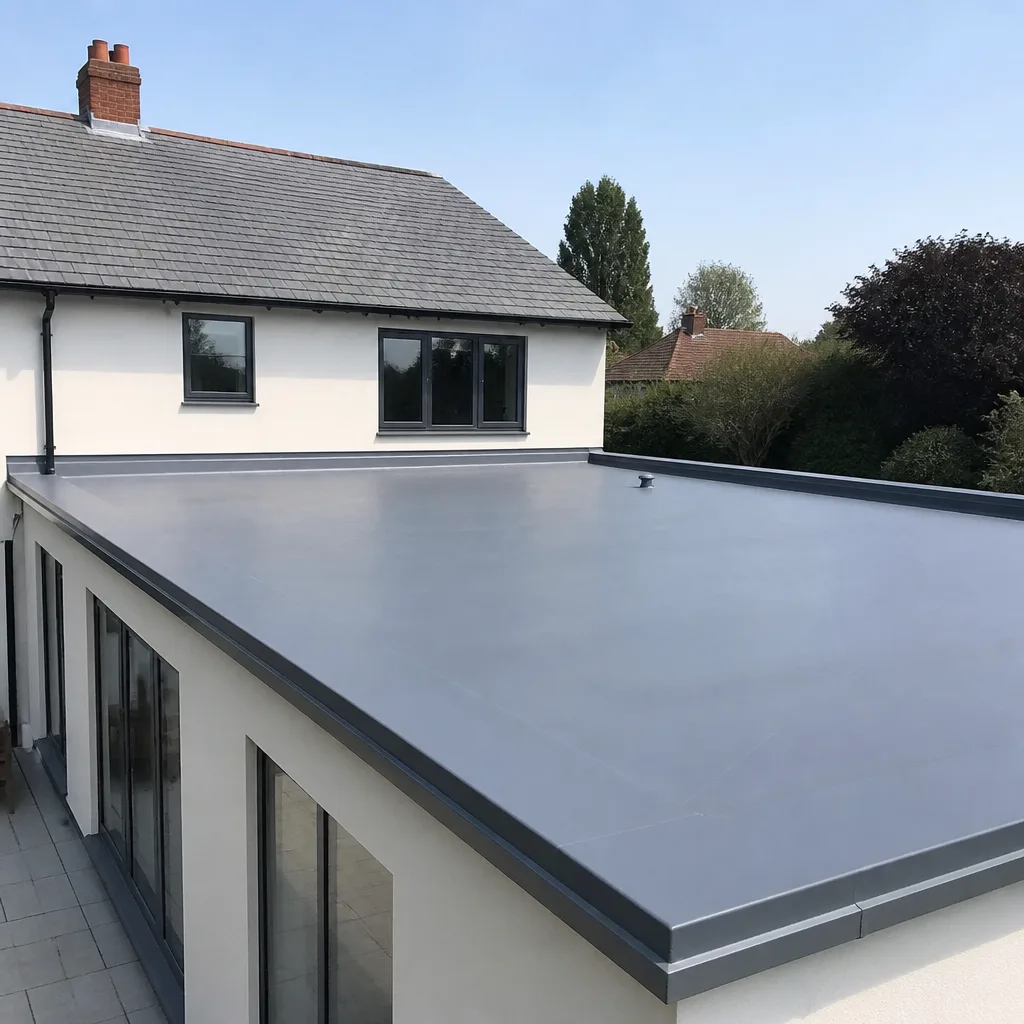
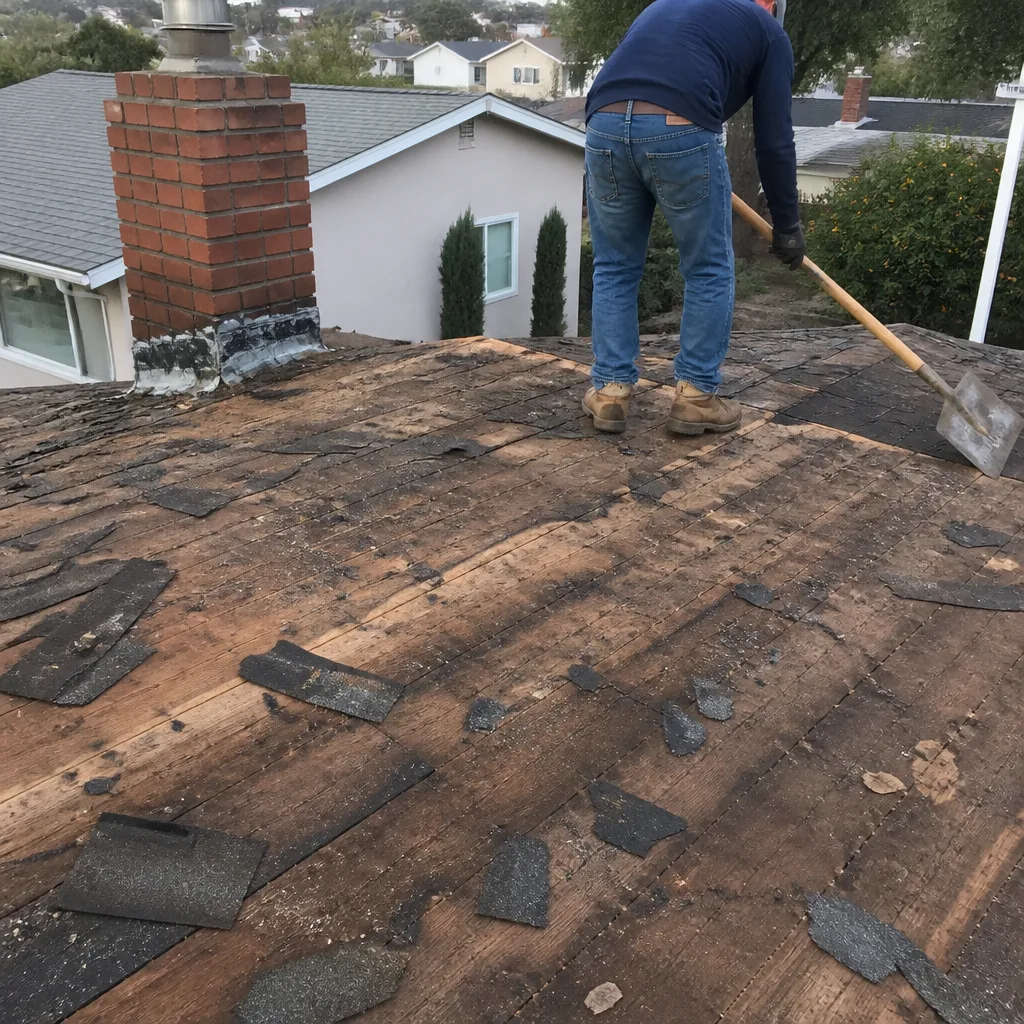 Before
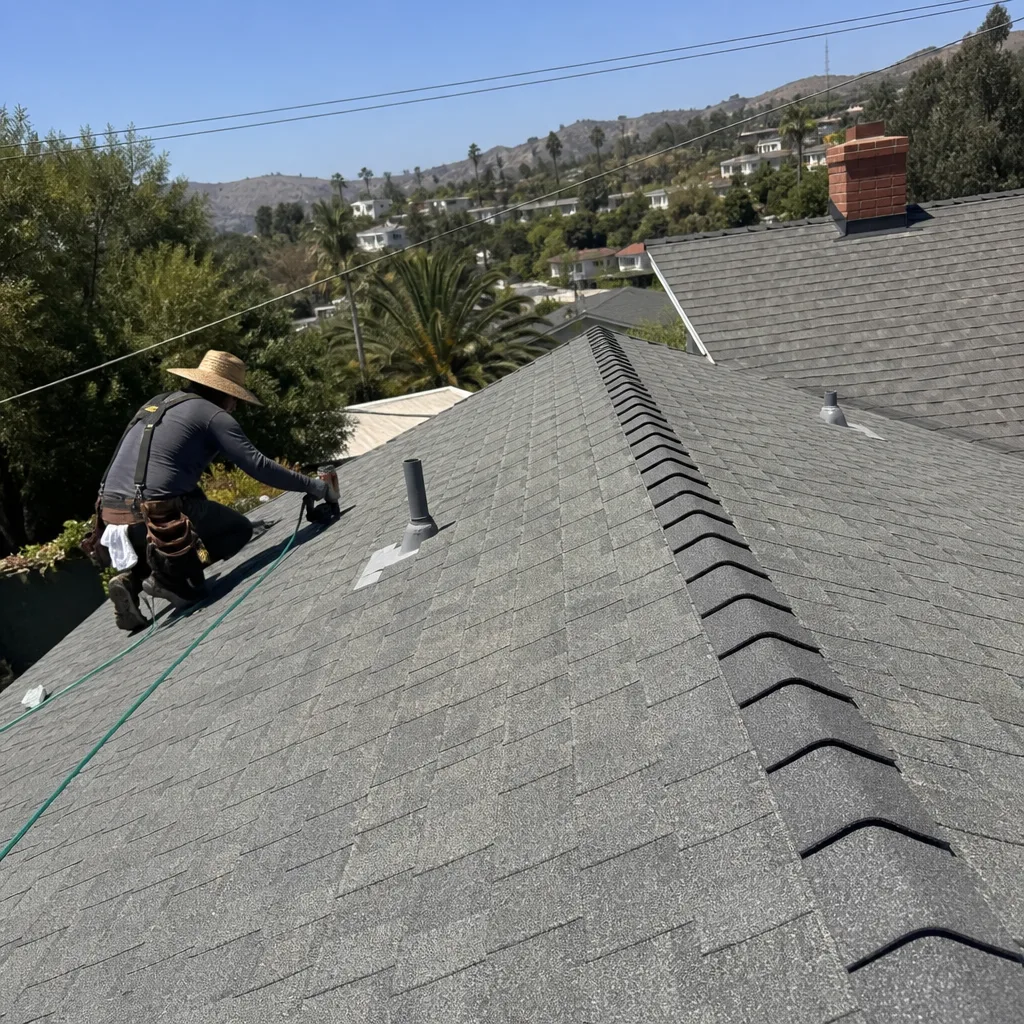 After
After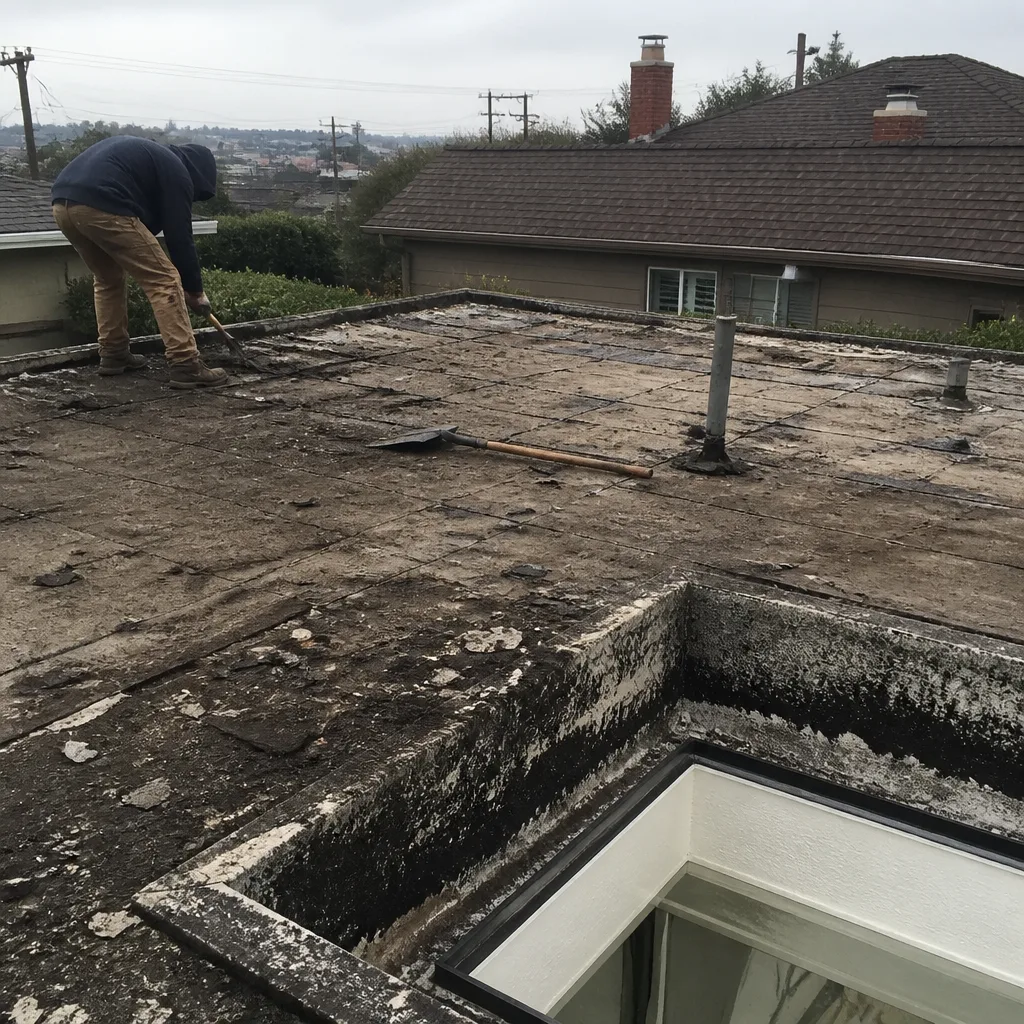 Before
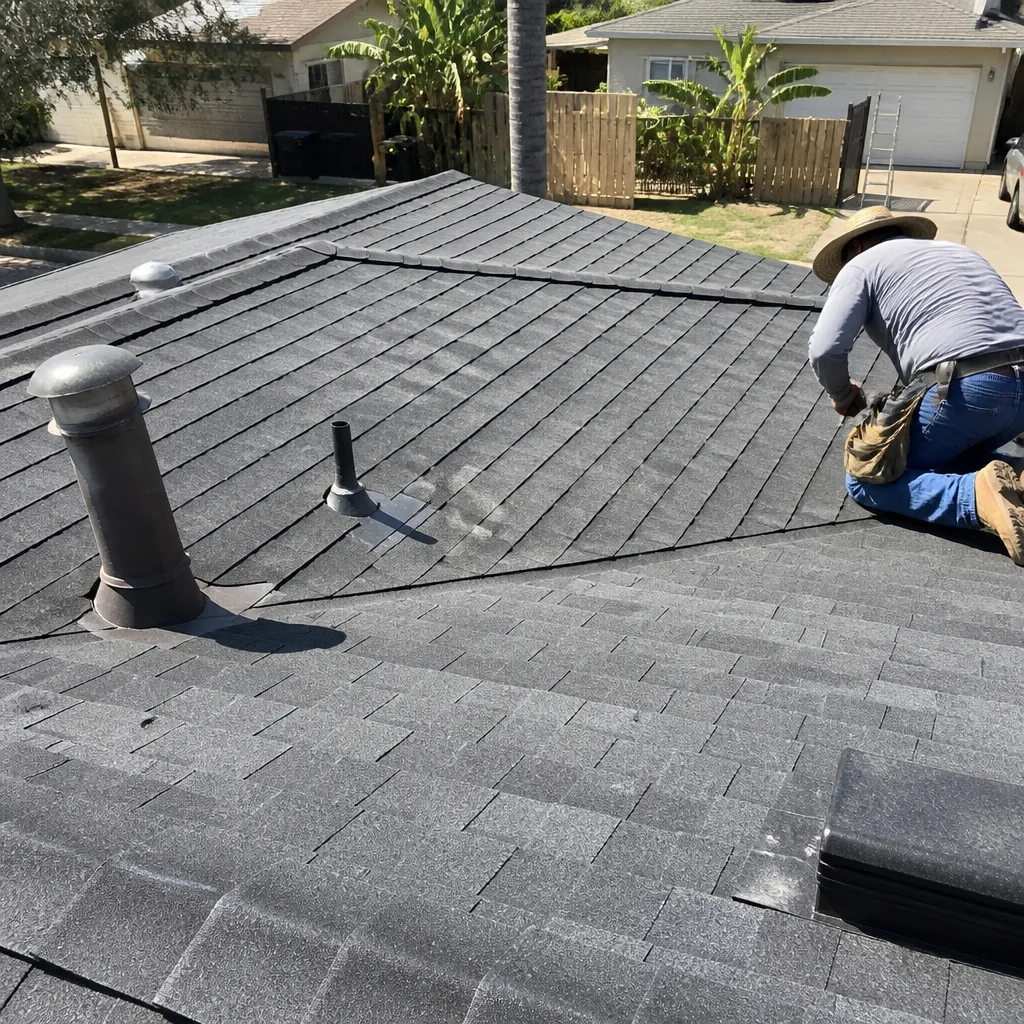 After
After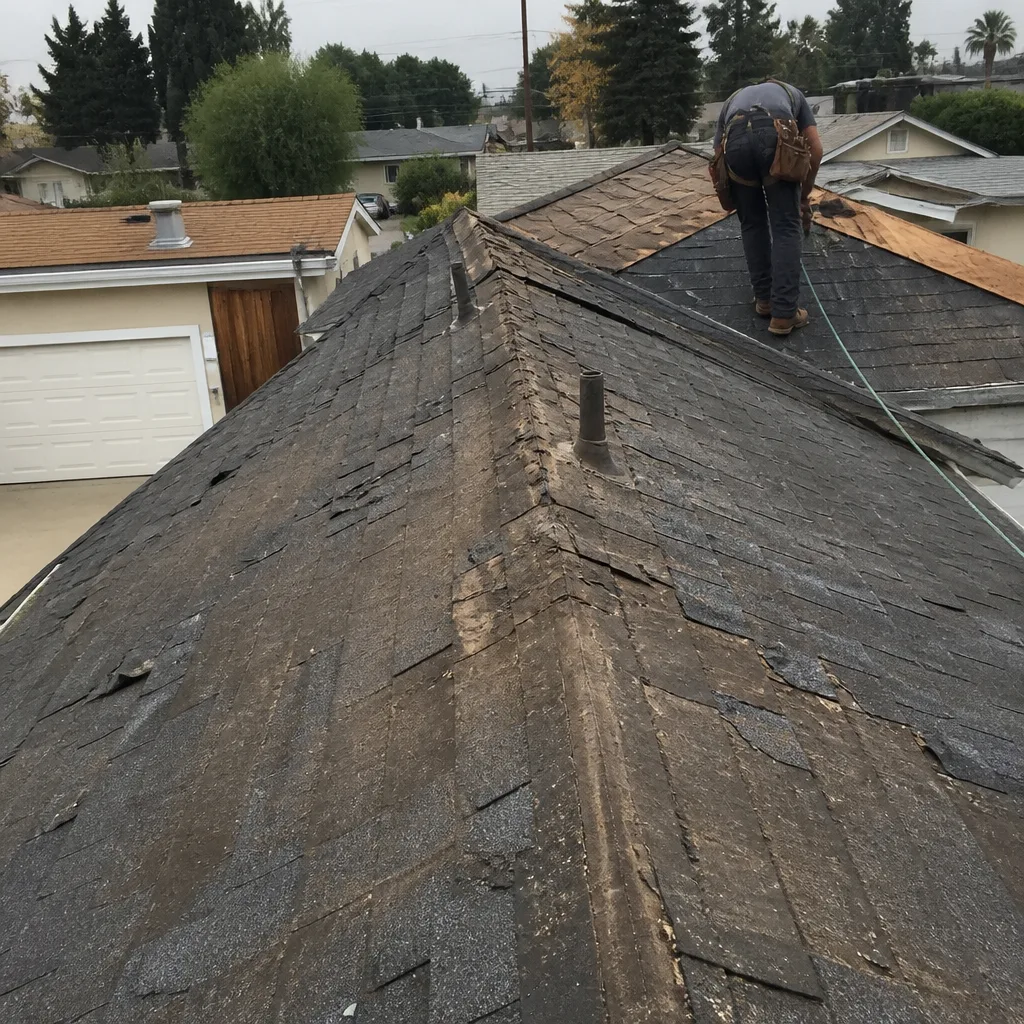 Before
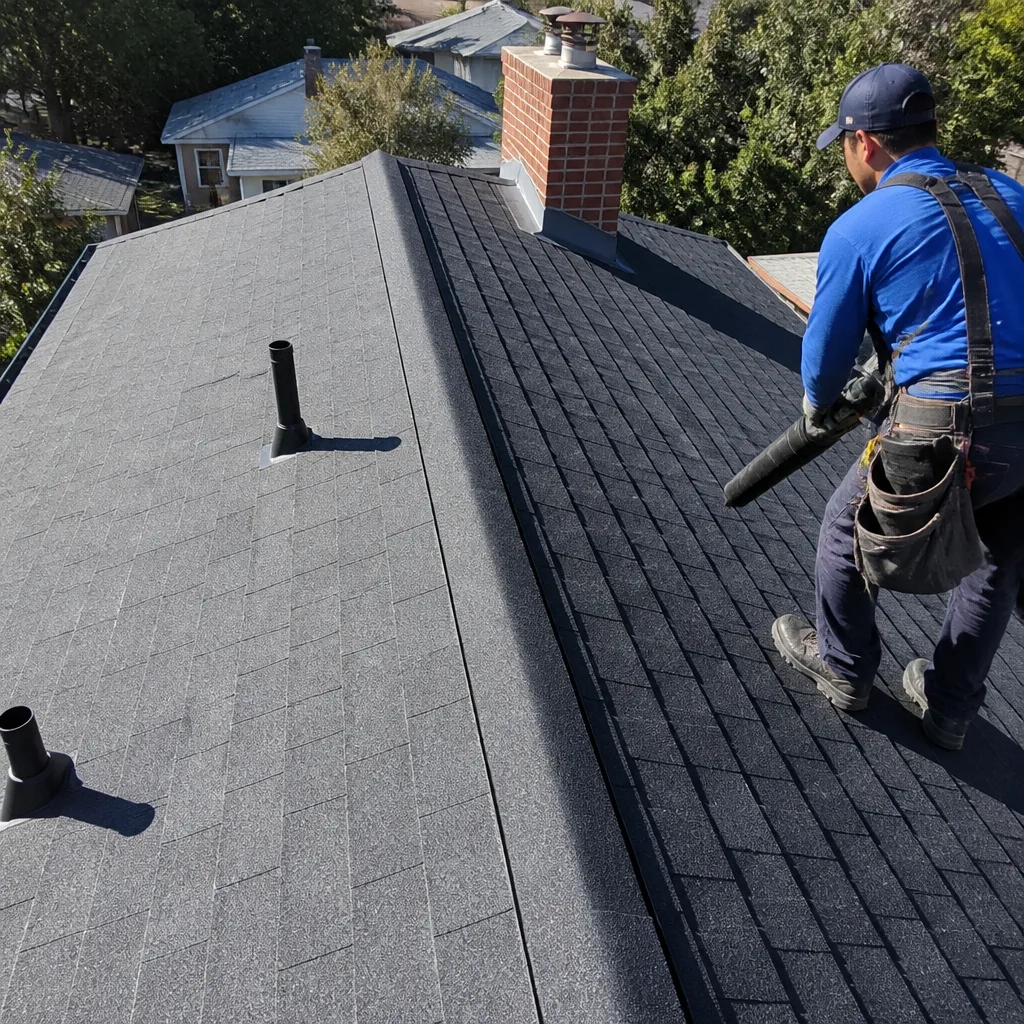 After
AfterThe Complete Roof Installation Guide for Los Angeles Homeowners
Here’s a number that stops most LA homeowners cold: a standard asphalt shingle that passes building inspection in 49 states can fail Title 24 energy compliance in California and cost you thousands in re-work. Los Angeles isn’t like other roofing markets. Between the LA Department of Building and Safety’s layered permit process, California’s cool-roof mandate, coastal salt exposure, and HOA architectural committees in neighborhoods from Silver Lake to Calabasas, a generic guide will steer you wrong compared to our Roof Installation services. This guide covers the actual steps, costs, and code checkpoints that apply to residential re-roofing in Los Angeles right now, written by a crew that’s been pulling permits at the Van Nuys DBS office since 2000.
Quick Answer
A complete roof installation in Los Angeles typically costs $12,000 – $28,000 for a standard single-family home, requires a building permit from LADBS with two inspections (dry-in and final), and must use Title 24 cool-roof-rated materials with Class A fire classification. Most projects take 3 – 5 working days from permit approval to final sign-off, though HOA approval in neighborhoods like Pacific Palisades or Hancock Park can add 2 – 6 weeks to the front end.
Table of Contents
- LA Department of Building and Safety Permits, Fees, and Inspection Sequence
- California Title 24 Cool-Roof Requirements
- LA Microclimates and Material Matching
- HOA Approval Process for Visible Roof Changes
- The CSLB Contractor License Check Every LA Homeowner Should Run
- What Roof Installation Costs in Los Angeles
- Realistic Timeline from Quote to Final Inspection
- Material Selection: Brands and Specifications That Work Here
LA Department of Building and Safety Permits, Fees, and Inspection Sequence
Every residential roof installation in Los Angeles requires a building permit from LADBS. No exceptions. A contractor who suggests skipping this step is either unlicensed or asking you to assume liability for unpermitted work that will surface in a future home sale.
The permit process breaks down into four stages:
- Application submission: Your contractor submits plans showing existing roof layers, proposed materials, and structural load calculations. LADBS charges a base fee based on project valuation, typically $400 – $900 for standard residential re-roofing in Los Angeles.
- Plan check: LADBS reviews for structural adequacy, Title 24 compliance, and fire rating. In our experience, plan check takes 5 – 10 business days for straightforward residential projects. Complex jobs involving structural modification or solar integration can stretch to 3 – 4 weeks.
- Dry-in inspection: Once the old roof is stripped and underlayment is installed, your contractor schedules this intermediate inspection. The inspector verifies proper underlayment type and fastening, flashing details at penetrations, and deck condition. You cannot proceed to shingle installation until this passes.
- Final inspection: After shingles or tiles are installed, the inspector confirms material rating labels match the approved plans, verifies proper fastening patterns, and checks ventilation and drainage. Pass this, and LADBS issues the certificate of completion.
Two practical notes from jobs we’ve done across Los Angeles. First, the Van Nuys DBS office handles most Valley permits, while Metro and West LA permits route through downtown. Know which jurisdiction applies to your address, because walk-in questions at the wrong office waste half a day. Second, if your home has two or more existing roof layers, LADBS requires complete tear-off to bare deck. Layering over is not permitted, and the dry-in inspection will fail if old layers remain.
Permit fees in Los Angeles run roughly $0.50 – $0.80 per $100 of project valuation. For a $20,000 roof installation, budget $100 – $160 in permit fees, plus any plan check or re-inspection charges if the first attempt fails.
California Title 24 Cool-Roof Requirements
Title 24, Part 6 of the California Code of Regulations mandates cool-roof performance for most residential re-roofing in Los Angeles. This isn’t a suggestion. It’s enforced at permit and verified at final inspection.
A “cool roof” reflects more sunlight and absorbs less heat than standard roofing. The metric is solar reflectance index, or SRI. For steep-slope residential roofs in Los Angeles climate zones, Title 24 requires minimum SRI 16 for replacement roofs. Many standard asphalt shingles fall short of this threshold, particularly darker colors that homeowners in other states choose without thinking twice.
Here’s what actually satisfies Title 24 without forcing you into premium materials:
- GAF Timberline Cool Series: SRI ratings from 20 – 29 across standard color options, no price premium over comparable non-cool lines.
- CertainTeed Landmark Solaris: SRI 20+ in popular grays and weathered wood tones.
- Atlas StormMaster Slate: SRI 25+ with Class 4 impact resistance, a smart pairing for hail-exposed Valley locations.
The compliance path matters too. Your contractor must document cool-roof compliance on the CF-1R form submitted with permit application. The actual product installed must match the CF-1R exactly, including color. We’ve seen final inspections fail because a homeowner swapped approved “Weathered Wood” for “Barkwood” mid-project, and the replacement color lacked the required SRI rating. The fix: tear off and re-install, or submit a revised CF-1R and re-inspect, adding days and dollars.
One Los Angeles-specific wrinkle: homes in coastal zones with significant marine layer exposure sometimes qualify for SRI exemptions if natural ventilation keeps attic temperatures below threshold. But the exemption requires engineering documentation, not a contractor’s say-so. In 25 years, we’ve never seen the exemption path save time or money compared to simply selecting compliant materials upfront.
LA Microclimates and Material Matching
Los Angeles spans more climate variation than most entire states. A roof specification that works in Woodland Hills will underperform in Pacific Palisades, and vice versa. The material choices that matter most are underlayment, ventilation, and fastener corrosion resistance.
San Fernando Valley (Woodland Hills, Encino, Sherman Oaks): Triple-digit summer heat, occasional hail, and Santa Ana wind gusts to 60+ mph. We specify synthetic underlayment with 180-day UV exposure rating, not standard felt, because Valley jobs sometimes face weather delays. Atlas StormMaster Slate or GAF Timberline HDZ with enhanced nail strip hold well in wind. All fasteners get hot-dipped galvanized or stainless treatment; electro-galvanized nails corrode faster in Valley dust and heat cycling.
Westside and Coastal (Pacific Palisades, Venice, Playa del Rey): Salt air accelerates metal corrosion. Flashing, vents, and fasteners need 300-series stainless or copper, not aluminum or standard galvanized. We also see more moisture-driven issues here, so ventilation calculations get conservative: more net free area than code minimum, particularly at low-slope sections where marine layer fog sits longest.
Eastside and Basin (Silver Lake, Echo Park, Highland Park): Older housing stock with original cedar shake or clay tile roofs. Weight matters. Switching from clay tile to asphalt shingle reduces structural load, but switching from asphalt to concrete tile requires engineering verification that the rafters can handle 900+ pounds per square. We’ve had LADBS require supplemental framing on 1920s bungalows in Los Angeles where homeowners wanted Spanish tile aesthetics without checking capacity first.
Foothill zones (La Cañada, Altadena, Topanga): Wildfire exposure drives material selection. Class A fire rating is non-negotiable, but so is ember resistance at valleys, eaves, and ridge vents. We specify metal valley treatments and enclosed soffit venting in these areas, not because code always requires it, but because we’ve seen ember penetration through standard details during nearby fires.
HOA Approval Process for Visible Roof Changes
In neighborhoods governed by homeowners associations, your roof installation timeline extends well beyond the construction schedule. HOAs in Los Angeles common-interest developments control visible exterior changes, and roof color, material, and profile are almost always within their scope.
The approval process typically works like this:
- Review your CC&Rs: Covenants, Conditions, and Restrictions define what requires approval and what standards apply. Some HOAs specify exact manufacturer and color; others give broader guidance like “earth tones” or “architectural grade.”
- Submit architectural application: Most Los Angeles HOAs require a formal package: product data sheets, color samples, photos of neighboring roofs showing compatibility, and sometimes a rendering. Fee ranges from $150 – $500, with review timelines of 15 – 30 days standard, 45 – 60 days not unusual.
- Attend architectural committee meeting if required: Some HOAs in neighborhoods like Hancock Park or Beverly Hills-adjacent areas require in-person presentation. Build this into your calendar.
- Receive written approval before permit application: Smart sequencing matters. We never submit LADBS permits until HOA approval is in hand, because permit plans must match approved materials exactly. Changing after HOA approval but before permit triggers both processes again.
Common HOA restrictions in Los Angeles: prohibition of three-tab shingles in favor of architectural laminate; mandated clay or concrete tile in Spanish Colonial revival neighborhoods; black or very dark colors restricted for heat-reflection concerns; solar panel integration subject to separate review even when roof itself is approved.
Build 4 – 8 weeks for HOA approval into your project timeline. We’ve seen eager homeowners in Pacific Palisades lose their preferred contractor’s schedule slot because HOA approval lagged and the crew committed elsewhere.
The CSLB Contractor License Check Every LA Homeowner Should Run
Before you sign any roofing contract in Los Angeles, run three checks on the Contractors State License Board website. Takes five minutes. Saves thousands in exposure.
Check 1: License status and classification. Enter the contractor’s license number at cslb.ca.gov. Verify status shows “Active.” Confirm the classification includes C-39 Roofing. A B-General Building contractor can legally perform roofing, but only if they hold C-39 or the roofing is part of a larger project they self-perform. A B-license holder subcontracting roofing without C-39 is out of scope.
Check 2: Workers’ compensation insurance. The CSLB listing shows whether workers’ comp is required and current. If the contractor has no employees, they’re exempt, but verify this matches reality. A crew of five with an exempt classification is a red flag. If workers’ comp lapses and someone gets hurt on your property, your homeowner’s policy becomes the target.
Check 3: Bond and disciplinary history. Check the bond amount ($25,000 minimum for C-39) and review any disciplinary actions. A suspension or revocation in the past five years warrants direct conversation before proceeding.
Beyond CSLB, verify Los Angeles-specific requirements. Does the contractor have a current LADBS registration? Are they familiar with the specific LADBS office handling your permit? Have they pulled permits in your neighborhood before? A contractor active in Palmdale may be perfectly licensed yet unfamiliar with coastal zone LADBS requirements that apply to your Santa Monica job.
At Crestview Roofing home, we provide our CSLB number before any site visit, and we encourage every homeowner to run these checks independently. Transparency starts before we ever meet.
What Roof Installation Costs in Los Angeles
Roof installation pricing in Los Angeles varies with roof complexity, access difficulty, material selection, and whether the job includes structural repair or solar integration. The ranges below reflect our actual written quotes for Los Angeles homes in 2024 – 2025, using standard manufacturer-backed materials from brands we install: GAF, CertainTeed, Owens Corning, Atlas, Tamko, and Boral.
| Scope | Typical Range | What Drives the Variation |
|---|---|---|
| Basic asphalt shingle, single-story, simple gable | $12,000 – $16,000 | Roof pitch, deck condition, accessibility |
| Mid-grade architectural shingle, two-story, moderate complexity | $16,000 – $22,000 | Valley count, dormer quantity, chimney flashing |
| Premium shingle or entry tile, complex roofline | $22,000 – $28,000 | Material weight, structural reinforcement needs |
| Concrete or clay tile, heritage or custom spec | $28,000 – $45,000+ | Material cost, structural engineering, crane access |
| Complete deck replacement (per square) | $85 – $140 | Plywood thickness, rafter spacing, access |
| LADBS permit and inspection fees | $400 – $900 | Project valuation, plan check complexity |
| HOA architectural review fee | $150 – $500 | Association-specific |
Our pricing at Roof Installation in Los Angeles follows The Relay Visibility Guarantee: a written line-item quote before any work starts, with the number on the page matching the number on the invoice. No change orders for conditions visible at estimate time. If we miss something in our initial inspection, we absorb it.
Financing: many Los Angeles homeowners pair roof replacement with solar installation for combined tax credit optimization. We coordinate with solar contractors on timing and penetration sealing, but we don’t finance in-house. Third-party home improvement loans or HELOCs are the typical paths our customers use.
Realistic Timeline from Quote to Final Inspection
Here’s what an actual roof installation timeline looks like in Los Angeles, with the delays that commonly extend it:
| Phase | Typical Duration | Common Delays |
|---|---|---|
| Initial estimate and measurement | 1 – 3 days | HOA approval needed before formal quote |
| Written quote delivery | 1 – 2 days after site visit | Complex jobs requiring engineering consultation |
| HOA architectural approval | 2 – 6 weeks | Committee meeting schedules, revision requests |
| LADBS permit application and plan check | 1 – 3 weeks | Backlog at plan check, revision requirements |
| Material ordering and delivery | 1 – 2 weeks | Special order colors, supply chain gaps |
| Roof tear-off and installation | 3 – 5 working days | Weather, hidden deck damage, inspector availability |
| Dry-in inspection scheduling | 1 – 3 days | LADBS inspector backlog |
| Final inspection and sign-off | 1 – 3 days after completion | Punch list items, documentation gaps |
Best-case realistic total: 6 – 8 weeks from first call to final inspection. With HOA involvement or complex permitting: 10 – 14 weeks. We set expectations upfront because nothing erodes trust like a surprise delay when you’ve already told your tenant or stored your patio furniture.
The 365-Day Done Right Promise covers every Roof Repair in Los Angeles we perform, including a free second visit if any repair fails within that window. For full installations, manufacturer warranties run 25 – 50 years on materials, with our workmanship warranty covering installation-specific issues.
Material Selection: Brands and Specifications That Work Here
Los Angeles conditions narrow the material field meaningfully. Here’s what we specify and why:
Asphalt architectural shingles: GAF Timberline HDZ and Atlas StormMaster Slate are our most-specified lines. Both carry Class A fire rating, meet Title 24 SRI requirements in standard colors, and have StainGuard or algae resistance warranties that matter in shaded Los Angeles canyons where organic growth is more aggressive than desert-exposed roofs. The GAF LayerLock fastening pattern holds well in Santa Ana wind events we’ve experienced in Granada Hills and Porter Ranch.
Clay and concrete tile: Boral and Eagle Roofing products dominate this category for Los Angeles Spanish Colonial and Mediterranean revival homes. Weight is the constraint: 850 – 1,200 pounds per square versus 250 – 400 for asphalt. We always verify structural capacity before specifying tile, and we use lightweight concrete alternatives where engineering limits apply.
Underlayment: We use synthetic underlayment exclusively, never 15# or 30# felt. In Los Angeles heat, felt degrades during the exposure window between tear-off and shingle installation. Synthetic products from Owens Corning or CertainTeed give us 90 – 180 day UV exposure ratings, which protects against weather delays and inspector scheduling gaps.
Flashing and ventilation: Tamko’s ProSeries accessories and GAF Cobra ventilation products integrate cleanly with their respective shingle systems. We specify copper or lead-coated copper flashing at chimneys in coastal zones, aluminum in inland Los Angeles where salt exposure is minimal.
Common Mistakes to Avoid
- Choosing material color before checking Title 24 SRI compliance. That charcoal black shingle looks sharp, but if its SRI is 8, your permit application fails or your final inspection does. We verify SRI before presenting color options.
- Layering new shingles over old to save money. LADBS prohibits this when two layers already exist, and even with one layer, you’re covering deck damage, skipping underlayment replacement, and reducing new shingle lifespan by 20 – 30%. The savings evaporate fast.
- Skipping the CSLB license check because the price is right. Unlicensed contractors in Los Angeles often quote 30 – 40% below market. They also carry no bond, no workers’ comp, and no recourse when the roof leaks. We’ve been called to fix too many of these jobs.
- Assuming HOA approval is a formality. Some Los Angeles HOAs reject first applications routinely to assert authority. Build time for revision and resubmission into your schedule, and submit complete packages with product data sheets, not just color swatches.
- Neglecting ventilation in favor of insulation. Spray foam insulation contractors sometimes seal attics tight without providing alternative ventilation paths. In Los Angeles heat, this cooks shingles from below and voids manufacturer warranties. We calculate ventilation as a system, not an afterthought.
- Accepting verbal estimates or handshake deals. California law requires a written contract for home improvement work over $500. More practically, without written scope and price, you have no basis to dispute “surprise” charges. Our written price, delivered before work starts, is non-negotiable policy.
- Ignoring fastener specifications for your microclimate. Standard galvanized nails fail prematurely in coastal Los Angeles salt air. We’ve replaced roofs at 12 years that should have lasted 25, solely because electro-galvanized fasteners rusted through. The cost difference for stainless is pennies per square foot.
When to Call a Professional
Roof installation isn’t a homeowner project in Los Angeles, and not just because of the permit requirement; see more guides & resources for additional context. Steep-slope work, structural modification, and Title 24 compliance documentation all require licensed expertise. Call a C-39 roofing contractor when you’re seeing widespread granule loss, multiple leak points, sagging deck sections, or when your roof has reached 80% of its rated lifespan. If you’re planning to sell within two years, an unpermitted or non-compliant roof becomes a disclosure issue that can crater deals.
Crestview Roofing offers free estimates in Los Angeles. We’ll measure your roof, photograph conditions, check Title 24 compliance paths, and deliver a written line-item quote with no obligation. Call (325) 246-5075 to schedule yours. Every estimate includes a live trackable arrival time for our technician, before-and-after photo documentation if you proceed, and digital invoice delivery by text, all under The Relay Visibility Guarantee.
Frequently Asked Questions
Most standard asphalt shingle roof installations in Los Angeles run $12,000 – $22,000, with concrete or clay tile ranging $28,000 – $45,000 or more. Complex rooflines, steep pitch, and structural deck replacement push costs toward the higher end. Call (325) 246-5075 for a written estimate specific to your home – estimates are free.
Yes. LADBS requires a building permit for all residential roof replacements, with dry-in and final inspections mandatory. Your contractor must submit Title 24 cool-roof compliance documentation with the permit application. Unpermitted work must be disclosed in home sales and can trigger retrofit requirements.
Title 24, Part 6 requires residential replacement roofs in Los Angeles to meet minimum solar reflectance index (SRI) standards, typically SRI 16 or higher for steep-slope roofs. This eliminates many dark-colored standard shingles. Compliant products from GAF, CertainTeed, and Atlas are available at no premium in standard color ranges.
The actual tear-off and installation takes 3 – 5 working days for most Los Angeles homes. Total project duration, including HOA approval, LADBS permitting, and inspections, typically runs 6 – 14 weeks. Weather delays are minimal compared to other markets, but Santa Ana wind events can pause work for safety.
Any brand you want, but not any product. Your selection must carry Class A fire rating and meet Title 24 SRI requirements for your color choice. Additionally, your HOA may restrict brands, colors, or profiles. We recommend selecting from manufacturer lines we’ve verified for Los Angeles compliance: GAF, CertainTeed, Owens Corning, Atlas, Tamko, and Boral.
At Crestview Roofing, no. Our written price before work starts is fixed for all conditions visible at estimate time. If we miss hidden deck damage during inspection, we absorb that cost. The only price changes we issue are for homeowner-requested scope additions, documented in writing before execution. The number on your quote matches the number on your invoice.
We pull all permits as part of our standard process. This includes LADBS application, plan check coordination, inspection scheduling, and final sign-off. You receive copies of all documentation for your records. Permit fees are listed as a line item in your written quote, not buried in overhead.
Visit cslb.ca.gov and enter the license number. Verify Active status, C-39 Roofing classification or appropriate B-General with roofing scope, current workers’ compensation or valid exemption, and $25,000 bond. Check disciplinary history. Do this before signing any contract or paying any deposit.
The Bottom Line
Roof installation in Los Angeles demands more than a good crew and quality shingles. It requires navigation of LADBS permits and inspections, Title 24 cool-roof material compliance, microclimate-appropriate specifications, and often HOA architectural review. Miss any of these, and you face delays, failed inspections, or costly re-work. Get them right, and you have a roof that performs for decades in conditions ranging from coastal salt air to Valley heat to foothill fire exposure. Start with a licensed C-39 contractor who documents everything in writing, verifies compliance before materials arrive, and gives you visibility into every step. That’s the standard we built Crestview Roofing on in 2000, and it’s the standard we apply to every Los Angeles home we work on.
Ready for your written estimate? Call (325) 246-5075 to schedule a free roof evaluation. We’ll confirm your arrival window by text, send a photo introduction of your technician, and deliver your line-item quote digitally, usually within 24 hours of our site visit.
Written by Dylan Pace, Owner at Crestview Roofing, serving Los Angeles since 2000.