
Last updated October 10, 2026
Free roof inspection with deck photos before we talk money - GAF and Owens Corning certified installation
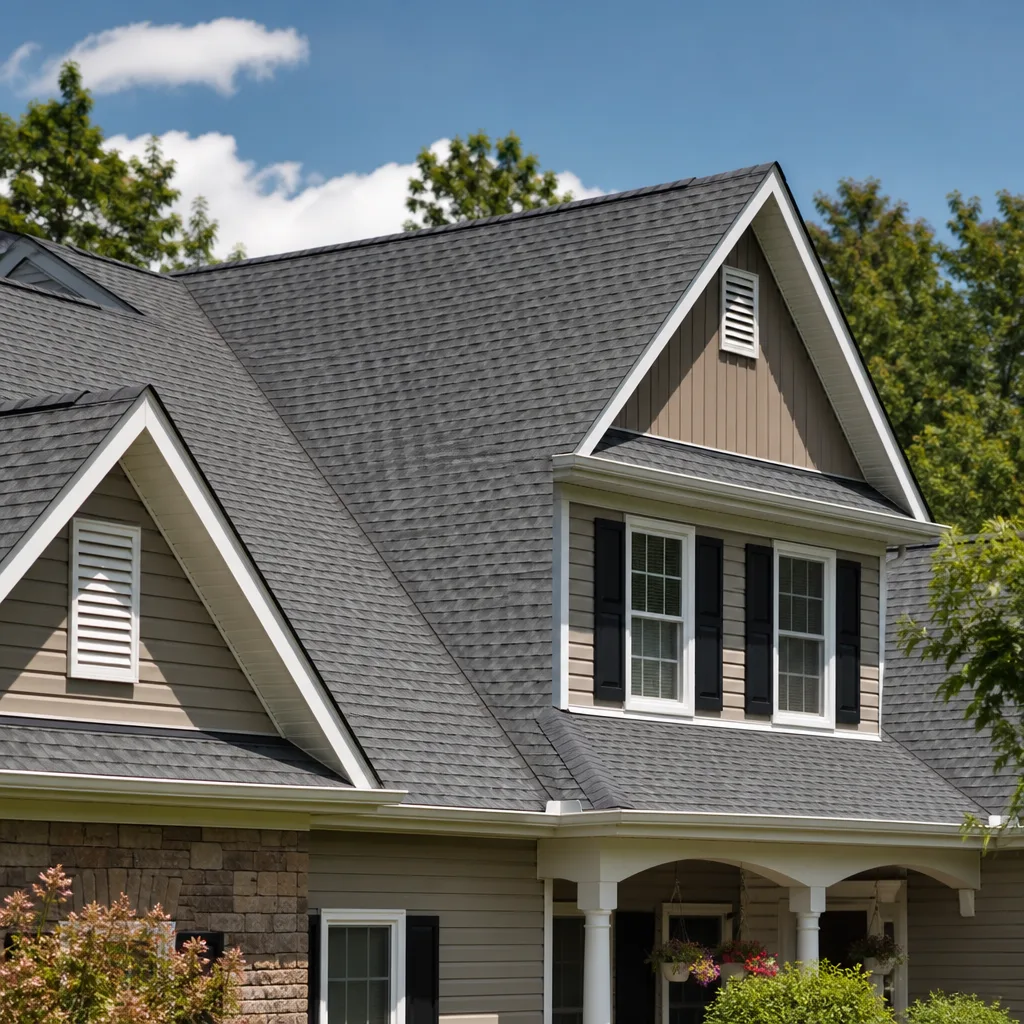
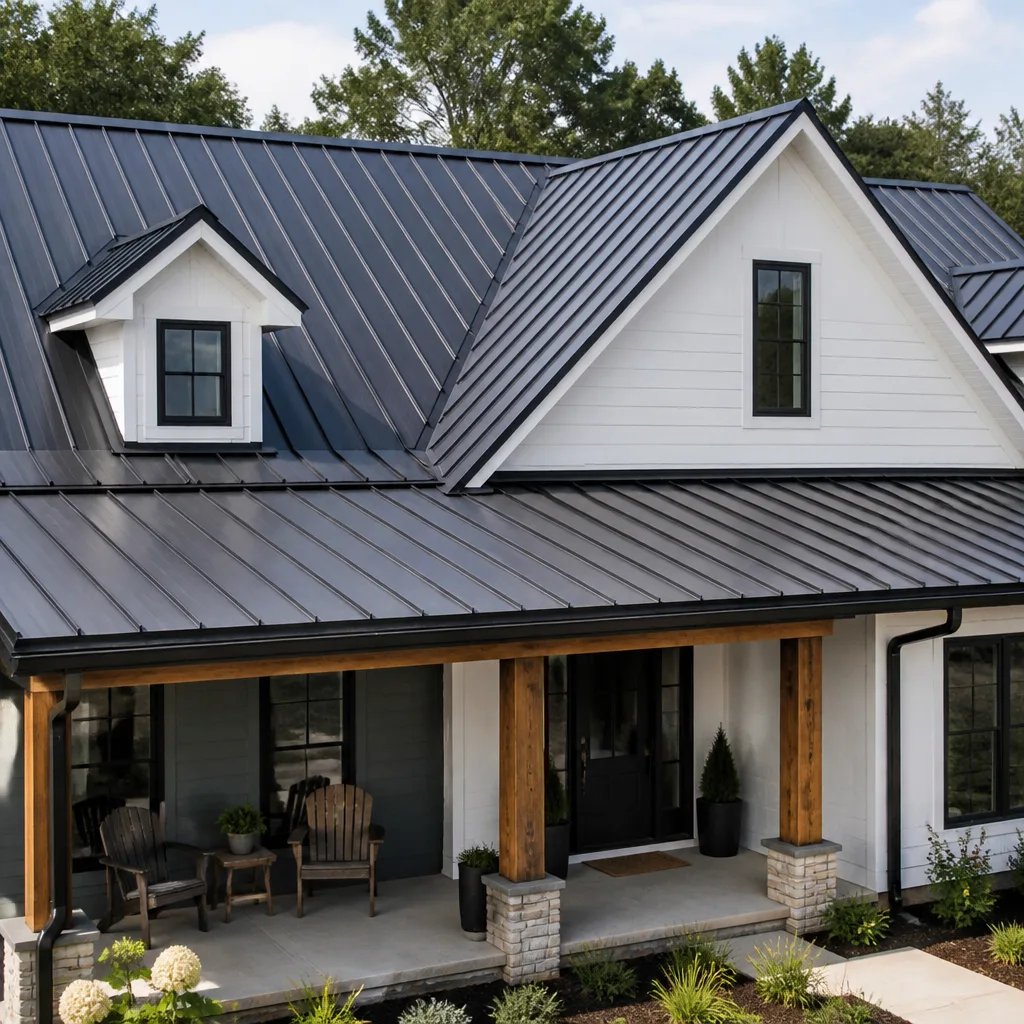
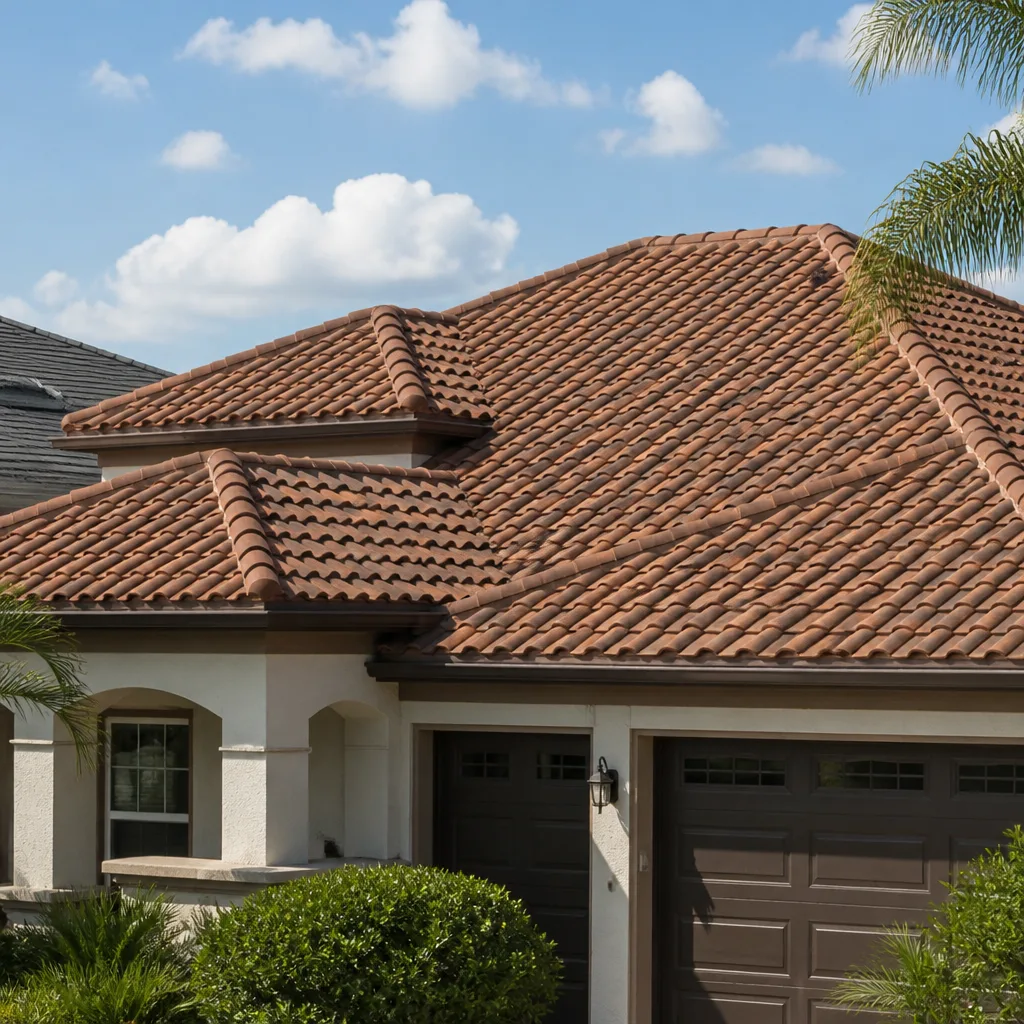
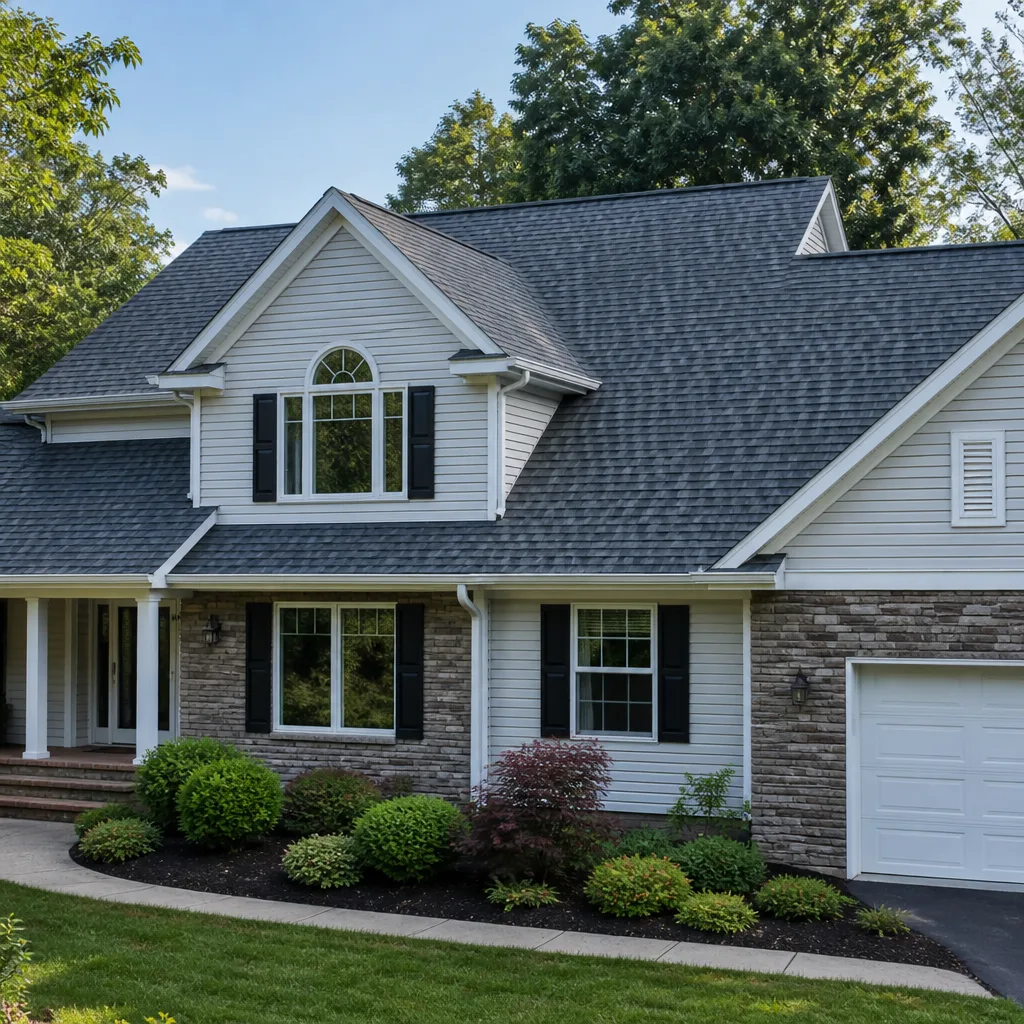
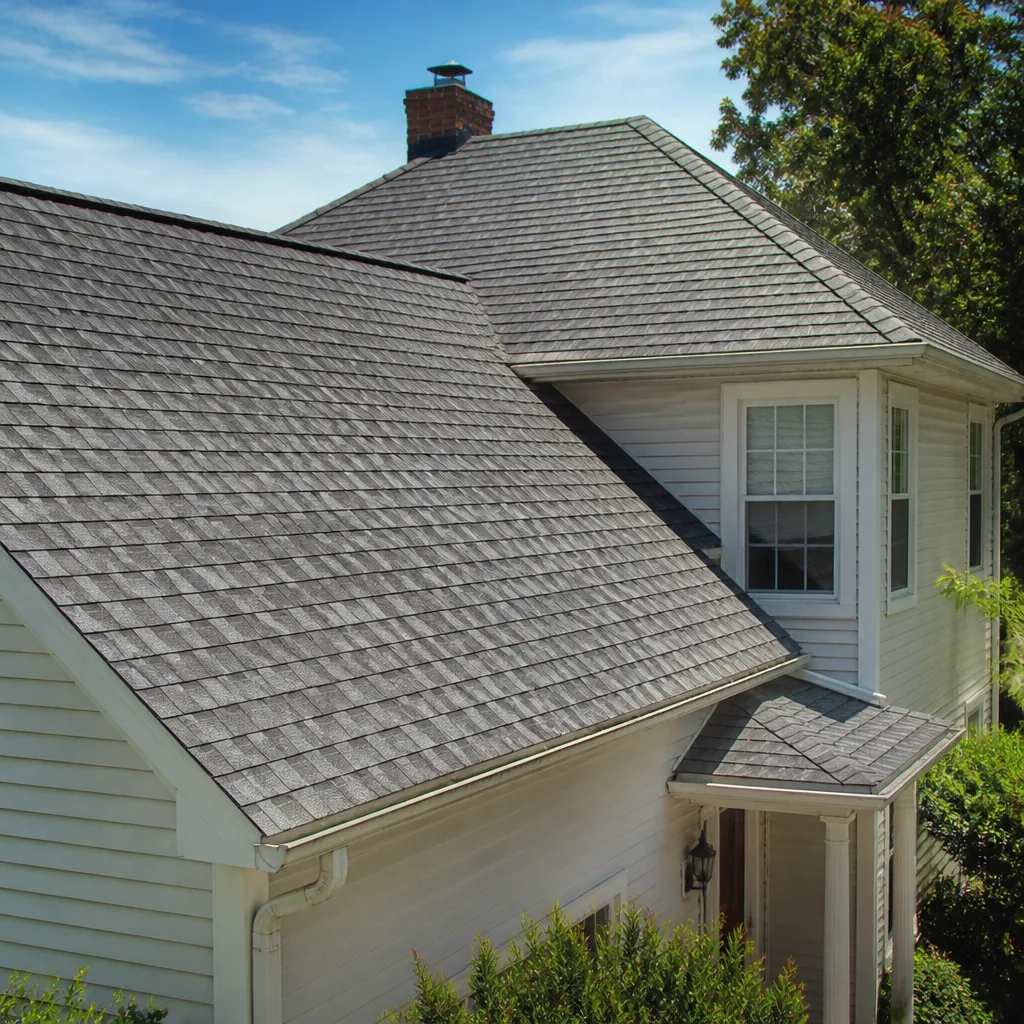
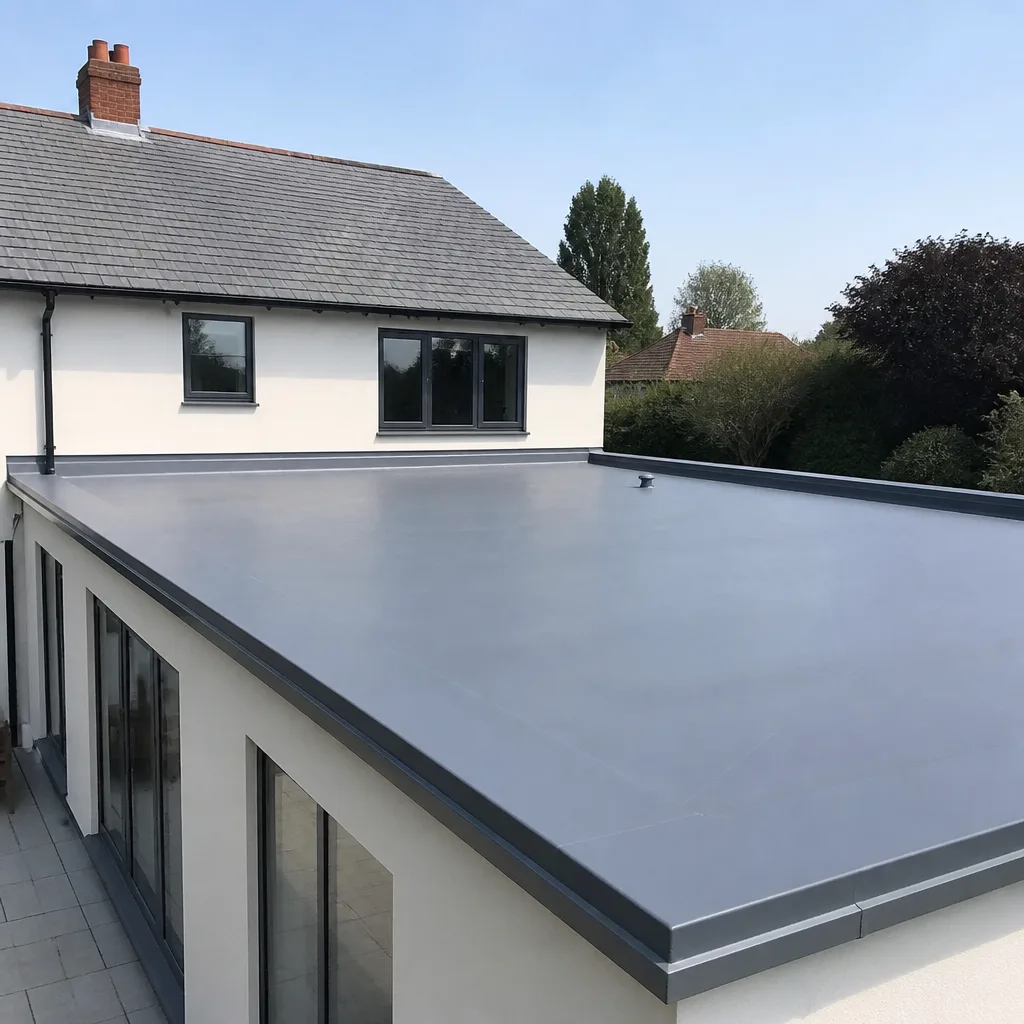
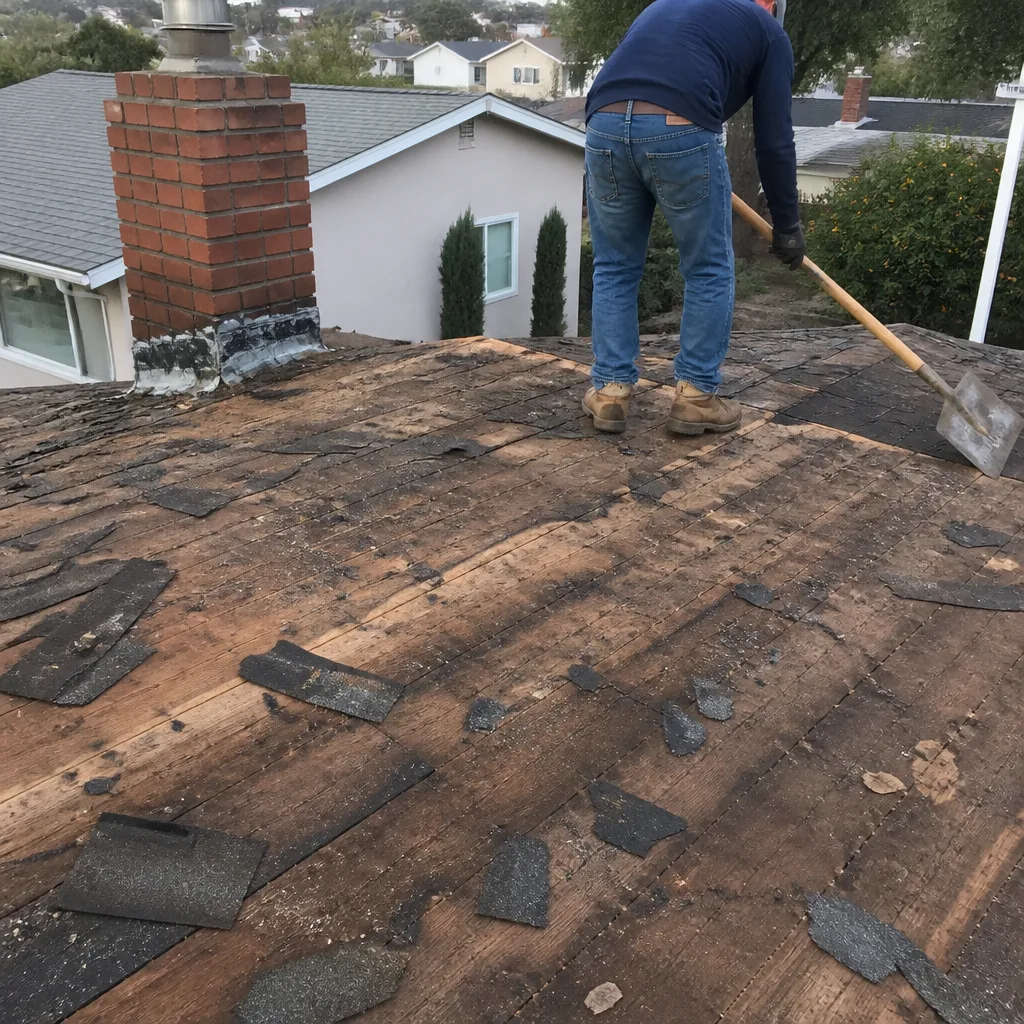 Before
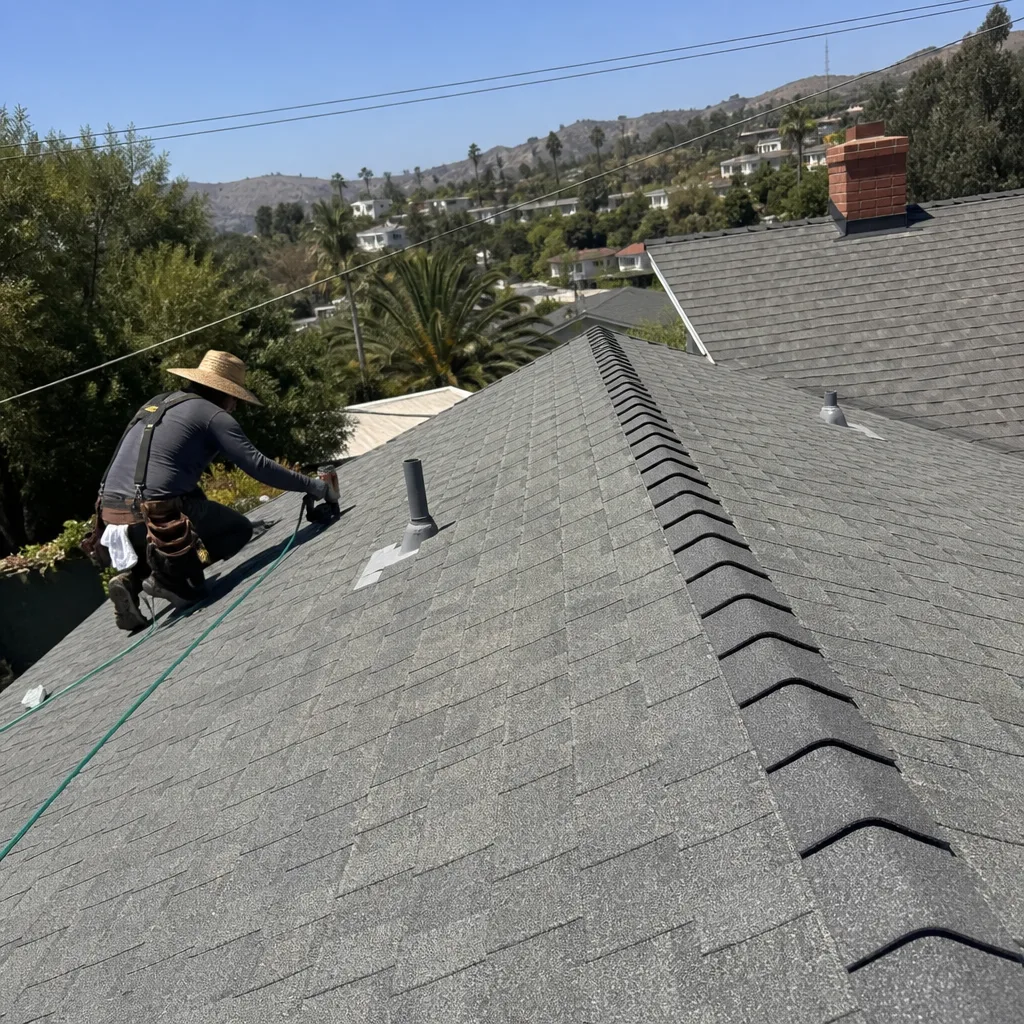 After
After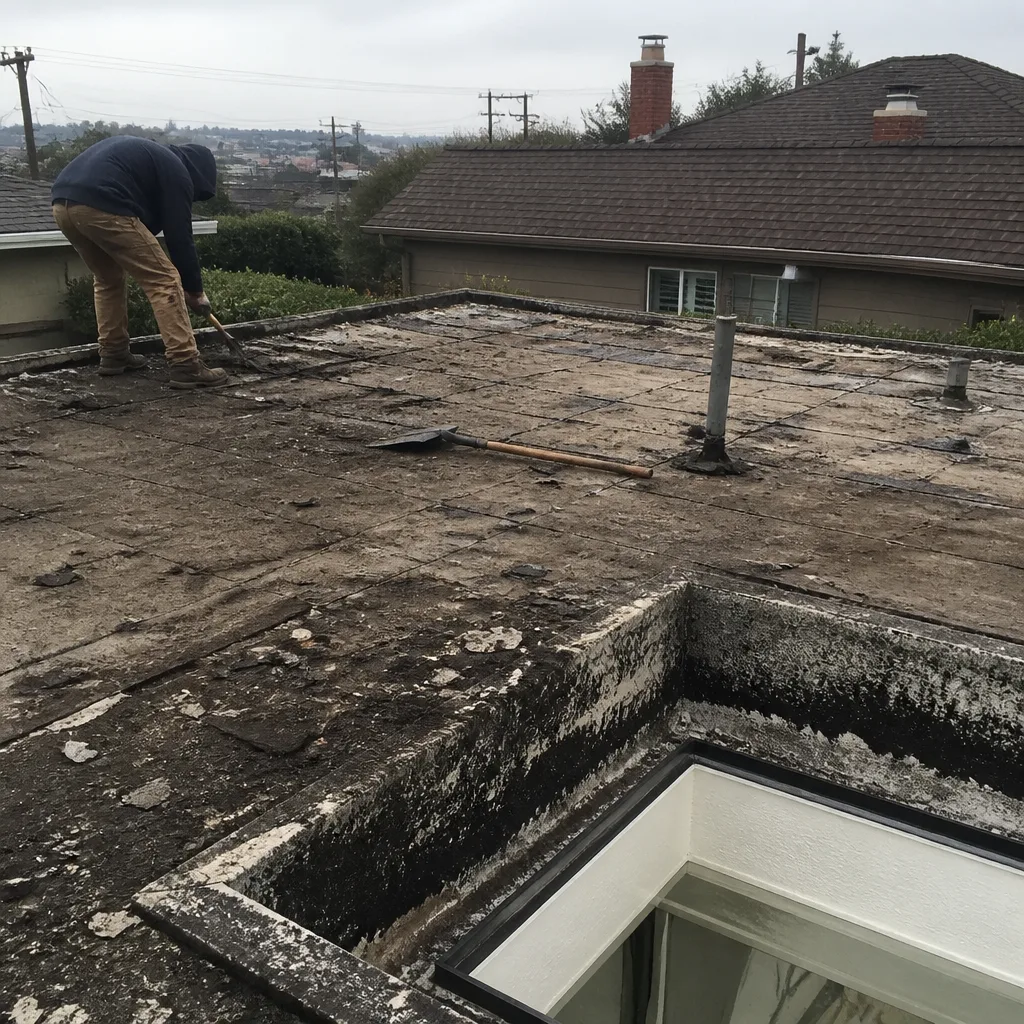 Before
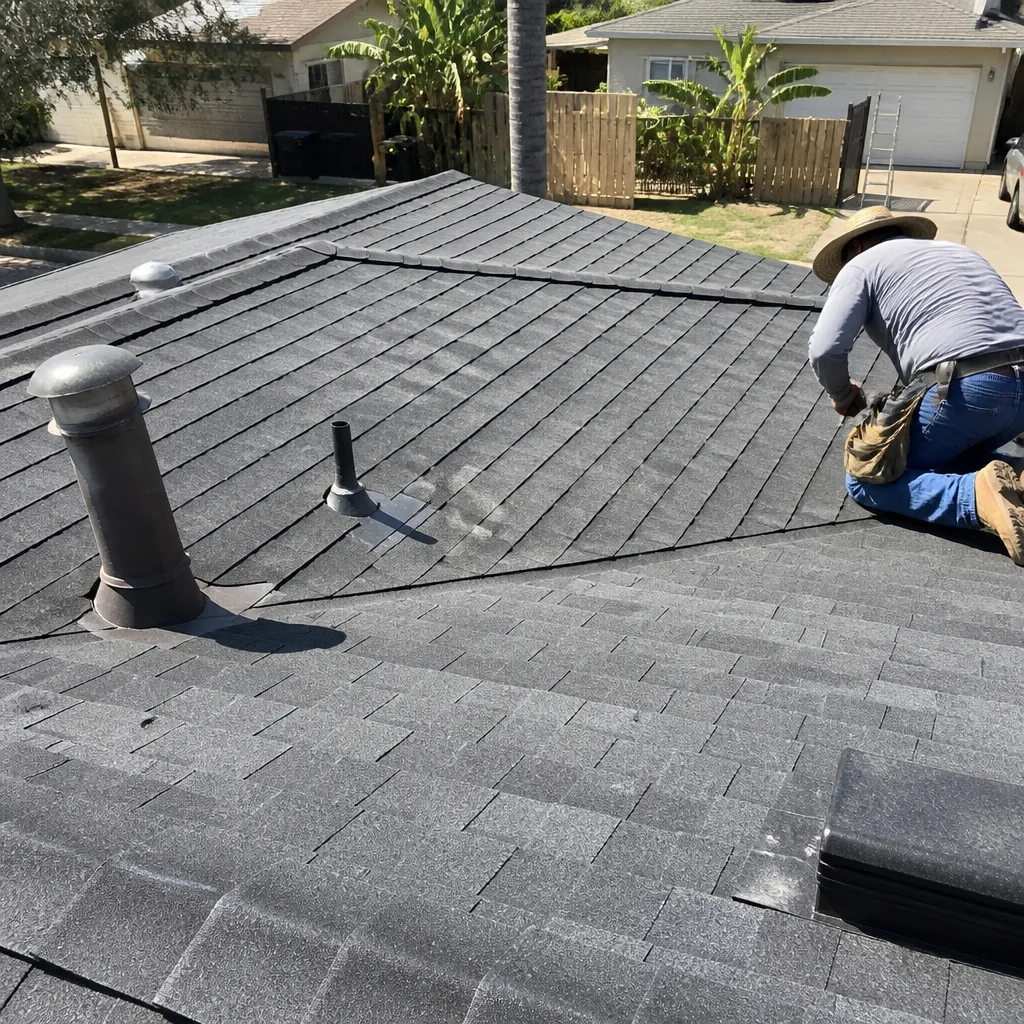 After
After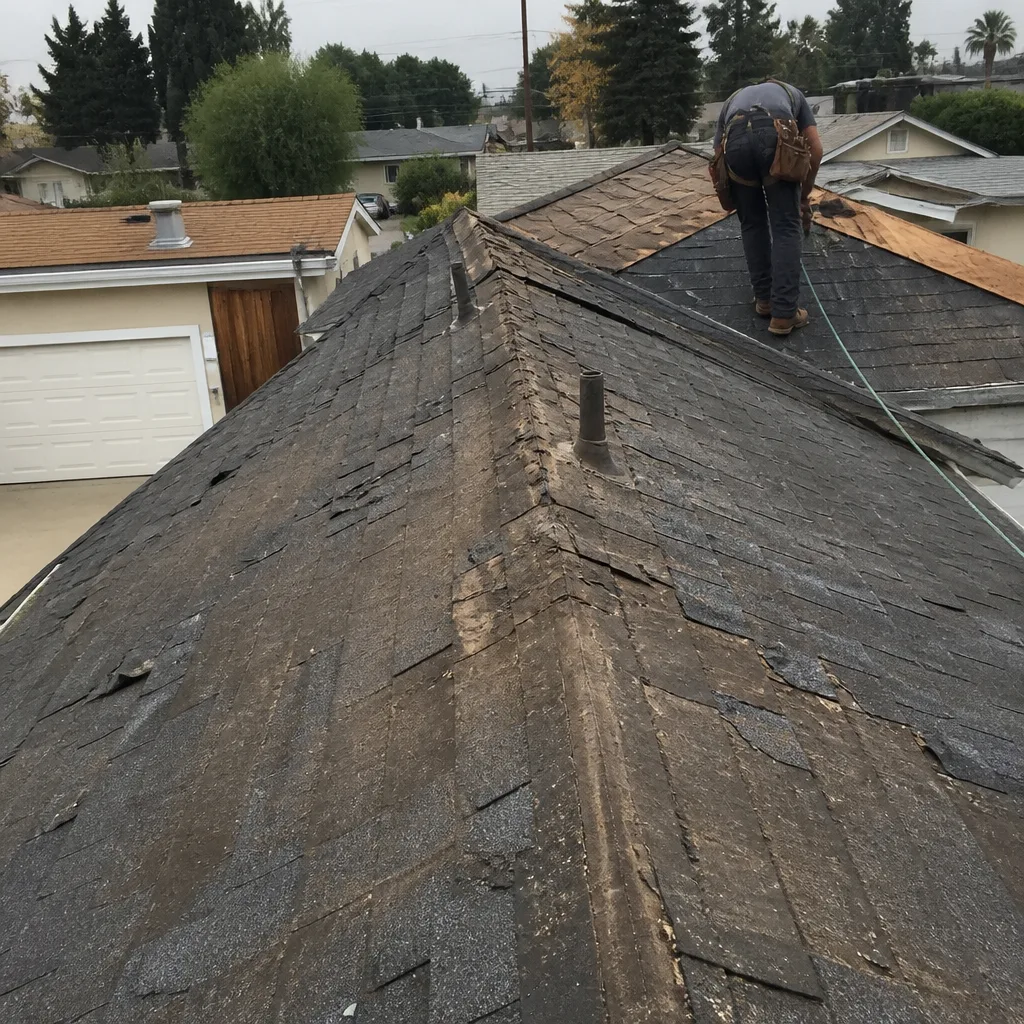 Before
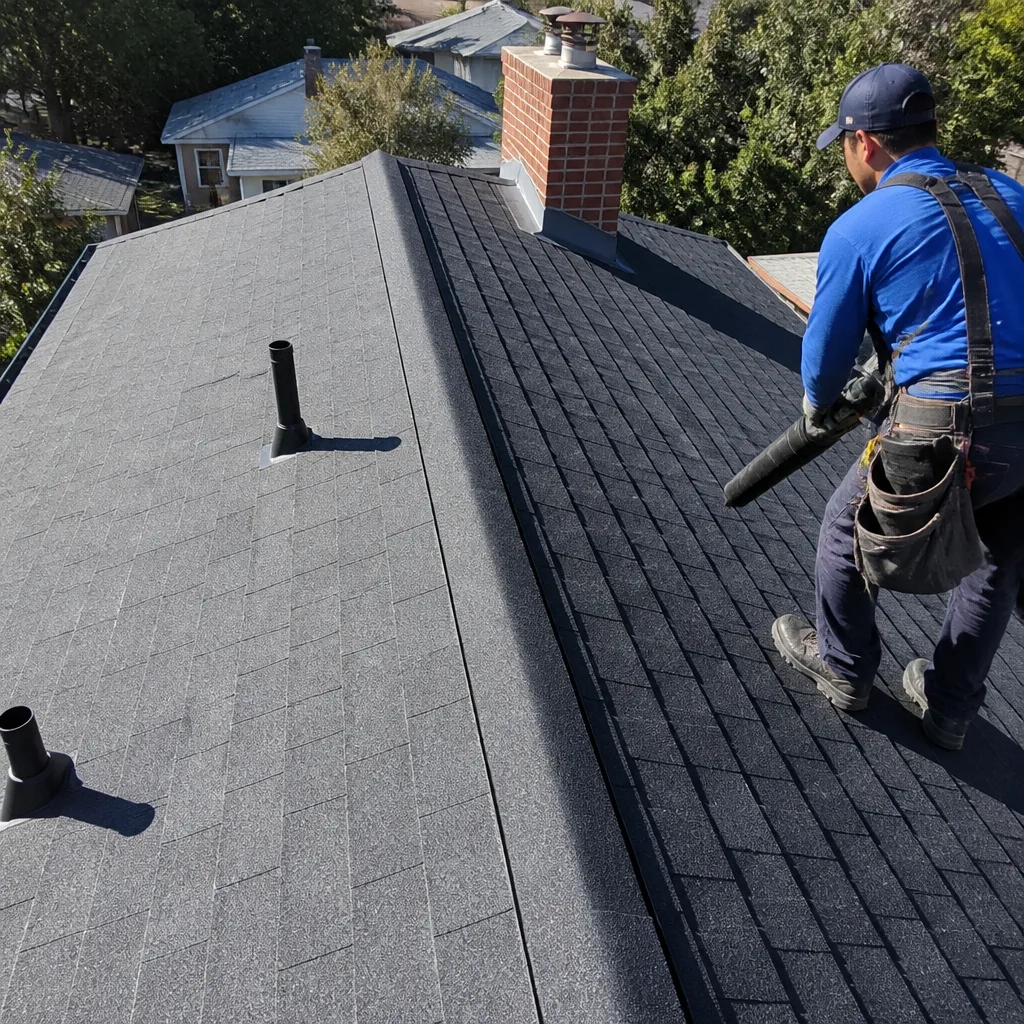 After
AfterHow Long Does Roof Repair Take? Timelines and What to Expect
A roofer who tells you “we’ll be done by noon” without lifting a single shingle is making a promise they can’t keep. In our experience across Los Angeles, from Santa Monica to Silver Lake, the gap between a quoted timeline and actual hours on your roof often comes down to one thing the estimator never checked: what’s underneath the surface. A simple shingle swap can stretch from two hours to six the moment rotten decking appears. This guide maps every common Roof Repair type to real hour-by-hour timelines, flags the hidden multipliers that blow schedules apart, and shows you exactly what to ask before the crew shows up so you can plan your day with confidence, not guesswork.
Quick Answer
Most standard roof repairs in Los Angeles take between 2 hours and 2 full days. A flashing replacement around a vent or chimney runs 2 – 4 hours, a valley leak repair takes 3 – 6 hours, and re-shingling a full section typically requires 1 – 2 days. Flat roof membrane patches fall in the middle at 4 – 8 hours. The actual time depends on three factors: the repair type, what damage is hidden beneath the surface, and whether specialty materials need to be sourced.
Table of Contents
- Roof Repair Type Timetable: Hour-by-Hour Breakdown
- Hidden Time Multipliers That Extend Your Timeline
- How to Structure Your Day Around the Work
- Why Live Arrival Tracking Matters More Than Start Time
- The Photo Documentation Window: What to Capture and When
- Los Angeles-Specific Factors That Affect Repair Speed
- Common Mistakes to Avoid
- When to Call a Professional
- Frequently Asked Questions
Roof Repair Type Timetable: Hour-by-Hour Breakdown
Not all repairs are created equal, and the difference between a quick patch and a multi-day project isn’t always obvious from the ground. Here’s what we’ve learned from thousands of Los Angeles repairs.
Flashing Replacement: 2 – 4 Hours
Flashing – the metal strips that seal joints around chimneys, vents, and skylights – is the most common leak source we see in older Los Angeles homes. A straightforward replacement involves removing the old material, cleaning the substrate, installing new galvanized steel or aluminum flashing, and resealing with proper underlayment.
What stretches this to 4 hours: multiple penetration points, custom-fabricated pieces for irregular chimney shapes, or discovering that the surrounding shingles have become brittle from decades of UV exposure. In coastal neighborhoods like Venice or Pacific Palisades, salt corrosion can fuse flashing to the substrate, adding significant removal time.
Valley Leak Repair: 3 – 6 Hours
Valleys – the channels where two roof planes meet – handle the highest water volume on any roof. A valley repair in Los Angeles typically means removing shingles along both sides, replacing the valley liner (either metal or woven shingles depending on your original installation), and reinstalling new shingles with proper overlap.
The 6-hour end of this range applies when your valley uses closed-cut construction rather than open metal valleys, which requires more precise shingle weaving. Homes in the Hollywood Hills with complex rooflines often have multiple intersecting valleys, and each additional valley adds roughly 90 minutes.
Full Section Re-Shingle: 1 – 2 Days
When wind damage, age, or a major leak has compromised an entire roof face, you’re looking at a section replacement. Day one covers tear-off, decking inspection, and underlayment installation. Day two brings shingle installation, ridge cap work, and cleanup.
We use GAF, CertainTeed, and Owens Corning shingles on most Los Angeles homes, and each manufacturer has specific nailing patterns and starter strip requirements that add structure but also time. A 20-square section (roughly 2,000 square feet of roof surface) on a single-story home in the San Fernando Valley typically completes in one long day. Two stories, steep pitches above 6:12, or intricate hip roof geometry pushes this to two days.
Flat Roof Membrane Patch: 4 – 8 Hours
Los Angeles has thousands of flat or low-slope roofs, from Mid-Century Modern homes in the hills to commercial-adjacent residential buildings downtown. A membrane patch involves cutting back the damaged area, cleaning and priming the substrate, applying new TPO or modified bitumen material, and heat-welding or torch-applying seams.
The wide time range reflects a critical variable: whether the damage is surface-level or indicates systemic ponding or insulation saturation. A proper patch requires the membrane to extend at least 6 inches past all damage – and if water has traveled beneath the surface, the “damage” is always larger than it first appears.
Emergency Tarps and Temporary Sealing: 1 – 2 Hours
After major storms – rare but real in Los Angeles during El Niño years – emergency tarping buys time for permanent repair. This is purely protective: securing a waterproof tarp over the damaged area with proper anchoring to prevent wind uplift. It’s fast, but it’s not a repair. The real timeline clock starts when permanent work begins.
Hidden Time Multipliers That Extend Your Timeline
The estimates above assume ideal conditions. Here are the five factors that routinely double or triple repair time, and the questions to ask your estimator about each.
1. Decking Damage Found Mid-Job
Roof decking – the plywood or OSB sheathing beneath your shingles – can’t be fully assessed until tear-off begins. When we find soft or delaminated decking in Los Angeles, it’s usually in homes built before 1980 with original roofs, or anywhere there’s been a slow leak running for months.
Replacing a 4×8 sheet of decking adds 45 – 60 minutes: removal, cutting the new sheet to fit around existing penetrations, nailing to code, and installing ice-and-water shield at the seams. Multiple sheets can add half a day.
What to ask: “If you find rotten decking, do you carry replacement plywood on the truck, and what’s your per-sheet price?” A crew that has to leave for materials kills your timeline.
2. Permit Pull Delays
Los Angeles requires permits for any repair exceeding 100 square feet or involving structural elements like decking replacement. The LADBS (Los Angeles Department of Building and Safety) permit process typically takes 2 – 5 business days for simple roofing permits, longer if your home is in a Historic Preservation Overlay Zone.
Some contractors skip permits to save time. Don’t let them. Unpermitted work voids manufacturer warranties and creates disclosure headaches when you sell. At Crestview Roofing, we pull permits on every job that requires them and schedule the inspection before work begins so there’s no gap.
3. Specialty Material Lead Times
Standard asphalt shingles from GAF or Owens Corning are stocked locally. Clay tile, concrete tile, or specialty products like Boral’s lightweight tile systems often require 1 – 3 week lead times. If your Los Angeles home has a tile roof and the repair requires matching existing material, confirm availability before accepting a start date.
4. Weather Holds
Los Angeles enjoys mild weather, but winter rain and summer heat waves still disrupt schedules. Shingle manufacturers specify installation between 40°F and 85°F for proper sealant activation. A 100°F September day in the Valley can push start times to 6 AM or delay work entirely.
5. Access Complications
Steep pitches, multi-story heights, and zero-lot-line homes in dense neighborhoods like Koreatown or Echo Park require additional safety setup. Proper fall protection – harnesses, anchor points, and toe boards – adds 30 – 45 minutes to every workday but is non-negotiable for crew safety.
How to Structure Your Day Around the Work
You don’t need to take a vacation day for every repair, but you do need to be reachable and available for key decision points. Here’s how we advise Los Angeles homeowners to plan.
Morning Prep (Before Crew Arrival)
- Clear driveway access for material delivery and debris removal. Most crews need space for a dump trailer or truck.
- Move vehicles to street parking so you’re not blocked in if the crew runs long.
- Secure pets indoors. Nail guns and compressor noise stresses animals, and open gates create escape risks.
- Identify your water and electrical shutoffs. In rare cases, roof work near service mastheads requires temporary power disconnection.
- Have your phone charged and accessible. The crew lead will call if they find unexpected damage.
Mid-Job Decision Points
The most common call we make to homeowners happens 1 – 2 hours into tear-off: “We found more damage than expected. Here’s what it costs to fix it properly, and here’s what happens if we don’t.” This is where written upfront pricing protects you. At Crestview Roofing, our written quote includes line-item pricing for common contingencies like decking replacement, so there’s no haggling on your roof. For help vetting any contractor, read How to Hire a Roofing Contractor in Los Angeles: A Step-by-Step Guide.
Other decisions you may face: shingle color match if existing stock is discontinued, whether to upgrade underlayment to synthetic from felt, or whether to address adjacent areas showing early wear.
Before the Crew Leaves
Verify three things before signing off: the work area is clean of nails and debris (we use magnetic rollers on every job), the crew lead reviews any warranty paperwork with you, and you’ve received or been told when to expect your photo documentation. The Crestview Roofing home process includes digital invoice delivery by text within 30 minutes of completion.
Why Live Arrival Tracking Matters More Than Start Time
Most Los Angeles homeowners have experienced the four-hour window – “we’ll be there between 8 and noon” – that stretches to 1 PM with no update. It’s frustrating, and it’s entirely avoidable.
The Relay Visibility Guarantee, which governs every Crestview Roofing appointment, includes live trackable arrival times. You see the technician’s name, photo, and real-time location on a map, updated every 60 seconds. This matters because roof repair timelines are compressed – a 2-hour delay in arrival can push your 4-hour repair into evening hours, or force rescheduling if daylight runs short.
Live tracking also lets you verify that the person arriving matches your appointment details. Background-checked, uniformed technicians aren’t just a comfort; they’re a security protocol. You know who’s on your roof and when they got there.
For Los Angeles traffic patterns, this is especially relevant. A crew based in the Valley heading to a job in South Bay during rush hour faces predictable delays. Companies that don’t account for this in their scheduling are either inexperienced or indifferent to your time.
The Photo Documentation Window: What to Capture and When
Photo documentation protects both homeowner and contractor, but only when it’s systematic and timely. Here’s what should be captured, by whom, and when you should receive it.
Before Photos: Pre-Work Condition
Taken from the ground, from the roof edge, and of specific damage areas. These establish baseline condition and are essential for insurance claims. At Crestview Roofing, before photos are uploaded to your job file before the first shingle is removed.
During Photos: Hidden Damage Discovery
When decking damage, improper prior repairs, or code violations are found, photo evidence documents the condition before remediation. This is your protection against “they made it up to charge more” disputes.
After Photos: Completed Work
Final documentation shows proper installation, clean work areas, and manufacturer-required details like correct nail placement and ridge cap overlap. For Roof Repair in Los Angeles, these photos are critical given the city’s strict resale disclosure requirements.
Delivery timing: within 24 hours of job completion, ideally same-day via text or email link. Any contractor who promises photos “in a few days” or “with your invoice” is prioritizing their convenience over your documentation needs.
Los Angeles-Specific Factors That Affect Repair Speed
Local conditions in Los Angeles create unique timeline pressures that out-of-market guides miss entirely. Explore our more guides & resources for Los Angeles-specific roofing advice.
Coastal Salt and UV Exposure
Homes within 3 miles of the Pacific – Santa Monica, Marina del Rey, Malibu – experience accelerated metal corrosion and shingle granule loss. Flashing removal takes longer when fasteners are seized. We factor this into estimates for coastal zip codes.
Clay Tile Weight and Structural Requirements
Original Spanish Colonial and Mission Revival homes throughout Los Angeles use heavy clay tile. Repairs require reinforced staging and slower, more deliberate foot traffic to avoid cracking adjacent tiles. A repair that would take 3 hours on asphalt shingles can take 5 – 6 on clay.
Hillside Access and Fire Department Requirements
Homes in the Hollywood Hills, Laurel Canyon, or Topanga face narrow roads that limit material delivery and steep lots that complicate debris removal. Some hillside areas also require brush clearance verification before work begins, adding a day to pre-job preparation.
HOA and Design Review Board Approvals
Planned communities in Playa Vista, Century City, and newer developments often require architectural committee approval for any visible material change. This can add 1 – 4 weeks before work begins, though emergency leak repairs typically qualify for expedited review.
Earthquake Strapping and Structural Tie-Ins
Los Angeles building codes require specific tie-downs where roof structures connect to walls. If your repair area involves these connection points, additional structural inspection and reinforcement may be required, extending timeline by half a day.
Common Mistakes to Avoid
- Accepting a verbal timeline with no written contingency pricing. If your roofer won’t put “decking replacement: $X per sheet” in writing, they’re planning to negotiate on your roof. Get line-item pricing before work starts.
- Scheduling around a “we’ll call when we’re on our way” arrival. In Los Angeles traffic, “on our way” from Burbank to Brentwood could mean 20 minutes or 90. Insist on live tracking or a firm 30-minute call-ahead.
- Ignoring material compatibility. Installing standard asphalt shingles on a low-slope area that requires modified bitumen or TPO guarantees early failure. Verify your contractor is specifying the right material for each roof plane.
- Skipping the permit question. Ask directly: “Will you pull permits, and will you be present for inspection?” Contractors who deflect or suggest permits “aren’t needed for this size job” are exposing you to liability.
- Not requesting manufacturer warranty registration. GAF, CertainTeed, and Owens Corning all offer enhanced warranties when installed by certified contractors. This registration takes 10 minutes but protects you for decades.
- Paying in full before final documentation. Your leverage disappears once the check clears. Structure payment with holdback until photos, invoice, and warranty paperwork are delivered.
When to Call a Professional
Some roof conditions demand immediate professional assessment, not a wait-and-see approach. Active water intrusion, sagging roof planes, daylight visible through the attic, or more than three missing shingles in a single area all indicate structural or waterproofing compromise that worsens with each rain.
Los Angeles homeowners should also call promptly after any seismic event – even minor tremors can crack flashing seals or dislodge ridge caps that aren’t immediately visible from the ground.
Crestview Roofing offers free estimates in Los Angeles. Our written quotes include specific timelines, line-item pricing, and no obligation. Call (325) 246-5075 to schedule your inspection, or learn more about Roof Replacement in Los Angeles and Roof Installation in Los Angeles if your repair assessment reveals broader needs.
Frequently Asked Questions
Most standard repairs take 2 – 6 hours, with full section re-shingling requiring 1 – 2 days. Flat roof membrane patches typically run 4 – 8 hours. The actual time depends on repair type, hidden damage, and material availability. Call (325) 246-5075 for a written estimate with a specific timeline for your repair.
At Crestview Roofing, the written price you approve before work begins is the price on your invoice – no exceptions. We include line-item pricing for common contingencies like decking replacement in every quote, so there are no surprises if hidden damage appears. If you haven’t received written upfront pricing, you’re not working with us.
You don’t need to be home for the entire repair, but you do need to be reachable by phone. The crew lead will call if hidden damage requires a decision, and you’ll want to verify the work and receive documentation before they depart. Many Los Angeles homeowners schedule repairs for days they’re working from home.
Ask for the LADBS permit number before work begins, then verify it on the Los Angeles Department of Building and Safety website. Legitimate contractors welcome this question. At Crestview Roofing, permit documentation is included in your digital job file alongside photos and invoice.
Our 365-Day Done Right Promise covers every repair for a full year, in writing, included with every job. If a covered repair fails within 365 days, we correct it at no charge, including a free second visit. No negotiation, no runaround, no expiration games.
Active rain halts most repair work for safety and quality reasons. Shingle sealants won’t activate properly on wet surfaces, and working on wet roofs increases fall risk. In Los Angeles, winter rain patterns are predictable enough that we build weather holds into our scheduling. Emergency tarping can be performed in light rain to prevent interior damage.
The Bottom Line
Roof repair timelines only feel vague when contractors won’t commit to specifics. The truth is, every repair type has a predictable hour range – flashing at 2 – 4 hours, valleys at 3 – 6, sections at 1 – 2 days – and the variables that extend those ranges are knowable before work begins. Ask about decking condition, permit status, material availability, and contingency pricing. Demand live arrival tracking, photo documentation, and written guarantees. The roofers who deliver transparency aren’t harder to find; they’re just harder to confuse with the ones who aren’t trying.
Ready for a repair timeline you can actually plan around? Call (325) 246-5075 to schedule your free estimate. You’ll get a written price before any work starts, a live trackable arrival time, before-and-after photo documentation, and the 365-Day Done Right Promise on every repair. That’s The Relay Visibility Guarantee, and it’s how we’ve worked in Los Angeles since 2000.
Written by Dylan Pace, Owner at Crestview Roofing, serving Los Angeles since 2000.