
Last updated October 10, 2026
Free roof inspection with deck photos before we talk money - GAF and Owens Corning certified installation
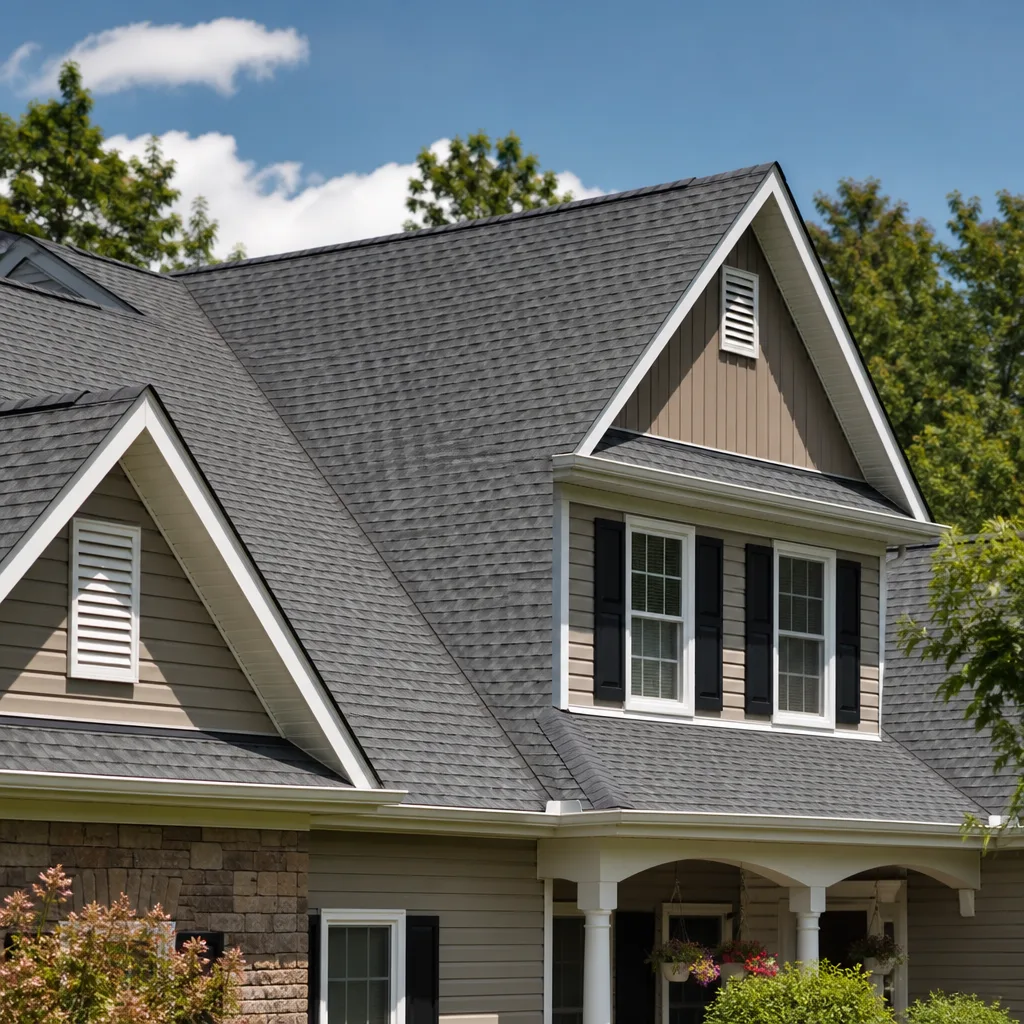
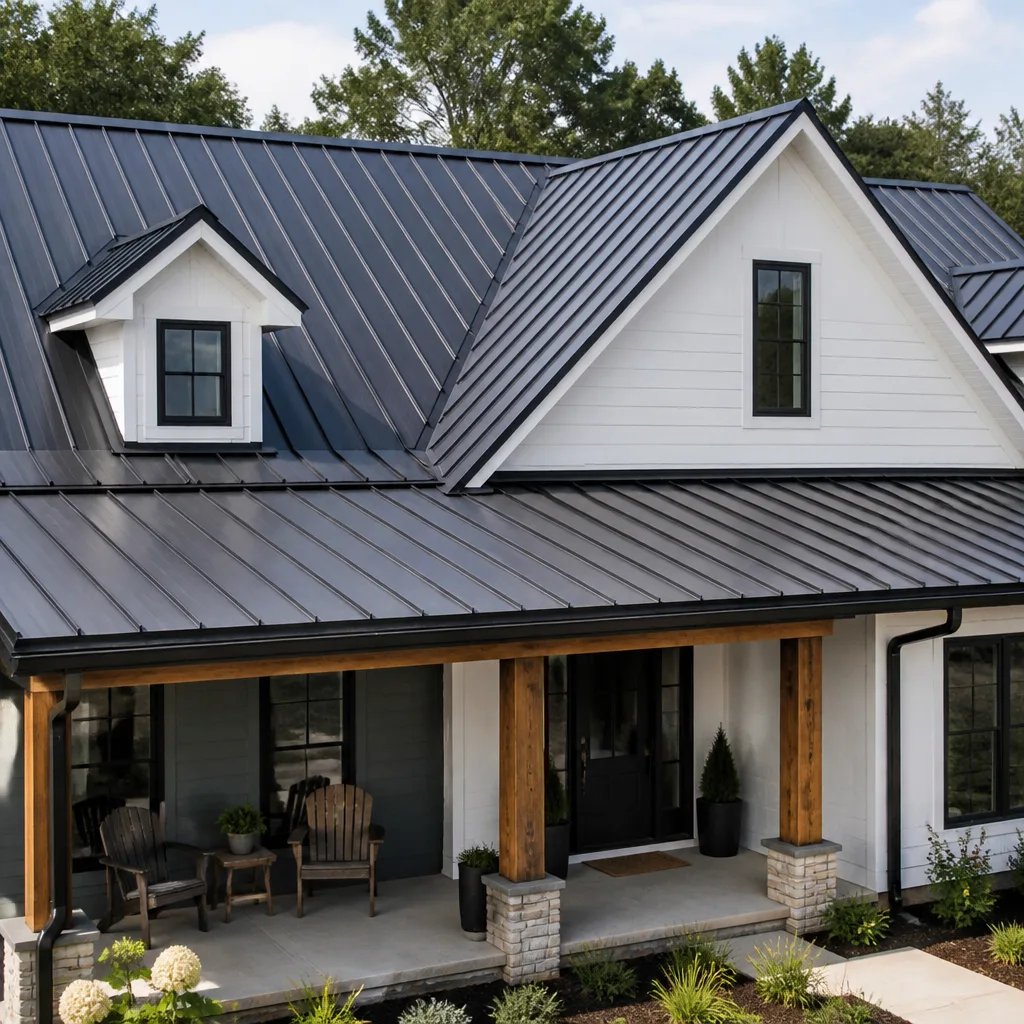
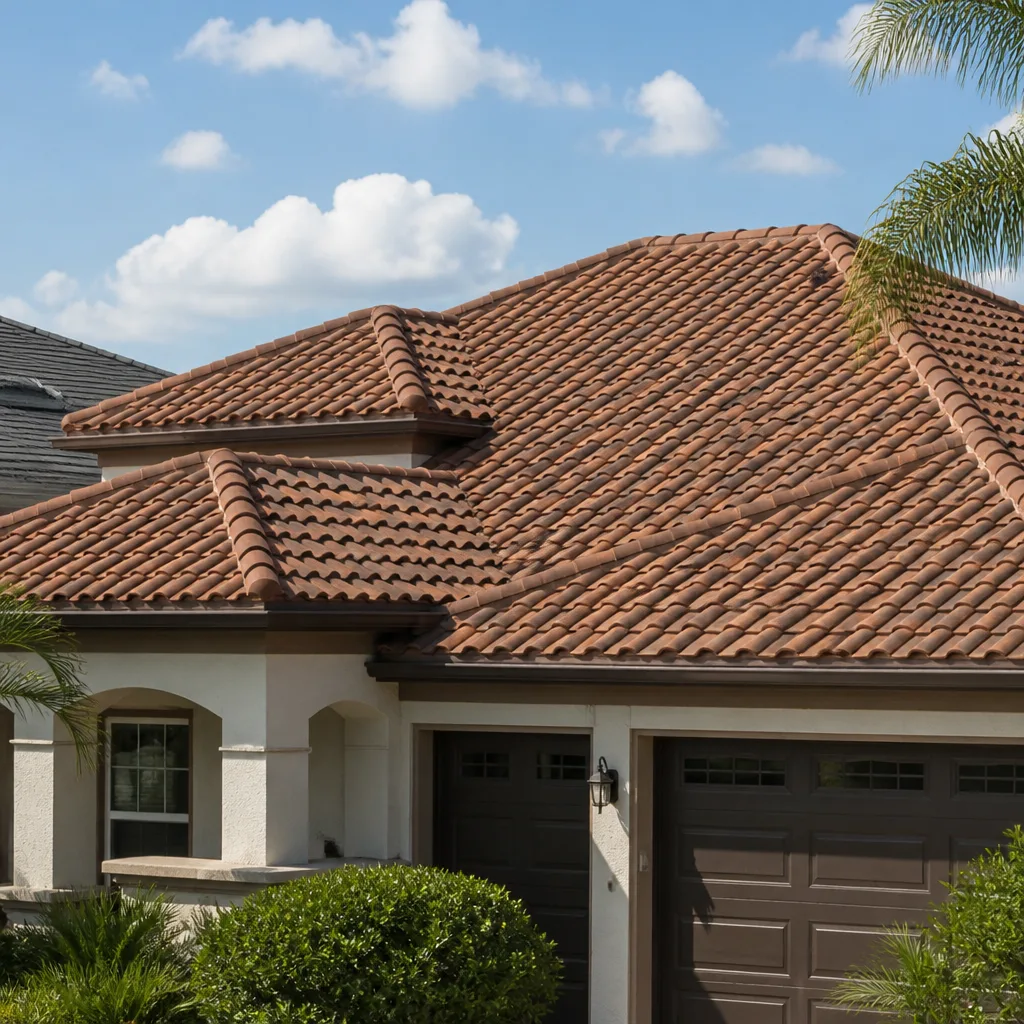
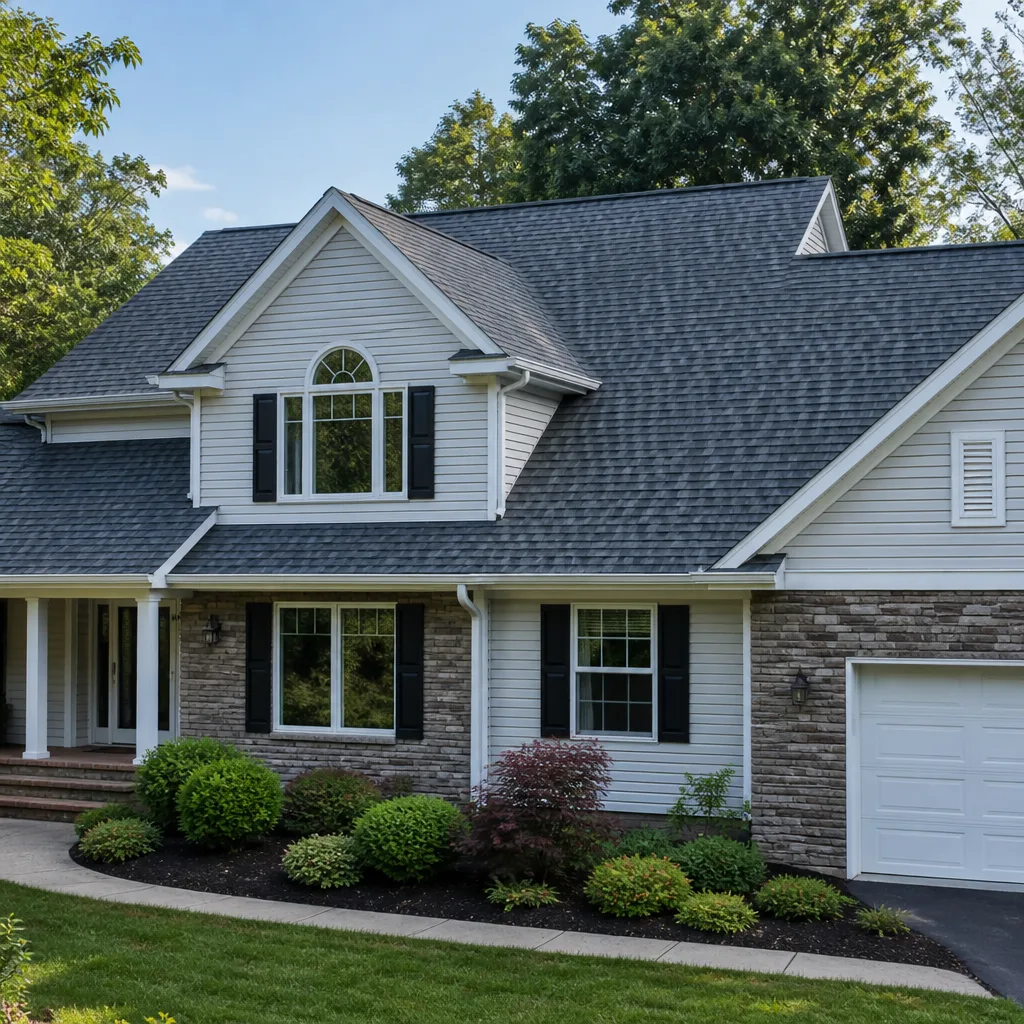
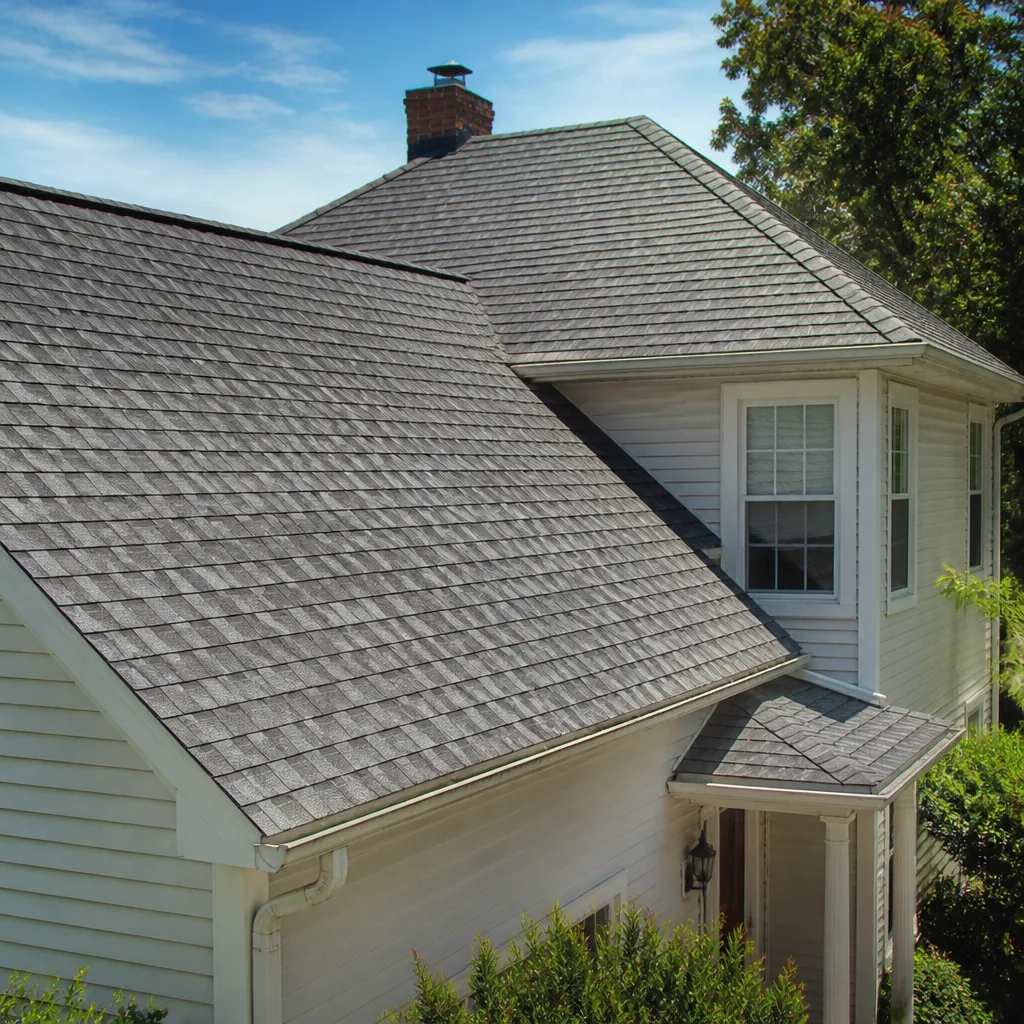
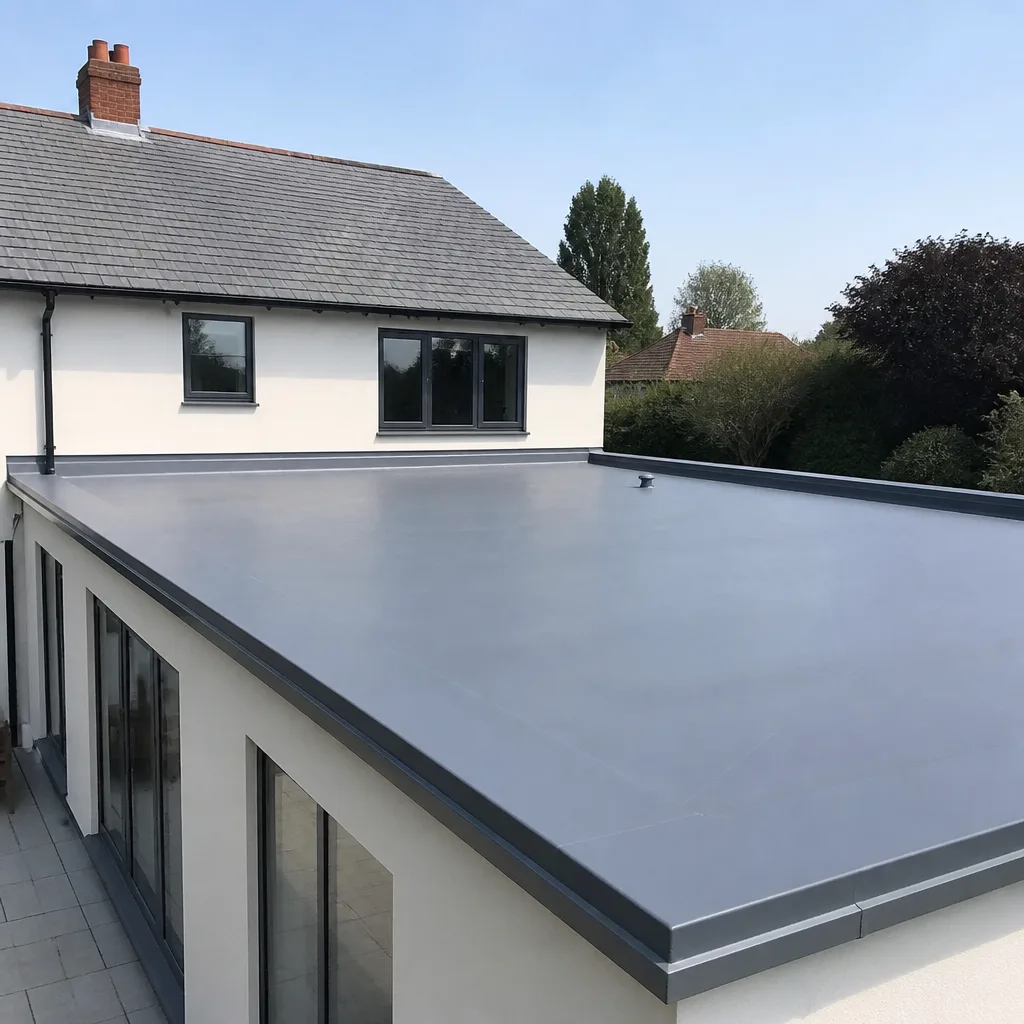
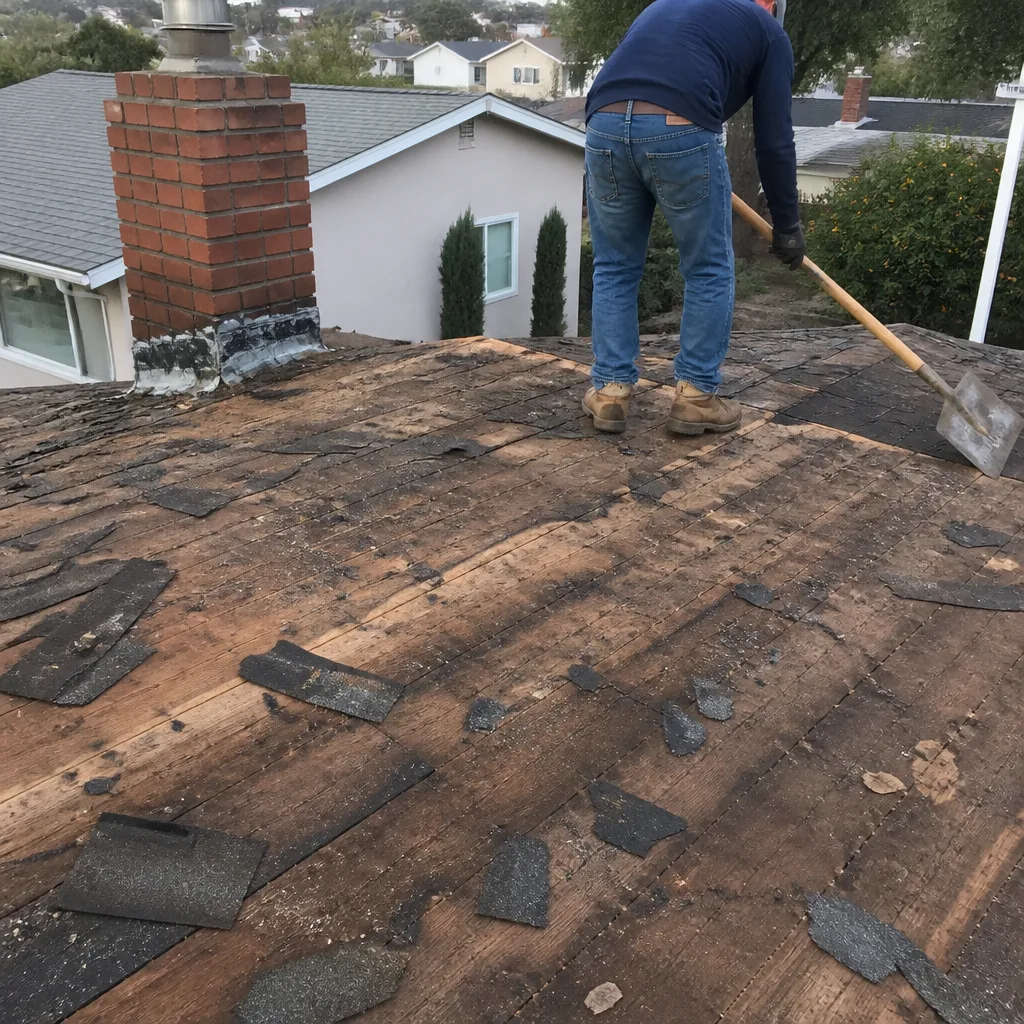 Before
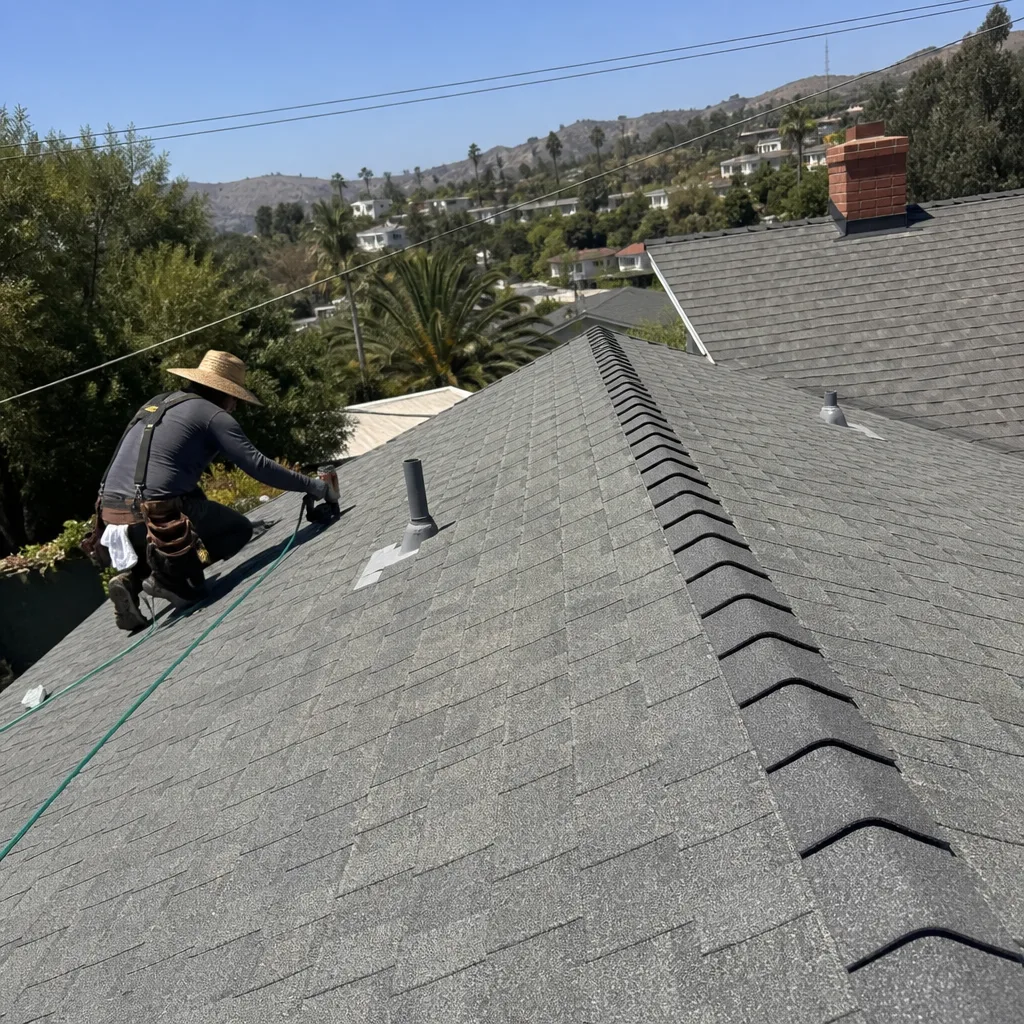 After
After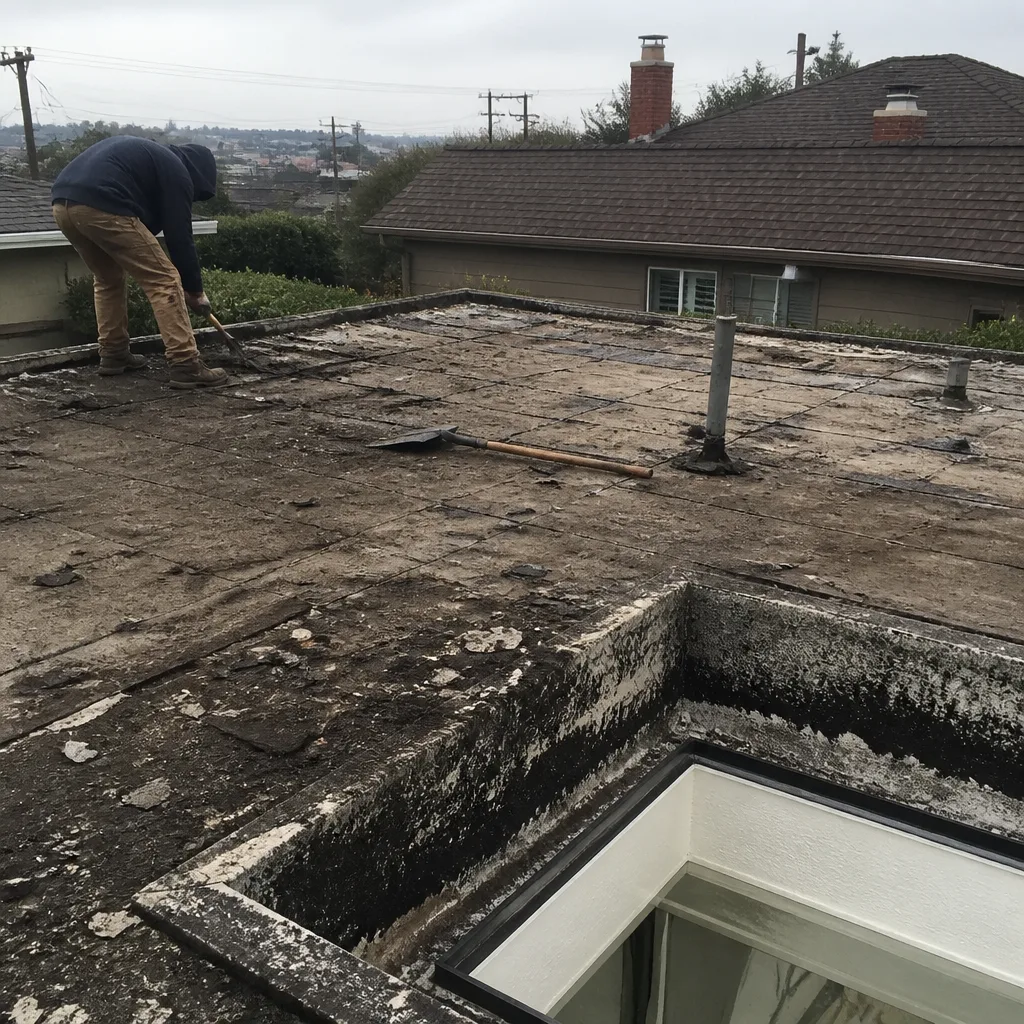 Before
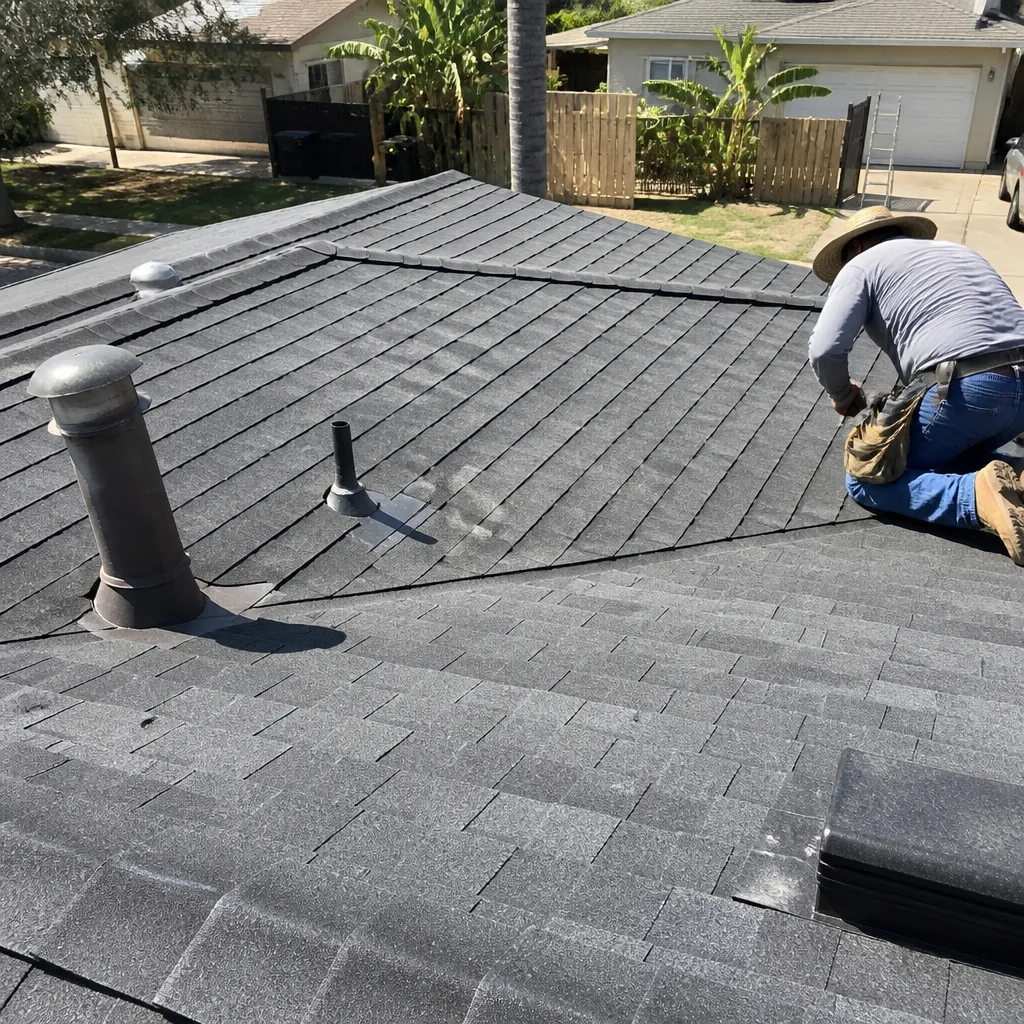 After
After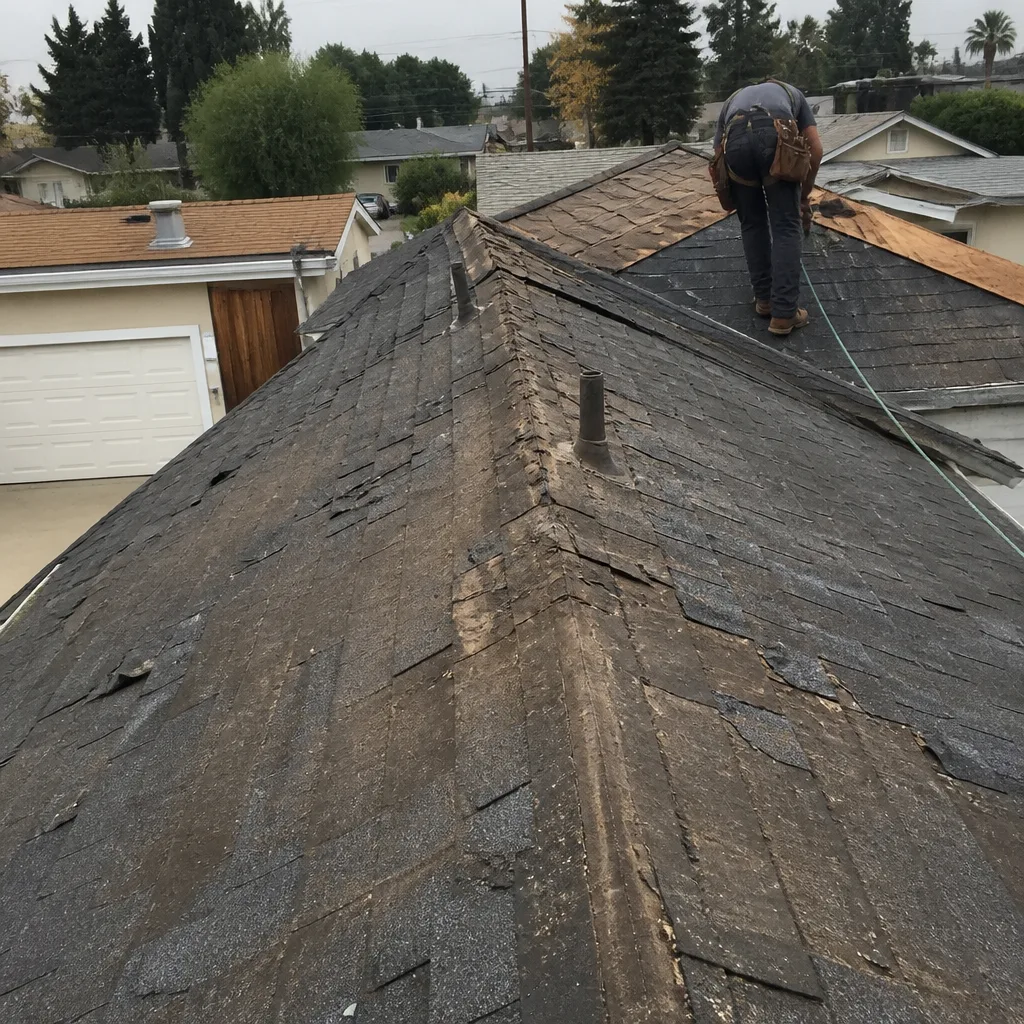 Before
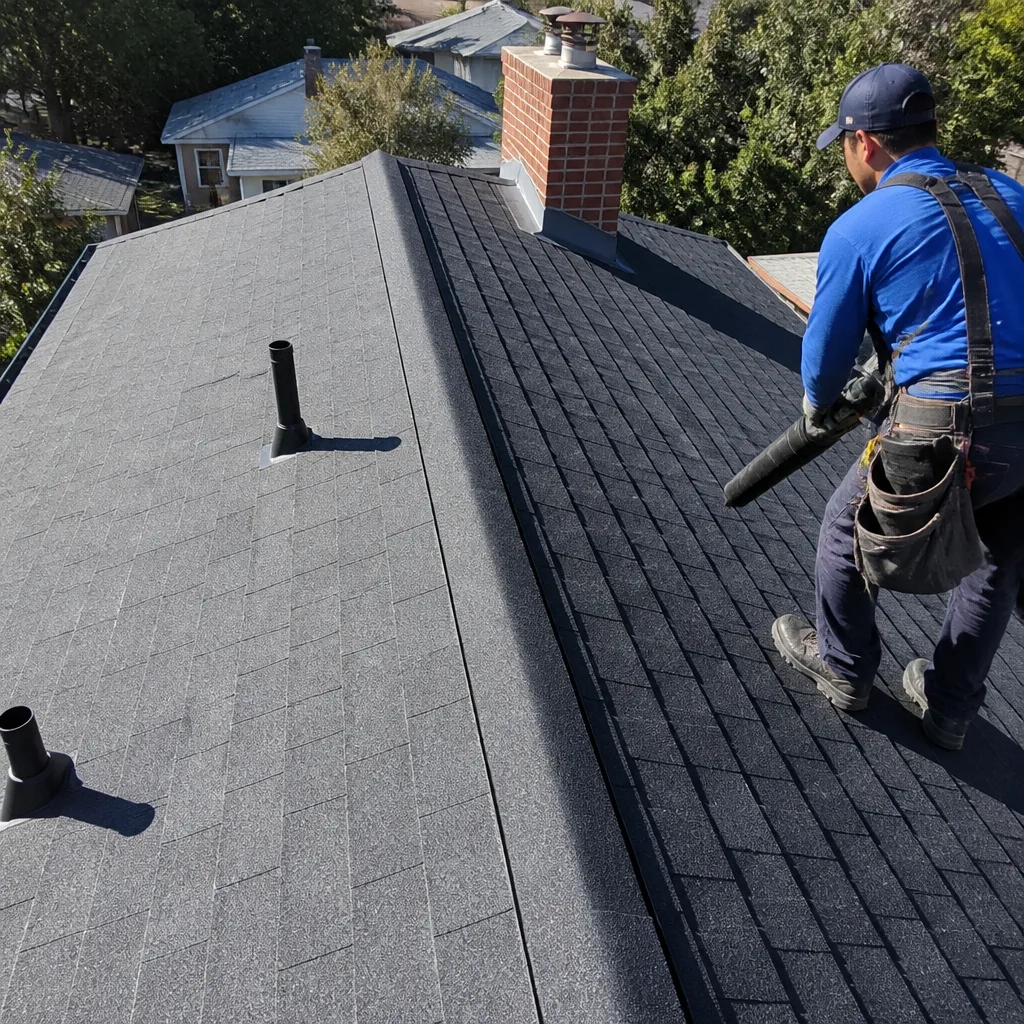 After
AfterDIY vs Professional Roofing: The Los Angeles Homeowner’s Decision Guide
In California, a homeowner can legally do their own roofing work – but in a Fire Hazard Severity Zone, doing it wrong doesn’t just void a warranty; it can give an insurance company grounds to reduce a fire loss payout. The DIY decision in Los Angeles isn’t just about skill. It’s about exposure. This guide breaks down where California law, LA building codes, insurance requirements, and real-world risk actually draw the line between a weekend project and a call to a licensed roofer, with more guides & resources available on related topics. You’ll learn which repairs are genuinely reasonable to handle yourself, which ones trigger permit and inspection requirements, and how unpermitted work surfaces when you sell.
Quick Answer
Most Los Angeles homeowners can safely DIY minor repairs like replacing a few broken clay tiles, patching small flat-roof blisters, or resealing a vent – but full reroofs, fire-zone material changes, and any work requiring city inspection legally require a C-39 licensed contractor in California. The real financial risk isn’t the labor you save; it’s the 40 – 100% premium you’ll pay a pro to undo bad DIY work, plus potential permit penalties and insurance complications. If you’re weighing professional help, How Long Does Roof Repair Take? Timelines and What to Expect covers typical repair timelines.
Table of Contents
- What California Law Actually Says About Owner-Performed Roofing
- The Repairs Where DIY Is Genuinely Reasonable in LA
- Where DIY Crosses Into High-Risk Territory
- Permits, Inspections, and Code Compliance
- The Real Financial Math: Savings vs. Cost of Mistakes
- How Unpermitted DIY Roofing Surfaces When You Sell
- Fire Hazard Severity Zones and Material Requirements
- Solar Penetrations and HOA-Governed Properties
What California Law Actually Says About Owner-Performed Roofing
California Business and Professions Code Section 7048 allows homeowners to perform construction work on their own single-family dwelling without a contractor’s license. This applies to roofing. The exemption is narrow and specific: it covers only the property owner, only their primary residence, and only work that doesn’t require a licensed subcontractor for electrical, plumbing, or structural modifications.
Here’s where Los Angeles homeowners often trip up. The owner-builder exemption doesn’t exempt you from permit requirements, code compliance, or inspection obligations. It simply means you won’t be cited for unlicensed contracting. You’re still legally responsible for every aspect of the work meeting Los Angeles Department of Building and Safety (LADBS) standards.
We’ve seen this distinction matter in practice. A homeowner in Eagle Rock replaced his own asphalt shingle roof, pulled no permit, and installed Class B shingles in a Very High Fire Hazard Severity Zone where Class A was required. When a neighbor’s tree dropped a branch and caused a small fire, his insurer investigated the roof classification and reduced his loss payout by 30%. The owner-builder exemption didn’t protect him from the financial consequence of non-compliant materials.
California also requires workers’ compensation insurance for employees on roofing jobs. If you hire day laborers to help with your DIY roof – even for a weekend – and someone gets injured, you’re exposed to personal injury liability that a licensed contractor’s policy would normally cover. We’ve handled repairs in Silver Lake where well-meaning homeowners faced five-figure medical claims from uninsured helpers.
The practical reality: California’s owner-builder law gives you permission to work on your own home, not protection from the consequences of doing it wrong.
The Repairs Where DIY Is Genuinely Reasonable in LA
Los Angeles roofing has distinct material patterns. Clay and concrete tile dominate the San Fernando Valley and hillside neighborhoods. Flat roofs with modified bitumen or TPO cover much of Mid-City and the Eastside. Asphalt shingles appear in older neighborhoods and postwar tracts. Each has repair categories where competent DIY is genuinely viable.
Broken or slipped clay/concrete tiles: This is the most common DIY-appropriate repair we encounter. Individual tiles crack from thermal cycling – hot Santa Ana days followed by cool nights stress the material. Replacement requires matching the tile profile (Eagle, MCA, or US Tile are common LA brands), sliding out the damaged piece, and securing the new one with foam adhesive or copper wire ties. Cost: $8 – $25 per tile if you source locally at a yard like Roofing Supply Group or ABC Supply in the San Fernando Valley. A pro charges $150 – $300 for the service call plus materials.
Small flat-roof blister repairs: Modified bitumen roofs develop blisters from trapped moisture vapor. If the blister is under 6 inches, hasn’t broken the surface membrane, and isn’t near a seam, you can slit it, let it dry for 24 hours, and patch with self-adhesive modified bitumen tape and a seam roller. This works on garage roofs, patio covers, and small additions in neighborhoods like Atwater Village or Highland Park where flat roofs are common.
Vent resealing: Plumbing vents and exhaust vents use rubber boots that degrade in UV exposure – accelerated in Los Angeles by our 280+ days of annual sunshine. A new rubber boot costs $12 – $30. Removal requires loosening the surrounding shingles or tiles, sliding the new boot over the pipe, and resealing with approved roofing cement. This is genuinely within reach of most homeowners with a ladder, basic tools, and a free afternoon.
Gutter and drainage clearing: Not strictly roofing, but directly related. LA’s intermittent heavy rains – particularly during atmospheric river events – overwhelm clogged gutters and cause water backup under eaves. Clearing debris, flushing downspouts, and resealing end caps is routine maintenance, not roofing work.
Three conditions make these repairs viable: the work area is accessible from a standard ladder (not requiring roof jacks or scaffolding), no structural decking is exposed, and no permit triggers apply. If any of those three conditions fail, the repair crosses into professional territory.
Where DIY Crosses Into High-Risk Territory
Some roofing work in Los Angeles carries risks that go beyond personal injury into legal and financial exposure. These are the categories where we’ve consistently seen DIY attempts create larger problems than the original issue.
Full reroofs on any structure: California requires a C-39 Roofing Contractor license for any roofing project exceeding $500 in labor and materials. The owner-builder exemption technically allows you to reroof your own home, but LADBS still requires permits, plans, and inspections for complete replacements. More critically, full reroofs involve tear-off disposal (heavy, regulated waste), decking inspection and replacement, and proper underlayment installation – particularly critical in LA’s occasional driving rain events where improper underlayment causes catastrophic interior damage. For timing expectations, see How Long Does Roof Replacement Take? Timelines and What to Expect.
Fire-zone material changes: Los Angeles County and city designate Fire Hazard Severity Zones based on vegetation, slope, and fire history. Topanga, Malibu, Pacific Palisades, parts of the Hollywood Hills, and extensive areas of the San Gabriel foothills fall into Very High or High severity categories. California Building Code Chapter 7A mandates Class A fire-rated roof assemblies in these zones – typically concrete or clay tile, certain metal systems, or fiberglass asphalt shingles with specific underlayment packages. Installing non-compliant materials, even if they look identical to casual inspection, creates insurance exposure and potential code enforcement action.
Work near solar penetrations: Los Angeles has the highest residential solar penetration of any major US city. Solar arrays require roof penetrations for mounting, conduit runs, and flashing integration. Any roofing work that disturbs these penetrations – even tile replacement near a panel – risks water intrusion at the electrical penetration and potential arc fault conditions. We’ve repaired multiple DIY tile jobs in Sun Valley and Northridge where homeowners dislodged solar flashing and created leaks that traveled 10+ feet along rafters before visible damage appeared.
Steep-slope work requiring roof jacks or scaffolding: LA’s hillside neighborhoods – Beachwood Canyon, Laurel Canyon, Mount Washington – feature roof pitches exceeding 6:12 where standard ladder access is inadequate. Falls from these heights represent genuine mortality risk. California OSHA regulations apply to employees; they don’t protect homeowners from their own poor judgment.
Any job requiring city inspection: If LADBS requires a final inspection, the work must meet code regardless of who performed it. Failed inspections require correction and re-inspection, with fees. We’ve been called to jobs in Koreatown and West Adams where homeowners attempted DIY repairs that triggered inspection requirements they hadn’t anticipated, then faced the cost of professional correction plus permit penalties.
Permits, Inspections, and Code Compliance
Los Angeles permit requirements for roofing work are specific and not always intuitive. Understanding the triggers helps homeowners distinguish between a simple repair and a regulated project.
No permit required: Minor repairs to existing roofing – replacing up to 25% of shingles or tiles in any 12-month period, patching small areas of flat roofing, resealing flashing, or recoatings that don’t alter the roof assembly classification. This covers most of the DIY-appropriate repairs described above.
Permit required: Complete roof replacement; repairs exceeding 25% of total roof area in 12 months; any change to roof assembly classification (e.g., from Class B to Class A); structural modifications to roof framing; addition of new penetrations (skylights, vents); or installation of cool roof materials where Title 24 compliance documentation is required.
The permit process in Los Angeles involves:
- Submitting plans showing existing and proposed roof assembly, including manufacturer and product data for all materials.
- Paying permit fees based on project valuation – typically $200 – $800 for residential reroofs depending on square footage and complexity.
- Scheduling rough inspection (if decking replacement or structural work is involved) and final inspection.
- Obtaining Certificate of Occupancy or final approval documentation.
Here’s what competitors rarely explain: even owner-builder permit applications in Los Angeles require a declaration of responsibility. The homeowner attests that they understand code requirements and assume liability for compliance. This isn’t boilerplate. We’ve reviewed LADBS enforcement files where homeowners faced $2,000 – $5,000 penalties for work that passed visual inspection but failed when tested for proper nail pattern or underlayment overlap.
Cool roof requirements add another layer. Los Angeles adopted Title 24 cool roof standards requiring minimum solar reflectance and thermal emittance values for new and replacement roofs in most climate zones. Products from manufacturers like CertainTeed and Owens Corning publish CRRC (Cool Roof Rating Council) ratings, but selecting the wrong product – even a high-quality one – can fail inspection if the specific SKU doesn’t meet LA’s adopted standards.
For roof replacement in Los Angeles, permit compliance is non-negotiable. Crestview Roofing pulls permits on every job that requires them, handles all LADBS coordination, and passes inspection before final payment is due.
The Real Financial Math: Savings vs. Cost of Mistakes
The DIY roofing argument usually starts with labor savings. Professional roofers in the Los Angeles market charge $55 – $95 per hour for skilled labor, with total project costs running $450 – $700 per square (100 square feet) for asphalt shingle replacement on typical single-story homes, and $900 – $1,400 per square for clay tile. A 2,000-square-foot home might run $9,000 – $14,000 for asphalt, $18,000 – $28,000 for tile. DIY eliminates the labor portion – roughly 40 – 50% of total cost – suggesting potential savings of $4,000 – $12,000.
This math ignores the correction premium. When DIY roofing fails, contractors charge significantly more to fix it than to do the job originally. Here’s why:
- Demolition of failed work: Removing improperly installed materials takes longer than fresh installation. Nails overdriven into decking, incompatible sealants, or wrong underlayment all require complete removal rather than overlay.
- Hidden damage assessment: DIY leaks often run for months before detection, causing decking rot, insulation saturation, and interior finish damage. We’ve opened DIY repairs in Los Feliz where water traveled from a vent area to a bedroom ceiling 20 feet away, requiring $8,000 of interior restoration beyond the roof fix.
- Code compliance burden: Unpermitted DIY work that needs correction requires retroactive permitting, often with more stringent inspection than original work. Some contractors won’t touch unpermitted jobs without permit remediation.
- Schedule priority: Emergency repairs to active leaks command premium pricing, particularly during LA’s rainy season when demand spikes.
Our experience across Los Angeles: correction of failed DIY roofing typically costs 40 – 100% more than original professional installation would have. A homeowner who “saved” $6,000 on a DIY asphalt shingle job and then faced $10,000 in correction costs – plus interior damage – didn’t save anything.
Smaller repairs carry proportionally smaller risk, but the principle holds. A $200 DIY vent repair that leaks and causes $3,000 of ceiling damage was expensive, not cheap.
The transparency model we operate under at Crestview Roofing exists precisely because this uncertainty destroys trust. Our Crestview Roofing home page details The Relay Visibility Guarantee: written price before work starts, photo documentation, trackable arrival times, and digital invoicing. No homeowner should wonder what a job will cost or whether it was done correctly.
How Unpermitted DIY Roofing Surfaces When You Sell
Los Angeles real estate transactions require seller disclosure of material facts affecting property value. The California Residential Purchase Agreement specifically asks about room additions, structural modifications, and roof replacements. Unpermitted roofing work – even competent work – is a material disclosure item.
Buyers’ inspectors in the LA market routinely examine roofing permits. They check LADBS records for permit history matching visible roof age. Discrepancies trigger further investigation. We’ve been called by listing agents in Pasadena and Sherman Oaks where inspectors flagged “newer roof, no permit on file” and buyers demanded either permit remediation or price reductions of $5,000 – $15,000.
The disclosure cascade extends beyond immediate sale price. Some buyers’ insurers request permit documentation for roof replacements within the policy’s lookback period (typically 5 – 10 years). Unpermitted work can trigger higher premiums or coverage exclusions for roof-related claims. In fire zones, this exposure is amplified – insurers are already restricting coverage in LA’s highest-risk areas, and non-compliant roofing is an easy declination reason.
Permit remediation for unpermitted roofing involves:
- Opening walls or roofing to expose work for inspector verification (invasive, potentially damaging).
- Submitting as-built plans and engineering calculations if structural work is involved.
- Paying permit fees plus penalties – typically 2 – 3x original permit cost for unpermitted work discovered after completion.
- Correcting any code deficiencies found during inspection, which may require partial or complete redo of work.
The financial hit at sale often exceeds any original DIY savings. For homeowners planning to hold property long-term, the risk is deferred but not eliminated – estate sales, refinancing appraisals, and insurance renewals all create exposure points.
Fire Hazard Severity Zones and Material Requirements
Los Angeles contains some of the most stringently regulated wildfire-urban interface areas in the United States. The California Department of Forestry and Fire Protection (CAL FIRE) maps Fire Hazard Severity Zones at the state level; local jurisdictions add additional restrictions. For roofing, this isn’t abstract regulation – it directly determines what materials you can legally install and what your insurance will cover.
Class A roof assemblies – the highest fire rating – are required in Very High Fire Hazard Severity Zones. These include:
- Concrete or clay tile (Eagle, Boral, or equivalent)
- Fiber-cement shingles
- Certain metal roof systems with proper underlayment
- Fiberglass asphalt shingles (not organic mat) with specific underlayment packages
Class B materials – common standard asphalt shingles – are permitted in Moderate and lower zones but not in Very High zones. The classification depends on the complete assembly, not just the visible surface material. A Class A-rated shingle installed without the required underlayment package achieves only Class B performance and fails compliance.
We’ve inspected homes in Topanga and Malibu where homeowners installed attractive “architectural” asphalt shingles that carried Class A rating individually, but the installer (or DIY homeowner) used standard felt underlayment rather than the required fire-resistant underlayment specified in the assembly listing. The roof looked correct, passed casual inspection, but was legally non-compliant and uninsured at full value.
Los Angeles County’s brush clearance requirements compound the roofing issue. Even a compliant Class A roof can be compromised by overhanging vegetation that creates direct flame contact. CAL FIRE’s 100-foot defensible space requirement includes roof-adjacent tree trimming that homeowners sometimes neglect.
For homeowners in fire zones considering any roofing work – even minor repairs that might disturb fire-rated assemblies – professional consultation is advisable. The material substitution risk (using a “similar” product that lacks proper rating) is high, and the consequence of error is catastrophic.
Solar Penetrations and HOA-Governed Properties
Los Angeles’s solar density creates roofing complications that don’t exist in most markets. As of recent counts, over 230,000 residential solar installations serve the LA basin. Any roofing work that interacts with these systems requires coordination beyond standard roofing practice.
Solar mounting systems penetrate roofing at multiple points: lag bolts into rafters or trusses, standoff bases that elevate panels above the roof surface, and conduit penetrations that route wiring to inverters. These penetrations are flashed and sealed at installation, but they’re stress points that roofing work can disturb.
Common DIY errors we encounter:
- Tile replacement near panel arrays that dislodges flashing without detection
- Recaulking around conduit penetrations with incompatible sealant that degrades the original flashing
- Walking on panels or support rails during roof access, causing microcracks in photovoltaic cells
- Failing to coordinate electrical shutdown with roofing work, creating arc flash risk
Most solar installers in Los Angeles – Sunrun, Tesla, local independents – require notification before roofing work and may charge for re-inspection or re-flashing. Some warranties are voided if unauthorized work disturbs penetrations. We’ve coordinated with solar contractors in Eagle Rock and Van Nuys where DIY tile repairs necessitated $800 – $2,000 in solar re-flashing that exceeded the original roofing repair cost.
HOA-governed properties add architectural review requirements. Many Los Angeles HOAs – particularly in planned communities of the San Fernando Valley and condominium associations along the Wilshire corridor – require pre-approval of roofing materials, colors, and profiles. DIY work that doesn’t match approved specifications triggers compliance action, fines, and required replacement. The approval process typically takes 30 – 60 days, making emergency DIY repairs legally impossible without violation.
For roof repair in Los Angeles involving solar or HOA properties, professional coordination prevents warranty and compliance problems that DIY approaches routinely create.
Common Mistakes to Avoid
- Assuming the owner-builder exemption covers permit requirements. It doesn’t. You’re still responsible for every LADBS regulation, and unpermitted work surfaces at sale, refinance, or insurance claim.
- Matching tiles by appearance rather than manufacturer and profile. LA’s clay tile roofs use specific profiles – Eagle Malibu, US Tile two-piece, MCA standard – that aren’t visually interchangeable for proper water shedding. We’ve replaced entire DIY “matched” sections that leaked within a year.
- Using non-fire-rated materials in hillside zones. The material may look identical and cost less, but insurance adjusters and inspectors check ratings. The savings disappear in a single claim dispute.
- Walking on flat roofs in afternoon heat. Los Angeles summer temperatures soften modified bitumen and TPO membranes. Foot traffic during peak heat creates permanent deformation and seam stress. Morning work only.
- Ignoring solar shutdown protocols. Live DC conductors during roofing work create genuine electrocution hazard. Solar arrays are always energized in daylight, even during outages.
- Recaulking without substrate preparation. Old sealant residue prevents adhesion. We’ve peeled off months-old DIY caulk jobs in Hollywood Hills homes where the homeowner simply smeared new over old.
- Underestimating Santa Ana wind exposure. LA’s fall wind events exert uplift forces that test every roofing detail. Improper fastener patterns or inadequate overlaps fail catastrophically in 60+ mph gusts.
When to Call a Professional
Call a licensed C-39 roofing contractor when the work requires permits, involves fire-rated assemblies, interacts with solar or electrical systems, exceeds ladder-accessible areas, or carries any insurance or sale-disclosure implication. In Los Angeles, these categories cover most roofing work beyond isolated tile replacement and minor sealing.
Crestview Roofing offers free estimates in Los Angeles – call (325) 246-5075. Every estimate includes a written price before any work starts, photo documentation of conditions found, and clear explanation of permit requirements specific to your property. Our 365-Day Done Right Promise covers every repair: if it fails within a year, we correct it at no charge, including a free second visit.
For roof installation in Los Angeles, we handle LADBS permits, manufacturer warranty registration, and inspection scheduling as part of every project. You receive trackable arrival times for all appointments, before-and-after photo documentation, and digital invoicing by text – The Relay Visibility Guarantee in practice.
Frequently Asked Questions
Yes, California’s owner-builder exemption allows you to work on your own single-family residence, but you remain fully responsible for permit compliance, code adherence, and inspection requirements. The exemption doesn’t protect you from LADBS penalties, insurance disputes, or liability for injuries to helpers. Call (325) 246-5075 for a free estimate if you’re unsure whether your project triggers licensing requirements.
Standard repairs in Los Angeles typically run $350 – $800 for tile replacement, vent resealing, or minor flashing work; flat roof patches range $400 – $950 depending on material and access. DIY material costs are $50 – $200 for these same repairs, but failed DIY work typically costs 40 – 100% more to correct than original professional repair. The break-even point favors DIY only when the repair is simple, accessible, and correctly executed on the first attempt.
Yes. California’s Transfer Disclosure Statement requires material fact disclosure including roof replacements. Buyers’ inspectors check LADBS permit records against visible roof condition. Discrepancies trigger price negotiations of $5,000 – $15,000 or required permit remediation. In competitive LA markets, unpermitted work can derail sales entirely.
Very High Fire Hazard Severity Zones require Class A roof assemblies – typically concrete or clay tile, certain metal systems, or fiberglass asphalt shingles with specific fire-resistant underlayment packages. Class B materials are prohibited regardless of installation quality. Check your property’s zone designation at ladbs.org or call (325) 246-5075 for verification as part of a free estimate.
Technically possible for isolated tiles, but solar penetration flashing is easily disturbed and warranty-voiding. Most solar installers require notification and may charge $800 – $2,000 for re-flashing if DIY work compromises seals. The coordination complexity usually favors professional handling. Crestview Roofing coordinates directly with solar contractors when needed.
Always. Every job receives a written, line-item price before any work begins – the number on the page is the number on the invoice. This is The Relay Visibility Guarantee, applied to every repair, replacement, and installation. Call (325) 246-5075 to schedule your free estimate.
The Bottom Line
DIY roofing in Los Angeles makes sense for limited, well-defined repairs: broken tiles, small blisters, vent resealing. The moment work involves permits, fire-rated materials, solar coordination, or structural elements, California law and LA’s specific codes shift the risk-reward calculation decisively toward professional execution. The financial exposure from failed DIY work – correction costs, permit penalties, insurance complications, and sale impacts – typically exceeds any labor savings. For homeowners who value predictable outcomes and documented compliance, professional roofing with transparent pricing eliminates the downside risk that DIY carries.
Written by Dylan Pace, Owner at Crestview Roofing, serving Los Angeles since 2000.