
Last updated October 10, 2026
Free roof inspection with deck photos before we talk money - GAF and Owens Corning certified installation
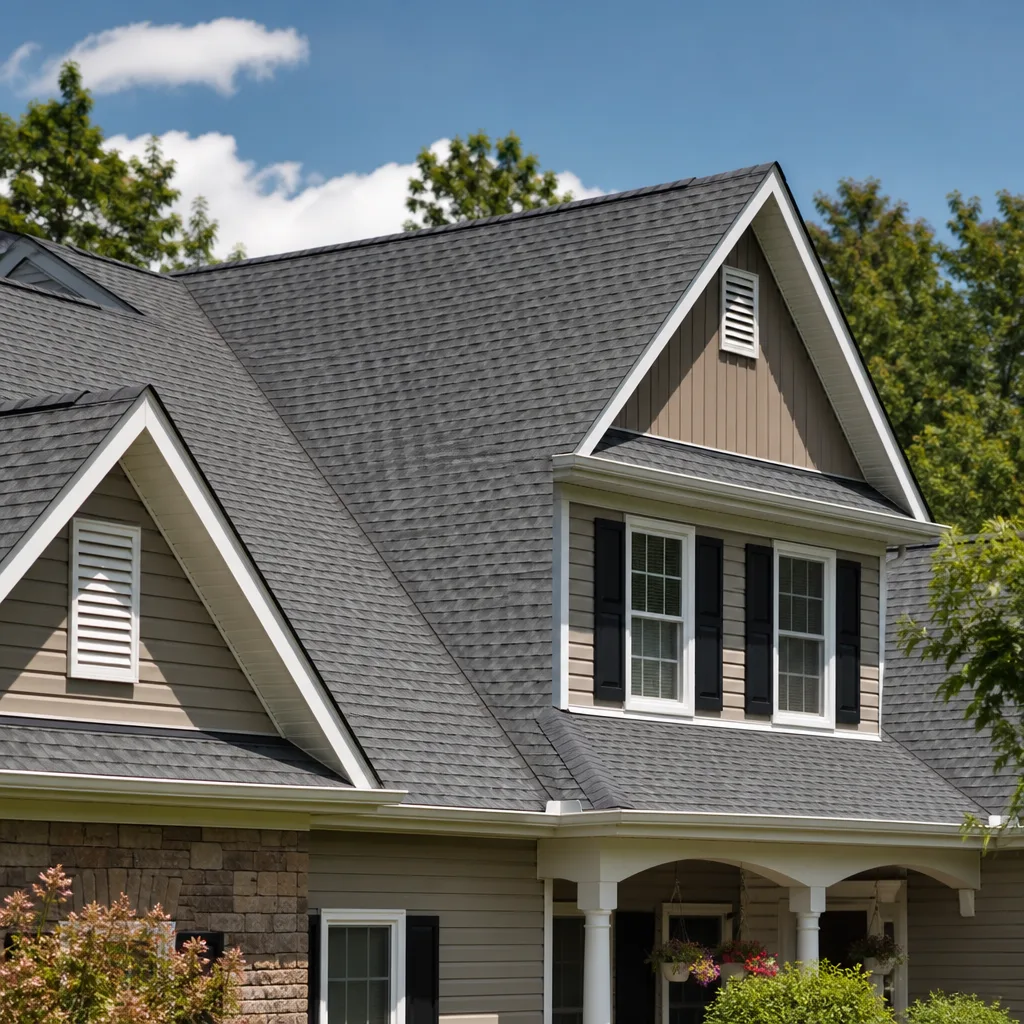
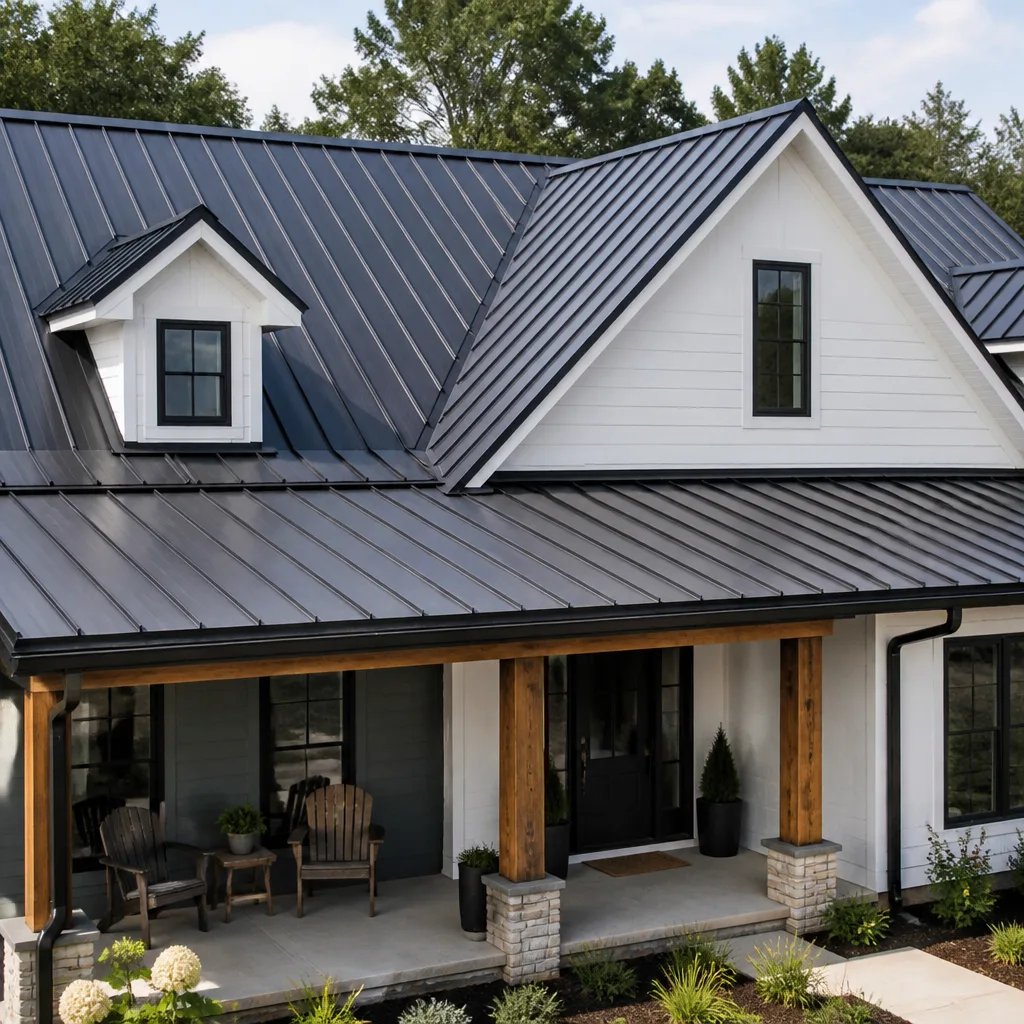
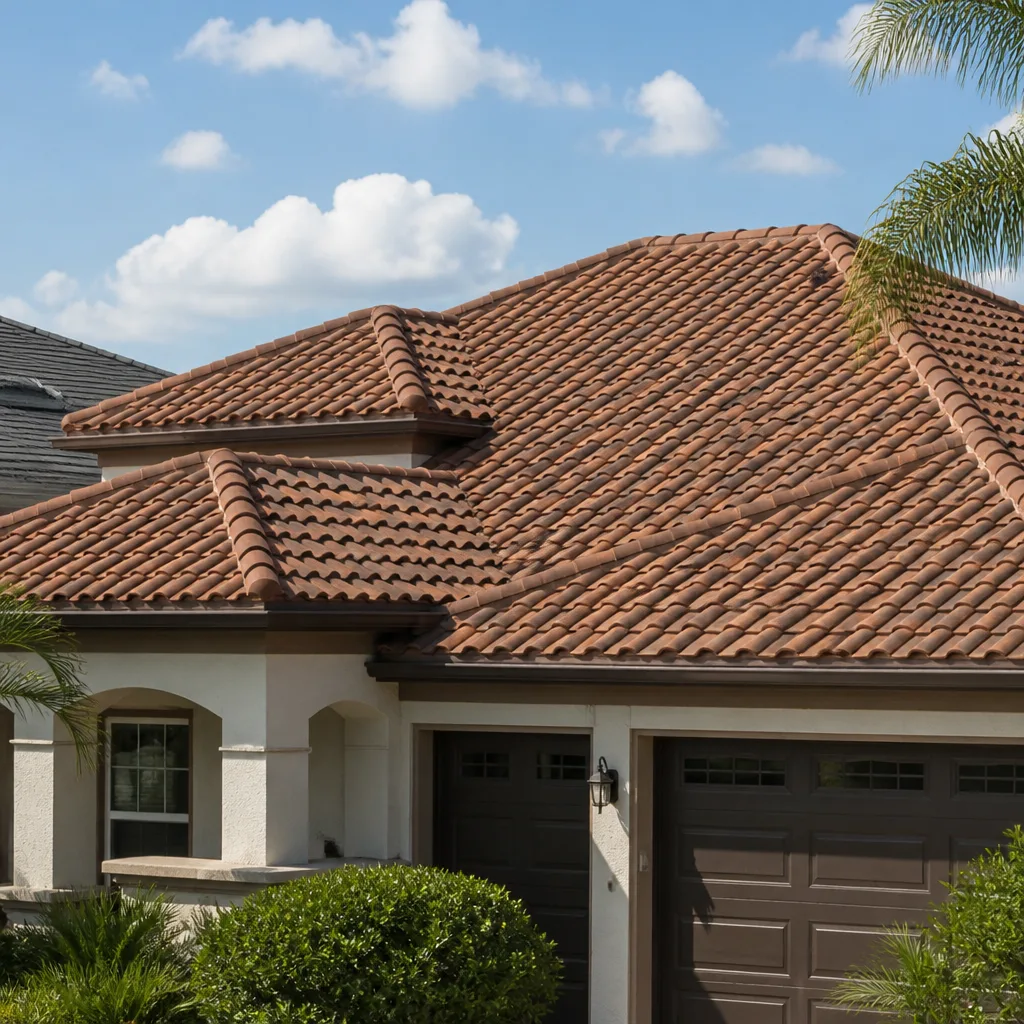
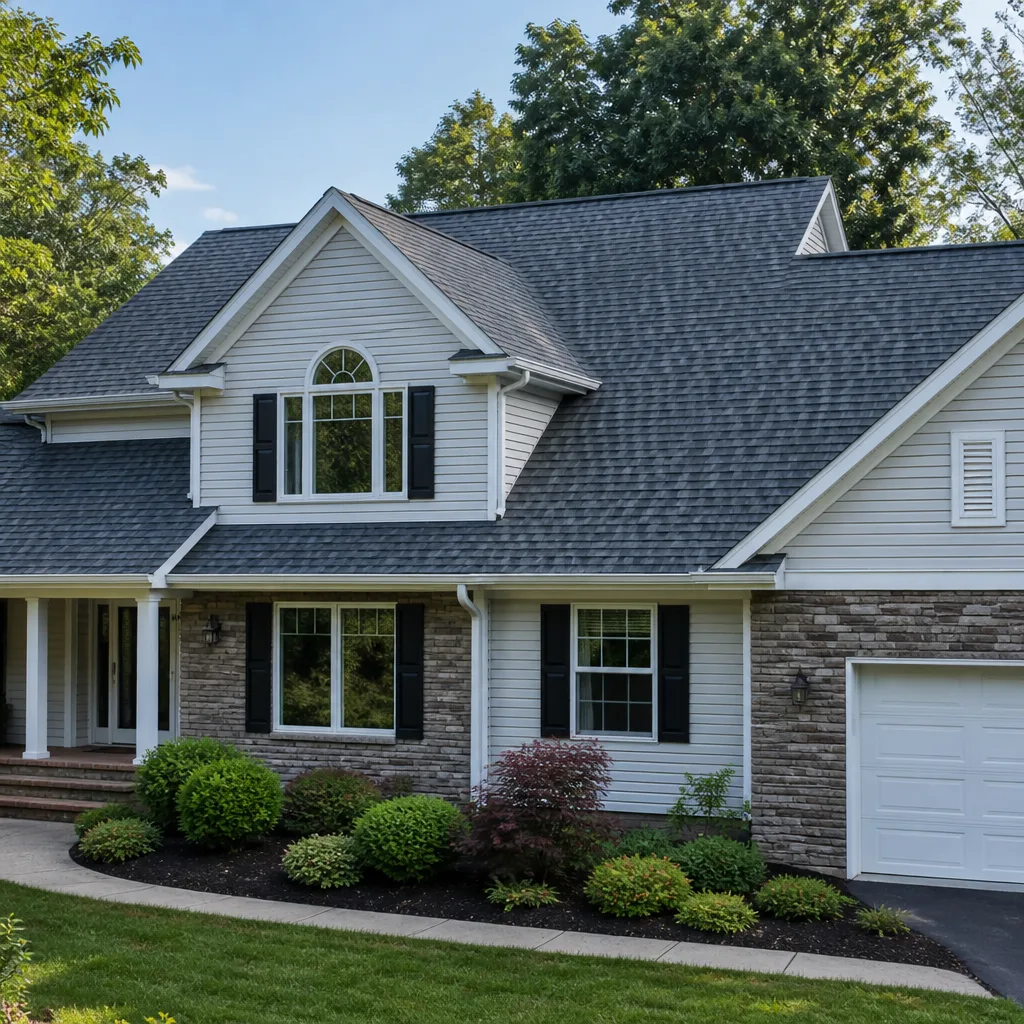
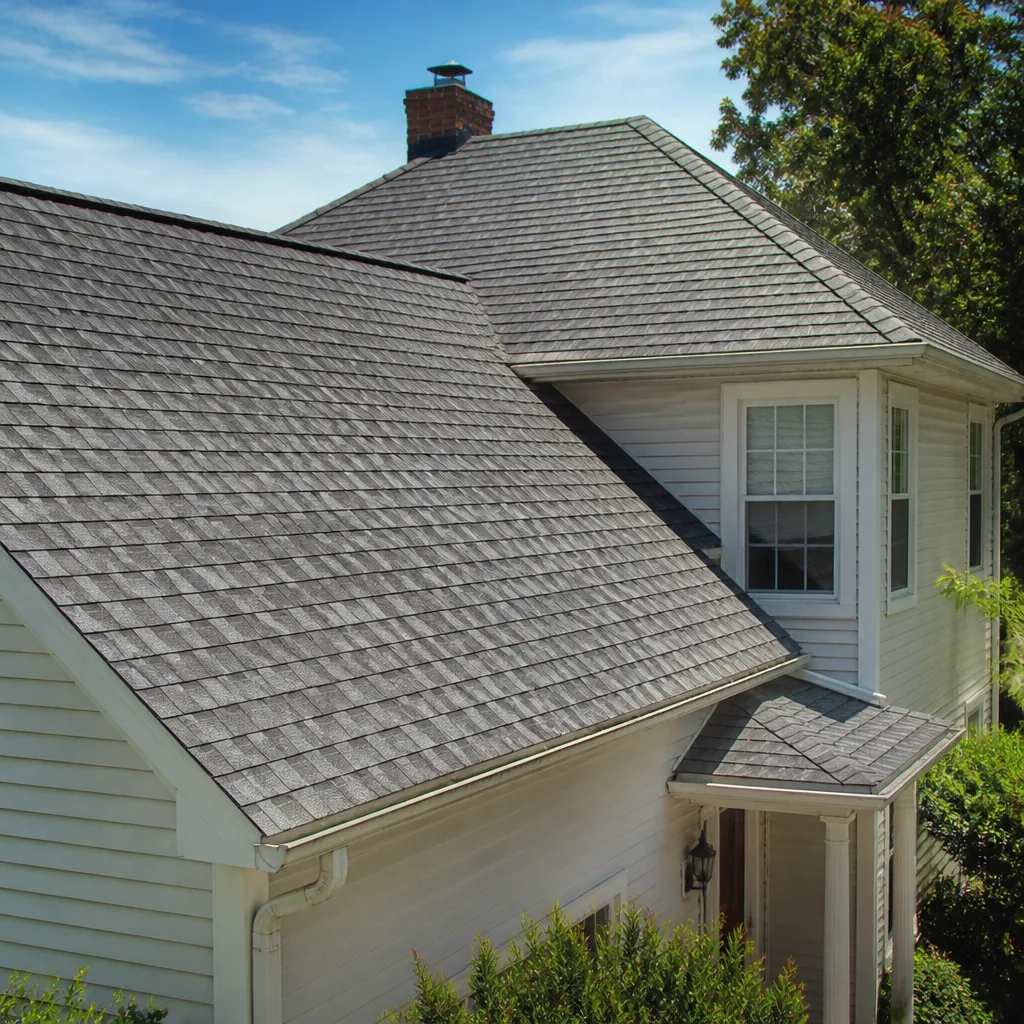
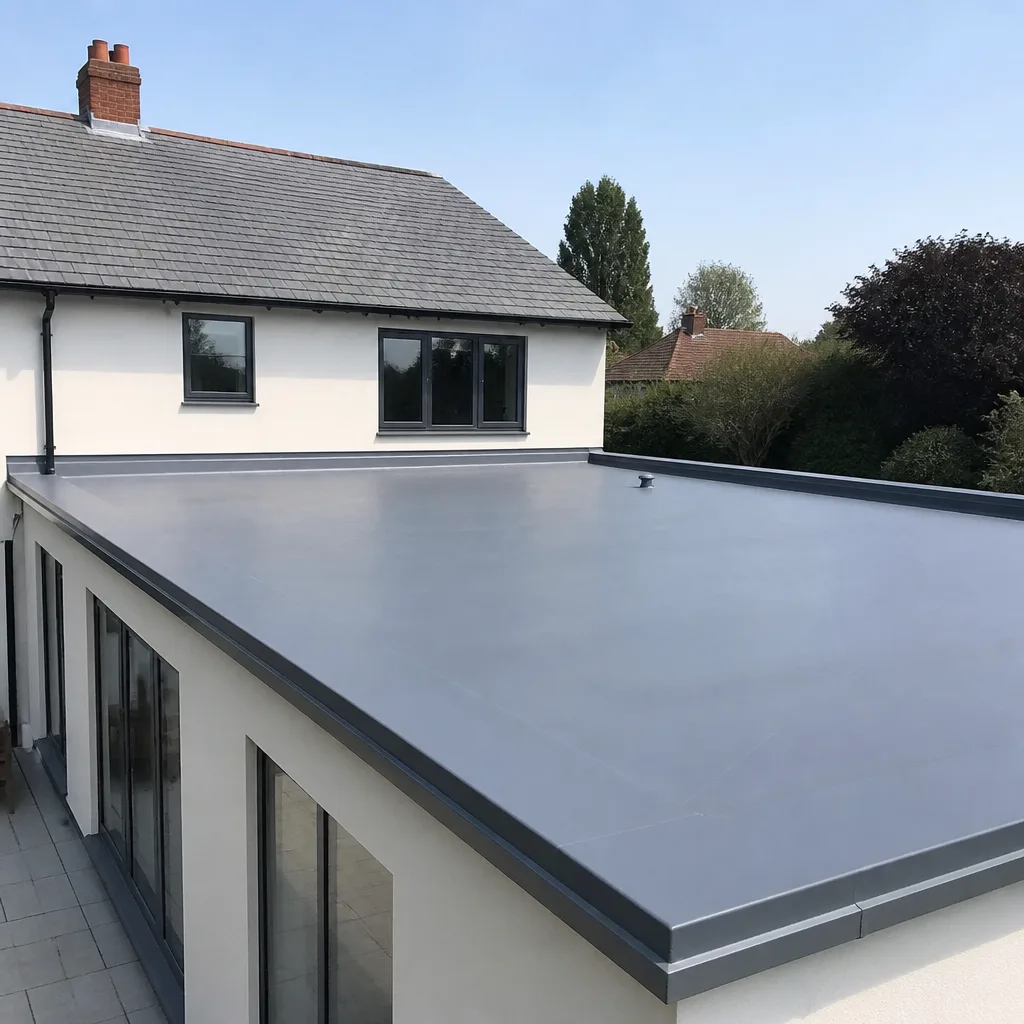
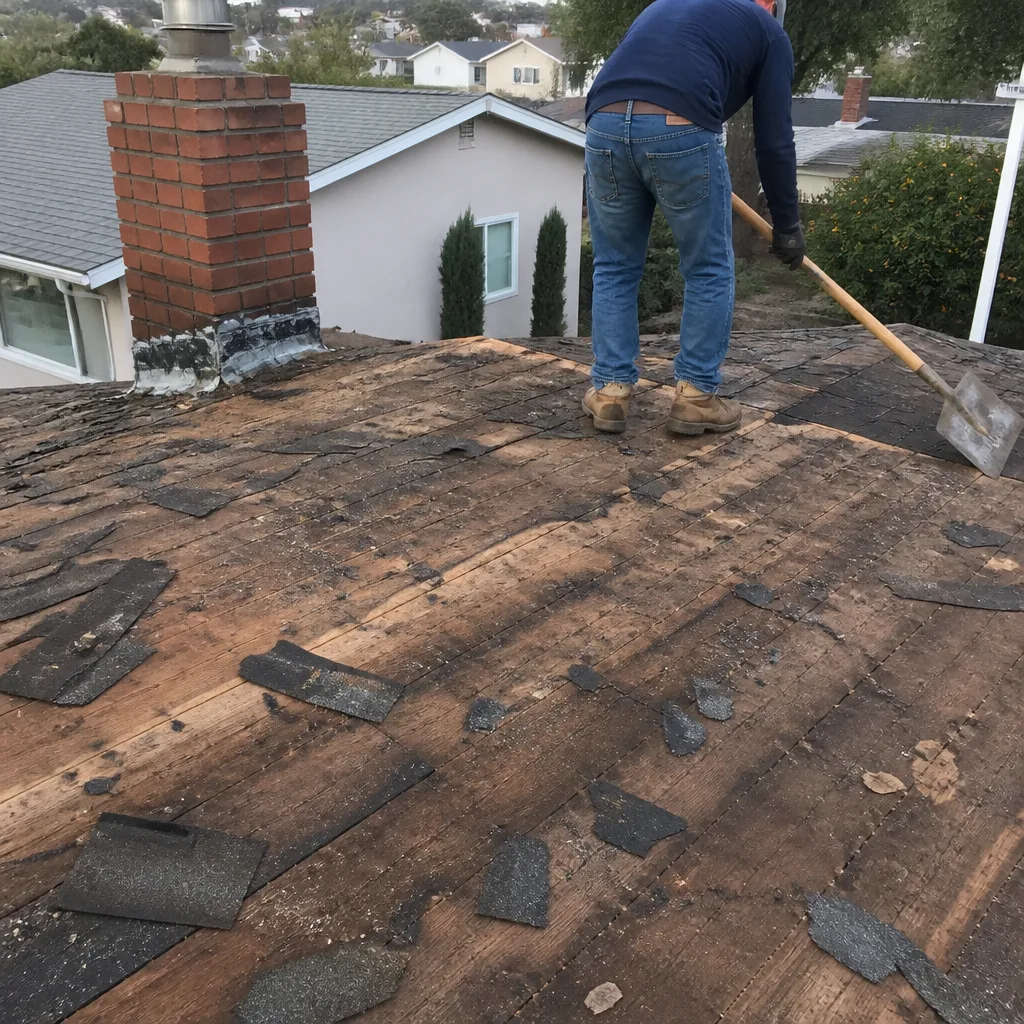 Before
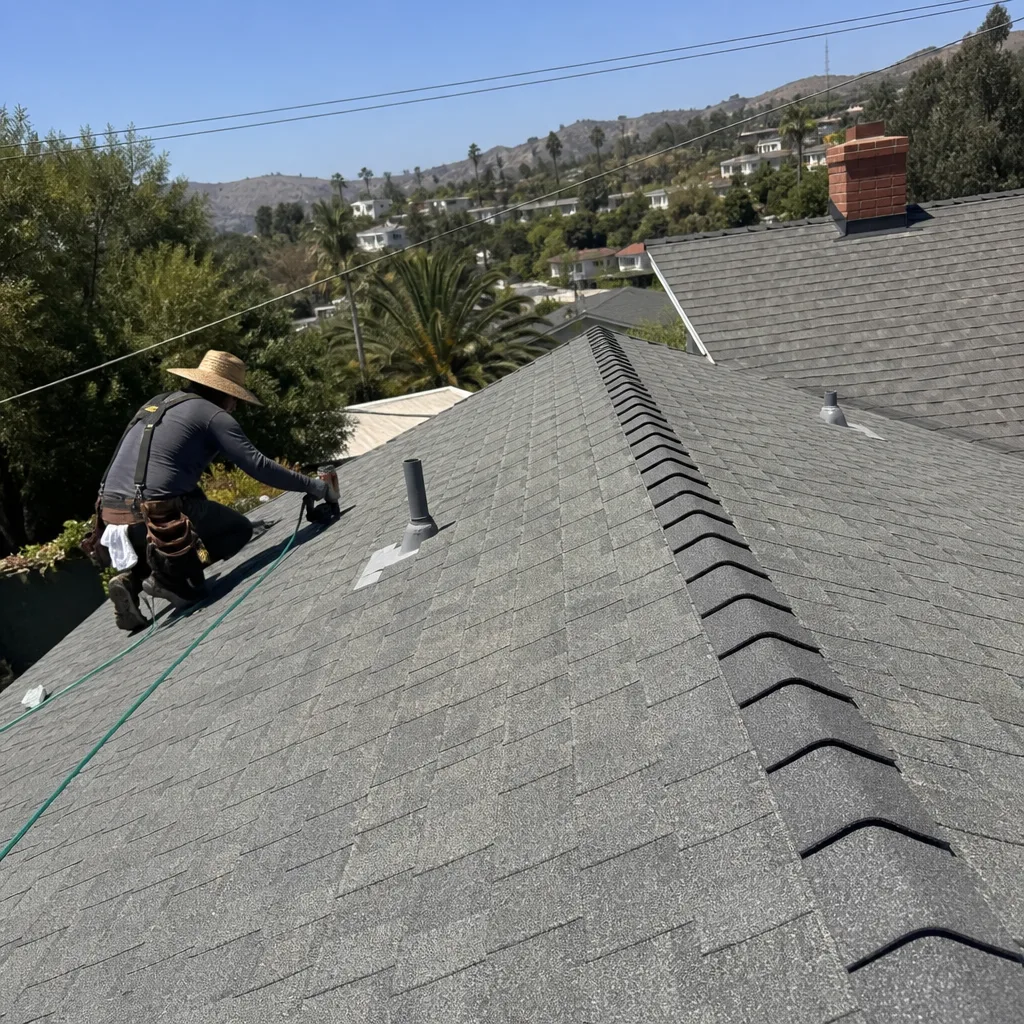 After
After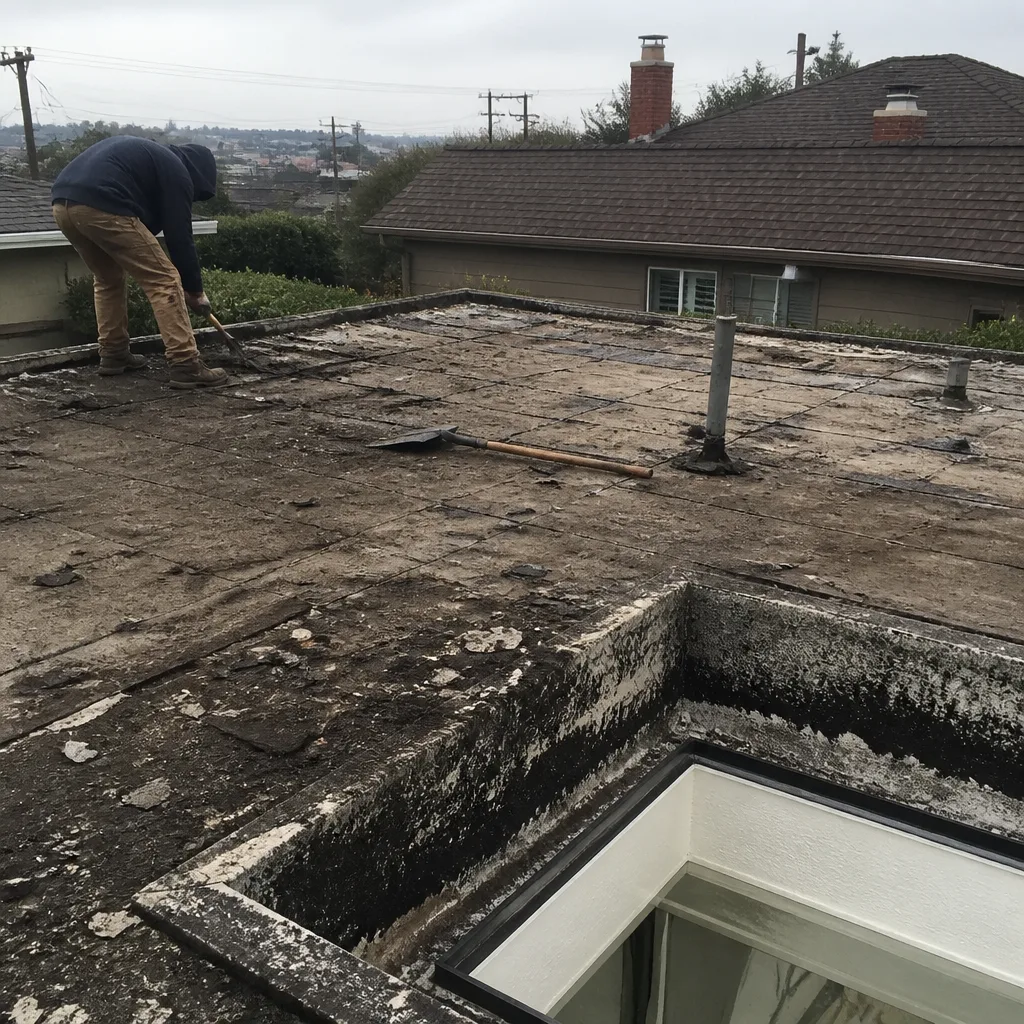 Before
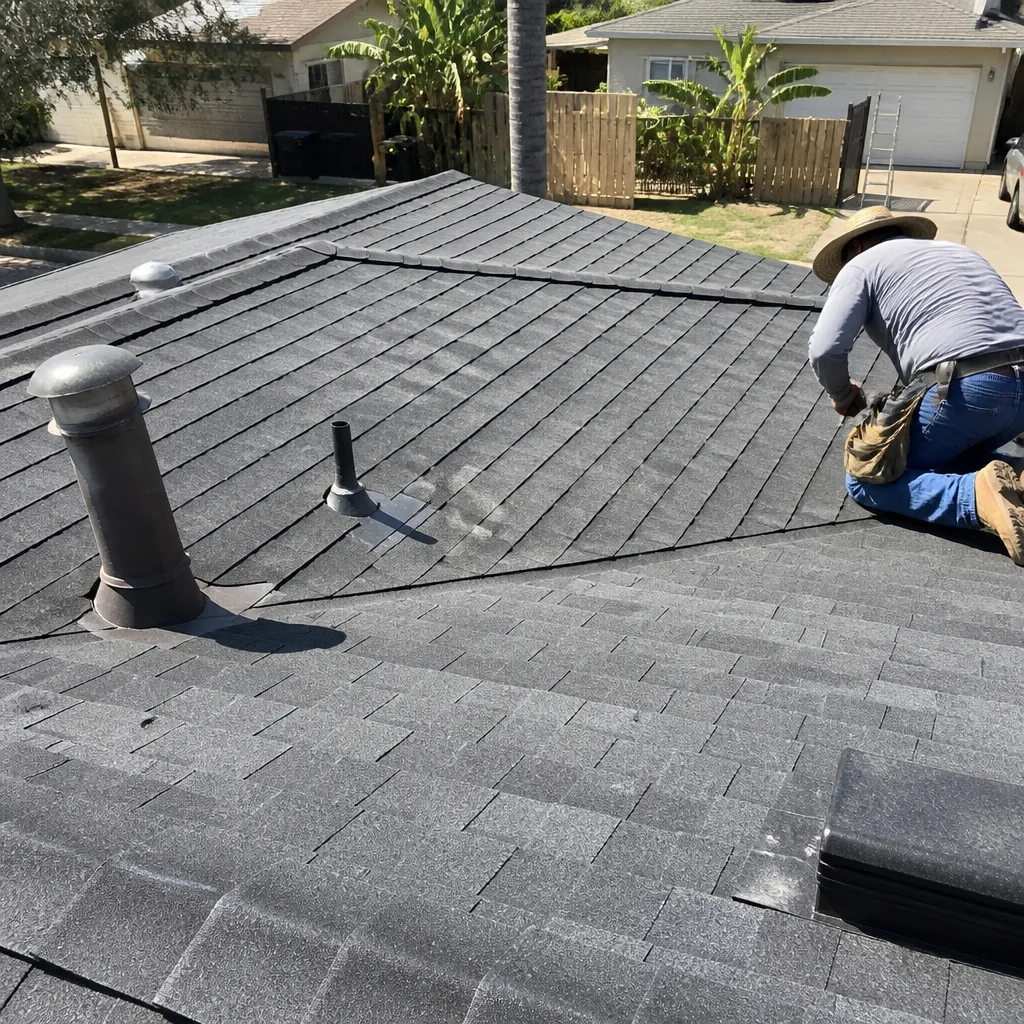 After
After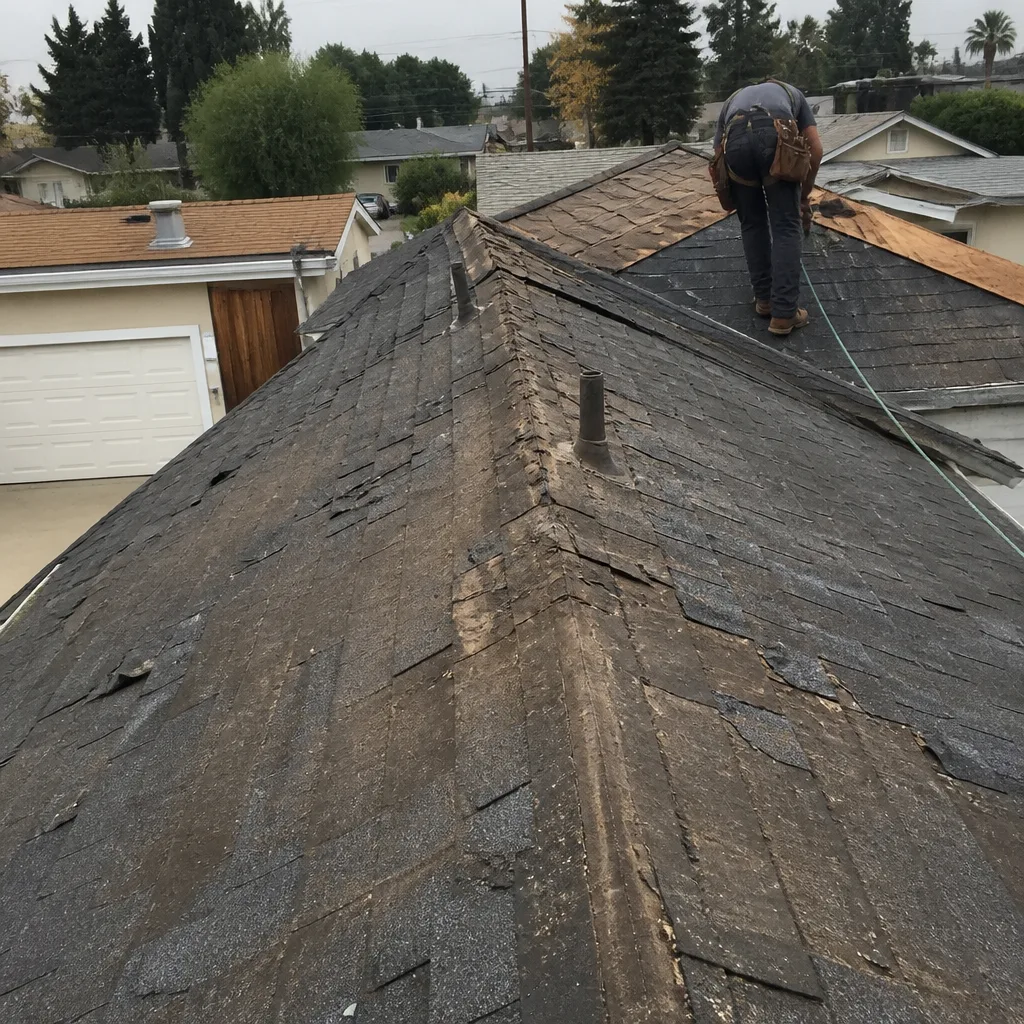 Before
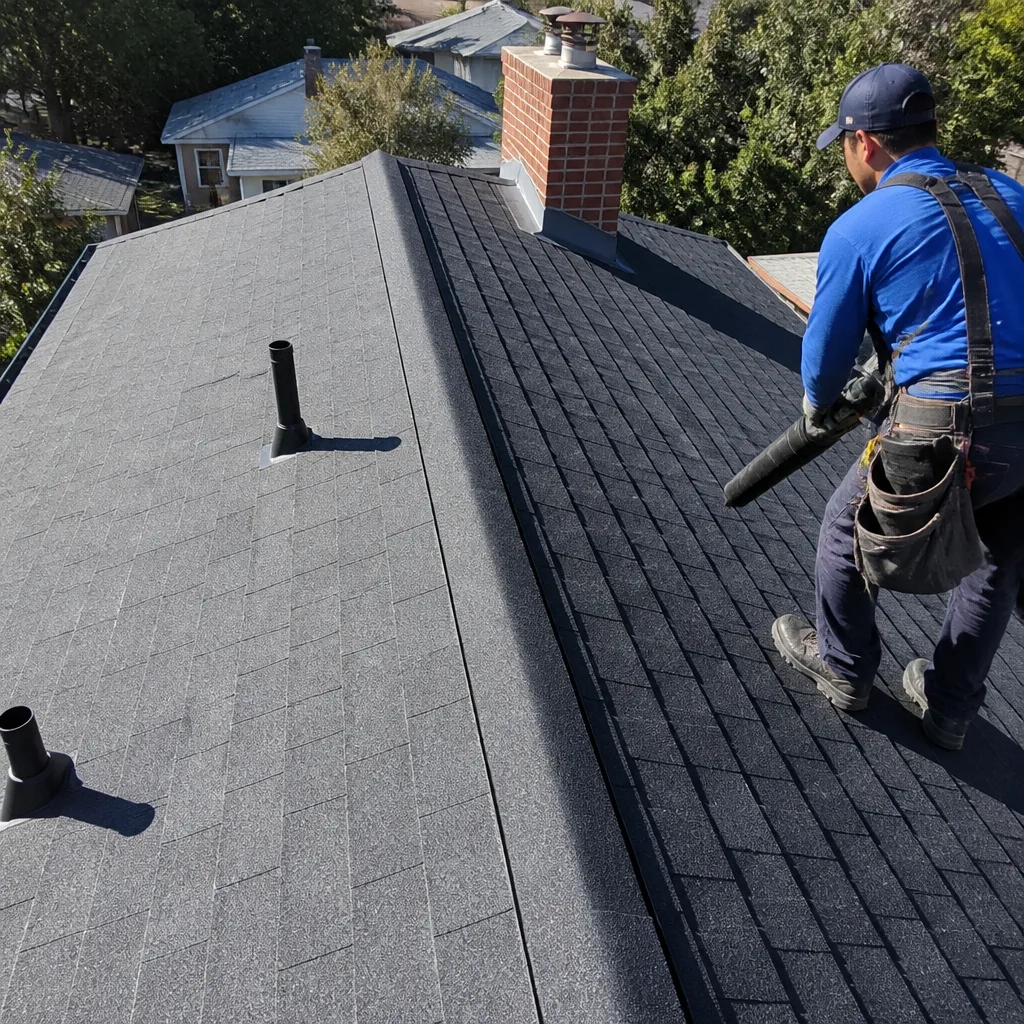 After
AfterHow to Hire a Roofing Contractor in Los Angeles: A Step-by-Step Guide
In California, a roofing contractor can legally start a job with nothing more than a verbal agreement – and the number of LA homeowners who’ve been handed a final bill 40% above what they were told over the phone is not a coincidence. The fix isn’t better negotiation skills; it’s knowing exactly which documents to demand before you say yes. This guide walks you through the hiring process as a paper trail exercise, and you can find more guides & resources on our blog, because in a market as saturated as Los Angeles, every contractor’s trustworthiness shows up in what they’re willing to put in writing before the first nail is pulled.
Quick Answer
Hiring a roofing contractor in Los Angeles starts with verifying their C-39 license and active workers’ comp on the CSLB website, then demanding a written contract with five specific clauses: detailed scope, material specs by brand and grade, milestone-based payment schedule, lien waiver requirement, and written authorization for any change order. Get three written estimates, confirm permit pull responsibility, and never pay more than 10% or $1,000 upfront – whichever is less.
Table of Contents
- How to Verify a Contractor’s License and Insurance in Under 3 Minutes
- The 5 Contract Clauses That Separate Honest Roofers From Hidden-Fee Artists
- How to Compare Written Estimates Apples-to-Apples
- Why Permit Pulling Is a Trust Signal – and What Happens When Contractors Skip It
- LA-Specific Red Flags: Post-Storm Surges and Door-to-Door Scams
- The Transparency Test: Questions About Tracking, Photos, and Digital Records
- How to Structure Payments So You Keep Leverage Until the Job Is Done
- Common Mistakes to Avoid
- When to Call a Professional
- Frequently Asked Questions
How to Verify a Contractor’s License and Insurance in Under 3 Minutes
Every legitimate roofing contractor in Los Angeles must carry a C-39 license – the California-specific classification for roofing work. General B licenses don’t cover roofing as a standalone trade, and anyone telling you otherwise is either misinformed or deliberately misleading you.
Here’s the exact process, which takes under three minutes:
- Go to checkthelicense.cslb.ca.gov
- Enter the contractor’s license number or business name
- Confirm the status reads “Active” – not expired, suspended, or revoked
- Click “Workers’ Compensation Insurance” and verify coverage is current
- Check “Bond History” for a $25,000 contractor bond in good standing
Workers’ comp is the clause most homeowners skip, and it’s the one that matters most. If an uninsured worker falls off your roof in Silver Lake or gets hurt hauling shingles up a steep pitch in the Hollywood Hills, the medical bills land on your homeowner’s insurance – or your personal assets. We’ve seen this scenario twice in our years working across Los Angeles, and both homeowners assumed “they must be covered” because the crew looked professional.
Also verify the business address on the CSLB record matches where they actually operate. A PO box in Nevada paired with a local cell number is a common setup for storm-chasing outfits that blow through Los Angeles after major weather events.
The 5 Contract Clauses That Separate Honest Roofers From Hidden-Fee Artists
The contract is where Los Angeles homeowners win or lose. A proper roofing contract isn’t a formality – it’s the only document that keeps your final bill predictable. These five clauses separate contractors who operate transparently from those who treat the contract as a starting bid.
1. Written Scope of Work With Square Footage and Layer Count
The contract must specify exact roof area in squares (one square = 100 square feet), number of existing shingle layers to remove, and disposal responsibility. In Los Angeles, many mid-century homes in neighborhoods like Encino and Van Nuys have two or even three layers of old roofing. A contractor who quotes “tear-off” without specifying layer count can claim the third layer was “unexpected” and charge $2,000 – $4,000 more.
2. Material Specifications by Brand, Product Line, and Warranty Tier
Vague language like “architectural shingles” or “30-year warranty” is worthless. The contract should name the manufacturer – Owens Corning Duration, IKO Cambridge, or Atlas StormMaster Slate – plus the exact product line, color, and warranty registration process. We specify every material by brand and grade because homeowners deserve to know what they’re paying for, not just what grade the contractor decided to use that morning.
3. Payment Schedule Tied to Milestones, Not Dates
Never agree to “half down, half on completion” without defining what “completion” means. The proper structure: minimal deposit (10% or $1,000 maximum under California law), second payment after tear-off and deck inspection, final payment after final inspection and lien waiver delivery. If a contractor demands 50% upfront to “secure materials,” they’re using your money to float another job.
4. Lien Waiver Requirement Upon Final Payment
A lien waiver is a signed document from the contractor and any material suppliers stating they’ve been paid and waive the right to file a mechanics’ lien against your property. Without this, a supplier your contractor stiffed can come after your house in six months. The contract should state that final payment is contingent on receiving these waivers.
5. Written Authorization Required for Any Change Order
This clause kills the “we found rot in the deck” surprise. Any work outside the original scope requires a written change order with price and description, signed by both parties, before work proceeds. No verbal approvals, no “we’ll figure it out later.” In Los Angeles, where termite damage and dry rot are common in older neighborhoods like Los Feliz and Eagle Rock, this clause protects you from contractors who discover damage and immediately start charging without clear authorization.
How to Compare Written Estimates Apples-to-Apples
Three written estimates is the standard advice, but most Los Angeles homeowners compare them wrong. They look at the bottom line and pick the middle. The correct method: strip out every variable until you’re comparing identical scopes.
Start with a comparison table. For each estimate, note:
- Exact shingle brand and product line (not just “architectural”)
- Underlayment type – felt, synthetic, or ice-and-water shield
- Flashing scope – full replacement or reuse existing
- Deck repair allowance – dollar amount and square footage covered
- Ventilation work – ridge vent, soffit vents, or none
- Warranty terms – workmanship duration and what’s covered
- Permit costs – included or separate line item
- Cleanup and disposal – included or extra
A $14,000 estimate with full synthetic underlayment, new flashing everywhere, and a 10-year workmanship warranty is not comparable to an $11,000 estimate with 15-pound felt, reused flashing, and a 2-year warranty. The cheaper job often costs more over the roof’s lifespan.
In Los Angeles, where summer heat and Santa Ana wind cycles accelerate shingle aging, ventilation specifications matter more than in milder climates. An estimate that ignores ridge vent installation in a Pasadena attic that hits 140°F in August is missing a major factor in how long your new roof will last.
Ask each contractor to explain their estimate line by line. The ones who hesitate, get defensive, or say “it’s all included in the price” without breaking it down are the ones most likely to add charges later. At Crestview Roofing home, we deliver written line-item quotes before any work starts – the number on the page is the number on the invoice.
Why Permit Pulling Is a Trust Signal – and What Happens When Contractors Skip It
Permits are not bureaucratic annoyances. In Los Angeles, a roofing permit means the city has a record of who did the work, what was done, and whether it passed inspection. Contractors who pull permits are on record with LADBS (Los Angeles Department of Building and Safety). Contractors who skip permits leave all liability with you.
Here’s what permit avoidance actually costs homeowners:
- No inspection record: When you sell, the buyer’s inspector flags unpermitted work. You either disclose and discount, or pay for retroactive permits and possible rework.
- Insurance denial: If unpermitted roofing work contributes to water damage, your carrier can deny the claim.
- Code violation fines: LADBS can issue correction notices with daily penalties until permitted work is brought to code.
- No recourse on bad work: Without a permit, the CSLB complaint process is weaker and the city has no inspection to reference.
The permit process in Los Angeles typically adds $200 – $500 and one to two inspection appointments. Any contractor who says “permits just slow things down” or “we’ll save you money by skipping it” is transferring risk from their business to your property.
Verify permit status yourself through LADBS’s online system using the address and permit number. A contractor who says they’ll “handle everything” but won’t give you the permit number is not handling everything transparently.
LA-Specific Red Flags: Post-Storm Surges and Door-to-Door Scams
Los Angeles roofing scams follow predictable patterns tied to weather and disaster cycles. After major Santa Ana wind events, winter rainstorms, or wildfire seasons, contractor populations spike with out-of-state operators who know California’s consumer protection laws just well enough to skirt them.
Watch for these specific red flags:
- Out-of-state license plates on work vehicles: Local contractors serving Los Angeles year-round register vehicles in California. A Texas or Arizona plate on a truck loaded with roofing materials suggests a crew following disaster money.
- Door-to-door solicitation: Legitimate roofers in Los Angeles do not canvas neighborhoods after storms. The CSLB explicitly warns against contractors who show up uninvited offering “free inspections” that always find damage.
- “Today only” pricing: Pressure to sign immediately is a hallmark of high-pressure sales operations, not professional roofing companies. Real estimates remain valid for 30 days.
- Demand for large cash deposits: California caps deposits at $1,000 or 10%, whichever is less. Anyone asking for more is breaking the law or planning to disappear.
- No physical business address: A cell number and generic email with no verifiable office location means no accountability if work fails.
- Insurance claim “specialists” who offer to handle everything: Contractors who volunteer to negotiate your insurance claim directly may be committing illegal public adjusting without a license, or padding claims for kickbacks.
In neighborhoods like Pacific Palisades or Altadena after fire events, these operations are especially active. They know homeowners are stressed, insurance checks are arriving, and inspection backlogs mean less immediate oversight. The contractors who’ve been working in Los Angeles for decades don’t need to knock on doors – their reputation and scheduled appointments keep them busy.
The Transparency Test: Questions About Tracking, Photos, and Digital Records
A contractor’s operational transparency reveals more than any online review. Reviews can be purchased or filtered. But a company that documents every step, shows you who is arriving and when, and delivers digital proof of work operates differently than one relying on verbal promises.
Ask these specific questions and watch for hesitation or deflection:
- “Can I see a live arrival time before your crew shows up?” Contractors using modern dispatch systems can share ETAs. Those still operating on “we’ll be there between 8 and 12” are telling you their logistics are opaque.
- “Will I receive before-and-after photos of the work area?” Photo documentation protects both parties. It proves what condition your property was in, what work was performed, and that cleanup was completed. At Crestview Roofing, this is standard on every job as part of The Relay Visibility Guarantee.
- “How do I receive my invoice?” Digital invoicing by text or email creates a timestamped record. Handwritten paper invoices that “we’ll mail next week” disappear into disputes.
- “Who exactly is coming to my home, and are they background-checked?” You have a right to know who’s on your roof. Uniformed, identified technicians with verified backgrounds operate at a different standard than day-labor crews.
- “What does your warranty cover, specifically, and for how long?” Vague “satisfaction guaranteed” language is meaningless. Our 365-Day Done Right Promise covers every repair for a full year in writing, including a free second visit if the repair fails – no charge, no negotiation, no runaround.
The answers to these questions separate contractors who’ve invested in systems from those running lean operations where accountability is thin. In a city the size of Los Angeles, where you may never see the same crew member twice, documentation is your only guarantee that promises were made and kept.
How to Structure Payments So You Keep Leverage Until the Job Is Done
Payment structure is leverage. The more you’ve paid upfront, the less incentive a contractor has to finish promptly and correctly. California law recognizes this – the $1,000/10% deposit cap exists specifically to prevent homeowners from losing negotiating position.
For a typical Los Angeles roof replacement running $12,000 – $25,000 depending on size and material, here’s a payment structure that protects you:
| Milestone | Payment | What Triggers It |
|---|---|---|
| Contract signing | 10% or $1,000 max | Permit application submitted, start date scheduled |
| Tear-off complete, deck inspected | 40% | Old roofing removed, decking checked for rot, any deck repairs quoted and approved in writing |
| Material installation complete | 40% | New shingles, underlayment, and flashing installed, roof watertight |
| Final inspection passed, lien waivers received | 10% | City inspection approved, all documentation delivered, cleanup verified |
Never release the final payment until you’ve walked the property, confirmed cleanup, and received lien waivers from the contractor and any material suppliers. In Los Angeles, where multiple supplier tiers exist for materials like Tamko Heritage or Atlas Pinnacle Pristine, a supplier your contractor hasn’t paid can file a lien against your home even if you paid the contractor in full.
If a contractor demands payment outside this structure, especially large upfront draws to “order materials,” consider it a warning. Established roofers in Los Angeles have supplier credit lines. They don’t need your money to buy shingles.
Common Mistakes to Avoid
- Accepting a verbal estimate: In California, verbal roofing contracts are legally enforceable – which means you’re bound to a number you can’t prove was quoted. Always demand written estimates with line-item breakdowns.
- Ignoring the attic inspection: A roofer who quotes without looking at your attic ventilation and decking condition is guessing. In Los Angeles, where heat buildup in poorly ventilated attics shortens shingle life, this inspection is essential to accurate pricing.
- Choosing by price alone: The lowest bid often excludes permit costs, proper underlayment, or deck repair allowance. Compare specifications first, then price.
- Paying cash for a discount: Cash discounts usually mean unreported income, which means no paper trail if the work fails. Checks and credit cards create records that strengthen your position in disputes.
- Not verifying the permit was actually pulled: Some contractors claim they’ll pull permits but never file. Check LADBS online with your address before work starts.
- Skipping the final inspection walkthrough: Nail debris in planter beds, damaged gutters, or incomplete flashing details are common issues only visible on close inspection. Don’t sign completion until you’ve verified.
When to Call a Professional
Some roofing situations in Los Angeles demand immediate professional assessment: active leaks during rain, visible sagging in the roof deck, multiple missing shingles after wind events, or granule accumulation in gutters indicating advanced shingle wear. These aren’t DIY opportunities – they’re moments when delay increases damage and cost.
If you’re evaluating contractors and want to experience how transparent roofing service should work, Roof Repair in Los Angeles is where most homeowners start. For full replacement or new construction needs, see Roof Replacement in Los Angeles or Roof Installation in Los Angeles.
Crestview Roofing offers free estimates in Los Angeles – call (325) 246-5075 to schedule yours. You’ll receive a written line-item quote, a live trackable arrival time, and before-and-after photo documentation as part of The Relay Visibility Guarantee.
Frequently Asked Questions
Most standard asphalt shingle roof replacements in Los Angeles run $12,000 – $25,000 for typical single-family homes between 1,500 and 3,000 square feet, with premium materials like Owens Corning Duration Designer or composite tile at the higher end. Steep pitches, multiple layers to remove, deck repairs, and difficult access in hillside neighborhoods like Laurel Canyon or the Hollywood Hills push costs upward. Call (325) 246-5075 for a written estimate specific to your home – estimates are free.
Visit checkthelicense.cslb.ca.gov, enter the license number or business name, and confirm “Active” status plus current workers’ compensation coverage. The entire verification takes under three minutes and is the most important step before signing any contract.
With a proper contract, no. The written scope, material specs, and change-order authorization clause lock the price unless you approve additional work in writing. Without these clauses, price changes are common. At Crestview Roofing, the written price before any work starts is the price on the invoice – no exceptions.
Yes. LADBS requires permits for full roof replacements and most significant repairs. The contractor should pull the permit, include it in the estimate, and schedule required inspections. Unpermitted work creates liability for the homeowner and complicates future property sales.
Most residential asphalt shingle replacements take 2 – 5 days depending on roof size, complexity, and weather. Winter rain can cause delays. A contractor who promises a single-day full replacement on a typical home is either cutting corners or hasn’t assessed the scope accurately.
Ask for two things: the manufacturer’s material warranty (typically 25 – 50 years for architectural shingles) and the contractor’s workmanship warranty. The workmanship warranty covers installation errors – leaks from improperly sealed flashing, for example – and should be in writing with specific duration and coverage. Our 365-Day Done Right Promise covers every repair for a full year, including a free second visit if the repair fails.
The Bottom Line
Hiring a roofing contractor in Los Angeles is a documentation exercise. The contractors worth hiring don’t resist written specifics – they insist on them. Verify the C-39 license and workers’ comp in three minutes on the CSLB site. Demand five contract clauses that eliminate surprise charges. Structure payments to keep leverage. Confirm permits are pulled and inspections passed. And test operational transparency with questions about live tracking, photo documentation, and digital records. The roof over your home deserves a contractor who puts every promise in writing before the first shingle is removed.
Written by Dylan Pace, Owner at Crestview Roofing, serving Los Angeles since 2000.