
Free roof inspection with deck photos before we talk money - GAF and Owens Corning certified installation
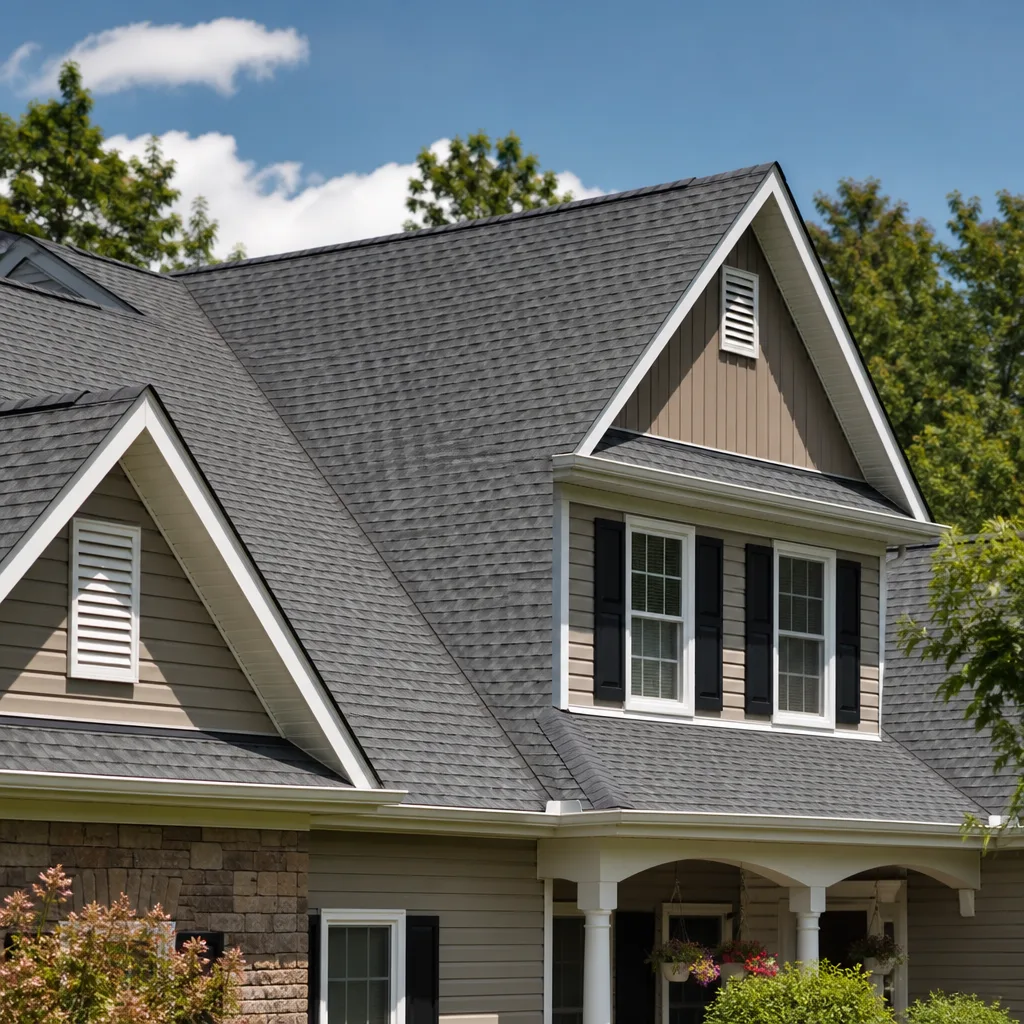
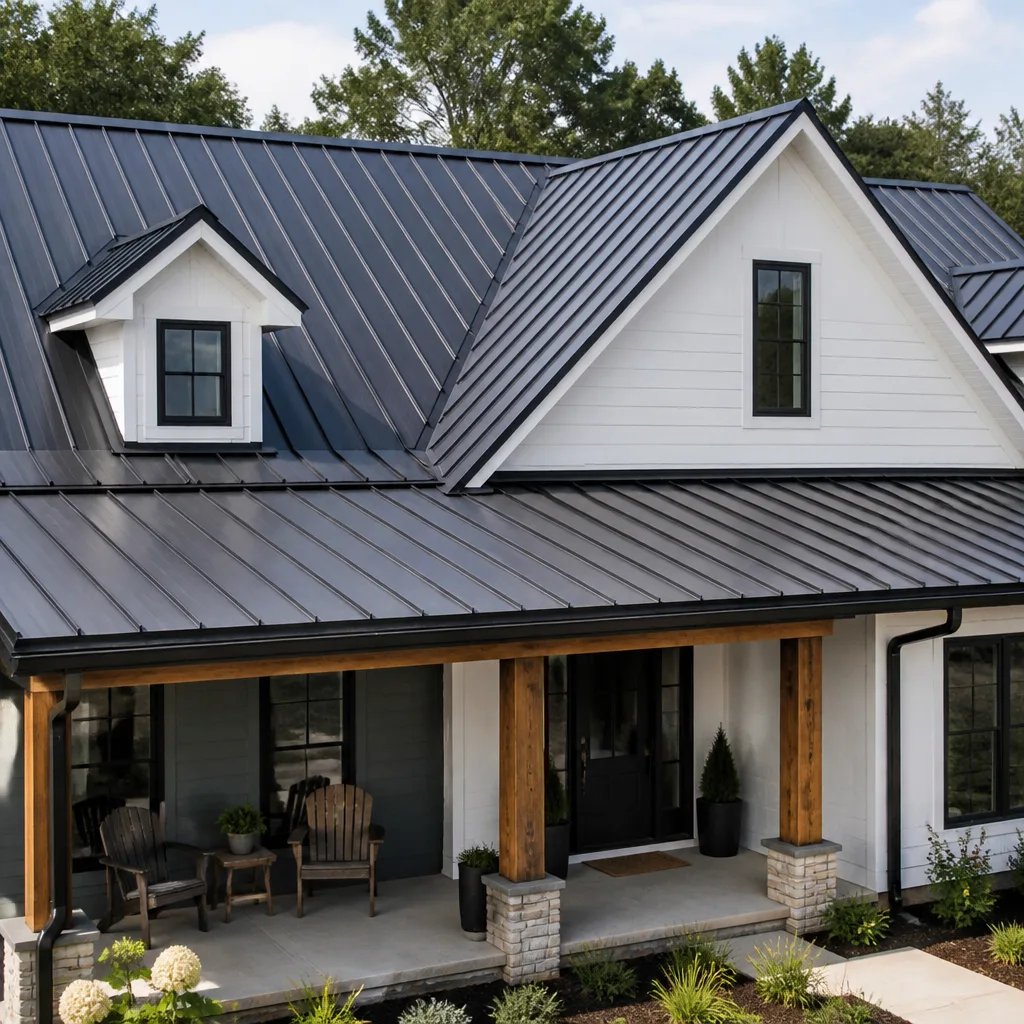
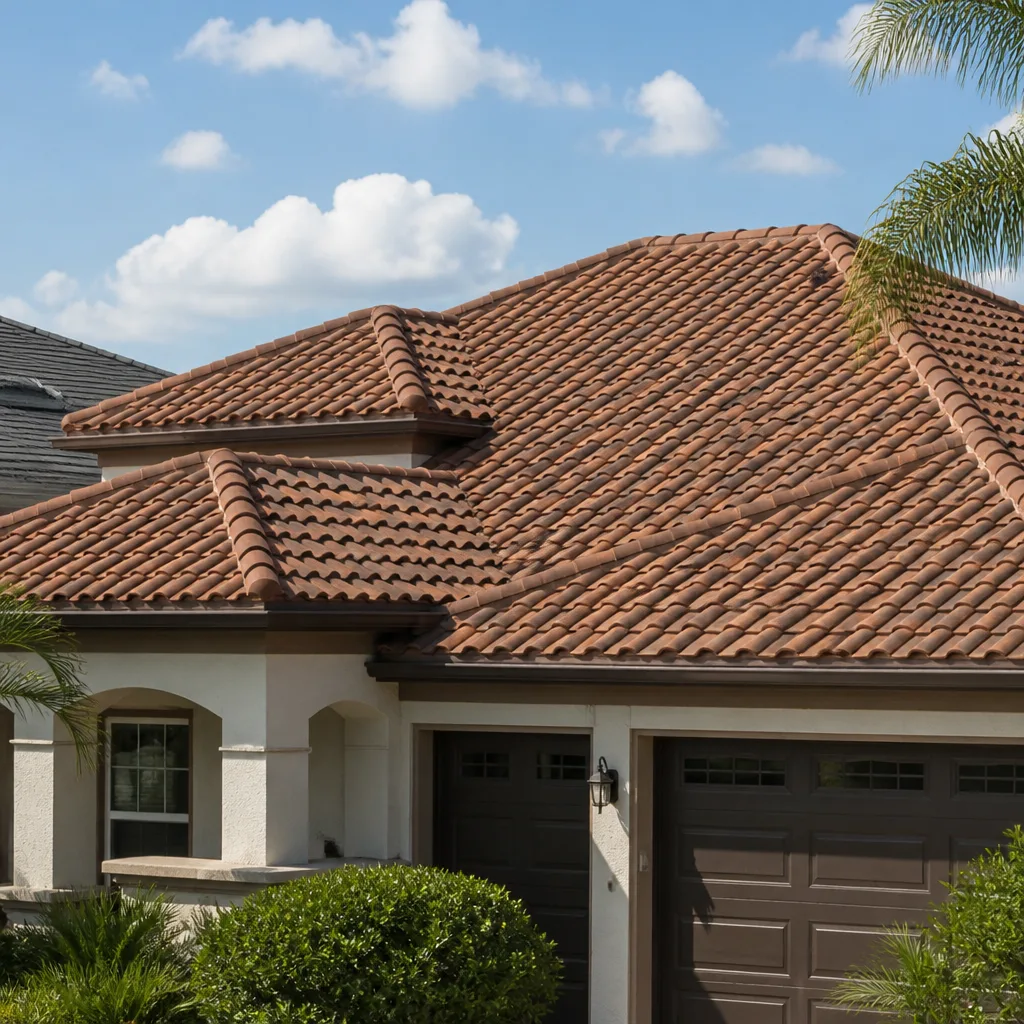
 Before
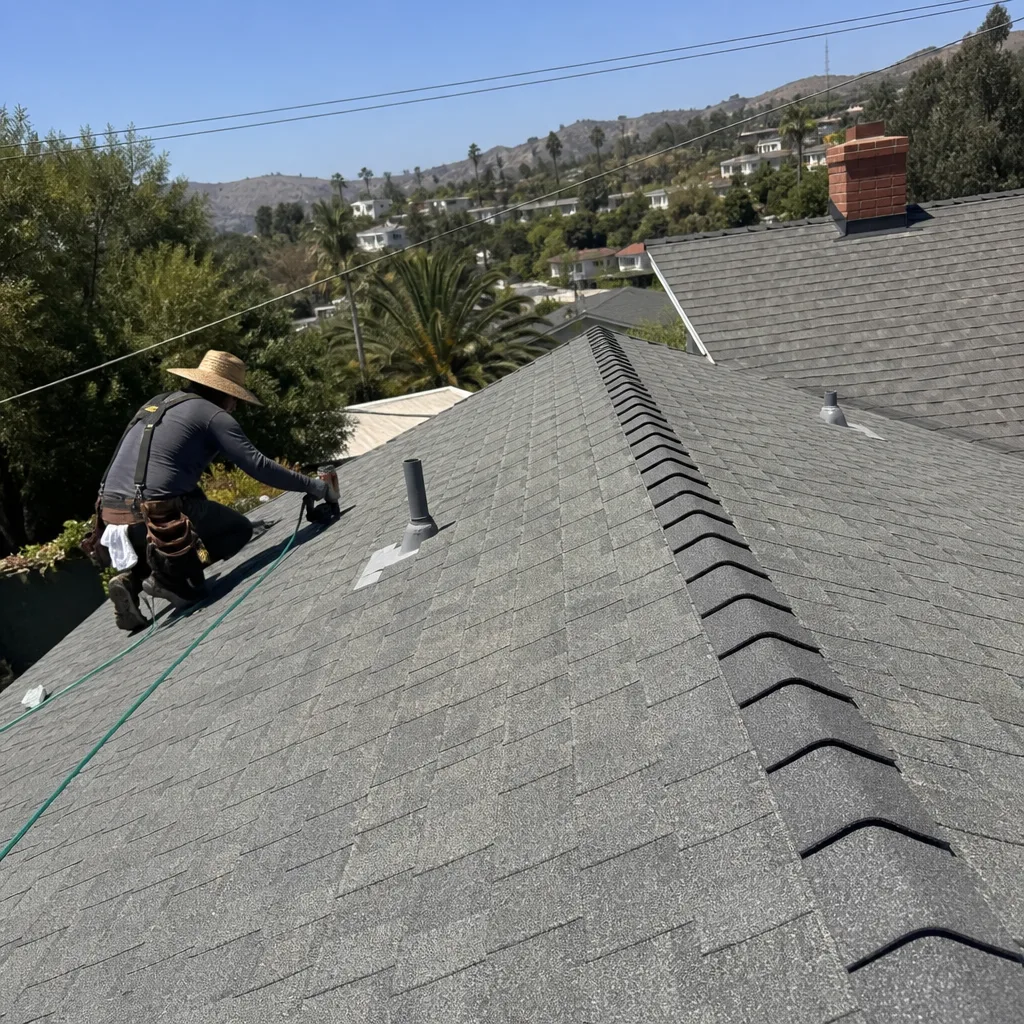 After
After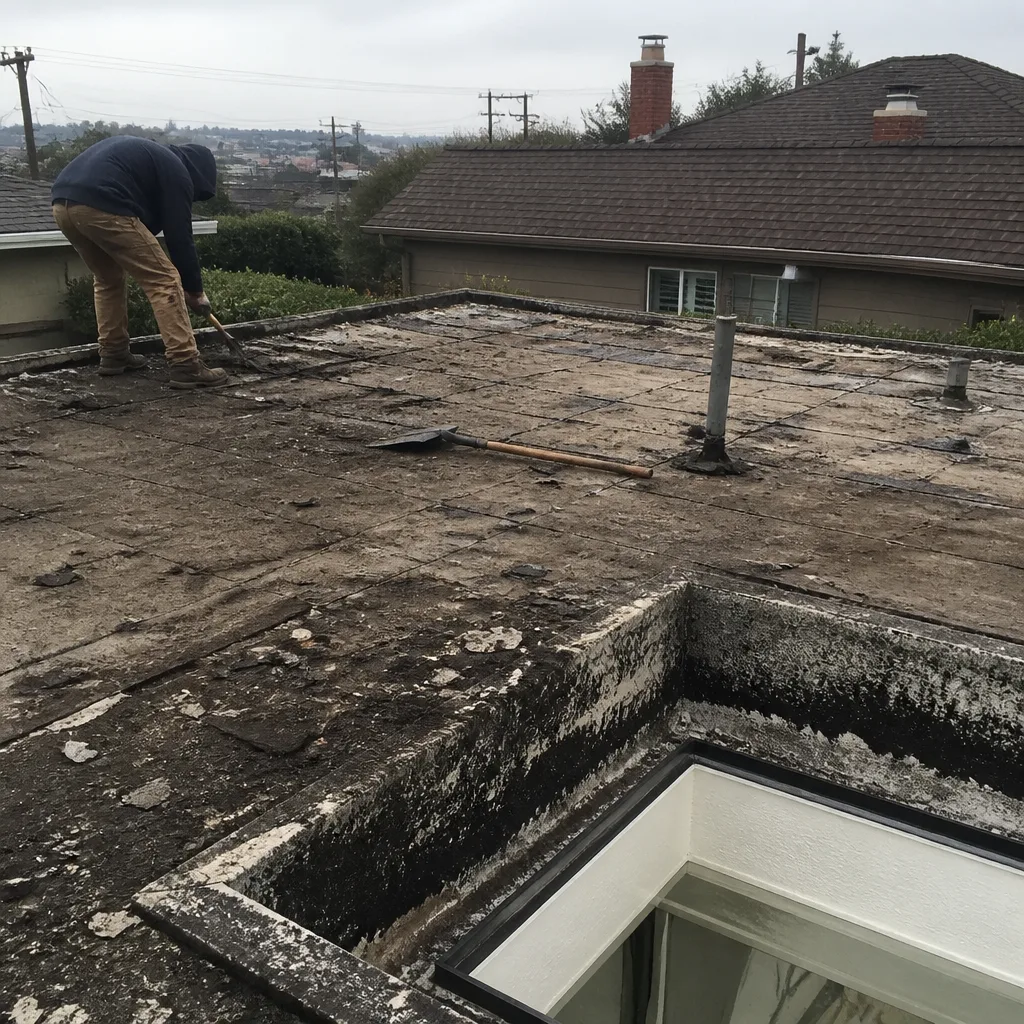 Before
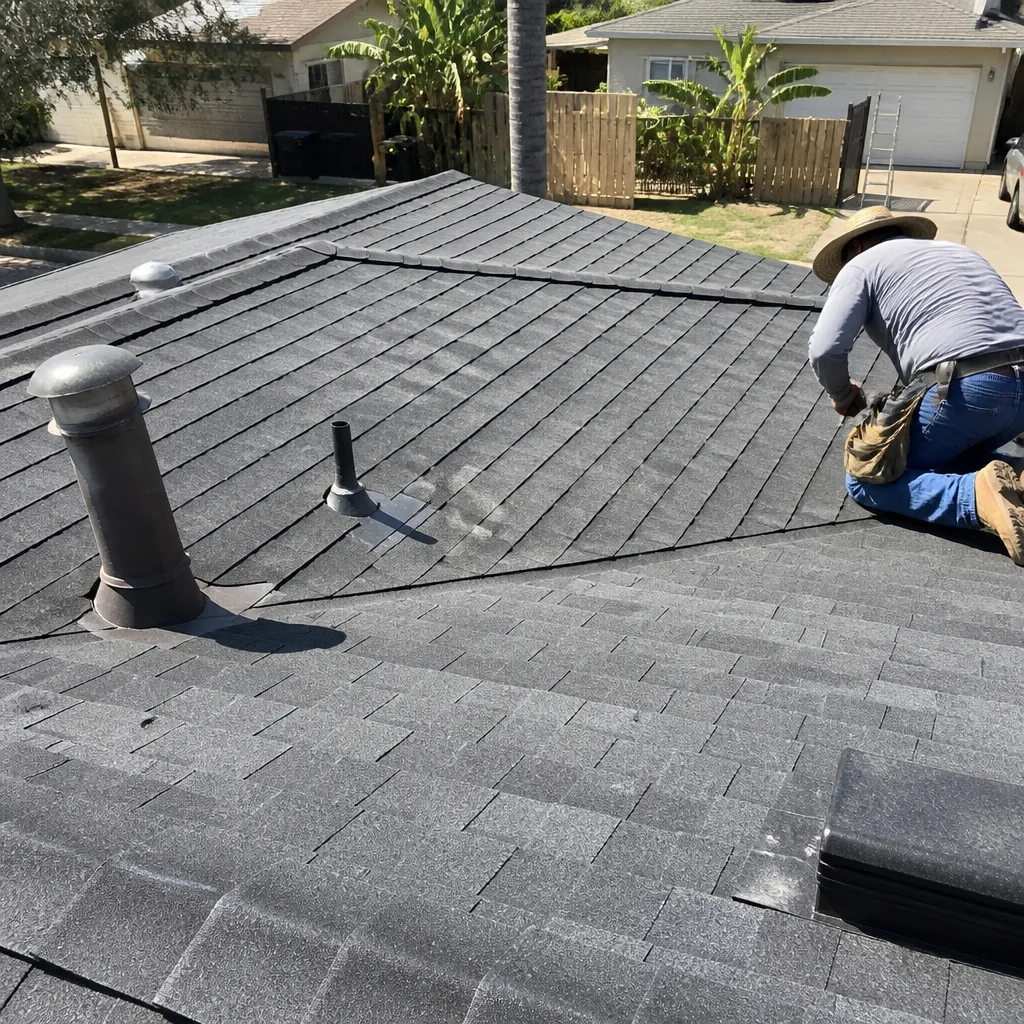 After
After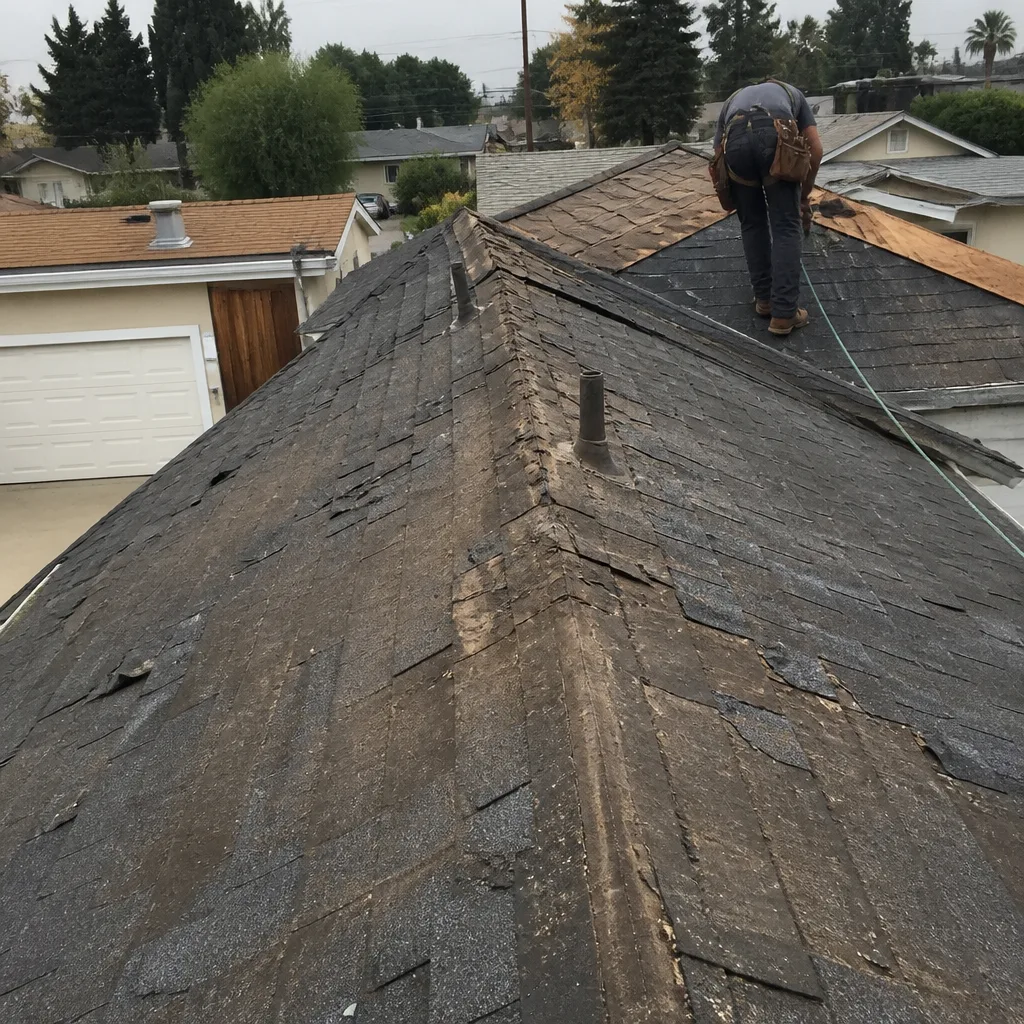 Before
 After
AfterSagging Roof Deck
What’s Happening
A sagging roof deck almost always means the structural layer of wood underneath your shingles – the decking, also called sheathing – has been weakened by moisture, rot, or prolonged load stress. It needs a professional inspection right away. This is not a cosmetic problem.
The roof deck is the flat sheet of plywood or OSB (oriented strand board) that everything else sits on. When it sags, it means that layer has lost its rigidity. Sometimes it’s isolated to one soft spot near a valley or a vent. Sometimes it runs along a full rafter bay. Either way, what you’re seeing from the ground – or feeling when you walk on the roof – is a structural warning, not surface wear. Shingles don’t sag on their own. Something underneath gave way, and the longer it sits, the more of the surrounding deck it tends to pull with it.
Why It Happens
Moisture Damage and Rot in the Sheathing
This is the most common cause. Water gets in through a failed flashing, a cracked shingle, or a clogged valley, and it sits on top of the OSB or plywood for weeks or months before you notice anything. The wood fibers break down, the panel loses its stiffness, and it begins to deflect under its own weight. If you can see a dark stain on your ceiling or attic decking directly below the sag, moisture rot is almost certainly the culprit.
Rafter or Truss Damage
The sheathing can only hold its shape if the rafters or trusses underneath are holding theirs. A cracked rafter – from impact, age, or an overloaded roof after a heavy snow or ice event – causes the deck to drop between support points. If the sag runs in a straight line along one section of the roof rather than appearing as a rounded soft spot, look in the attic at the rafter directly below it. A split or bowed rafter will usually be visible from inside.
Inadequate Ventilation Baking the Deck
Attics that don’t breathe properly trap heat and humidity. Over years, that cycling heat warps and weakens the sheathing from the underside, even without an obvious leak. If the sagging is spread across a wide area rather than centered on one spot, and your attic feels like a furnace in warm months, poor ventilation may be the underlying driver. The sag, in this case, is the final signal after years of slow degradation.
Original Installation Errors
Sheathing panels that were spaced too far apart, fastened with the wrong nail pattern, or installed with insufficient thickness for the rafter spacing will eventually deflect. This type of sag tends to show up in a regular, repeating pattern – slight dips between each rafter, sometimes called “picture framing” – rather than one isolated problem area. If the roof is relatively young and the sag looks uniform, this is worth flagging to your technician immediately.
What to Do Right Now
- Stay off the roof. A deck that has sagged is structurally compromised. Walking on it risks breaking through. This is a hard stop – leave the inspection to a trained technician.
- Go into the attic if you can do so safely from a fixed ladder. Look for visible cracks in rafters, dark staining on the underside of the sheathing, soft or spongy panels, or daylight coming through. Photograph everything you see before anyone arrives.
- Check the ceiling below the sag for water stains or bubbling paint. If you see either, put a bucket down and stop using the room above if there’s a second floor.
- Photograph the sag from outside. Use your phone and shoot from the ground or from an upstairs window if it gives you a clear angle. Capture the full shape of the depression – wide or narrow, one end or both. Your technician will want to see this.
- Call now, don’t wait until the weekend. A sagging deck does not hold at a fixed point. Rain, additional load, or temperature swings can accelerate the collapse. Call (325) 246-5075 – a live person picks up, any time of day.
How We Fix It
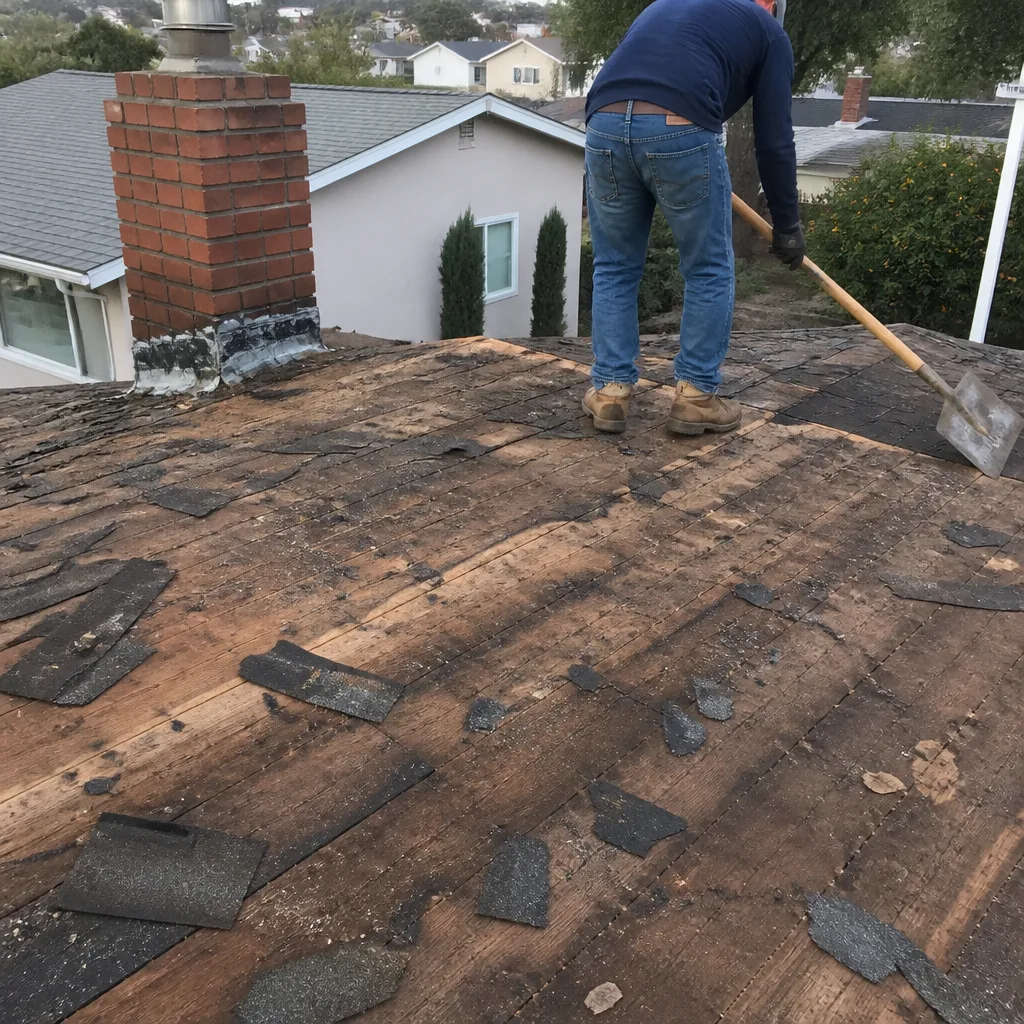
When your local Crestview Roofing team arrives, the technician starts in the attic, not on the roof. The goal is to understand exactly how far the damage extends before anything is removed. From there, the affected sheathing panels are marked, the overlying shingles are carefully stripped back to clean, undamaged material, and the rotted or broken decking is removed and replaced with new panels matched to the original thickness and span rating.
If a rafter is cracked or deflected, it’s sistered – meaning a new length of dimensional lumber is fastened alongside it to restore the structural line. Once the framing is solid, new sheathing goes down, followed by underlayment and shingles using materials from manufacturers like GAF, CertainTeed, Owens Corning, or whichever brand matches your existing roof. Most single-section repairs take one to two days on site. Larger decks with widespread rot take longer, and the written estimate will reflect the full scope before any work starts. That price doesn’t change at the door – ever. Every repair is covered by the 365-Day Done Right Promise: if it fails within a year, we come back at no charge.
The service that handles this is Roof Repair for localized damage, or Roof Replacement if the inspection shows the damage has spread across a significant portion of the deck.
Frequently Asked Questions
Yes – a sagging deck is a structural failure, not a surface problem. The compromised section can worsen quickly under rain, wind, or any additional weight, and in a severe case it can collapse inward. Do not walk on the affected area. Call (325) 246-5075 to get a technician out as soon as possible.
It should not. A sagging deck that stays exposed to weather will continue to rot, and the damage spreads into adjacent panels and framing faster than most homeowners expect. What might be a targeted repair today can turn into a much larger replacement job if it sits through a few more rain cycles. Call (325) 246-5075 – the estimate is free and it costs nothing to know exactly what you’re dealing with.
Your local Crestview Roofing team schedules based on current availability in your area – call (325) 246-5075 and a live person will tell you exactly when someone can be there. You’ll get a real arrival time you can track, not a four-hour window. No voicemail, no waiting until Monday.
The price depends on how much decking has failed, whether any rafters need to be sistered, and what material is going back on top. There’s no honest flat number to give here without seeing the roof. What we can tell you is that every estimate from Crestview Roofing is free, written, and delivered before any work begins – that number is the number on your invoice. Call (325) 246-5075 to schedule yours.
Get It Fixed
A sagging deck isn’t a watch-and-wait situation. Call (325) 246-5075 right now and a live person will pick up. Your local Crestview Roofing team will get eyes on it, give you a written price before anything starts, and back every repair with the 365-Day Done Right Promise. Free estimate, no runaround.
Written by Dylan Pace, Owner at Crestview Roofing, part of the Relay Home Co. family, serving homeowners nationwide since 2000.
What Our Customers Say
"Gutters and drip edge done at the same time. No extra trips."
- Mia R."Leak near the chimney. They resealed the flashing and I got before and after photos by text."
- Troy N."Booked an inspection online and got a text with the inspector's name and ETA. He sent photos from the roof. Showed me the lifted shingles and fixed them the next day."
- Matt B.