
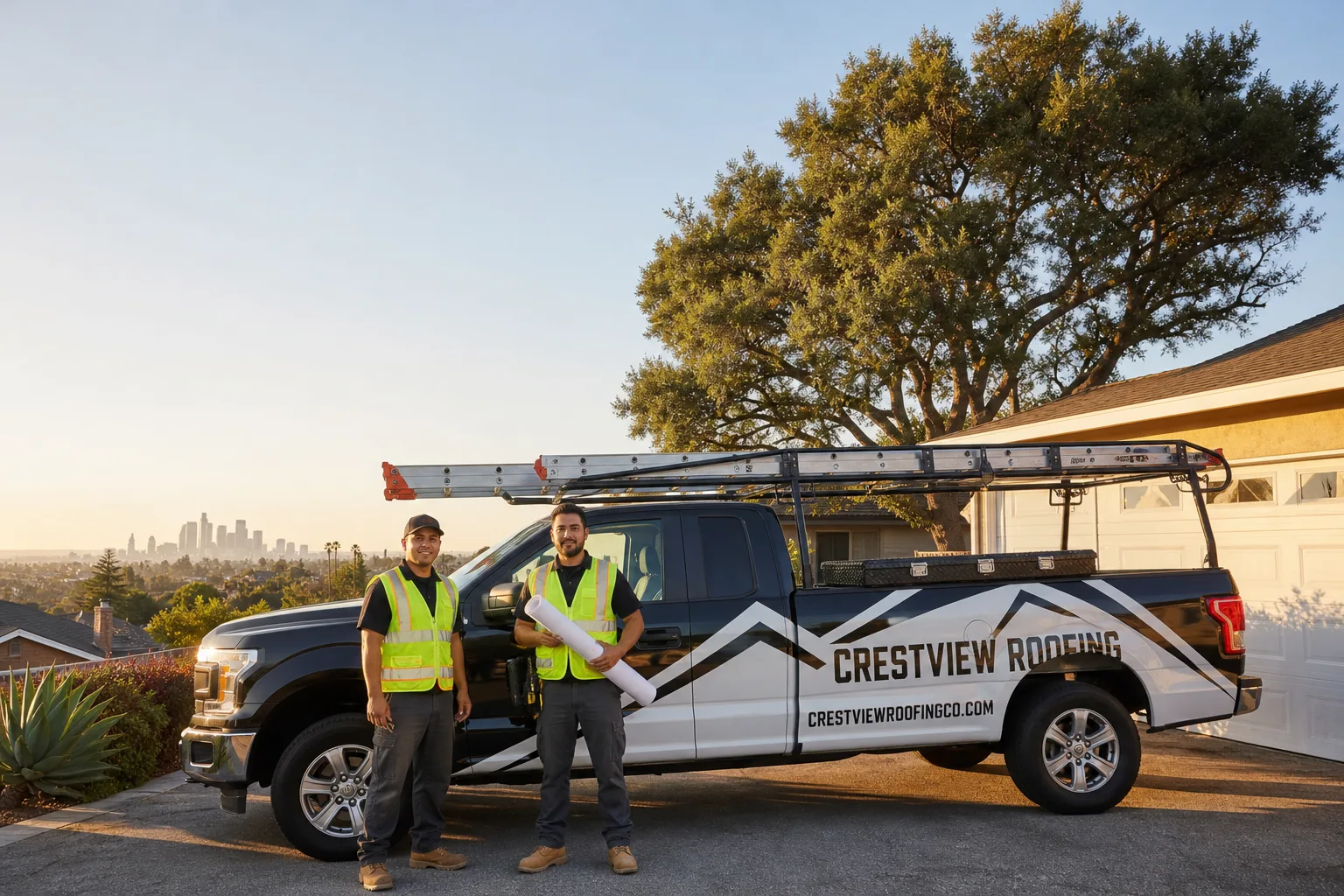
Free roof inspection with deck photos before we talk money - GAF and Owens Corning certified installation
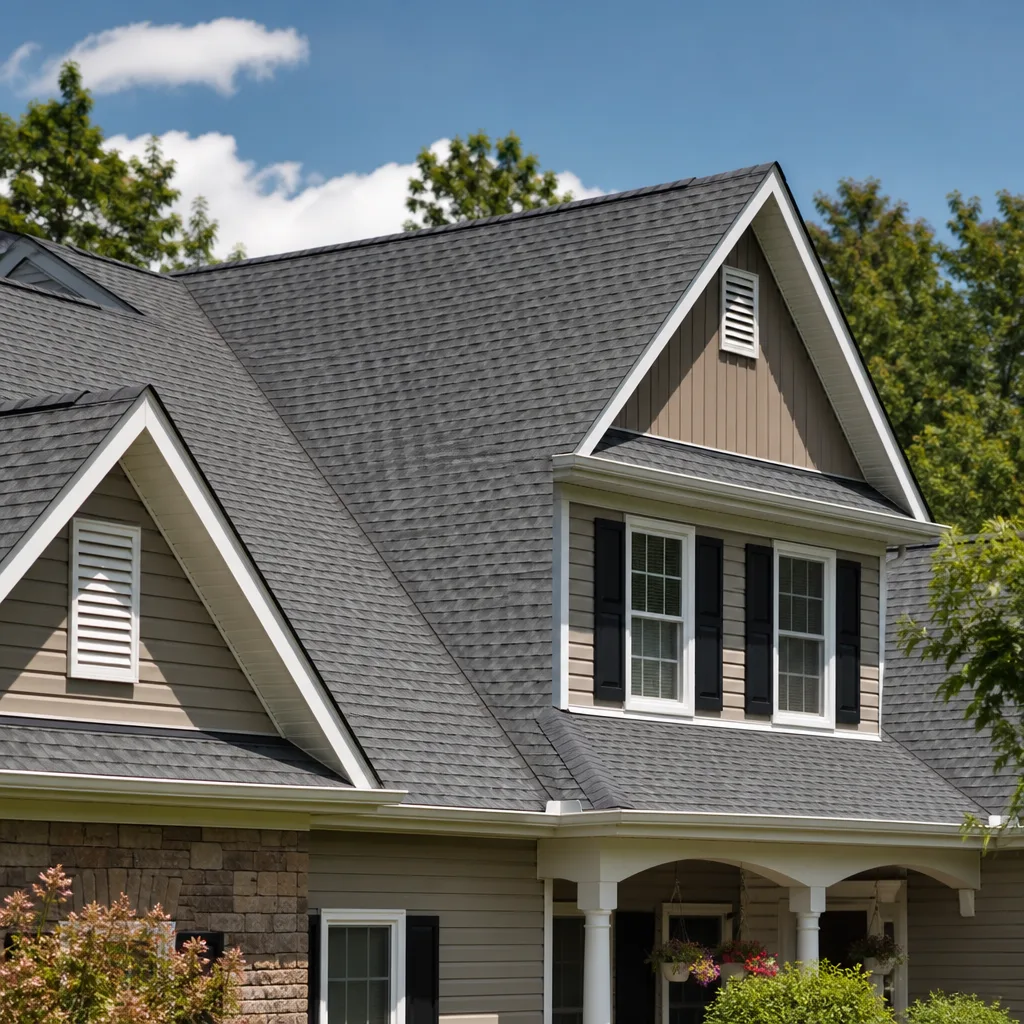
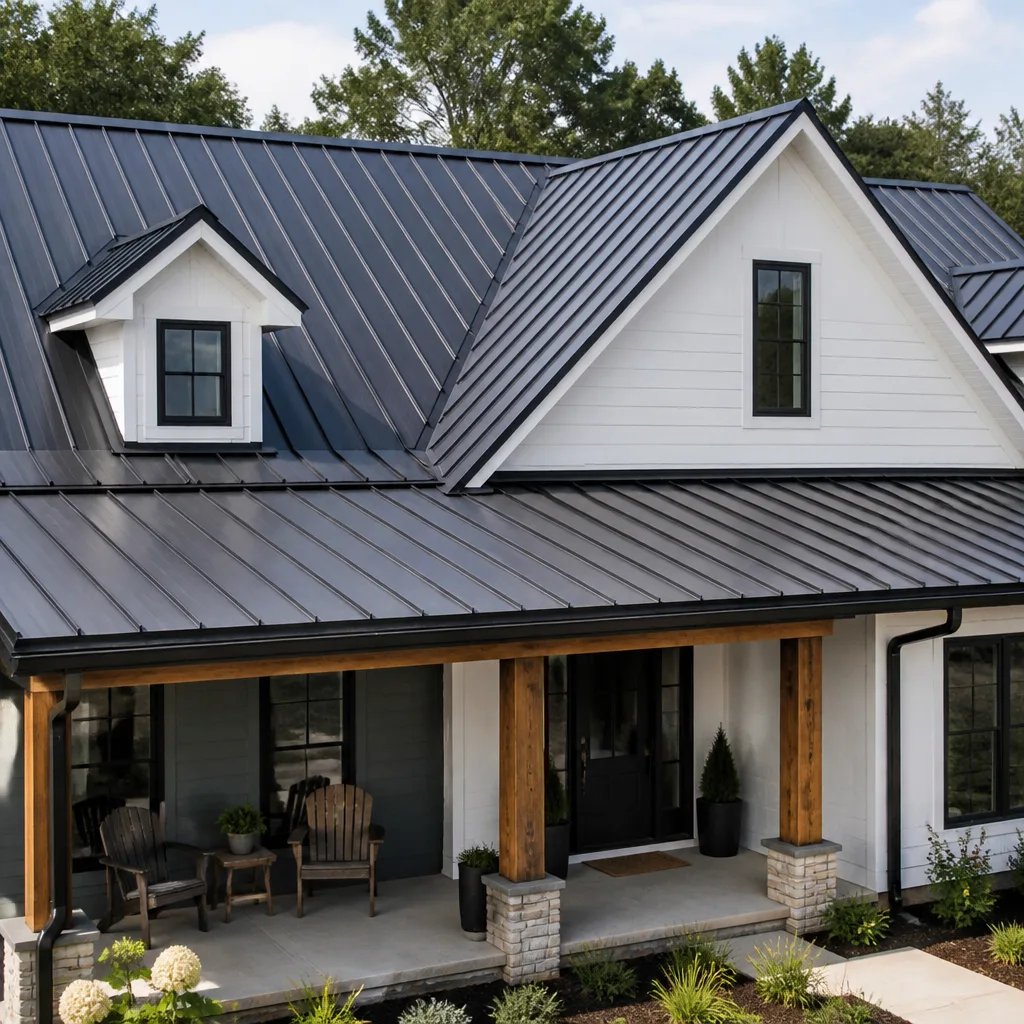
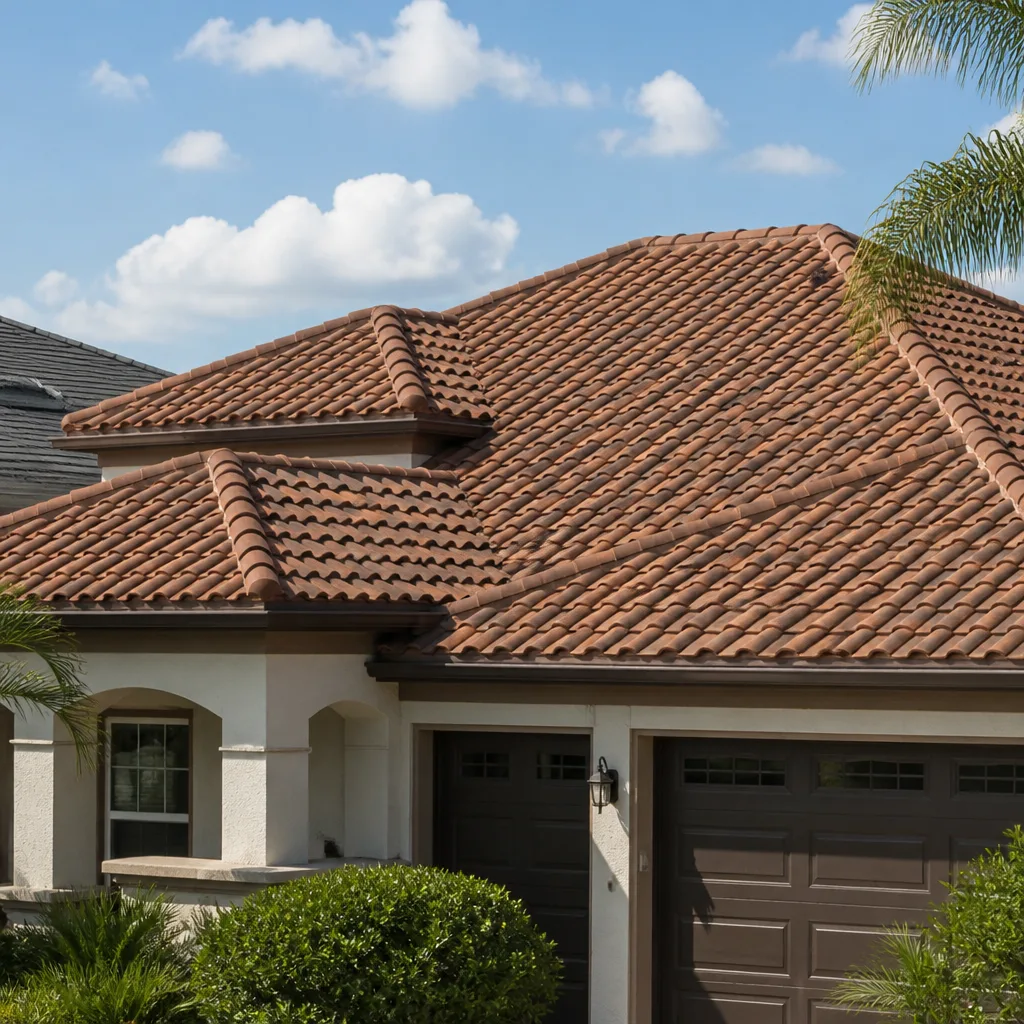
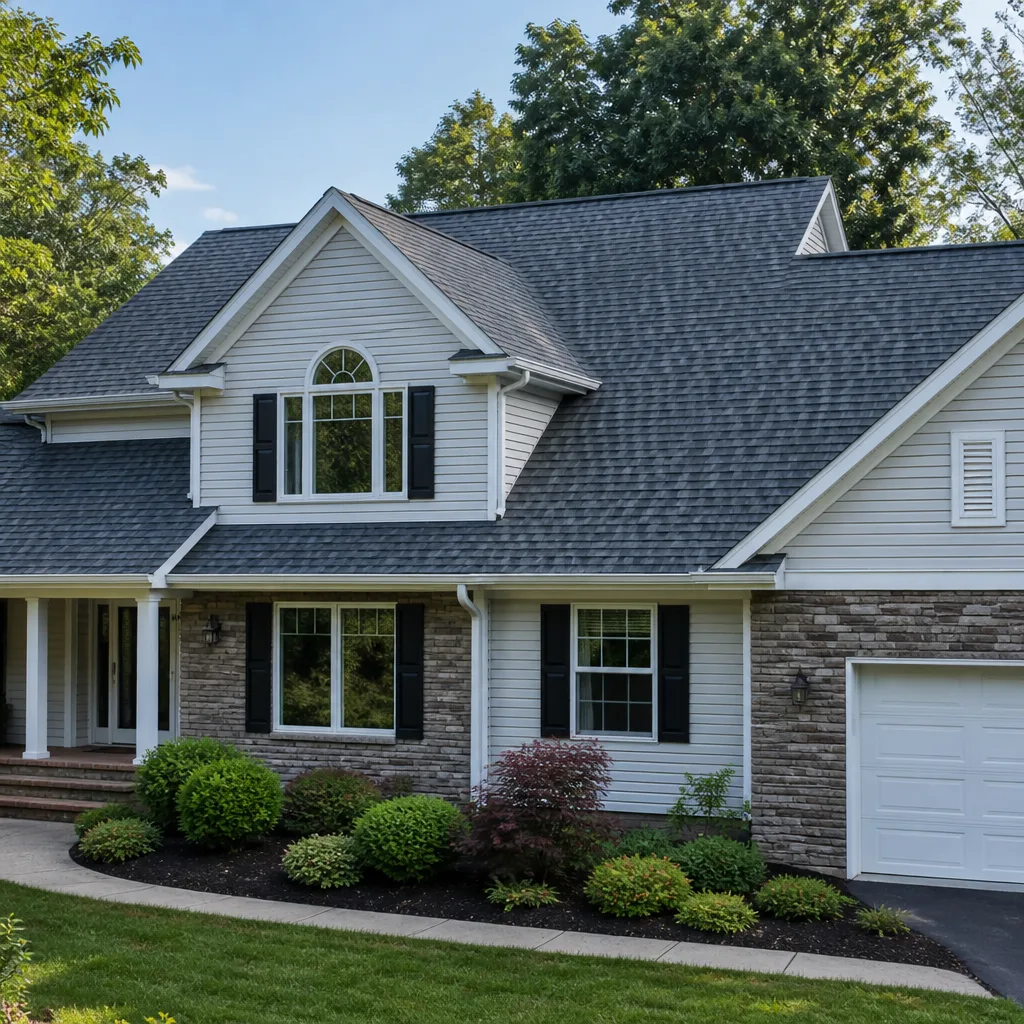
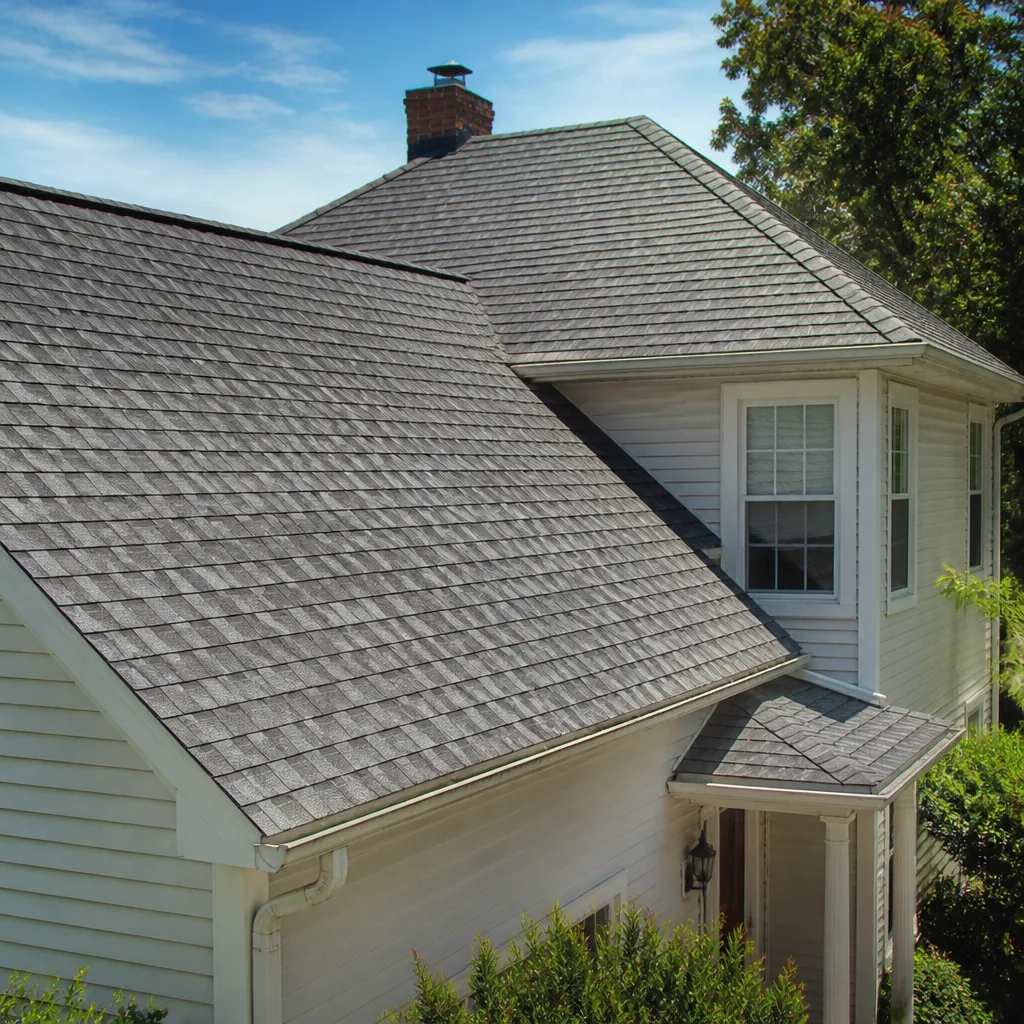
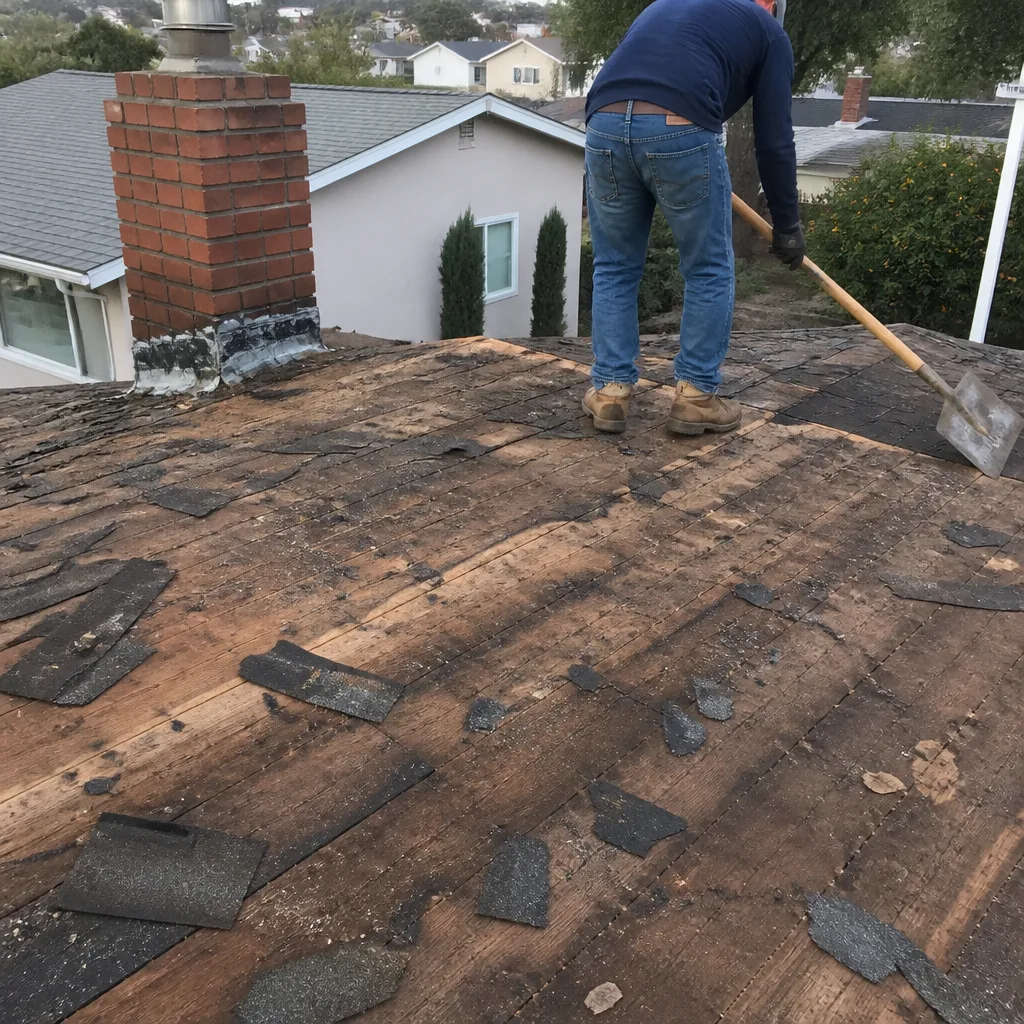 Before
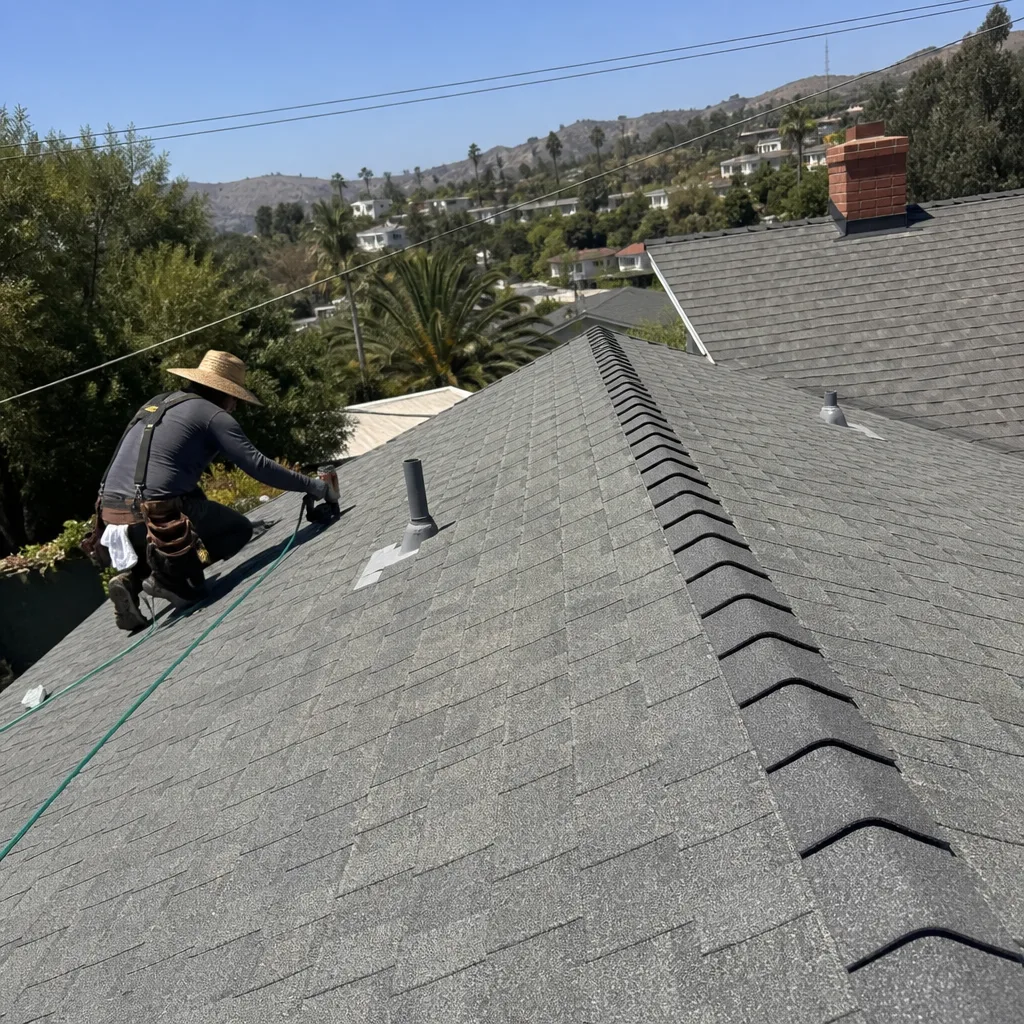 After
After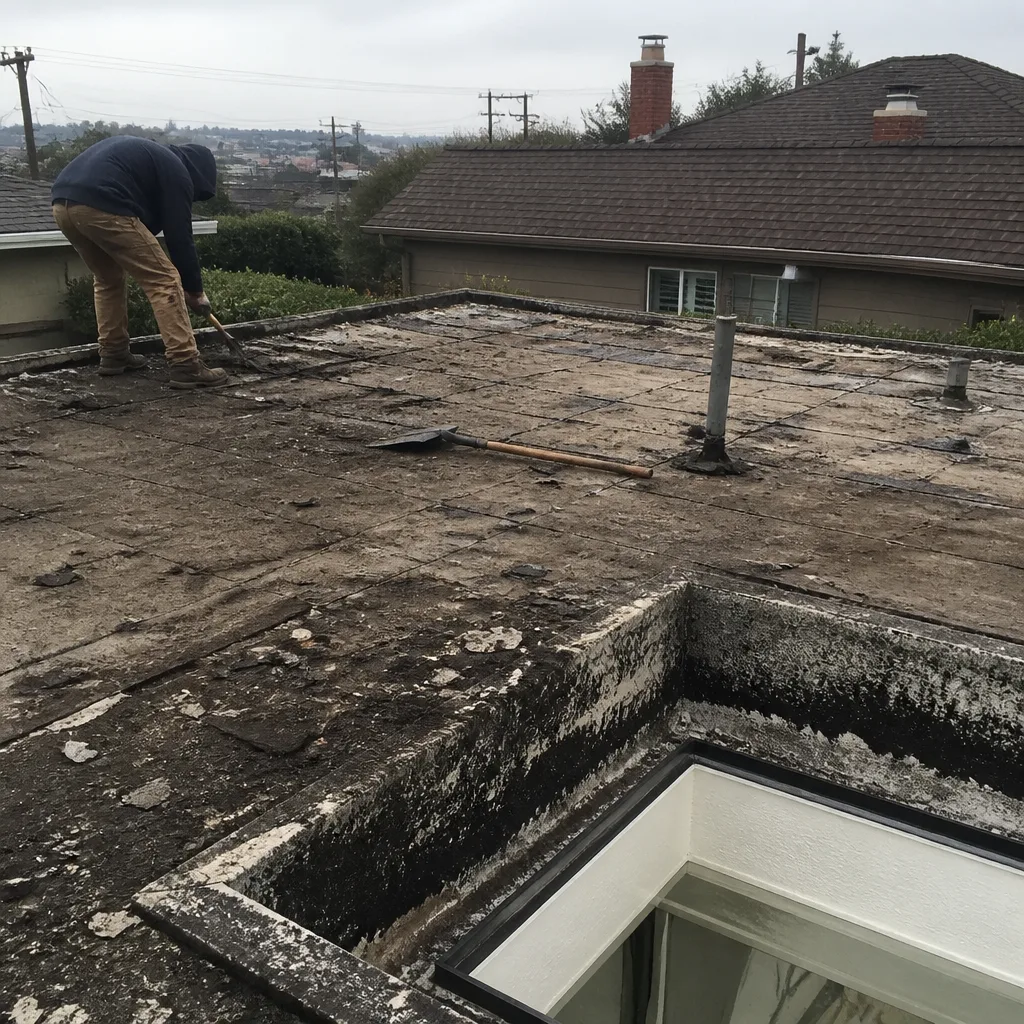 Before
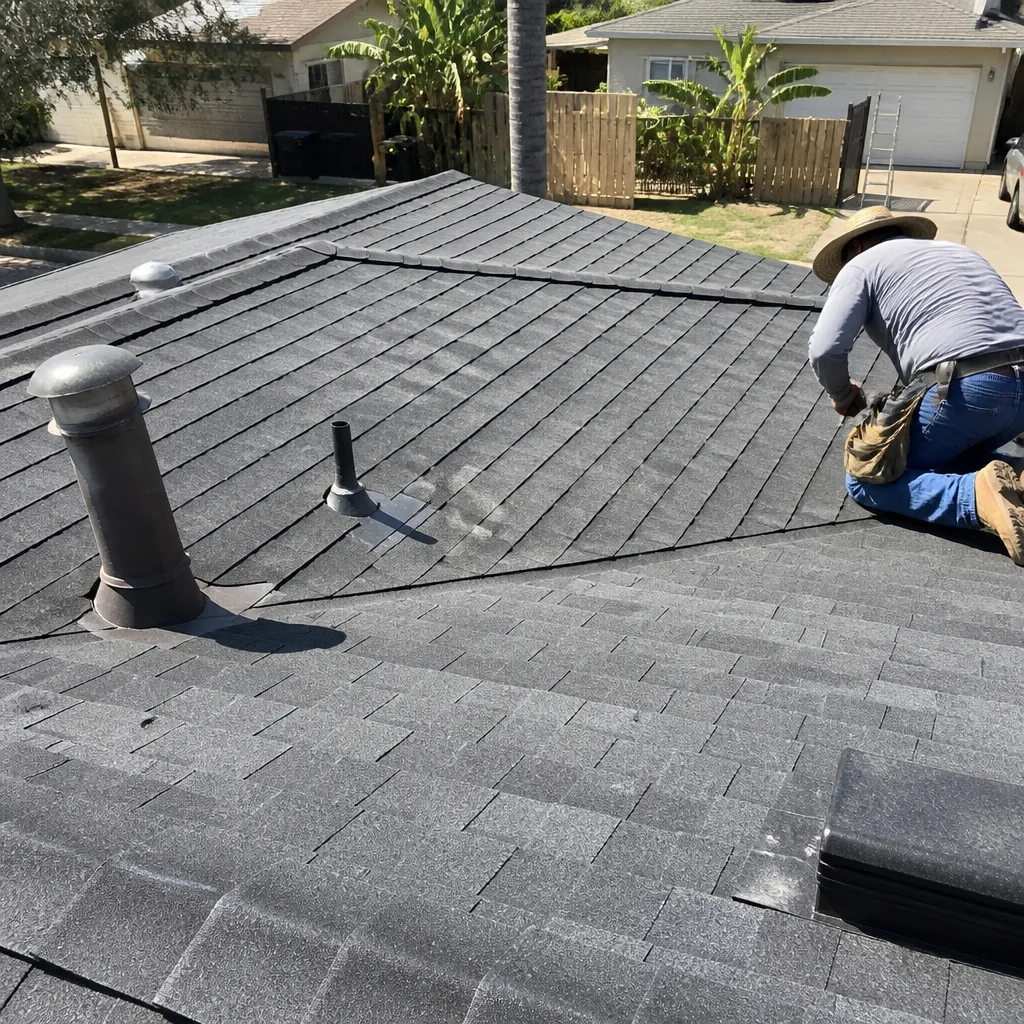 After
After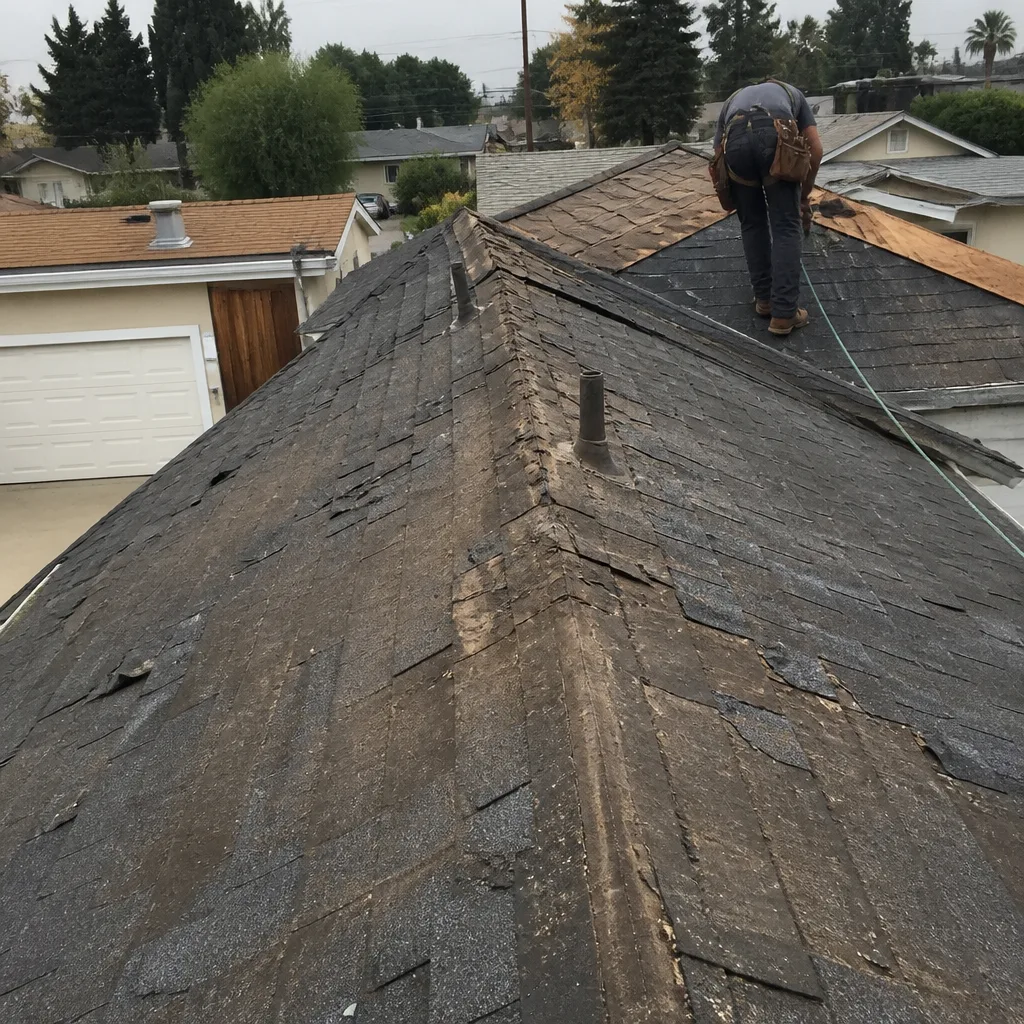 Before
 After
AfterMissing or Curling Shingles
What’s Happening
Missing or curling shingles almost always mean your roof’s weatherproofing layer has been breached or is close to failing. When shingles lift, curl, or disappear entirely, the underlayment and decking beneath them are exposed to rain, wind, and UV damage that compounds quickly. This is not a cosmetic issue – it is a structural warning that needs a professional eye soon.
A shingle does one job: shed water away from the roof deck. When it curls at the edges (called cupping) or the middle buckles upward (called clawing), it has lost the flat, overlapping seal that keeps water moving down and off the surface. Missing shingles skip the slow failure and go straight to the open gap. Either way, every rain event from this point forward is a potential leak event. The damage that follows – rotted decking, soaked insulation, compromised rafters – costs significantly more to fix than the shingles themselves.
Why It Happens
Age and Granule Loss
Asphalt shingles shed the ceramic granules embedded in their surface as they age. Those granules are what deflect UV radiation and keep the asphalt mat flexible. Once enough granules wash into the gutters, the mat dries out, stiffens, and starts to curl. If you’re seeing a buildup of dark, sand-like grit in your gutters or downspout splash blocks, granule loss is likely the cause. Shingles in this condition are past their serviceable life and curling will continue regardless of weather.
Improper Installation or Nailing
Shingles nailed too high on the strip (above the designated nail line) don’t lock into the course below them correctly. Wind gets under the exposed tab, lifts it repeatedly, and eventually either cracks the shingle or tears it free entirely. If the curling or missing shingles are clustered rather than spread evenly across the whole slope, faulty installation is a strong possibility – it tends to show up in patches that correspond to where one crew worked, or one section was replaced previously.
Poor Attic Ventilation
Heat and moisture trapped in an under-ventilated attic cook the shingles from below. The asphalt expands and contracts more than it was designed to, which causes the shingle to warp upward in the middle – the pattern called clawing. You may also notice the roof feels unusually warm to the touch in the evening, or that your top-floor rooms run hotter than the rest of the house in summer. Both are signs the attic is holding more heat than it should.
Wind or Storm Damage
A strong storm can lift and crack shingles in minutes, particularly tabs that were already weakened by age or faulty nailing. Wind damage tends to appear in rows or sections aligned with the direction of the worst gusts, and you may find shingle pieces in the yard or in the gutters. If the damage appeared suddenly after a storm rather than gradually over time, wind is the likely culprit, and a full inspection is worth doing promptly because secondary damage to the underlayment often isn’t visible from the ground.
What to Do Right Now
- Photograph everything from the ground. Use your phone to take clear shots of the affected area from multiple angles. Include the gutters if you can see granule buildup. These photos are useful when your local Crestview Roofing team arrives for the estimate and when dealing with a homeowner’s insurance claim if that becomes relevant.
- Check your attic from inside – safely. Go into the attic with a flashlight and look for daylight coming through the deck, dark water stains on the sheathing, or soft spots in the wood. Do not walk on the attic floor unless you know it is properly floored – work from the hatch or a sturdy board. If you see daylight, that is an active gap and the repair timeline just became more urgent.
- Do not walk on the roof yourself. A roof with compromised shingles is unpredictable underfoot, and height falls are one of the leading causes of serious home-improvement injuries. Leave the physical inspection of the slope to a uniformed technician with the right equipment.
- Move anything stored against the house that could be damaged by a leak. If the gap is over a garage, storage room, or finished space below, shifting valuables out of the drip zone costs nothing and could save you from secondary damage while you wait for the repair.
- Call (325) 246-5075 before you patch anything yourself. Temporary DIY patches sometimes mask the extent of the damage and make it harder for a technician to assess the full scope. Get a written estimate first – it is free and it tells you exactly what you are dealing with.
How We Fix It
When your local Crestview Roofing technician arrives, the first step is a full inspection of the affected section – not just the visible shingles, but the underlayment, flashing, and decking beneath them. Missing or curling shingles are often the surface signal of deeper wear, and a proper repair addresses both layers.
For isolated damage, the answer is typically a targeted Roof Repair: the damaged shingles are removed, the underlayment is checked and patched where needed, and new shingles from a manufacturer-backed line – GAF, CertainTeed, Owens Corning, IKO, Atlas, Tamko, or Boral – are cut, matched as closely as possible to the existing field, and nailed to spec. Where the damage is widespread across multiple slopes or the shingles are at end of life, a full Roof Replacement is the more durable and cost-effective path.
Before any work starts, you get a written price. The number on that page is the number on the invoice – no revisions at the door. Every repair is covered by the 365-Day Done Right Promise: if the repair fails within a year, we come back at no charge. Your written guarantee is included with the job, not added on.
Frequently Asked Questions
It depends on how many are affected and what the weather looks like. A single missing shingle with dry weather in the forecast can wait a short time without guaranteed interior damage – but it is still an open gap. Multiple missing shingles, active curling across a section, or rain in the near-term forecast make this urgent, because water that reaches the decking can cause rot that escalates repair costs significantly. When in doubt, get the inspection done now while it is still a shingle problem rather than a deck problem. Call (325) 246-5075 and we’ll get eyes on it.
No. Every Crestview Roofing job starts with a written price delivered before any work begins. That is not a policy we apply selectively – it applies to every job, every time, with no exceptions. If the inspection reveals additional damage that changes the scope, that conversation happens before work resumes, not after. The number you agree to is the number on the invoice.
Call (325) 246-5075 and a live person will answer – not a voicemail, not an automated system. Your local Crestview Roofing team will work to get a technician out as quickly as the schedule allows. We do not make blanket promises about same-day arrival because scheduling honestly means not overpromising, but we move quickly on active damage and calls are answered around the clock.
Most isolated cases of missing or curling shingles resolve with a targeted repair rather than a full replacement. The deciding factors are the age of the roof, how widespread the damage is, and the condition of the underlayment and decking beneath the affected area. A technician can give you a straight answer after the inspection – and because the written estimate is free, you get that clarity before you spend anything.
Get It Fixed
Missing or curling shingles get worse with every rain event. Call (325) 246-5075 and a live person picks up – any time, any day. Your local Crestview Roofing team will schedule the inspection, deliver a written price before any work starts, and back every repair with the 365-Day Done Right Promise.
Written by Dylan Pace, Owner at Crestview Roofing, part of the Relay Home Co. family, serving communities nationwide since 2000.
What Our Customers Say
"Good roof, clean job. Materials arrived a day late, but the update came before I called."
- Leah K."Easy communication all the way through. I never had to call the office, the texts answered every question."
- Denise A."Solid work. Cleanup took until the next morning, but the yard looks good."
- Nate Z.