

Free roof inspection with deck photos before we talk money - GAF and Owens Corning certified installation

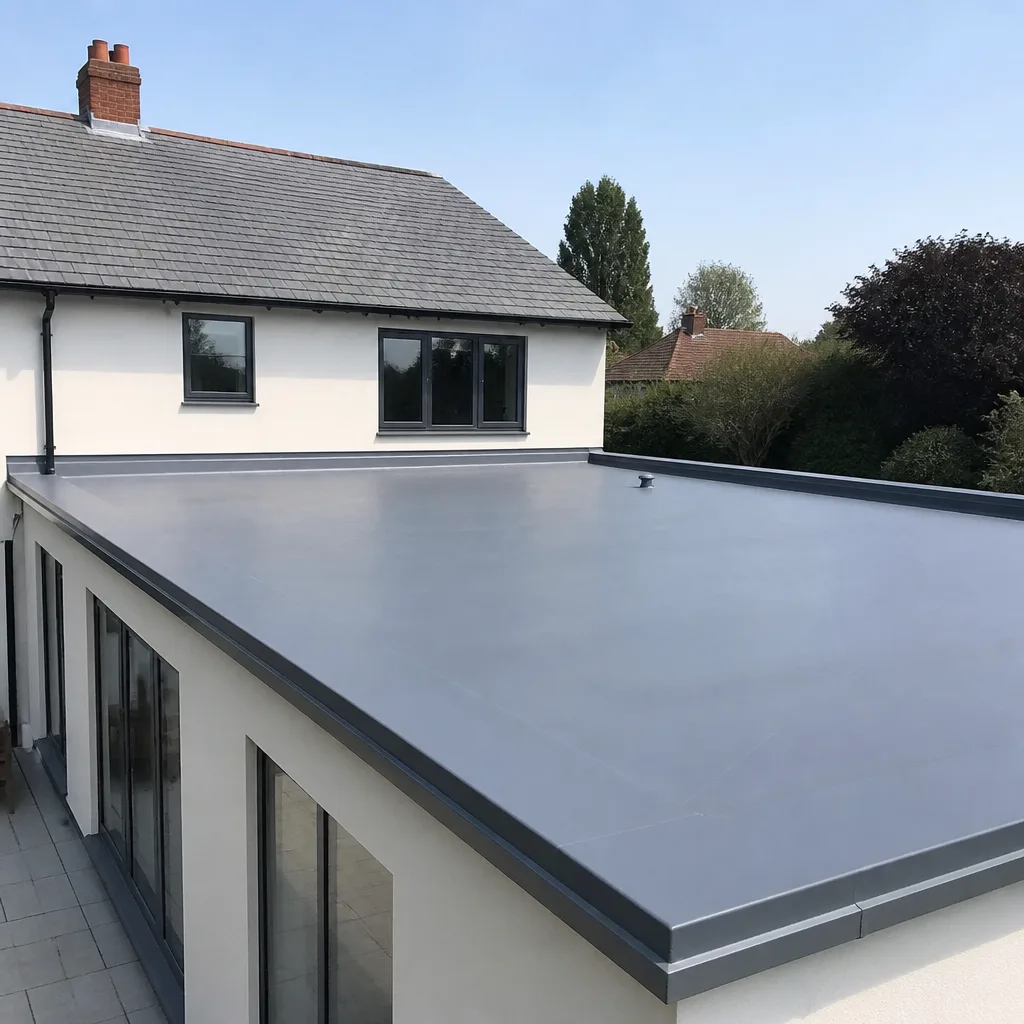
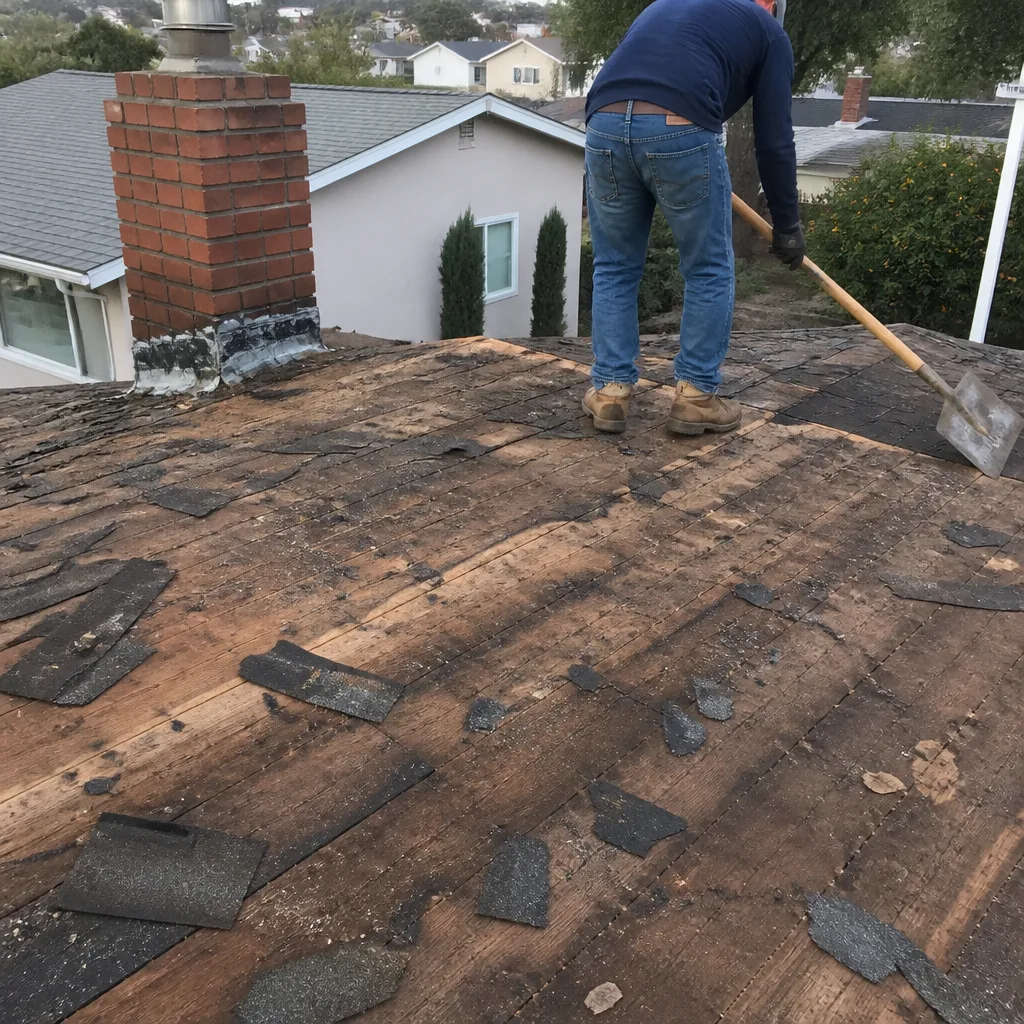 Before
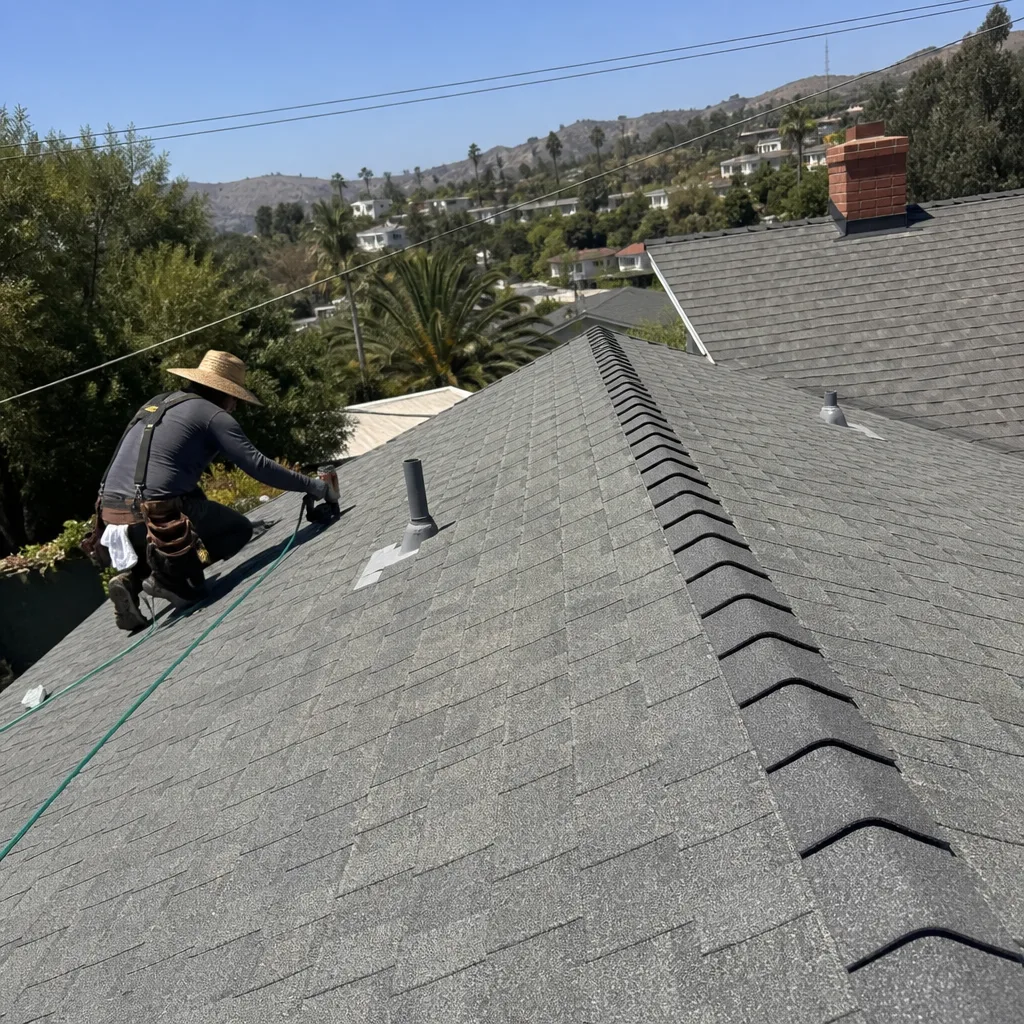 After
After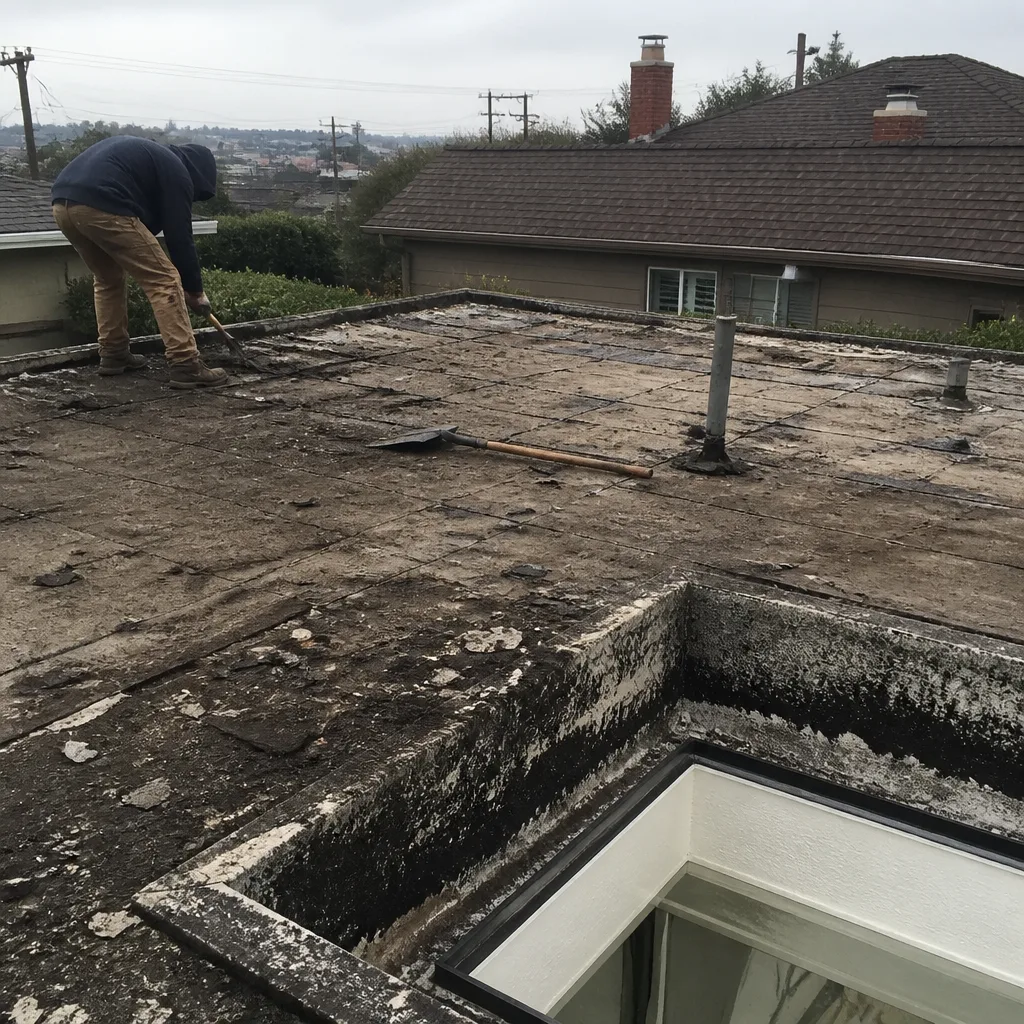 Before
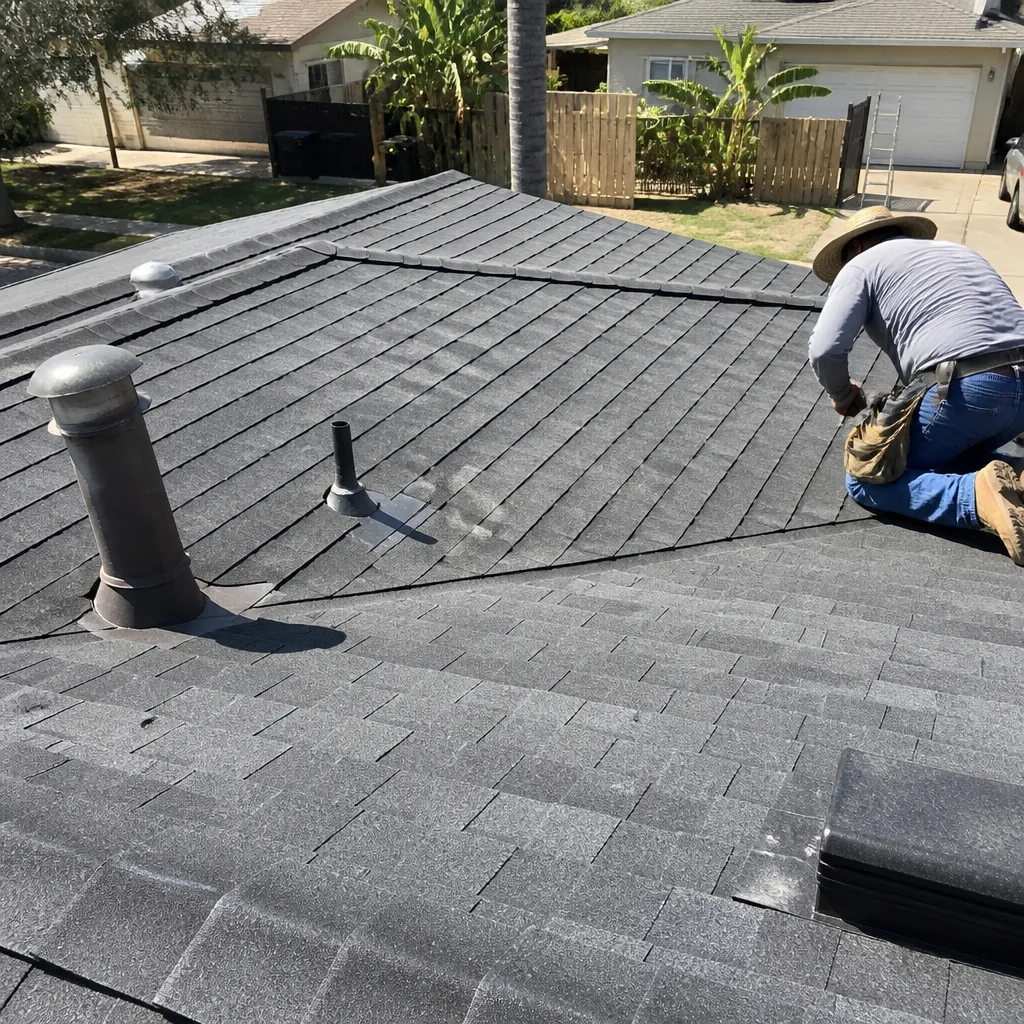 After
After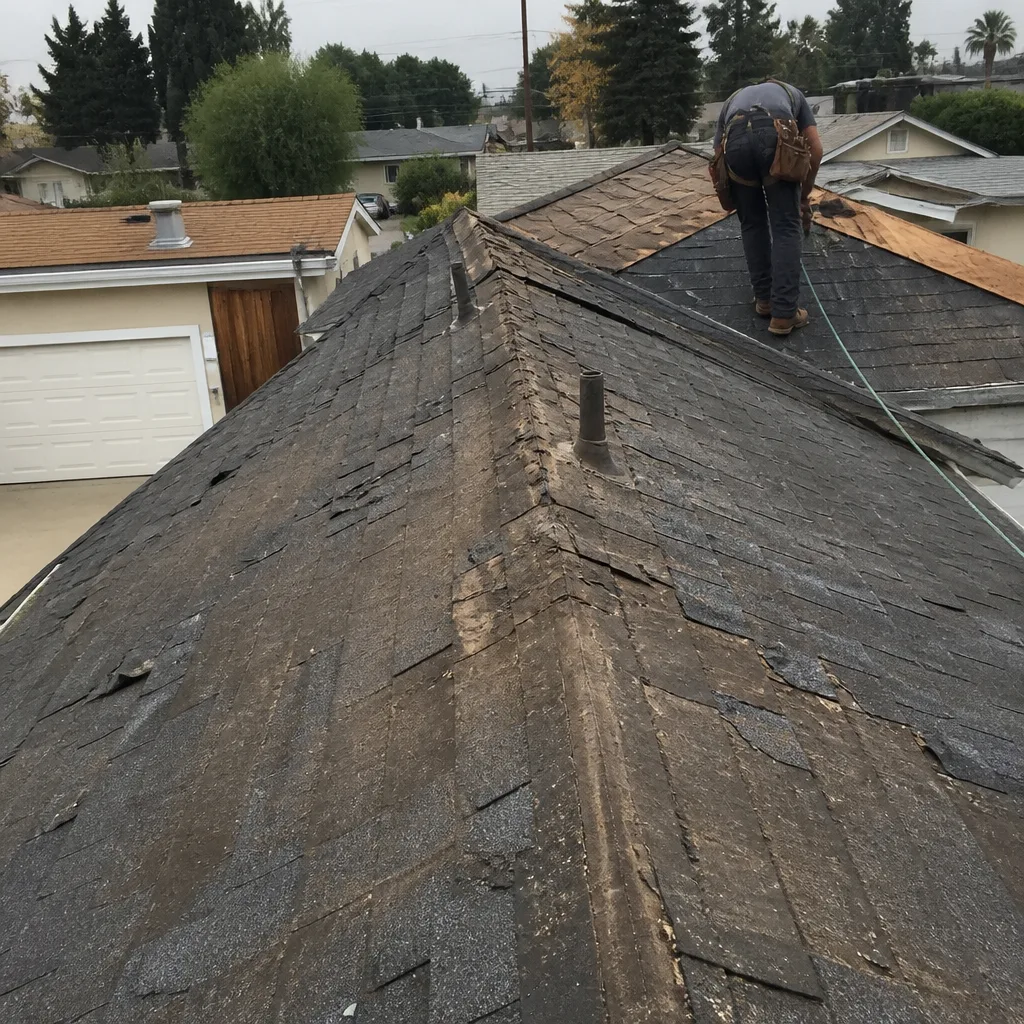 Before
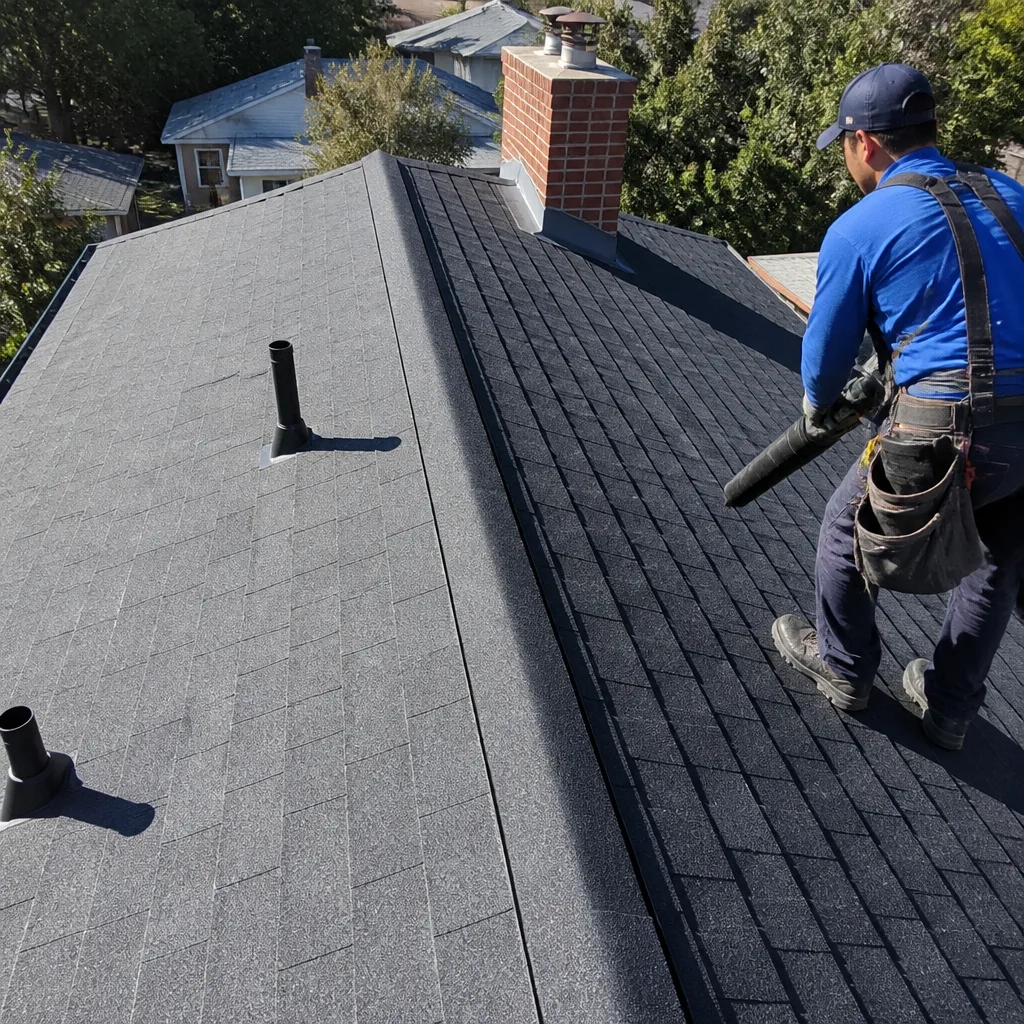 After
AfterIce Dams in Winter
What’s Happening
Ice dams form when heat escaping through your roof melts snow near the ridge, and that meltwater refreezes at the cold eave – building a wall of ice that traps water against your shingles. That trapped water has nowhere to go except backward under the shingles and into your home. This is almost always a sign that your attic insulation, ventilation, or both are not doing their job.
The damage compounds fast. Once water finds its way under the shingles, it soaks into the roof deck, seeps past the underlayment, and eventually shows up as a ceiling stain, a dripping soffit, or peeling paint on an interior wall. The ice itself can weigh hundreds of pounds and tear gutters clean off the fascia. The problem you see on the outside – a thick ridge of ice along the eave – is almost never the full picture. It’s the symptom. The cause is thermal failure inside the roof assembly, and that’s what needs to be fixed.
Why It Happens
Inadequate Attic Insulation
Warm air from your living space rises into the attic and heats the roof deck from below. If the insulation layer is too thin, missing in spots, or was never installed correctly, the deck temperature swings between freeze and thaw every time the sun goes down. You can often spot this one from the outside: if the snow on your roof melts in an uneven pattern – bare patches near the ridge but a solid ice shelf at the eave – insufficient insulation is usually the first suspect.
Blocked or Insufficient Attic Ventilation
A roof needs airflow to stay close to the outdoor temperature. Soffit vents pull cold air in at the eave; ridge vents push warm air out at the top. When either side is blocked – by packed insulation, bird nests, or a previous contractor who sealed things too tight – heat gets trapped and the roof deck runs warmer than it should. If your gutters fill with ice while neighboring houses stay clear, ventilation failure is worth investigating.
Air Leaks Into the Attic
Even a well-insulated attic can develop hot spots where conditioned air bypasses the insulation entirely – around light fixtures, plumbing stacks, attic hatches, or gaps at wall top plates. These air leaks are often invisible from the attic floor but show up as localized melt patches on the roof above them. If the ice dam is concentrated over one area of the house rather than running the full eave, a hidden air leak directly below is a likely cause.
Damaged or Missing Ice-and-Water Barrier
Codes in cold climates require a self-adhering waterproof membrane – called an ice-and-water barrier or ice-and-water shield – along the lower few feet of the roof deck. It’s the last line of defense when an ice dam forces water uphill under the shingles. If this layer was skipped, installed incorrectly, or has aged past its useful life, water gets into the deck even during a moderate ice dam event. You won’t see this from the ground, but interior water stains appearing within a foot or two of the exterior wall are a strong indicator.
What to Do Right Now
- Photograph everything before it changes. Take pictures of the ice dam from the ground, the icicles, any visible water entry points, and every interior stain or wet spot you find. Date-stamped photos help with insurance claims and help the technician understand what they’re working with before they arrive.
- Clear the interior damage area first. If water is dripping inside, move furniture, rugs, and anything irreplaceable. Put buckets down and lay towels under any active drip. Don’t assume the drip will stop on its own when temperatures drop.
- Do not go on the roof to chip the ice. Ice along a wet, cold eave is one of the most dangerous spots on a house. Chipping at ice dams with an axe or hammer is also one of the fastest ways to split shingles, crack the ice-and-water barrier, or punch through the roof deck. Leave ice removal to professionals with the right equipment.
- Check your attic carefully, from inside if it’s safe. Look for wet insulation, dark staining on the decking, frost, or daylight showing through any gaps. Don’t handle saturated insulation — it’s heavy and can fall — and stop if you see any wiring that looks wet or disturbed. Wet electrical components are a call-a-professional situation immediately.
- Use a roof rake from the ground if you have one. A long-handled roof rake can pull loose snow off the lower few feet of the roof without anyone climbing up. This reduces the snow supply the dam needs to grow. Only do this from the ground — never from a ladder in icy conditions.
How We Fix It
When your local Crestview Roofing team arrives, the first step is a roof inspection — shingles, eave condition, soffit, fascia, and any visible ice-and-water barrier along the lower edge. Before anything starts, you get a written price. That number doesn’t change.
Depending on what the inspection finds, the repair path typically involves replacing damaged shingles, installing or extending the ice-and-water barrier, and addressing any deck damage caused by water intrusion. If ventilation or insulation is the root cause — and it usually is — that gets documented and addressed so the same problem doesn’t rebuild itself next winter.
Most repair visits for ice dam damage take a few hours. Larger deck replacements take longer, and we’ll tell you exactly what to expect before the job starts. The work falls under our Roof Repair service, and every repair is covered by the 365-Day Done Right Promise: if the repair fails within a year, we come back and correct it at no charge. That’s in writing, included with every job, no extra cost.
Frequently Asked Questions
Ice dams are genuinely dangerous and should not wait. An active dam is pushing water under your shingles every time temperatures rise above freezing, and that water is soaking into wood decking, framing, and insulation with every cycle. Mold can establish itself in a wet attic in a matter of days. The weight of the ice itself can pull gutters off the fascia and damage the drip edge underneath. The longer it sits, the more it costs to fix. Call (325) 246-5075 and get a free written estimate before the next thaw makes it worse.
Yes. Your local Crestview Roofing team works in winter conditions. A technician can inspect the damage, document the situation with photos, and give you a written price for the repair work even before conditions allow full access to the roof. Call (325) 246-5075 to get on the schedule — don’t wait for a warm stretch to call, because that’s when everyone else calls too.
Most ice dam damage is repairable — shingle replacement, deck patching, and ice-and-water barrier installation resolve the majority of cases. Full replacement becomes the right answer when the deck damage is widespread, the underlayment has failed across a large area, or the shingle system is already at the end of its useful life and re-roofing is more economical than repeated repairs. The inspection tells that story clearly, and the written estimate lays out both options if both apply, so you can make an informed decision.
The fix that actually lasts is addressing the heat loss driving the problem: sealing air leaks into the attic, correcting the insulation, and making sure ridge and soffit ventilation are working together to keep the roof deck close to the outside air temperature. Properly installed ice-and-water barrier along the eave gives you a backup layer of protection even if a mild dam does form. A roof that’s thermally balanced rarely builds a dam large enough to cause damage. Your local Crestview Roofing team can document what’s causing your specific situation and walk you through exactly what needs to happen.
Get It Fixed
Ice dam damage doesn’t sit still. Call (325) 246-5075 now and your local Crestview Roofing team will schedule an inspection, show up in a tracked arrival window, and hand you a written price before any work begins. No phone tag, no surprises.
Written by Dylan Pace, Owner at Crestview Roofing, part of the Relay Home Co. family, serving communities across the country since 2000.
What Our Customers Say
"Roof replacement. Crew texted the schedule daily and I could ask questions by message. Done in two days."
- Sandra J."Gutters and drip edge done at the same time. No extra trips."
- Mia R."Leak near the chimney. They resealed the flashing and I got before and after photos by text."
- Troy N.