
Free roof inspection with deck photos before we talk money - GAF and Owens Corning certified installation

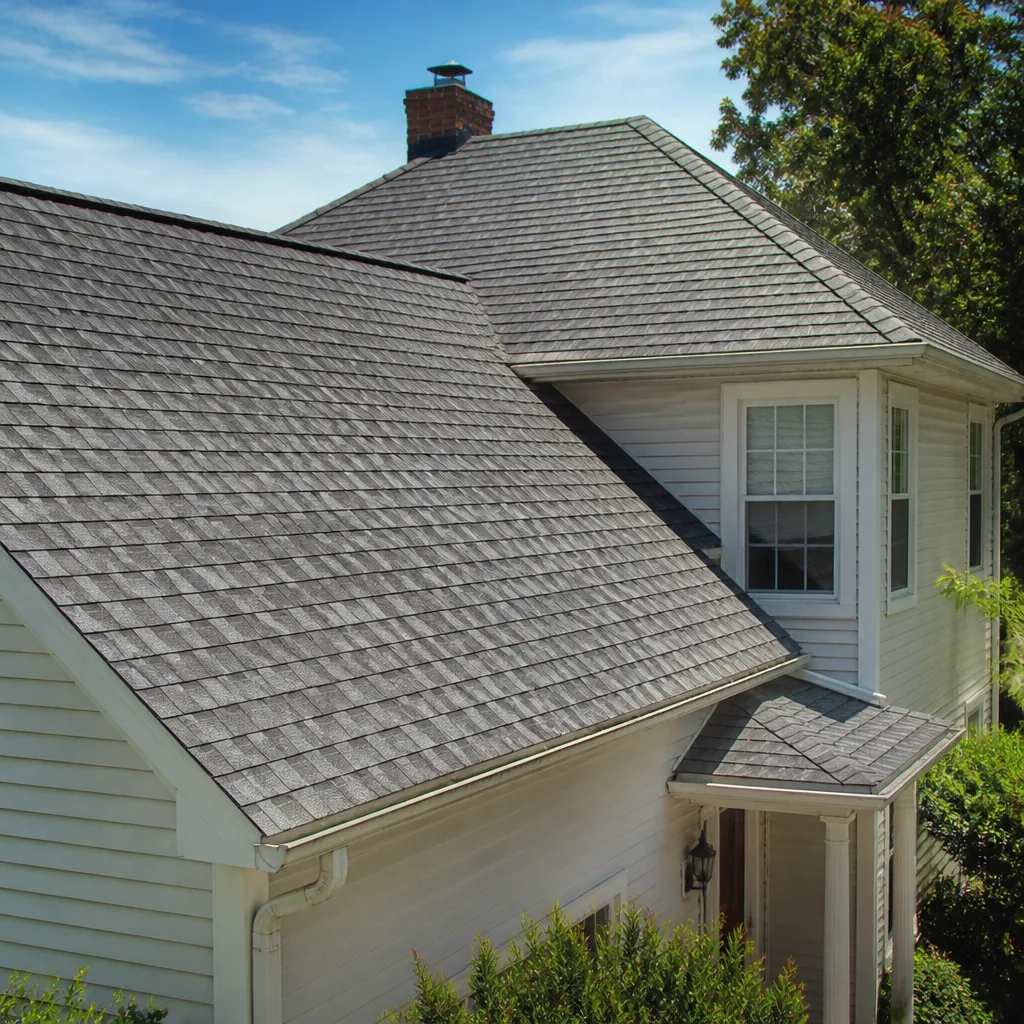
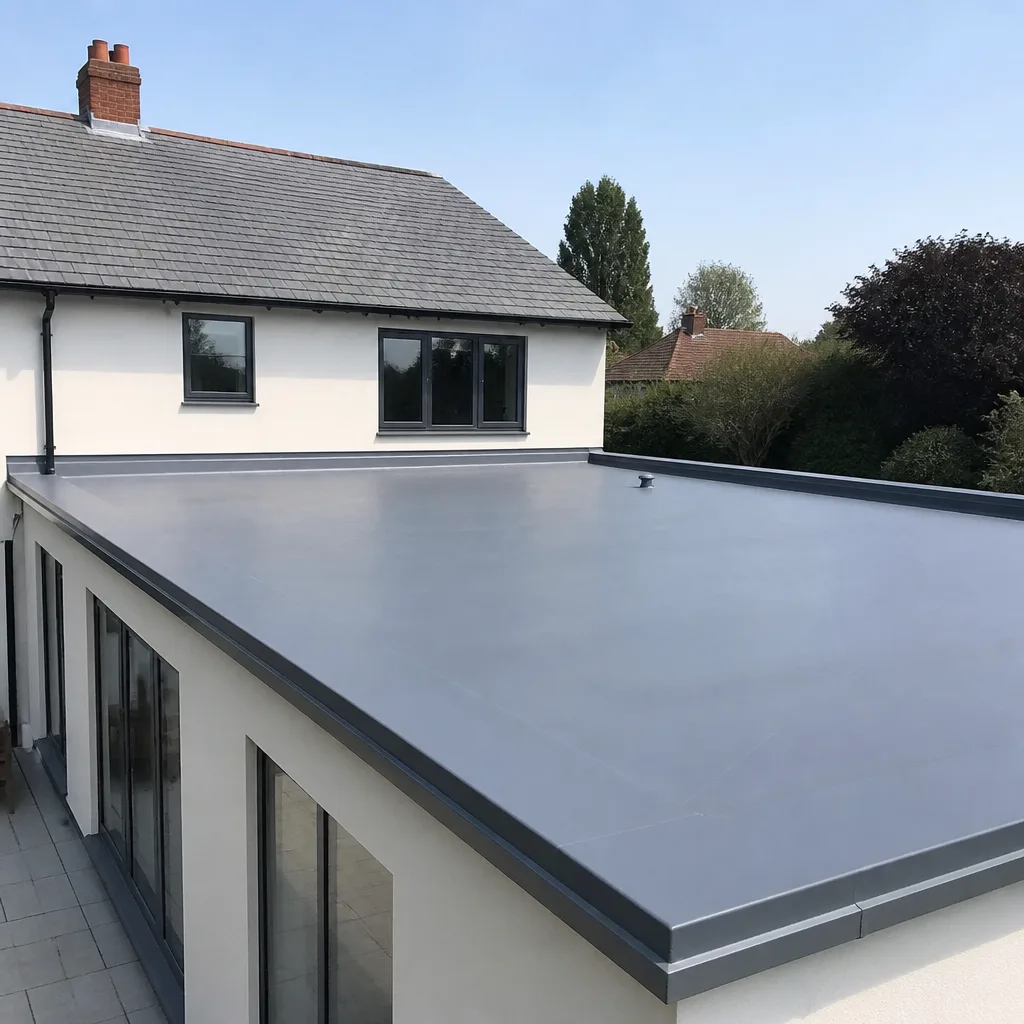
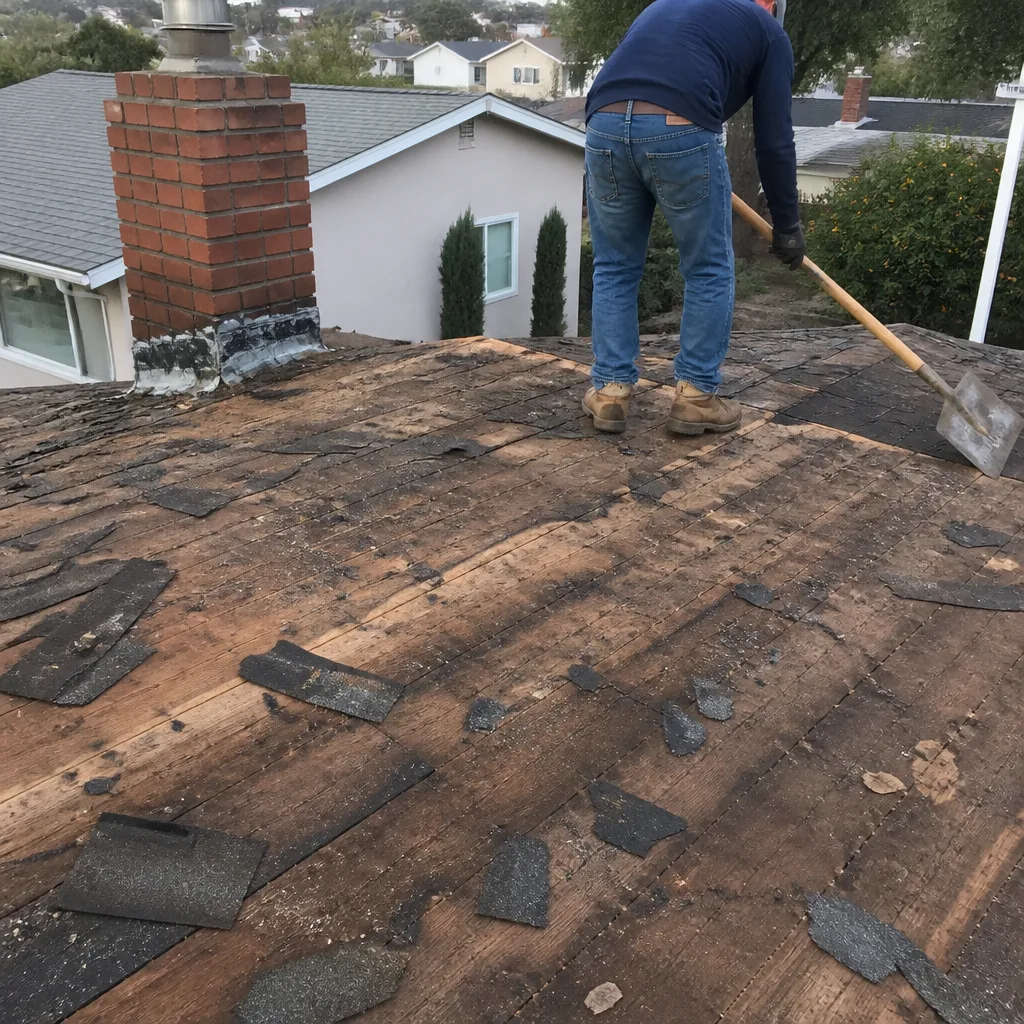 Before
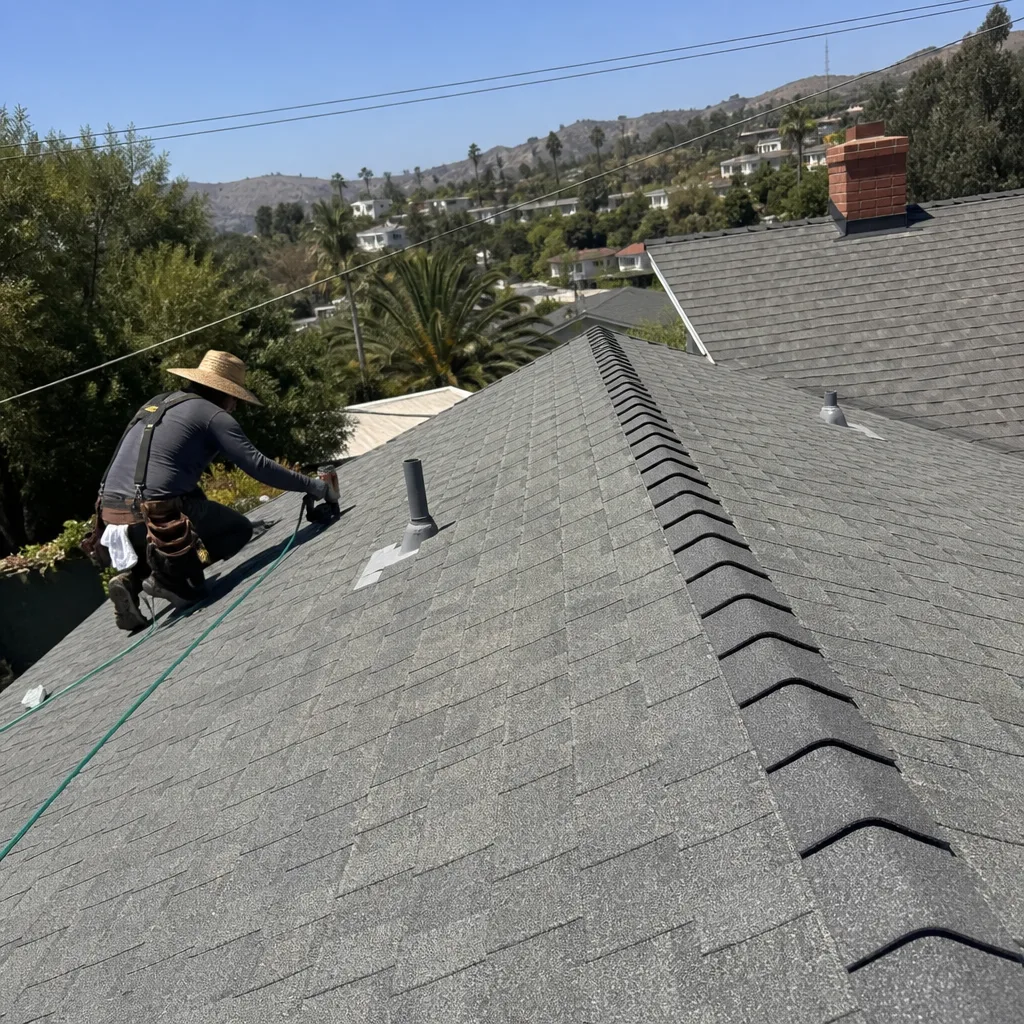 After
After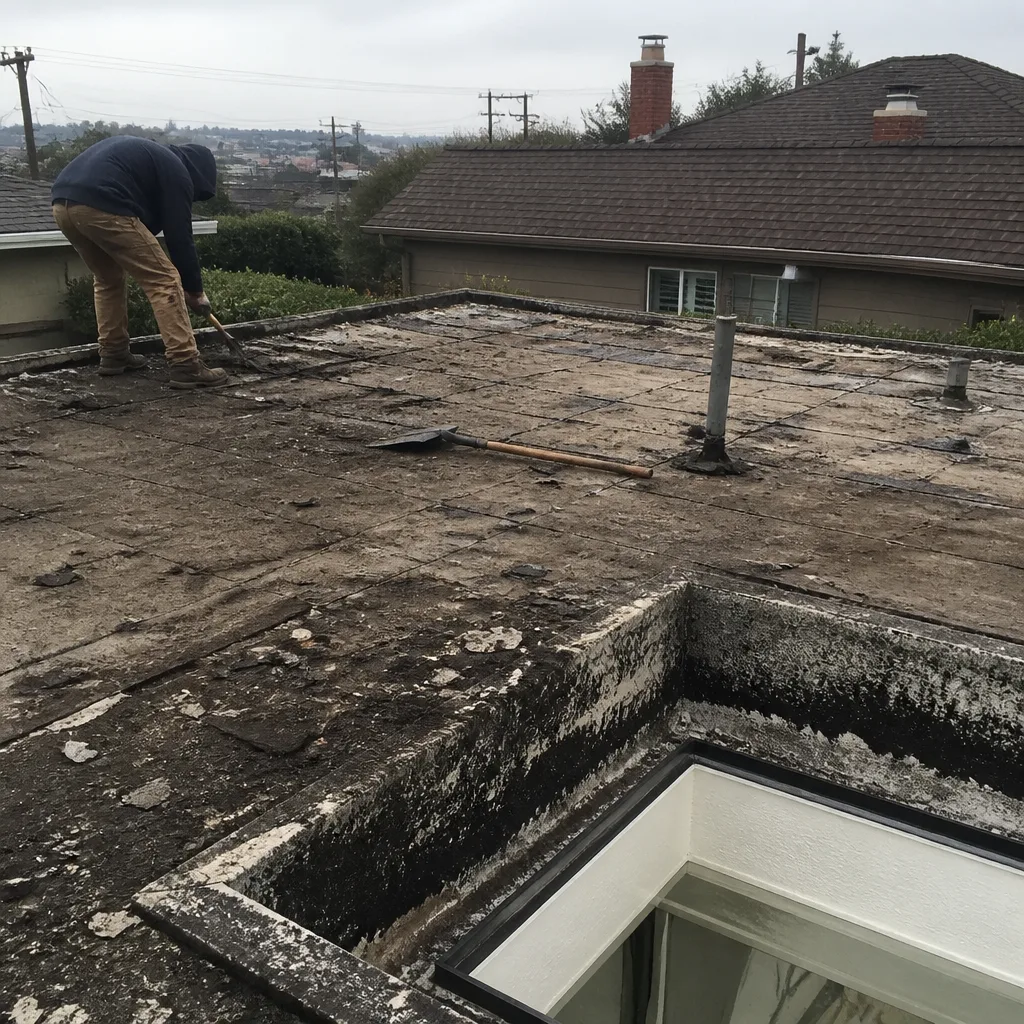 Before
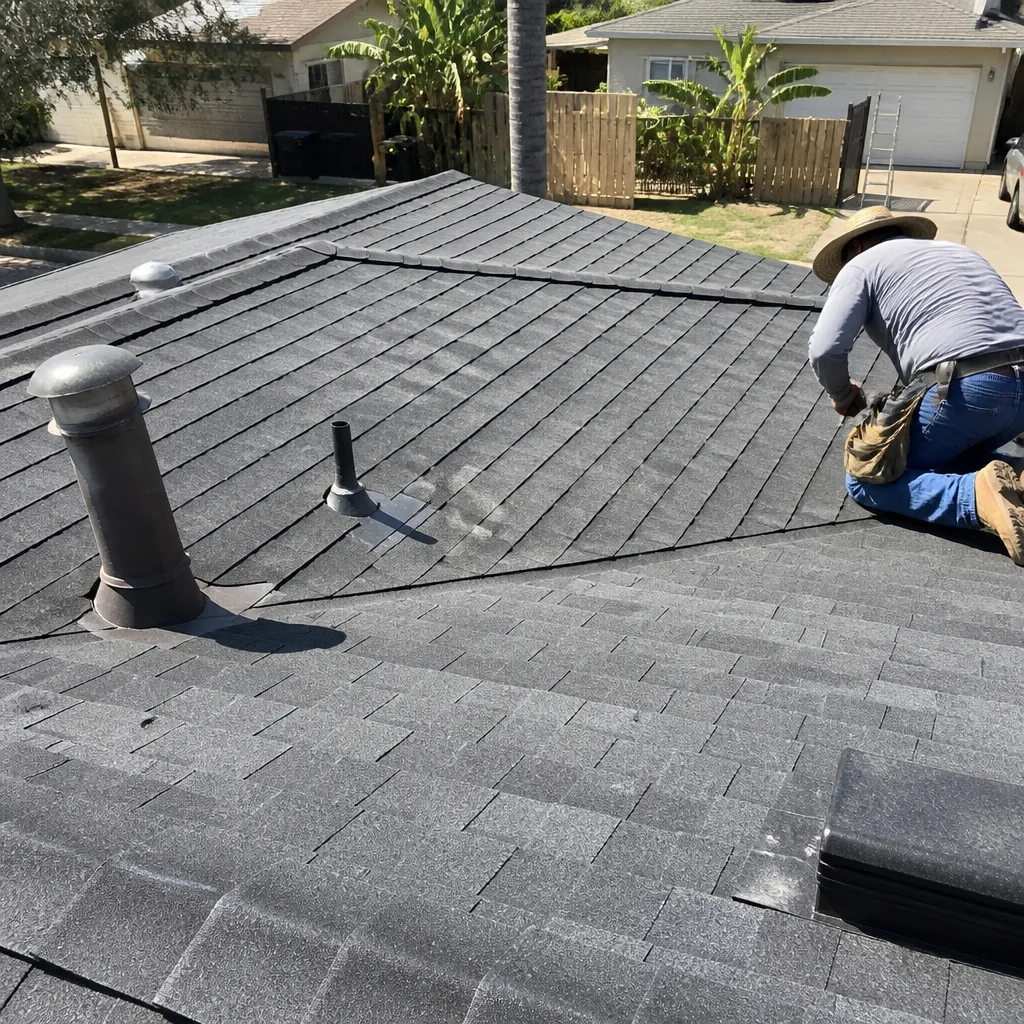 After
After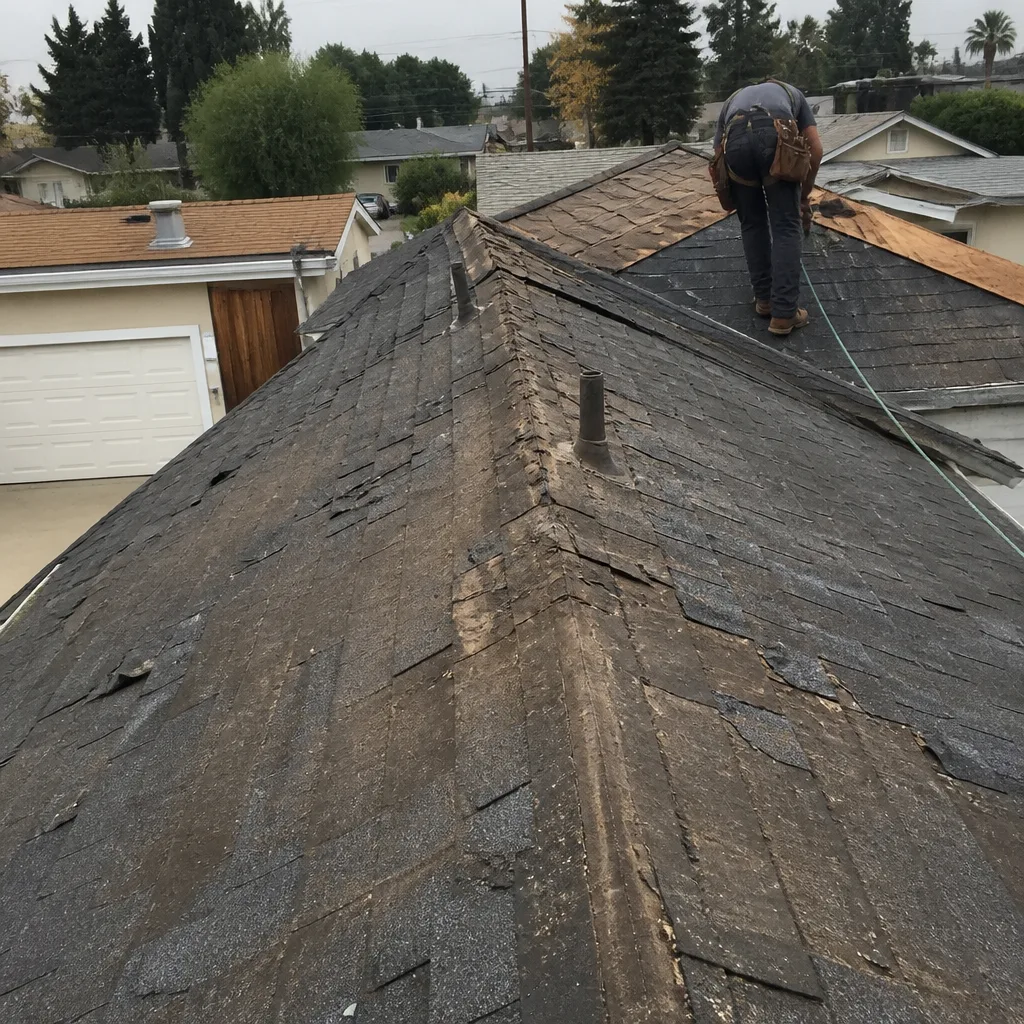 Before
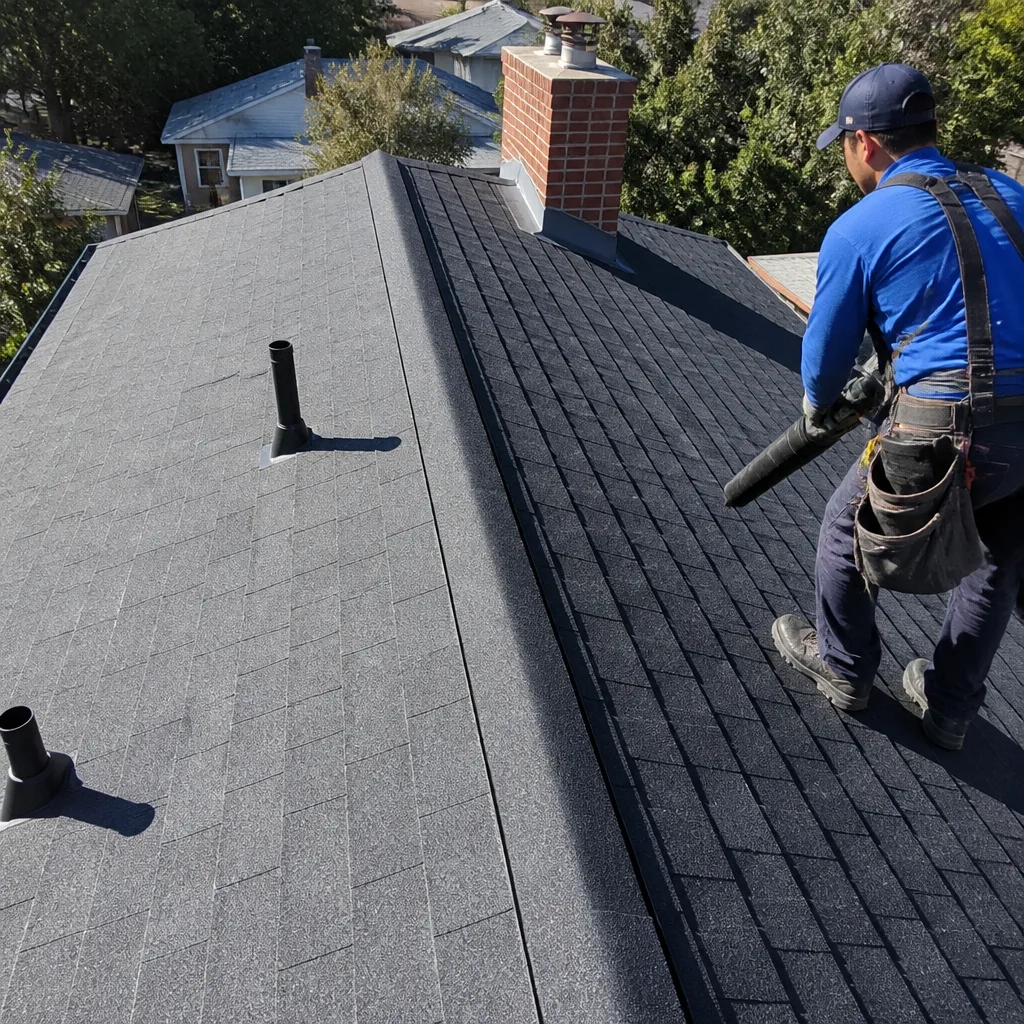 After
AfterGutters Overflowing in Every Storm
Gutters overflowing during every rainstorm almost always means one of three things: the gutters are clogged, they’re pitched wrong, or the roof’s drainage layer is sending more water than the system was built to handle. In most cases, the fix is somewhere between a cleaning and a roof repair – and the roof is involved more often than homeowners expect.
When water pours over the front lip of a gutter instead of traveling to the downspout, it doesn’t just look bad. That water lands at your foundation, soaks the fascia board the gutter is nailed to, and can work its way under the first course of shingles at the eave. A storm or two of this is an inconvenience. A season of it is structural damage. The goal of this page is to help you figure out which of the four common causes you’re looking at, so you can tell whoever shows up exactly what they need to find.
Why It Happens
1. Clogged Gutters or Downspouts
This is the most common cause by a wide margin. Leaves, shingle granules, seed pods, and roof grit pack into the gutter trough or lodge at the downspout elbow, and water has nowhere to go but over the edge. You can usually confirm this one from the ground: if water is pouring evenly over the full length of the gutter rather than at one concentrated spot, it’s almost certainly a blockage. If the downspout runs completely dry during a heavy rain while the gutters overflow, the clog is in the downspout, not the trough.
2. Gutters Pitched Flat or Pitched Backward
Gutters need a slight slope toward the downspout – roughly a quarter inch of drop for every ten feet of run – to move water along rather than pool it. Over time, hangers loosen, the fascia behind them softens, or ice weight pulls a section level. When this happens, water collects at the low spot and spills over before it ever reaches the downspout. The tell: water overflows at one section of the gutter, and that section looks visibly flatter or sagging compared to the rest of the run. After the rain stops, standing water sitting in the gutter trough is a clear confirmation.
3. Gutters That Are Too Small for the Roof
A roof with a steep pitch or a large drainage area pushes a high volume of water into the gutter in a short burst. If the gutter was undersized for the actual roof geometry – or if a previous owner added roof square footage without upgrading the gutters – the system simply can’t move water fast enough. This shows up as overflow that happens specifically during heavy rainfall and stops quickly when the rain eases. If your gutters are clean, properly pitched, and still overflowing in every major storm, this is the likely cause.
4. Damaged or Missing Drip Edge at the Eave
The drip edge is a thin metal strip installed along the roof’s bottom edge that directs water off the decking and into the gutter. When it’s absent, incorrectly lapped, or has pulled away, water can run behind the gutter rather than into it – meaning the gutter overflows even when it’s nearly empty. This one is harder to spot from the ground. Look for water staining on the fascia board directly above the gutter, or a visible gap between the roof edge and the gutter lip. A roofing technician can confirm it in about two minutes on a ladder.
What to Do Right Now
- Don’t get on the roof or a ladder during or right after rain. Wet shingles and wet ladder rungs are both dangerously slick. Seriously – more people are injured on wet roofs than in most other home repair situations. Stay on the ground until everything is dry.
- Photograph the overflow while it’s happening. If you can safely shoot from a window, a covered porch, or a doorway, get video or photos of exactly where the water is coming over. That footage is genuinely useful to a technician diagnosing the problem.
- Check your downspouts from the ground. Watch whether water exits from the bottom of each downspout during the rain. A downspout running dry while the gutter above overflows points directly to a blockage in the downspout or elbow joint.
- Look at the fascia board after the rain. Rotted or discolored wood directly above the gutter line means water has been running behind the gutter for some time, which may involve the drip edge or a shingle issue at the eave.
- Note which section overflows and when. Write down or voice-memo exactly where the overflow is worst and whether it starts immediately in a storm or only during the heaviest downpour. That detail helps narrow the cause before anyone sets foot on the roof.
How We Fix It
When your local Crestview Roofing team arrives, the first thing the technician does is a visual inspection of the gutter run, the fascia, the drip edge, and the first few courses of shingles at the eave. They’ll confirm whether the overflow is a gutter problem, a roofing problem, or both, because the fix is different depending on the answer.
If the issue is at the roof level – a failed or missing drip edge, shingles that have lifted at the eave, or flashing that’s letting water behind the gutter – that falls under Roof Repair. If the eave damage has progressed far enough that the decking or fascia is compromised, a partial Roof Replacement of that section may be the right path. Materials come from brands like GAF, CertainTeed, and Owens Corning, so what goes back on is backed by the manufacturer.
Before any work starts, you get a written price – the exact number, on paper. That number doesn’t change at the invoice. The repair is covered by the 365-Day Done Right Promise: if a covered repair fails within a year, we come back and fix it at no charge. Most eave and drip-edge repairs are completed in a single visit.
Frequently Asked Questions
It depends on how long it’s been happening and where the water is landing. One storm is a warning. Multiple storms is active damage: water driving against the fascia, pooling at the foundation, and potentially working under the shingles at the eave. If you’re seeing paint peeling on the fascia, soft wood above the gutter, or water stains on the interior ceiling near an exterior wall, don’t wait. Call (325) 246-5075 and get a technician out before the next rain makes it worse.
Often both, and that’s exactly why a roofing technician should look at it – not just a gutter company. The gutter may be clogged or pitched wrong, but if the drip edge has failed or shingles have lifted at the eave, fixing only the gutter leaves the underlying roof damage in place. A proper inspection looks at the whole eave assembly, not just the trough.
There’s no honest number we can give you before a technician sees the job, because the cost depends on whether it’s a drip-edge repair, a section of shingle replacement, or something more involved. What we can tell you is that you’ll get the exact price in writing before any work starts – not an estimate that changes at the door. Call (325) 246-5075 to schedule your free written estimate.
Call (325) 246-5075 and a live person will pick up – no voicemail, no waiting until Monday. Your local Crestview Roofing team will work to get a technician to you as quickly as the schedule allows. Before they arrive, you’ll get a live trackable arrival time so you’re not sitting in a four-hour window wondering when someone will show up.
Get It Fixed
Call (325) 246-5075 or book online and your local Crestview Roofing team will take it from there. A live person picks up every call. You’ll get a written price before any work starts, and every repair is backed by the 365-Day Done Right Promise.
Written by Dylan Pace, Owner at Crestview Roofing, part of the Relay Home Co. family, founded in 2000.
What Our Customers Say
"Estimate came in the app with a line-by-line breakdown. Accepted with a tap."
- Raj P."Roof replacement. Crew texted the schedule daily and I could ask questions by message. Done in two days."
- Sandra J."Gutters and drip edge done at the same time. No extra trips."
- Mia R.