

Free roof inspection with deck photos before we talk money - GAF and Owens Corning certified installation



 Before
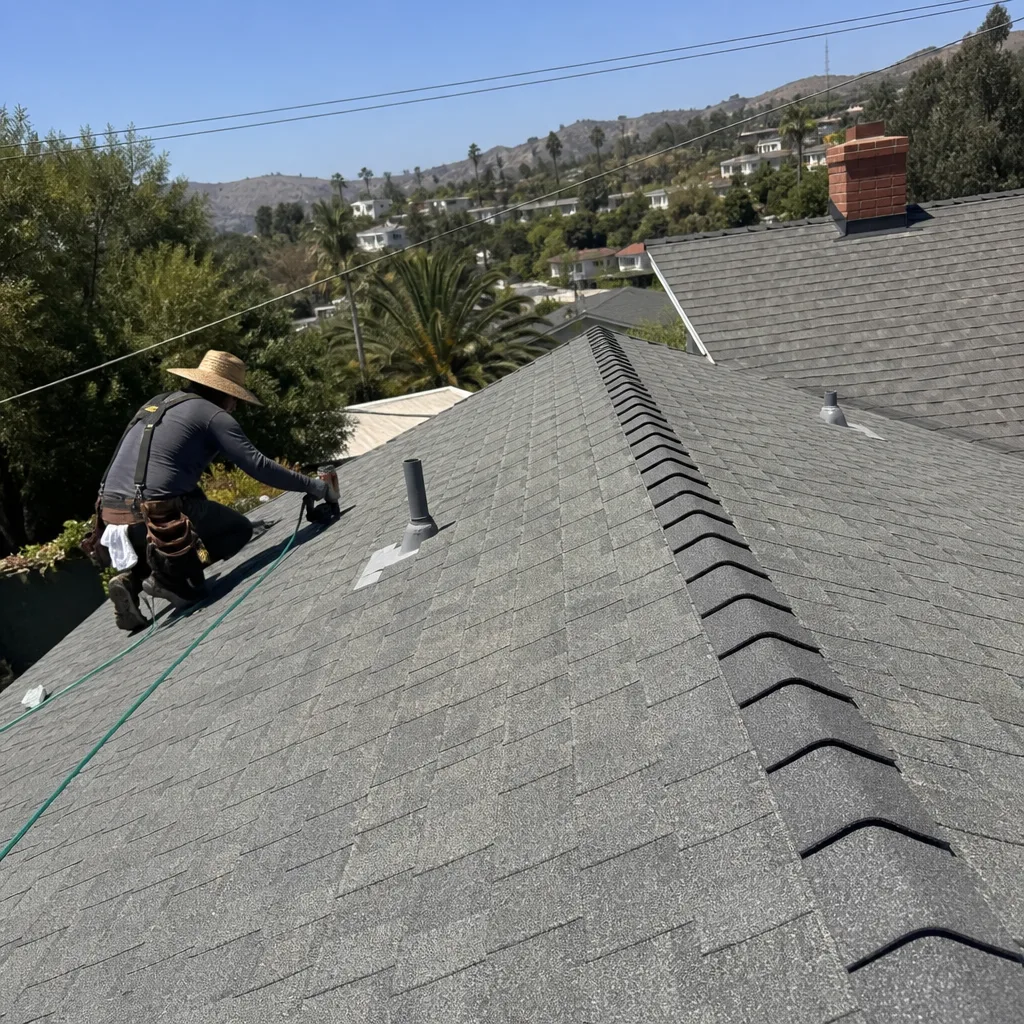 After
After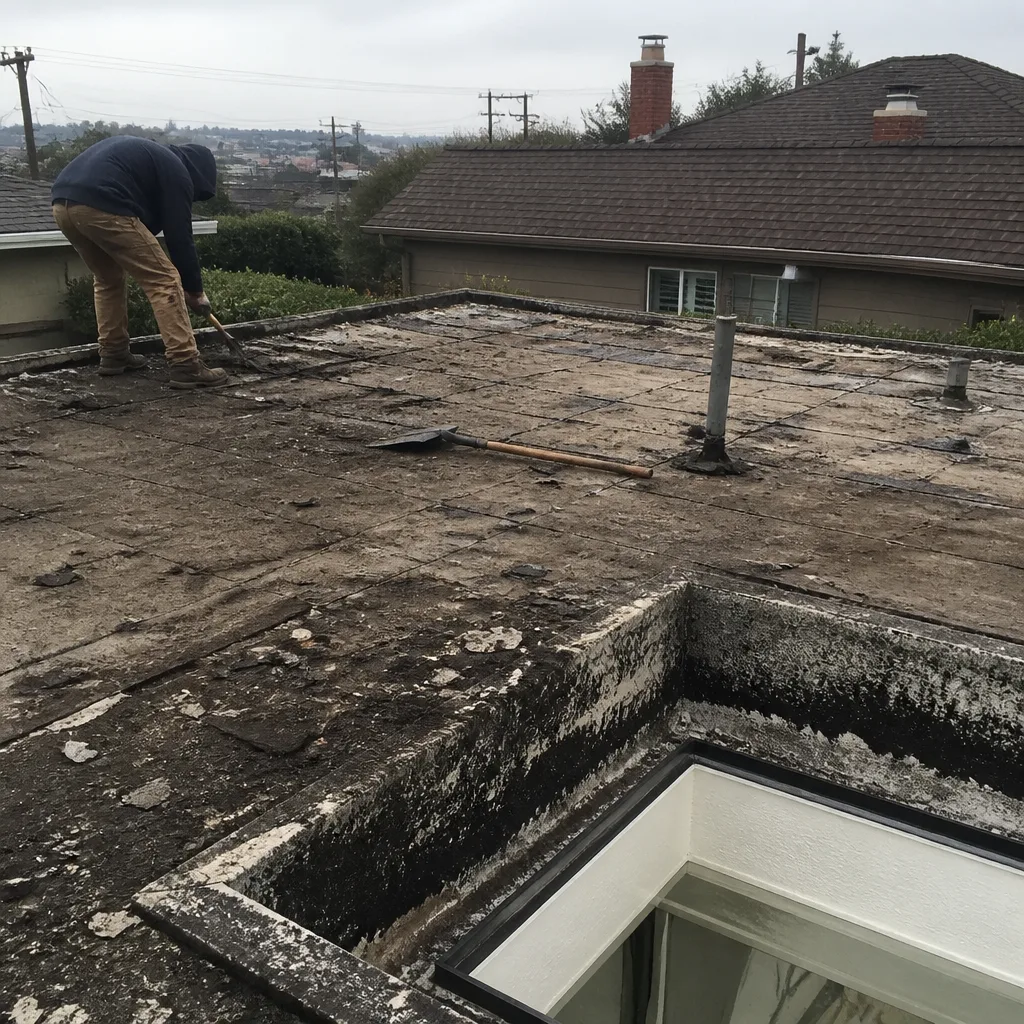 Before
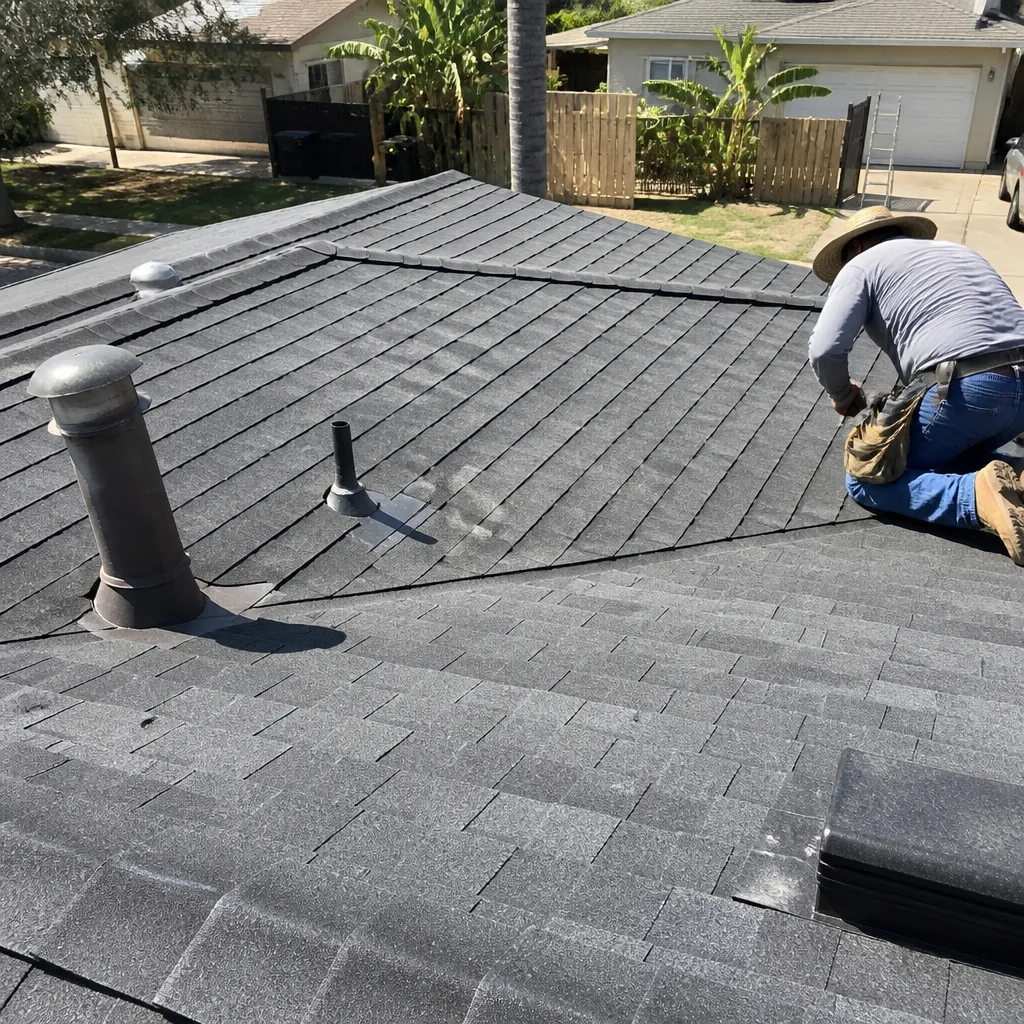 After
After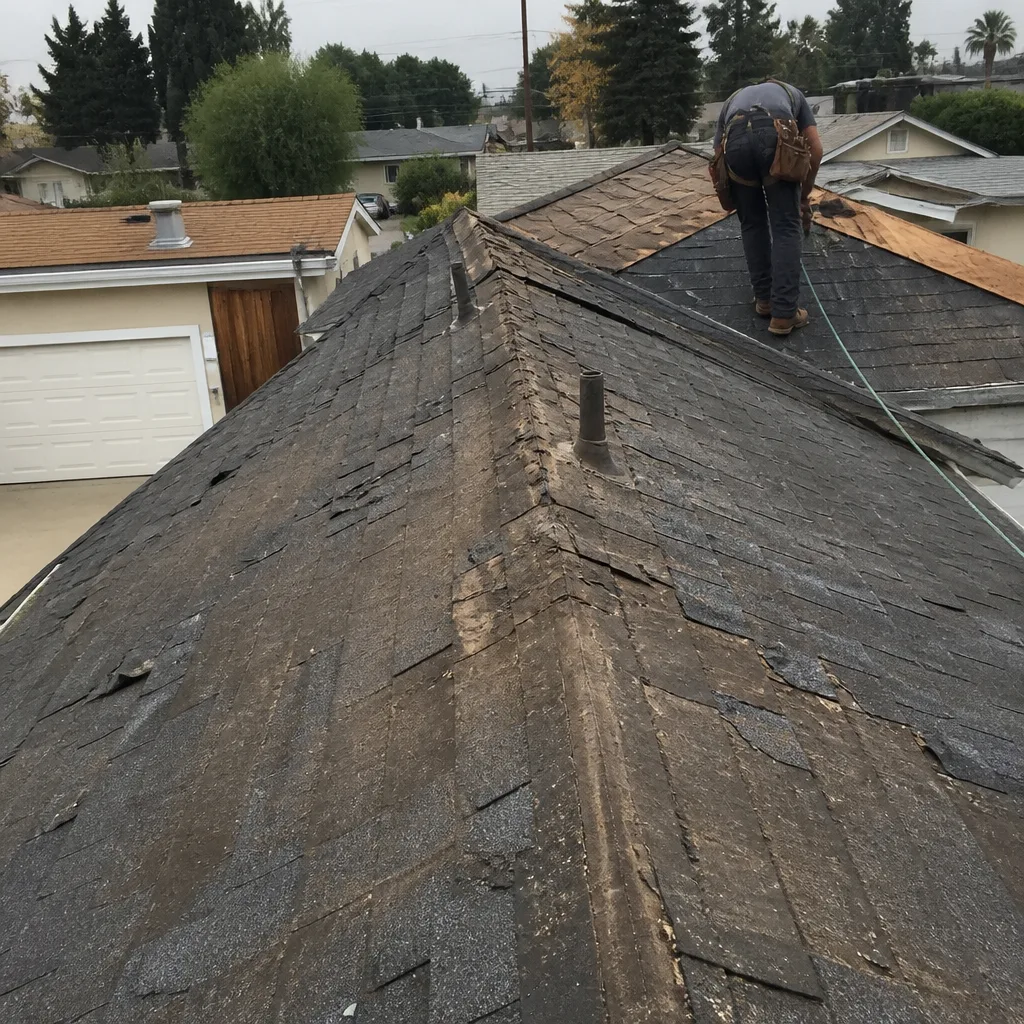 Before
 After
AfterGranules in the Gutters
What’s Happening
Granules in the gutters almost always mean your shingles are breaking down. The rough, sand-like coating on an asphalt shingle protects the layer underneath from UV exposure and water, and when that coating starts to shed, the shingle underneath begins to age much faster than it should.
A handful of granules after a heavy storm or after a new roof is installed is normal. What’s not normal is finding a thick layer of dark, gritty sediment every time you clean the gutters, or noticing bald patches on the shingles when you look up at the roof from the ground. That pattern tells you the shingles are past their surface protection and moving toward the point where they can’t shed water reliably. Left alone, it turns into a leak problem, and leak problems are always more expensive to fix than the roofing issue that caused them.
Why It Happens
Age-Related Granule Loss
Asphalt shingles are designed to hold their granule coating for decades, but that bond weakens over time. As the asphalt binder underneath dries out, it contracts and releases granules the way old paint releases from dry wood. If your roof is getting older and you’re seeing granules consistently across multiple gutters, not just one corner, age is almost certainly the main driver. You may also notice the shingles themselves look lighter or chalky in spots where the granules have gone.
Impact Damage from Hail or Debris
A hail storm can knock granules loose across a wide area in minutes, and the damage isn’t always obvious from the street. The sign to look for is granule loss that appears suddenly after a storm, concentrated in a scattered pattern rather than running evenly from the ridge down. You may also see small circular depressions in the shingle surface, sometimes called bruising, where the hail hit the mat beneath the granule layer.
Manufacturing Defects or Poor Installation
Some shingles lose granules early because of a defect in the manufacturing process or because they were installed in a way that stressed the surface, such as over-driving nails or installing shingles in temperatures outside the manufacturer’s recommended range. If your roof is relatively new and you’re already seeing significant granule shedding, this is worth investigating before the manufacturer’s warranty window closes. Your local Crestview Roofing team can document the damage with photos, which is what you’ll need if you pursue a manufacturer claim.
Poor Ventilation Causing Heat Buildup
A roof system that doesn’t breathe properly traps heat in the attic, and that heat works on the underside of the shingles the same way direct sun works on the surface, speeding up the drying and cracking of the asphalt binder. If you notice granule loss concentrated near the ridge or over parts of the roof above finished living space, poor attic ventilation is worth checking. Signs inside include an attic that feels like an oven in summer, moisture stains on the rafters, or ice dams forming at the eaves in cold climates.
What to Do Right Now
- Photograph what’s in the gutters. Take a clear photo of the granule accumulation before you clean it out. The volume, color, and distribution tell a trained eye a lot, and that photo becomes part of your repair record if you need it for an insurance or warranty claim.
- Look at the shingles from the ground. You don’t need to get on the roof yourself. Stand at the corners of your house and look for shiny or bald patches, curling edges, or shingles that look noticeably lighter than the rest. Note the location of any areas that look different.
- Check the attic if you can do it safely from inside. Look for light coming through the decking, water stains on the plywood or rafters, or soft spots that suggest moisture has already gotten in. You don’t need to touch anything – just look.
- Do not walk on the roof yourself. Shingles that are shedding granules may also be brittle, and a roof in this condition doesn’t offer the same footing as a healthy surface. Beyond the slip risk, walking on compromised shingles can break them further and create new leak points. This is genuinely dangerous work, and height alone makes it a job for a trained technician with the right equipment.
- Stop using any buckets, tarps, or improvised patches as a long-term fix. Temporary patches trap moisture and can hide the true extent of the damage from a technician trying to assess the roof accurately. Leave the surface as-is until someone can give you a proper inspection.
How We Fix It
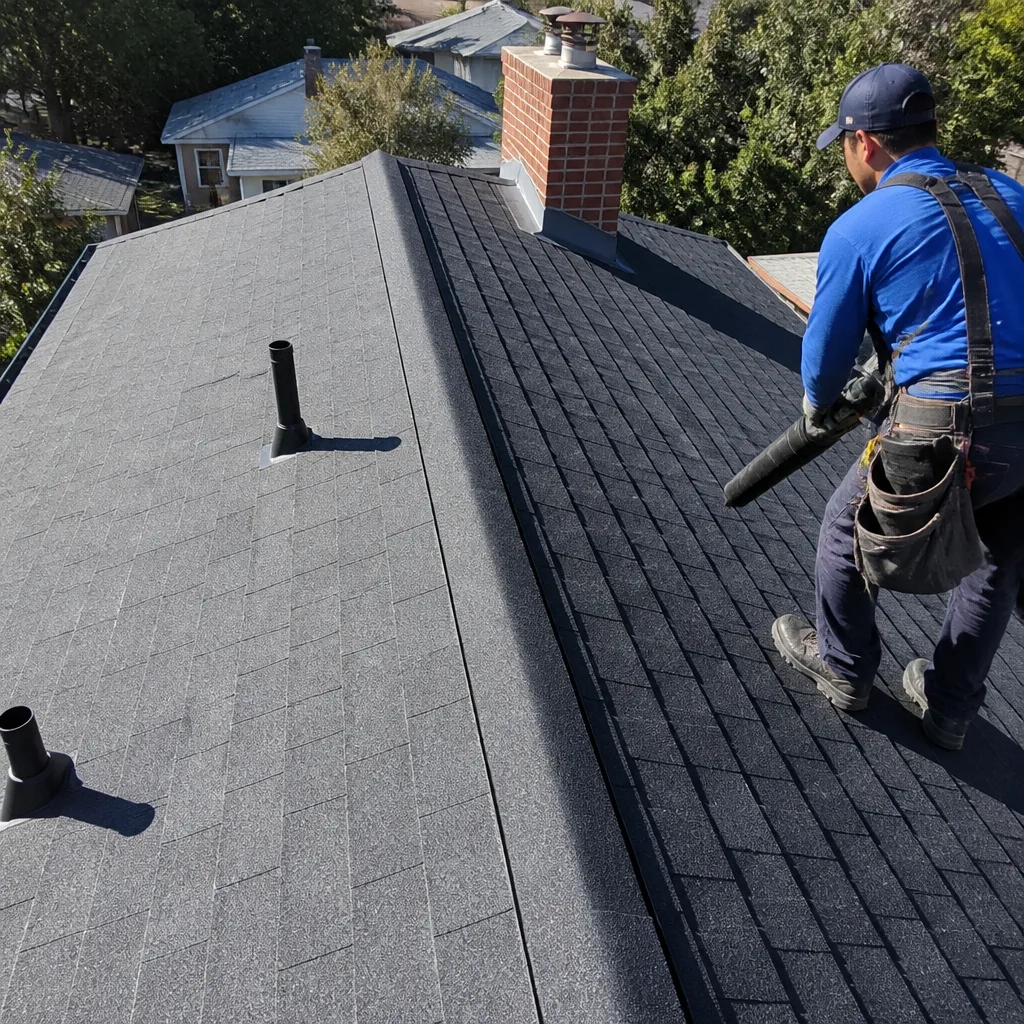
When your local Crestview Roofing team arrives, the technician inspects the full roof surface, not just the spots that caught your eye from the ground. They’re looking at granule coverage across every section, the condition of the shingle mat underneath, the state of the flashing at valleys and penetrations, and whether any decking shows signs of moisture damage. That inspection shapes the recommendation.
Depending on what they find, the fix is either a targeted Roof Repair – replacing the worn or damaged sections with matching material from brands like GAF, CertainTeed, Owens Corning, IKO, Atlas, Tamko, or Boral – or, if the shingle system has reached the end of its usable life, a full Roof Replacement. You’ll get a written price before anything starts. That’s not a policy we waive – it’s how every job works. And every repair is backed by the 365-Day Done Right Promise: if the repair fails within a year, we come back and correct it at no charge, in writing, no negotiation required.
A straightforward repair typically runs a few hours. A full replacement depends on the size and complexity of the roof. Either way, you’ll know the scope and the cost on paper before the first nail goes in.
Frequently Asked Questions
It depends on how far along the loss is, but it should not be left unaddressed for long. Granules are the shingle’s first line of defense against UV degradation and water intrusion. Once they’re gone in quantity, the asphalt beneath ages quickly and the roof’s ability to shed water drops with it. What starts as a surface issue becomes a leak, and a leak becomes interior damage. If you’re seeing significant bald patches or finding large volumes of granules after every rain, call (325) 246-5075 and get a written assessment before the next wet season.
It depends on the cause. Storm-related granule loss, particularly hail damage, is often a covered peril under a standard homeowner’s policy. Age-related wear typically is not. The key is documentation: photos of the granules, photos of the shingle surface, and ideally a professional inspection report that notes the cause. Your local Crestview Roofing team photos every job before work starts, which gives you a clear record to bring to your insurer if there’s a storm-damage claim involved.
Call (325) 246-5075 and a live person will answer – not a voicemail, not an after-hours recording. Your local Crestview Roofing team will tell you what’s available and get you scheduled as quickly as possible. Granule loss that’s progressed to visible bald patches is worth treating as a near-term priority, not something to put on next month’s list.
No. Every job gets a written price before any work begins, and the number on that page is the number on the invoice. There are no add-ons after the fact, no “we found more damage once we got up there” surprises that weren’t documented and approved first. If the technician finds additional damage during the job, they stop, show you what they found, and give you an updated written price before continuing. You decide. Call (325) 246-5075 to get your free written estimate started.
Get It Fixed
Call (325) 246-5075 – a live person answers every call. Your local Crestview Roofing team will inspect the roof, document what they find with before-and-after photos, and give you a written price before any work starts. Every repair is covered by the 365-Day Done Right Promise. No runaround, no surprises.
Written by Dylan Pace, Owner at Crestview Roofing, part of the Relay Home Co. family, founded 2000.
What Our Customers Say
"Solid work. Cleanup took until the next morning, but the yard looks good."
- Nate Z."Estimate came in the app with a line-by-line breakdown. Accepted with a tap."
- Raj P."Roof replacement. Crew texted the schedule daily and I could ask questions by message. Done in two days."
- Sandra J.