
Free roof inspection with deck photos before we talk money - GAF and Owens Corning certified installation
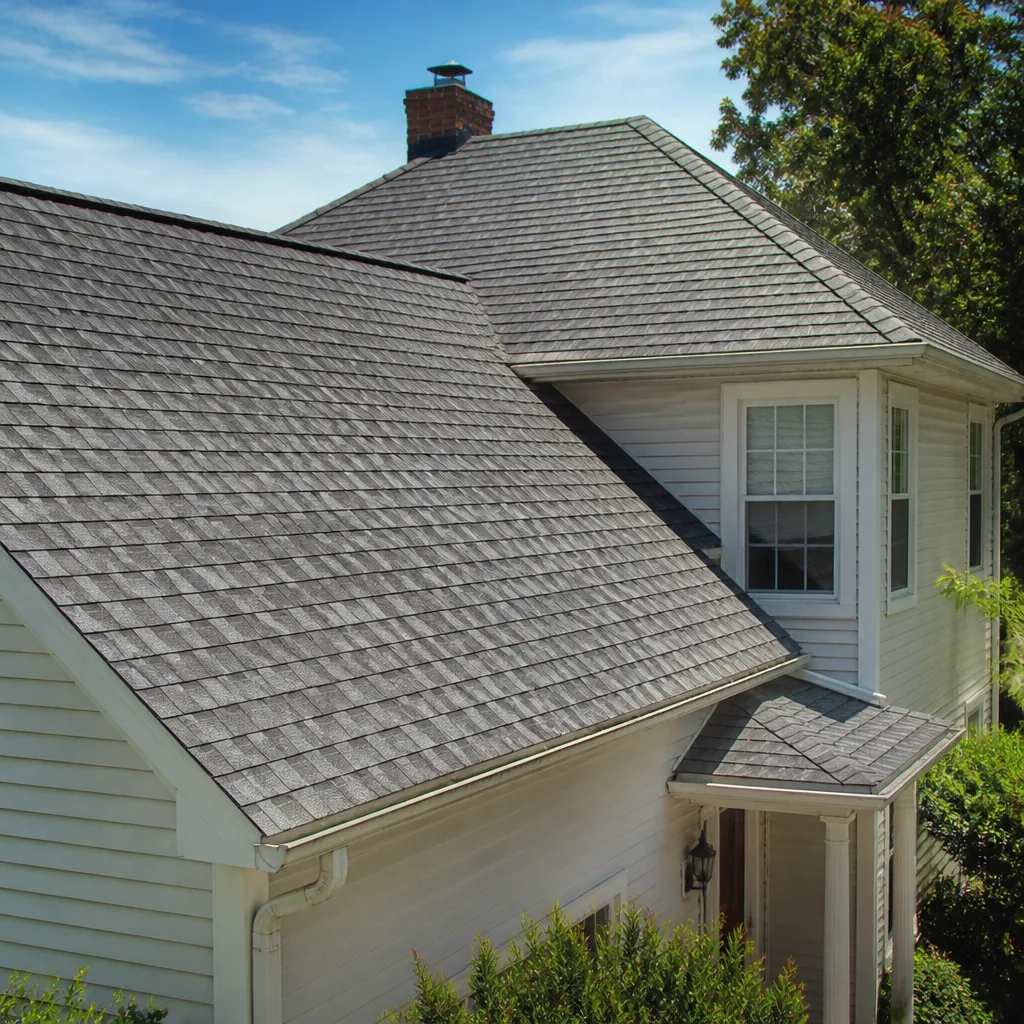
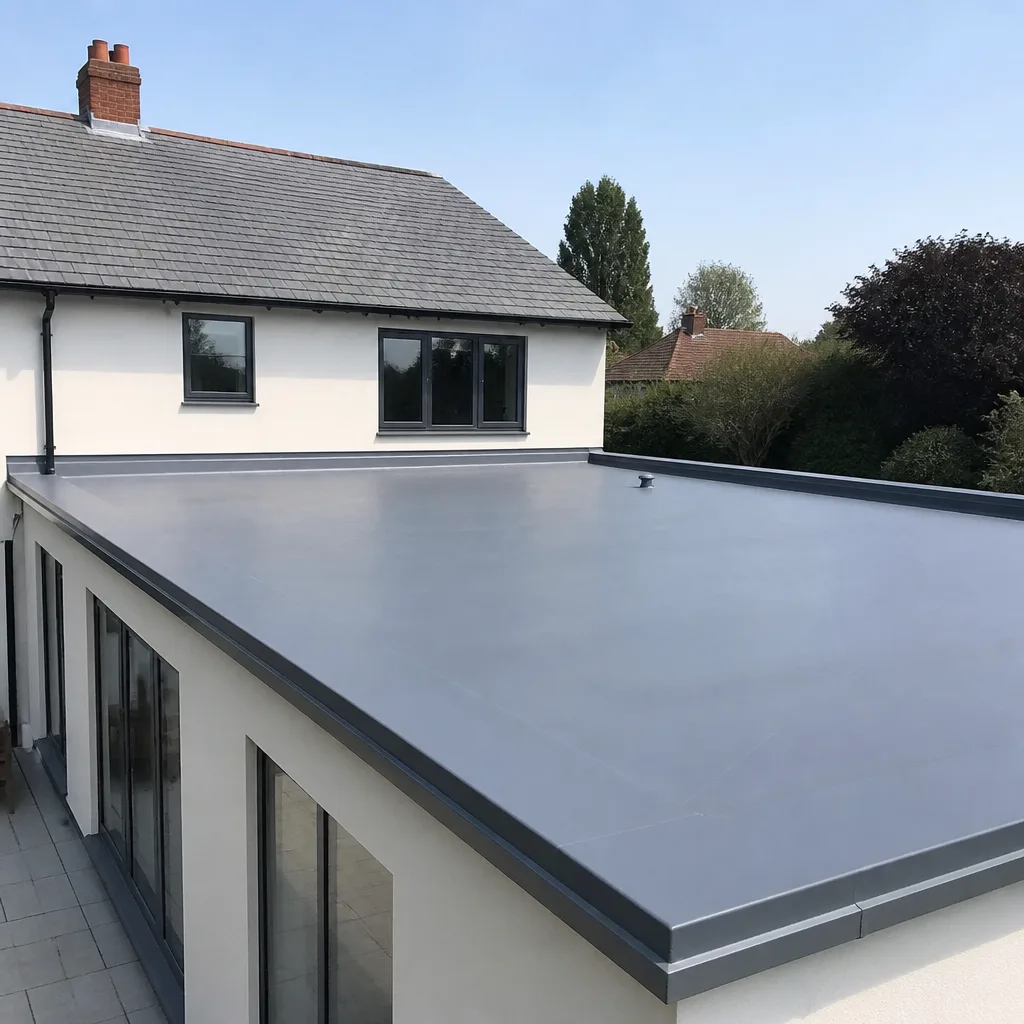
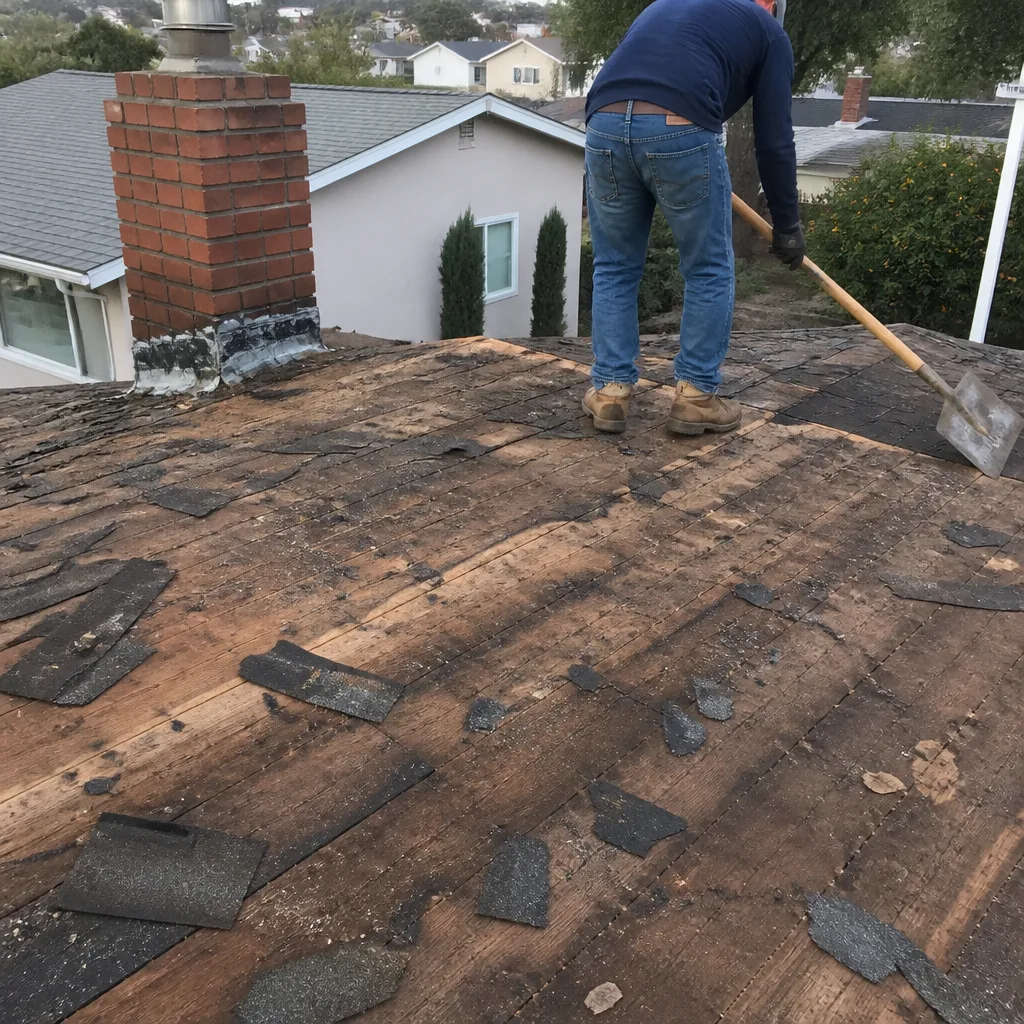 Before
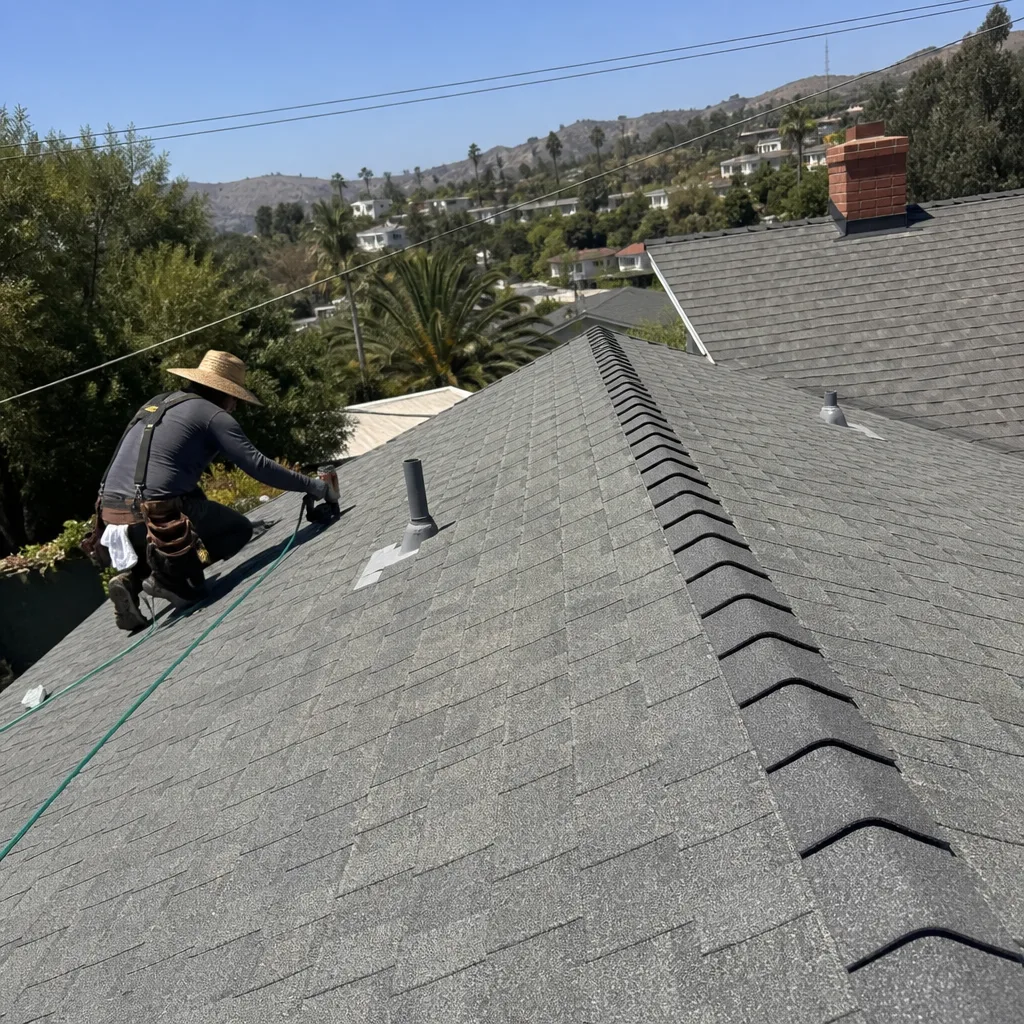 After
After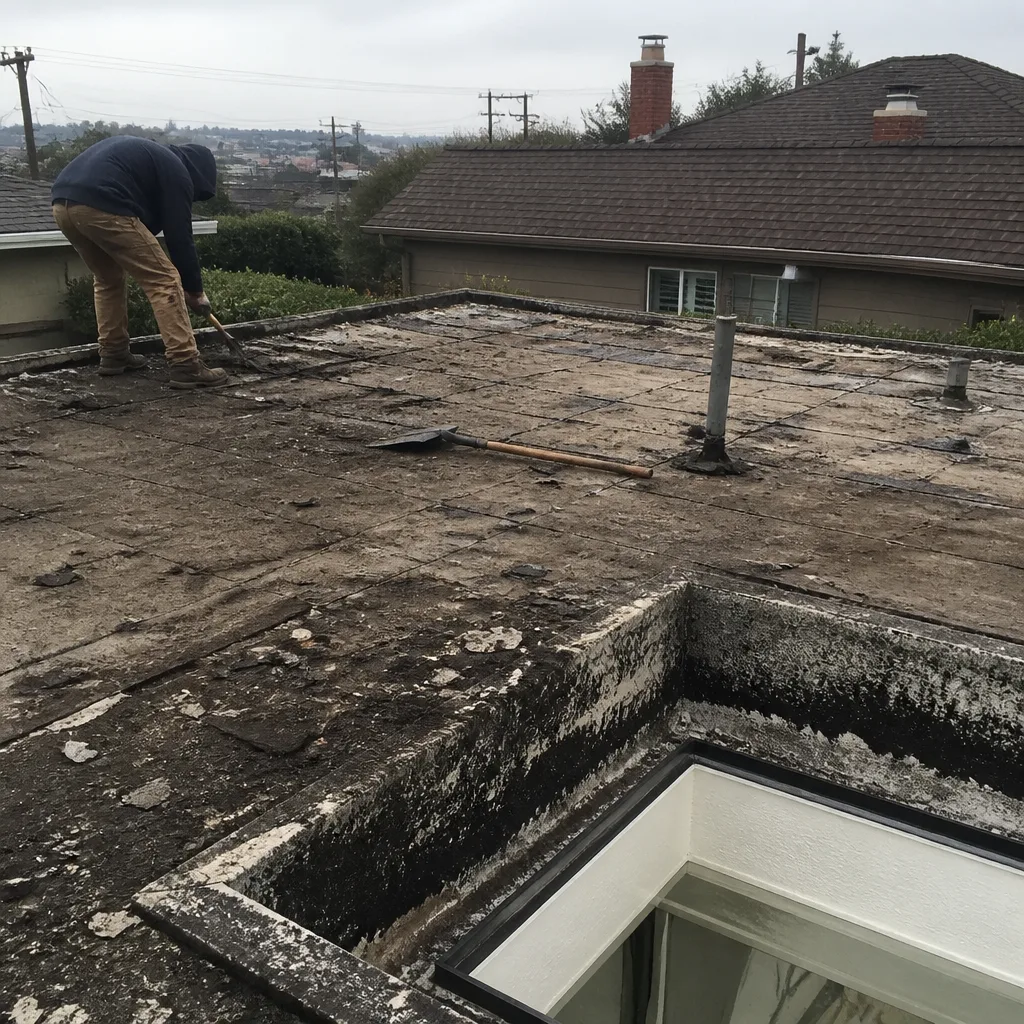 Before
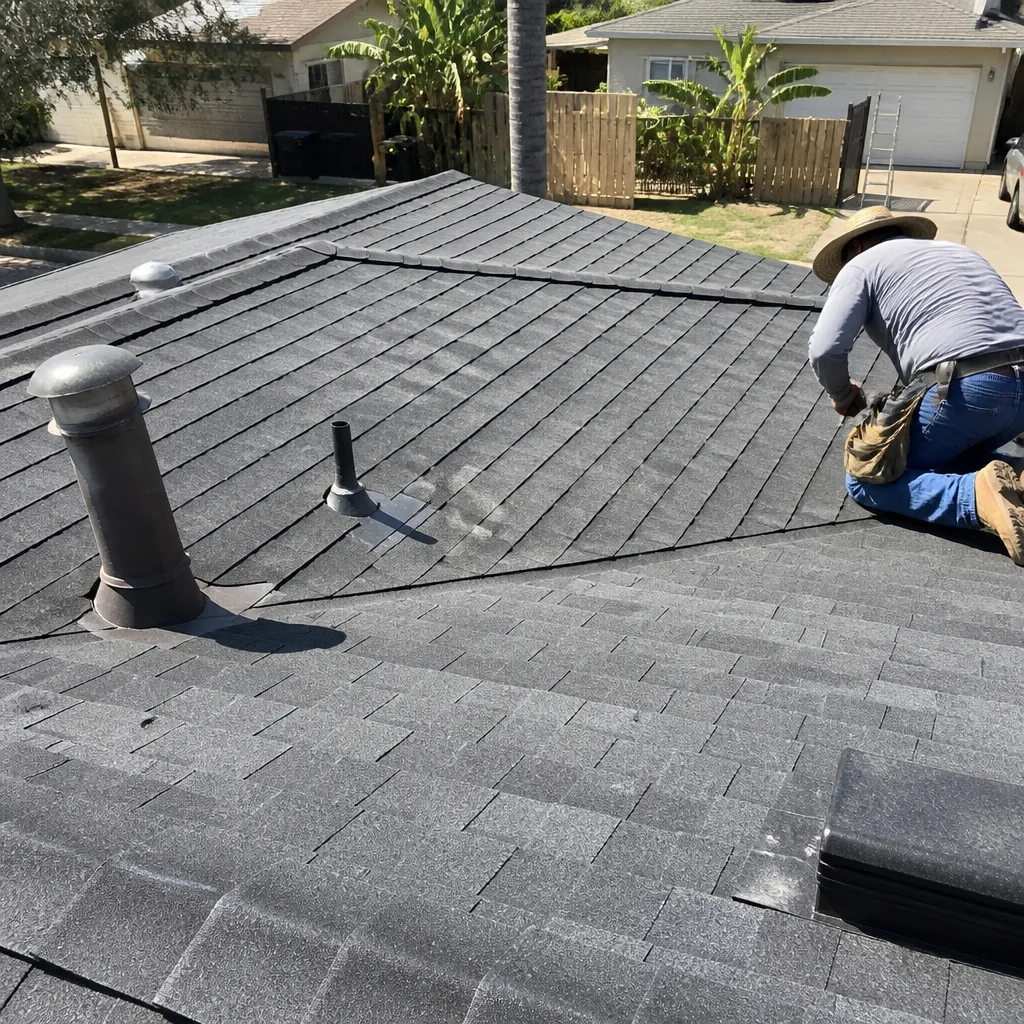 After
After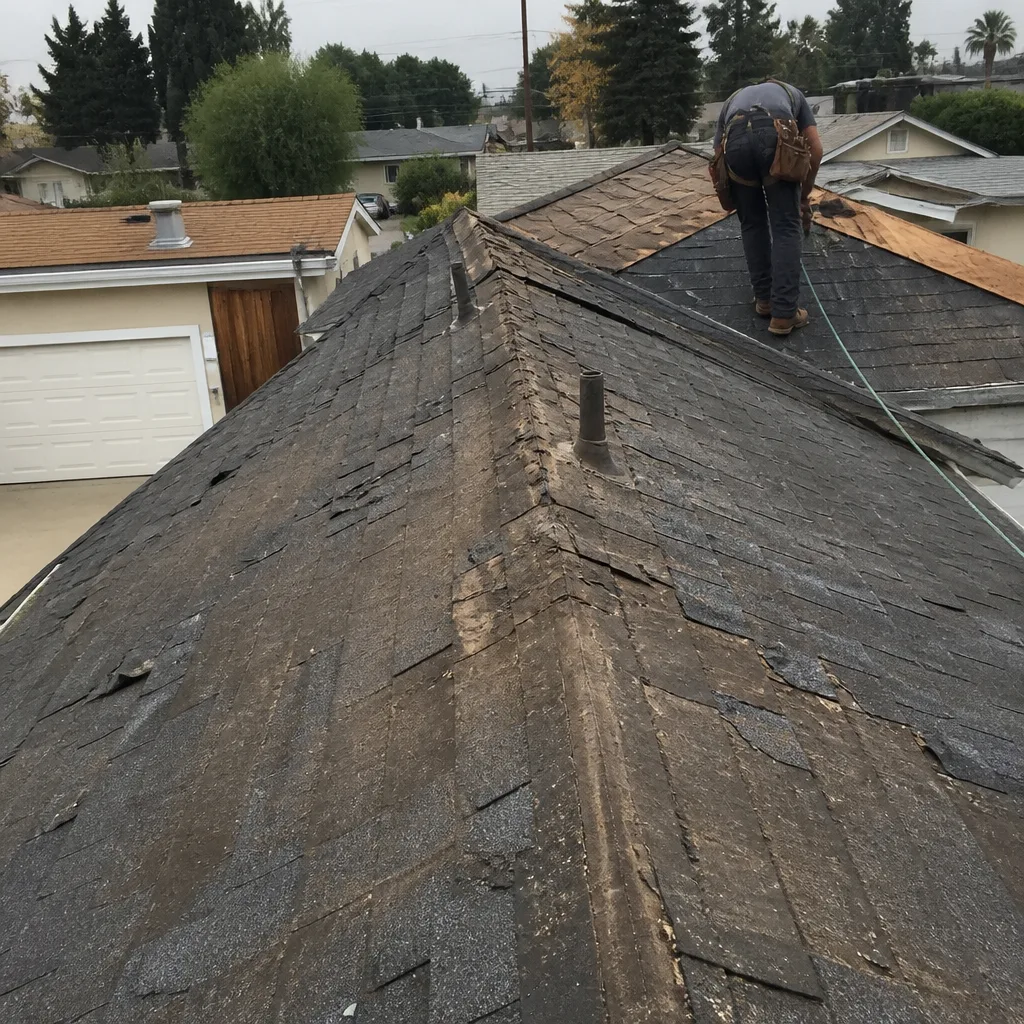 Before
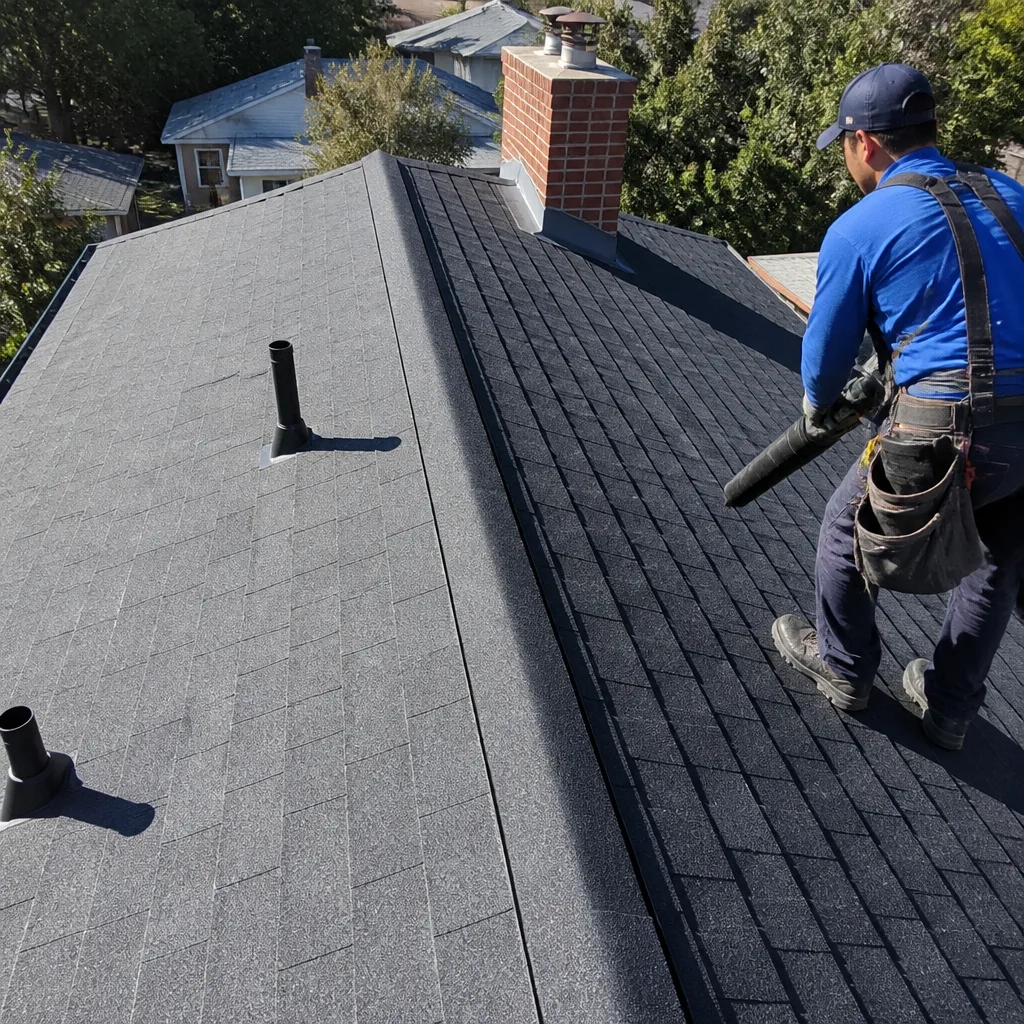 After
AfterOwens Corning Ridge Vent Installation: The Los Angeles Owner’s Guide
Most Owens Corning ridge vent installations in Los Angeles run $1,200 – $2,800 depending on roof length, accessibility, and whether we’re replacing the vent alone or addressing underlying deck damage. We stock Owens Corning VentSure and compatible components on every Crestview truck, and we can typically inspect and quote same-day for active leaks. Homeowners usually discover a ridge vent problem after a Santa Ana wind event blows off a section, or when they notice a spike in their AC bill because hot attic air isn’t escaping properly.
Which Owens Corning Models This Applies To
Owens Corning makes two primary ridge vent product families, and knowing which sits on your roof determines everything from part compatibility to airflow rating.
VentSure Strip Heat & Moisture Ridge Vent – the rolled, flexible version found on most Los Angeles homes built from the late 1990s through the 2010s. It installs in a continuous strip along the ridge board and relies on an external baffle to block wind-driven rain while letting hot air exit. The telltale identifier: a low-profile, shingle-over design with a textured surface that matches Owens Corning Duration or Oakridge shingles.
VentSure Rigid Roll Ridge Vent – a harder, pre-formed plastic vent used on steeper pitches and in areas where code requires higher wind uplift resistance. In Los Angeles, we see these most often in the hills above Pasadena and Glendale where the city enforces stricter Title 24 energy compliance and wind exposure ratings.
Here’s the compatibility gotcha that trips up even some contractors: Owens Corning ridge vents are width-specific. The VentSure Strip requires a 3/4-inch to 1-inch slot cut down the ridge peak. The Rigid Roll needs a wider 1-1/4-inch to 1-1/2-inch slot. Cut too narrow and airflow chokes; cut too wide and the fasteners won’t bite properly, which is exactly why we see so many ridge vents peeling back after the first strong wind season.
We carry both OEM Owens Corning vents and a select line of manufacturer-approved equivalents that meet the same NFVA (net free vent area) ratings. For homeowners staying within the Owens Corning roofing system, we generally recommend OEM to preserve any existing material warranties. If your shingles are from another brand, a compatible vent with matching airflow specs often makes more sense than chasing a brand match that doesn’t integrate cleanly.
Signs Your Owens Corning Ridge Vent Installation Is Failing
- Lifted or missing sections after wind. The Santa Ana winds that rake through the San Fernando Valley and pass through the Newhall Gap regularly hit 40 – 60 mph. If your ridge vent wasn’t nailed with the proper 2-1/2-inch ring-shank fasteners spaced every 6 inches, the wind gets underneath and works it loose. We see this most often on homes where the original installer used standard roofing nails instead of the longer fasteners Owens Corning specifies.
- Water stains on the ceiling directly below the ridge line. A ridge vent’s internal baffle is supposed to block rain while letting air pass. When the baffle cracks or the end caps separate, water follows the path of least resistance straight into your attic. In Los Angeles, this usually shows up not during our rare heavy rains but during the misty marine layer mornings when condensation collects and finds any gap.
- Attic temperature 20 – 30 degrees hotter than outside air. A properly functioning ridge vent works with soffit vents to create passive airflow. When the vent clogs with dust, paint overspray from a DIY project, or collapsed internal baffles, that convection stops. Your AC works harder, your shingles bake from underneath, and your energy bill climbs.
- Granule buildup in the gutters directly below the ridge. This one’s subtle but telling. When a ridge vent sits too high or isn’t flush with the shingle plane, wind turbulence scours granules off the adjacent shingles. We spot this frequently on homes in the older neighborhoods of Eagle Rock and Highland Park where subsequent roof layers have raised the ridge line above the vent’s designed profile.
- Visible daylight through the vent from inside the attic. Some light is normal. A bright, continuous line means the filter fabric or baffle has deteriorated, or animals have chewed access holes. In Los Angeles, roof rats and squirrels exploit these gaps, and their nesting material blocks airflow while creating fire hazards near recessed can lights.
Replacement Cost & What’s Included
| Scope | Typical Range |
|---|---|
| Standard ridge vent replacement (single-story, up to 40 linear feet) | $1,200 – $1,800 |
| Two-story or steep-pitch (greater than 6:12) | $1,600 – $2,400 |
| With localized deck repair (up to 2 sheets plywood) | $2,000 – $2,800 |
| Full ridge vent + matching shingle replacement along ridge | $2,400 – $3,200 |
What drives the range? Access difficulty is the big one. A single-story ranch in the flatlands of the San Fernando Valley takes half the time of a two-story Spanish Revival in the Hollywood Hills where we’re working off scaffolding. Deck condition matters too – the vent sits directly on the ridge board, and if that wood has rotted from prior leaks, we replace it. No shortcuts.
Every Crestview quote is itemized: vent material, fasteners, underlayment where needed, labor, and disposal. The price we write is the price on the invoice. Our 365-Day Done Right Promise covers the installation, and we use manufacturer-backed Owens Corning materials so your system warranty stays intact. Every promise in writing – that’s just how we do it.
DIY or Call Us?
There’s a safe middle ground here. You can inspect your ridge vent from the ground with binoculars or from a ladder at the gutter line. Look for lifted edges, missing end caps, or shingle granules collecting where they shouldn’t. Check your attic for water stains or unusual heat.
But actually replacing a ridge vent means working at the highest, most exposed point of your roof. You’re cutting the ridge slot with a circular saw, navigating around structural members, and sealing everything against wind and water while balanced on a peak. In Los Angeles, tile roofs add another layer: the weight and fragility of clay or concrete tiles make ridge work a two-person job minimum, and one wrong step cracks tile that may be decades old and no longer manufactured.
We don’t recommend DIY ridge vent replacement. The fall risk is real, the waterproofing detail is unforgiving, and a mistake doesn’t show itself until the next rain – or until your energy bill spikes for months because airflow is choked. Call us at (325) 246-5075 and we’ll give you a written price before any work starts, with a live trackable arrival time so you’re not waiting around all day.
FAQs
Expect 15 – 25 years depending on sun exposure and installation quality. The intense UV on south-facing ridges in Los Angeles degrades the plastic baffles faster than the manufacturer speculates for moderate climates. We see premature failure around year 12 on homes without adequate attic insulation, where sustained heat cycling brittles the material. Call (325) 246-5075 for an exact quote – estimates are free.
Small sections can be patched if the damage is isolated – a torn end cap, a few loose fasteners. But if the baffle is cracked, the filter fabric is clogged, or multiple sections are lifting, replacement is the only fix that restores proper airflow and keeps your warranty valid. We assess this on every call and tell you honestly which path makes sense. Call (325) 246-5075 for an exact quote – estimates are free.
Most standard ridge vent replacements take 4 – 6 hours. Steep roofs, tile removal and replacement, or deck repair add time. We send before-and-after photos by text through The Relay Standard, and you’ll have a live arrival window tracked to your phone. Call (325) 246-5075 for an exact quote – estimates are free.
Yes. We carry VentSure Strip and Rigid Roll inventory, plus the correct fasteners, end caps, and ridge cap shingles to match. For less common profiles or color-matching on discontinued shingle lines, we source overnight from Owens Corning’s West Coast distribution. Call (325) 246-5075 for an exact quote – estimates are free.
Ready to get your ridge vent sorted? Call (325) 246-5075 to schedule your free estimate. We’ll give you a written price before any work starts, a live trackable arrival time, and photo documentation of every step. That’s The Relay Visibility Guarantee, and it’s how we’ve worked since 2000.
Written by Dylan Pace, Owner, Crestview Roofing at Crestview Roofing, serving Los Angeles and nearby areas.