
Free roof inspection with deck photos before we talk money - GAF and Owens Corning certified installation
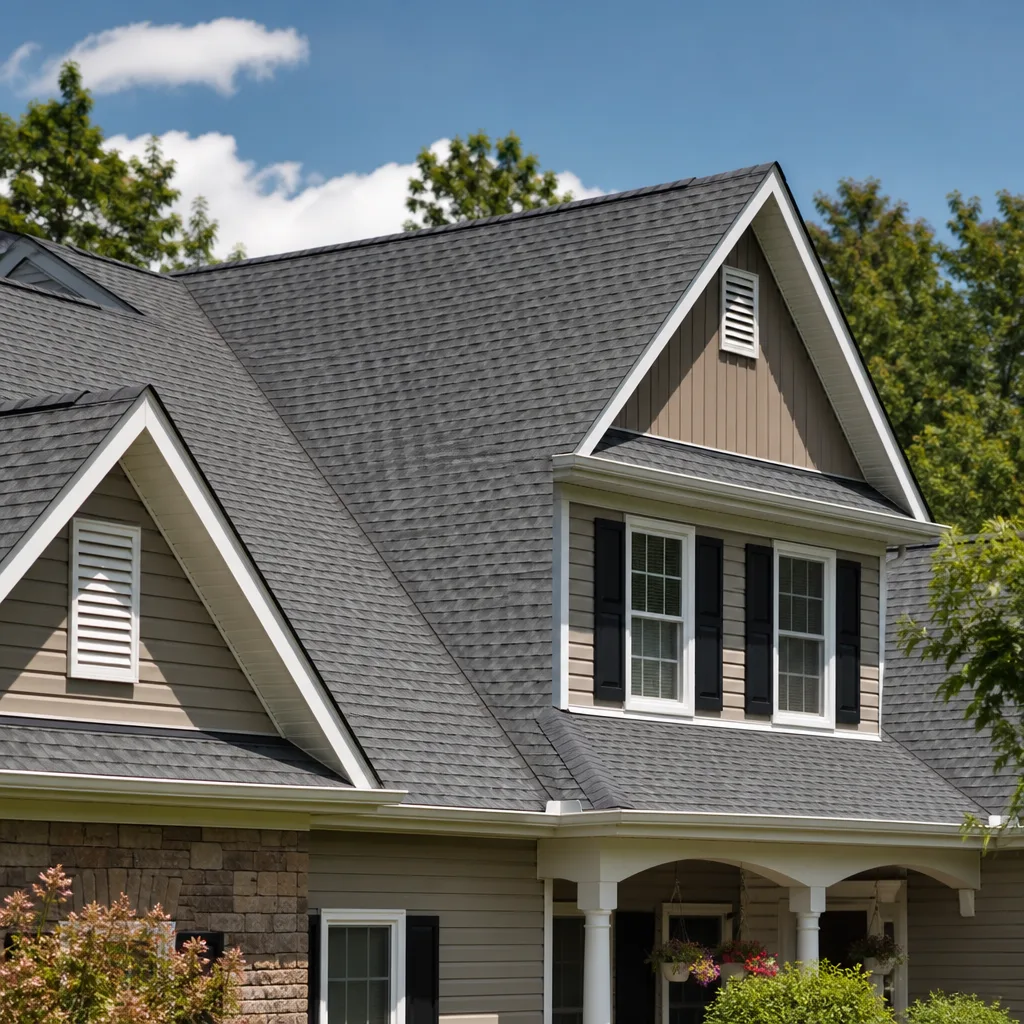
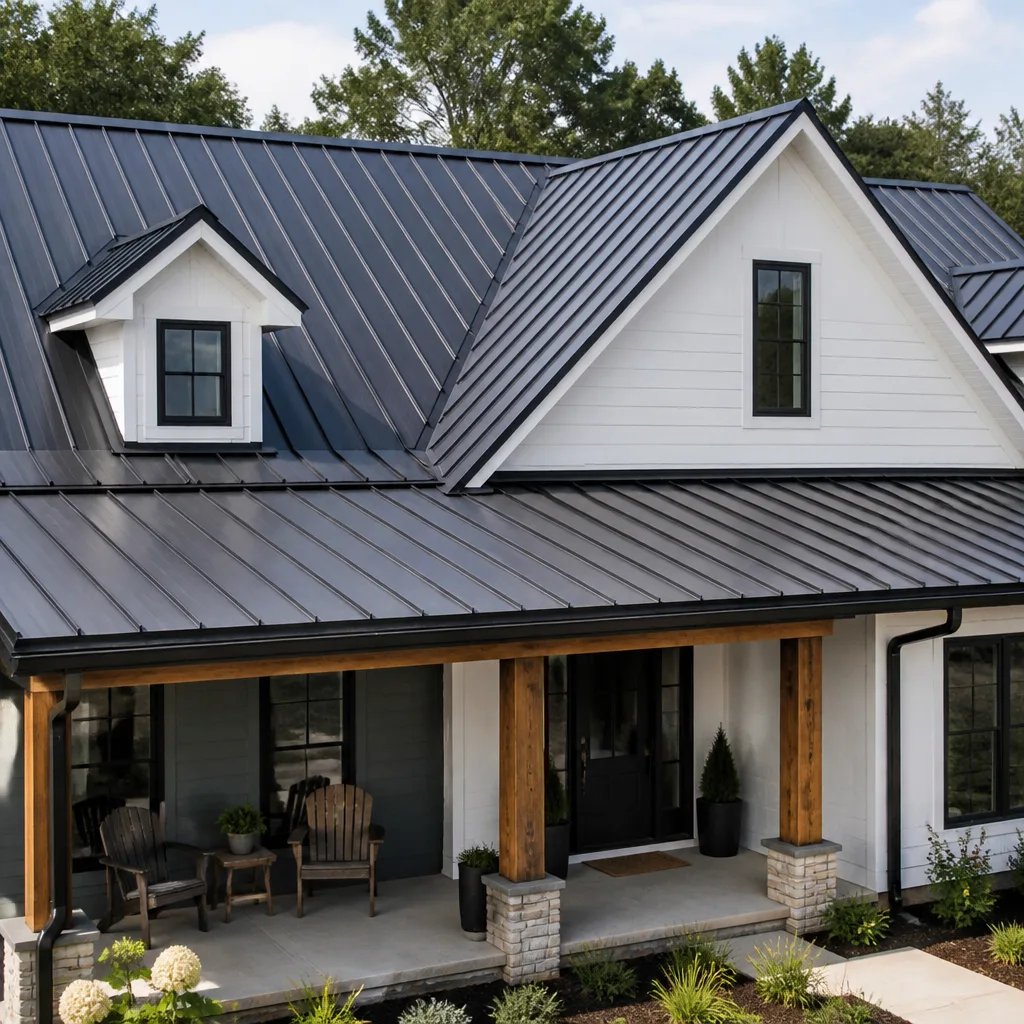
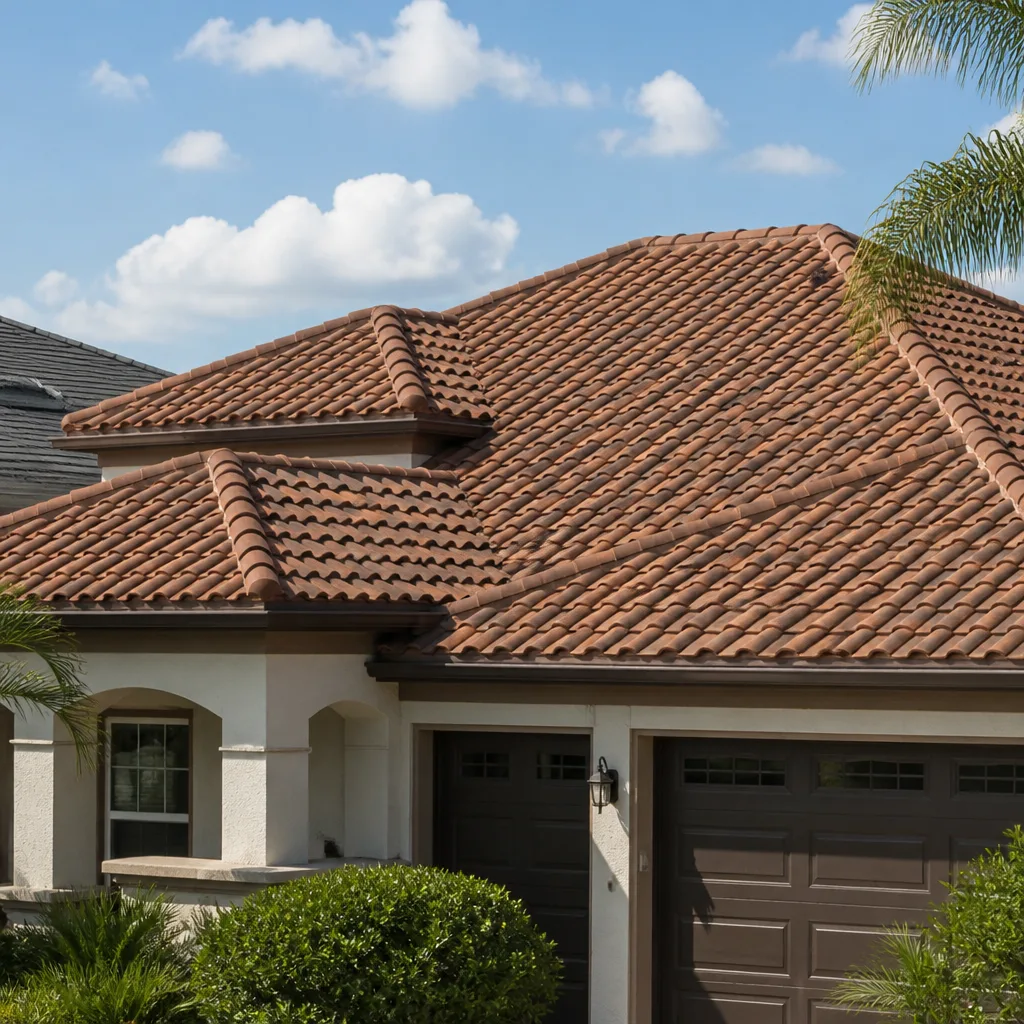
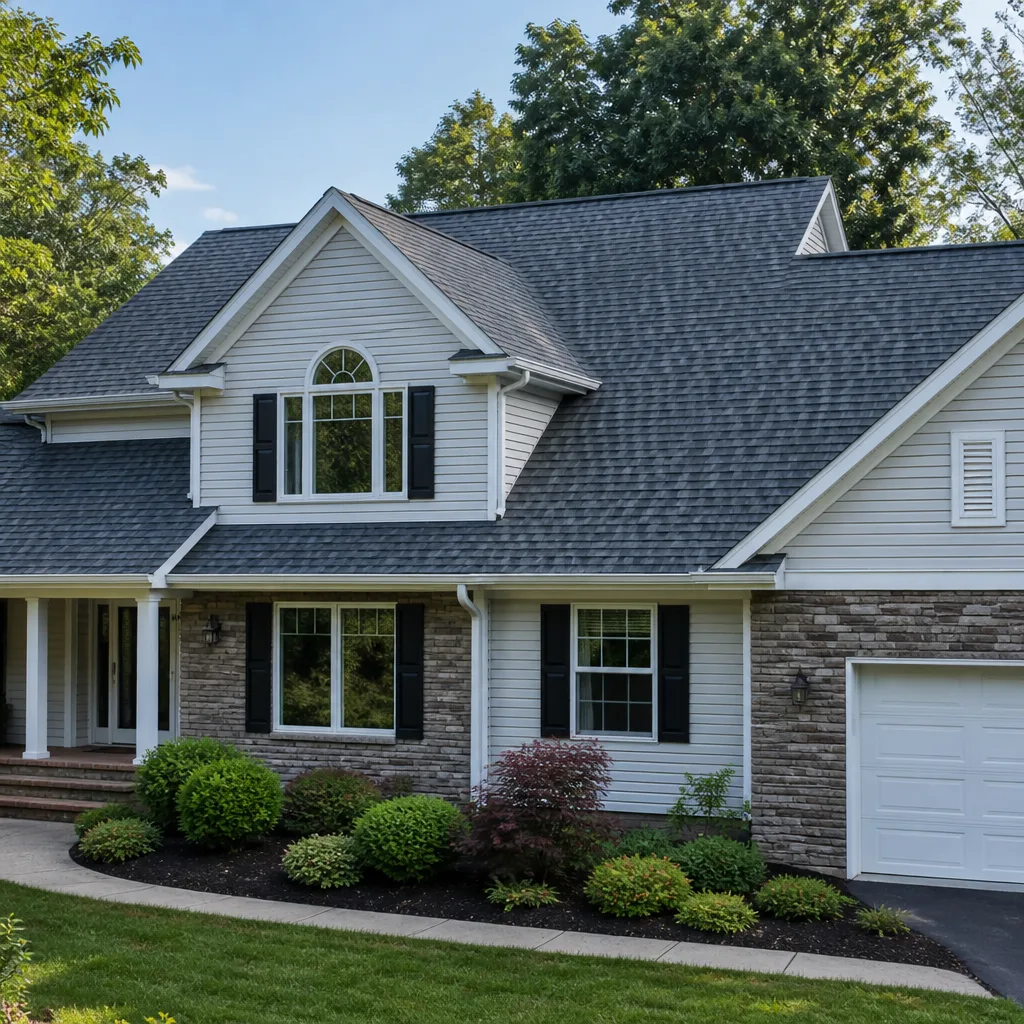
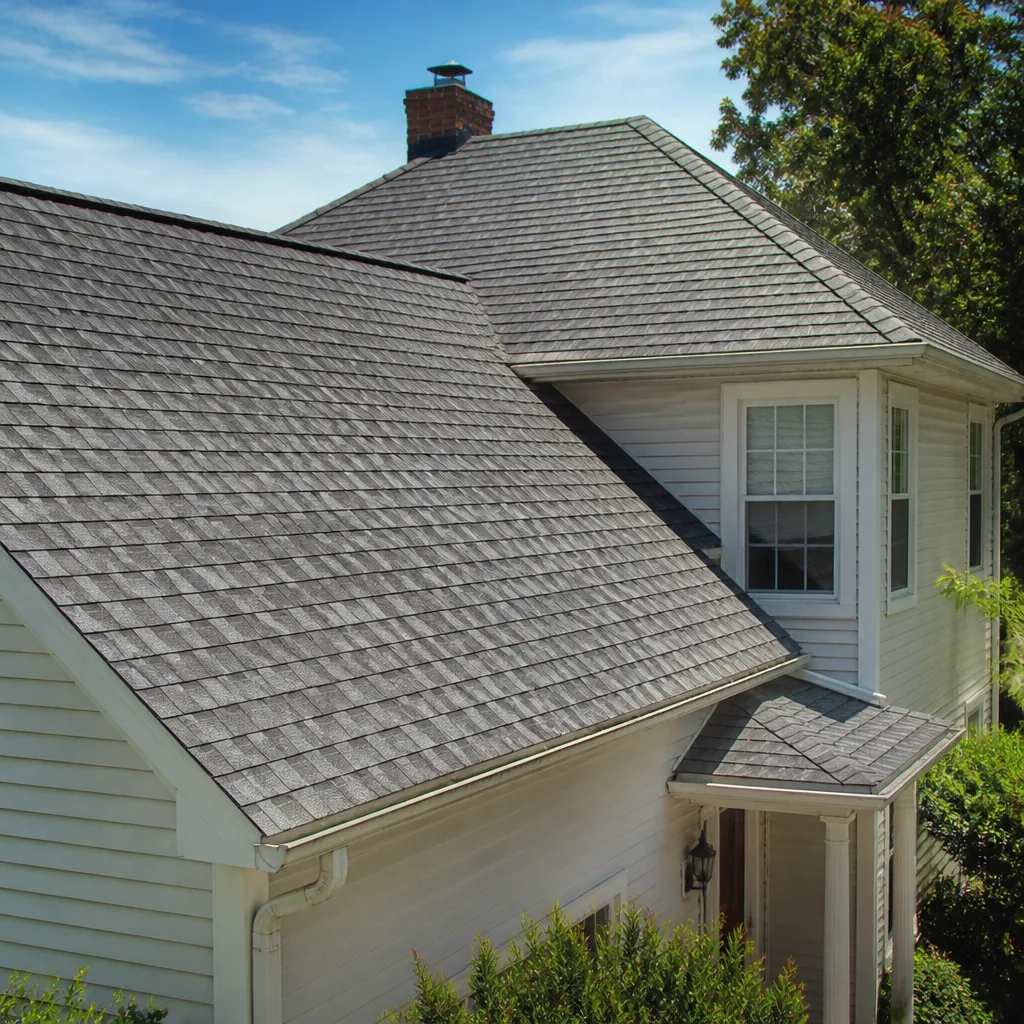
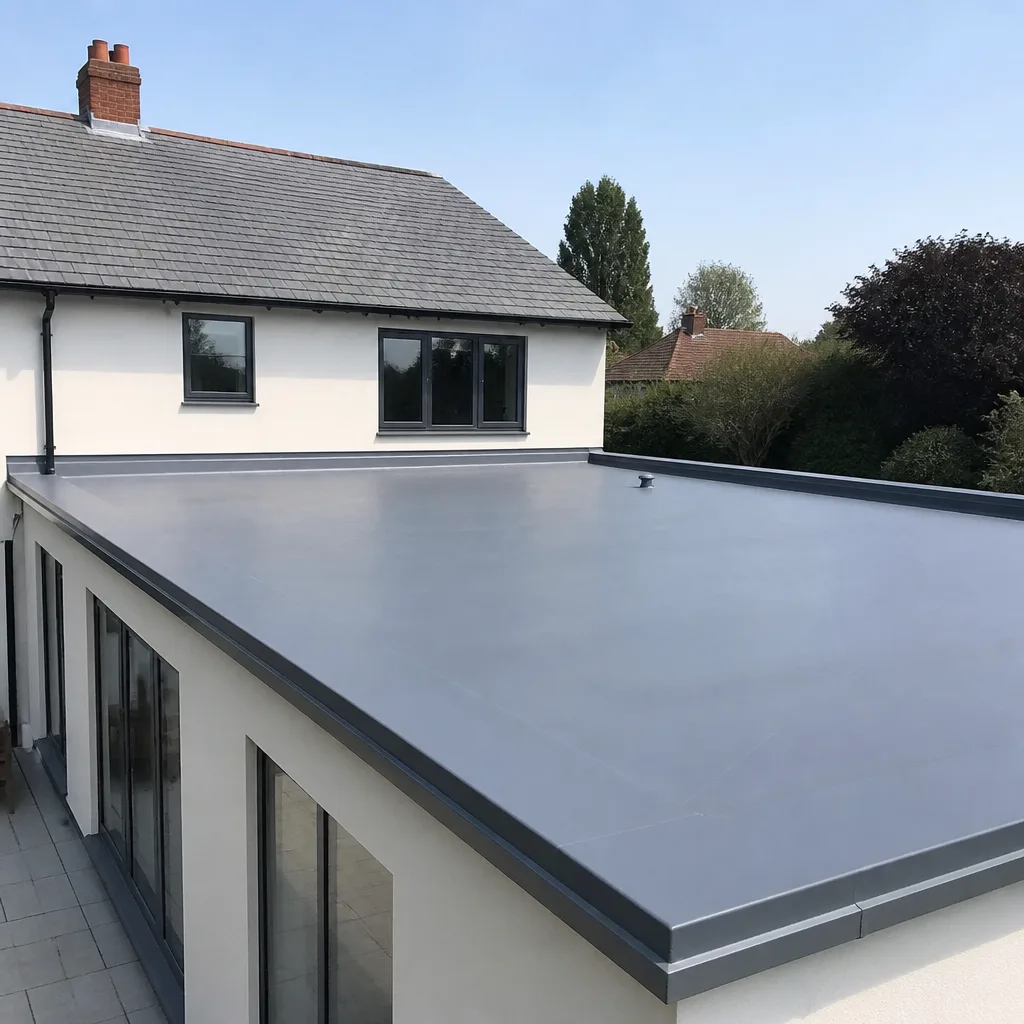
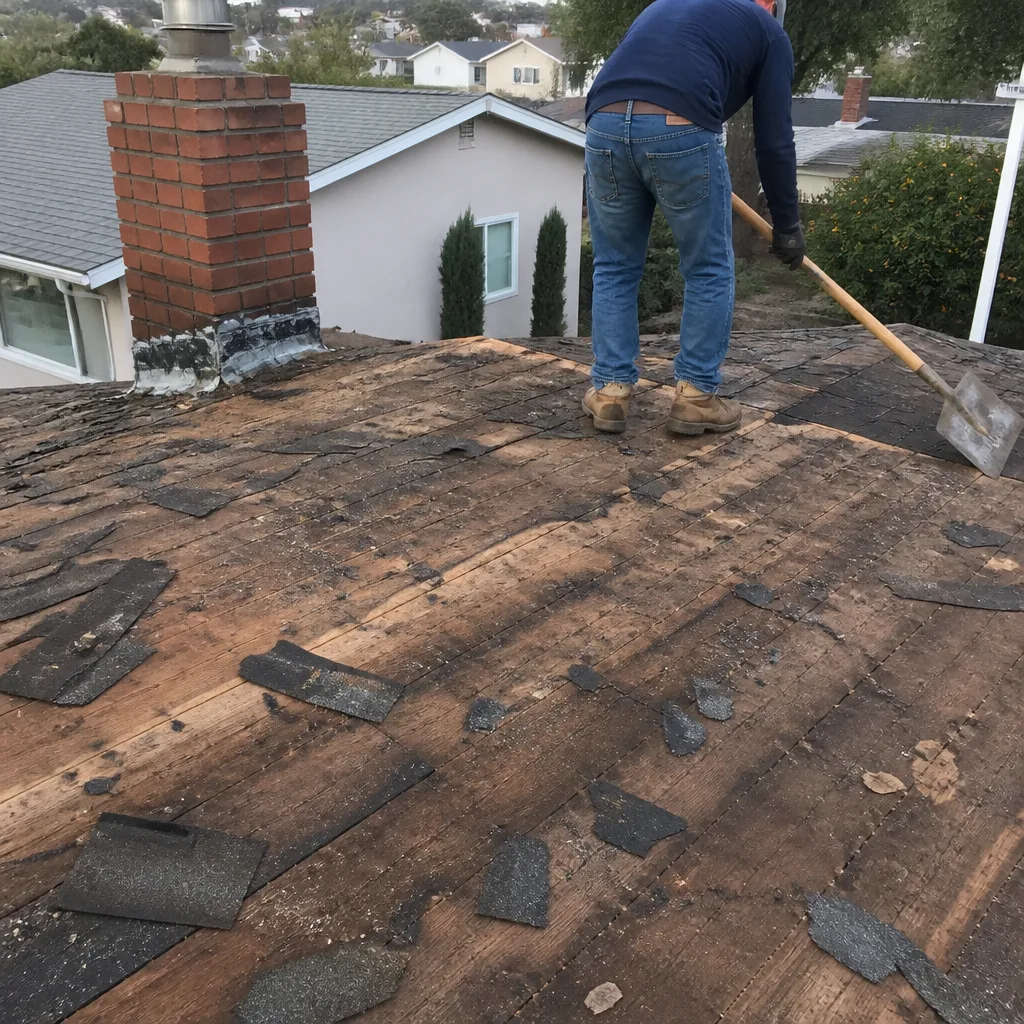 Before
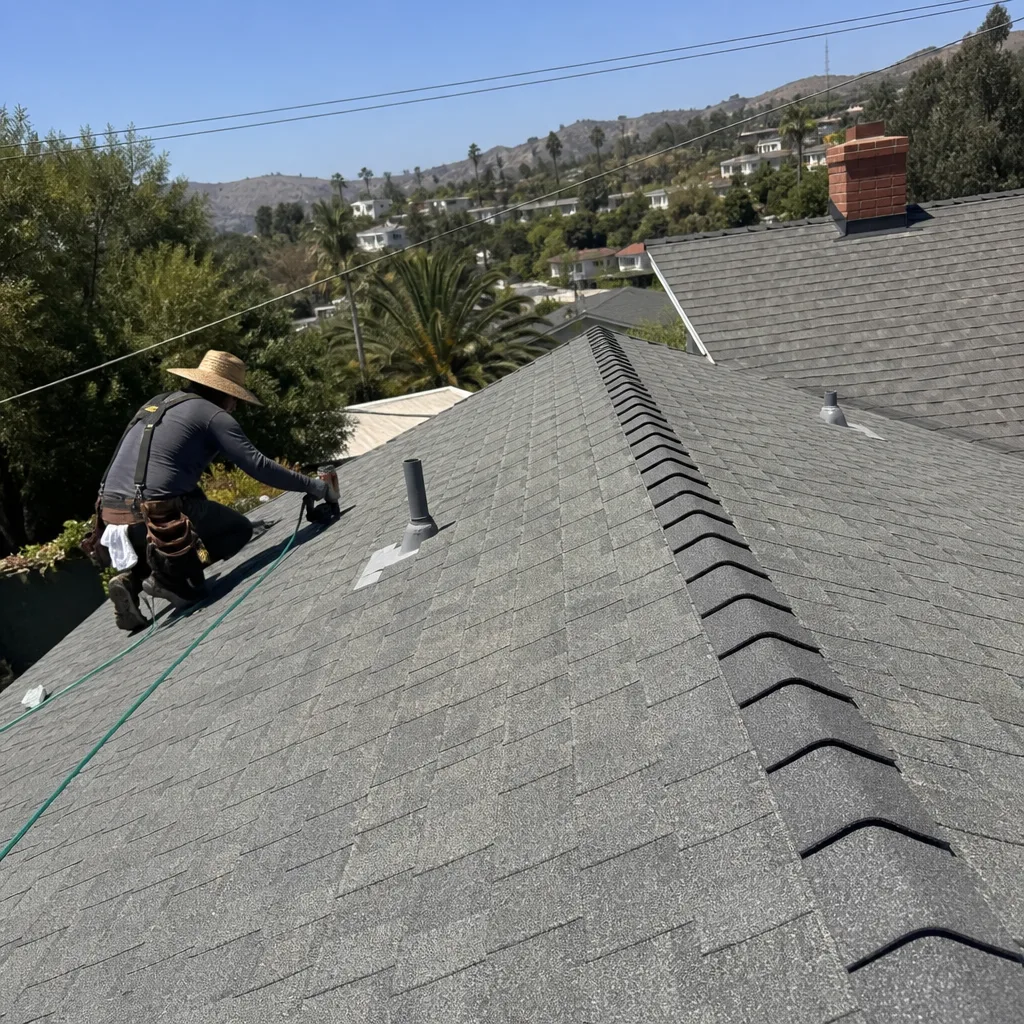 After
After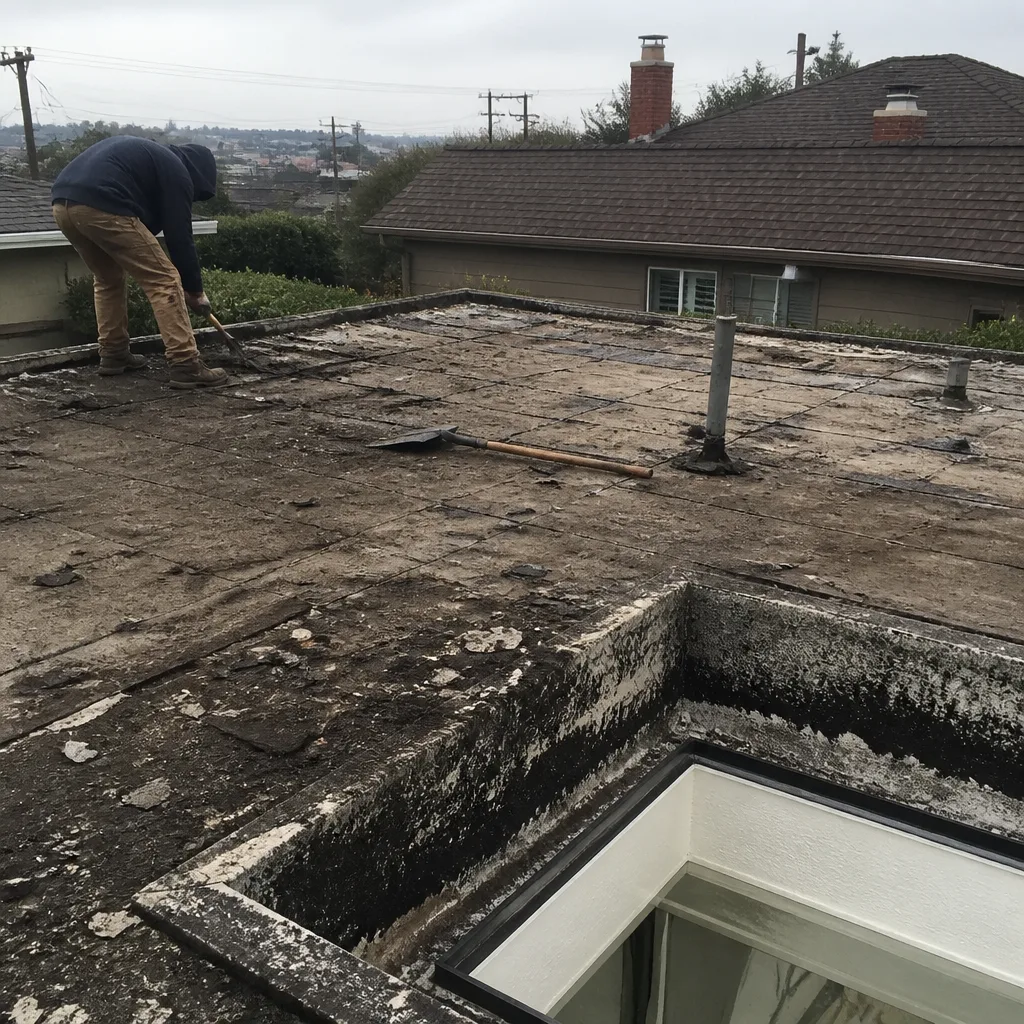 Before
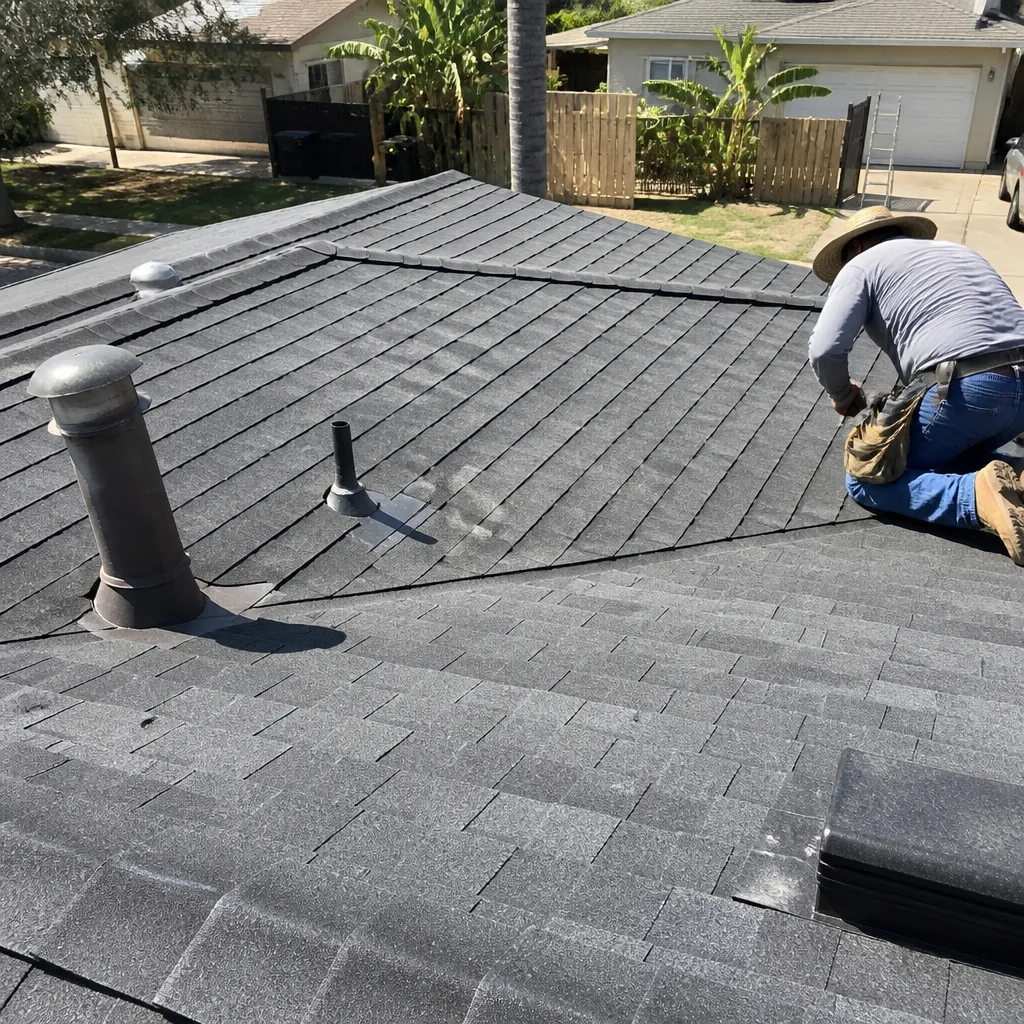 After
After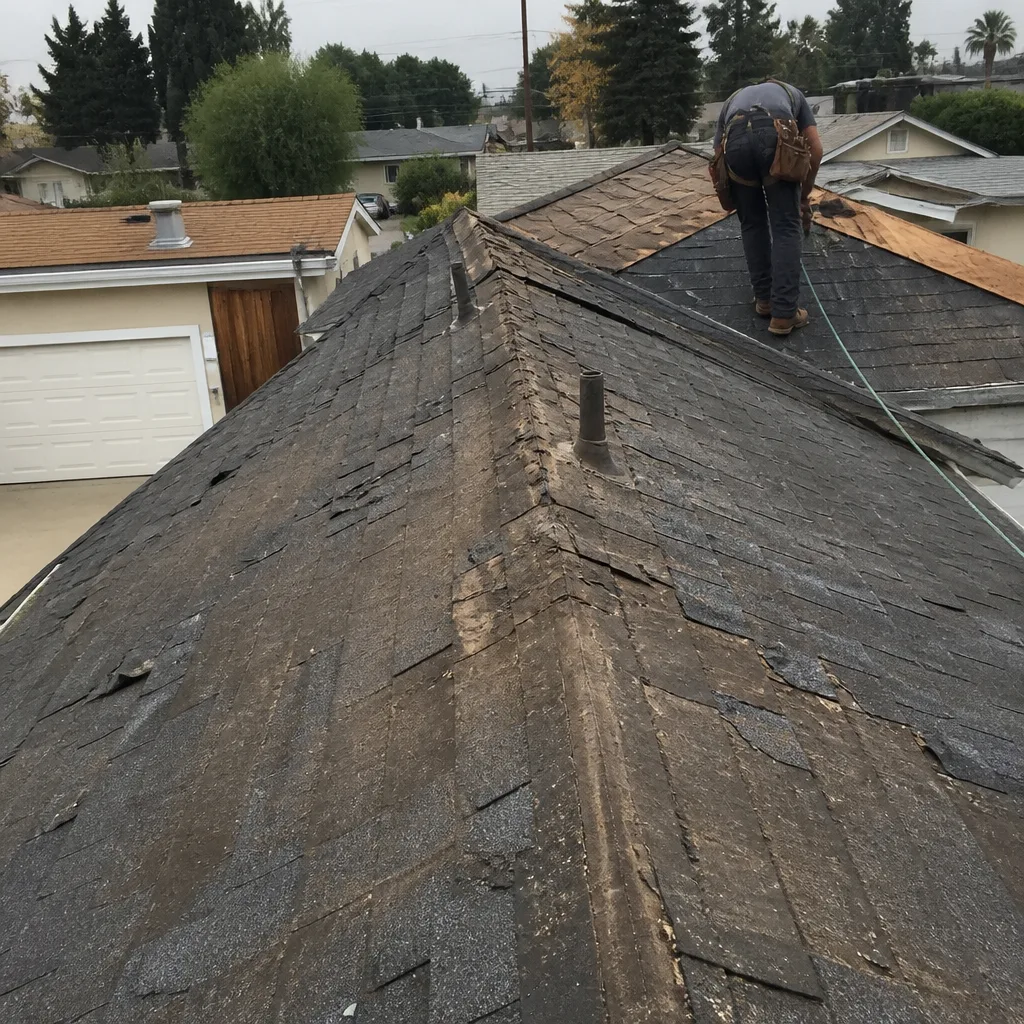 Before
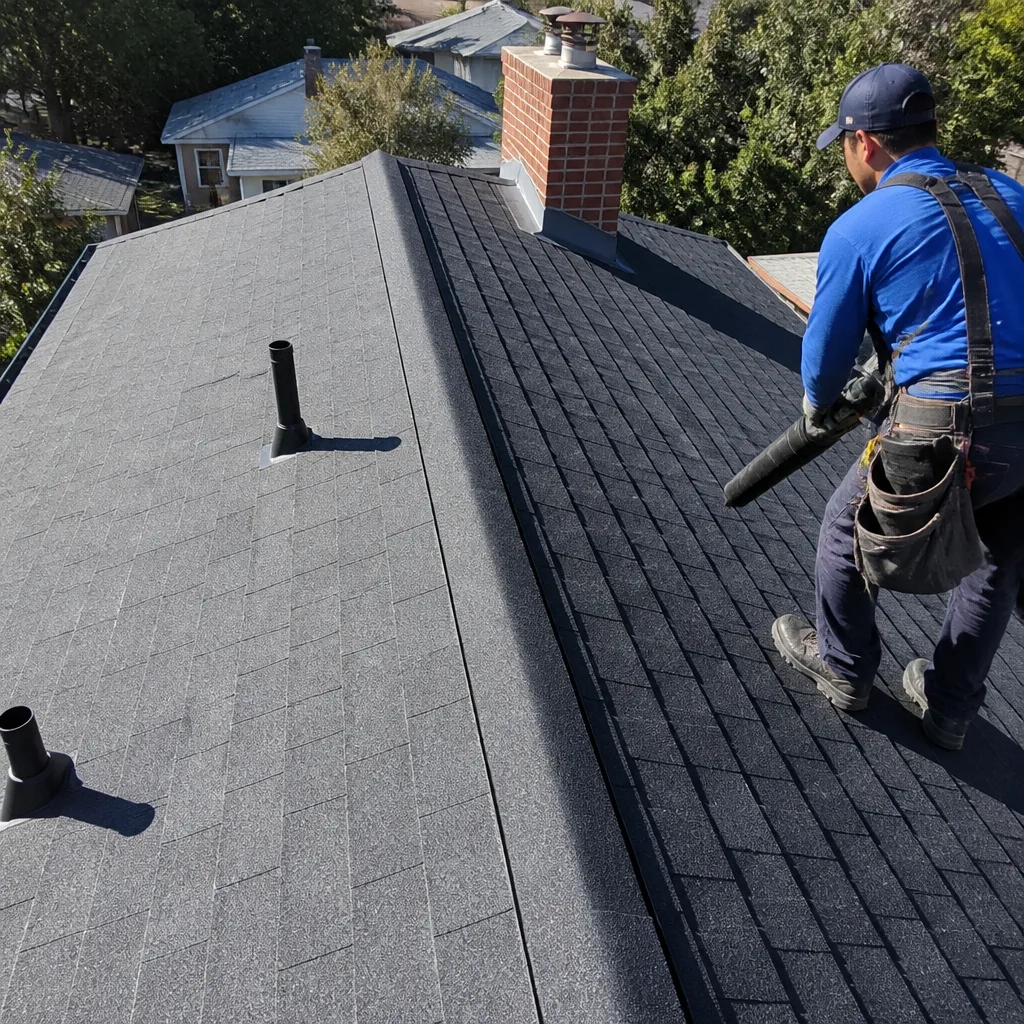 After
AfterAtlas Flashing Replacement: The Los Angeles Owner’s Guide
Atlas flashing replacement in Los Angeles typically runs $340 – $780 installed, depending on how many linear feet need work and whether we’re dealing with standard step flashing at a wall intersection or a custom-cut chimney saddle. We stock Atlas-compatible flashing in 0.019″ and 0.024″ aluminum, plus 26-gauge galvanized steel for coastal zip codes where salt air eats the thinner stuff. Most Atlas flashing jobs we book in Los Angeles are completed same-day because the profiles are standardized across their StormMaster Slate, Pinnacle Pristine, and Briarwood Pro lines.
Homeowners usually catch this problem during our rainy season – November through March – when water starts finding its way past the metal strips that seal the joints where your Atlas shingles meet vertical walls, chimneys, or vent stacks. You’ll spot it as a water stain spreading across a ceiling corner, or sometimes you’ll see daylight from the attic where the flashing has pulled away from the brick.
Which Atlas Models This Applies To
Atlas builds their flashing compatibility around shingle exposure height and deck pitch, not just the shingle brand name. The three Atlas lines we see most in Los Angeles are StormMaster Slate (the SBS-modified “impact resistant” line popular after 2019 in hail-prone foothill zones), Pinnacle Pristine (the workhorse architectural shingle with Scotchgard algae resistance, huge in the San Fernando Valley), and Briarwood Pro (the heavyweight laminate common on 4:12 to 8:12 pitches in Pasadena and Glendale).
To identify your flashing spec, check the shingle bundle wrapper in your garage or the Atlas warranty card from your original install. Look for the exposure measurement – typically 5″ to 5.5″ on Atlas architectural lines. Your flashing leg needs to extend 4″ minimum up the wall and tuck under the shingle at least that far down-slope. We carry both OEM Atlas flashing (stamped with the Atlas logo, usually in 10′ coils for valleys) and quality aftermarket from Midwest Air Technologies that matches the gauge and bend radius at roughly 30% less cost. The aftermarket stuff works fine for standard wall and vent flashing; we recommend OEM for valleys and cricket saddles where the metal takes the most abuse.
One compatibility gotcha: Atlas StormMaster Slate has a slightly thicker butt edge than standard laminates. If your roofer originally used standard 4″ step flashing with this line, the water can overtop the metal during a driving Los Angeles winter storm. We spec 5″ step flashing for StormMaster every time.
Signs Your Atlas Flashing Replacement Is Failing
- Water stains on interior ceiling corners or walls. This is the classic tell. Water follows the path of least resistance, so it travels along the top edge of compromised flashing, runs down the rafter bay, and exits at the drywall seam. In Los Angeles, we see this accelerate fast after the first real rain because our long dry summers let the flashing sealant turn to dust.
- Visible rust or white oxidation on the metal surface. Atlas flashing is aluminum or galvanized steel, not copper. Once the factory coating fails – usually from debris sitting in the bend, or from incompatible caulk trapping moisture – the metal corrodes from the inside out. White powdery spots mean the aluminum is already thinning; orange rust means galvanized steel is failing.
- Flashing pulling away from the wall or lifting at shingle overlap points. Our Santa Ana wind cycles create suction across the roof plane. If the original installer used nails instead of roofing cement plus mechanical fasteners, the flashing leg works loose. You’ll see a gap you can slide a pencil into.
- Granule buildup in the gutter below wall intersections. Those aren’t just loose shingle granules. When flashing fails, water backwashes under the shingle tab and washes the asphalt coating’s protective granules into the gutter. If you’re cleaning granules out of your downspout every few months, the flashing above is almost certainly the culprit.
- Daylight visible from the attic during daytime. This means the flashing has either corroded through, been torn by wind, or was never properly integrated with the underlayment. In older Los Angeles neighborhoods like Glassell Park or Highland Park, we find original 1960s flashing that’s literally paper-thin from decades of thermal cycling.
Replacement Cost & What’s Included
Here’s what Atlas flashing replacement costs in Los Angeles, based on what we’ve billed in the last 18 months:
| Scope | Typical Range | What’s Driving It |
|---|---|---|
| Single wall intersection (10 – 15 linear ft) | $340 – $520 | Standard step flashing, one-story, easy roof access |
| Chimney saddle + step flashing | $580 – $780 | Custom-cut saddle, counter-flashing integration, two-story |
| Valley replacement (open or woven) | $640 – $920 | Linear footage, underlayment tear-out, deck repair if rotted |
| Multiple vent pipe collars | $180 – $340 | Number of pipes, pitch of roof, accessibility |
Every quote we write breaks out parts and labor separately. The flashing itself runs $2.80 – $4.50 per linear foot for aluminum, $4.20 – $6.80 for galvanized steel. Labor covers removal, deck inspection, ice-and-water shield integration at walls (required by Los Angeles County amendments to the California Building Code), and new Atlas-compatible fasteners. We pull permits when the work exceeds 100 square feet of repair or involves structural decking – most flashing jobs don’t, but we check every time.
Our 365-Day Done Right Promise covers every Atlas flashing replacement we install. If water gets past our work within a full year, we come back and fix it at no charge. Every promise in writing – that’s just how we do it.
DIY or Call Us?
There’s a safe middle ground here. A homeowner can check for the symptoms we listed above, clear debris from the flashing bend with a gloved hand, and photograph problem areas from the ground or a secured ladder. What you should not do: pry up shingles to reseat flashing, cut new metal on a windy roof, or try to bend step flashing to match wall angles. Los Angeles building code requires ice-and-water shield behind wall flashing on any new installation, and getting that seal right while maintaining shingle warranty coverage takes experience with Atlas’s nailing zone specs.
We’ve also seen homeowners use incompatible caulk – silicone on asphalt, or non-UV-rated sealant that cracks in six months – turning a $400 flashing job into a $2,000 interior drywall and insulation repair. If you’re up on the roof and the metal looks intact but the sealant is crumbling, that’s actually a harder fix than it appears because the old caulk has to be fully removed for new material to bond.
Call (325) 246-5075 and we’ll send a photo of the technician who’s coming, a live trackable arrival window, and a written price before anyone touches your roof.
FAQs
Properly installed Atlas-compatible aluminum flashing lasts 20 – 30 years in Los Angeles, but the sealant bond fails faster – typically 8 – 12 years in our UV exposure and thermal cycle climate. Coastal properties from Malibu to San Pedro see closer to 15 years on the metal itself due to salt corrosion. Call (325) 246-5075 for an exact quote on replacement – estimates are free.
Small sealant failures at nail holes or minor bends can be spot-repaired with urethane roofing cement if the metal itself is sound and less than 15 years old. We don’t recommend patching corroded metal, separated seams, or flashing that’s lost its wall contact – the leak always returns, usually in the next storm. Call (325) 246-5075 for an exact quote – estimates are free.
Most Atlas flashing replacements take 2 – 4 hours for a standard wall intersection or vent stack, and a full day for a chimney saddle with multiple planes. We book specific arrival times, not four-hour windows, and send before-and-after photos by text. Call (325) 246-5075 to schedule.
Yes – we carry 0.019″ and 0.024″ aluminum step flashing, 26-gauge galvanized steel, and Atlas-compatible pipe collars in common diameters on every Los Angeles service vehicle. Custom-color Kynar-coated flashing for matching stucco or trim requires a 24 – 48 hour order. Call (325) 246-5075 to confirm availability for your specific Atlas shingle line.
Written by Dylan Pace, Owner, Crestview Roofing at Crestview Roofing, serving Los Angeles and nearby areas.