
Free roof inspection with deck photos before we talk money - GAF and Owens Corning certified installation

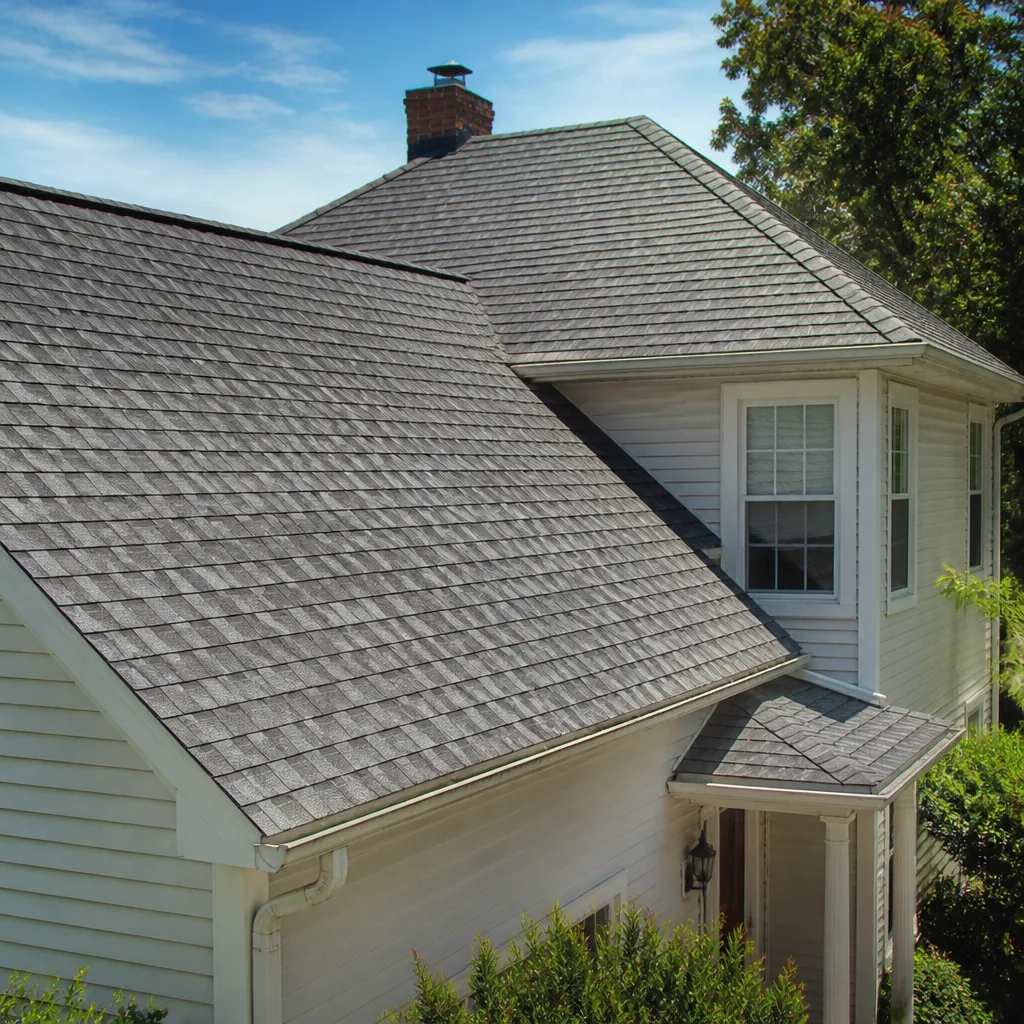
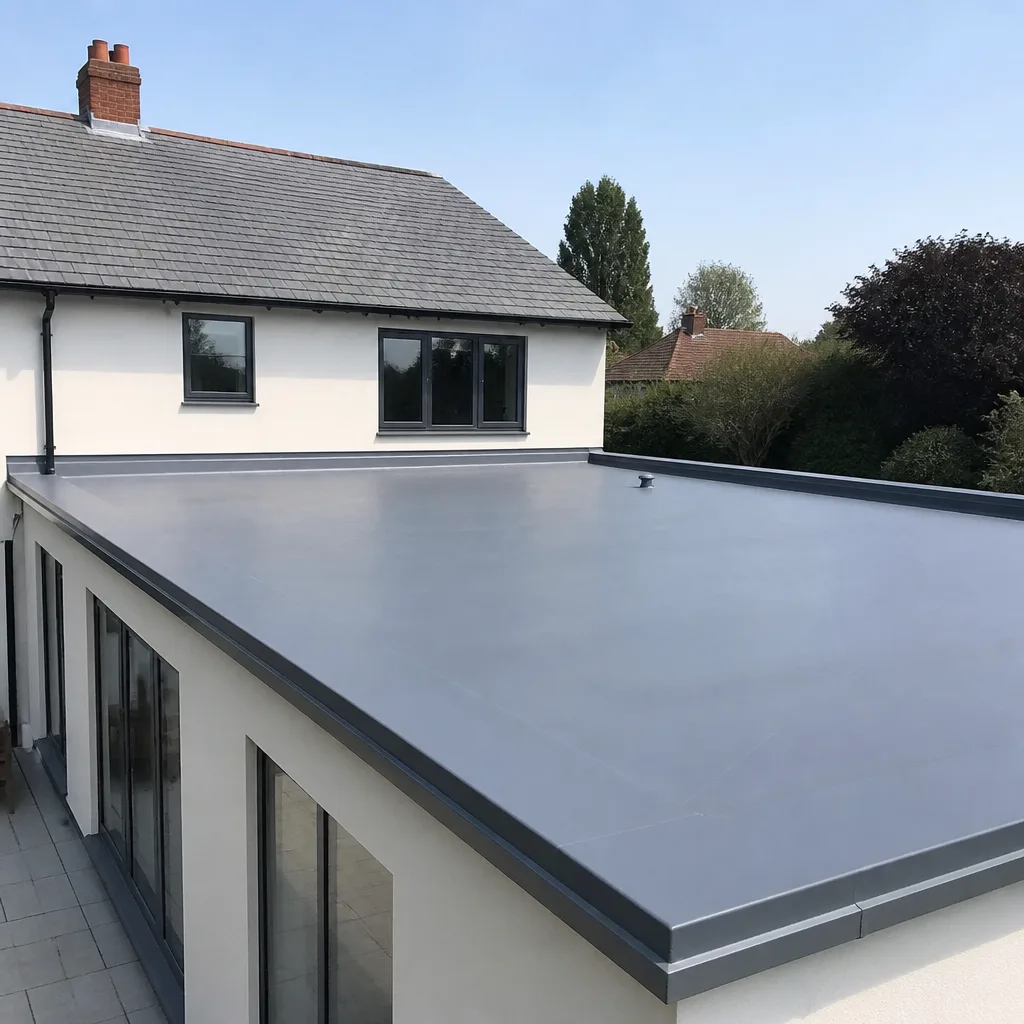
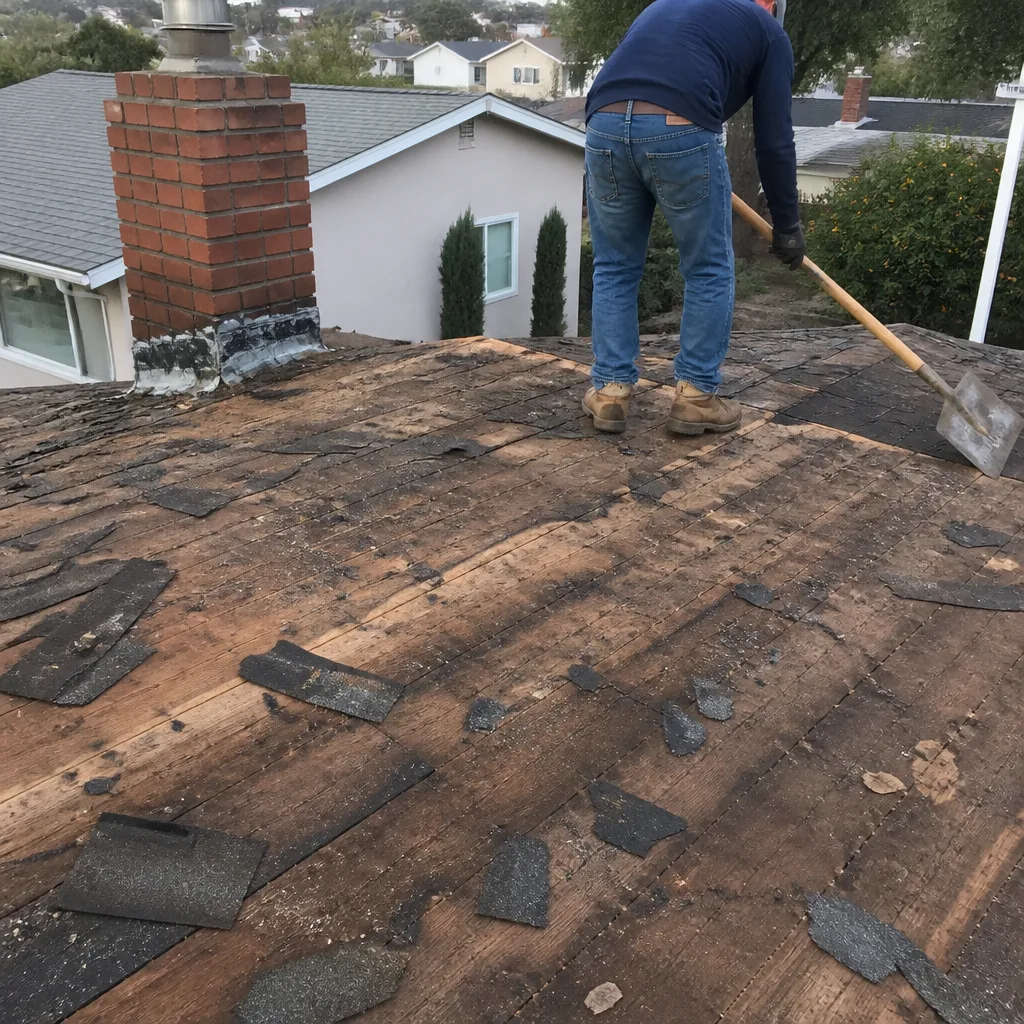 Before
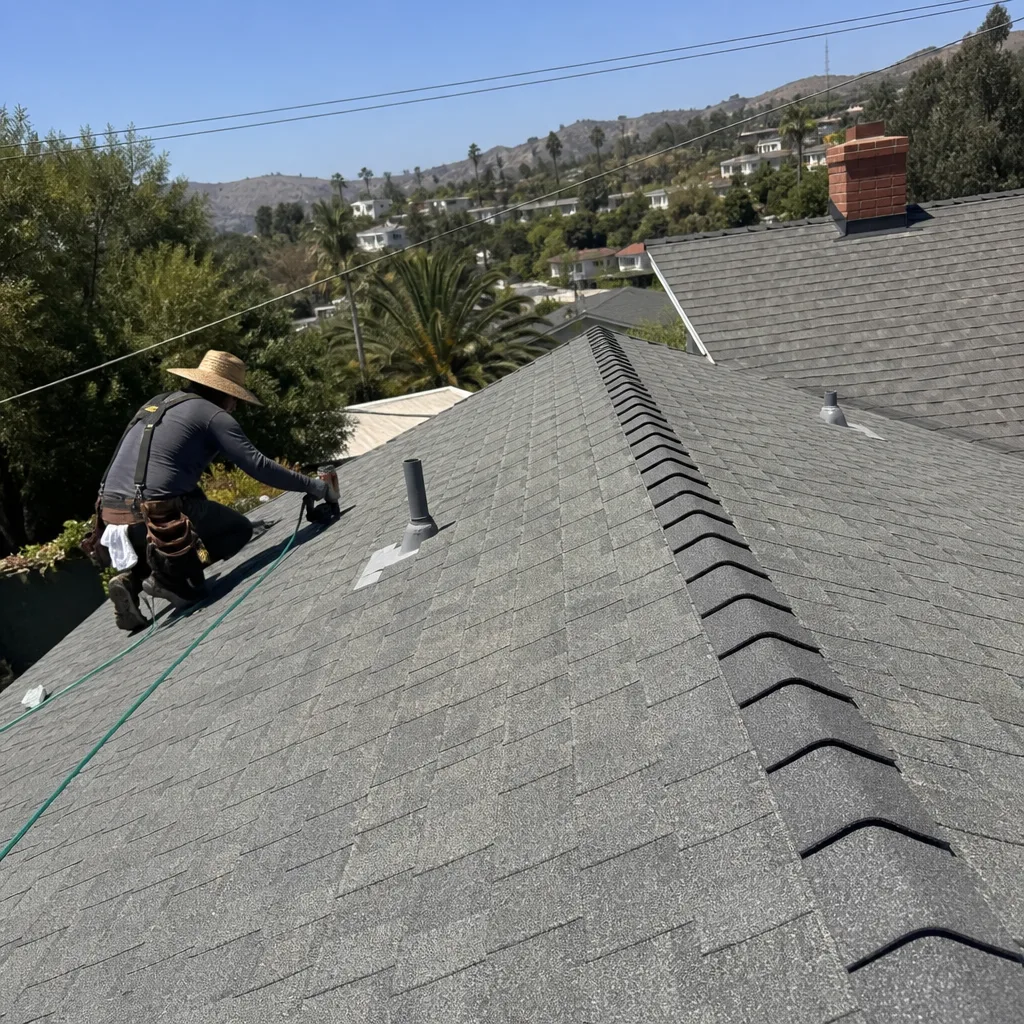 After
After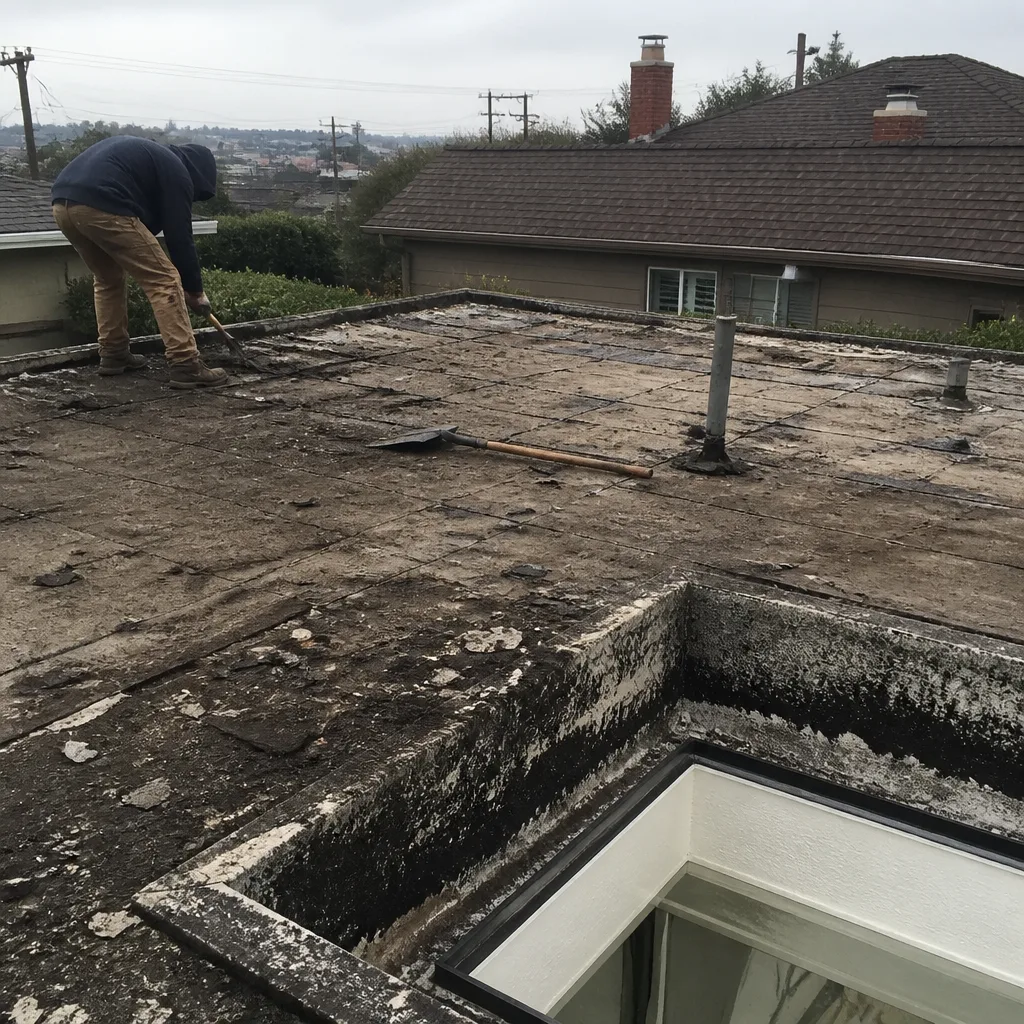 Before
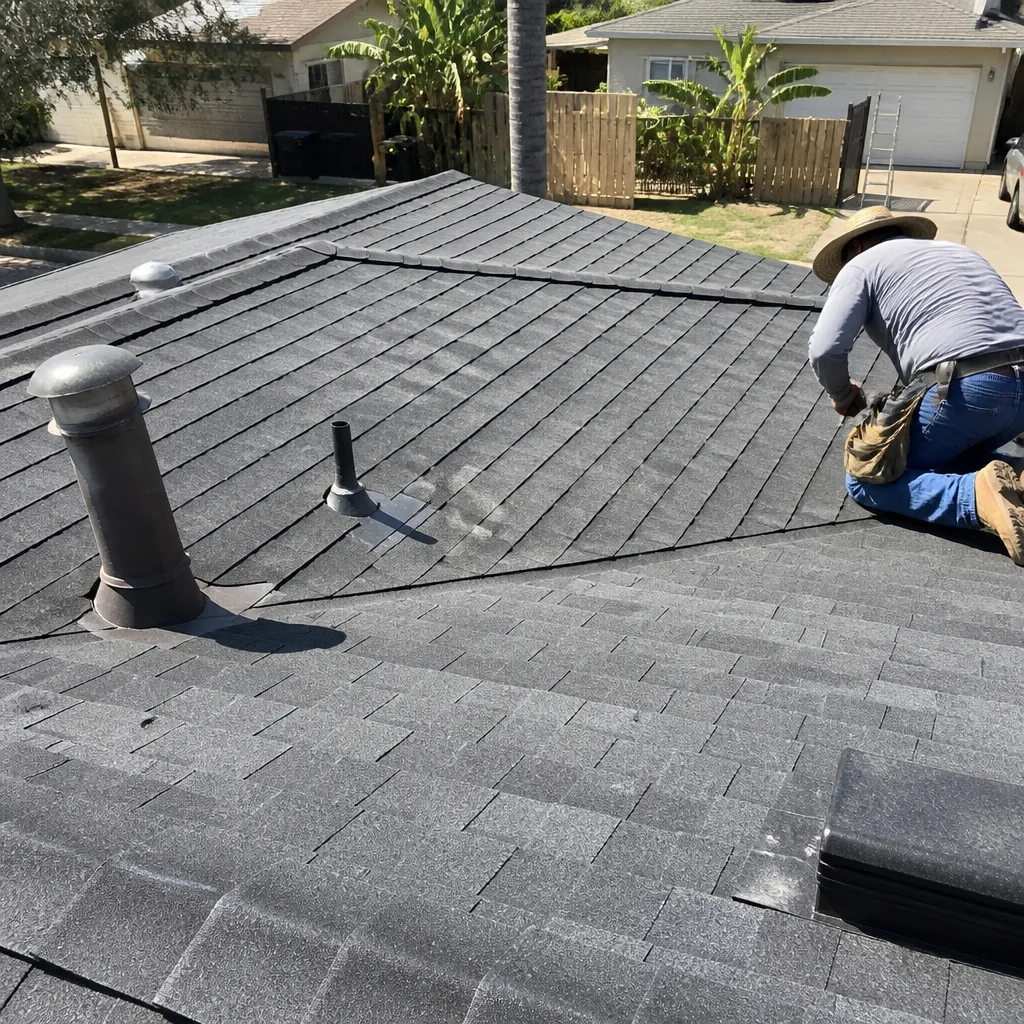 After
After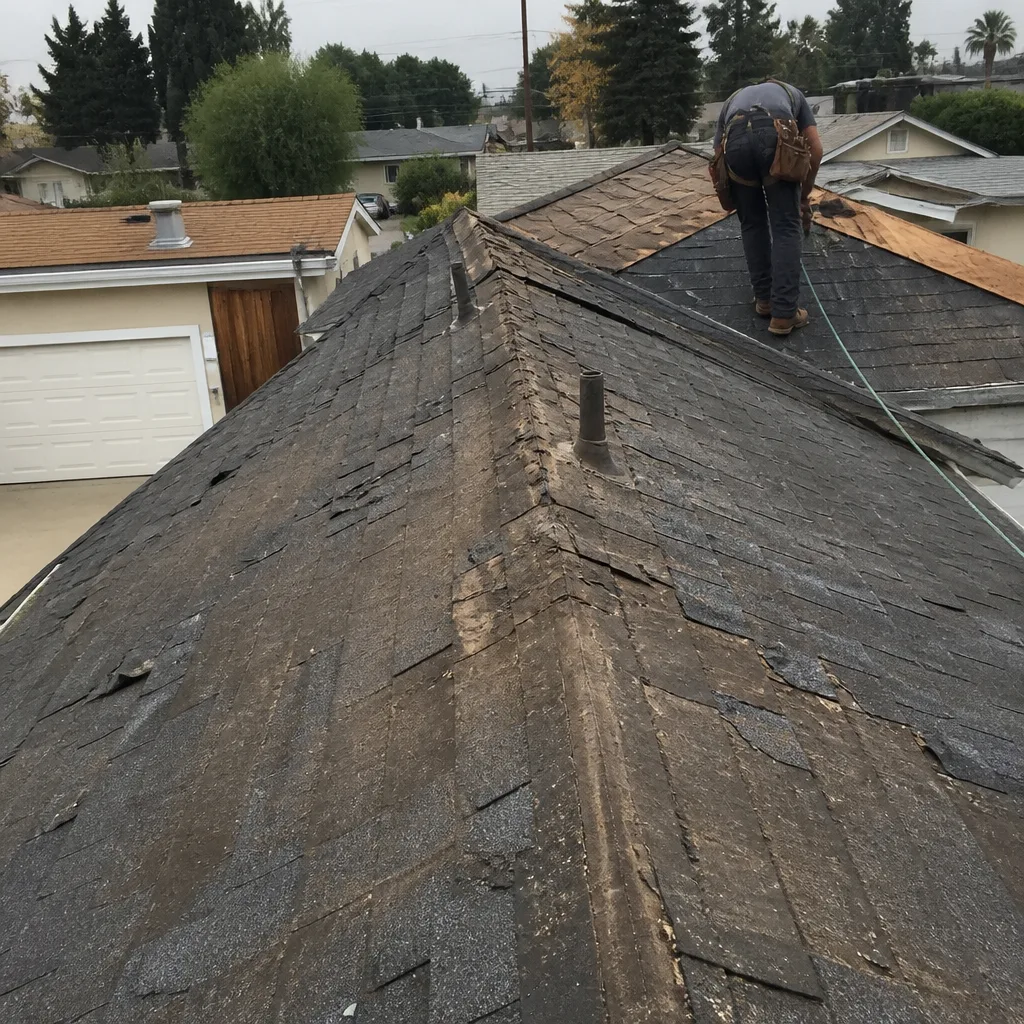 Before
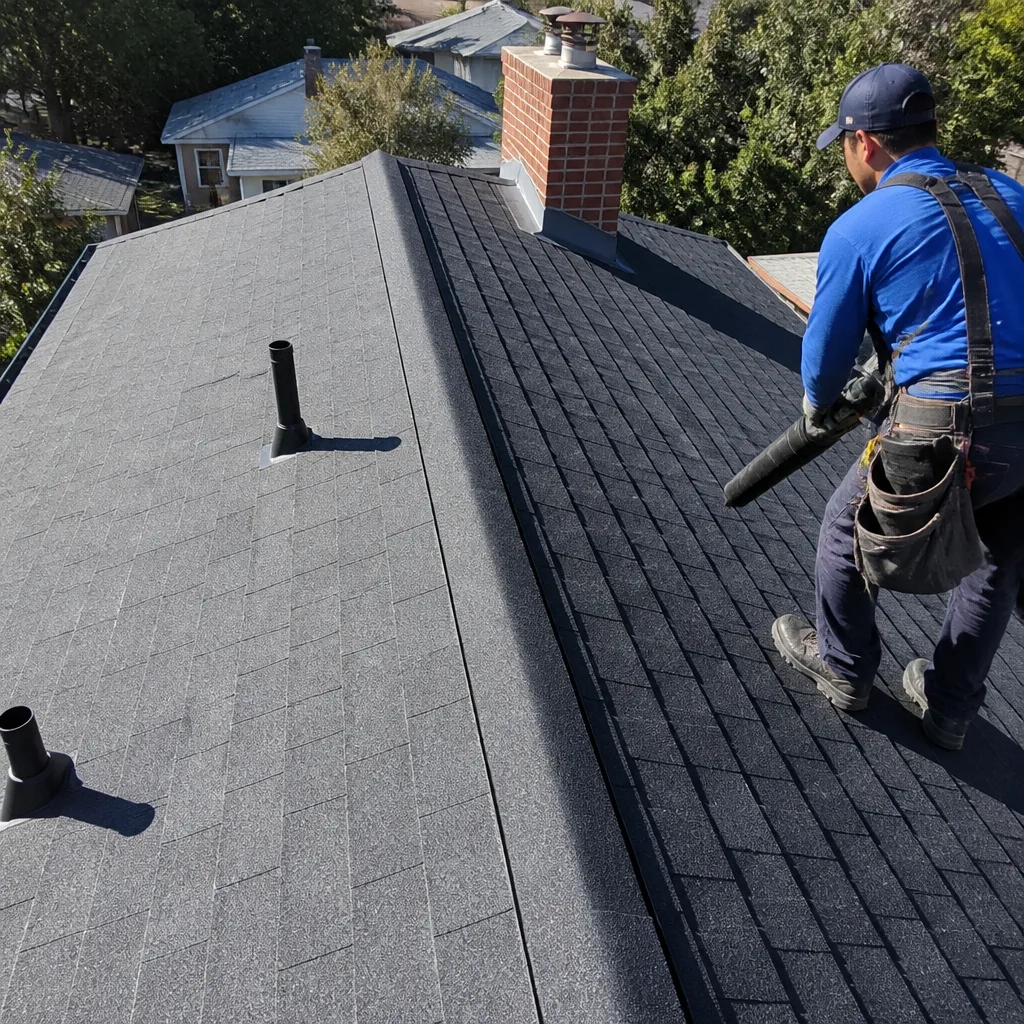 After
AfterFlashing Pulling Away from the Chimney
What’s Happening
When chimney flashing pulls away from the masonry, the watertight seal between your roof and chimney has failed, and water is moving into your home every time it rains. This is not a cosmetic issue. It is an active leak point that gets worse with every wet-dry cycle.
Flashing is the thin metal barrier – usually galvanized steel, lead, or aluminum – installed where the chimney meets the roof deck. It sits in two overlapping layers: the base flashing, which is attached to the roof, and the counter flashing, which is embedded into the mortar joints of the chimney itself. When either piece pulls free, lifts, or loses its seal, there is nothing stopping water from running behind the chimney and into the framing below. By the time you notice a stain on a ceiling or smell something musty in a wall, water has usually been sitting in the cavity for weeks or months. Finding the gap now, before the water does more damage, is the right call.
Why It Happens
The mortar joints holding the counter flashing have crumbled
Counter flashing is set into a cut groove, called a reglet, in the chimney’s mortar joints, then sealed in place. Mortar is porous and expands and contracts with temperature swings. Over years, those small movements cause the mortar to crack and crumble, and the flashing edge simply falls or peels out of the joint. If you look closely at the gap and see white, powdery or missing material between the brick and the metal lip, this is almost certainly the cause. It is the most common reason flashing separates from a chimney, and it happens on chimneys of all ages once the original mortar reaches the end of its service life.
The caulk or sealant has dried out and pulled free
Some installations rely on sealant along the flashing edge rather than setting the flashing into mortar. That sealant has a limited lifespan. Direct sun bakes it, freeze-thaw cycles crack it, and once it loses flexibility it peels away from one surface or the other. If the gap between the flashing and the chimney looks clean and straight, with visible residue on one side, dried sealant is the likely culprit. This is repairable, but the repair has to be done correctly. Simply running a bead of caulk over deteriorated material without cleaning and re-profiling the joint is a patch that fails fast.
The roof deck or framing has shifted
Wood moves. Decking swells in humid weather, dries and shrinks in summer heat, and settles gradually over the life of the structure. If the base flashing is secured to the deck and the deck shifts even slightly relative to the chimney, it can pull the flashing out of position or break the seal at the overlap. If the gap you see is uneven — wider at one corner than another, or if the flashing looks bent or kinked — differential movement is worth looking at. A technician will check the step flashing along the sides of the chimney as well, since those pieces are the first to lift when the deck moves.
The original installation was inadequate
Flashing that was never properly embedded, was sized too narrow, or was secured with the wrong fasteners may hold for a few years before the flaws become visible. If the home is less than ten years old and the flashing is already separating, this is worth flagging. A close look at the back-pan flashing behind the chimney — the piece that catches water running down the back face — will tell a lot. If it is absent, undersized, or was laid flat instead of angled to drain, the install was short-cut from the beginning.
What to Do Right Now
- Do not go on the roof yourself. Working at height on a pitched surface, especially near a masonry chimney, carries a serious fall risk. Photograph the gap from the ground using your phone’s zoom, or from an upstairs window if you have a safe angle. That photo is useful — walking the ridge is not worth the risk.
- Check inside the house for wet spots. Look at the ceiling directly below the chimney and on the attic-side of the chimney if you can access it safely from a hatch. Feel the framing around the chimney chase for soft or damp wood. Take a photo of anything that looks wet, stained, or discolored.
- Stop using the fireplace until the flashing is assessed. If the counter flashing has separated from the mortar joint, there is a gap between the chimney and the roof that can allow combustion gases, sparks, and moisture to travel in unexpected directions. The fireplace can wait a few days; the risk it carries right now is not worth it.
- Note which direction the gap is worst. Is the flashing pulling away at the side, the front, or the back of the chimney? The location matters. A gap on the uphill (back) face is the highest-risk spot because that is where water pools before draining down the slope. Tell us where it is when you call.
- Do not apply rooftop caulk or tape yourself. A temporary patch at height is dangerous, and a bad patch can trap water behind the flashing rather than directing it away. Leave the flashing as it is until a trained technician has seen it. The written price and repair plan will be delivered before anything starts.
How We Fix It
When your local Crestview Roofing team arrives, the technician starts by inspecting the full chimney perimeter — not just the visible gap — because flashing problems rarely stay isolated to one face. They’ll check the step flashing on each side, the back-pan behind the chimney, and the saddle or cricket if the chimney is large enough to require one.
If the counter flashing has pulled out of the mortar joint, the correct fix is to clean out the reglet, reset the flashing edge, and repoint the joint with compatible material. Sealant alone is a short-term answer. If the base flashing is also compromised, both layers get addressed in the same visit. Materials from manufacturers including GAF, CertainTeed, Owens Corning, and Boral are used depending on what the repair calls for.
Most chimney flashing repairs fall under our Roof Repair service and are completed in a single visit. Before the technician touches the roof, you get a written price — the number on the page is the number on the invoice. The repair is covered by the 365-Day Done Right Promise: if the same repair fails within a year, we come back at no charge, no negotiation, no runaround.
Frequently Asked Questions
It cannot wait safely. A separated flashing is an open water entry point, and water damage to roof decking and interior framing compounds quickly once moisture gets into the cavity. A single heavy rain can move more water behind a chimney than most homeowners expect. The longer the gap stays open, the more material gets saturated, and the more the repair scope can grow. Call (325) 246-5075 to get a technician scheduled — the estimate is free and the written price comes before any work starts.
Your local Crestview Roofing team handles scheduling directly, and a live person answers at (325) 246-5075 any time — no voicemail, no waiting until Monday. Availability depends on your specific team’s current schedule, but call now and someone will give you a real answer about timing rather than a vague window. You’ll get a live, trackable arrival time before we show up.
The price depends on which sections of flashing need to be reset or replaced, what condition the underlying mortar and decking are in, and the height and pitch of the roof. There is no single number that applies to every chimney on every roof. What we can tell you is that you will have a written price in hand before anyone starts work — that is not a policy we make exceptions to. Call (325) 246-5075 to schedule your free estimate.
A properly set counter flashing embedded in fresh mortar, with correctly lapped base flashing below it, should last many years. What fails quickly is a patch applied over deteriorated material without addressing the underlying cause. We repair the cause, not just the symptom, and every repair is covered by the 365-Day Done Right Promise — in writing, included with every job. If the repair we did fails within a year, we come back and fix it at no charge.
Get It Fixed
Flashing that has pulled away from a chimney is an active leak, and active leaks do not get smaller on their own. Call (325) 246-5075 right now — a live person will answer — or book online. Your local Crestview Roofing team will get eyes on it, put the price in writing, and fix it the right way.
Written by Dylan Pace, Owner at Crestview Roofing, part of the Relay Home Co. family since 2000.
What Our Customers Say
"Estimate came in the app with a line-by-line breakdown. Accepted with a tap."
- Raj P."Roof replacement. Crew texted the schedule daily and I could ask questions by message. Done in two days."
- Sandra J."Gutters and drip edge done at the same time. No extra trips."
- Mia R.