
Free roof inspection with deck photos before we talk money - GAF and Owens Corning certified installation


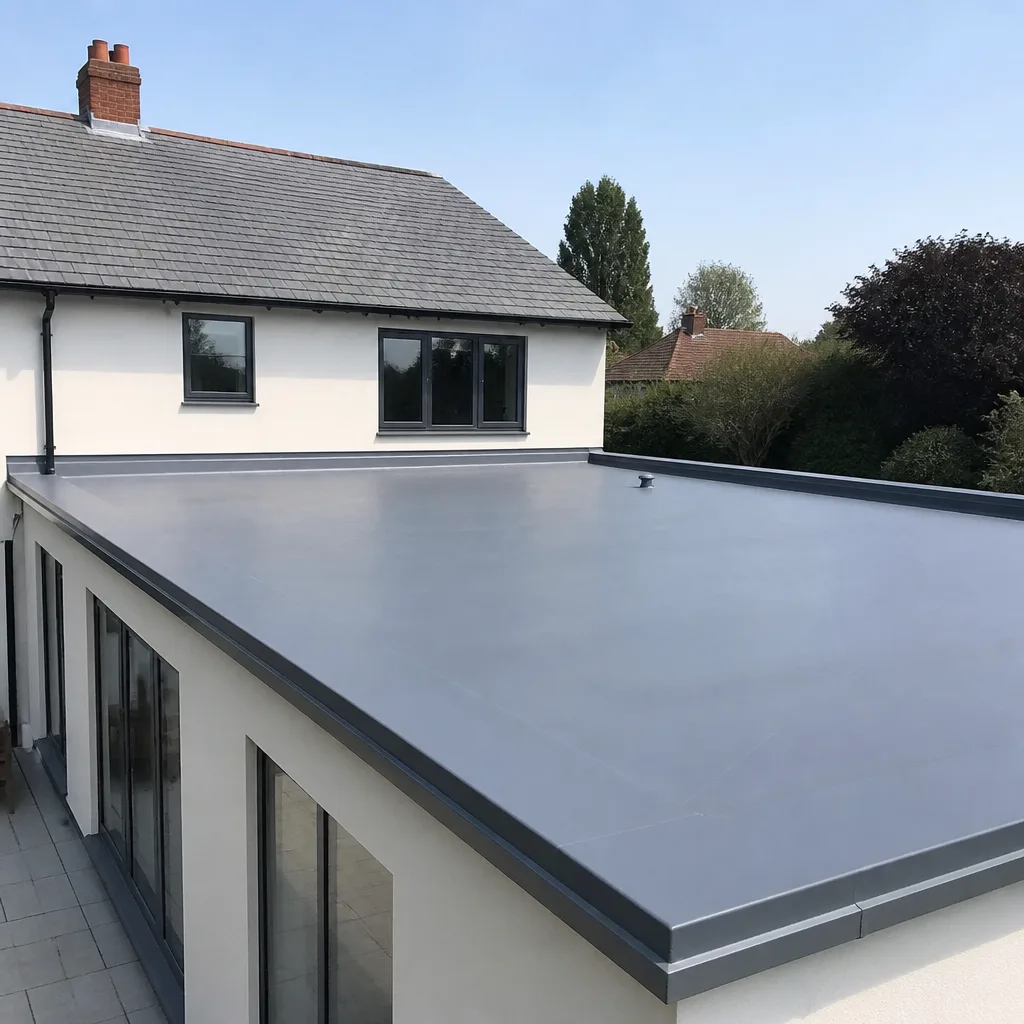
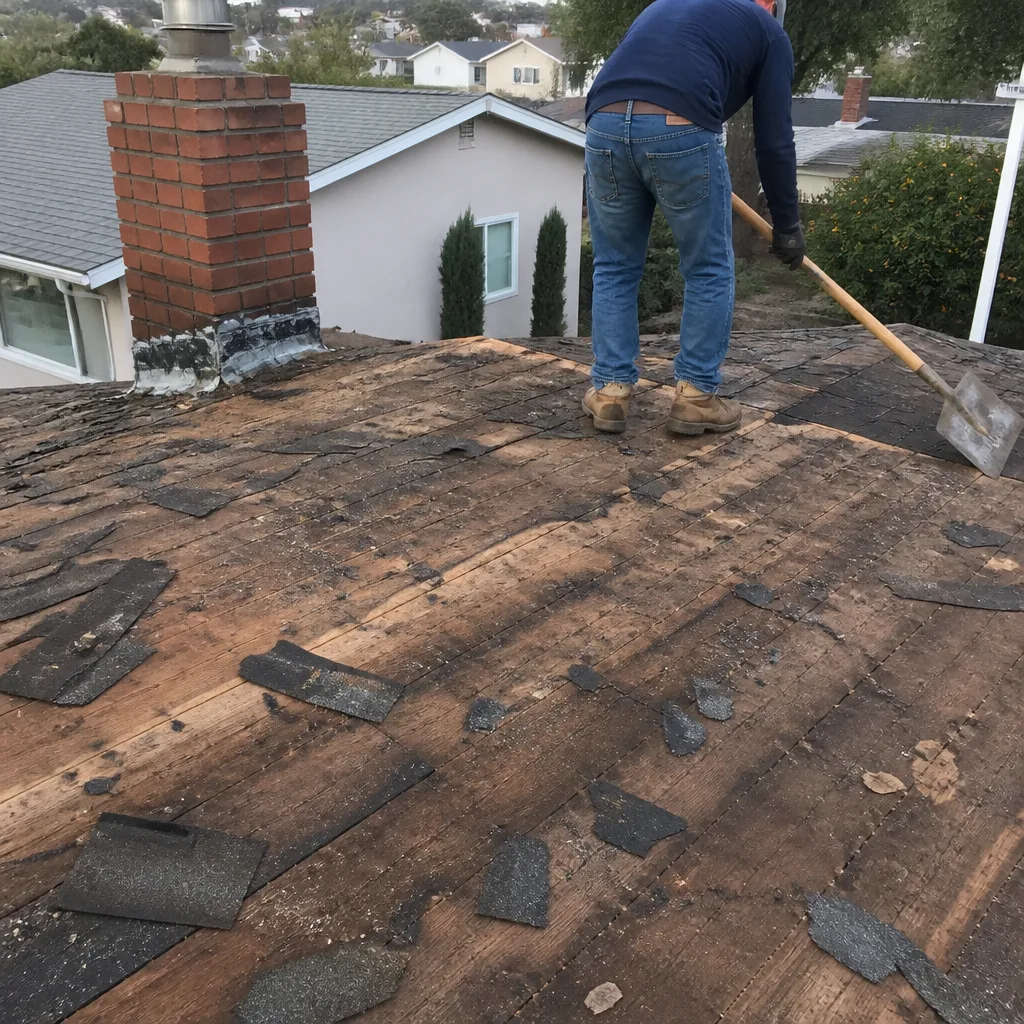 Before
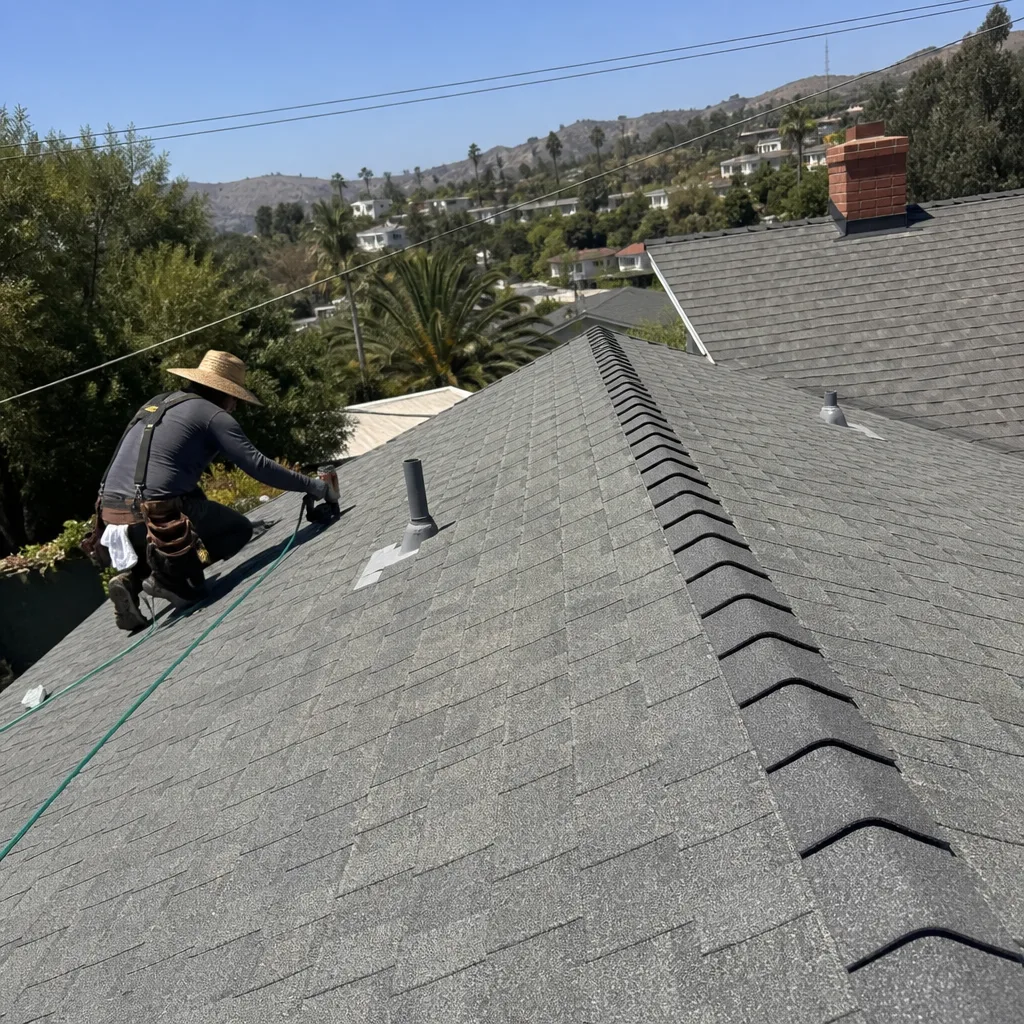 After
After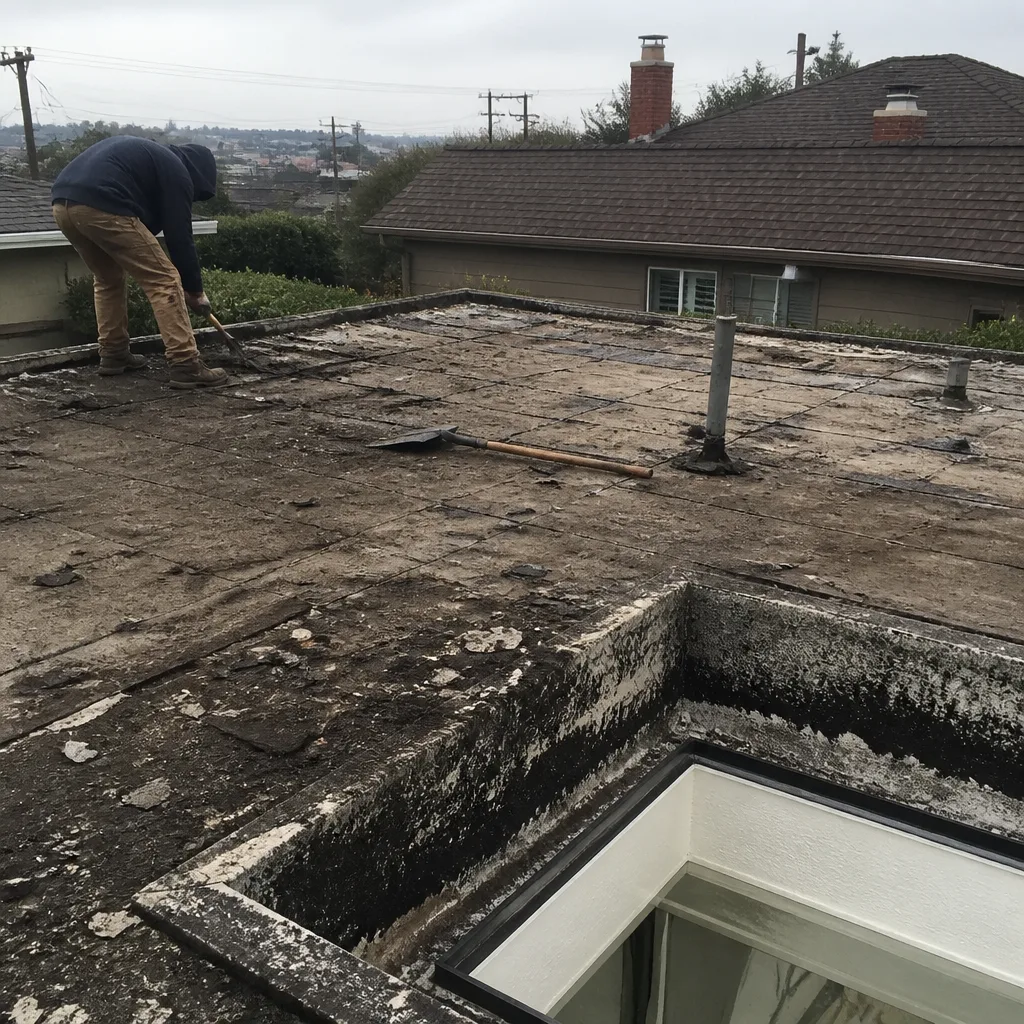 Before
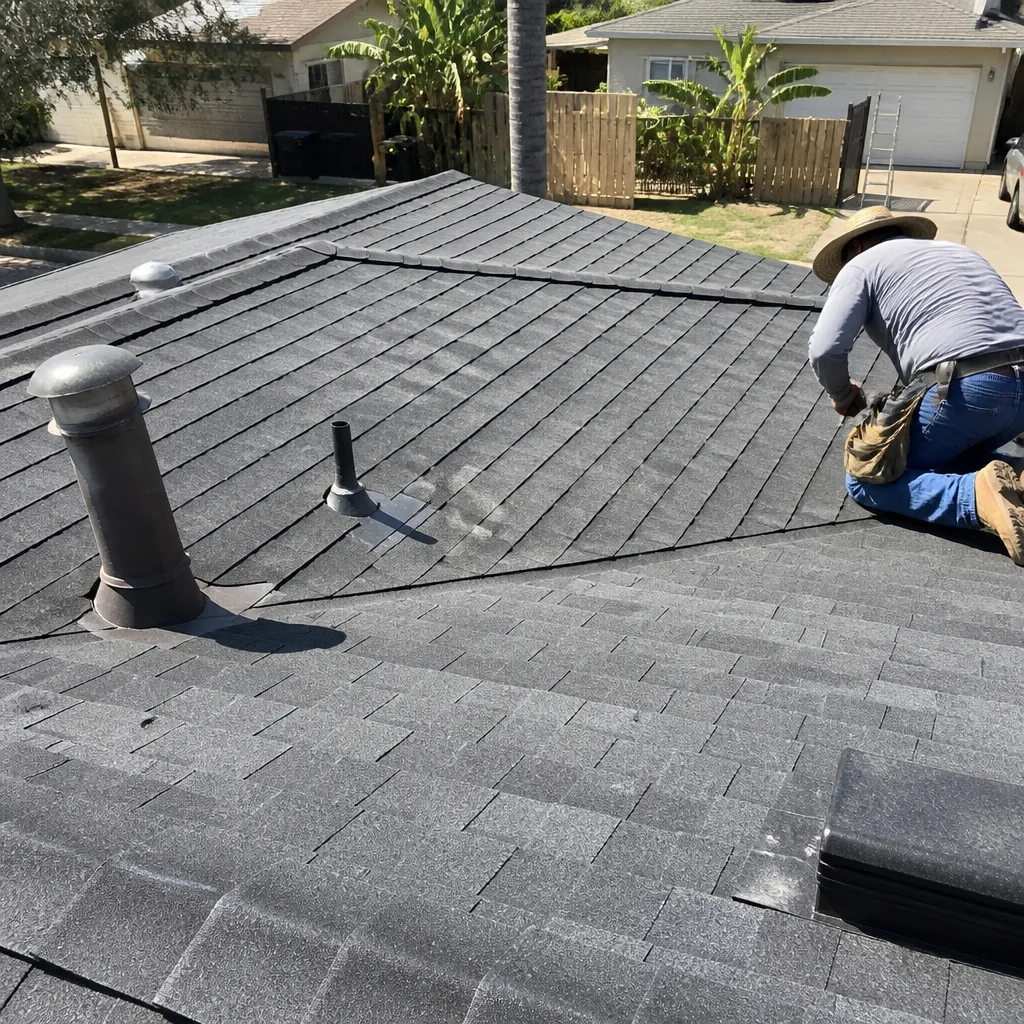 After
After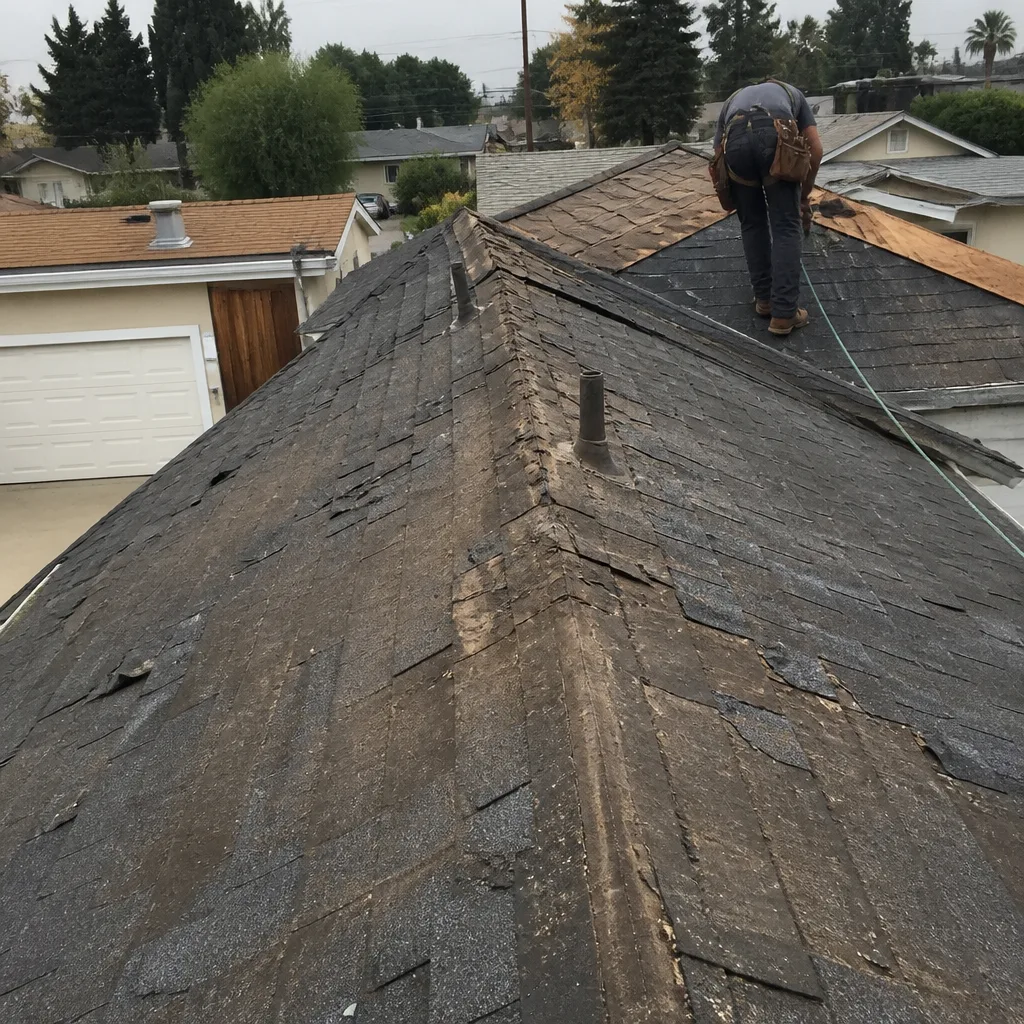 Before
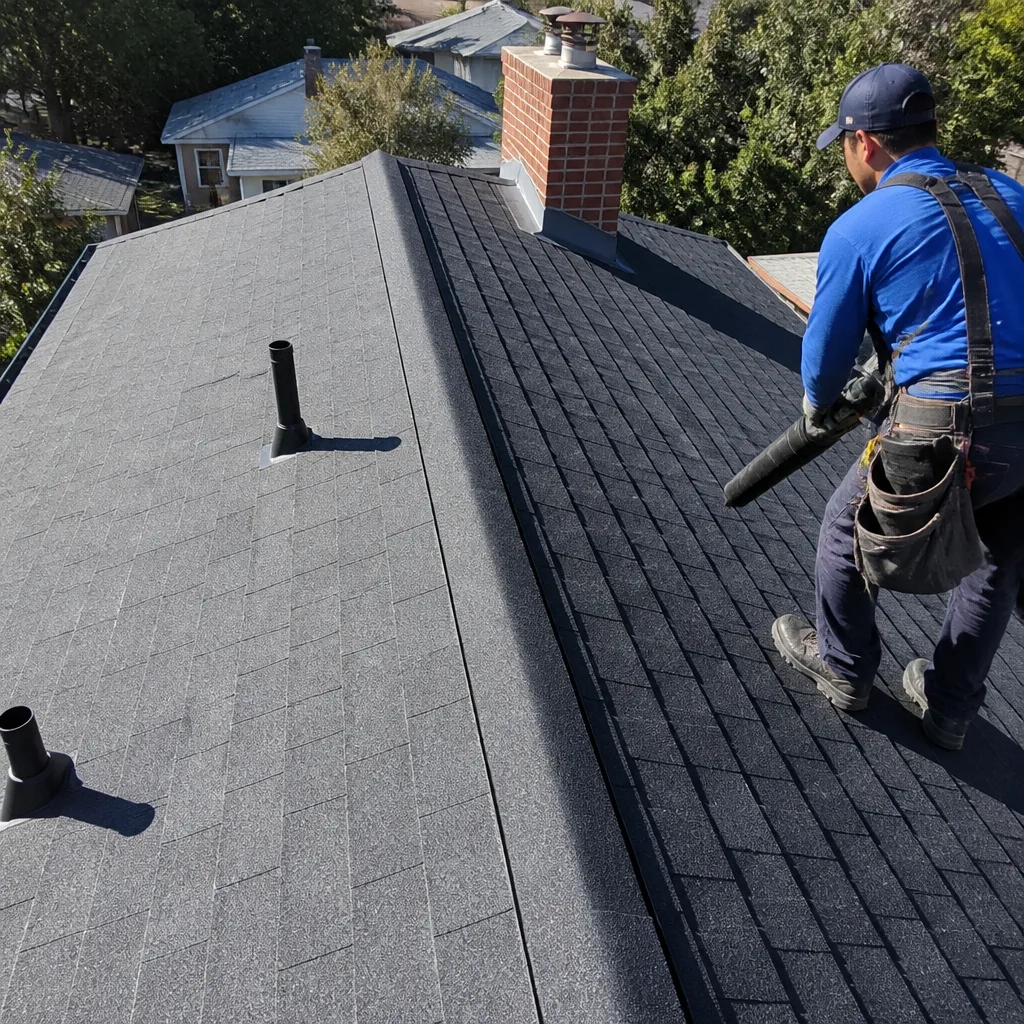 After
AfterHail Dents on the Roof and Gutters
What’s Happening
Hail dents on your roof and gutters almost always mean your shingles took impact damage at the same time – and shingle damage isn’t always visible from the ground the way gutter dents are. When hail hits hard enough to dimple aluminum or dent a gutter seam, it has almost certainly knocked the protective granules loose from your shingles, cracked the asphalt mat beneath them, or both.
Those granules aren’t decorative. They’re the UV and weather shield built into every shingle, and once they’re gone, the asphalt layer underneath starts breaking down fast. A dented gutter tells you the storm had enough force to do real work on the roof above it. That’s the connection most homeowners miss: the gutters are the visible warning, but the shingles are where the long-term damage is sitting. Left alone, compromised shingles start letting water into the underlayment, then the decking, then – eventually – the ceiling below.
Why It Happens
Granule Loss from Hail Impact
Every asphalt shingle is coated with ceramic granules pressed into the surface during manufacturing. A direct hail strike – even from stones smaller than a golf ball – can knock a cluster of those granules loose in an instant, leaving a bare, dark spot on the shingle face. You’ll often see the evidence before you get on the roof: granules collect in your gutters and downspout splash blocks after a storm. A cup or more of granule buildup after one storm is a sign worth taking seriously.
Bruising and Cracking of the Asphalt Mat
Beneath the granules is the asphalt mat – the structural layer of the shingle. A hard enough impact doesn’t just strip granules; it bruises or fractures the mat itself, creating a soft spot that flexes under foot pressure and eventually cracks through. This kind of damage is almost impossible to spot from the ground. A technician can feel it with a hand check across the shingle surface – it has a distinct sponginess that an intact shingle doesn’t have.
Damaged or Cracked Flashing Around Penetrations
Flashing is the thin metal that seals roof penetrations – chimneys, vents, skylights, pipe boots. Hail hits flashing directly, and repeated impacts can crack the sealant bead where the flashing meets the shingle or the masonry. You might not see this from the ground at all, but you’ll notice it later as a water stain on an interior ceiling near a penetration point. If your stain appeared after a hail event rather than a heavy rain alone, flashing damage is a likely cause.
Gutter Dents, Bent Hangers, and Seal Failures at Joints
Aluminum gutters dent easily under hail, and the dents themselves aren’t just cosmetic. A deep dent changes the gutter’s slope profile, pooling water instead of draining it. Hail also hits the joints and end caps with enough force to crack the sealant inside, which leads to slow drip leaks at the seams. Check the corners and end caps of your gutters from a ladder if you can do so safely – a white or gray sealant line that’s visibly cracked or pulled away from the metal is a reliable sign of joint damage.
What to Do Right Now
- Photograph everything from ground level first. Walk the perimeter of your house and take photos of your gutters, downspouts, and any roofline you can see clearly from the ground. Note the date and time – this matters for insurance documentation.
- Check your gutters for granule buildup without climbing onto the roof. Look in the gutter troughs and at the base of your downspouts. A significant amount of dark sandy material is a clear sign of shingle granule loss above.
- Look for water stains on interior ceilings and in the attic. Pull down the attic access hatch and look up with a flashlight. Wet insulation, water stains on the sheathing, or daylight visible through the decking all need immediate attention.
- Do not walk on the roof yourself. Hail-damaged shingles can be slippery, and the mat damage that’s invisible from the ground can make shingles structurally unpredictable underfoot. Height and surface condition together create a real fall risk. Leave the roof-level inspection to a technician with proper equipment.
- Call your insurance company to open a claim, then call us before the adjuster arrives if you can. Having a roofing professional document the damage independently before the adjuster walk gives you a clear, itemized picture of what the storm actually did.
How We Fix It
When your local Crestview Roofing team arrives, the technician does a full roof inspection first – not a visual from the driveway. That means walking the field of the roof, checking shingles by hand for mat bruising, inspecting all flashing points, and photographing the damage up close. You get before photos as part of The Relay Visibility Guarantee, so there’s no guessing about what was found.
From there, the repair path depends on what the inspection reveals. Localized granule loss and mat damage that’s limited to a section of the roof is handled through Roof Repair – removing the affected shingles, inspecting and addressing any underlayment compromise, and installing new shingles matched to your existing roof using materials from brands like GAF, CertainTeed, Owens Corning, or whichever manufacturer fits your system. If the damage is widespread across multiple planes of the roof, Roof Replacement is the more reliable long-term answer.
Before any work starts, you’ll have a written price in hand – that’s not an option, it’s how every job works. The repair is then covered by the 365-Day Done Right Promise: if the repair fails within a year, we come back and make it right at no charge. Most hail repair visits are completed in a single day.
Frequently Asked Questions
It should not wait. Granule loss and mat bruising accelerate the aging process on every shingle that was hit, and even a small undetected crack in the underlayment can let water in during the next rain event. What costs a targeted repair today can become a decking replacement or interior water damage repair if it sits through another season. Call (325) 246-5075 to get a written assessment before the damage compounds.
Yes, and this is the part that catches a lot of homeowners off guard. Granule loss and mat bruising are often invisible from street level, especially on darker shingles or shallower roof pitches. The gutter dents are the visible tip – the shingle damage is usually what’s doing the real work underneath. A hands-on inspection by a trained technician is the only way to know what the storm actually left behind.
Your local Crestview Roofing team works to schedule visits as quickly as possible after a storm event. Call (325) 246-5075 and a live person will answer – no voicemail, no waiting until Monday. They’ll get your visit on the calendar and give you a live arrival time you can track, not a four-hour window to sit and wait.
The honest answer is that it depends on how much of the roof was affected and how deep the damage runs – two things only a physical inspection can determine. Crestview Roofing doesn’t give ballpark numbers over the phone because a number without an inspection behind it isn’t a real price. What we do give you is a written estimate before any work starts, with the full scope itemized so you know exactly what you’re approving. Call (325) 246-5075 to schedule your free estimate.
Get It Fixed
If you’re seeing hail dents on your gutters, your roof needs a closer look today. Call (325) 246-5075 – a live person picks up around the clock. Your local Crestview Roofing team will schedule your inspection, send a written price before anything starts, and back the work with the 365-Day Done Right Promise.
Written by Dylan Pace, Owner at Crestview Roofing, part of the Relay Home Co. family, serving communities nationwide since 2000.
What Our Customers Say
"Leak near the chimney. They resealed the flashing and I got before and after photos by text."
- Troy N."Booked an inspection online and got a text with the inspector's name and ETA. He sent photos from the roof. Showed me the lifted shingles and fixed them the next day."
- Matt B."Good roof, clean job. Materials arrived a day late, but the update came before I called."
- Leah K.