

Free roof inspection with deck photos before we talk money - GAF and Owens Corning certified installation





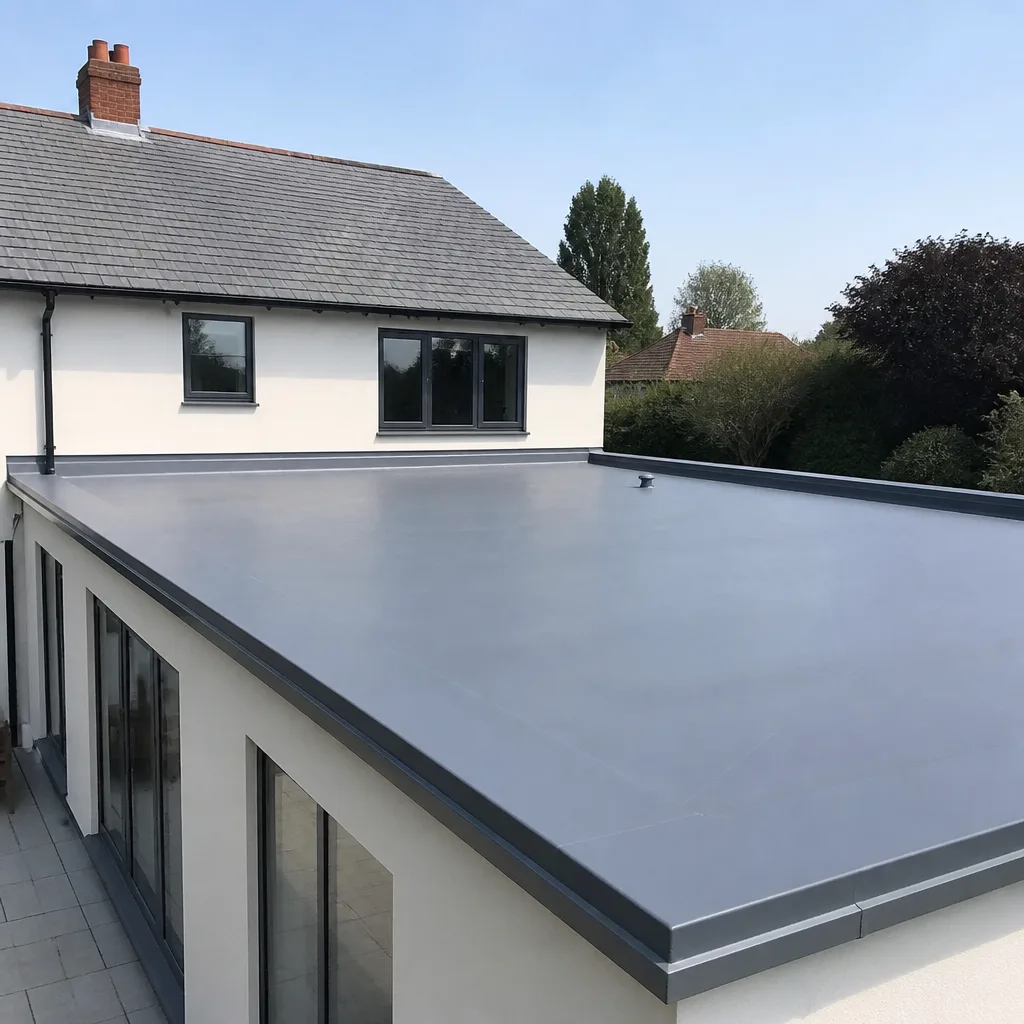
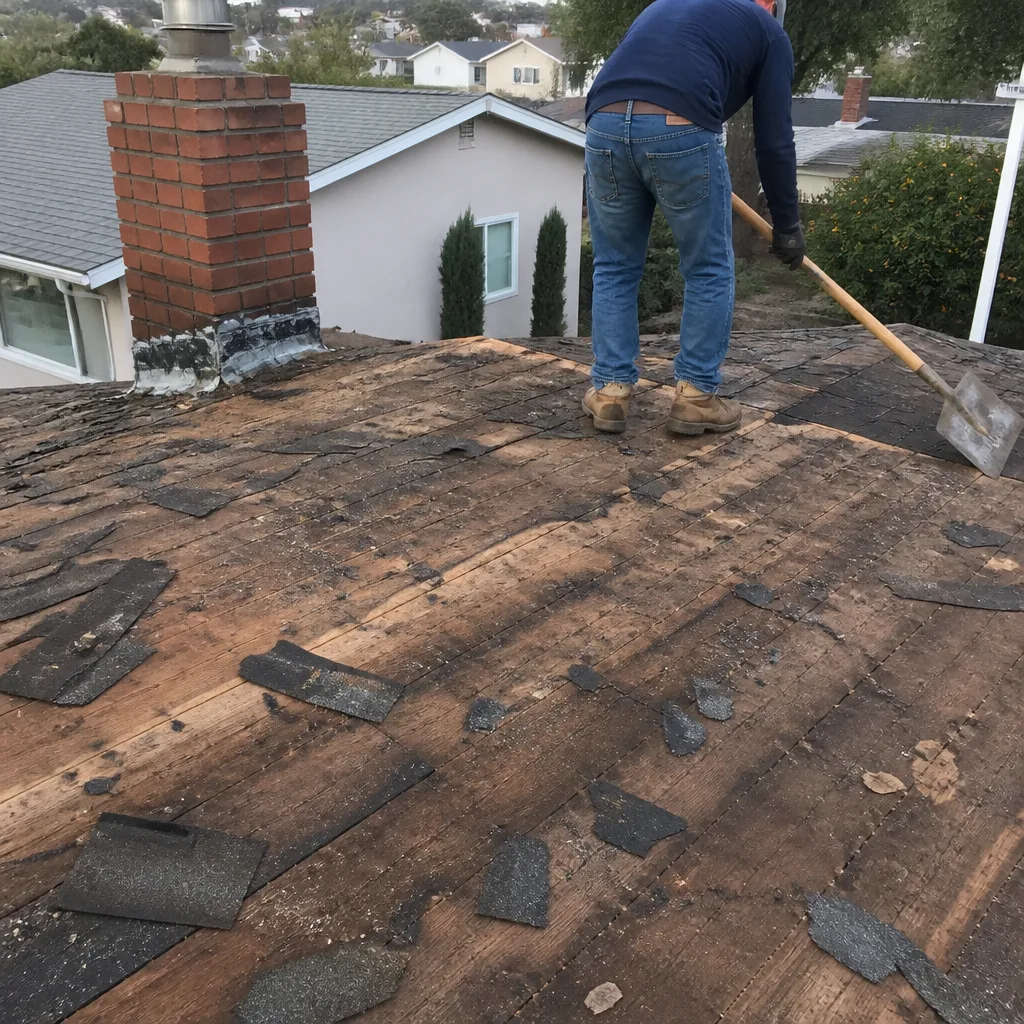 Before
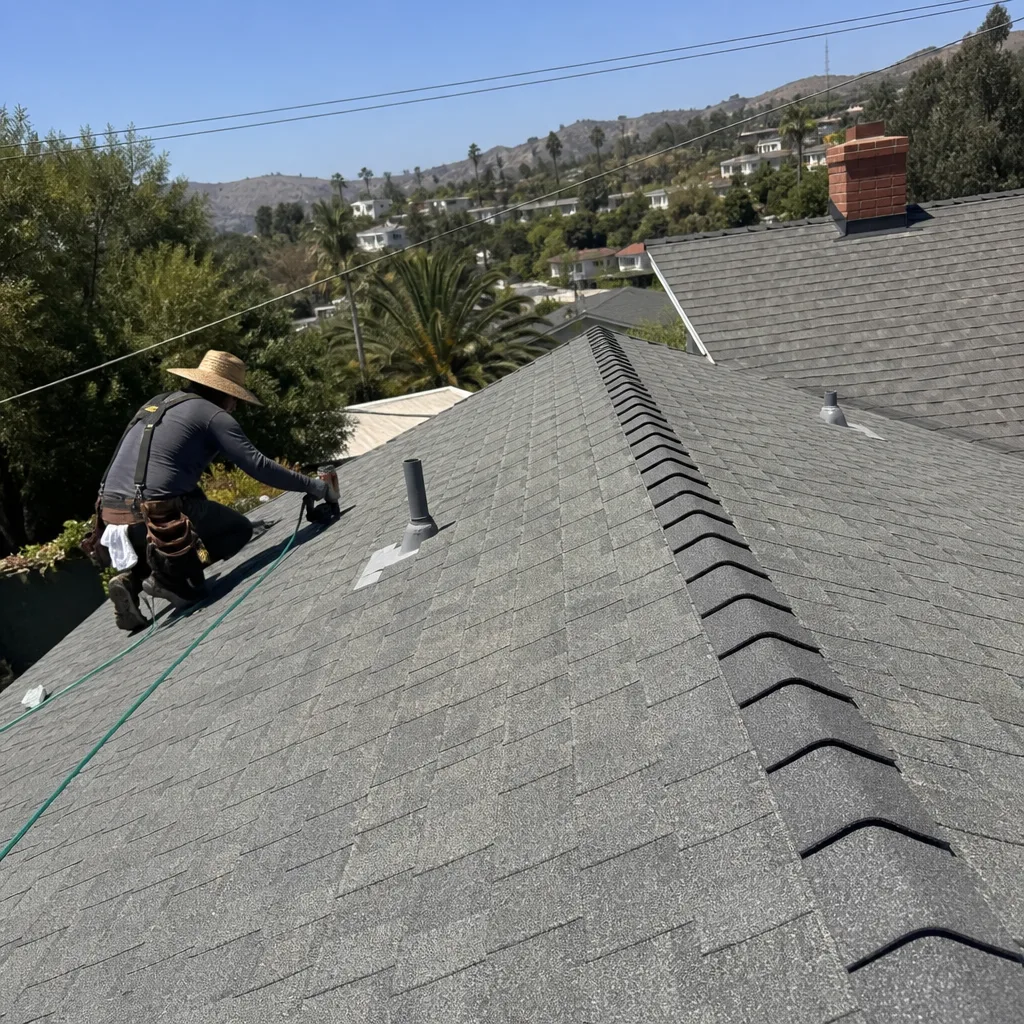 After
After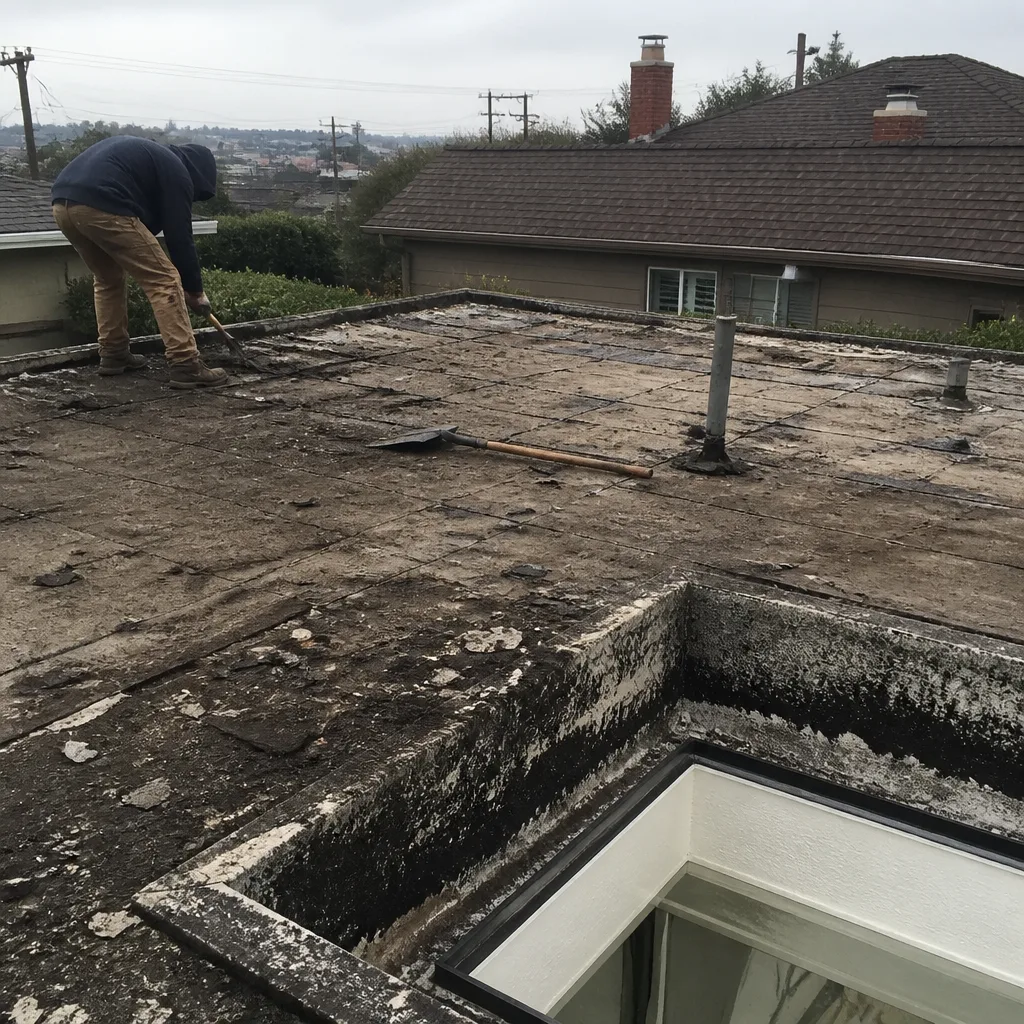 Before
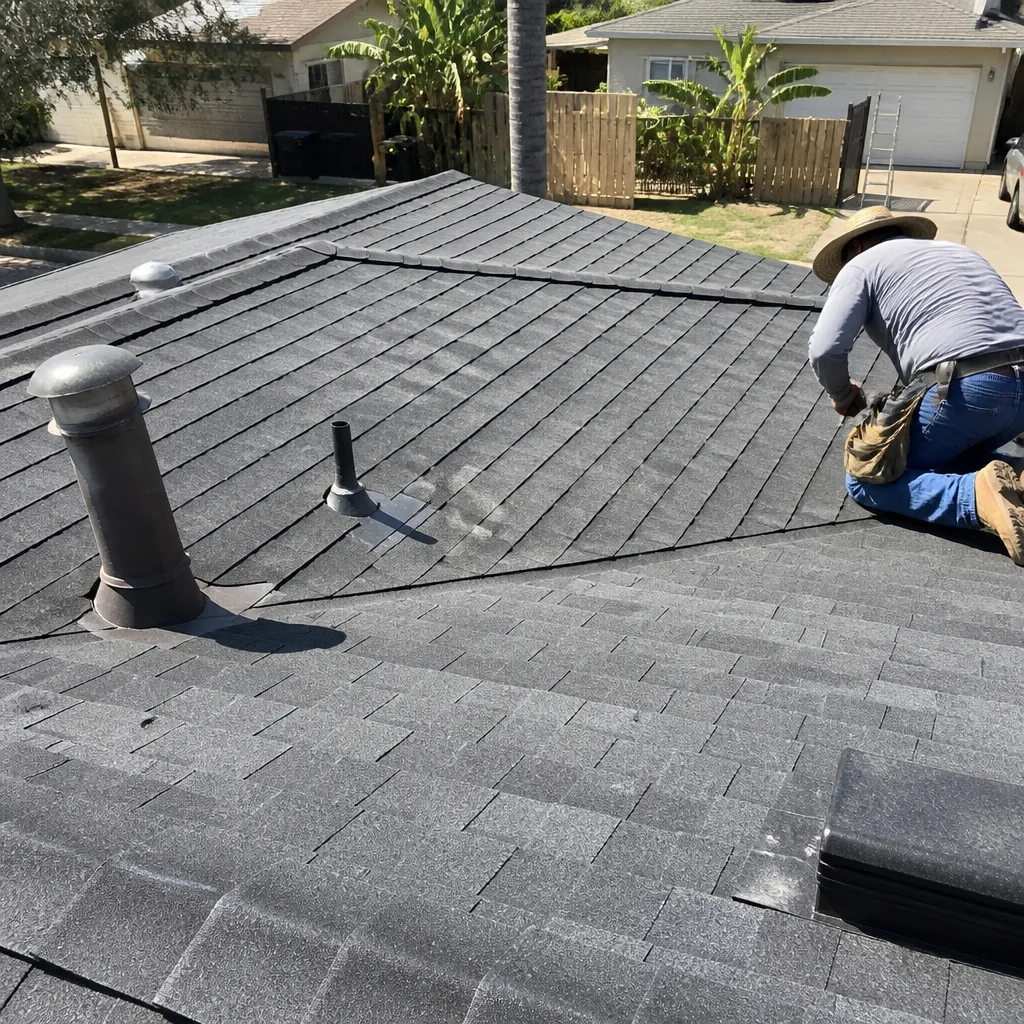 After
After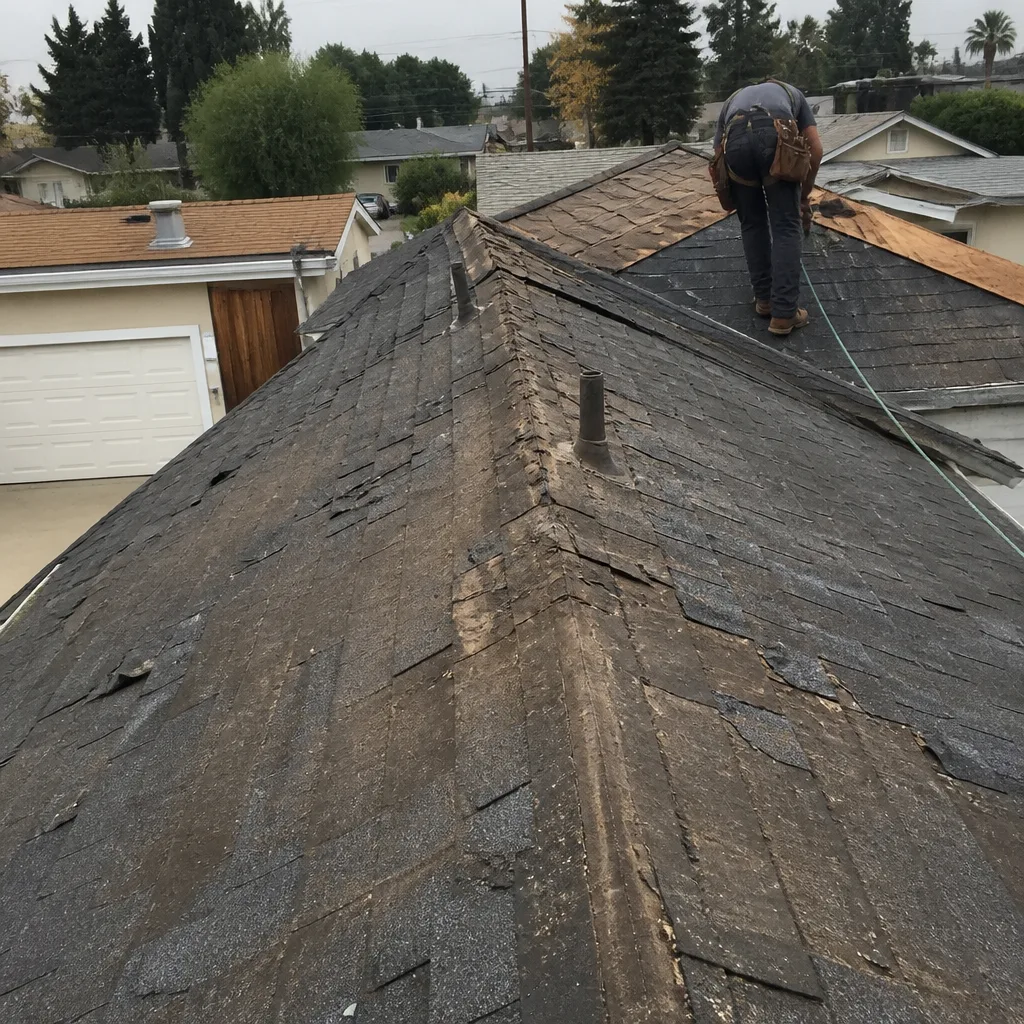 Before
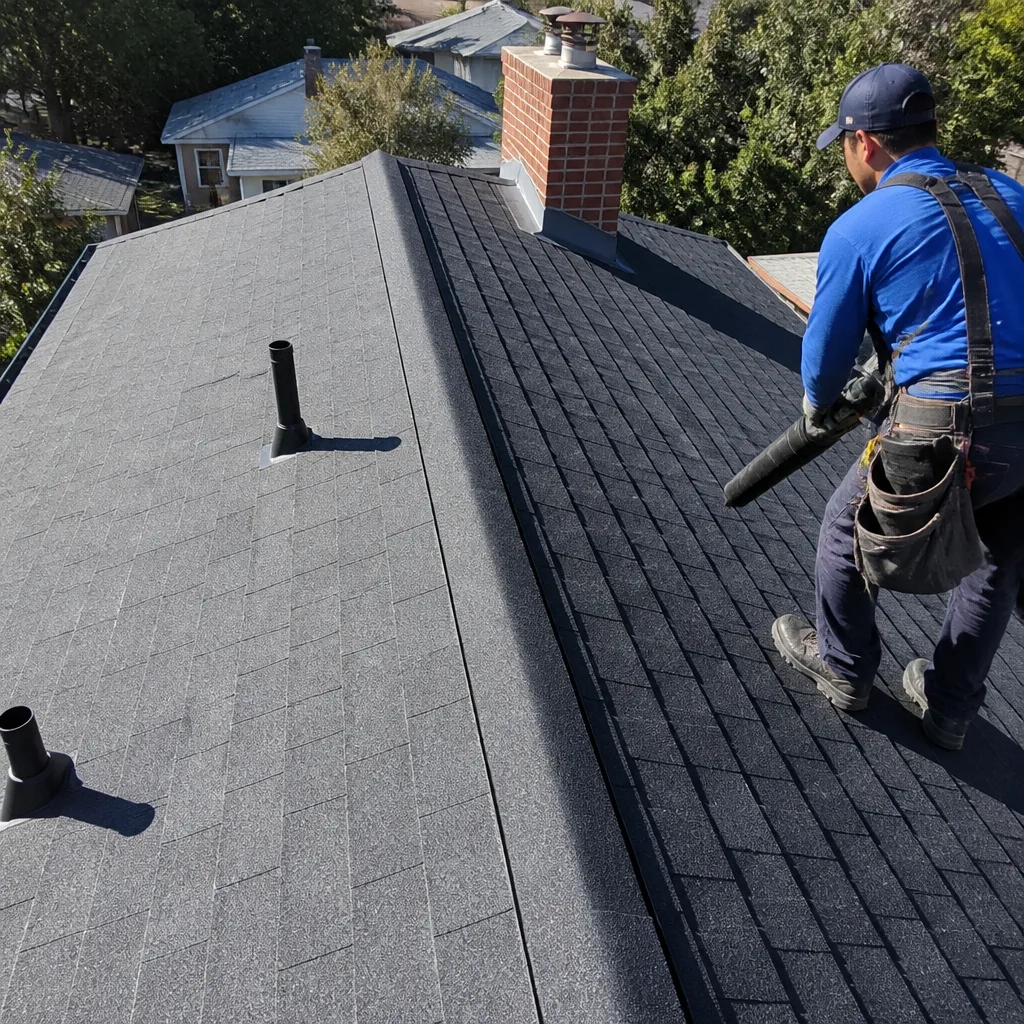 After
AfterWater Stains Spreading Across the Ceiling
Water stains spreading across your ceiling almost always mean water is moving through your roof system and pooling above your drywall or insulation. The source is nearly always higher than the stain – roof damage, a failed flashing joint, or a clogged drainage path lets water in, and gravity walks it sideways until it finds somewhere to sit. This is not a cosmetic problem. Left alone, it gets worse, and faster than most people expect.
The tricky part is that the wet spot on your ceiling rarely sits directly below the entry point on your roof. Water follows rafters, runs along sheathing, and can travel several feet before it drips down. That means a stain near the center of a room might trace back to a flashing failure at the edge, a cracked ridge cap, or an opening around a pipe boot. Pinning down the real source is the first job – and it requires someone on the roof, not just in the attic.
Why It Happens
Failed or Missing Flashing
Flashing is the thin metal that seals every place the roof meets something else – a chimney, a skylight, a wall, a vent pipe. It’s the most common source of a ceiling leak by a wide margin. When flashing corrodes, pulls away from its seal, or was installed short to begin with, rain has a direct path into the roof deck. If your stain is near a chimney, a dormer, or a skylight, flashing is the first suspect.
Worn or Cracked Shingles
Asphalt shingles – whether GAF, Owens Corning, CertainTeed, or any other brand – have a finite lifespan, and age shows in specific ways: curling at the edges, cupping in the middle, cracked tabs, or granules collecting in the gutters. Any of those conditions means the shingle is no longer shedding water cleanly. If your stain appeared after a storm but the roof is also getting on in years, worn shingles and storm damage are often happening at the same time.
Clogged or Backed-Up Gutters
Gutters that are packed with debris can cause water to back up under the bottom course of shingles – a problem called ice damming in cold climates and overflow intrusion in warm ones. If the stain runs along an exterior wall rather than appearing in the middle of a room, and if your gutters were last cleaned a while ago, this is worth checking before assuming the shingles themselves are the problem. You can look from the ground; a gutter visibly overflowing during rain is a clear tell.
Pipe Boot or Roof Vent Seal Failure
Every plumbing vent stack and roof exhaust vent punches through the roof deck, and each one is sealed with a rubber or metal boot. Rubber boots crack as they age and UV-degrade, sometimes splitting completely around the pipe. This is one of the more predictable failure points on any roof that’s more than ten years old. If you can see the vent pipes from the ground and one of them has a collar that looks dark, split, or collapsed, that’s likely your source.
What to Do Right Now
- Put a bucket down, then photograph the stain. Note the time and date. A photo taken now becomes useful diagnostic information – your technician can see how the stain has spread and how much active moisture is involved.
- Find the edges of the stain and mark them lightly with a pencil. If the stain grows past your mark before the crew arrives, that tells you water is still actively moving through the assembly.
- Check the attic if you can do so safely from the floor level. Look for wet insulation, dark staining on rafters, or active drips. Do not step onto or between joists – attic floors are not rated for foot traffic, and a fall through the ceiling is a serious injury risk. If you see anything active, take a photo and get back down.
- Do not attempt to go onto the roof yourself. Wet roofing materials are slippery, roof edges are unguarded, and the fall risk is real. Height work is for trained technicians with proper equipment. Full stop.
- If the leak is near any electrical fixture – a recessed light, a ceiling fan, a junction box – treat it as an electrical hazard. Turn off the circuit at the breaker and leave it off until the moisture is resolved. Water and live wiring are a dangerous combination.
How We Fix It
When your local Crestview Roofing team arrives, the first thing they do is a systematic inspection – rooftop and attic if accessible – to locate the actual entry point, not just the symptom. That matters because patching the wrong spot wastes your time and money.
Once the source is identified, they’ll put a written price in front of you before a single nail goes in. That’s not a formality; it’s how every Crestview job works, every time, no exceptions. The number on the estimate is the number on the invoice.
Most ceiling-leak repairs fall under Roof Repair – replacing failed flashing, re-sealing a pipe boot, swapping out damaged shingles using materials from brands like GAF, CertainTeed, or Owens Corning. If the inspection reveals more widespread damage, Roof Replacement may be the right path, and that gets its own written estimate before anything proceeds.
Every repair is covered by the 365-Day Done Right Promise: if the repair fails within a year, your local team comes back and corrects it at no charge, in writing, no negotiation needed. Most repairs are completed the same visit once the work scope is agreed on.
Frequently Asked Questions
It should not wait if the stain is actively growing, if it’s near an electrical fixture, or if the ceiling drywall feels soft or is starting to sag – those are signs of structural saturation that can lead to a ceiling section failing. Even a stain that looks dry now was wet recently, and wet insulation above it is a mold risk that compounds quickly. The sooner the entry point is sealed, the smaller the repair scope. Call (325) 246-5075 to get your local team out before the next rain makes it worse.
Your local Crestview Roofing team answers the phone around the clock – a live person, not a voicemail system – and will work to get someone to your home as quickly as scheduling allows. Call (325) 246-5075 and tell them what you’re seeing; they’ll give you a real arrival time you can track, not a four-hour window.
The honest answer is: it depends on what the inspection finds. A single failed pipe boot is a different job than deteriorated flashing around a chimney or a section of shingles that needs replacing. What we can tell you is that you’ll have a written price in front of you before any work starts – that’s the Crestview standard, not an option. To get a number specific to your roof and your damage, call (325) 246-5075 and schedule your free estimate.
No. The written price you receive before work begins is the price you pay. Crestview Roofing operates on a written-price-before-any-work-starts model with no exceptions – the number on the page is the number on the invoice. If an inspection turns up something unexpected that changes the scope, you’ll be told before that additional work proceeds, with a new written price, and you decide whether to move forward.
Get It Fixed
A spreading ceiling stain won’t stop on its own. Call (325) 246-5075 – a live person answers around the clock – or book online. Your local Crestview Roofing team will inspect the roof, find the actual source, and put a written price in front of you before anything starts. The 365-Day Done Right Promise covers the repair from there.
Written by Dylan Pace, Owner at Crestview Roofing, part of the Relay Home Co. family, serving homeowners nationwide since 2000.
What Our Customers Say
"Solid work. Cleanup took until the next morning, but the yard looks good."
- Nate Z."Estimate came in the app with a line-by-line breakdown. Accepted with a tap."
- Raj P."Roof replacement. Crew texted the schedule daily and I could ask questions by message. Done in two days."
- Sandra J.