

Free roof inspection with deck photos before we talk money - GAF and Owens Corning certified installation


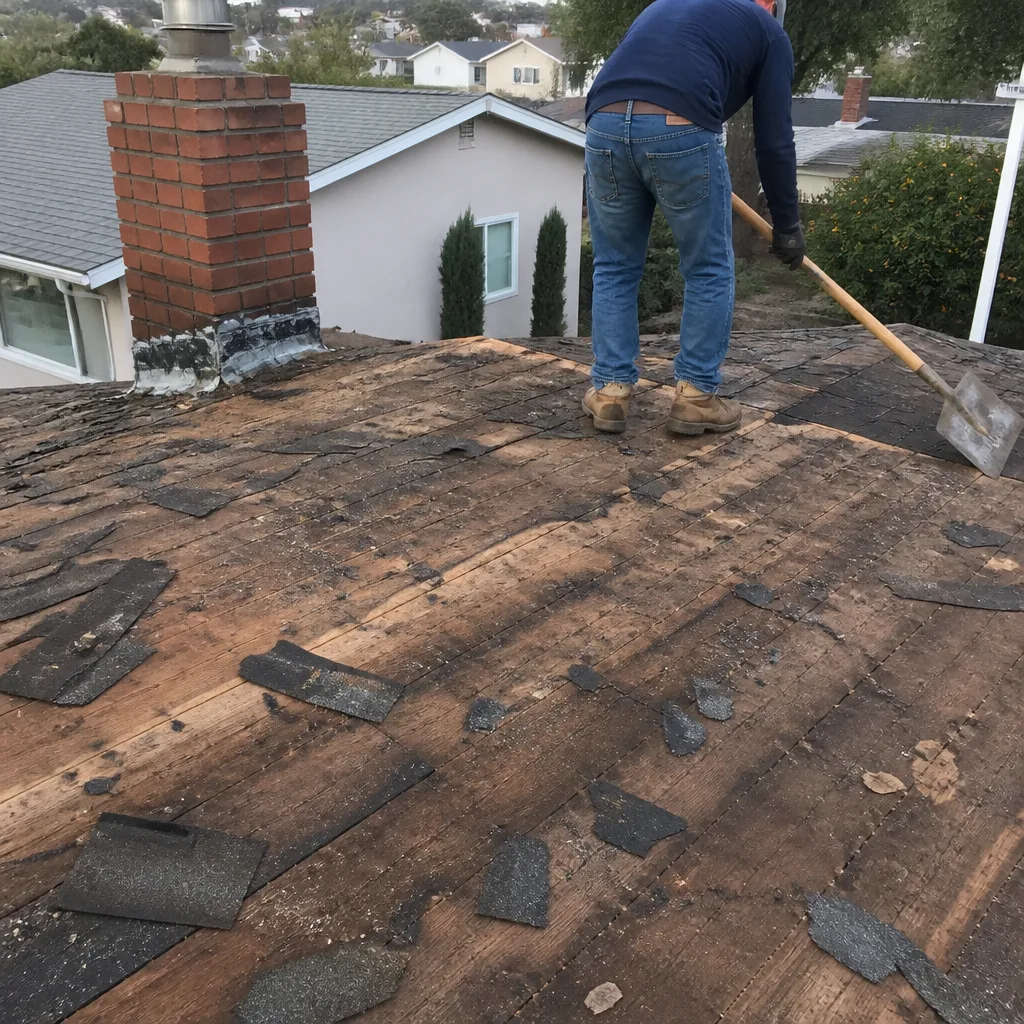 Before
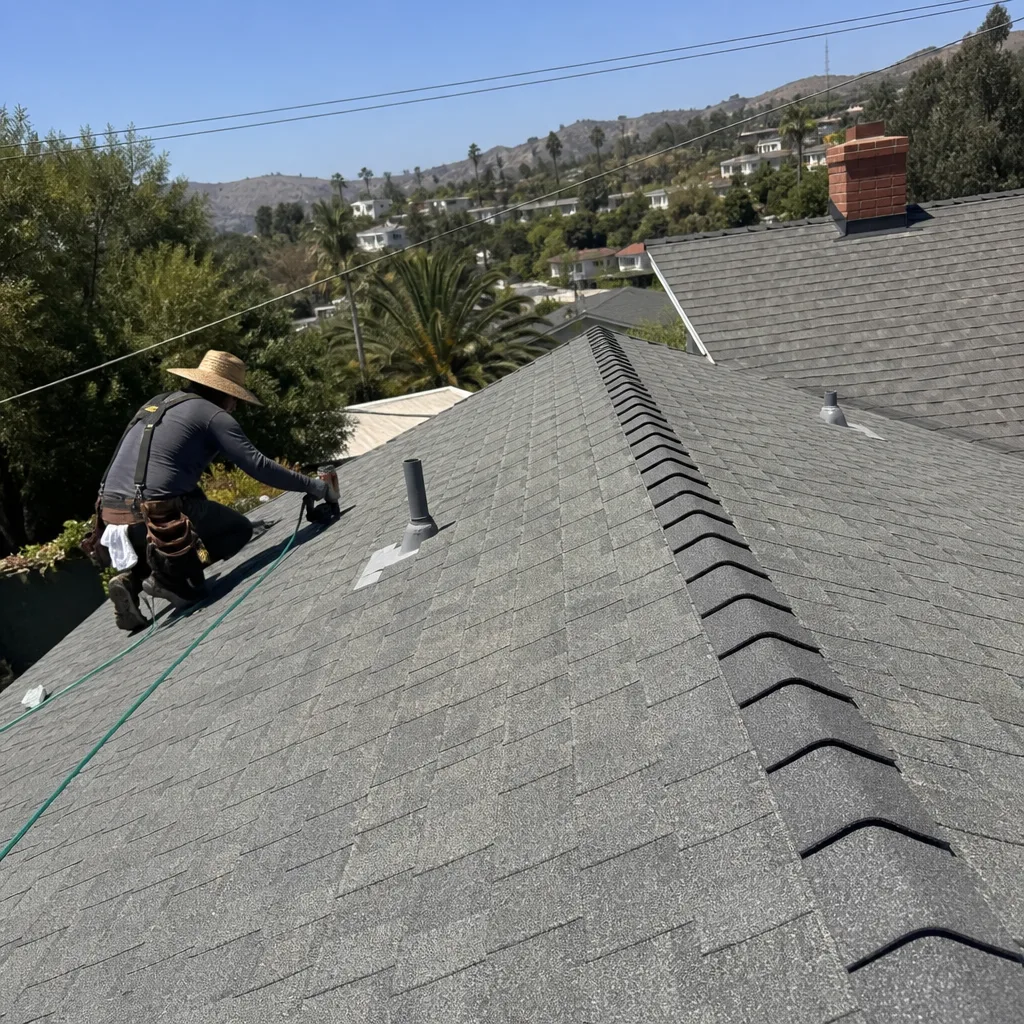 After
After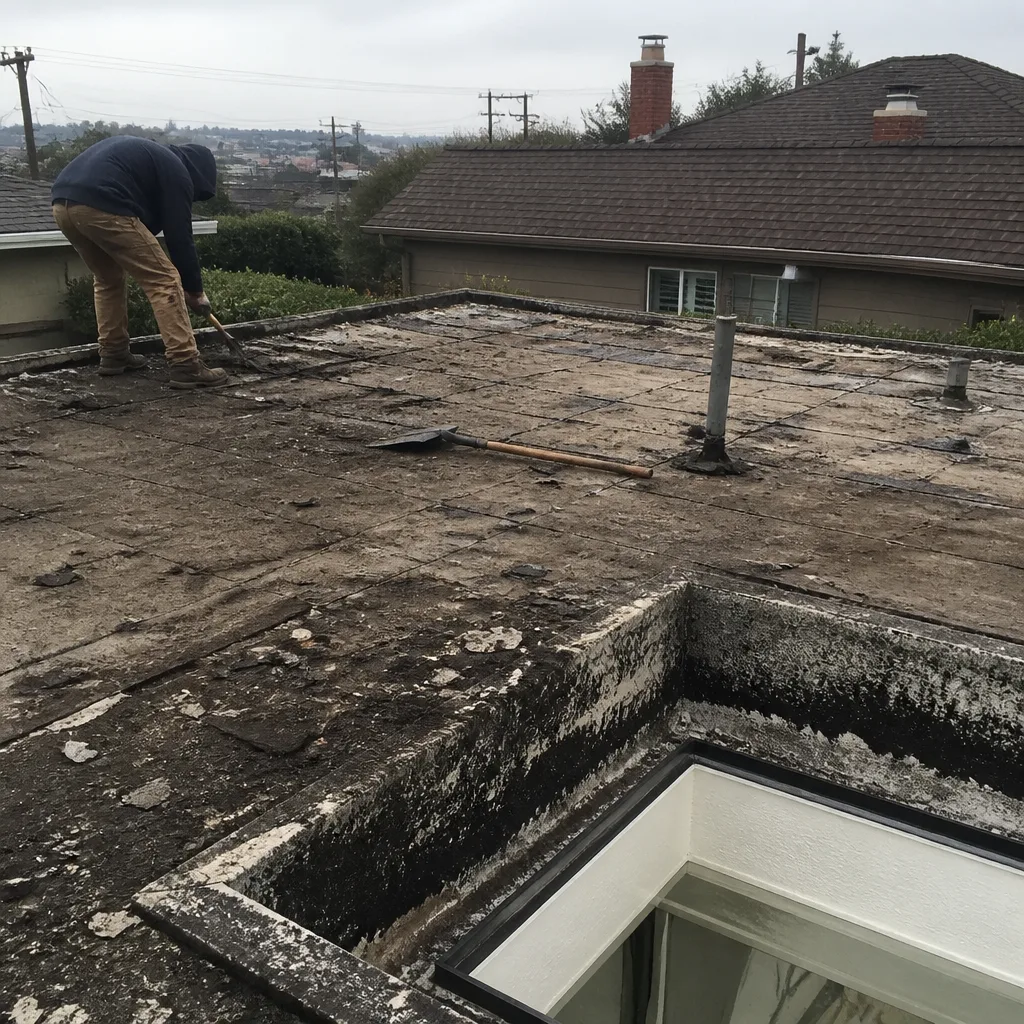 Before
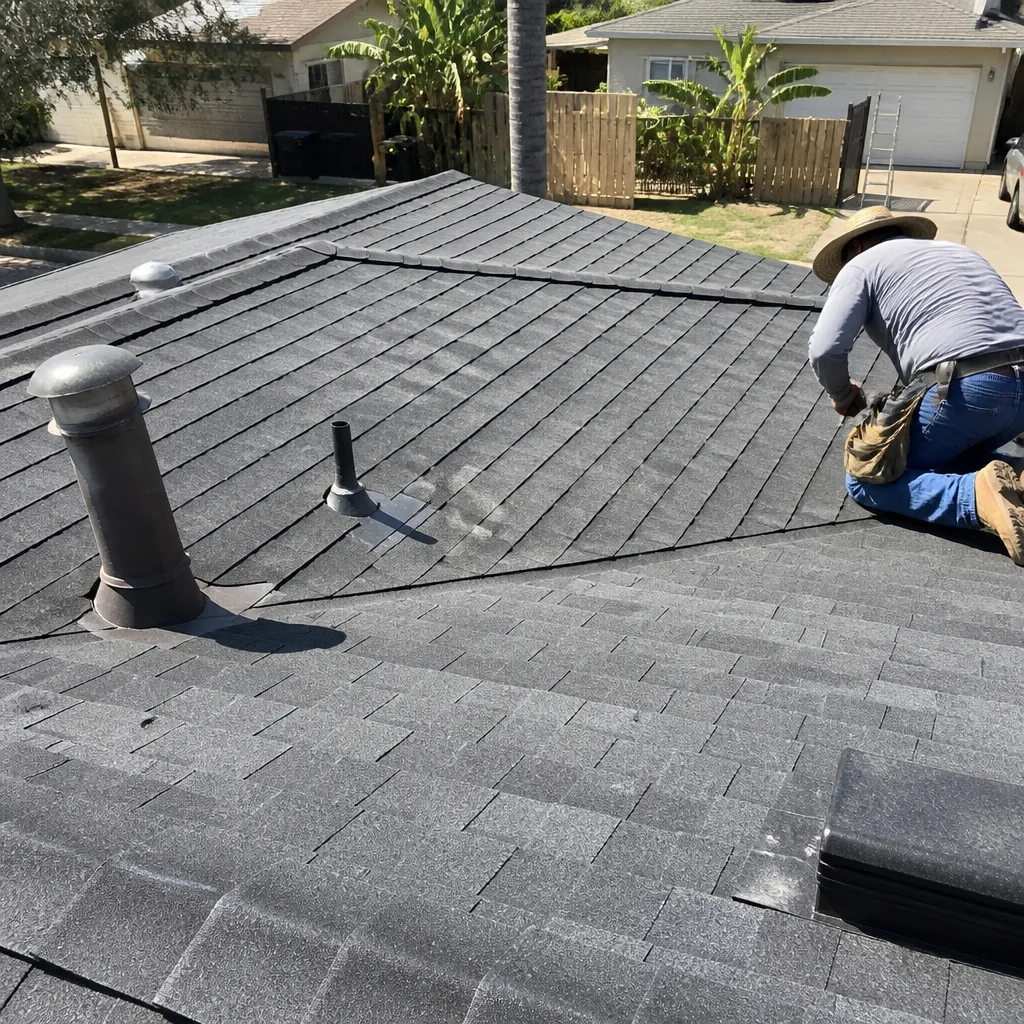 After
After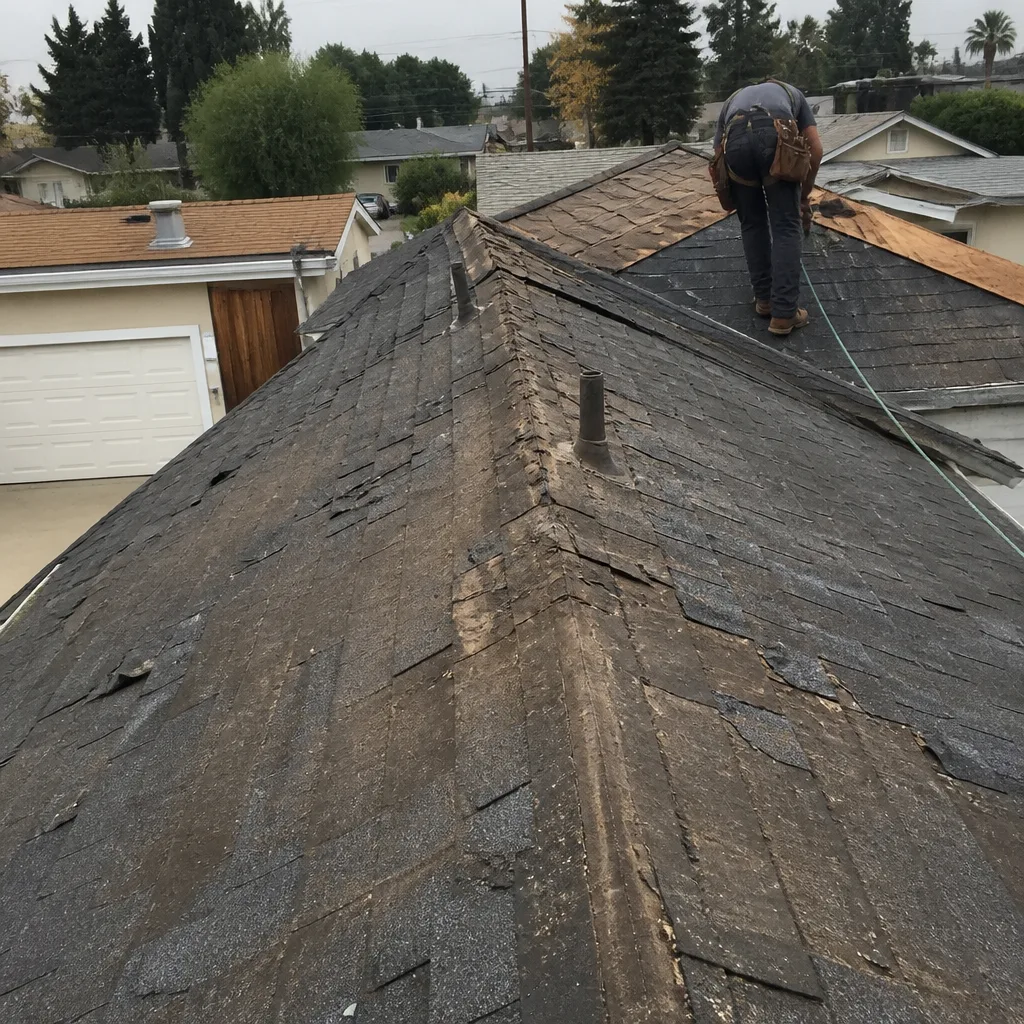 Before
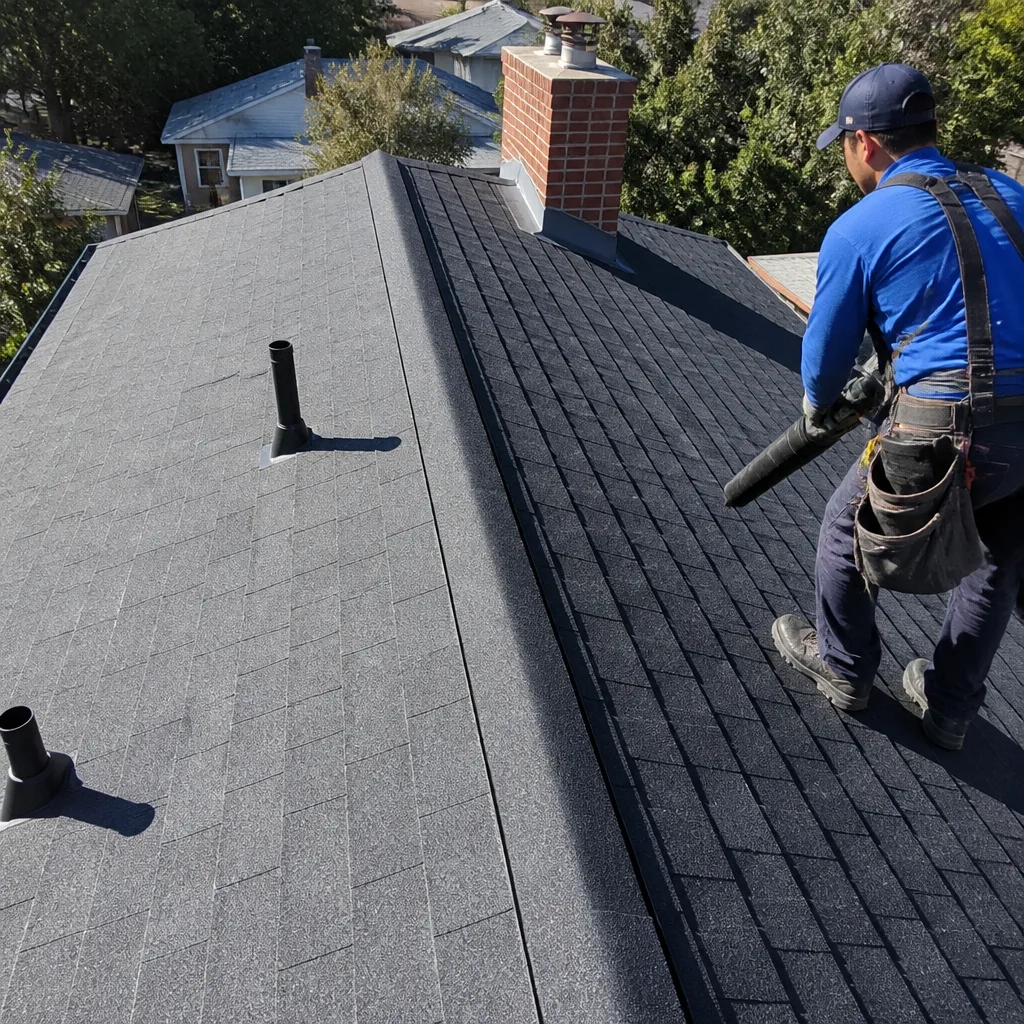 After
AfterRoof Leak After Heavy Rain
What’s Happening
A roof leak that shows up during or right after heavy rain almost always means water has found a gap in your roof’s waterproofing layer – either at a penetration point (a vent, chimney, or skylight), along a flashing seam, or through shingles that have worn past the point of doing their job. The leak and the entry point are rarely in the same place; water travels along rafters and sheathing before it drips through your ceiling.
That matters because the wet spot on your ceiling or the drip hitting your floor is almost never where the problem actually is. A technician has to trace the water path backward to find the true entry point. In the meantime, the water is doing damage to your insulation, sheathing, and potentially your drywall every additional hour it goes untreated. This is not a wait-until-the-weekend problem.
Why It Happens
Failed or Lifted Flashing
Flashing is the thin metal strip that seals every place your roof meets a vertical surface – your chimney, a dormer wall, a skylight curb. It’s attached with sealant and fasteners, and both degrade over time. When flashing pulls away or the sealant behind it cracks and shrinks, rain drives straight in along the gap during any heavy storm. If your leak appears near a chimney, skylight, or roof-to-wall junction, flashing is the first suspect.
Worn or Missing Shingles
Asphalt shingles have a granule surface that reflects UV and sheds water. When those granules wear off – you’ll see them collecting in your gutters as a coarse, sand-like debris – the fiberglass mat underneath becomes brittle and starts to crack. A cracked or curling shingle lets water under the layer instead of over it. If you can safely look at your roof from the ground and see shingles that are buckled, missing entirely, or visibly lighter in patches, that’s the likely entry zone.
Clogged or Damaged Gutters Backing Water Up
Gutters that can’t drain fast enough during a heavy storm cause water to pool along your eaves and wick back under the first course of shingles. This is called ice-dam-style backflow and it doesn’t require winter weather to happen – just a heavy enough downpour hitting a blocked gutter. If your leak appears along an exterior wall near the roofline rather than toward the center of the ceiling, a gutter overflow is worth checking before anything else.
Cracked Pipe Boots or Vent Seals
Every plumbing vent and exhaust pipe that exits through your roof is sealed at the base with a rubber or metal collar called a pipe boot. Rubber degrades in UV exposure and heat cycles; after several years it cracks and pulls away from the pipe. This creates a clean, direct water path into your attic during any rain. If your drip is appearing near a bathroom or kitchen ceiling – often in line with where a vent pipe exits the roof – this is a very common culprit and also one of the more straightforward repairs a technician can make.
What to Do Right Now
- Protect what’s below the drip. Put a bucket under any active drip and lay down towels to protect your floor. If water is pooling on a ceiling that’s visibly bulging, poke a small hole at the lowest point to let it drain in a controlled way rather than letting the drywall collapse.
- Photograph everything before you touch it. Take photos of the wet spot, the ceiling stain, any visible damage, and the area directly above it in the attic if you can access it safely. These photos matter for your repair estimate and for any insurance documentation.
- Check your attic from the hatch – do not go on the roof. If you have attic access, a flashlight look from the hatch can show you active dripping, wet insulation, or daylight coming through. Note where it is relative to vents, the chimney, and the ridge. Then come back down. A wet roof deck is slippery and genuinely dangerous; leave the roof itself to the technician.
- Stop using any ceiling fixture directly under the wet area. If water is near a light fixture, ceiling fan, or any electrical box, turn off that circuit at the breaker. Water and live electrical are a serious safety hazard – don’t wait to see if it gets worse.
- Call for an inspection, not a YouTube fix. Temporary tarp or patch work done incorrectly can trap water and make the damage worse. The right move is getting a technician on site to find the actual entry point before anything is covered up.
How We Fix It
When your local Crestview Roofing team arrives, the technician starts by finding where water actually entered – not where it dripped through your ceiling. That means checking the attic if accessible, then inspecting the roof surface around every penetration, seam, and flashing point in the suspect zone.
Once the entry point is confirmed, you get a written price before anything is touched. That’s not a policy we sometimes follow – it’s on every job, no exceptions, under The Relay Visibility Guarantee. The number on that page is the number on your invoice.
Most rain-related leaks resolve through roof repair – replacing or re-sealing the specific failed component, whether that’s reflashing a chimney, replacing a pipe boot, reseating lifted shingles, or addressing a damaged section of underlayment. If the inspection reveals that the roof has aged past the point where targeted repair makes sense, your technician will tell you plainly and the conversation moves to roof replacement. Either way, every repair is covered by the 365-Day Done Right Promise – if the same repair fails within a year, we come back and fix it at no charge, in writing, included with the job.
A typical targeted repair takes a few hours on site once materials are confirmed. Before-and-after photos are sent to you as part of the job, not as an afterthought.
Frequently Asked Questions
A roof leak that’s active should not wait, even if it seems minor right now. Every hour water sits in your sheathing, insulation, or wall cavity increases the chance of mold growth, structural softening, and a repair that’s more involved than the original leak. A small flashing gap that costs relatively little to fix today can mean sheathing replacement next month. Call (325) 246-5075 – a live person picks up, and we can get eyes on it fast.
Your local Crestview Roofing team works to get to active leaks as quickly as scheduling allows – call (325) 246-5075 and a live person (not voicemail, not a callback queue) will tell you exactly what’s available. We give you a live, trackable arrival time so you’re not sitting in a four-hour window wondering.
The honest answer is: it depends entirely on what the technician finds when they get on the roof. A failed pipe boot is a very different job from reflashing a chimney or replacing a section of sheathing. What we can tell you is that you’ll have a written price in hand before any work starts – that’s the Crestview standard, no exceptions. Call (325) 246-5075 to schedule your free estimate and get a real number for your specific situation.
No. The written price you receive before work begins is the price on your invoice – that’s The Relay Visibility Guarantee, and it applies to every job. If a technician opens something up and finds additional damage that changes the scope, the work stops and a revised written price is presented before anything continues. You are never handed a surprise number at the end.
Get It Fixed
Your local Crestview Roofing team is ready to find the source, give you a written price before anything starts, and back the repair with the 365-Day Done Right Promise. Call (325) 246-5075 right now – a live person picks up – or book online and we’ll send you a trackable arrival time.
Written by Dylan Pace, Owner at Crestview Roofing, part of the Relay Home Co. family since 2000.
What Our Customers Say
"Leak near the chimney. They resealed the flashing and I got before and after photos by text."
- Troy N."Booked an inspection online and got a text with the inspector's name and ETA. He sent photos from the roof. Showed me the lifted shingles and fixed them the next day."
- Matt B."Good roof, clean job. Materials arrived a day late, but the update came before I called."
- Leah K.