
Last updated October 10, 2026
Free roof inspection with deck photos before we talk money - GAF and Owens Corning certified installation
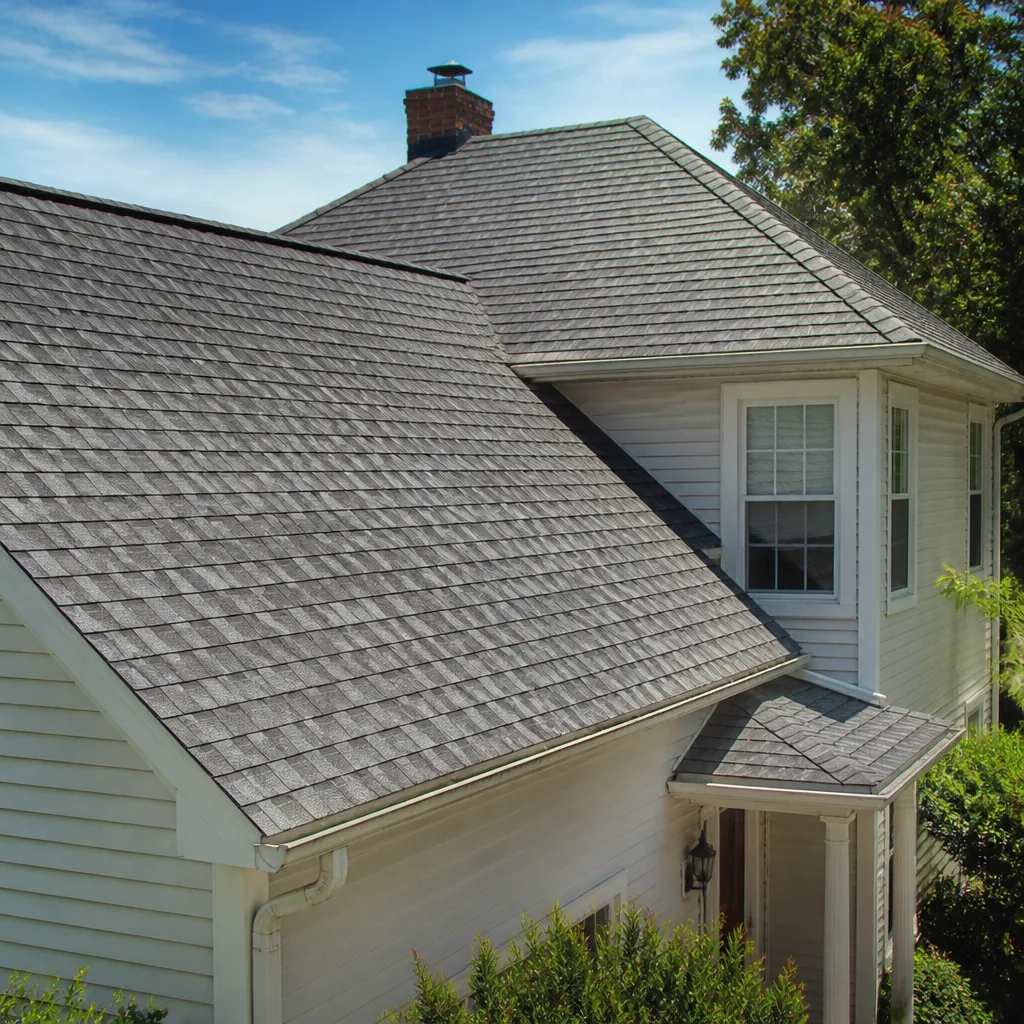
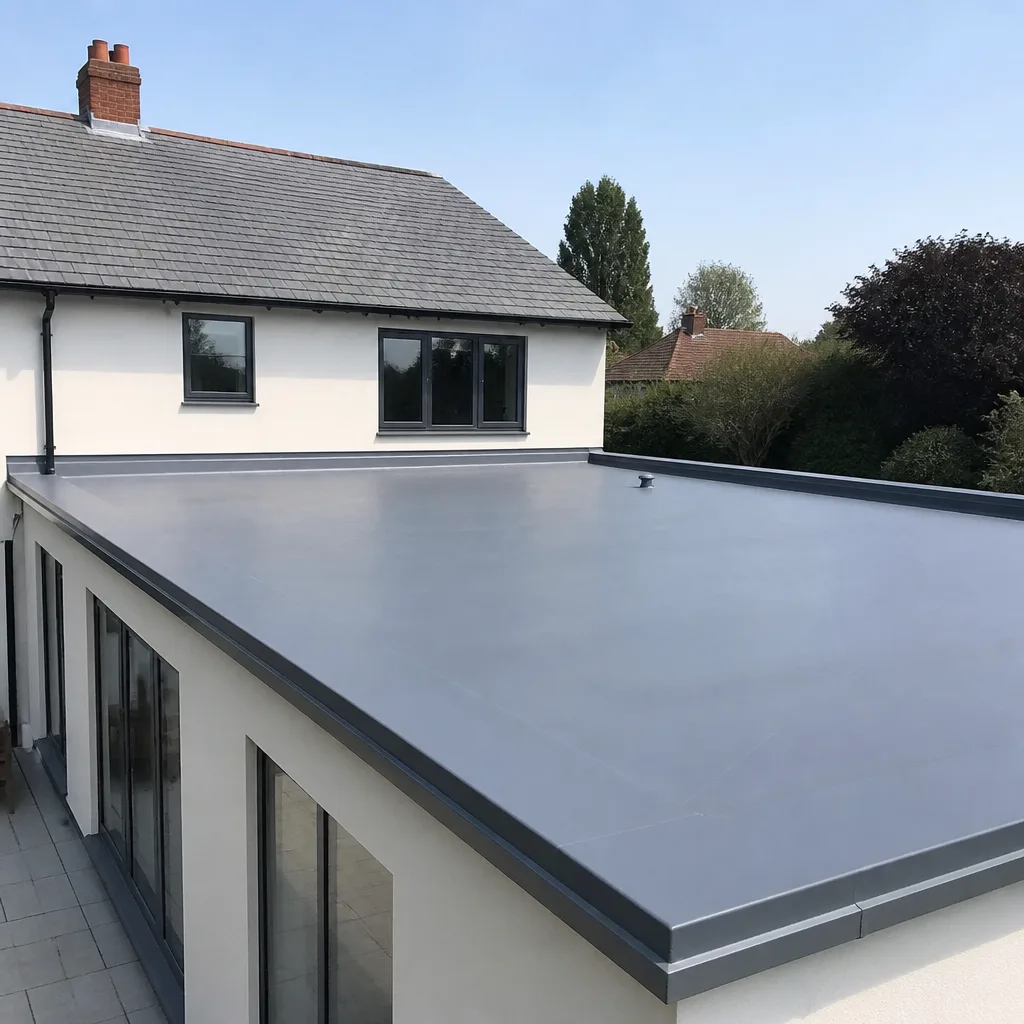
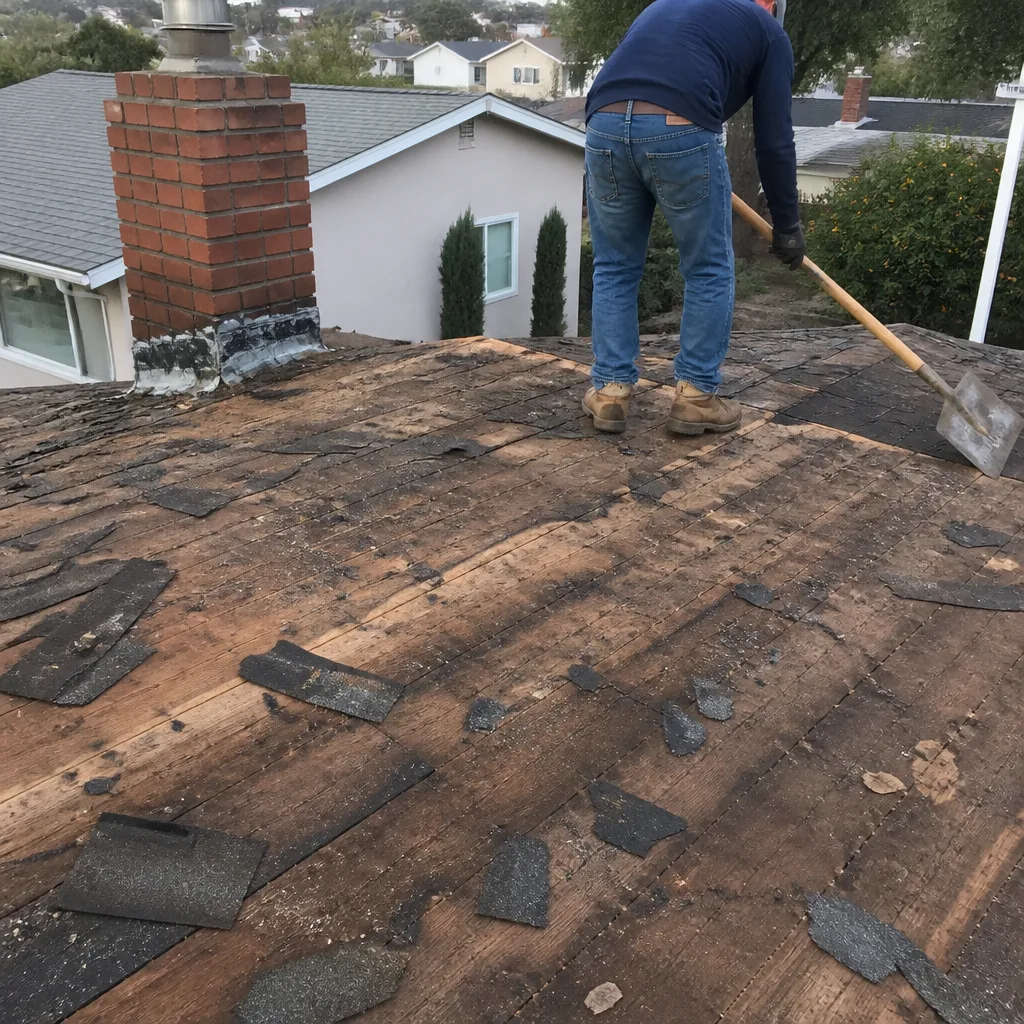 Before
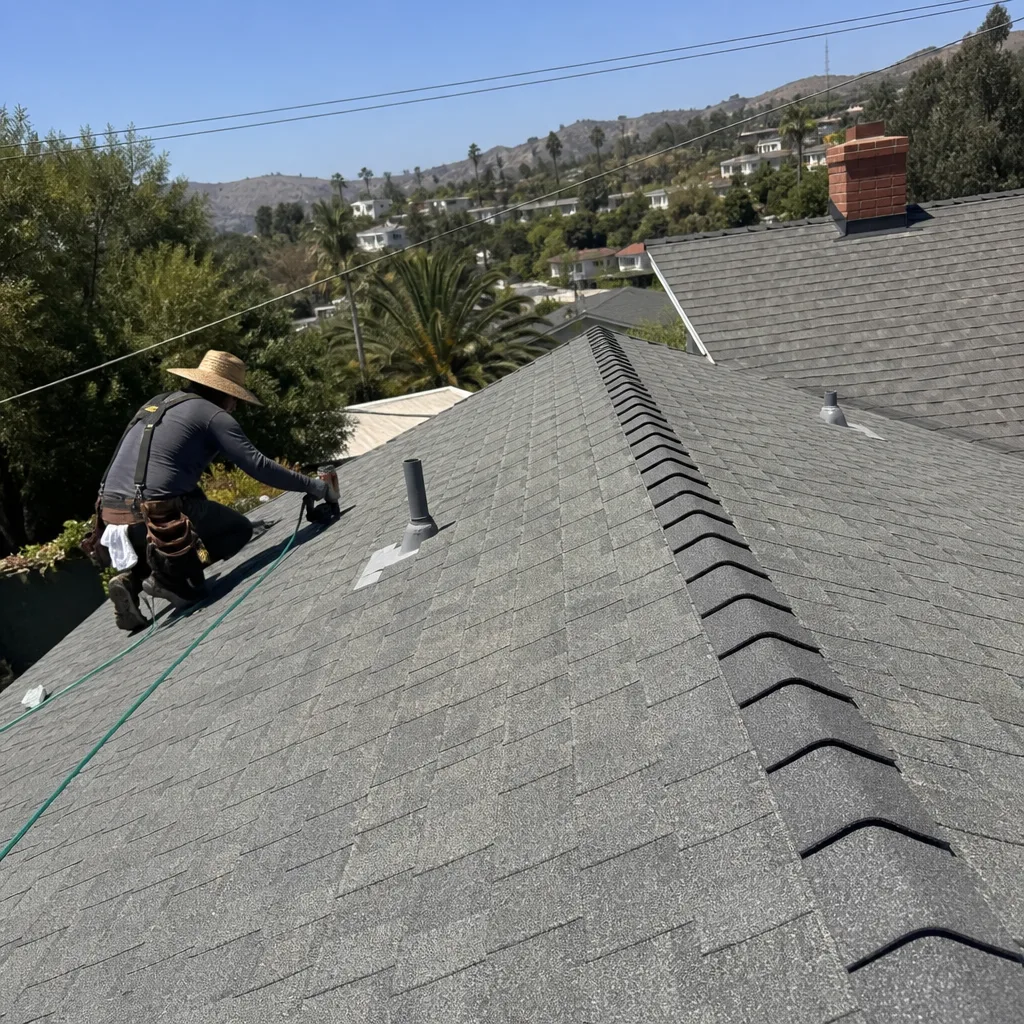 After
After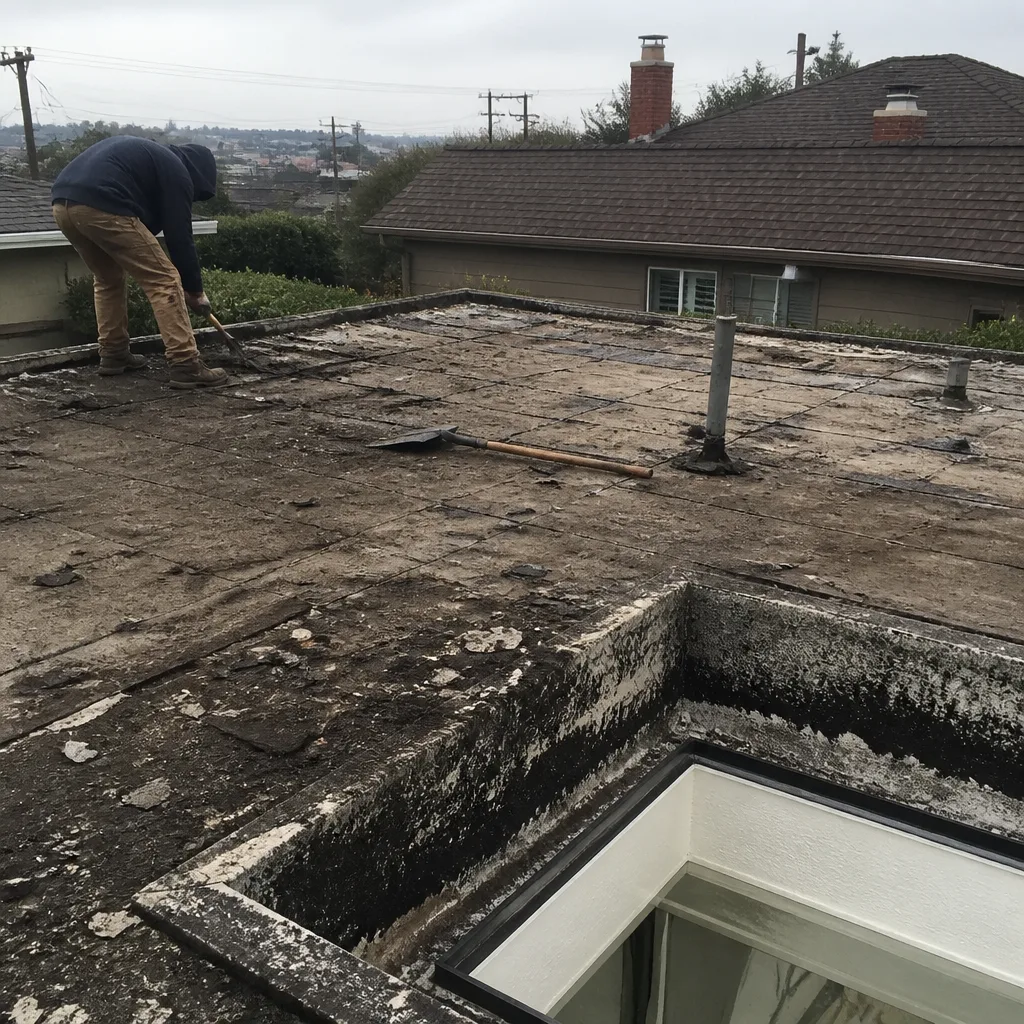 Before
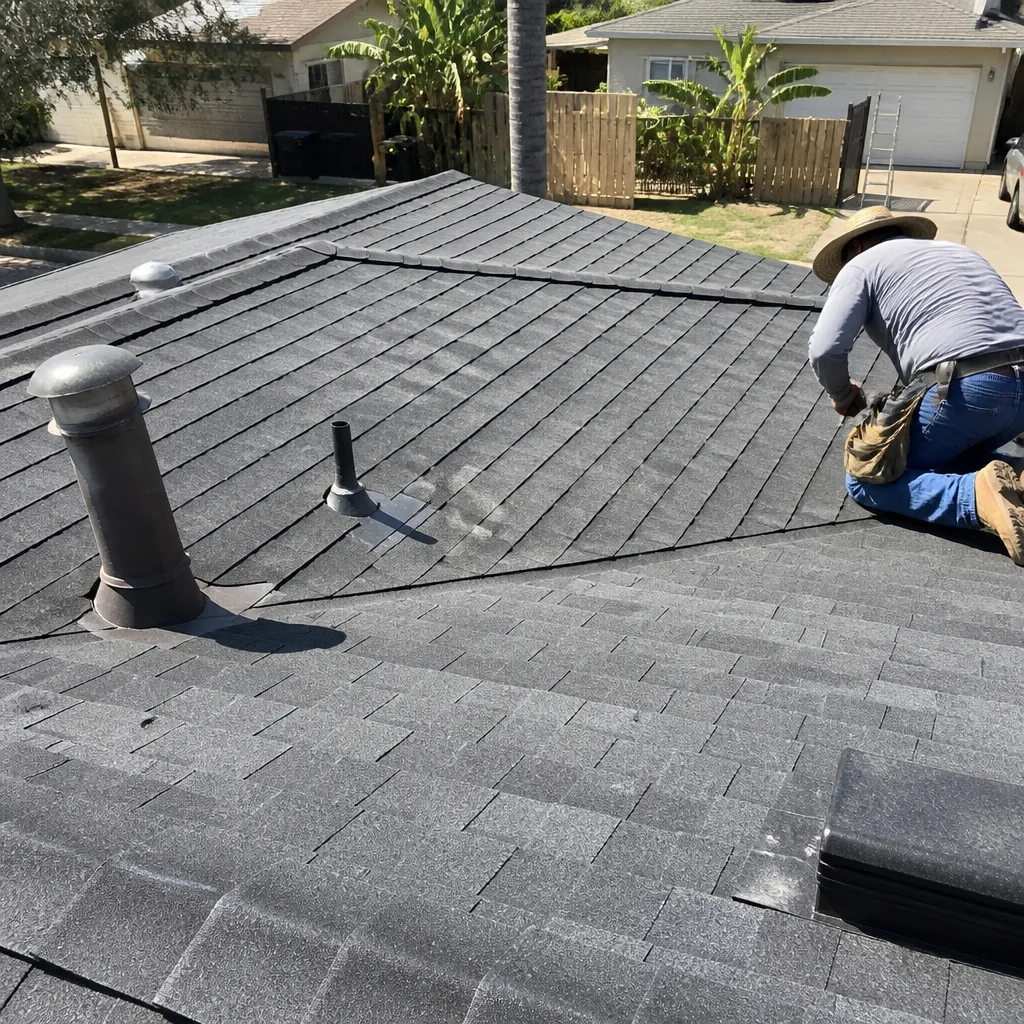 After
After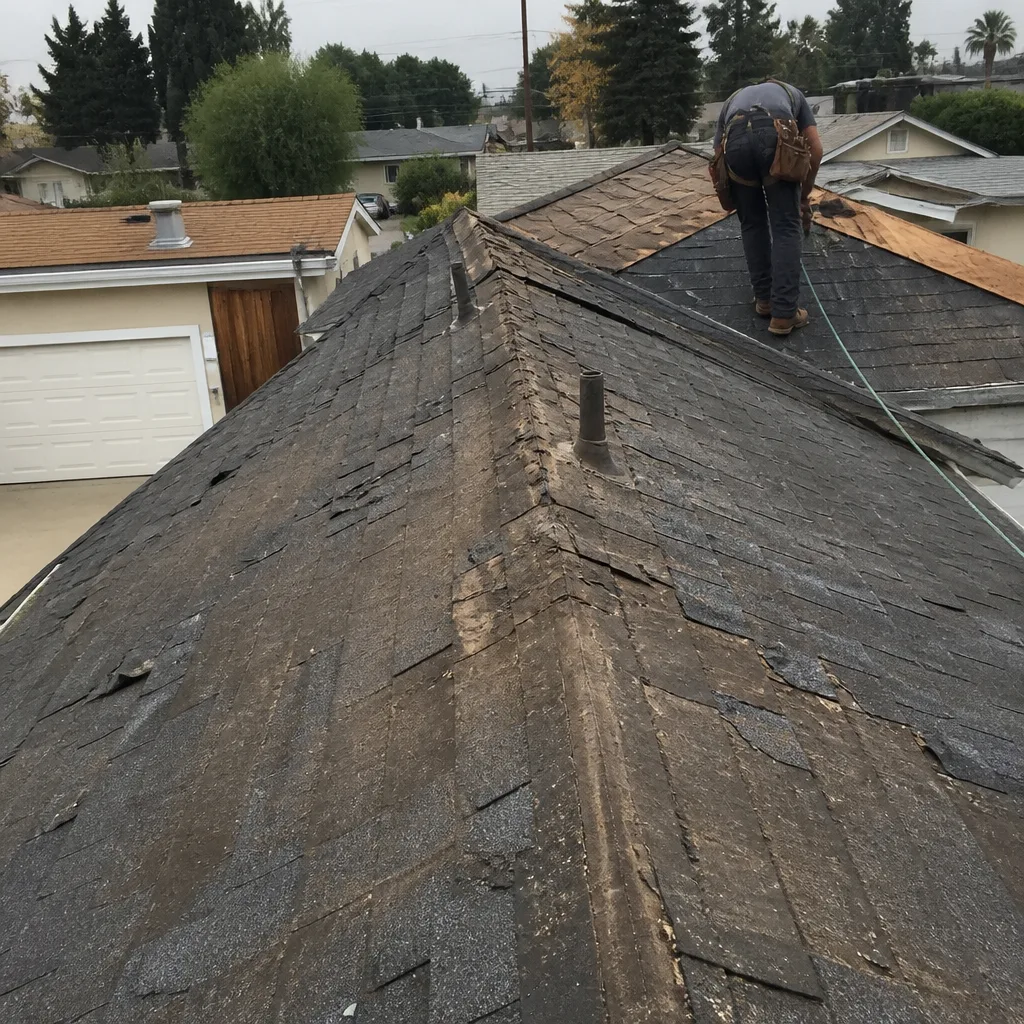 Before
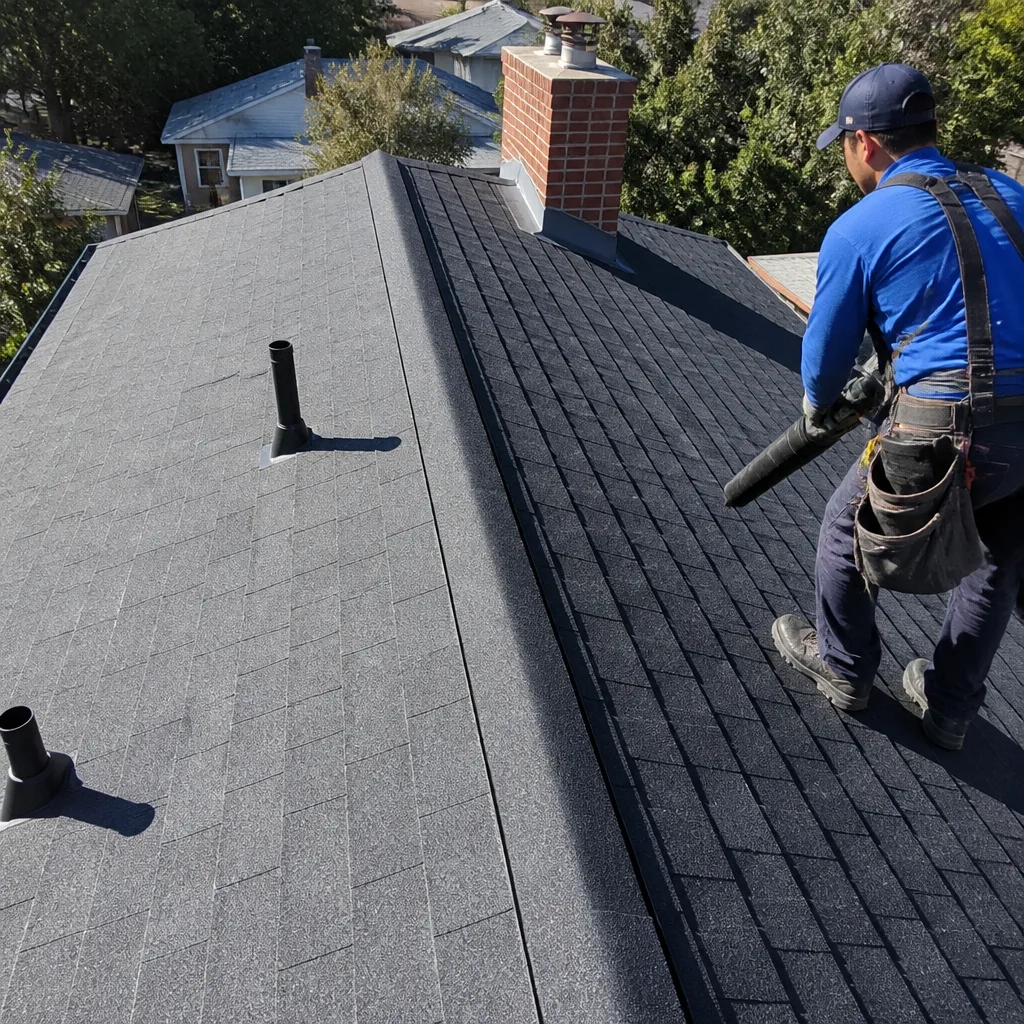 After
AfterDIY vs Professional Roof Replacement: What’s Safe to Do Yourself
Here’s something most Los Angeles homeowners don’t learn until it’s too late: you can legally pull your own permit and replace your own roof in California, but the GAF or Owens Corning shingles you nail down yourself will carry a 10-year material warranty instead of the 50-year warranty you’d get from the exact same product installed by a certified contractor. That gap alone can cost you $15,000 to $40,000 in premature replacement costs. In this guide, we’ll walk through what’s actually safe to handle yourself, what California law and manufacturer rules prevent you from doing with full protection, and how to read a roofing contract so you don’t get burned after the crew leaves.
Quick Answer
Most homeowners can safely handle minor roof maintenance themselves: cleaning gutters, replacing a few damaged shingles, or patching small leaks with proper fall protection. A roof replacement is rarely safe or financially sound to DIY in Los Angeles because manufacturer warranties drop from 50 years to 10 years without certified installation, Title 24 cool roof requirements complicate material selection, and the true cost of equipment, disposal, and your own labor typically exceeds professional bids by the time the job is done right.
Table of Contents
- California Homeowner-Pull Permits: What You’re Actually Allowed to Do
- The Warranty Tier Gap: Why DIY Costs More Than It Saves
- The True Cost of DIY vs. Professional Roof Replacement in Los Angeles
- Roof Work You Can Safely Handle Yourself
- Title 24, Cool Roofs, and What Permits Miss
- Five Written Commitments to Demand in Any Roofing Contract
- The Two Scenarios Where DIY Replacement Makes Financial Sense
California Homeowner-Pull Permits: What You’re Actually Allowed to Do
California allows homeowners to act as their own contractor on their primary residence through an owner-builder permit. In Los Angeles, this means you can pull a roofing permit through LADBS (Los Angeles Department of Building and Safety) without holding a C-39 roofing license. The permit costs are identical whether you pull it or a contractor does: roughly $300 to $800 depending on project scope and square footage.
Here’s what the permit inspection actually checks versus what it doesn’t:
- Structural load and nailing pattern. The inspector verifies you’re using the correct number of fasteners per shingle and that decking meets span requirements. They do not verify your nailing depth, shingle alignment, or whether you staggered joints properly to prevent water intrusion.
- Flashing at penetrations. They’ll check that metal exists around chimneys, vents, and skylights. They won’t confirm it’s lapped correctly, sealed with compatible materials, or integrated with the underlayment in a way that channels water away.
- Cool roof compliance. For Los Angeles re-roofs, Title 24 requires minimum solar reflectance and thermal emittance values. The inspector checks your material spec sheet, not your actual installation, and won’t catch if you mixed compliant and non-compliant batches.
- Final dry-in. The inspector confirms the roof is watertight at that moment. They don’t test how it performs after thermal cycling, Santa Ana wind events, or the first heavy rain season.
What the permit process never evaluates: your fall protection setup, your disposal compliance with California waste regulations, your workers’ compensation coverage if anyone helps you, or whether your homeowner’s insurance will honor a claim on a self-installed roof. We’ve seen homeowners in Silver Lake and Echo Park discover that last gap only after a leak caused interior damage and their carrier denied coverage based on unlicensed installation.
The Warranty Tier Gap: Why DIY Costs More Than It Saves
This is the single most expensive detail competitors bury in fine print. Manufacturer warranties for asphalt shingles operate on a tiered system based entirely on who installs them.
| Installation Type | GAF Timberline HDZ | CertainTeed Landmark | Owens Corning Duration |
|---|---|---|---|
| DIY / Owner-Builder | 10-year limited material | 10-year limited material | 10-year limited material |
| Licensed Contractor (non-certified) | 25-year limited material | 25-year limited material | 25-year limited material |
| Certified Contractor (GAF Master Elite, CertainTeed SELECT ShingleMaster, Owens Corning Platinum Preferred) | 50-year System Plus or Golden Pledge | 50-year SureStart Plus | 50-year Platinum Protection |
The 40-year difference between DIY vs Professional Roofing: The Los Angeles Homeowner’s Decision Guide levels isn’t marketing fluff. It’s a legally enforceable contract between the manufacturer and the installing contractor. When you install shingles yourself, you void the enhanced warranty regardless of whether you followed every nailing specification perfectly. The manufacturer requires certified installation because their data shows workmanship errors cause the majority of premature failures, and certified contractors undergo ongoing training and audits.
In Los Angeles, where a standard 2,000-square-foot re-roof runs $12,000 to $22,000 professionally and how long roof installation takes varies by complexity, that warranty gap translates to potential replacement cost of $0.60 to $1.10 per square foot per year of lost coverage. Over 40 years, you’re essentially self-insuring against material defects at a rate that often exceeds what you’d have paid a certified installer upfront.
At Crestview Roofing, we install GAF, CertainTeed, and Owens Corning products as certified contractors, which means every full replacement we handle carries the maximum available warranty protection. That’s part of The Relay Visibility Guarantee: the warranty paperwork is included in your digital job folder, not something you have to hunt down later.
The True Cost of DIY vs. Professional Roof Replacement in Los Angeles
Online calculators consistently understate DIY costs by omitting equipment and disposal realities specific to the LA market. Here’s an honest breakdown for a typical 2,000-square-foot home in neighborhoods like Koreatown, West Adams, or North Hollywood:
DIY Material and Equipment Costs
- Architectural shingles (GAF Timberline HDZ or equivalent): $3,200 – $4,800
- Synthetic underlayment and ice/water shield: $800 – $1,400
- Drip edge, ridge vent, and flashing: $600 – $1,000
- Pneumatic roofing nailer (rental or purchase): $200 – $400
- Scaffolding or roof jacks with planks (10-day rental): $800 – $1,500
- Dumpster rental (30-yard, includes weight limit): $750 – $1,200
- Roofing disposal fees at California C&D facility: $600 – $1,000
- Fall protection harness, ropes, and anchors: $300 – $600
- Miscellaneous tools, fasteners, sealants: $400 – $700
DIY Total: $7,650 – $12,600
Professional Bid Range in Los Angeles: $12,000 – $22,000
The apparent savings shrink quickly. Factor in:
- Your labor value. A professional crew completes most 2,000-square-foot replacements in 2 – 3 days. DIY typically takes 2 – 3 weeks of actual work days, often spread across weekends. At even a conservative $25/hour value for your time, that’s $2,000 – $4,000 most calculators ignore.
- Rework costs. We’ve been called to fix DIY replacements in Los Feliz and Highland Park where improper valley flashing or inadequate ventilation caused mold remediation bills of $5,000 to $15,000. Those costs land entirely on the homeowner with no warranty recourse.
- Insurance implications. Several carriers writing policies in LA County now specifically exclude roof-related claims where installation was not performed by a licensed C-39 contractor. Check your policy’s “workmanship exclusion” clause before you start.
When we bid roof installation in Los Angeles, our written price includes all of the above, plus the 365-Day Done Right Promise, manufacturer warranty registration, and digital photo documentation. The number on the page is the number on the invoice.
Roof Work You Can Safely Handle Yourself
Not everything requires a pro. These tasks carry manageable risk with basic precautions and don’t void warranties or insurance coverage:
- Gutter cleaning and maintenance. Use a sturdy extension ladder with standoff arms, never lean the ladder against gutters themselves, and work with a spotter. In Los Angeles, where wildfire season creates intense debris accumulation from Santa Ana winds, this is often needed twice yearly.
- Individual shingle replacement. If you have a few wind-damaged shingles and the roof is less than 15 years old, you can remove the damaged piece, slide in a replacement, and seal with roofing cement. Match the existing shingle brand and color; mismatched patches are visible from the street and can affect resale.
- Small leak patching from inside. For active drips, a temporary patch with roofing tape or cement from the attic side can prevent interior damage until professional repair. Document the location with photos; water travels, so the entry point may be several feet uphill from the drip.
- Moss and debris removal. In shaded LA neighborhoods like Los Feliz or parts of Pasadena, moss retention accelerates shingle deterioration. A 50/50 bleach-water solution applied with a pump sprayer, left for 15 minutes, then rinsed with low-pressure water is effective. Never pressure-wash asphalt shingles; it strips granules and voids warranties.
What never belongs in the DIY category: anything involving steep-slope work without proper fall arrest, anything requiring torch-down or hot-mop application (fire hazard and code violation without proper certification), and any structural modification to rafters or sheathing.
For anything beyond this list, roof repair in Los Angeles is worth the professional call. We’ve responded to too many calls where a homeowner’s “simple” patch became a $3,000 interior damage situation.
Title 24, Cool Roofs, and What Permits Miss
Los Angeles operates under California’s Title 24 energy code, which mandates cool roof standards for most re-roofing projects. A “cool roof” has minimum solar reflectance and thermal emittance values that reduce heat absorption, critical in a climate where attic temperatures can exceed 150°F in summer.
The compliance path seems straightforward: buy shingles with a CRRC (Cool Roof Rating Council) label meeting the thresholds, submit the product data with your permit. But here’s what DIY installers in LA consistently miss:
- Installation affects performance. The CRRC rating assumes proper installation with adequate ventilation. A cool roof installed over an unventilated attic or with blocked soffit vents performs below its rated values, and you have no performance warranty to fall back on.
- Color restrictions apply. In many LA zoning overlays, particularly in historic districts like Hancock Park or West Adams, cool roof requirements intersect with HPOZ (Historic Preservation Overlay Zone) color restrictions. The lightest, most reflective shingle may not be approved for your street.
- Title 24 compliance documentation is required at resale. Los Angeles now requires energy compliance documentation for major remodel permits to be recorded with the county. Missing paperwork can delay or complicate future sales.
Professional contractors who work in LA regularly have established relationships with LADBS plan checkers and know which products have pre-approved compliance pathways. DIY permit holders often endure multiple correction notices, each requiring re-inspection fees and schedule delays.
Five Written Commitments to Demand in Any Roofing Contract
Whether you go pro or not, understanding what protects you in a professional contract helps evaluate bids and spot red flags. These five items should appear in writing before any work begins:
- Fixed price with line-item breakdown. The contract should specify material quantities, labor hours, and permit costs separately. Vague language like “complete re-roof: $18,000” invites change orders. At Crestview Roofing, we deliver a written price before any work starts through The Relay Visibility Guarantee, and that number is the number on the invoice.
- Workmanship warranty term and scope. Not just “we guarantee our work” – specific years, specific covered failures, and whether the warranty is transferable. Our 365-Day Done Right Promise covers every repair for a full year in writing, including a free second visit if the repair fails.
- Manufacturer certification level. The contract should state the contractor’s status with the shingle manufacturer (GAF Master Elite, CertainTeed SELECT ShingleMaster, etc.) and the specific warranty tier being registered. Ask for the warranty registration number; you can verify it directly with the manufacturer.
- Permit responsibility and inspection schedule. Who pulls the permit, who attends inspections, and what happens if corrections are required. The contractor should handle this; if they suggest you pull the permit to “save money,” that’s a warning sign of licensing issues.
- Cleanup, disposal, and damage protection. Specific language about dumpster placement, driveway protection, landscaping safeguards, and magnetic nail cleanup. In dense LA neighborhoods with limited street parking and mature trees, this matters more than most homeowners expect.
Any contractor unwilling to put these in writing is telling you something about how they’ll handle problems. We’ve taken over too many jobs in Los Angeles where the previous contractor’s “verbal assurance” evaporated when the callback came.
The Two Scenarios Where DIY Replacement Makes Financial Sense
We’re honest about when we’re not the right choice. DIY roof replacement can pencil out in exactly two situations:
Scenario one: detached accessory structure with no insurance or resale implications. A backyard workshop, detached garage used for storage, or similar structure where you own it outright, carry no mortgage requiring hazard insurance compliance, and have no plans to sell the property. Even then, the warranty gap applies, but the financial exposure is limited to the structure’s value.
Scenario two: you are a former roofing professional with active C-39 license or equivalent experience, performing work on your own primary residence. In this case, you can install as a licensed contractor, maintain manufacturer certification if you keep it current, and self-perform with full warranty registration. This describes perhaps 0.1% of homeowners considering DIY.
Neither scenario applies if you have a mortgage (your lender likely requires licensed installation and proof of permit), active homeowner’s insurance (carrier may deny claims or non-renew based on unlicensed work), or any plans to sell within 10 years (disclosure requirements and buyer inspections will flag unpermitted or unlicensed work).
In Los Angeles, where median home values exceed $900,000 and roof condition directly affects both insurance insurability and sale price, the risk-reward math rarely favors DIY on a primary residence.
Common Mistakes to Avoid
- Installing new shingles over old ones to “save” on tear-off. Los Angeles building code allows one overlay in some jurisdictions, but manufacturer warranties are void on second-layer installations, and you can’t inspect decking for rot or proper nailing base. We’ve torn off three-layer roofs in Mid-City where this shortcut compounded across multiple owners.
- Using the wrong nail gun pressure or fastener length. Over-driven nails cut through shingles; under-driven nails leave heads exposed to wind uplift. Both fail inspection and void warranty. This is the most common DIY error we see on repair calls.
- Ignoring valley and penetration flashing. YouTube tutorials spend 10 minutes on field shingles and 30 seconds on valleys, but valleys handle 80% of water volume. Improper valley installation is the leading cause of DIY roof leaks in LA’s occasional heavy rain events.
- Skipping synthetic underlayment to cut costs. Felt paper degrades in LA’s UV exposure if shingles blow off in Santa Ana winds. Synthetic underlayment buys you protection during installation and after. The cost difference is $300 – $500 on a typical job; the leak it prevents can cost $5,000+ in interior repair.
- Working without fall protection because “it’s just a quick job.” Roof edges, valleys, and around chimneys are where most falls occur, not the broad flat field. In California, falls from residential roofs account for a disproportionate share of construction fatalities. A harness and anchor system costs $300 – $600; a fall costs everything.
- Not verifying HOA or HPOZ requirements before material selection. In neighborhoods like Hancock Park, Windsor Square, or parts of Pasadena, architectural review boards can require removal of non-compliant materials at your expense. Check before you buy.
When to Call a Professional
Call a licensed C-39 roofing contractor when: your roof is more than 20 years old, you’re seeing multiple leak points or widespread granule loss, your insurance or mortgage requires licensed installation, you need manufacturer warranty protection beyond 10 years, or your property is subject to Title 24 cool roof requirements and you want compliance certainty.
Crestview Roofing offers free estimates in Los Angeles. We’ll show up when we say we will – you can track our arrival live – and you’ll get a written price before any work starts. No four-hour windows, no surprise charges, no disappearing after the check clears. Call (325) 246-5075 to schedule yours.
Frequently Asked Questions
Yes, California allows homeowners to pull an owner-builder permit through LADBS and act as their own contractor on their primary residence. However, you’ll forfeit enhanced manufacturer warranties, may face insurance coverage gaps, and assume full liability for worker injuries and code compliance. Call (325) 246-5075 for a free professional estimate before you commit to the permit process.
Most standard re-roofs in Los Angeles run $12,000 to $22,000 for a 2,000-square-foot home using architectural shingles, with costs varying by pitch complexity, decking condition, and material selection. Steep pitches, multiple dormers, or necessary structural repairs push costs toward the higher end. At Crestview Roofing, we deliver a written line-item price before any work starts, so the number on the page is the number on the invoice.
Many carriers writing in California now exclude or limit coverage for roof-related claims where installation was not performed by a licensed C-39 contractor. Check your policy’s workmanship exclusion clause before proceeding with DIY work. Some carriers may non-renew policies where unlicensed roofing is discovered during inspection.
The 10-year limited material warranty covers manufacturing defects only and requires no contractor certification. The 50-year System Plus or Golden Pledge warranty requires installation by a GAF Master Elite contractor, covers both materials and workmanship, and includes non-prorated replacement for the initial period. The same physical shingles carry both warranties; only the installer certification determines which applies.
Yes, Title 24 California energy code requires cool roof compliance for most re-roofing projects in Los Angeles, with minimum solar reflectance and thermal emittance values. Your permit inspection will check product compliance, but won’t verify installation quality or ventilation adequacy. A certified contractor ensures the entire assembly performs to the rated standard.
Stop work and document everything with photos before conditions worsen. Common mid-project discoveries include rotted decking, inadequate ventilation, or code violations in previous layers. Crestview Roofing can assess the situation and provide a written estimate to complete the work properly with full warranty protection. Call (325) 246-5075 – estimates are free, and we can often preserve materials you’ve already purchased if they meet manufacturer specifications.
The Bottom Line
DIY roof replacement in Los Angeles is legally possible but financially risky for almost every homeowner. The warranty tier gap alone – 10 years versus 50 years on identical shingles – creates exposure that dwarfs apparent labor savings. Add Title 24 compliance complexity, insurance coverage uncertainty, and the genuine safety hazards of steep-slope work, and professional installation becomes the clear value for primary residences. The exceptions are narrow: outbuildings with no insurance or resale implications, or licensed professionals working on their own homes. For everyone else, the written protections of a certified contractor – fixed pricing, workmanship guarantees, manufacturer warranty registration, and documented compliance – pay for themselves many times over.
Written by Dylan Pace, Owner at Crestview Roofing, serving Los Angeles since 2000.